
Review · DHARAVI COMMUNITY WALKS
Mumbai:Dhobi Ghat Laundry,Dharavi Slum & Flower market Tour
Mumbai hits you fast. This tour turns the noise into real, lived-in street life. You’ll ride in by train to the Dhobi Ghat open-air laundry, then head to a close-up walk through Dharavi, with a stop at the color-and-scent flower market. Two big wins for me are how clearly the local guide explains what you’re seeing and how the day connects working neighborhoods to everyday business.
The best part is the human scale. Your guide, like Shivam in past groups, speaks clear English and knows the area and people well. One thing to consider: this is not a polished show. You’ll be walking through active places, in tight lanes and around working industries, so it can feel intense if you prefer everything curated and quiet.
If you want Mumbai beyond postcard views, this is a strong value pick. At $9, you’re not just paying for entry. You’re getting a local guide plus train ticket, taxi fare, and bottled water, which makes it easier to focus on the experience instead of figuring out transport.
In This Review
- Key things that make this tour work
- From Churchgate to Dhobi Ghat: riding the city on purpose
- A practical note for your feet
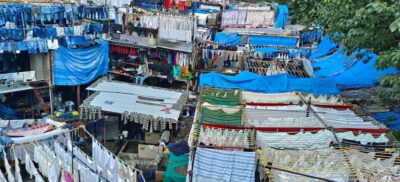
- Dhobi Ghat laundry: the biggest open-air system up close
- What to bring for laundry day
- The short ride to the flower market: color, scent, and commerce
- Entering Dharavi: narrow lanes, small homes, and busy trades
- The core question this tour answers
- One drawback to keep in mind
- Your guide matters: why explanations like Shivam’s change everything
- What the itinerary feels like, stop by stop
- Price and value: $9 is the real selling point
- Who should book this, and who might not love it
- Tips for getting the most out of it
- Should you book this tour?
- FAQ
- Where does the tour start and end?
- What’s included in the price?
- Is tipping included?
- Are snacks included?
- What stops are part of the tour?
- Will the guide speak English?
- What should I bring?
- How do I get there during the tour?
- Is the tour offered by a local company?
- What’s the tour price?
Key things that make this tour work
- Dhobi Ghat by train: you see the laundry where it actually happens, not from a distant viewpoint
- A real Dharavi walk: narrow lanes, small homes, school life, and local trades in one route
- Flower market stop: color and scent at a daily hub before you head into the neighborhoods
- Guide quality in plain English: guides like Shivam explain clearly and answer questions
- Neighborhood insiders: local guides who still live in the area for generations help you read what you see
- Strong value for $9: guide + train ticket + taxi + bottled water included
From Churchgate to Dhobi Ghat: riding the city on purpose
This tour starts inside Churchgate station, at the train ticket counter, near the Wheelers bookstall. That detail matters, because it puts you into Mumbai at the exact moment people are moving for their normal day. You’re not stepping into a waiting room. You’re stepping onto the city’s rhythm.
Then you hop on a train ride with your local guide to reach Dhobi Ghat, the world’s largest open-air laundry. The point isn’t just to say you visited. It’s to watch how everyday transit connects neighborhoods to work. When you arrive, you’re already in “real time” mode, not tourist time.
What I like here is how the guide helps you interpret the scene. Dhobi Ghat is organized work at a huge scale, with hundreds of clothes getting washed and dried. Even if you’ve seen photos, being there changes your understanding of space and coordination fast.
A practical note for your feet
You’ll want comfortable shoes. Dhobi Ghat and the later neighborhood walk involve moving around in areas where people work and traffic stays busy. If your body runs better on short steps and firm footing, this route will feel much easier.
Other Dharavi walks led by people who live there



Dhobi Ghat laundry: the biggest open-air system up close
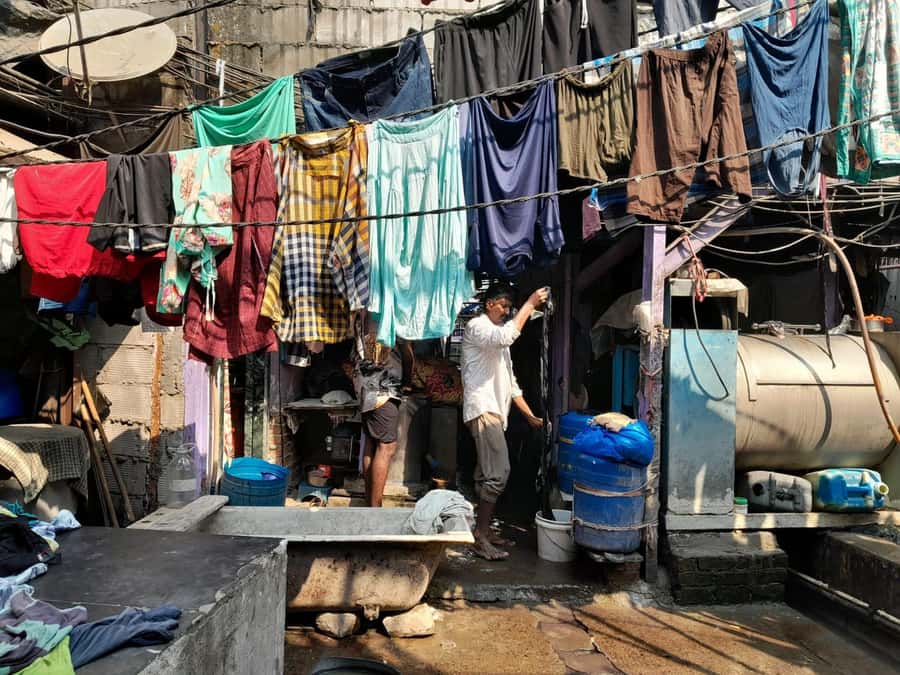
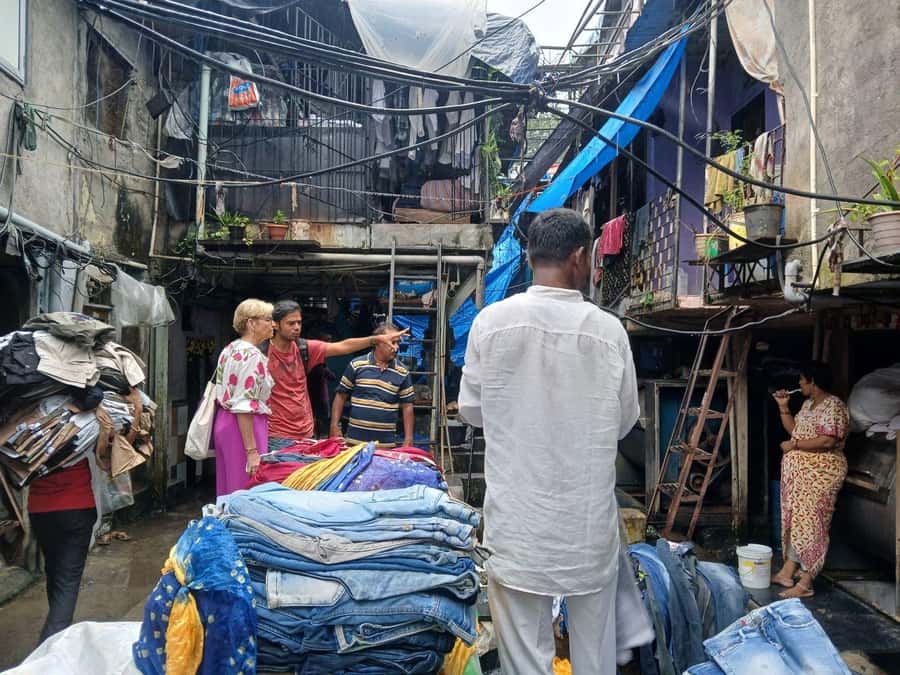
At Dhobi Ghat, you’re looking at an operating laundry system, not a museum exhibit. The experience is about scale and routine. You’ll see clothes moving through stages of use, washing, and drying, all out in the open.
The standout value of having a guide is interpretation. Without context, it can look like chaos. With a good guide, it becomes a set of systems: how clothes are handled, how areas are used, and how workers coordinate so it keeps flowing. That’s why the English explanations are such a deal. It helps you follow what you’re seeing instead of just taking pictures.
One more thing I appreciate: the focus stays on daily work. You’re not asked to treat anyone like an attraction. You’re learning how a city’s laundry needs are met through skilled labor that many people depend on.
What to bring for laundry day
Bring your camera, but also remember that this is a working space. Keep it respectful and be ready to lower the lens if things feel too close or too busy. Also, plan to drink your bottled water during the day, since you’ll be on your feet.
The short ride to the flower market: color, scent, and commerce
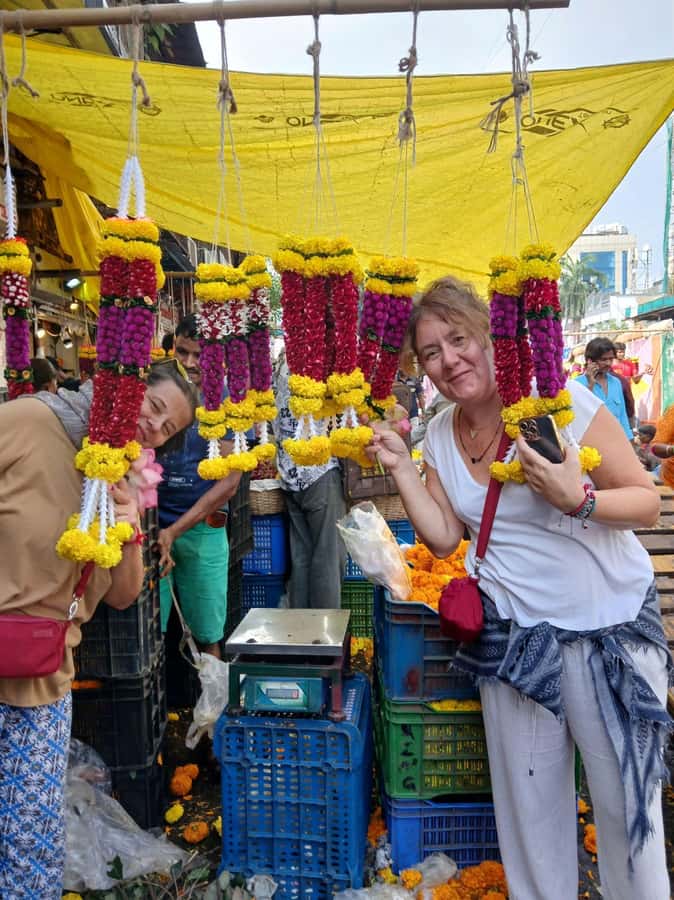
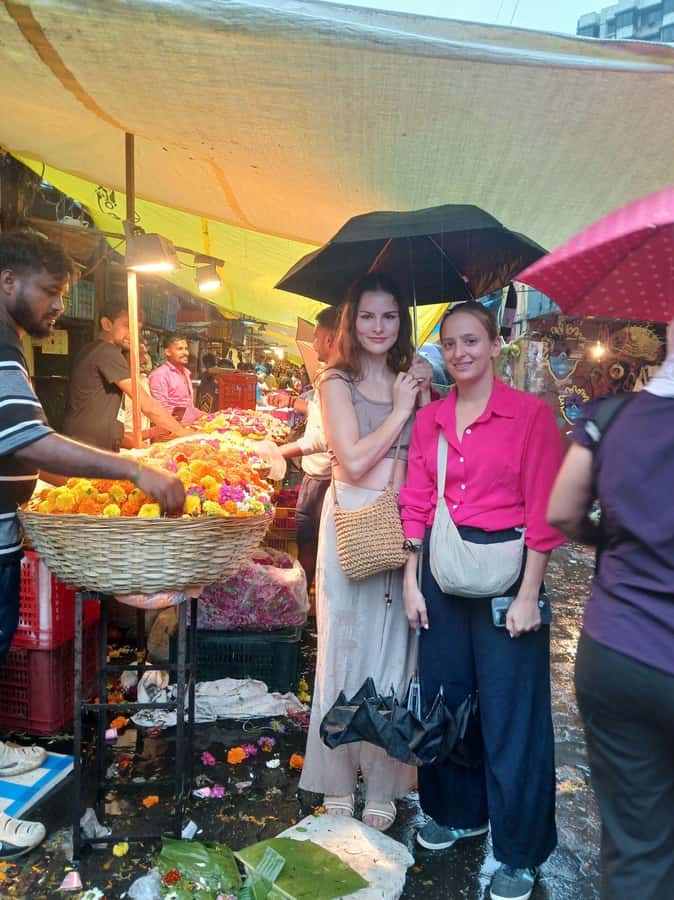
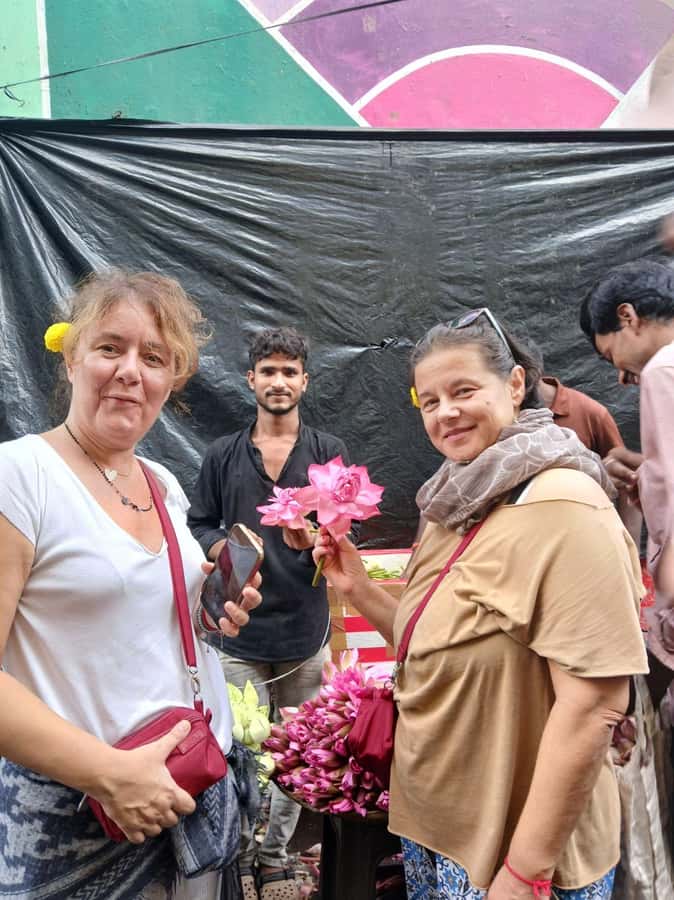
After Dhobi Ghat, you take a short ride to the flower market. This stop shifts the mood in a useful way. In one part of the city you’re watching work tied to laundry. In the next, you’re watching commerce tied to celebration, worship, and daily needs.
The market is described as vibrant and busy, and you’ll feel that instantly. It’s a sensory change: color stacked on color and that strong flower smell that hits before you even get your bearings. You’ll see the kind of hustle that runs on timing and customers, not on tourist schedules.
This is also a nice checkpoint before Dharavi. It helps your brain reset. You go from one large-scale working environment to another, but with a different texture. That makes Dharavi more readable, because you’ve already been trained to notice how local economies function.
More visits to the open-air laundry at Mahalaxmi
- Mumbai: Dhobi Ghat Laundry and Dharavi Slum Tour with Local
★ 5.0 · 469 reviews - Mumbai: Dharavi Slum and Dhobi Ghat Laundry Tour
★ 5.0 · 317 reviews - Private Combo Tours Sightseeing + Dharavi Slum + Dhobi Ghat & Dabbawalas
★ 5.0 · 245 reviews - Dharavi, Dhobighat, and Mumbai Dabbawallas
★ 5.0 · 168 reviews - Dabbawala, Dhobi Ghat & Dharavi slum Tour with Local Train Ride
★ 5.0 · 102 reviews - Mumbai: Dharavi Slum Tour with Dhobi Ghat (Open-Air Laundry)
★ 4.8 · 62 reviews
Entering Dharavi: narrow lanes, small homes, and busy trades
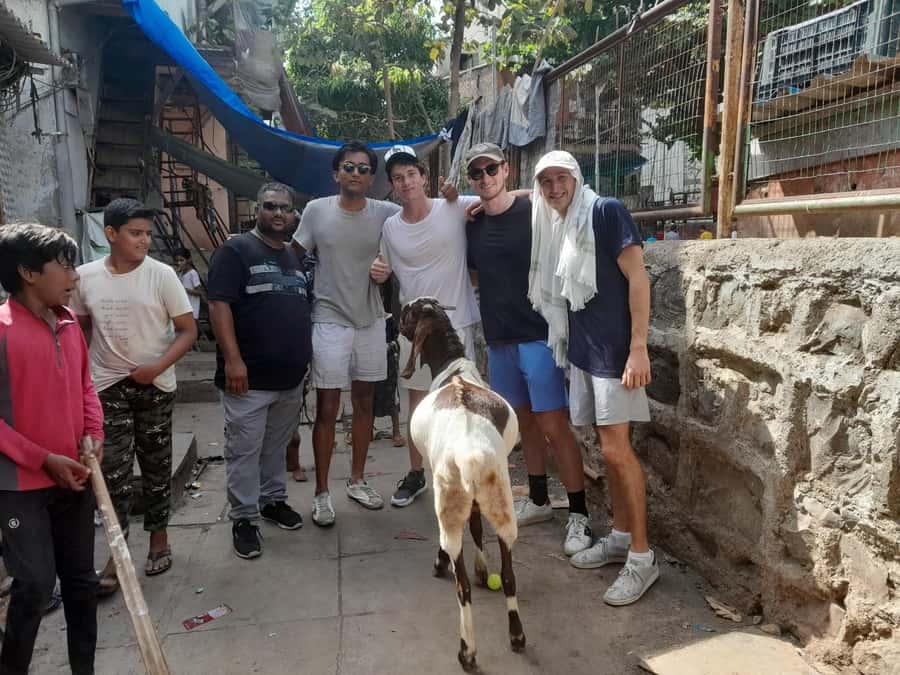
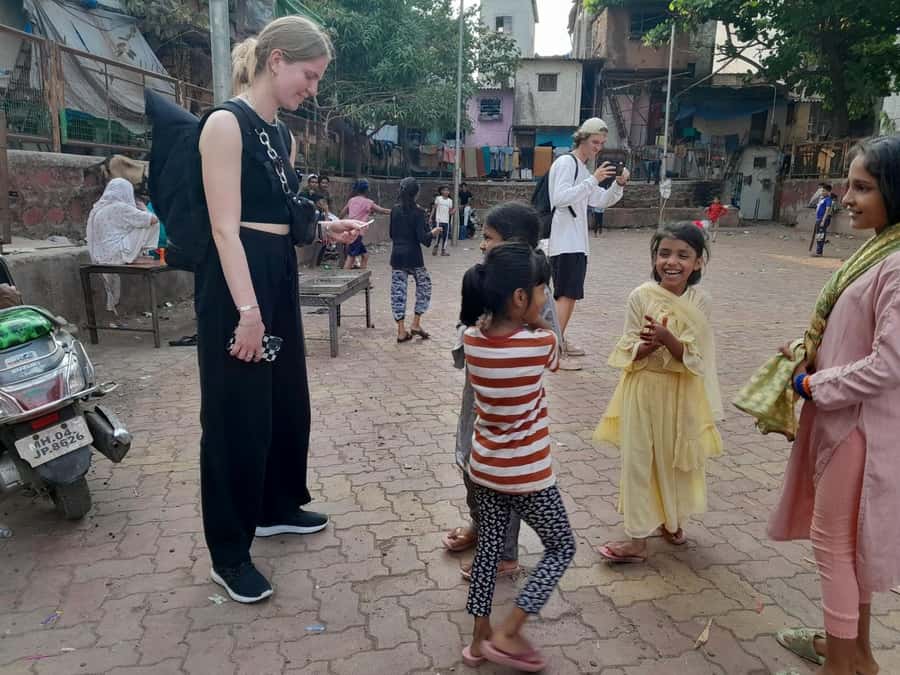
Then you’re off to Dharavi slum, where you’ll explore narrow lanes and see the smallest houses, plus everyday spaces like local markets and a school. The tour frames Dharavi as more than a poverty headline. It’s a dynamic community that generates over $1 billion annually, and it has been described as a five-star slum in Mumbai.
I like that the focus is on how life works there. You’ll pass by small-scale industries and businesses, including recycling, a leather factory, garments, and pottery. That mix gives you a more complete picture of how people create work where services and space are limited.
The guide also helps you understand the diversity. Dharavi brings families from across India together, with residents speaking different languages. On a walk like this, that matters, because you’re not seeing one single culture. You’re seeing many backgrounds living side by side, trading, teaching, learning, and running households.
The core question this tour answers
What does “community” look like when resources are tight? In Dharavi, you see unity through work, shared spaces, and constant motion in small enterprises. The tour’s value is that you don’t just look at buildings. You learn how people build livelihoods and pride in the middle of dense neighborhoods.
One drawback to keep in mind
This part can feel emotionally heavy. You’re walking through an area where people live closely and work constantly. If you expect comfort, wide streets, and a relaxed pace, you may feel overwhelmed. If you expect reality and want context, you’re in the right place.
Your guide matters: why explanations like Shivam’s change everything

The reviews put a clear spotlight on guide skill. People highlight that guides like Shivam are friendly, patient, and explain clearly in English. They also mention that he knows Dharavi like the back of his hand.
That’s not a small detail. In a place like this, good explanations are the difference between sightseeing and understanding. You’ll get more from the walk because your guide helps you connect what you see to why it matters.
The tour also emphasizes a local advantage: guides are passionate locals who still live in the area for generations. When your guide’s life is tied to the neighborhood, you tend to get a more honest reading of daily realities. It also means your questions can be answered without the distancing language that some visitors encounter elsewhere.
What the itinerary feels like, stop by stop
Here’s how the day typically lands, in a way you can picture before you go:
1) Train ride from Churchgate to Dhobi Ghat
You’ll move with a local guide through a key transit connection. It’s a fast way to get away from “tourist Mumbai” and into working Mumbai.
2) Dhobi Ghat open-air laundry walk
You’ll watch hundreds of clothes in washing and drying cycles. The main value is seeing organization at huge scale, with help from your guide so it makes sense.
3) Flower market stop
You’ll get a strong sensory shift. It’s colorful and active, and it shows another side of local trade. Think of it as the day’s color reset.
4) Dharavi slum walk
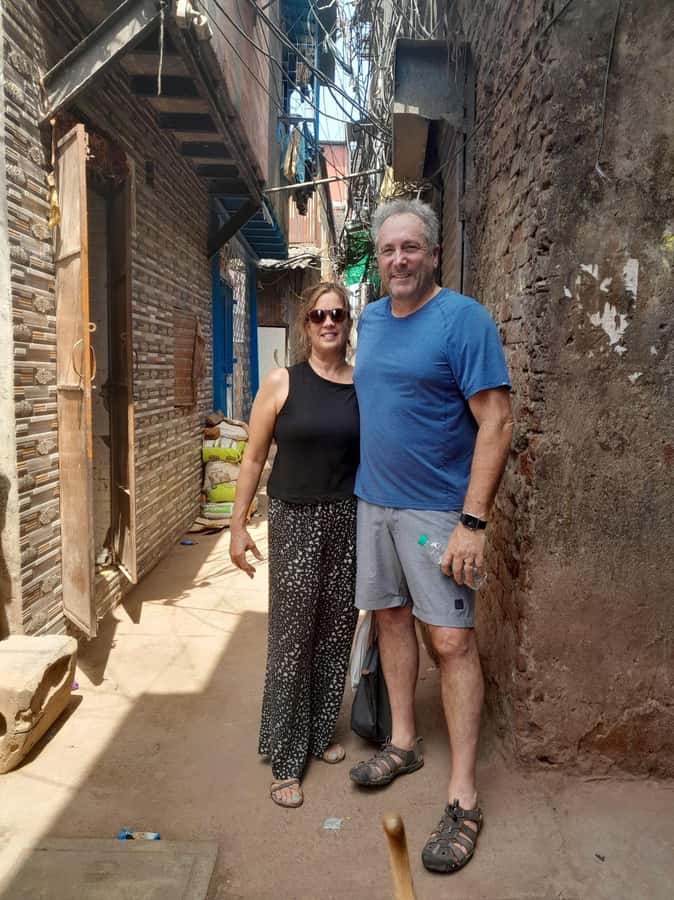
You’ll explore narrow lanes and small homes, plus local market life and a school. You’ll also see industrial work areas tied to recycling, leather, garments, and pottery.
5) Return to the meeting point
The experience ends back at the same meeting spot by Churchgate.
Price and value: $9 is the real selling point
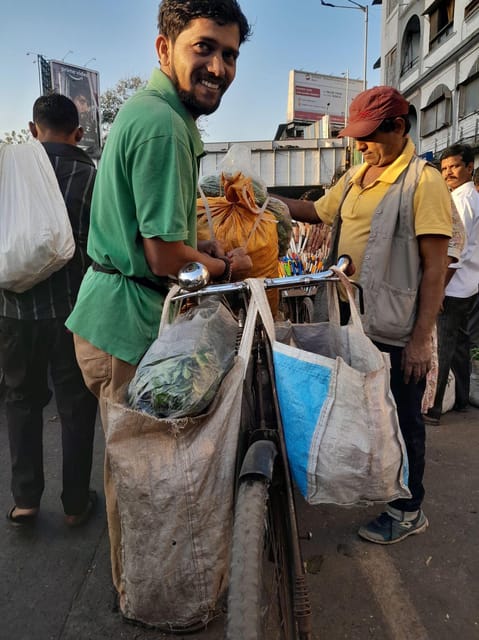
At $9 per person, this tour is priced to be accessible. What makes it feel like a bargain is that your cost covers more than a guide’s time. It includes a train ticket, taxi fare, and bottled water.
That matters in Mumbai, where you can spend more than you expect just getting across town. Here, the transportation is part of the plan, so you’re not juggling schedules and bargaining while trying to keep the day on track.
Is it worth it for the experiences? For me, yes, because you’re paying for a connected day: Dhobi Ghat + flower market + Dharavi, with explanations that help the scenes become understandable instead of just visible.
Who should book this, and who might not love it
This tour fits best if you:
- Want an up-close look at how cities function through everyday work
- Like guided context, not just photos
- Are comfortable walking and standing in active areas
- Prefer authentic, local explanations in English
You might not enjoy it as much if you:
- Want quiet, scenic stops and minimal exposure to poverty and dense living conditions
- Dislike working neighborhoods where people are actively going about their jobs
- Need a very low-walking day
Tips for getting the most out of it
A few small moves can make the day smoother:
- Wear comfortable shoes from the start, not later as a rescue plan
- Bring your camera, but keep it respectful in crowded work areas
- Have your questions ready. Your guide’s English explanations are a big part of the value
- Keep water handy. You’ll be walking and moving through several busy zones
Should you book this tour?
I think you should book it if you want real Mumbai and you’re okay with intensity. The mix of Dhobi Ghat laundry work, the flower market’s color and commerce, and the guided walk through Dharavi gives you a fuller picture than most standard sightseeing days. And at $9 with train ticket, taxi fare, and bottled water included, it’s a strong value when you factor in how much you’re actually seeing.
If your ideal day is polished viewpoints and minimal emotional weight, you may want a different kind of Mumbai tour. But if you’re curious about how livelihoods run in the city, this one delivers.
FAQ
Where does the tour start and end?
It starts inside Churchgate station at the train ticket counter, near the Wheelers bookstall. It ends back at the same meeting point.
What’s included in the price?
The tour includes a tour guide, train ticket, taxi fare, and bottled water.
Is tipping included?
No. Tips to the guide are not included.
Are snacks included?
No. Snacks are not included.
What stops are part of the tour?
You’ll visit Dhobi Ghat laundry, the colorful flower market, and Dharavi slum.
Will the guide speak English?
Yes. The tour language is English.
What should I bring?
Bring comfortable shoes, a camera, and water.
How do I get there during the tour?
You’ll take a train ride with the local guide to Dhobi Ghat, and a short ride to the flower market.
Is the tour offered by a local company?
The provider is Mumbai Experiences.
What’s the tour price?
The price is $9 per person.
Deeper into the Bazaars
- Mumbai: Street Food and Night Markets Tour
★ 4.9 · 719 reviews - Mumbai Morning Market Tour of Flowers, Fish, and More
★ 5.0 · 100 reviews - Mumbai Morning Market Tour of Flowers, Fish, and More
★ 5.0 · 82 reviews - Mumbai Street Food Tour with Evening Bazaar Walk
★ 4.9 · 79 reviews
Dhobi Ghat from a Few More Angles
- Mumbai: Dharavi Slum, DhobiGhat, and Dabbawallas Tour
★ 4.9 · 689 reviews - Mumbai: Dhobi Ghat Laundry and Dharavi Slum Tour with Local
★ 5.0 · 469 reviews - Mumbai: Dharavi Slum and Dhobi Ghat Laundry Tour
★ 5.0 · 317 reviews - Private Combo Tours Sightseeing + Dharavi Slum + Dhobi Ghat & Dabbawalas
★ 5.0 · 245 reviews
Dharavi, Told by Its Residents
- Dharavi slum tour in Mumbai by Female tour guides of the slum
★ 5.0 · 1,976 reviews - Mumbai: Dharavi Slum, DhobiGhat, and Dabbawallas Tour
★ 4.9 · 689 reviews - Dharavi Slum Tour
★ 5.0 · 625 reviews - Dharavi Slum tour in Mumbai by local resident
★ 5.0 · 572 reviews
New on the Mumbai shortlist



Dharavi Community Walks, compared.
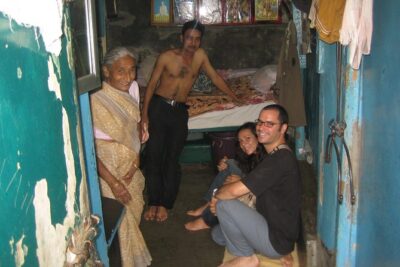 ★ 5.0Dharavi slum tour in Mumbai by Female tour guides of the slumFrom $91,976 reviews
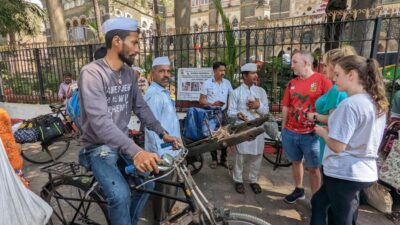 ★ 4.9Dharavi Slum, DhobiGhat, and Dabbawallas TourFrom $14689 reviews
 ★ 5.0Dharavi Slum TourFrom $20625 reviews
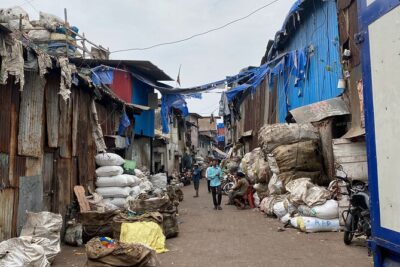 ★ 5.0Dharavi Slum tour in Mumbai by local residentFrom $4572 reviews
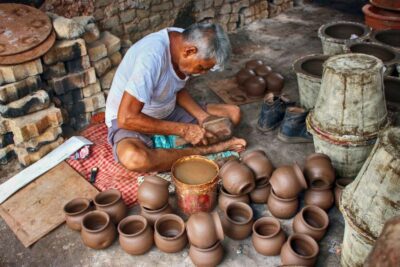 ★ 4.9Dharavi Slum Slumdog Millionaire Tour with a LocalFrom $10529 reviews
 ★ 5.0Mumbai Slum Tour – Visit Dharavi Slum with Local GuideFrom $5509 reviews
 ★ 5.0Dhobi Ghat Laundry and Dharavi Slum Tour with LocalFrom $4469 reviews
 ★ 5.02-Hour Guided Tour of DharaviFrom $22359 reviews
Browse the lists this tour appears in