
Review · DHARAVI COMMUNITY WALKS
Mumbai: Dharavi Slum Tour with Dhobi Ghat (Open-Air Laundry)
Two worlds, one walk. This Mumbai tour links Dharavi’s small industries with Dhobi Ghat’s open-air laundry, so you don’t just read about the city—you see how it functions. I especially like the focus on daily work, recycling, and the local hustle behind it.
What I like even more is the human scale: guides such as Pooja, Anushka, and Varsha lead you through tight lanes with clear explanations, humor, and practical advice about what’s appropriate (including photography). The one drawback to keep in mind: the Dhobi Ghat portion ends at a viewing deck, so access down into the laundry area isn’t guaranteed and the stop can feel brief.
In This Review
- Key takeaways before you go
- Why Dharavi and Dhobi Ghat fit together
- Third Wave Coffee: the start point that keeps things simple
- Dharavi’s lanes: seeing industry inside everyday life
- The industries you’ll hear about (and why they matter)
- A note on photography and dignity
- Choosing the right guide: why names like Pooja, Anushka, and Varsha matter
- Dhobi Ghat viewing deck: the world’s largest open-air laundry in action
- The one thing to expect less of
- Price and value: why this tour costs under five dollars
- What to bring (and what to wear) for narrow lanes
- How long is the day, really?
- Who this tour suits best (and who should skip it)
- Should you book the Mumbai Dharavi + Dhobi Ghat tour?
- FAQ
- Where is the meeting point for the Dharavi and Dhobi Ghat tour?
- How long is the tour?
- Is hotel pickup or drop-off included?
- Are meals or drinks included?
- Can I take photos during the tour?
- What should I bring?
- Is the tour suitable for wheelchair users?
- Does the tour operate in bad weather?
- Final word
Key takeaways before you go
- Dharavi is presented through work and production, not just scenes of poverty.
- Recycling and making (textiles, plastic recycling, and other small industries) are the big story.
- Good English guiding matters here, and guides like Pooja, Anushka, Varsha, and Smehe come up repeatedly.
- Dhobi Ghat runs by hand, with clothes washed, dried, ironed, and sorted in an open-air rhythm.
- You’ll walk narrow lanes, so comfortable shoes and a hat are not optional.
- Photography is allowed, with rules, because this is still people’s home and workspace.
Why Dharavi and Dhobi Ghat fit together
Mumbai has a talent for turning constraints into systems. One reason this tour works so well is that it pairs two places that run on the same idea: labor done right, every day, at close range.
In Dharavi, you’re walking through a neighborhood where waste materials can become usable inputs—then become finished products. After that, Dhobi Ghat gives you the opposite angle of the same theme. Instead of turning scrap into goods, it turns dirty clothes into clean ones through a choreography of washing, drying, ironing, and sorting—still human-powered, still highly organized.
For you, the payoff is contrast. You see how work is built into the local economy in Dharavi, then you watch another kind of industry at scale at Dhobi Ghat—without gloss, and without pretending the city runs on autopilot.
Third Wave Coffee: the start point that keeps things simple
You meet your guide outside Third Wave Coffee, and you’ll want to arrive about 15 minutes early. That small detail matters because this is a walking tour through narrow lanes and busy streets. Showing up on time helps you avoid feeling rushed right at the beginning.
This is also a practical start because Third Wave Coffee gives you a familiar marker in a city where street names can be hard to navigate fast. From there, you jump straight into the real thing: walking.
Other Dharavi walks led by people who live there



Dharavi’s lanes: seeing industry inside everyday life
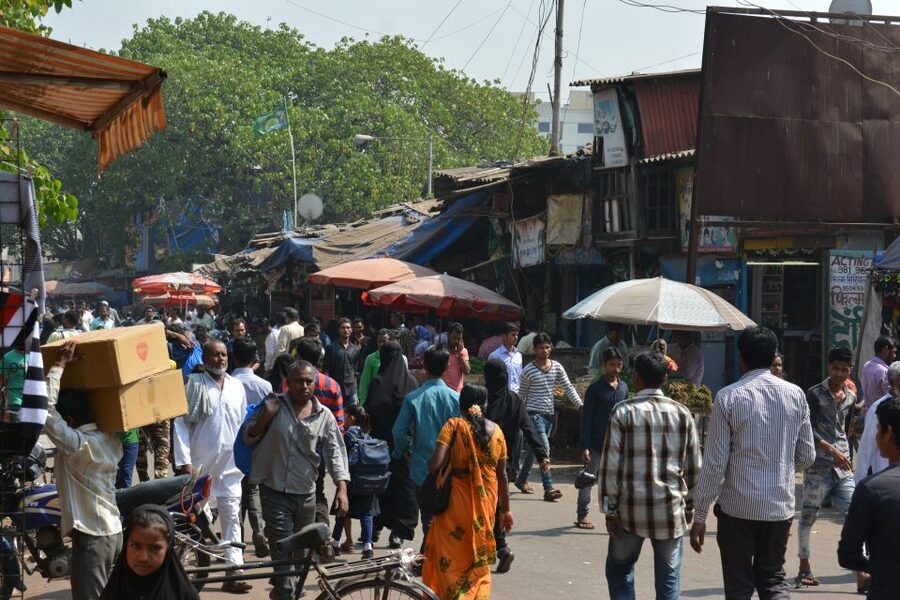
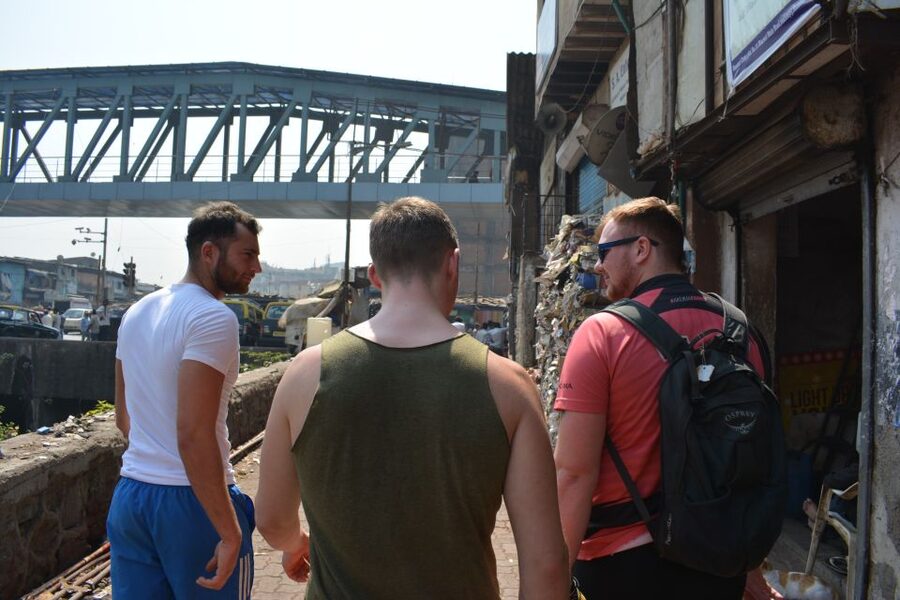
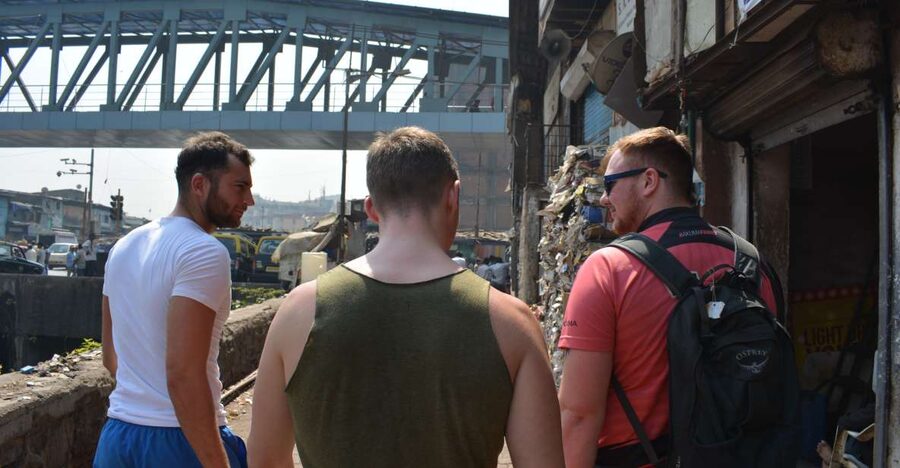
The Dharavi segment is about 2.5 hours of walking with a local guide. The experience isn’t framed as shock tourism. It’s framed as the economic engine of the area—how thousands of skilled people and small-scale businesses contribute to Mumbai.
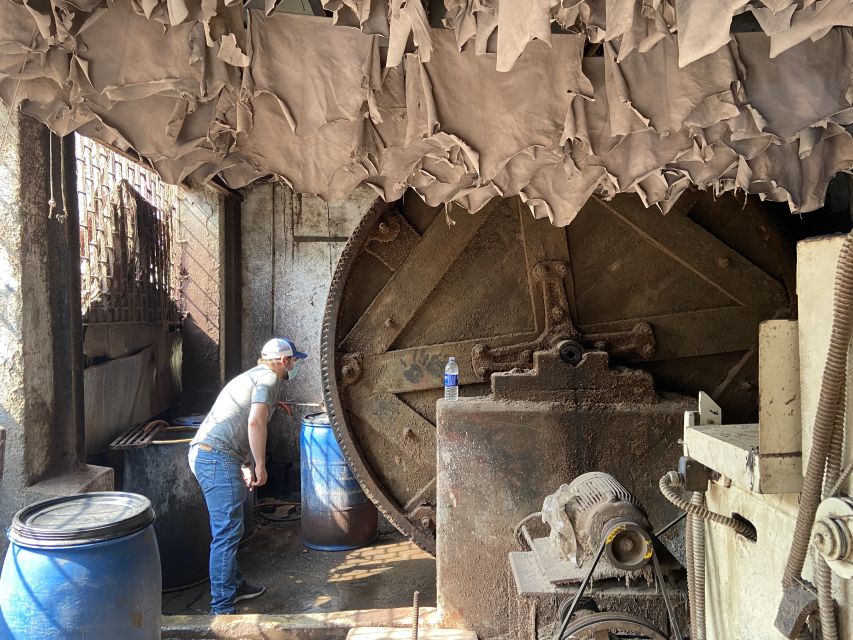
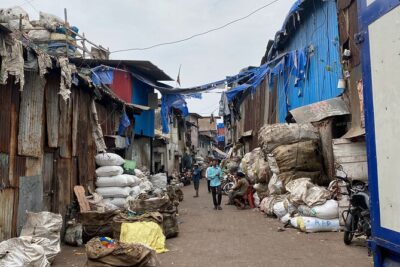
What you’ll likely notice as you move through the lanes is how compact the production can be. Dharavi isn’t shown as one big factory; it’s many connected workspaces where materials get processed and products get made. Recycling is a recurring theme: watching how waste becomes value changes your view of what a “slum” label can mean.
The tone stays respectful. The guide’s job isn’t only to explain industries; it’s also to manage boundaries—especially around photography and personal space—because residents are living in an active neighborhood, not posing for a brochure.
The industries you’ll hear about (and why they matter)
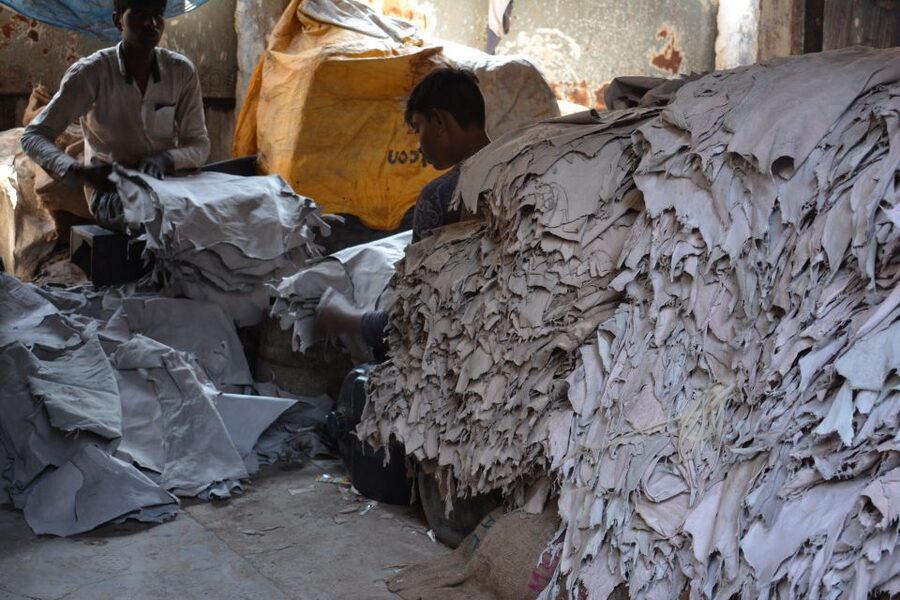
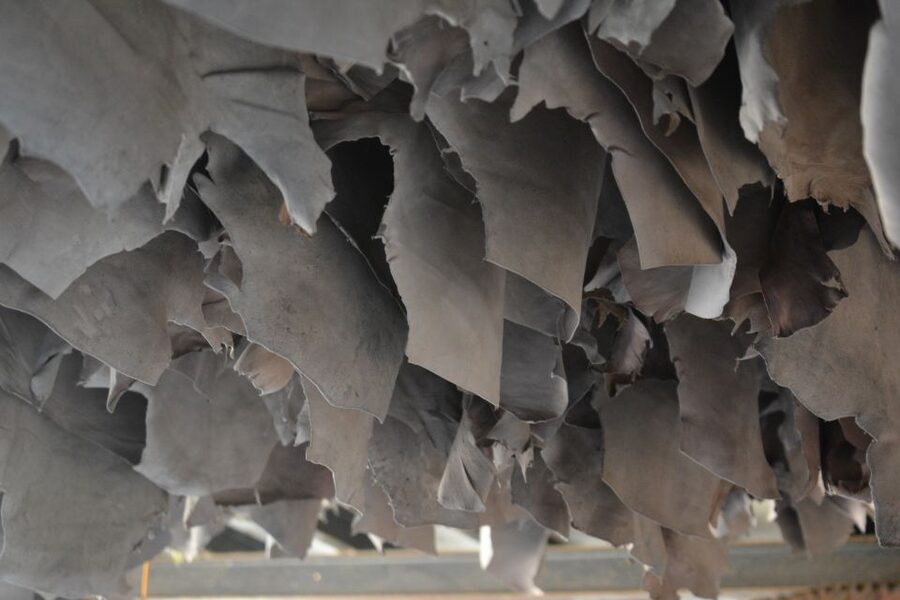
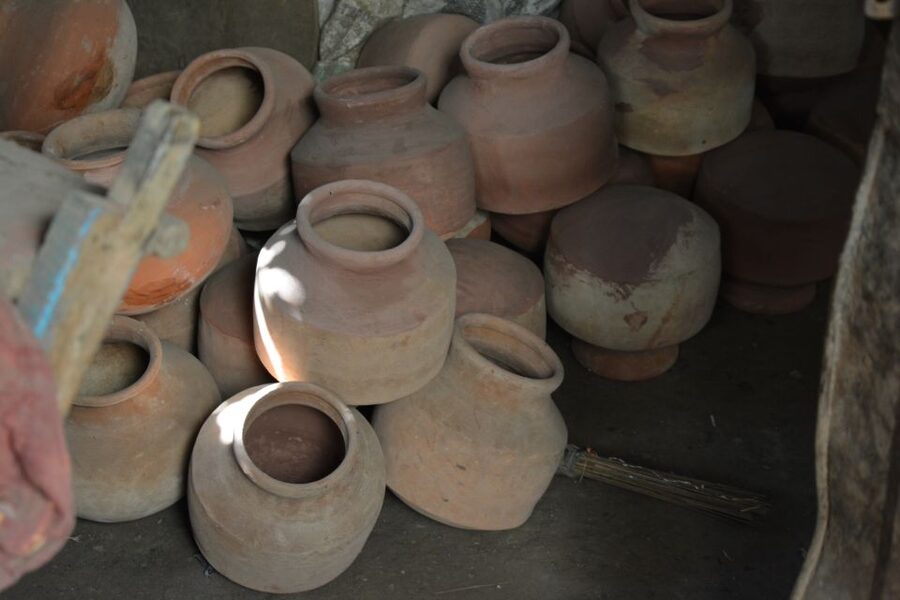
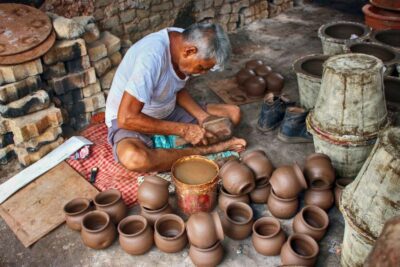
This tour highlights Dharavi’s contribution to Mumbai’s economy through small industries. Expect examples such as pottery, leatherwork, recycling, and bakery units—along with textiles and handicrafts tied to the local supply chain.
Here’s the value of hearing these categories out loud, instead of just “seeing a slum tour” as a visual checklist. You start to understand the logic of work systems:
- Materials flow in (often from waste streams or raw inputs).
- Skills transform them (hands, tools, and know-how).
- Goods move out through nearby markets and wider city networks.
That’s why the guides’ explanations matter so much. People like Pooja and Varsha come up for being clear about where industries fit, how work is organized, and how livelihoods connect. When the guiding is good, the tour stops being about pity and becomes about productivity.
A note on photography and dignity
Photography is allowed, but the guide should direct you. This matters. If you want to take pictures, go in with patience: the “best shot” isn’t always the respectful one. Follow the instructions on when it’s fine to shoot and when it’s not.
More visits to the open-air laundry at Mahalaxmi
- Mumbai: Dhobi Ghat Laundry and Dharavi Slum Tour with Local
★ 5.0 · 469 reviews - Mumbai: Dharavi Slum and Dhobi Ghat Laundry Tour
★ 5.0 · 317 reviews - Private Combo Tours Sightseeing + Dharavi Slum + Dhobi Ghat & Dabbawalas
★ 5.0 · 245 reviews - Dharavi, Dhobighat, and Mumbai Dabbawallas
★ 5.0 · 168 reviews - Dabbawala, Dhobi Ghat & Dharavi slum Tour with Local Train Ride
★ 5.0 · 102 reviews - Mumbai: Dharavi Slum Tour with Dhobi Ghat (Open-Air Laundry)
★ 4.8 · 62 reviews
Choosing the right guide: why names like Pooja, Anushka, and Varsha matter
Guides show up again and again in the feedback, and not just because they speak English. They’re credited with being organized on the ground, handling questions well, and reading the room.
You’ll see names like:
- Pooja: praised for deep, practical knowledge, quick answers, and competence.
- Anushka: described as funny, sweet, and able to share stories from personal familiarity with Dharavi.
- Varsha: noted for explaining industries and the productivity of workers, with a focus that feels less like poverty theater.
- Smehe: mentioned in one case where the first half of the experience was strong, and the second half was less satisfying.
So what should you do with this? Pick the tour knowing it’s not only about the places—it’s about the way a good local guide interprets them for you. A strong guide will help you ask better questions and understand what you’re seeing without turning people into props.
Dhobi Ghat viewing deck: the world’s largest open-air laundry in action
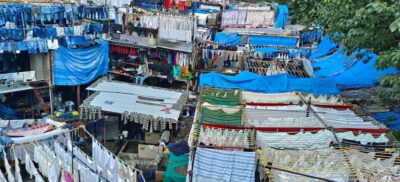
After Dharavi, your tour ends at Dhobi Ghat, specifically from the viewing deck. Dhobi Ghat is described as the world’s largest open-air laundry, and the setting is exactly what makes it memorable: it’s outdoors, it’s rhythmic, and it’s visibly labor-intensive.
What you’ll watch is the full loop of laundry work:
- clothes are washed
- then dried
- ironed
- and sorted by hand
That last part—sorting—often gets ignored in photos. From the deck, you can still see enough of the workflow to understand the scale and pace. The key is to watch for patterns: how groups work in sequence, how garments get handled, and how the operation keeps moving despite constant activity around it.
The one thing to expect less of
Because you end at a viewing deck, don’t assume you’ll roam freely through the laundry area. One experience in the feedback mentions frustration when going further down into the laundry wasn’t possible. Even without that exact scenario, the core structure you should plan for is: view from above, watch the workflow, and learn from the guide’s explanations.
Price and value: why this tour costs under five dollars
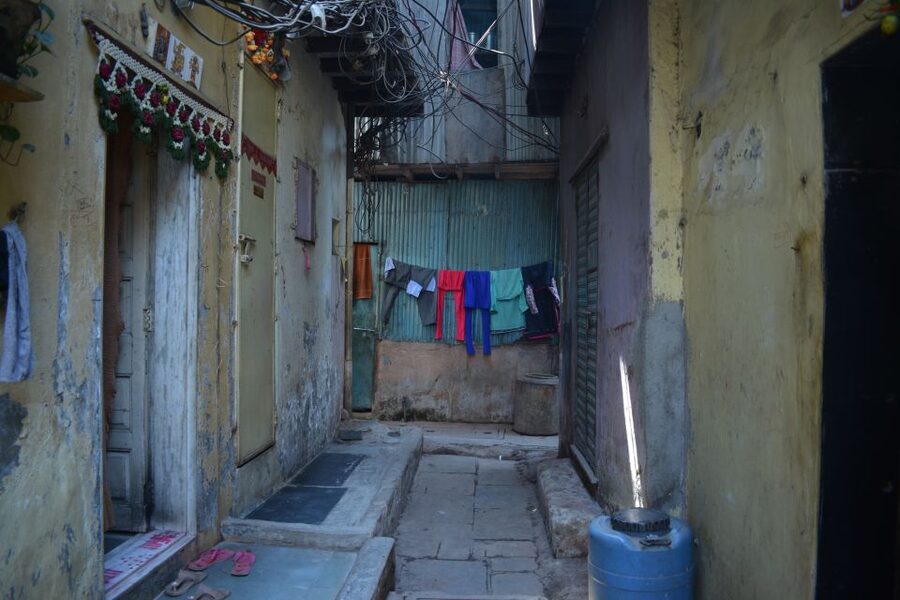
At $4.94 per person for about 3 hours, this tour is priced in a way that feels shockingly low. Here’s how I’d think about value.
You’re not paying for luxury, transport, or meals. You’re paying for:
- entry to Dharavi (described as Asia’s largest slum in the tour info)
- a live English guide
- and the access-and-context part—knowing where to stand, what you’re looking at, and how to understand industries without misreading what’s happening.
Also, this matters: the tour includes a guided walkthrough with explanations. The guide is the difference between seeing random streets and understanding systems of work. In that sense, the low price isn’t a gimmick; it’s a sign the product is mostly labor-and-local knowledge.
You should still budget for the day: there’s no food or drinks, and there’s no hotel pickup/drop-off. So the real cost is time, transit, and what you bring (water, snacks if you want them nearby before/after).
What to bring (and what to wear) for narrow lanes
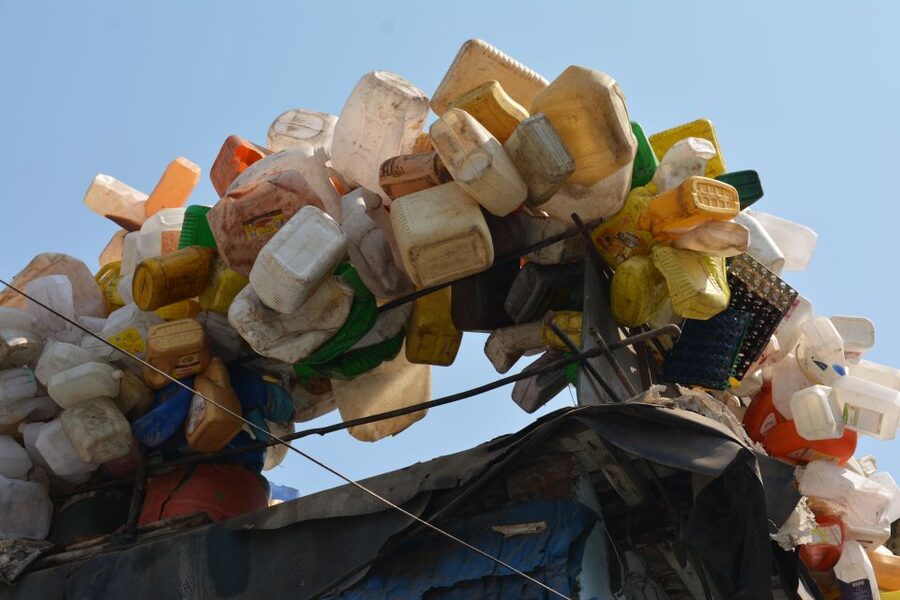
This tour runs rain or shine, and it involves walking through narrow lanes and busy streets. That means your outfit is part of the plan, not an afterthought.
Bring:
- comfortable shoes (you’ll want grip)
- a hat (sun can be real)
- a camera (photography is allowed with instructions)
- a reusable water bottle (hydration is encouraged)
Also plan for limited restroom facilities, so use facilities before you start. And since the tour doesn’t include meals, eat beforehand or plan a meal after—especially if you’re the kind of person who likes food to arrive before you’re hungry.
How long is the day, really?
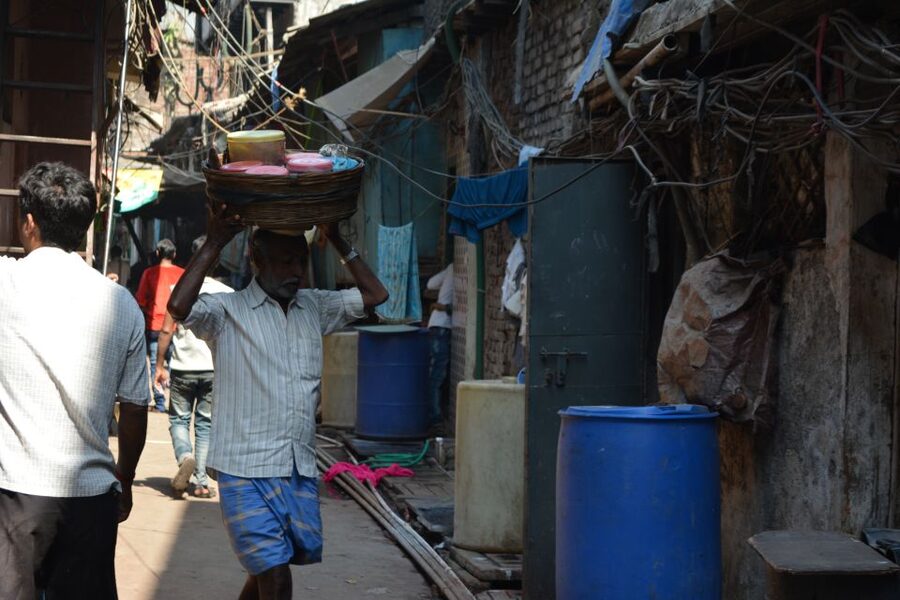
The schedule is set for a 3-hour duration. You’ll spend about 2.5 hours in Dharavi on foot, then you’ll finish at Dhobi Ghat.
That timing is ideal if you want something focused. You’re not trying to “do Mumbai in one afternoon.” You’re doing two highly specific work-based experiences that connect to each other thematically: labor, workflow, and the way value gets made.
If you’re short on time, this is a strong option. If you’re hoping for a long, slow wander with lots of downtime, you may find the pace more direct than leisurely.
Who this tour suits best (and who should skip it)
This experience is best for people who:
- like seeing how industries work on the ground
- want local context without filters
- don’t mind walking and staying aware of your surroundings
It may not be a fit for:
- wheelchair users (not suitable)
- people over 95 years (not suitable)
If you’re traveling with a lot of luggage, note that luggage or large bags aren’t allowed. Pack light and keep it simple.
Should you book the Mumbai Dharavi + Dhobi Ghat tour?
I think you should book it if you want a Mumbai experience that’s practical, grounded, and organized around real work. The pairing is smart: Dharavi gives you the “how value is created from materials,” and Dhobi Ghat shows the “how daily labor runs at huge scale,” both with a live English guide who can explain what you’re seeing.
Skip it (or choose a different style of tour) if you expect a comfortable, seated experience or if you strongly need close access inside Dhobi Ghat rather than from a viewing deck. Also, if you’re easily uncomfortable with active, working neighborhoods where photography comes with rules, make sure you’re ready to follow your guide’s guidance.
FAQ
Where is the meeting point for the Dharavi and Dhobi Ghat tour?
Meet your guide outside Third Wave Coffee.
How long is the tour?
The duration is 3 hours.
Is hotel pickup or drop-off included?
No. Hotel pickup and drop-off are not included.
Are meals or drinks included?
No. Food and drinks are not included.
Can I take photos during the tour?
Photography is allowed, but you should respect residents’ privacy and follow your guide’s instructions.
What should I bring?
Bring comfortable shoes, a hat, and a camera. A reusable water bottle is encouraged.
Is the tour suitable for wheelchair users?
No. The tour is not suitable for wheelchair users.
Does the tour operate in bad weather?
Yes, it operates rain or shine.
Final word
This is one of those tours where the point isn’t to “collect sights.” It’s to understand how Mumbai runs—through hands, routines, and work you can see. If you go prepared to walk, keep things respectful, and listen to your guide, you’ll leave with a different mental map of the city.
More Mumbai, Every Kind of Day
- Dharavi slum tour in Mumbai by Female tour guides of the slum
★ 5.0 · 1,976 reviews - Mumbai: Full-Day Sightseeing Tour of Mumbai
★ 4.9 · 1,822 reviews - Private Mumbai Sightseeing Tour (Traveller’s Choice Award Winner)
★ 5.0 · 1,565 reviews - Elephanta Caves & Island Guided Private Tour
★ 5.0 · 1,327 reviews
Dhobi Ghat from a Few More Angles
- Mumbai: Dharavi Slum, DhobiGhat, and Dabbawallas Tour
★ 4.9 · 689 reviews - Mumbai: Dhobi Ghat Laundry and Dharavi Slum Tour with Local
★ 5.0 · 469 reviews - Mumbai: Dharavi Slum and Dhobi Ghat Laundry Tour
★ 5.0 · 317 reviews - Private Combo Tours Sightseeing + Dharavi Slum + Dhobi Ghat & Dabbawalas
★ 5.0 · 245 reviews
Dharavi, Told by Its Residents
- Dharavi slum tour in Mumbai by Female tour guides of the slum
★ 5.0 · 1,976 reviews - Mumbai: Dharavi Slum, DhobiGhat, and Dabbawallas Tour
★ 4.9 · 689 reviews - Dharavi Slum Tour
★ 5.0 · 625 reviews - Dharavi Slum tour in Mumbai by local resident
★ 5.0 · 572 reviews
New on the Mumbai shortlist




Dharavi Community Walks, compared.
 ★ 5.0Dharavi slum tour in Mumbai by Female tour guides of the slumFrom $91,976 reviews
 ★ 4.9Dharavi Slum, DhobiGhat, and Dabbawallas TourFrom $14689 reviews
 ★ 5.0Dharavi Slum TourFrom $20625 reviews
 ★ 5.0Dharavi Slum tour in Mumbai by local residentFrom $4572 reviews
 ★ 4.9Dharavi Slum Slumdog Millionaire Tour with a LocalFrom $10529 reviews
 ★ 5.0Mumbai Slum Tour – Visit Dharavi Slum with Local GuideFrom $5509 reviews
 ★ 5.0Dhobi Ghat Laundry and Dharavi Slum Tour with LocalFrom $4469 reviews
 ★ 5.02-Hour Guided Tour of DharaviFrom $22359 reviews
Browse the lists this tour appears in