
Review · DHARAVI COMMUNITY WALKS
Mumbai: Dharavi Slum Slumdog Millionaire Tour with a Local
Dharavi changes your idea of a slum. This Mumbai tour is built around a local guide and a walk through Dharavi’s narrow lanes, where small workshops and day-to-day life sit side by side. It’s also famous for the film Slumdog Millionaire, but the real story is the human one in front of you.
Two things I like a lot: you actually get a sense of community spirit as you move alley to alley, and you see how work happens at small scale, including recycling and crafts. Your guide helps connect what you’re seeing to how the whole place functions as a neighborhood.
One thing to think about first: this isn’t a photo-first outing. Many areas restrict photography and the living and working conditions can feel intense, so it helps to go with a respectful mindset and the right gear.
In This Review
- Key Highlights You’ll Feel in Person
- First Steps in Dharavi: meet your guide and get your bearings
- Walking the Alleys: neighborhood life, not a one-note label
- Small-Scale Industries and Recycling: how products are made nearby
- Meeting People Respectfully: the community side you’ll want to remember
- Pottery Factory Finish: what to do when the tour ends
- Optional Vegetarian Meal in a Local Home: when you want to stay longer
- Price and Value Around $10: why it feels like a bargain
- Practical Tips for a Rain-or-Shine Walk
- Who This Dharavi Slum Tour Fits Best
- Should You Book This Dharavi Slum Tour with a Local?
- FAQ
- How long is the Dharavi slum tour?
- What does the tour include?
- Is food included?
- Can I take photos or videos?
- What should I bring?
- What if I need to cancel?
Key Highlights You’ll Feel in Person
- Local guidance you can talk with: English-speaking guides with real local context (many are known for humor and clear explanations).
- A small-group walking pace: easier to handle tight alleyways and stop for questions without losing the thread.
- Recycling and production chains: you’ll see how materials move through workshops and get turned into finished goods.
- Craft work at the end of the tour: the walk finishes at a pottery factory, with time to ask questions and grab transport.
- Optional hotel transfers: choosing pickup/drop-off can remove the stress of getting there and out.
- Respect rules around photos: you’ll likely need to rely on memory and conversation more than pictures.
First Steps in Dharavi: meet your guide and get your bearings
This tour starts in Dharavi, meeting your guide at a point that can vary by the option you book. The smart part is that you’re not left to figure things out on your own. Even if you’ve read about Dharavi, your guide’s job is to help you make sense of what’s around you, fast.
Expect a walking start that feels like joining the neighborhood rather than sightseeing it from the outside. You’ll get bottled water and an English-speaking local who sets the tone: where you can walk, what’s appropriate, and how the area works day to day.
Many guides are praised for the same thing: they’re calm in tight spaces and good at keeping the group together. People mention names like Loki, Maze, Ganesh, Denish, Alam, and Dinesh, and the common theme is confidence paired with friendliness. In practice, that matters because Dharavi is not the kind of place where you want to be wandering while guessing.
Walking the Alleys: neighborhood life, not a one-note label
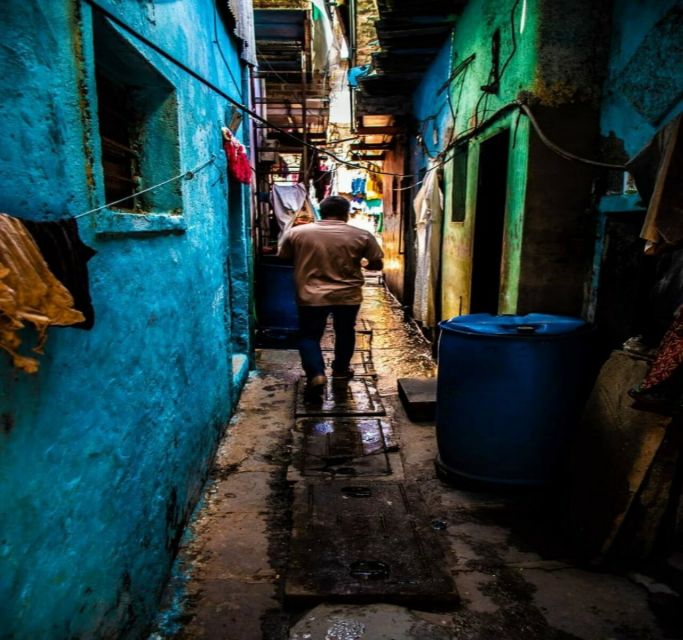
The main “activity” is the walk. But the point isn’t just seeing alleys. It’s understanding how a community organizes itself when space is limited.
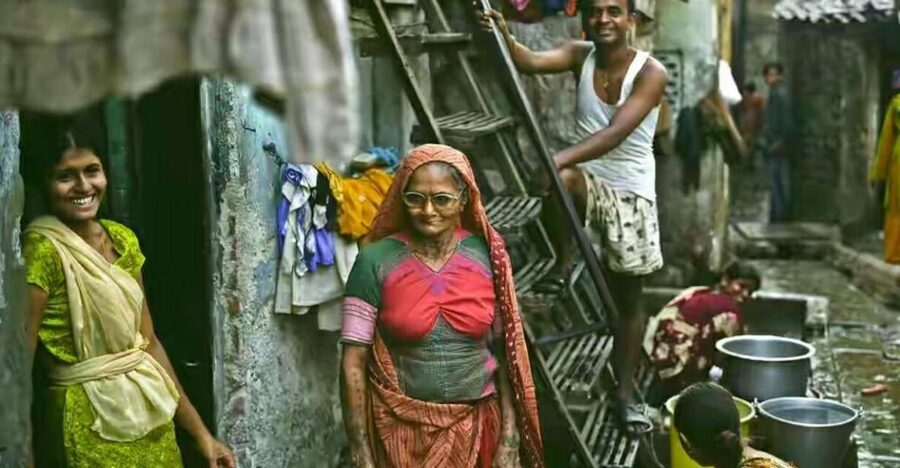
As you move through narrow lanes, you’ll notice the rhythm of daily life: homes and storefronts, people working beside people living, and small transactions happening constantly. One reviewer highlighted the contrast between harsh working conditions in recycling areas and quieter residential spots, but the key takeaway for you is this: Dharavi isn’t one single experience. It’s multiple micro-areas that function like parts of a city.
You’ll also likely encounter a mix of traditions and beliefs gathered in the same area. Guides tend to explain what you’re seeing in plain terms, including how community institutions show up in day-to-day reality. People have specifically mentioned seeing things like schools and a hospital within the overall view of Dharavi’s layout.
Small group size is a big deal here. With fewer people, you can follow your guide without getting bumped, and you can ask questions without feeling rushed. It also helps with safety and comfort, especially in crowded lanes where it’s easy for groups to spread out.
Other Dharavi walks led by people who live there



Small-Scale Industries and Recycling: how products are made nearby
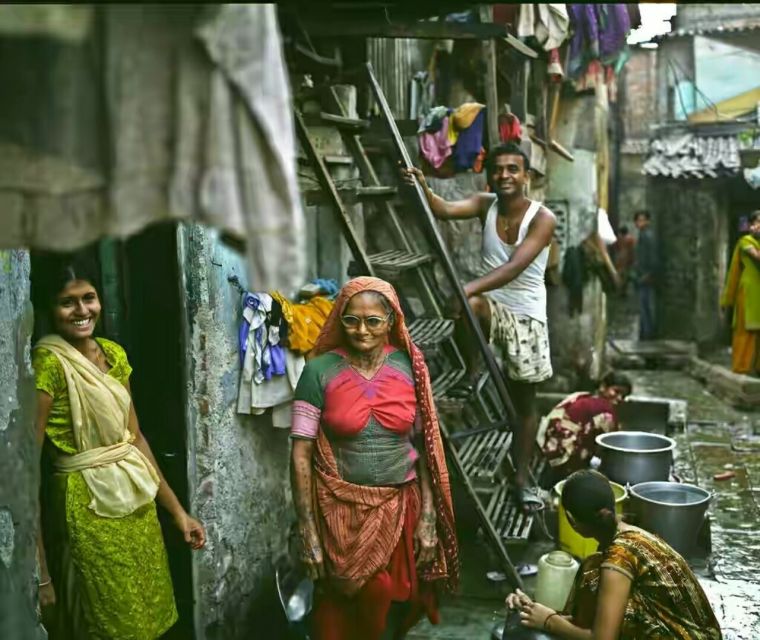
If you’re coming to Dharavi to see what’s behind the “slum” label, this is where the tour earns its keep.
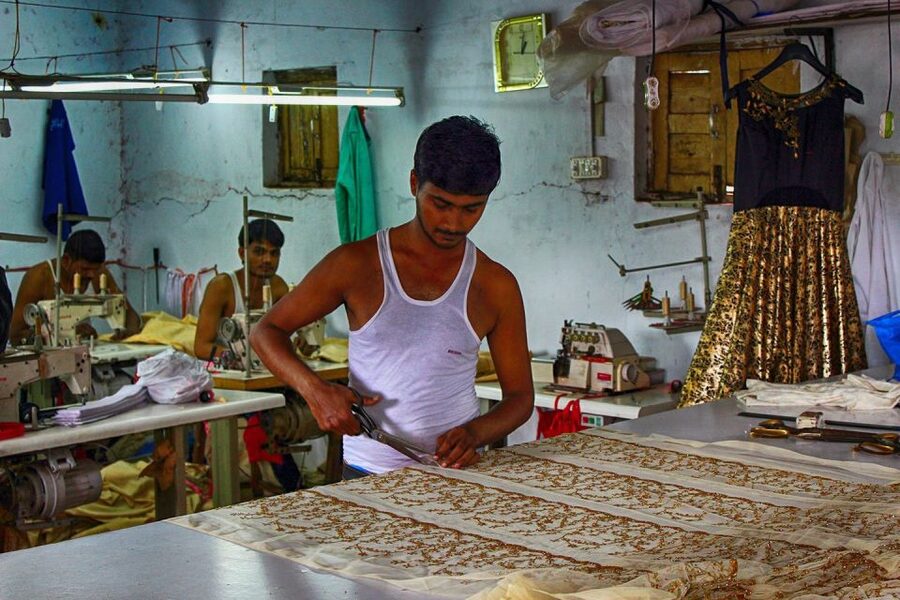
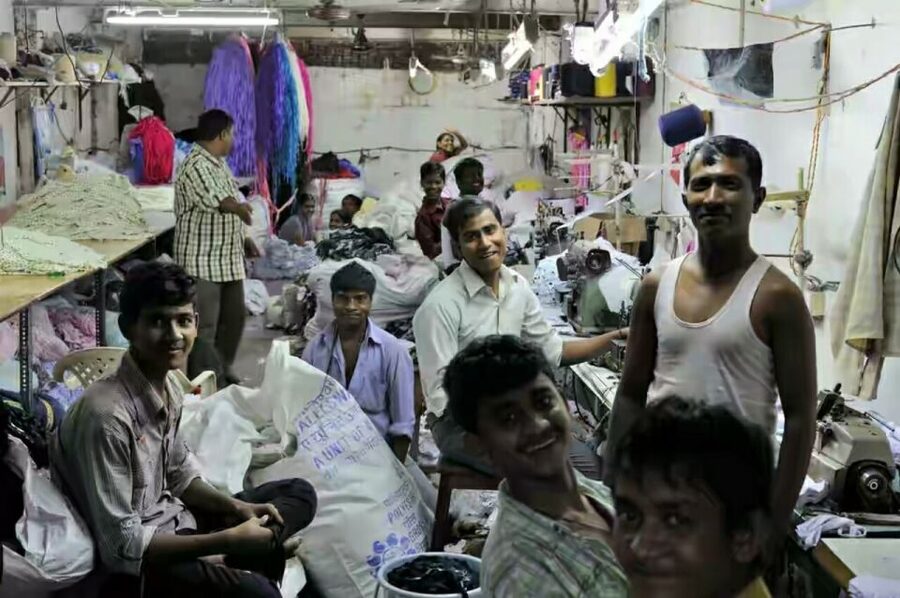
You’ll spend time watching small industries and workshops at work. Based on the areas visited and what guides commonly point out, you may see production linked to:
- recycling (including how materials are sorted and transformed)
- handmade cosmetics and soaps
- pottery and other crafts
- textiles
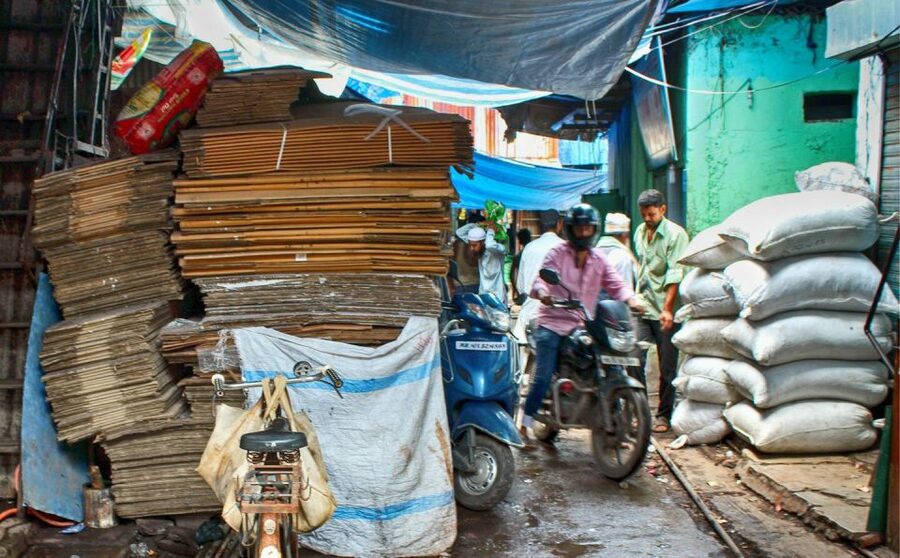
The most memorable part for many people is the connection between steps. Instead of a single stop, you’re seeing a chain of work. One reviewer described guides explaining the production chains clearly, and another emphasized how the local recycling industry works in a way you simply wouldn’t grasp from outside the area.
This is also where the tone of the guide matters. Good guides help you look past shock and toward systems: who does what, why materials are valuable, and how local work supports wider markets. That shift in perspective is why the tour often feels eye-opening in a practical way, not just emotional.
One consideration: conditions can be tough to witness. That doesn’t mean the tour is “sensational.” It means you should mentally prepare for heat, close quarters, and the realities of labor. If you’re worried about seeing poverty as spectacle, choose a respectful mindset and let your guide steer the conversation toward community and work.
Meeting People Respectfully: the community side you’ll want to remember
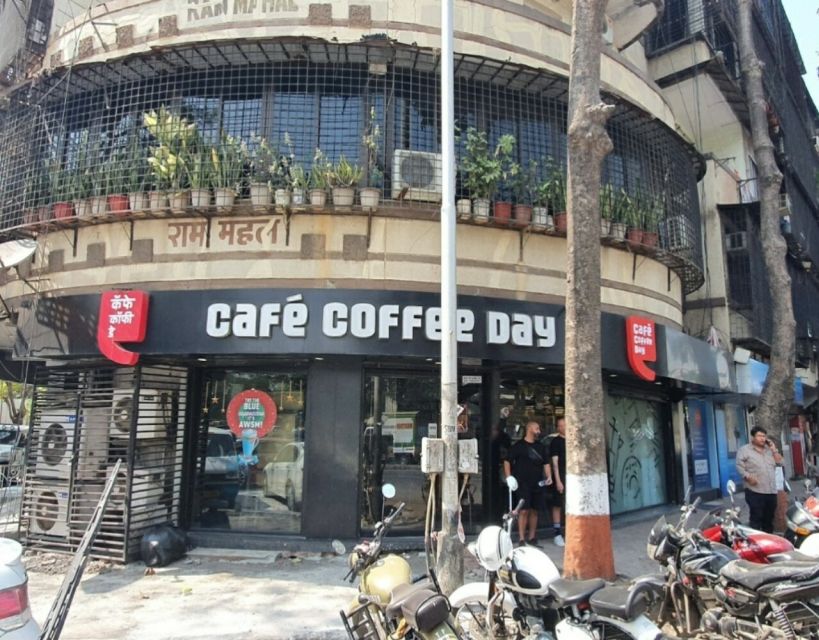
A big part of Dharavi tours is trust, and trust is built through how you behave.
You’ll have chances to interact with people during the walk. How much you interact can depend on what your guide is facilitating at each moment, and also what photography rules allow in particular spots. But the consistent point across experiences is that people are treated as individuals, not props.
Many guides are praised for making visitors feel safe and comfortable. Reviewers specifically mention guides being punctual, keeping groups together during transfers, and handling practical questions calmly. You’ll feel this especially if your option includes hotel transfers, because your guide can help you move through the city without turning the day into a navigation headache.
You’ll also get context around the community itself: not just houses and workshops, but the idea that Dharavi functions as a place with schooling, healthcare, and everyday services alongside work. That doesn’t erase hardship, but it gives the full picture.
If you’re sensitive to crowded spaces, keep expectations clear: this is a working community. You can be curious without being invasive.
Pottery Factory Finish: what to do when the tour ends
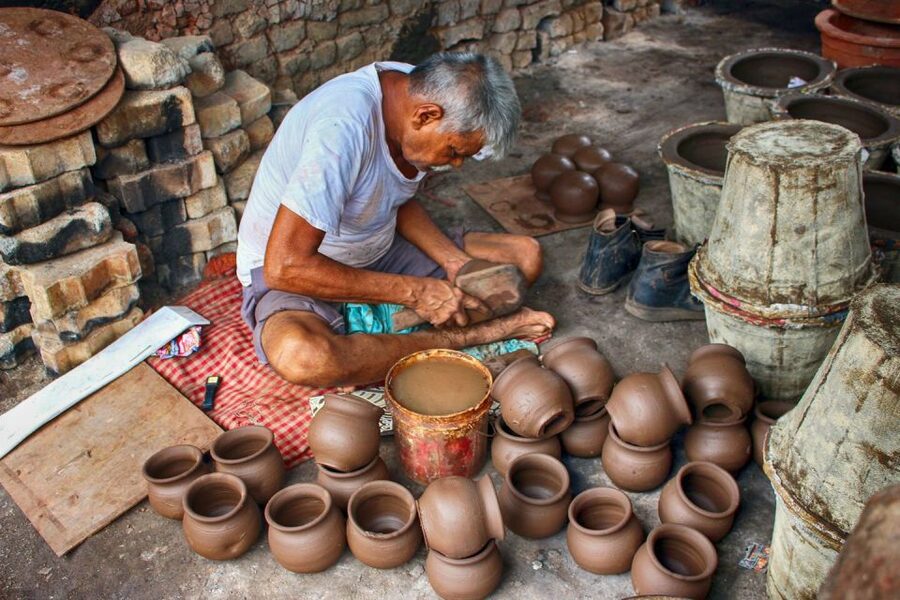
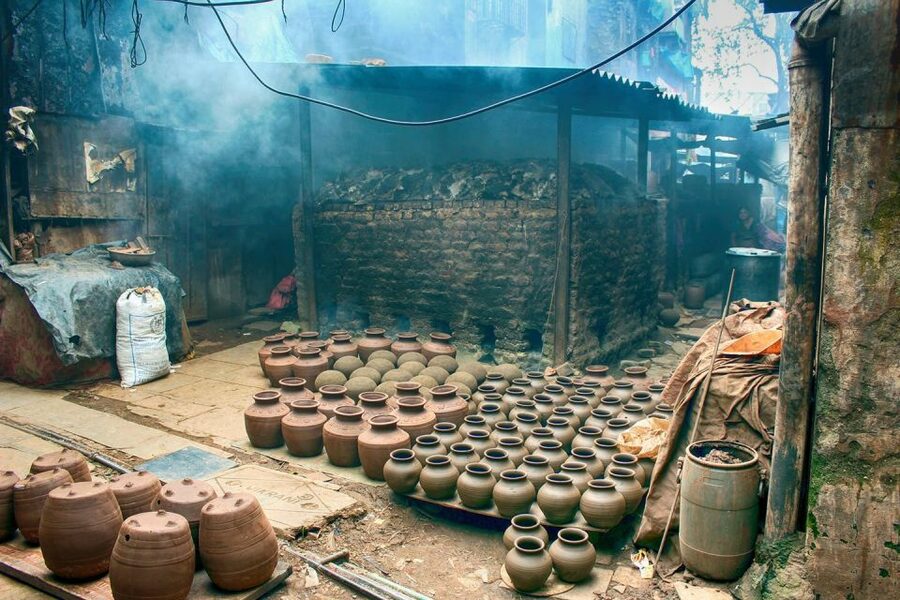
The tour ends about two hours in at a pottery factory. This stop is more than a final “look at something.” It’s a transition point: you’re seeing a craft that has a clear, tangible finish.
Because you’re ending here, your guide can help you plan the next step. Many people find it reassuring that you can ask for a taxi right after the tour. That means you’re not stuck deciding where to go next while you’re tired and hot.
This finish also gives you a helpful contrast. Earlier you’re moving through neighborhoods and workshops. At the pottery factory, you’re focusing on craft production, which often feels easier to understand because you can see the process and the end result more directly.
If you’re the type who likes to keep your day simple, this “walk plus a clear ending” structure is a big plus.
- Dharavi slum tour in Mumbai by Female tour guides of the slum
★ 5.0 · 1,976 reviews - Mumbai: Full-Day Sightseeing Tour of Mumbai
★ 4.9 · 1,822 reviews - Private Mumbai Sightseeing Tour (Traveller’s Choice Award Winner)
★ 5.0 · 1,565 reviews - Group Guided Walking Tour in Fort and Colaba
★ 5.0 · 1,073 reviews - Highlights of Mumbai Sightseeing Tour: TRAVELLERS CHOICE AWARDED
★ 5.0 · 915 reviews - Private Guided Walking Tour in Fort & Colaba
★ 5.0 · 895 reviews
Optional Vegetarian Meal in a Local Home: when you want to stay longer
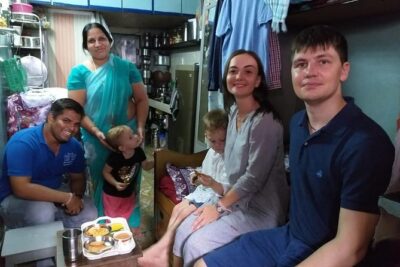
There’s an add-on if you want more than the walking part. You can choose a vegetarian meal with a local family.
This is the kind of option that can deepen the trip because it turns your experience from observation into exchange. You’re not just seeing a space; you’re stepping into a meal moment, which is often where cultural details show up naturally.
You should also expect that this add-on can extend your time in Dharavi beyond the standard 1.5–3 hour range (the tour itself is commonly described as about two hours for the main walk). If you’re planning a packed itinerary, keep that extra time in mind.
The key practical point: meals and drinks aren’t included unless you select the add-on. So if food matters to your day planning, decide ahead of time.
Price and Value Around $10: why it feels like a bargain
At about $10 per person, the value comes from what’s included and what it removes.
You’re paying for:
- an English-speaking local guide
- bottled water
- a small-group experience (and sometimes private options)
- hotel pickup and drop-off if you choose that option
That means you’re not just buying access to a place; you’re buying local navigation, interpretation, and smoother transit. For many people, the “hotel transfer option” is what turns it from a stressful day trip into a manageable one. If you’ve ever visited a place without local support and spent half the time lost or waiting, you’ll understand why this matters.
Also, at this price point, you’re getting time. A 1.5–3 hour visit is long enough to see more than one side of Dharavi, especially with guided explanations linking what you’re seeing to how the area works.
If you’re watching your budget in Mumbai, this tour tends to be one of the best-priced ways to get beyond surface-level impressions.
Practical Tips for a Rain-or-Shine Walk
This tour runs in rain or shine, so plan like it might be wet or sticky. You’ll want comfortable shoes, and long pants are specifically recommended.
Bring:
- comfortable shoes
- sunglasses
- sun hat
- long pants
A small but important note: photography and videography aren’t permitted at most places. The instruction is to consult your guide before taking any pictures or videos. That’s good guidance for you as a visitor, because rules can vary by area and by what’s happening at the moment.
Finally, tips are optional and not included. If you feel your guide is doing a great job explaining, steering you safely, and treating people respectfully, budgeting a tip is a thoughtful way to show appreciation.
Who This Dharavi Slum Tour Fits Best

This experience works best if you want a grounded look at how people live and work inside a large city—without filters. It’s also a solid choice if you like asking questions and moving at a human pace.
It’s not suitable for:
- pregnant women
- people with mobility impairments
- people with heart problems
That’s mostly about the walking and the realities of tight spaces.
If you’re traveling with time constraints, the short duration helps. If you want a long Mumbai day with lots of neighborhoods, it can also fit well because you’ll start in Dharavi and end with help getting out (taxi support after the pottery factory).
Should You Book This Dharavi Slum Tour with a Local?
I think you should book it if your goal is to understand Dharavi as a community with real work happening inside it, and if you’re comfortable walking and seeing how recycling and small industries function.
It’s especially worth choosing when:
- you want a local guide to explain what you’re seeing
- you prefer a small-group pace
- you choose the option with hotel transfers to reduce stress
- you’re open to limited photo opportunities and a more respectful, people-focused day
Skip it if you need a low-activity, fully comfortable route, or if you’re not prepared for conditions that can feel intense. Also, if you’re only seeking easy entertainment, this tour may feel serious and close to real life rather than “fun.”
If you book, go with curiosity and respect, and let your guide do what they do best: help you see Dharavi as more than a headline.
FAQ
How long is the Dharavi slum tour?
The duration is listed as 1.5 to 3 hours, and the walking portion is commonly described as around 2 hours.
What does the tour include?
It includes an English-speaking local guide, bottled water, and hotel pickup and drop-off if you select that option. A meal with a local family is included only if you add it on.
Is food included?
Meals and drinks are not included unless you choose the vegetarian meal add-on with a local family.
Can I take photos or videos?
Photography and videography is not permitted at most places on the tour. Check with your guide before taking any pictures or videos.
What should I bring?
Bring comfortable shoes, sunglasses, a sun hat, and long pants.
What if I need to cancel?
Free cancellation is available up to 24 hours in advance for a full refund.
More Mumbai, Every Kind of Day
- Dharavi slum tour in Mumbai by Female tour guides of the slum
★ 5.0 · 1,976 reviews - Mumbai: Full-Day Sightseeing Tour of Mumbai
★ 4.9 · 1,822 reviews - Private Mumbai Sightseeing Tour (Traveller’s Choice Award Winner)
★ 5.0 · 1,565 reviews - Elephanta Caves & Island Guided Private Tour
★ 5.0 · 1,327 reviews
Dharavi, Told by Its Residents
- Dharavi slum tour in Mumbai by Female tour guides of the slum
★ 5.0 · 1,976 reviews - Mumbai: Dharavi Slum, DhobiGhat, and Dabbawallas Tour
★ 4.9 · 689 reviews - Dharavi Slum Tour
★ 5.0 · 625 reviews - Dharavi Slum tour in Mumbai by local resident
★ 5.0 · 572 reviews
New on the Mumbai shortlist





Dharavi Community Walks, compared.
 ★ 5.0Dharavi slum tour in Mumbai by Female tour guides of the slumFrom $91,976 reviews
 ★ 4.9Dharavi Slum, DhobiGhat, and Dabbawallas TourFrom $14689 reviews
 ★ 5.0Dharavi Slum TourFrom $20625 reviews
 ★ 5.0Dharavi Slum tour in Mumbai by local residentFrom $4572 reviews
 ★ 5.0Mumbai Slum Tour – Visit Dharavi Slum with Local GuideFrom $5509 reviews
 ★ 5.0Dhobi Ghat Laundry and Dharavi Slum Tour with LocalFrom $4469 reviews
 ★ 5.02-Hour Guided Tour of DharaviFrom $22359 reviews
 ★ 5.0Private Full-Day Mumbai Sightseeing Tour with Dharavi SlumsFrom $39338 reviews
Browse the lists this tour appears in