
Review · DHARAVI COMMUNITY WALKS
Dharavi Slum tour in Mumbai by local resident
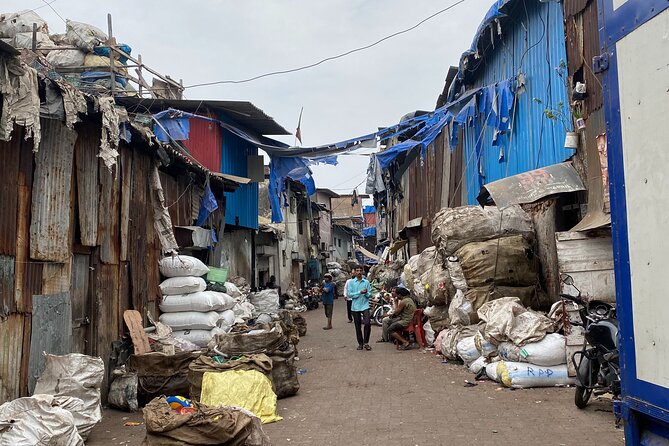
Dharavi feels real, not staged. This walking tour in Mumbai takes you through working parts of one of Asia’s largest slums with a local English-speaking guide, so you’re not guessing at what you’re seeing.
I especially like how much time you spend in factories and everyday streets, not just photo stops. You’ll come away understanding how small industries and homes sit side by side.
My favorite moment is the way the route moves through specific trades, including a plastic recycling area and production spaces for items like soap and plastic bags.
The only drawback: it’s a walking-heavy course with tight lanes and active work zones, so comfortable shoes really matter.
In This Review
- Key highlights before you go
- Why a Dharavi walking tour beats wandering on your own
- The $4.46 value: what makes this tour feel like a steal
- What you’ll see in Dharavi: the route built around real work
- Plastic recycling zone: the kind of detail most tours skip
- Soap and plastic bag production: from material to product
- The lanes between stops: how the walk keeps things understandable
- Skin drying area: a serious look at materials work
- The small shop stop: buying optional, pressure minimal
- Pickup, group size, and how to plan your arrival
- Who this Dharavi tour is best for
- A reality-check perspective (without turning it into doom sightseeing)
- Should you book this Dharavi tour? My take
- FAQ
- How long is the Dharavi slum tour?
- What does the tour cost?
- Is pickup available?
- What’s included in the admission?
- How big are the groups?
- Is free cancellation available?
Key highlights before you go
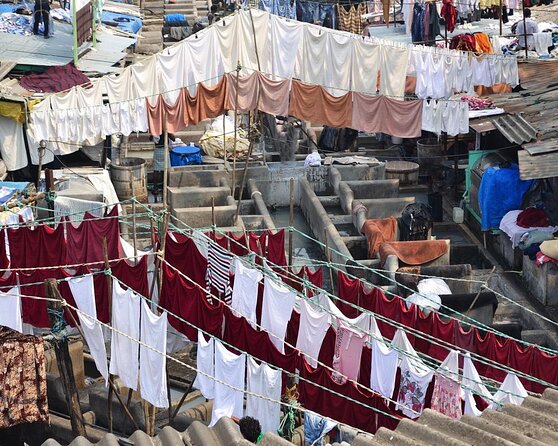
- Local English-speaking guide with clear explanations as you walk
- Factory visits tied to daily life, not just a quick drive-by
- Plastic recycling and small production areas you can actually picture
- Soap and plastic bag production shown as part of the local workflow
- Skin drying zone included in the route you’ll walk through
- A shop stop for items made in Dharavi, with no hard selling
Why a Dharavi walking tour beats wandering on your own
Mumbai is a city of movement, and Dharavi can feel like a place you’d rather not tackle blind. On foot with a guide, you get context fast: what a workshop does, who the work is for, and how commercial areas and residential areas relate.
I like that this isn’t presented like a performance. The tour is built around people’s work, including areas where materials are processed and goods are made. That’s the difference between taking random pictures and actually understanding what you’re looking at.
You’ll also get a practical rhythm to the visit. Instead of getting stuck at the first busy corner, you follow a route designed to make sense as you go—kind of like getting a map in your head while you walk.
The $4.46 value: what makes this tour feel like a steal
At about $4.46 per person, this is one of the lowest-priced guided experiences I’ve seen for anything in Mumbai. The reason it feels like good value is simple: you’re paying for a guide who can interpret a place you could easily misunderstand, plus access that’s included.
The tour length is around 2 to 3 hours, so you’re not signing up for a half-day commitment. And the ticket includes an admission ticket as part of the experience, which matters when you’re comparing it to other “walk-and-see” tours that quietly add extra costs.
It also helps that pickup is offered, and there’s a mobile ticket option. Even if you don’t use pickup, being near public transportation keeps the logistics from turning into a mini project.
Other Dharavi walks led by people who live there




What you’ll see in Dharavi: the route built around real work
This experience focuses on one main area: Dharavi. That sounds simple, but the day-to-day value comes from how the walk is structured inside the neighborhood—moving through distinct work zones and then back toward a more familiar streetscape.
Think of it as a guided tour of how the place functions. You start with the core idea: Dharavi isn’t only homes; it’s also a dense network of businesses, workshops, and processing areas. As you move, the tour helps you connect the dots between raw materials, production steps, and the goods that end up being sold.
You’re not shown everything at once. Instead, you’re guided through a sequence that makes it easier to understand what each part contributes.
Plastic recycling zone: the kind of detail most tours skip
One of the most praised parts of the route is the plastic recycling area. This is where the tour gives you those “oh, that’s how it works” moments—seeing materials being sorted and prepared rather than just hearing broad claims about recycling.
I like that the explanation is tied to what’s happening right there. It’s not abstract environmental talk. You’re looking at a real workflow, and the guide helps you understand why certain steps happen where they do.
If you’re the type of traveler who likes to know the behind-the-scenes process of how cities produce everyday items, this section is a highlight. It also sets the tone for the rest of the walk: you’re seeing the practical side of Dharavi’s economy.
Soap and plastic bag production: from material to product
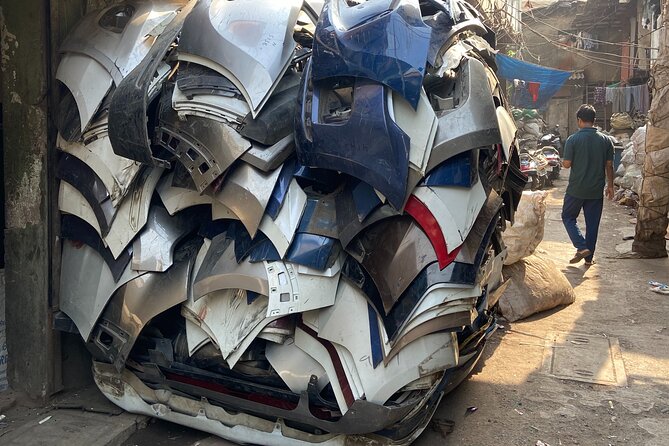
After the recycling work, the tour shifts into production, including a look at soap making and plastic bag production. This is one of the route’s strengths because it shows the jump from processed materials to finished goods.
That matters because it prevents the visit from becoming purely observational. By the time you reach these stops, you can connect the earlier material-handling steps to the products you’re seeing now.
You also get a better sense of scale. Dharavi’s workshops can feel like tiny worlds. The guide helps you understand how many different tasks can sit close together in a compact space.
- Dharavi slum tour in Mumbai by Female tour guides of the slum
★ 5.0 · 1,976 reviews - Mumbai: Full-Day Sightseeing Tour of Mumbai
★ 4.9 · 1,822 reviews - Private Mumbai Sightseeing Tour (Traveller’s Choice Award Winner)
★ 5.0 · 1,565 reviews - Group Guided Walking Tour in Fort and Colaba
★ 5.0 · 1,073 reviews - Highlights of Mumbai Sightseeing Tour: TRAVELLERS CHOICE AWARDED
★ 5.0 · 915 reviews - Private Guided Walking Tour in Fort & Colaba
★ 5.0 · 895 reviews
The lanes between stops: how the walk keeps things understandable
Between the work zones, the tour includes time moving through the kind of tight lanes you’d almost certainly miss—or misunderstand—if you tried to go solo. These narrow paths keep the experience grounded in how people actually move through Dharavi.
I appreciate this part because it slows you down just enough to notice the everyday logistics: where activity concentrates, how streets connect, and how the neighborhood doesn’t operate like a set of isolated exhibits.
It’s also why the tour is only a few hours. The route is designed for walking with meaning, not for rushing from one “spot” to the next.
Skin drying area: a serious look at materials work
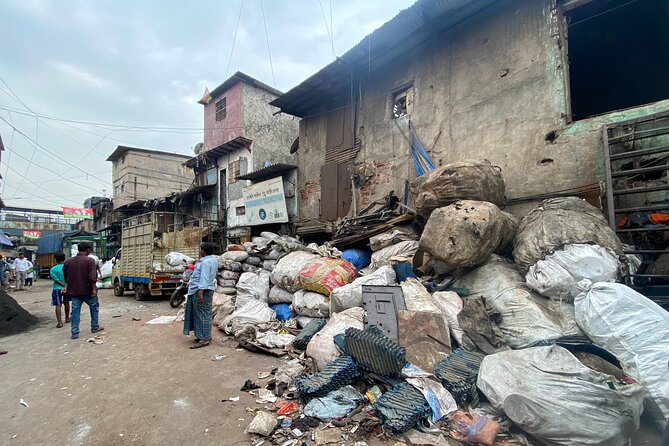
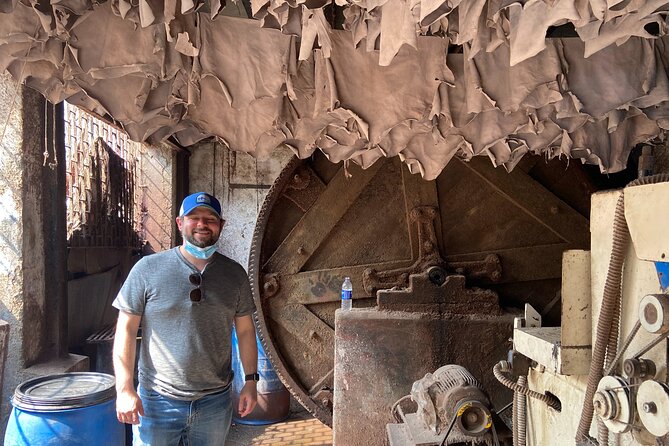
Another well-noted stop is the skin drying zone. This is a reminder that Dharavi isn’t just about assembly-style work; it includes material processing with its own methods and timing.
I recommend going in with a clear mindset: you’re seeing industrial work in a living neighborhood. If you’re sensitive to strong realities or you prefer light and easy sightseeing, this is the part where you might need a slower pace mentally.
Still, it’s included for a reason. It helps explain the bigger picture of how goods in Dharavi come from more than one step of labor, and how processing work fits into the local economy.
The small shop stop: buying optional, pressure minimal
At the end of the industrial sequence, the route includes a store where items made in Dharavi are sold. One of the best bits here is that there’s no pressure to buy.
I like having this option for two reasons. First, you can see how products move from workshop to retail. Second, if you want a small souvenir that feels connected to real work, you can choose something thoughtfully rather than grabbing the first thing you see.
If shopping isn’t your thing, you can treat this stop as a chance to observe how local products are presented—then keep your energy for the walk back.
Pickup, group size, and how to plan your arrival
This tour is built for real logistics, not fancy planning. Pickup is offered, and the experience uses a mobile ticket, which helps if you’re juggling multiple parts of your Mumbai stay.
The group size cap is up to 99 travelers. That number can sound large, but for a walking tour that lasts around 2 to 3 hours, it usually means you’ll share the route with other people while still having access to the guide’s explanations.
You’ll also be close to public transportation, which is useful in Mumbai where routes can be unpredictable. Still, I’d aim to arrive a few minutes early so you’re not rushing when the group is about to set off.
The meeting point is at Third Wave Coffee Tip Road, Unit no.58, Ground, Ram Mahal, Senapati Bapat Marg, Marinagar Colony, Station, Mahim, Mumbai, Maharashtra 400016, India. The tour ends back at the same meeting point.
Who this Dharavi tour is best for
This is a strong fit if you like street-level understanding: how neighborhoods work, how industries operate, and how everyday life and business overlap.
You’ll probably enjoy it most if you’re comfortable walking and you want more than a surface photo tour. If you’re the kind of traveler who likes practical details—like how something becomes a finished product—Dharavi’s factory and processing stops give you that.
It’s also a good option for many fitness levels, since the tour is listed as “most travelers can participate.” And if you travel with a service animal, service animals are allowed.
A reality-check perspective (without turning it into doom sightseeing)
Let me put it plainly: Dharavi is not “pleasant” in the way a theme park is pleasant. It’s a working place with industry, neighborhoods, and real life stacked closely together.
The value of going with a guide is that you don’t turn it into a stereotype. The route focuses on specific areas of work—like recycling, soap and plastic bag production, and skin drying—so the experience lands on understanding rather than pity or shock.
If you’re someone who needs everything to feel orderly, you might find the environment challenging. If you’re open to learning, this tour can be one of your most memorable Mumbai experiences because it’s grounded in how people live and work every day.
Should you book this Dharavi tour? My take
Book it if you want a guided, walk-through look at Dharavi’s working industries and daily life, at a price that’s hard to beat. The included admission and the focus on explained zones—especially plastic recycling and production areas—make this more than a casual stroll.
Skip it only if you strongly prefer sightseeing that’s physically easy and emotionally light. Since the route includes active workspaces (including a skin drying area) and tight lanes, it’s not the best choice for travelers who want a slow, low-intensity tour.
If you do book, go in with comfortable shoes, a curious mindset, and no expectation that this is going to feel like a polished attraction. The payoff is that you’ll leave understanding a place that most people never really see.
FAQ
How long is the Dharavi slum tour?
The tour lasts about 2 to 3 hours.
What does the tour cost?
The price is $4.46 per person.
Is pickup available?
Yes, pickup is offered.
What’s included in the admission?
An admission ticket is included with the experience.
How big are the groups?
The tour has a maximum of 99 travelers.
Is free cancellation available?
Yes. You can cancel up to 24 hours in advance for a full refund.
More Mumbai, Every Kind of Day
- Dharavi slum tour in Mumbai by Female tour guides of the slum
★ 5.0 · 1,976 reviews - Mumbai: Full-Day Sightseeing Tour of Mumbai
★ 4.9 · 1,822 reviews - Private Mumbai Sightseeing Tour (Traveller’s Choice Award Winner)
★ 5.0 · 1,565 reviews - Elephanta Caves & Island Guided Private Tour
★ 5.0 · 1,327 reviews
Dharavi, Told by Its Residents
- Dharavi slum tour in Mumbai by Female tour guides of the slum
★ 5.0 · 1,976 reviews - Mumbai: Dharavi Slum, DhobiGhat, and Dabbawallas Tour
★ 4.9 · 689 reviews - Dharavi Slum Tour
★ 5.0 · 625 reviews - Mumbai: Dharavi Slum Slumdog Millionaire Tour with a Local
★ 4.9 · 529 reviews
New on the Mumbai shortlist




Dharavi Community Walks, compared.
 ★ 5.0Dharavi slum tour in Mumbai by Female tour guides of the slumFrom $91,976 reviews
 ★ 4.9Dharavi Slum, DhobiGhat, and Dabbawallas TourFrom $14689 reviews
 ★ 5.0Dharavi Slum TourFrom $20625 reviews
 ★ 4.9Dharavi Slum Slumdog Millionaire Tour with a LocalFrom $10529 reviews
 ★ 5.0Mumbai Slum Tour – Visit Dharavi Slum with Local GuideFrom $5509 reviews
 ★ 5.0Dhobi Ghat Laundry and Dharavi Slum Tour with LocalFrom $4469 reviews
 ★ 5.02-Hour Guided Tour of DharaviFrom $22359 reviews
 ★ 5.0Private Full-Day Mumbai Sightseeing Tour with Dharavi SlumsFrom $39338 reviews
Browse the lists this tour appears in