

Review · DHARAVI COMMUNITY WALKS
2-Hour Guided Tour of Dharavi
Forget the movie version of Dharavi. This 2-hour guided tour brings you into a working neighborhood in Mumbai—where you visit schools, see where people live and relax, and learn how local industry really functions—with a professional guide leading the way.
I love the way this tour challenges stereotypes, not with lectures, but with what you can actually see and ask about. I also love the interactive format, where your guide helps connect you to residents and local trades in plain, human terms.
One possible drawback: if you’re expecting extreme poverty and despair based on film stereotypes, you may feel let down. Also, the experience requires good weather, so plan on checking forecasts before you go.
In This Review
- Quick hits before you go
- A Dharavi Tour That Corrects the Movie Script
- Two Hours You Spend on Real Life: Work, Homes, Schools, and Play
- Industrial areas: where the work happens
- Residential areas: where families live close together
- Schools and community life: education and downtime
- Guide Power: Razak, Faisan, Touseef, Adil, Abir, and More
- Entering the Neighborhood: Where You Meet and How the Timing Works
- Start point and end point
- Time window and duration
- Mobile ticket and getting there
- Price and Value: What $22.32 Buys You in Mumbai
- How to Be a Good Visitor Here: Expectations, Questions, and Respect
- Keep your expectations realistic
- Bring basics and be ready to ask questions
- Understand safety and comfort are guided
- Who This Dharavi Tour Fits Best (and who may not love it)
- Should You Book This Dharavi Guided Walk?
- FAQ
- How long is the 2-Hour Guided Tour of Dharavi?
- What does the Dharavi tour cost?
- What’s included in the tour experience?
- Where do we meet for the tour?
- Where does the tour end?
- Is this tour private or small-group?
- Do I get a mobile ticket?
- Does the tour run in all weather?
- What is the cancellation refund policy?
Quick hits before you go
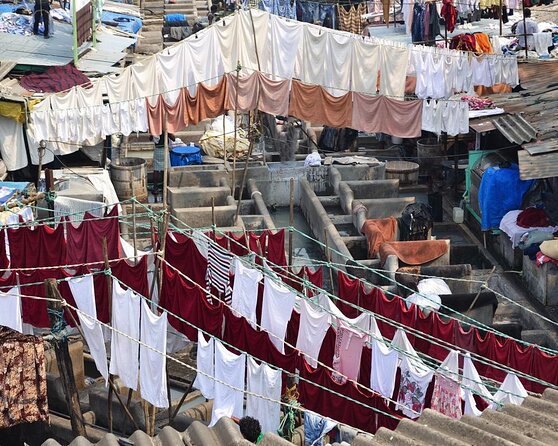
- Local, guide-led perspective: guides such as Razak, Faisan, Touseef, Adil, and Abir can turn a walk into real context.
- See work and industry up close: you’ll pass industrial areas, including bakeries that serve Mumbai and pottery work.
- You’ll also see homes and schools: the tour includes residential pockets and local schools, plus where people spend downtime.
- Expect a stereotype check: it’s designed to correct the “only misery” story people carry in.
- Bring water and an open mind: it’s a practical walking experience in a working community.
- Hotel transfers are part of the plan: round-trip pickup and drop-off makes the logistics much less stressful.
A Dharavi Tour That Corrects the Movie Script
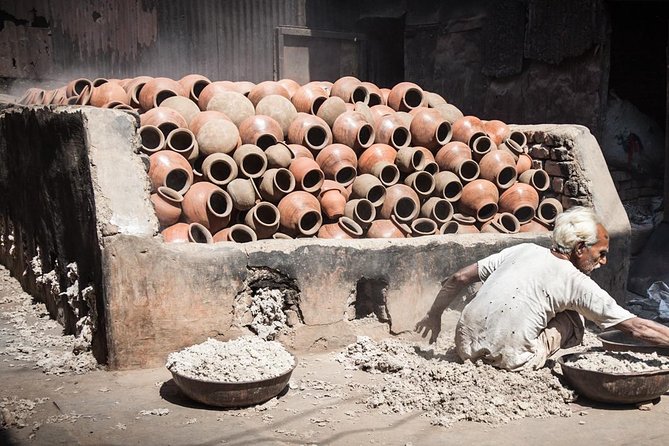
Dharavi is famous worldwide for its portrayal in Slumdog Millionaire, but this is not a visit built around shock value. The whole point is to help you understand Dharavi as a real neighborhood—busy, mixed, and strongly shaped by work and family life.
I like how the tour frames your expectations before you even set off. If you arrive thinking the streets will match the most extreme movie depictions, you’ll be disappointed. Instead, you’re shown something more grounded: people working close to where they live, schools operating inside the community, and everyday rhythms that don’t fit a single Hollywood narrative.
That shift matters. In a place like this, the biggest mistake visitors make is confusing what they’ve heard with what they can learn by walking and asking questions. With a guide who knows the area personally, you get answers that feel specific instead of packaged. One review mentioned a guide who still lives in Dharavi, which is a big deal because it changes the tone: you’re not interviewing a tour “expert,” you’re talking with someone who deals with daily realities and can explain them honestly.
And yes, this visit can be emotional. But the emotions come from human contact and real observation—not from trying to treat other people’s lives like a spectacle.
Two Hours You Spend on Real Life: Work, Homes, Schools, and Play
The core of the experience is a guided walk through Dharavi with a single big goal: show how a city-within-a-city actually functions. In about two hours, you cover the major “zones” that make the neighborhood feel like a whole ecosystem rather than a set of alleys.
Here’s what you can expect to see and discuss:
Other Dharavi walks led by people who live there



Industrial areas: where the work happens
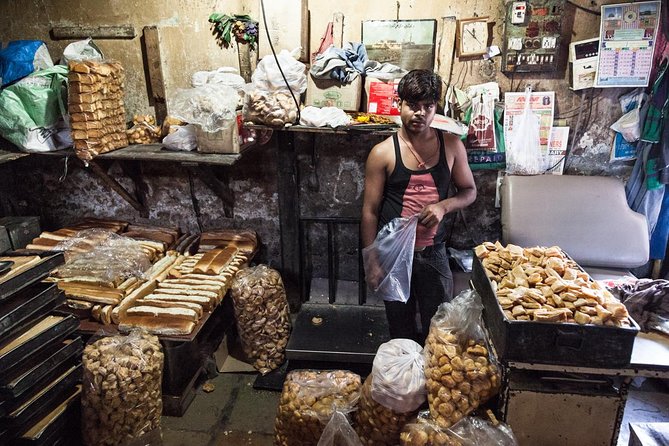
You’ll move through parts of Dharavi that are clearly organized around production. The tour description points out industrial areas with important local industries, including bakeries that serve a wider market. That detail is surprisingly meaningful. It’s one thing to hear that Dharavi is “busy.” It’s another to understand that the work isn’t just about survival—it’s tied to supply chains that feed Mumbai.
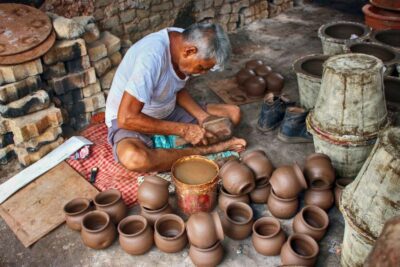
You’ll also get glimpses of other trades, including pottery work. The value of seeing these industries with a guide is that you don’t just look at products—you learn what roles exist, how space gets used, and why work clusters where it does.
Residential areas: where families live close together
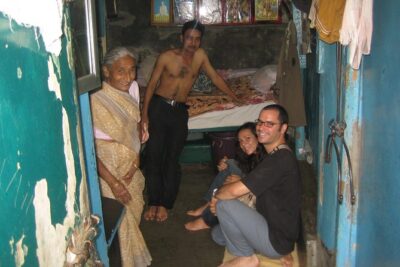
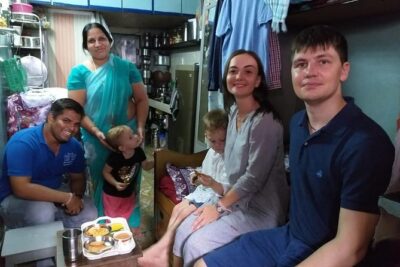
Then the walk turns toward where people live. You’re shown residential areas where entire families manage in small spaces. The tour also includes what it looks like when daily life overlaps with work—so you can notice how practical decisions shape routine.
This is the part where the tour can quietly correct another stereotype. Instead of presenting Dharavi as an image of hopelessness, you’re shown something else: people carving out routines, stability, and dignity with what they have.
Schools and community life: education and downtime
The tour also includes local schools and places where residents relax and gather. That matters because it expands your understanding past labor. You get to see that young people are in school, and that family life continues alongside production.
One of the most useful things your guide can do here is help you connect dots. For example: what kind of environment supports work during the day, and what changes in the evening? What feels different when you observe the neighborhood as a system rather than a snapshot?
Two spare hours in Mumbai? More ideas here
- 2-Hour Guided Tour of Dharavi
★ 5.0 · 359 reviews - Vibrant Markets of Mumbai (2 Hours Guided Walking Tour)
★ 4.4 · 44 reviews - Mumbai: 2-Hour Guided Bandra Walking Tour
★ 4.8 · 34 reviews - Mumbai: Dharavi Slum 2-Hour Walking Tour
★ 4.9 · 13 reviews - Mumbai: 2 Hours Markets And Temple Tour
★ 4.7 · 6 reviews - Mumbai Street Food Crawl (2 Hours Guided Food Tasting Tour)
★ 3.5 · 6 reviews
Guide Power: Razak, Faisan, Touseef, Adil, Abir, and More
A tour can be “in” a place and still feel distant. The best Dharavi guides shrink that distance fast.
From the experience notes, the guides are not just trained; they’re local. You’ll see names like Razak, who grew up in Dharavi and still lives there. That kind of background tends to produce answers that feel grounded, not rehearsed.
You may also run into guides such as Faisan, described as gracious and willing to answer lots of questions. Or Touseef, who helped collect participants from a hotel and came across as hospitable in the way only someone from the neighborhood can be.
Other guide names that show up in the guide lineup include Adil, Abir, and Avil. One review specifically noted that safety never became an issue because the guide handled needs thoughtfully. Another said the guide could explain the “ins and outs” with storytelling, which is exactly how you want a community guide to work: connect what you’re seeing to what it means.
A final detail worth your attention: some guides are described as young neighborhood students. The idea that the tour helps support their school path makes the experience feel less like a one-way transaction and more like a partnership with local people.
When your guide is from the place, you’re more likely to hear context you can’t Google—things like why certain industries cluster, how residents manage daily logistics, and how residents want visitors to see the neighborhood differently.
Entering the Neighborhood: Where You Meet and How the Timing Works
Logistics matter more than most people admit, especially for a neighborhood tour. This one is built to be straightforward.
Start point and end point
You meet at Third Wave Coffee, Tip Road, Unit no. 58, Ground, Ram Mahal, Senapati Bapat Marg, Marinagar Colony, Mahim, Mumbai, Maharashtra 400016. The tour ends around Kumbhar Wada, near Sion Hospital, Dharavi, Mumbai, Maharashtra.
That start/end difference is useful to know. You’re not doing a perfect loop where you return to the exact same corner. The good news: the tour includes round-trip transfers from your hotel, so you’re not stuck figuring out the last mile after the walk.
Time window and duration
The experience runs inside 10:00 AM to 4:00 PM, and the walk is about 2 hours. Because it’s a guided visit with transfers, I recommend you plan to arrive early enough to settle in and meet your group without rushing.
Mobile ticket and getting there
You’ll have a mobile ticket, so you don’t have to wrestle with printed papers. The meeting area is also described as near public transportation, which helps if you’re coordinating independently on the day.
Price and Value: What $22.32 Buys You in Mumbai
At $22.32 per person for roughly two hours, this tour is priced like a genuine budget-friendly way to get a local-guided neighborhood experience. The real value isn’t only the guide—it’s what’s bundled around the guide.
You’re getting:
- A professional local guide
- An admission ticket free component (so you’re not adding another entry fee)
- Round-trip transfers from your hotel
- A small-group feel, designed for personal attention
In Mumbai, transportation and time are usually where costs sneak up. Here, the transfers help keep the day smooth. And because the walk focuses on work, homes, schools, and everyday life, you’re not spending the limited time “just looking.” You’re getting context fast—exactly what you want when you only have a couple of hours.
Is it “cheap” in a global sense? Yes. Is it “simple”? Also yes. But that’s the point. This isn’t a luxury experience. It’s a practical, thoughtful way to understand Dharavi as a functioning neighborhood.
How to Be a Good Visitor Here: Expectations, Questions, and Respect
This kind of tour works best when you show up with the right mindset. Luckily, the tour itself nudges you toward that.
Keep your expectations realistic
The experience is designed for people who want to understand life in Dharavi beyond stereotypes. That means you’re likely to see industrious spaces, schooling, family routines, and working trades—less so the “extreme despair” storyline.
That expectation shift helps you notice better details. You’ll spend more time connecting what you see to the reality of how people live and work, instead of waiting for an image you already believe.
Bring basics and be ready to ask questions
A review recommendation that you should actually follow: bring water. Two hours in a working neighborhood can feel longer, and you’ll be grateful for something simple to drink.
And then: ask questions. Guides like Razak and Faisan (names from the local guide experiences shared) stand out because they can answer thoughtfully. Your best “souvenir” here is understanding—so treat your time like a conversation, not a photo mission.
Understand safety and comfort are guided
Safety is mentioned positively in the guide-led context—one account notes that the guide handled needs so safety was never an issue. Still, you should use standard common sense: stay close to your group, listen when your guide gives direction, and don’t wander off.
The tour’s small-group structure exists for a reason: your guide can manage movement and keep you oriented.
Who This Dharavi Tour Fits Best (and who may not love it)
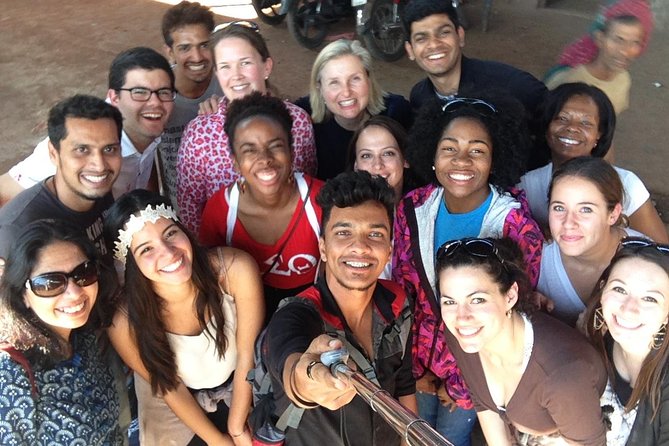
This is a strong fit if you:
- Want a local-guided view of Dharavi in a short time
- Care about how cities function through work, schools, and daily life
- Want to challenge your own assumptions with real observation
- Prefer small-group attention and a guide who can answer questions directly
You might hesitate if:
- You’re primarily chasing a dramatic “poverty spectacle” like a movie set
- You’re uncomfortable with the idea that the neighborhood is shown as working and organized, not only as hardship
- The weather forecast looks poor, since the experience requires good weather
For most people who want Mumbai context without wasting hours, this format is efficient. It also makes sense as part of a longer Mumbai itinerary, because it gives you a different angle on the city than the usual monuments-and-markets route.
Should You Book This Dharavi Guided Walk?
If you’re the kind of traveler who likes real-world context—how people live, work, and learn—this is a smart booking. The combination of a professional local guide, a short two-hour format, hotel transfers, and a design focused on correcting stereotypes makes the value feel strong.
Book it if you can go on a day with decent weather and you’re willing to keep an open mind about what Dharavi looks like when you’re seeing it firsthand with guidance.
FAQ
How long is the 2-Hour Guided Tour of Dharavi?
The tour lasts about 2 hours.
What does the Dharavi tour cost?
It costs $22.32 per person.
What’s included in the tour experience?
You’ll get a professional guided visit in Dharavi, with opportunities to interact and learn about local industry. The experience also includes hassle-free round-trip transfers from your hotel, and the admission ticket is free.
Where do we meet for the tour?
You start at Third Wave Coffee, Tip Road, Unit no. 58, Ground, Ram Mahal, Senapati Bapat Marg, Marinagar Colony, Mahim, Mumbai, Maharashtra 400016.
Where does the tour end?
The tour ends at Kumbhar Wada in Dharavi, near Sion Hospital.
Is this tour private or small-group?
It’s described as a private activity, meaning only your group participates. Small group sizes are also used to ensure personal attention from your guide.
Do I get a mobile ticket?
Yes, the tour uses a mobile ticket.
Does the tour run in all weather?
The experience requires good weather. If canceled due to poor weather, you’ll be offered a different date or a full refund.
What is the cancellation refund policy?
You can cancel for free up to 24 hours in advance for a full refund. If you cancel less than 24 hours before the start time, the amount you paid will not be refunded.
Quick Mumbai, Two Hours at a Time
- Vibrant Markets of Mumbai (2 Hours Guided Walking Tour)
★ 4.4 · 44 reviews - Mumbai: 2-Hour Guided Bandra Walking Tour
★ 4.8 · 34 reviews - Mumbai: Dharavi Slum 2-Hour Walking Tour
★ 4.9 · 13 reviews - Mumbai: 2 Hours Markets And Temple Tour
★ 4.7 · 6 reviews
More Mumbai, Every Kind of Day
- Dharavi slum tour in Mumbai by Female tour guides of the slum
★ 5.0 · 1,976 reviews - Mumbai: Full-Day Sightseeing Tour of Mumbai
★ 4.9 · 1,822 reviews - Private Mumbai Sightseeing Tour (Traveller’s Choice Award Winner)
★ 5.0 · 1,565 reviews - Elephanta Caves & Island Guided Private Tour
★ 5.0 · 1,327 reviews
Dharavi, Told by Its Residents
- Dharavi slum tour in Mumbai by Female tour guides of the slum
★ 5.0 · 1,976 reviews - Mumbai: Dharavi Slum, DhobiGhat, and Dabbawallas Tour
★ 4.9 · 689 reviews - Dharavi Slum Tour
★ 5.0 · 625 reviews - Dharavi Slum tour in Mumbai by local resident
★ 5.0 · 572 reviews
New on the Mumbai shortlist




Dharavi Community Walks, compared.
 ★ 5.0Dharavi slum tour in Mumbai by Female tour guides of the slumFrom $91,976 reviews
 ★ 4.9Dharavi Slum, DhobiGhat, and Dabbawallas TourFrom $14689 reviews
 ★ 5.0Dharavi Slum TourFrom $20625 reviews
 ★ 5.0Dharavi Slum tour in Mumbai by local residentFrom $4572 reviews
 ★ 4.9Dharavi Slum Slumdog Millionaire Tour with a LocalFrom $10529 reviews
 ★ 5.0Mumbai Slum Tour – Visit Dharavi Slum with Local GuideFrom $5509 reviews
 ★ 5.0Dhobi Ghat Laundry and Dharavi Slum Tour with LocalFrom $4469 reviews
 ★ 5.0Private Full-Day Mumbai Sightseeing Tour with Dharavi SlumsFrom $39338 reviews
Browse the lists this tour appears in