
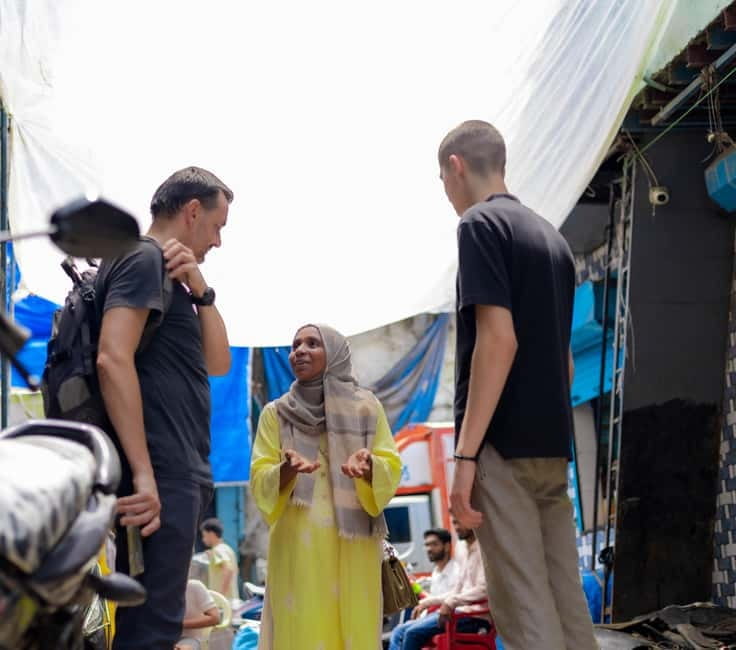
Review · DHARAVI COMMUNITY WALKS
Mumbai: Dharavi Slum and Dhobi Ghat Laundry Tour
Dhobi Ghat laundry can change how you see a city. In 3 hours, this tour threads together Dharavi’s small industries and Dhobi Ghat’s traditional wash work, plus a short ride on Mumbai’s local train that makes Mumbai feel real fast. I love how the guide keeps things grounded in everyday life, and I also like the practical contrast: hand laundry at Dhobi Ghat next to workshop production in Dharavi.
One heads-up: this is a walking tour in crowded, narrow lanes, and Dhobi Ghat can feel like a short stop if you’re hoping for longer tank-side viewing.
In This Review
- Key points to know before you go
- Where this tour really shines: Dhobi Ghat’s open-air laundry work
- Dharavi: how the walk connects industries, homes, and daily survival
- Kumbhar Wada pottery: seeing craft life inside the city’s grind
- Asia’s leather factory area: big production, tight space reality
- Plastic recycling in Dharavi: the story behind visible everyday materials
- The Mumbai local train ride: short timing, real-city payoff
- Dhobi Ghat viewing logistics: what the timing means
- How long is enough in Dharavi and Dhobi Ghat?
- Price and value: why this $5 tour can be a smart buy
- Who this tour fits best (and who should skip it)
- Practical advice so your visit stays comfortable and respectful
- Should you book this Dharavi and Dhobi Ghat tour?
- FAQ
- How long is the Mumbai: Dharavi Slum and Dhobi Ghat Laundry Tour?
- What’s included in the experience?
- What should I bring?
- Where do I meet the guide?
- Is smoking allowed?
- Is this tour suitable for children, pregnancy, or wheelchair users?
Key points to know before you go
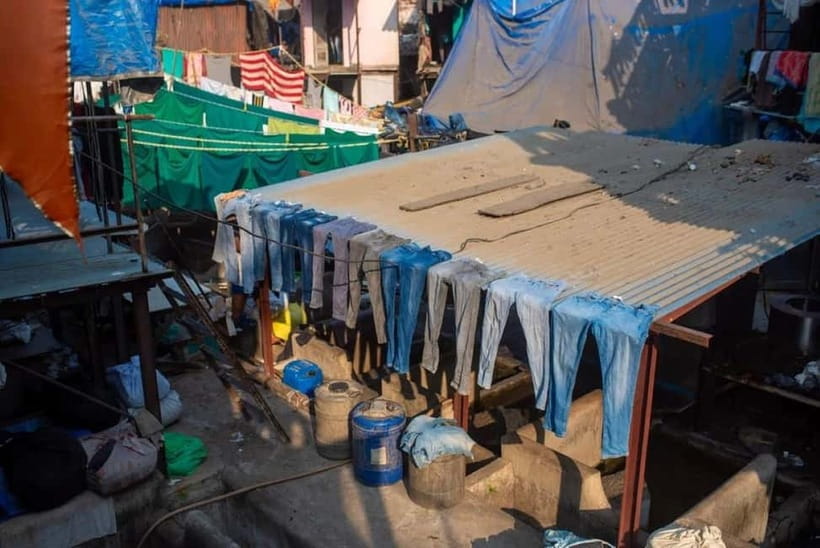
- Dhobi Ghat’s traditional laundry rhythm: watch clothes being washed in a system that runs at massive daily scale.
- Dharavi’s real work, not a cartoon version: you’ll see how many small industries fit together in tight space.
- Kumbhar Wada pottery community: you’ll get a look at craft life and making that’s been around for generations.
- Asia’s large-scale leather factory area: see the industrial side of Dharavi firsthand.
- Plastic recycling in action: learn what recycling looks like when it’s part of daily survival.
- Mumbai local train, timed and guided: a brief but memorable taste of rush-hour city movement.
Where this tour really shines: Dhobi Ghat’s open-air laundry work
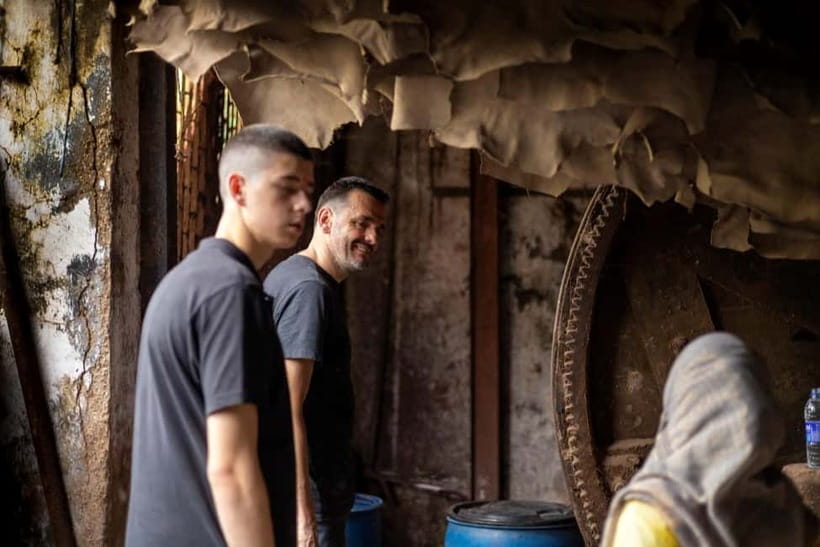
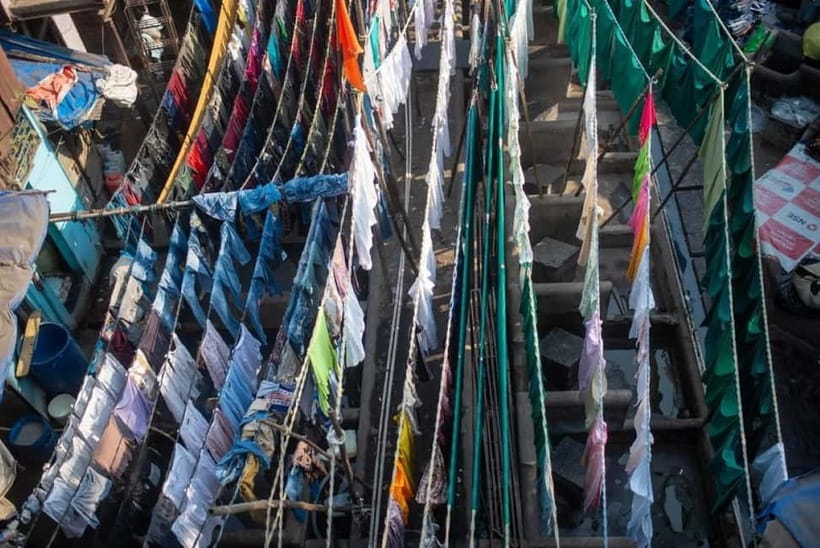
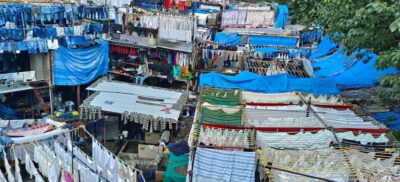
Dhobi Ghat is the star for a reason. This place functions like an outdoor working machine, and the scale is the jaw-drop moment: the wash lanes handle over 100,000 clothes daily using time-honored methods. Even if you’ve read about it, seeing how routines flow from one step to the next helps you understand why laundry is more than chores here. It’s a whole economy, a schedule, and a skill.
You’ll visit Dhobi Ghat with a guide and get a walkthrough focused on how the process works. Expect a mix of viewing points and explanation, so you’re not just staring at tanks and guessing. You should also go in with the right mindset. This isn’t “clean” and postcard pretty. It’s practical, working, and often close-up. That’s why it lands so well: you’re watching daily labor turned visible.
Tip: bring your camera, but keep it respectful. The tour notes that photography may be restricted in some areas, so follow your guide’s cues and don’t block worker movement.
Dharavi: how the walk connects industries, homes, and daily survival
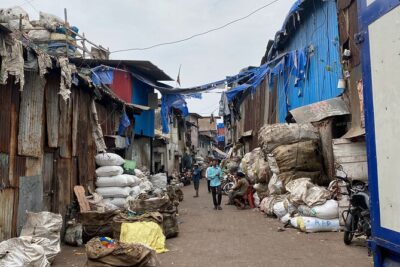
Dharavi is not a single activity. It’s a stack of small businesses, household work, and services that keep people going. The tour’s best value is how it connects those dots for you while you’re still walking through the community, not just reading a history sheet.
The walking portion is designed to help you see Dharavi as a living place with ongoing work. You’ll get guided access into what people do, including manufacturing and trade linked to the wider Mumbai economy. The goal is to show the entrepreneurial spirit that shapes the area’s day-to-day life, not treat it like a spectacle.
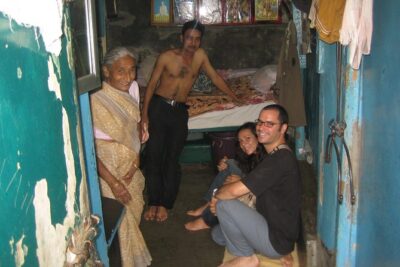
Because this is a neighborhood of real residents and workers, the experience depends on respect. The tour explicitly asks you to dress modestly, avoid intruding on privacy, and treat the community with care. That matters for your trip too. If you keep your distance, stay quiet when asked, and let the guide handle conversations, your visit stays safe and comfortable.
Other Dharavi walks led by people who live there



Kumbhar Wada pottery: seeing craft life inside the city’s grind
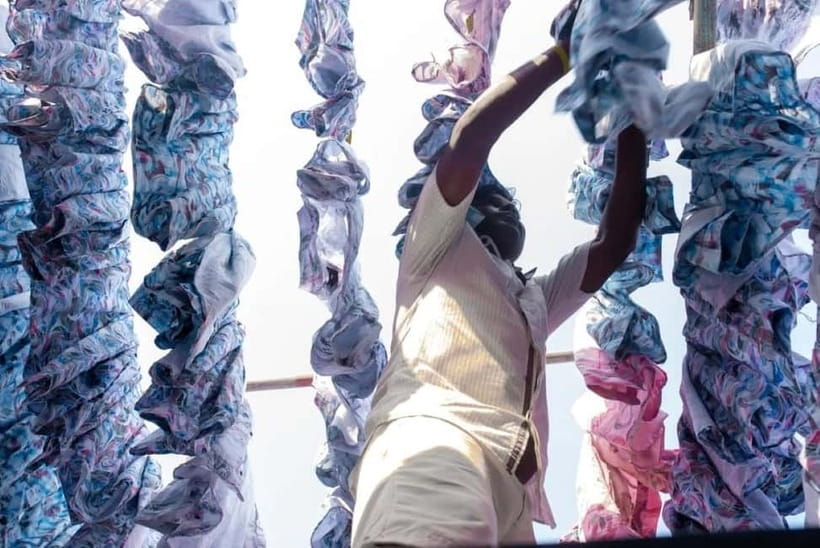
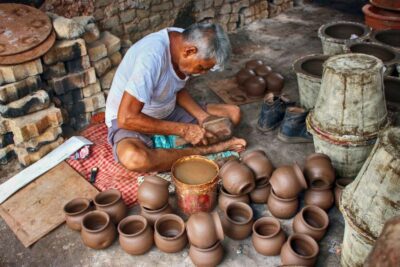
One of the most interesting cultural stops is Kumbhar Wada, where pottery making is part of community life. Pottery communities in cities often get reduced to a souvenir story: pretty forms, quick sales, done. Here, you’re looking at craft as work that takes time, repetition, and skill.
Pottery is a good counterbalance to the industrial stops in Dharavi because it’s slower and more visual. You can often understand the craft through what’s in motion—hands, materials, and the way makers plan their steps—more than through lecture.
What I’d watch for (and what you’ll likely notice): how the workshop feel shows up in the space itself. Even without expert tools or a museum setting, the process leaves clues: materials, workflow, and how people organize their workspace.
Asia’s leather factory area: big production, tight space reality
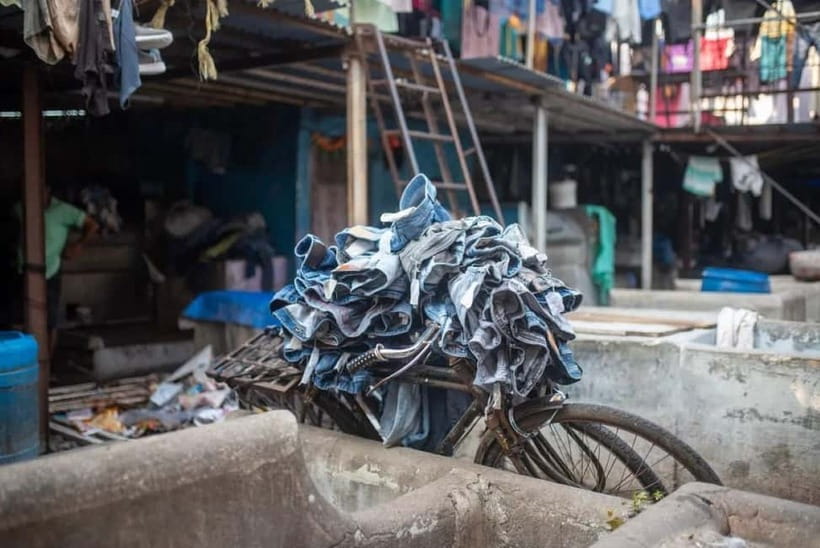
The tour includes a visit connected to Asia’s largest leather factory in the Dharavi area. If you’re expecting something like a formal factory tour, adjust your expectations. You’re not walking through a glossy industrial complex. You’re seeing how major production links into street-level life and neighboring work.
That contrast is exactly why this part is meaningful. It helps you understand how Mumbai’s economy isn’t separated into clean categories. Industrial output can sit beside everyday routines. You’ll come away with a clearer sense of what “work” looks like when it’s integrated into dense neighborhoods.
A practical note: leather work is hands-on and can involve strong smells or dust depending on timing and location. If you’re sensitive, keep a small buffer—your guide will manage where you stop and what you see.
Plastic recycling in Dharavi: the story behind visible everyday materials
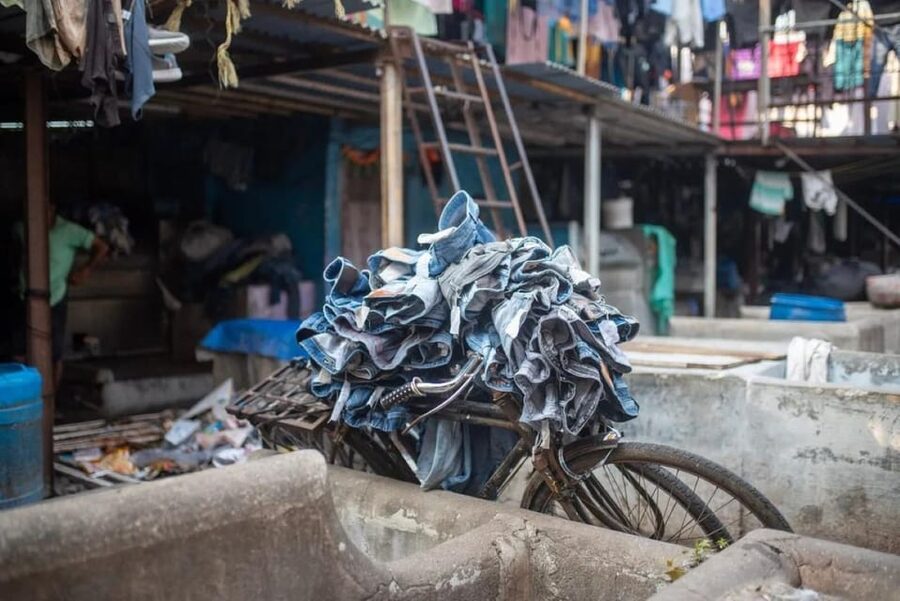
Another big piece of the tour is learning about Dharavi’s plastic recycling industry. This is where the meaning of “small-scale industries” becomes concrete. Recycling isn’t an abstract concept. It’s jobs, sorting, and processing linked to how cities consume and throw away materials.
When your guide explains how it works, the point isn’t just that recycling exists. It’s that recycling becomes a livelihood system. It also reframes what you might’ve seen on the street before: plastic isn’t only waste; it’s raw material when someone has the infrastructure, tools, and know-how.
What to do with this information: think about your own habits, but keep it practical. The tour helps you make the connection between city life and the invisible labor behind it.
More visits to the open-air laundry at Mahalaxmi
- Mumbai: Dhobi Ghat Laundry and Dharavi Slum Tour with Local
★ 5.0 · 469 reviews - Mumbai: Dharavi Slum and Dhobi Ghat Laundry Tour
★ 5.0 · 317 reviews - Private Combo Tours Sightseeing + Dharavi Slum + Dhobi Ghat & Dabbawalas
★ 5.0 · 245 reviews - Dharavi, Dhobighat, and Mumbai Dabbawallas
★ 5.0 · 168 reviews - Dabbawala, Dhobi Ghat & Dharavi slum Tour with Local Train Ride
★ 5.0 · 102 reviews - Mumbai: Dharavi Slum Tour with Dhobi Ghat (Open-Air Laundry)
★ 4.8 · 62 reviews
The Mumbai local train ride: short timing, real-city payoff
You’ll get a 15-minute ride on Mumbai’s iconic local train. That’s not long enough to master the system, but it’s perfect for the “I get it now” moment. You experience how movement works in Mumbai: fast, crowded, and organized in its own rhythm.
This is also where having a guide matters. The tour is structured so you’re not wandering around trying to decode trains on the fly. In past group experiences, guides also helped coordinate the train experience (including handling tickets), which reduces stress for first-timers.
A key travel mindset here: treat it as a snapshot. You’re not trying to check every station or take photos from every angle. You’re learning what riding feels like and how the city flows when thousands of people share the same rails.
Dhobi Ghat viewing logistics: what the timing means
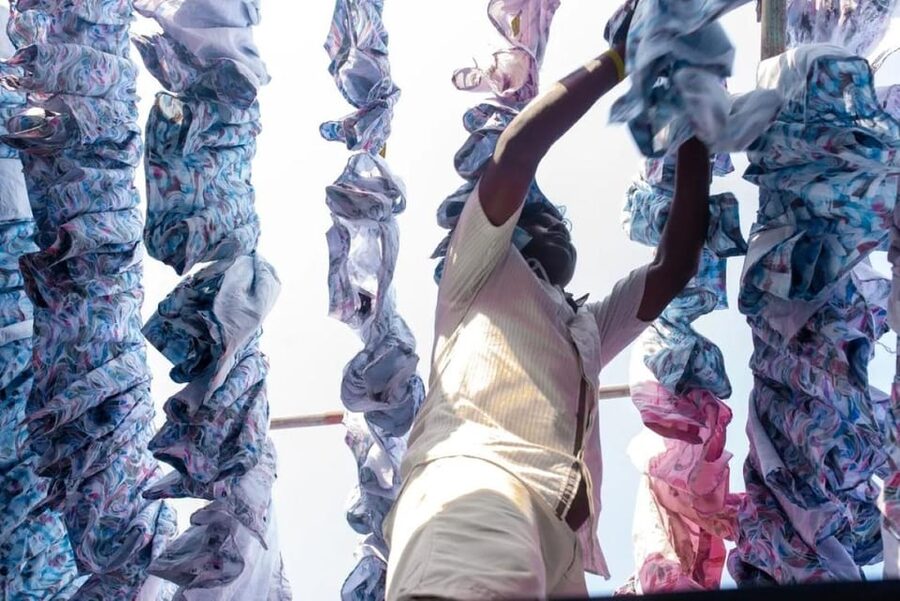
Dhobi Ghat is scheduled for about 40 minutes on the tour. That’s enough to understand the process and see the wash areas from viewing points, but it’s not unlimited time tank-side. If your main goal is long, slow observation, you might want to plan extra time in the area on a different day.
Within that time window, your guide’s job is to point you to what matters and explain how the washing method works without turning the visit into a rushed checklist. The best tours here give you just enough time to connect visuals to explanation.
Bring sunscreen and water. Dhobi Ghat is outdoors, and the tour also advises sunscreen and hydration. If you forget either, you’ll feel it fast.
How long is enough in Dharavi and Dhobi Ghat?

The tour runs about 3 hours total, and that time is the core reason it works for most people. It gives you a cross-section of several industries and cultural corners without requiring a half-day commitment.
Still, your comfort will shape your enjoyment:
- You’ll need to walk and handle crowd density.
- Narrow lanes can feel tight, especially if you stop often for photos.
- You’ll see working life, not a staged performance.
If you like your travel experiences fast and focused, 3 hours is a sweet spot. If you prefer long, slow wandering with lots of free time, you might want to pair this with extra time nearby afterward.
Price and value: why this $5 tour can be a smart buy
At $5 per person, this tour is unusually priced for what you’re getting: guided access to Dharavi’s working neighborhood, a visit to Dhobi Ghat, and a local train ride experience. Even if you compare only the logistics, $5 is hard to beat for organized entry, interpretation, and coordination.
But here’s the fair perspective: you’re paying for structure and guidance, not for luxury. The value comes from understanding. A guided approach helps you see what you’d miss alone—how laundry works, how industries connect, and what “recycling” or “pottery” really means in a place where it’s livelihood.
If you want Mumbai beyond the usual sights, this is one of the more budget-friendly ways to do it correctly—especially if you’re comfortable walking and respecting a real community.
Who this tour fits best (and who should skip it)
This tour makes the most sense if you:
- Want a genuine, working-city view of Mumbai.
- Enjoy guided context more than self-directed wandering.
- Like seeing how everyday industries connect: laundry, pottery, leather production, and recycling.
It may not be for you if:
- You can’t handle crowded spaces or long stretches of walking.
- You need wheelchair access (the tour states it’s not suitable for wheelchair users).
- You’re traveling with children under 5, or if you’re pregnant (the tour states it’s not suitable for pregnant women).
Practical advice so your visit stays comfortable and respectful
A few things will make your experience easier right away:
- Wear comfortable shoes. You’ll be moving a lot on uneven and crowded paths.
- Bring water and sunscreen. Dhobi Ghat is outdoors and sun exposure is real.
- Use a camera, but follow instructions. Photography may be restricted in certain areas.
- Dress modestly and keep your distance from private spaces.
- Don’t smoke. Smoking is explicitly not allowed.
Also, expect that meeting and drop-off can vary. The tour notes that the meeting point may vary depending on the option booked, with starting and drop-off options that include Third Wave Coffee and Mahalaxmi Station.
Should you book this Dharavi and Dhobi Ghat tour?
I’d tell you to book it if you want a cost-effective, guided look at Mumbai’s working neighborhoods and you can handle a real urban walk. The mix of Dhobi Ghat laundry, Dharavi industry stops, and the local train ride creates a memorable “day in the system” view that’s hard to recreate on your own.
Skip it if you’re looking for a relaxed sightseeing stroll or if you’re not comfortable in crowded, narrow lanes. And if your biggest priority is long Dhobi Ghat tank-side time, you may want to adjust expectations or plan extra time separately.
If you go in with respect, comfy shoes, and a willingness to see work as part of culture, this tour offers strong value for the time you spend.
FAQ
How long is the Mumbai: Dharavi Slum and Dhobi Ghat Laundry Tour?
The tour duration is 3 hours.
What’s included in the experience?
You get a guided tour of Dharavi Slum, a visit to Dhobi Ghat Laundry, and insights into local industries and community life, including the chance to see Mumbai’s traditional laundry process.
What should I bring?
Bring comfortable shoes, a camera, sunscreen, and water.
Where do I meet the guide?
The meeting point may vary depending on the option booked. The tour lists starting options at Third Wave Coffee, and drop-off options that include Third Wave Coffee and Mahalaxmi Station.
Is smoking allowed?
No. Smoking is not allowed during the tour.
Is this tour suitable for children, pregnancy, or wheelchair users?
It is not suitable for children under 5 years, pregnant women, or wheelchair users.
More Mumbai, Every Kind of Day
- Dharavi slum tour in Mumbai by Female tour guides of the slum
★ 5.0 · 1,976 reviews - Mumbai: Full-Day Sightseeing Tour of Mumbai
★ 4.9 · 1,822 reviews - Private Mumbai Sightseeing Tour (Traveller’s Choice Award Winner)
★ 5.0 · 1,565 reviews - Elephanta Caves & Island Guided Private Tour
★ 5.0 · 1,327 reviews
Dhobi Ghat from a Few More Angles
- Mumbai: Dharavi Slum, DhobiGhat, and Dabbawallas Tour
★ 4.9 · 689 reviews - Mumbai: Dhobi Ghat Laundry and Dharavi Slum Tour with Local
★ 5.0 · 469 reviews - Private Combo Tours Sightseeing + Dharavi Slum + Dhobi Ghat & Dabbawalas
★ 5.0 · 245 reviews - Dharavi, Dhobighat, and Mumbai Dabbawallas
★ 5.0 · 168 reviews
Dharavi, Told by Its Residents
- Dharavi slum tour in Mumbai by Female tour guides of the slum
★ 5.0 · 1,976 reviews - Mumbai: Dharavi Slum, DhobiGhat, and Dabbawallas Tour
★ 4.9 · 689 reviews - Dharavi Slum Tour
★ 5.0 · 625 reviews - Dharavi Slum tour in Mumbai by local resident
★ 5.0 · 572 reviews
New on the Mumbai shortlist




Dharavi Community Walks, compared.
 ★ 5.0Dharavi slum tour in Mumbai by Female tour guides of the slumFrom $91,976 reviews
 ★ 4.9Dharavi Slum, DhobiGhat, and Dabbawallas TourFrom $14689 reviews
 ★ 5.0Dharavi Slum TourFrom $20625 reviews
 ★ 5.0Dharavi Slum tour in Mumbai by local residentFrom $4572 reviews
 ★ 4.9Dharavi Slum Slumdog Millionaire Tour with a LocalFrom $10529 reviews
 ★ 5.0Mumbai Slum Tour – Visit Dharavi Slum with Local GuideFrom $5509 reviews
 ★ 5.0Dhobi Ghat Laundry and Dharavi Slum Tour with LocalFrom $4469 reviews
 ★ 5.02-Hour Guided Tour of DharaviFrom $22359 reviews
Browse the lists this tour appears in