

Review · DAWN & EARLY MORNING TOURS
Mumbai Morning Market Tour of Flowers, Fish, and More
Morning markets hit your senses fast. You’ll start before most of Mumbai wakes up and walk through the city’s real workday rhythm, from fish to flowers, with English-speaking guides like Subhan and Jawwad (Jay) keeping it clear and safe.
I love two things most: first, the Sassoon Dock fish market at the start of day, where you can smell the catch and see how vendors run auctions and prep prawns and shrimp. Second, the local train ride, which turns “watching Mumbai” into actually moving through Mumbai.
One drawback to plan for: it’s an early start and the fish-market area can be smelly and wet, so sturdy shoes help a lot.
In This Review
- Key highlights to look for
- Why a Mumbai morning market tour feels different than sightseeing
- Sassoon Dock fish market: smell, auctions, and morning routine
- Churchgate and the local train ride: learning Mumbai’s flow in 3 hours
- Dhobi Ghat: the laundry operation you’ll remember longer than markets
- Dadar fruit and vegetable market: strong aromas and smart buying habits
- Flower Market Dadar: fragrance, color, and real morning energy
- CSMT stop: a famous building with a simple reason to care
- Price and value: is $19 worth it for this much ground?
- Who should book this tour, and who should skip it
- Should you book the Mumbai morning markets tour?
- FAQ
- Where is the meeting point for the tour?
- How long is the Mumbai Morning Market Tour?
- What is the price per person?
- What is included in the tour package?
- Is the tour guide available in English?
- Are food and drinks included?
Key highlights to look for
- Sassoon Dock at first light: auctions, cleaning, and serious morning momentum
- Dhobi Ghat laundry world: a photo stop plus guided context about daily work for thousands of clothes
- Dadar vegetable + flower markets: strong aromas, bright colors, and real local pricing habits
- Local train ride: easy, practical “how to use the system” experience with your guide handling the timing
- CSMT photo moment: a famous Mumbai landmark folded into your route
Why a Mumbai morning market tour feels different than sightseeing
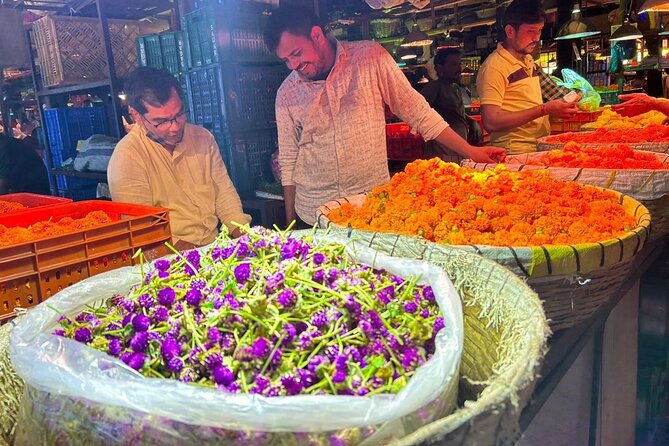
Mumbai is huge, busy, and sometimes chaotic—later in the day. This tour flips that. You’re out while the streets are still fresh, when the markets are actually doing their jobs, not just entertaining crowds. That timing matters. It’s the difference between seeing a place and watching people work.
You also get a “two-sided” Mumbai day. You begin with the heavy, salty edge of the fish market, then move to the everyday industry of Dhobi Ghat, and finish with the color-and-fragrance world of Dadar flowers. It’s not “just photos.” It’s a guided tour of livelihoods.
English support is a big part of the value here. Guides such as Subhan, Jawwad (Jay), Chirag, Abhi, Sharon, and Ayan come through with fluent English and practical explanations—how vendors operate, what you’re seeing, and what to do next as you move between areas.
Sassoon Dock fish market: smell, auctions, and morning routine
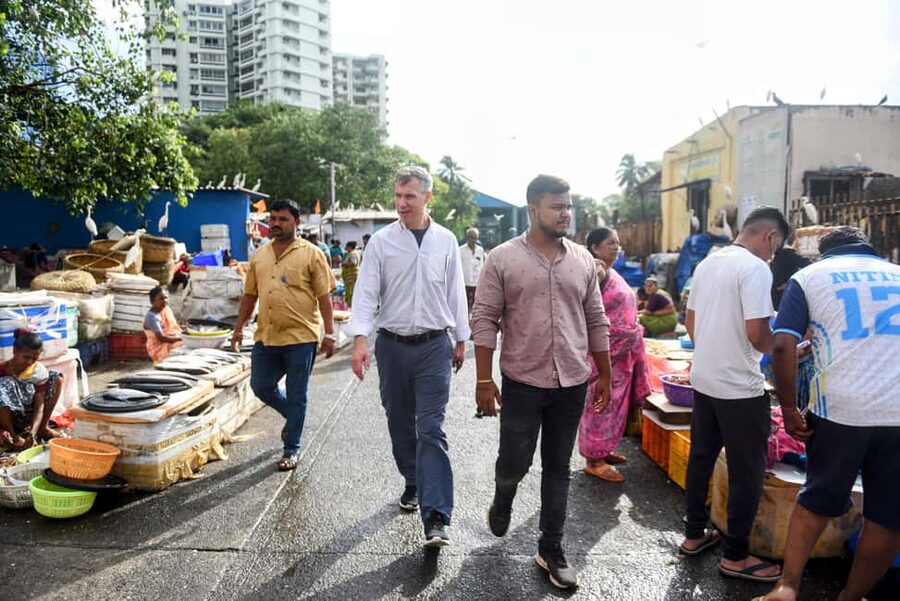
Your day starts at Sassoon Dock, and the market hits you immediately. The air carries the sharp scent of fresh fish plus the earthy smell of vegetables like coriander and chili. This is one of those places where you learn by watching: women selling fish, men displaying daily catches, and vendors working with quick, practiced efficiency.
What I like about this stop is that it doesn’t stay abstract. You’ll see auctions happening, and you’ll watch the prep process for seafood—cleaning and preparation of prawns and shrimp and other items. That’s the real point: you’re seeing the supply chain from the ground up, not just a stall with product.
How to enjoy it (and not hate it):
- Wear shoes you don’t mind getting wet. One review tip called out exactly that: the fish area can get smelly and wet.
- Keep your camera ready, but also keep your eyes open for the human details—hands working fast, buyers deciding, and vendors explaining what’s freshest.
A short guided walk at the market pace helps. You’re not expected to wander alone in a dense environment. You’re guided through what matters, and the timing helps you see things before the busiest crush.
From Crawford Market to Chor Bazaar, more lanes to walk



Churchgate and the local train ride: learning Mumbai’s flow in 3 hours
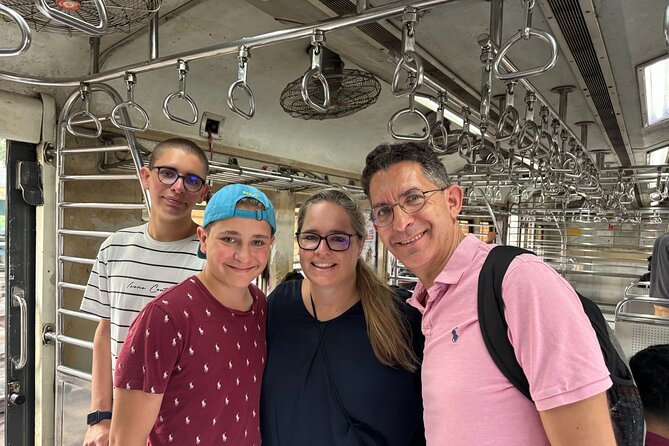
This tour is built around one practical superpower: getting you onto a local train ride as part of the experience. You aren’t just standing near the tracks and hoping for the best. The guide works with the schedule and timing so the ride feels doable.
You’ll also pause at Churchgate Railway Station, which helps you understand what you’re about to do. Even if you’re not a train nerd, there’s something oddly grounding about riding with a plan. You watch how people line up, how doors open, and how commuters move through the city at speed.
What makes this valuable for you:
- It reduces stress. Navigating Mumbai’s public transport can be intimidating, especially early in your trip.
- It gives context. Your guide can point out what you’re seeing and why it works.
- It’s fast. In a city built on distance, the train is the real shortcut.
If you’re worried about getting lost, don’t be. Multiple reviews mention guides helping with station timing and even crossing the road confidently. The point isn’t you becoming an expert. It’s you leaving with confidence.
Dhobi Ghat: the laundry operation you’ll remember longer than markets
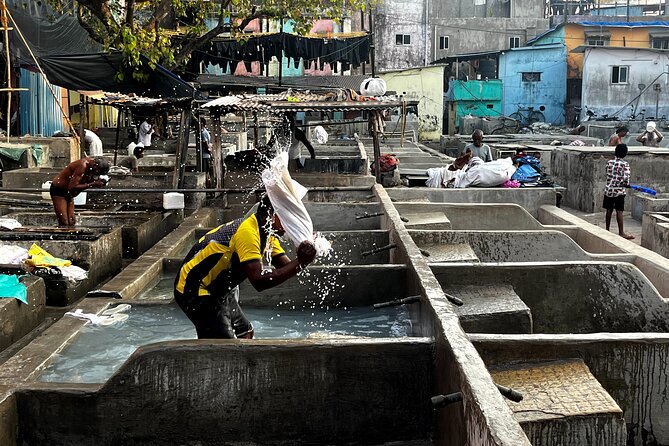
Next comes Dhobi Ghat, a place that feels almost cinematic until you realize it’s real, ongoing work. You’ll have a photo stop plus a guided visit, with time to look closely.
Here’s the standout fact worth keeping in mind: washers clean over 2,000 clothes daily. That scale changes how you see everything. This isn’t a “one building, one job” scenario. It’s a whole system of water, labor, and routines supporting hotels, hospitals, and private homes.
A good guide makes the difference here. The best part is not just taking pictures—it’s learning what you’re looking at: how laundry is processed, how the workflow runs through the day, and how Dhobi Ghat fits into Mumbai’s broader service economy.
Practical note: bring a flexible mindset. This area can feel busy and active in a worker’s way, not a tourist-performance way. Keep your voice low, move with care, and let your guide handle the pacing.
Dadar fruit and vegetable market: strong aromas and smart buying habits
After Dhobi Ghat, you’ll head to the Dadar fruit and vegetable market. This is where the tour shifts from fishy-salty to green-and-spicy smells. Think coriander and chili again—plus the visual intensity of fresh produce stacked and displayed for quick daily sale.
What I like here is the contrast. In the fish market you’re watching preparation and auction-style buying. In the vegetable market, it’s more about selection and value—what’s in season, what looks best, and how vendors present produce.
Your guide adds meaning by explaining how local purchasing works and what you’re seeing in the flow of the market. It helps you spot details you’d otherwise miss:
- how produce is grouped
- how vendors talk with regular buyers
- what shoppers look for first
If you’re the type who enjoys markets as a way to understand culture (not just as a snack stop), this is your payoff stage. And if you’re shopping, you’ll get help navigating what’s worth it and what’s easy to pass on.
Mumbai before the traffic wakes, on other early starts
- The Original Mumbai by Dawn – Recommended by Nigella Lawson & Nat Geo Traveller!
★ 5.0 · 610 reviews - Mumbai: Morning Bicycle Tour
★ 5.0 · 40 reviews - The Colourful Early Morning Tour
★ 5.0 · 31 reviews - Mumbai: Early Morning Bicycle Tour
★ 4.8 · 30 reviews - Early Morning Old Mumbai Private Cycle Tour With Breakfast
★ 5.0 · 21 reviews - 3 Hours Early Morning in South Mumbai Heritage Bicycle Tour
★ 4.5 · 16 reviews
Flower Market Dadar: fragrance, color, and real morning energy
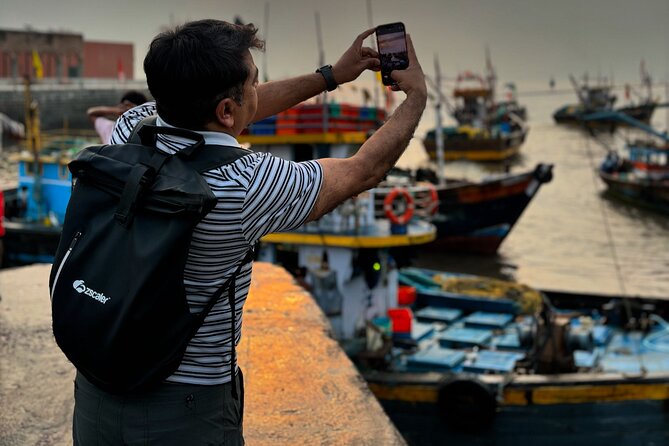
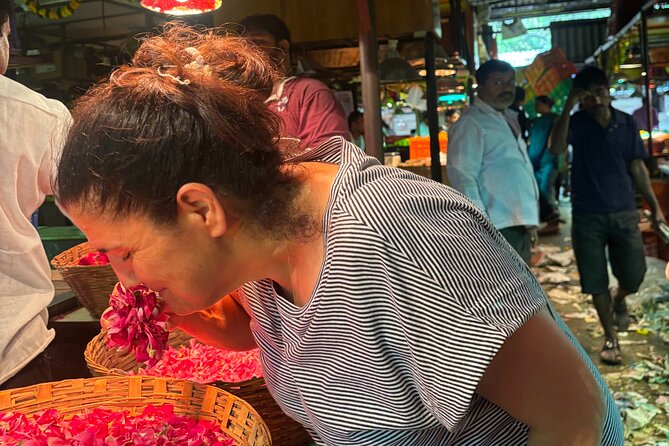
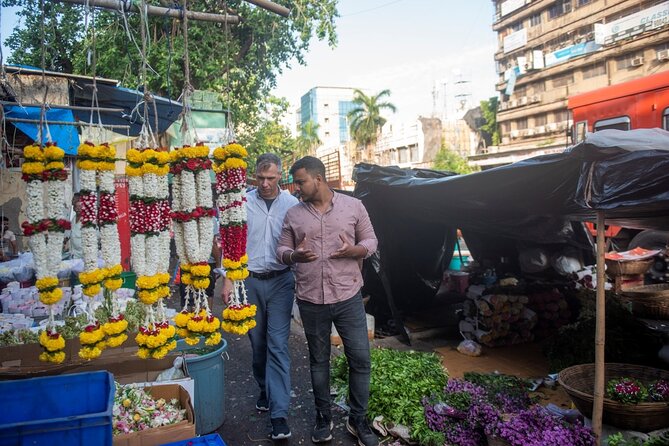
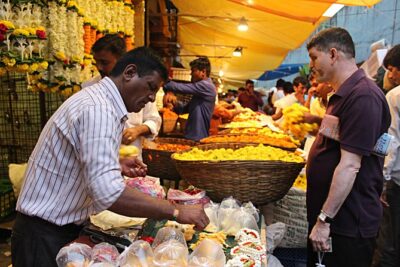
Then comes Dadar Flower Market, one of the most photogenic places on the route—and also one of the most sensory. The smell changes in seconds. Flowers aren’t subtle here; they’re loud and aromatic.
You’ll stop for photos and have guided time in the market. The guides also tend to point out what’s being sold for daily life—worship, gifting, and other everyday uses—so you don’t treat it like a souvenir bazaar.
One practical advantage: your visit is early. That matters because flowers don’t stay fresh-looking forever, and the market’s rhythm is best when you arrive while vendors are setting things up and buyers are moving.
If you want to bring something home, your guide can help with what’s feasible. Some reviews specifically praise guides helping with purchases and even handling the practical bits, like making sure you know what you’re agreeing to and where you should stand while people pass by.
CSMT stop: a famous building with a simple reason to care
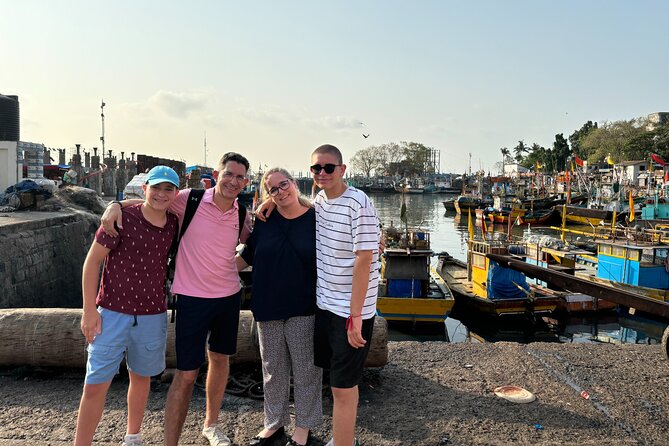
The tour includes a visit to Chhatrapati Shivaji Maharaj Terminus (CSMT), with time built in for photos and context. Even if you’re not deep into architecture, this stop is worth it because it gives you a grounding landmark.
Why it works inside this tour: it’s not random. It sits naturally in the broader story of Mumbai’s movement—markets, workers, trains, and how the city runs on transport as much as on commerce.
It’s also a good mental reset. After the intensity of markets, standing in the CSMT area helps you regroup before you head toward the flower market drop-off.
Price and value: is $19 worth it for this much ground?
At about $19 per person for a 3 to 3.5 hour morning outing, this tour is priced like a practical experience rather than a museum ticket. The key value is what you get bundled together.
You’re paying for:
- hotel pickup and drop-off
- an English-speaking guide
- guided walking through key markets (fish market learning + Dadar flower/vegetable time)
- access to the local train ride experience
- the built-in CSMT visit
What you still need to budget for: foods and drink aren’t included. That means you may want some cash or a card set aside for a snack, tea, or breakfast items outside what’s covered. Some guides do include tea breaks or small snack stops as part of the day, but the package itself notes food and drink aren’t part of the standard included cost.
So the real question isn’t just the price. It’s how much you’d pay if you tried to assemble this yourself:
- Getting to fish markets and Dhobi Ghat on your own, at the right early time
- Figuring out public transport timing with confidence
- Hiring someone to explain what you’re seeing and keep you moving safely
For most visitors, $19 feels like a bargain because it buys structure. It turns “early wake-up” into “early wake-up with a plan.”
Who should book this tour, and who should skip it
This tour fits you if:
- You like markets as living places, not staged shopping stops
- You want the morning train experience without the guesswork
- You’re curious about Mumbai’s everyday work—fish handling, laundry, and flower trade
- You want an English guide to translate market rhythms into something you understand
I’d think twice if:
- You’re sensitive to strong smells, especially around fish
- You hate early mornings and long walks in active areas
- You want a food-focused tour (meals aren’t included as part of the package)
The good news: the guide factor is a major safety net. Multiple guides in the group—Jawwad (Jay), Chirag, Subhan, Sharon, Ayan—are praised for caring pacing, answering questions, and helping people feel comfortable while moving through crowded areas.
Should you book the Mumbai morning markets tour?

If you’re in Mumbai for just a few days, I’d book it. It’s one of those rare tours that gives you three different slices of city life in one morning: fish, laundry, and flowers, plus a ride on the local train. That mix is hard to DIY without feeling lost or missing the meaning.
Book it especially if you want value. For $19, you’re not just paying for entry points. You’re paying for early timing, transport structure, and explanations that make the sights click.
FAQ
Where is the meeting point for the tour?
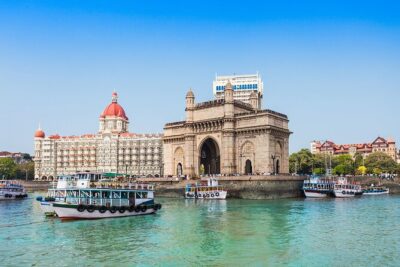
You meet your guide at Pizza Express Colaba, near the Gateway of India.
How long is the Mumbai Morning Market Tour?
The tour lasts about 3 to 3.5 hours.
What is the price per person?
The price is $19 per person.
What is included in the tour package?
It includes hotel pickup and drop-off, a guided tour through Dadar Flower Market and Vegetable Market, exploration of Sassoon Dock Fish Market and Dhobi Ghat, a visit to CSMT, and a local train ride experience.
Is the tour guide available in English?
Yes. The tour is offered with a live tour guide in English.
Are food and drinks included?
No. Foods and drink are not included in the tour.
More Mumbai, Every Kind of Day
- Dharavi slum tour in Mumbai by Female tour guides of the slum
★ 5.0 · 1,976 reviews - Mumbai: Full-Day Sightseeing Tour of Mumbai
★ 4.9 · 1,822 reviews - Private Mumbai Sightseeing Tour (Traveller’s Choice Award Winner)
★ 5.0 · 1,565 reviews - Elephanta Caves & Island Guided Private Tour
★ 5.0 · 1,327 reviews
The City at First Light
- The Original Mumbai by Dawn – Recommended by Nigella Lawson & Nat Geo Traveller!
★ 5.0 · 610 reviews - Mumbai Morning Market Tour of Flowers, Fish, and More
★ 5.0 · 82 reviews - Mumbai: Morning Bicycle Tour
★ 5.0 · 40 reviews - The Colourful Early Morning Tour
★ 5.0 · 31 reviews
Deeper into the Bazaars
- Mumbai: Street Food and Night Markets Tour
★ 4.9 · 719 reviews - Mumbai Morning Market Tour of Flowers, Fish, and More
★ 5.0 · 82 reviews - Mumbai Street Food Tour with Evening Bazaar Walk
★ 4.9 · 79 reviews - Mumbai Markets and Temples Tour
★ 5.0 · 59 reviews
New on the Mumbai shortlist


Dawn & Early Morning Tours, compared.
 ★ 5.0The Original Mumbai by Dawn – Recommended by Nigella Lawson & Nat Geo Traveller!From $86610 reviews
 ★ 5.0Mumbai Morning Market Tour of Flowers, Fish, and MoreFrom $2082 reviews
 ★ 5.0Morning Bicycle TourFrom $2140 reviews
 ★ 5.0The Colourful Early Morning TourFrom $3531 reviews
 ★ 4.8Early Morning Bicycle TourFrom $3730 reviews
 ★ 5.0Early Morning Old Mumbai Private Cycle Tour With BreakfastFrom $6521 reviews
 ★ 4.53 Hours Early Morning in South Mumbai Heritage Bicycle TourFrom $3616 reviews
★ 5.0Mumbai Morning Bicycle TourFrom $1815 reviews
★ 4.53 Hours Early Morning in South Mumbai Heritage Bicycle TourFrom $3616 reviews
★ 5.0Mumbai Morning Bicycle TourFrom $1815 reviews
Browse the lists this tour appears in