
Review · DHARAVI COMMUNITY WALKS
Mumbai: Dharavi Slum, DhobiGhat, and Dabbawallas Tour
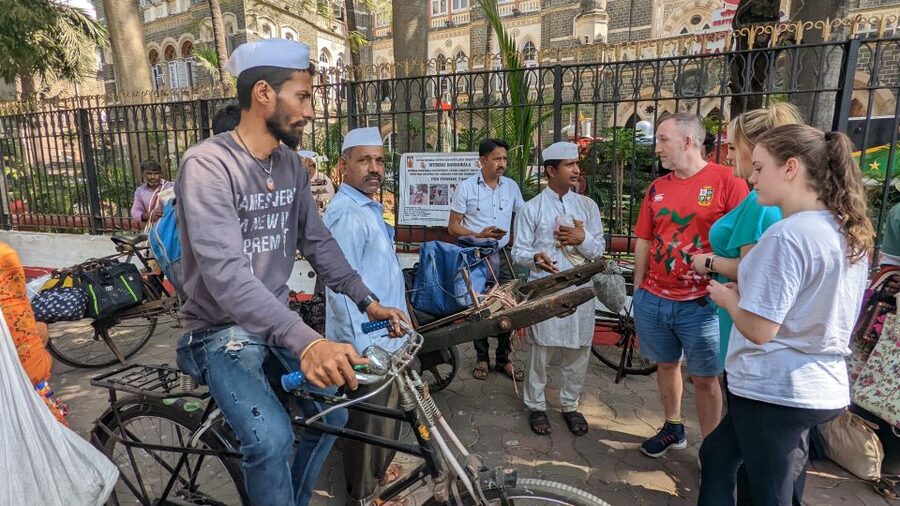
Mumbai moves fast, even at street level. This tour takes you beyond the usual postcards and into Dharavi, the working neighborhoods of Mumbai, plus the open-air laundry of Dhobi Ghat. I like that you’re not just looking from the outside; you’re walking with a guide and using local transport to get a real feel for how the city functions. One thing to consider: no photography inside the Dharavi slum, and the Dabbawallas portion can shift on Sundays, public holidays, or around Diwali dates.
What really makes it click is the mix of three different kinds of everyday life: community industries in Dharavi, the public laundry system at Dhobi Ghat, and the lunchbox delivery route of the Dabbawallas near Churchgate. Guides with lived connections—people like Loki, Ganesh, Alam, and Maze—tend to bring the stories and context you’d otherwise miss. If you’re expecting monuments-only sightseeing, this won’t match that mood, but it’s outstanding if you want the practical, human side of Mumbai.
In This Review
- Key things you’ll notice on this tour
- Churchgate Station to Dharavi: using the local train like locals
- Walking Dharavi with a local guide: what access feels like
- A possible drawback to plan for
- Dhobi Ghat inside visit: the open-air laundry system you can actually watch
- Dabbawallas near Churchgate: how lunchbox delivery stays reliable
- Time, comfort, and the pace of a 3 to 4.5 hour tour
- Who should skip it
- Price and value: why this costs about $14 and still delivers
- When this tour is the best match for your Mumbai trip
- Should you book this Dharavi, Dhobi Ghat, and Dabbawallas tour?
- FAQ
- Where do I meet my guide?
- How long is the tour?
- Is the tour in English?
- Can I take photos during the tour?
- Will I definitely see the Dabbawallas?
- What transportation is included?
- Is this tour suitable for kids or pregnant travelers?
Key things you’ll notice on this tour
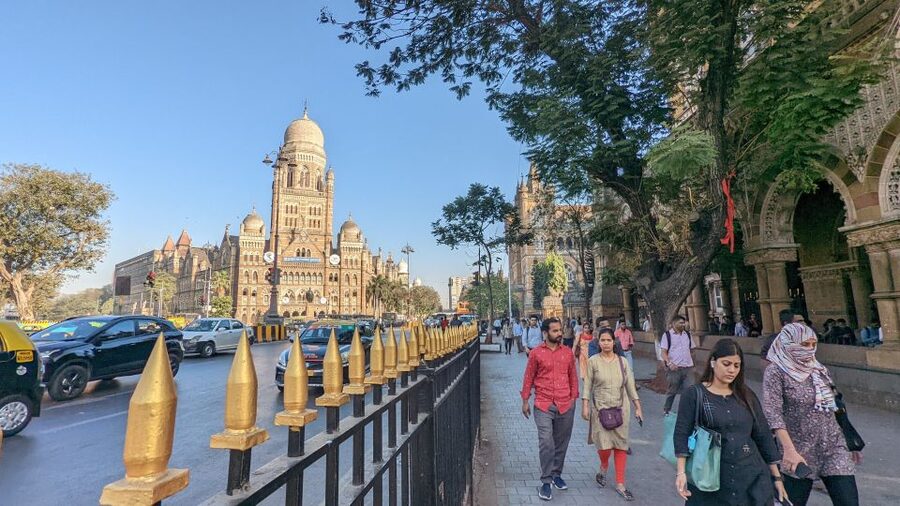
- Churchgate-to-Dharavi by local train, so the trip feels like part of the experience, not a bus ride to a site
- A guided walk through Dharavi focused on daily life and work, with rules around privacy
- Inside Dhobi Ghat, the open-air laundry that keeps a city running
- Dabbawallas near Churchgate, including how lunchbox deliveries stay on track
- Small-group or private options with an English-speaking guide
Churchgate Station to Dharavi: using the local train like locals
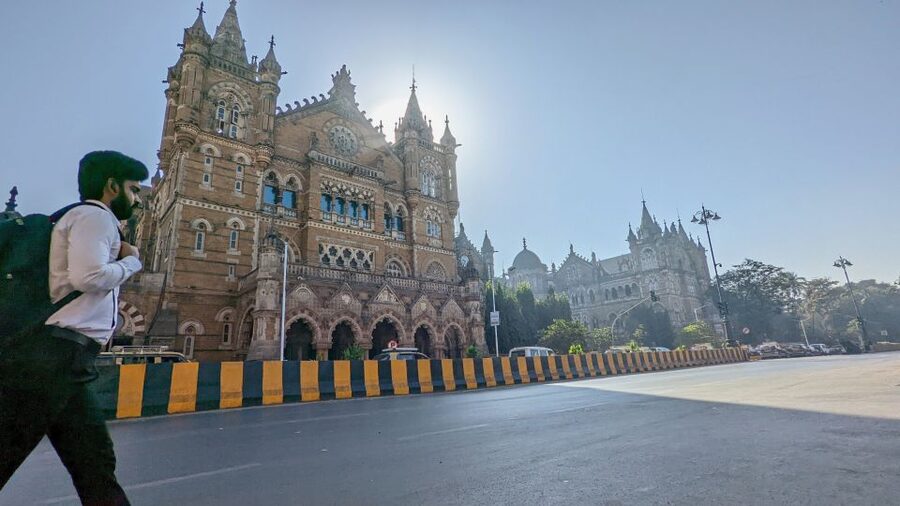
Your tour starts at Churchgate train station, then you head out by local train to Dharavi. The train segment is short—about 20 minutes one way—but it’s a useful reality check: Mumbai isn’t built for quiet, smooth tourism. You’ll get a front-row view of how crowded, efficient commuter life can be.
This is where you’ll feel the difference between visiting Mumbai and navigating Mumbai. Even with a guide, you’ll want to keep an eye on where you’re walking and how the group moves through stations and platforms. It’s part of the charm, and it also means the tour is best if you’re comfortable standing, walking, and staying alert in busy public spaces.
After Dharavi, you’ll take another local train back toward Churchgate (about 15 minutes). You don’t just “arrive and leave.” You get to experience the rhythm twice.
Walking Dharavi with a local guide: what access feels like
The core block of time is a guided Dharavi walk—about 100 minutes. This isn’t a drive-by photo stop. You’re moving on foot through a working neighborhood where residents live, work, and trade in close quarters.
The tour’s value is in how the guide explains the place. Names that show up in past departures include Loki, Ganesh, Alam, Maze, and Bharti/Bharathi. When your guide is from the area (many guides are), you tend to get fewer generic “facts” and more practical context: what different industries do there, how people make a living, and what daily life involves.
One rule matters a lot: photography is not allowed inside the Dharavi slum. That’s not just a technical detail; it changes the whole tone. You’ll pay attention with your eyes and ears instead of turning the walk into a camera roll. Respect goes a long way here, and the best tours keep things sensitive and low-pressure.
Other Dharavi walks led by people who live there



A possible drawback to plan for
Dharavi is a dense, lively neighborhood. If you’re expecting wide open space or lots of time for quiet reflection, this may feel like sensory overload. Go in with patience, wear comfortable shoes, and focus on learning how the community functions rather than “ranking” what you see.
Dhobi Ghat inside visit: the open-air laundry system you can actually watch
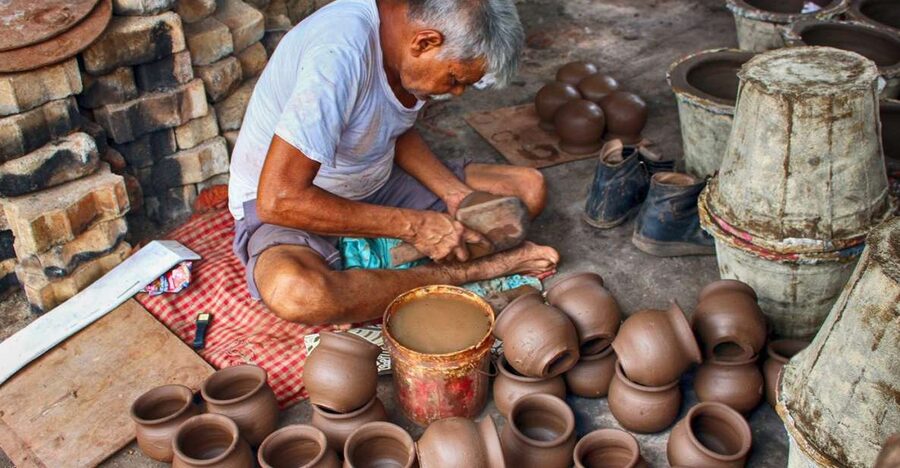
After Dharavi, the tour heads to Dhobi Ghat, with a guided visit and walking time of about 20 minutes. This is where you swap neighborhood streets for the visual system of the open-air laundry.
The key thing here is the setting: Dhobi Ghat is outdoors. You’ll see clothes handled in a large public workflow—collection, sorting, washing, and drying—where everything is visible. For many people, this becomes the tour’s most memorable “aha” moment because you can connect steps you usually never see to the reality of how garments get cleaned at scale.
Because the “inside” visit is part of the attraction, be ready for tighter conditions than you’d get in a museum. The guide will steer you toward what’s appropriate to look at and how to move. Since photography restrictions are specifically stated for the Dharavi slum, you should be fine for photos outside that area, but still follow your guide’s on-the-ground instructions.
If you like seeing work processes rather than just hearing about them, Dhobi Ghat delivers. It’s practical, hands-on by observation, and it explains Mumbai in a way monuments can’t.
Dabbawallas near Churchgate: how lunchbox delivery stays reliable
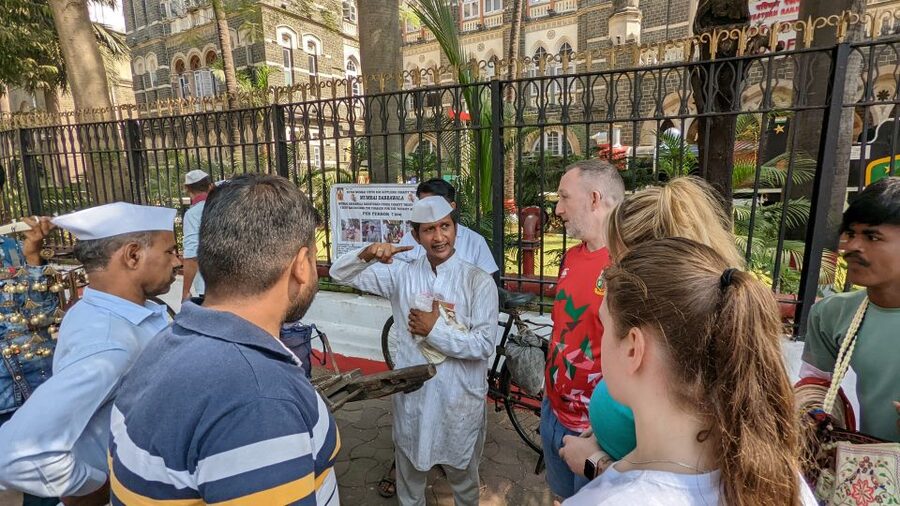
The final highlight is the Dabbawallas portion near Churchgate Railway Station. You’ll see them in action and learn how their lunchbox delivery system operates so smoothly.
This part is short—about 10 minutes for the guided visit near Churchgate—but it lands because it’s so different from the other two stops. In Dharavi you see community work and industries. In Dhobi Ghat you see cleaning at a massive outdoor scale. With the Dabbawallas, you see organization and logistics built for daily consistency.
Two timing gotchas matter a lot:
- Dabbawallas don’t operate on public holidays and Sundays, so you may not see them on those days.
- For 31st October to 4th November 2024 (Diwali period), Dabbawallas are on leave, so tours in that window may not include them.
If Dabbawallas are a “must” for you, double-check your calendar before booking. The tour still covers Dharavi and Dhobi Ghat regardless, but your expectations should match local operating days.
More visits to the open-air laundry at Mahalaxmi
- Mumbai: Dhobi Ghat Laundry and Dharavi Slum Tour with Local
★ 5.0 · 469 reviews - Mumbai: Dharavi Slum and Dhobi Ghat Laundry Tour
★ 5.0 · 317 reviews - Private Combo Tours Sightseeing + Dharavi Slum + Dhobi Ghat & Dabbawalas
★ 5.0 · 245 reviews - Dharavi, Dhobighat, and Mumbai Dabbawallas
★ 5.0 · 168 reviews - Dabbawala, Dhobi Ghat & Dharavi slum Tour with Local Train Ride
★ 5.0 · 102 reviews - Mumbai: Dharavi Slum Tour with Dhobi Ghat (Open-Air Laundry)
★ 4.8 · 62 reviews
Time, comfort, and the pace of a 3 to 4.5 hour tour
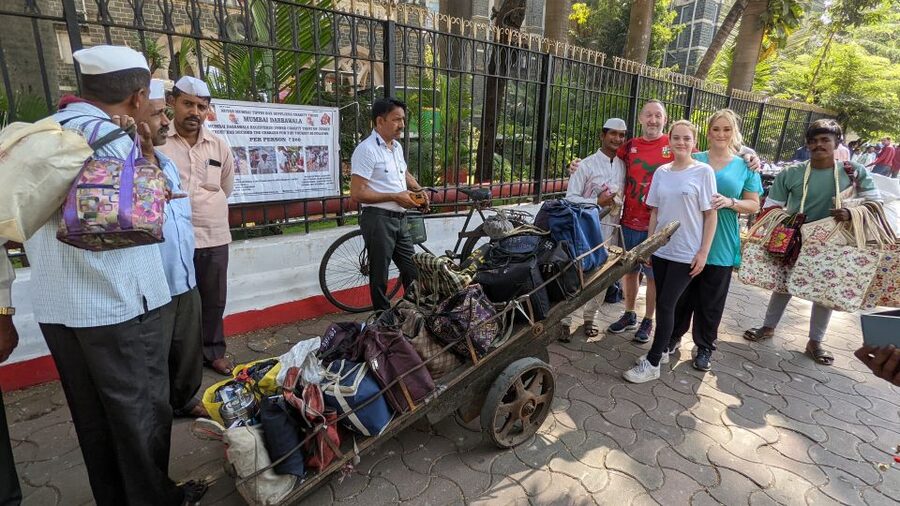
The whole experience runs about 3 to 4.5 hours, with a mix of walking and train rides. Dharavi is the longest stretch on foot (~100 minutes), Dhobi Ghat is shorter (~20 minutes), and the rest is travel plus brief stops near stations.
This is not a slow stroll where you stop for long photo breaks (and remember: no photography inside Dharavi). It’s a structured, timed walk through active areas. If heat hits during your visit, a sun hat is specifically recommended. I’d also bring water, even if it isn’t listed, because Mumbai’s weather can change fast and you’ll be out moving.
Who should skip it
The tour is not suitable for children under 4 and is not suitable for pregnant women, based on the operator’s guidance. Also, if you know crowded train rides make you anxious, it helps to plan your departure time carefully and go in with a calm mindset.
Price and value: why this costs about $14 and still delivers
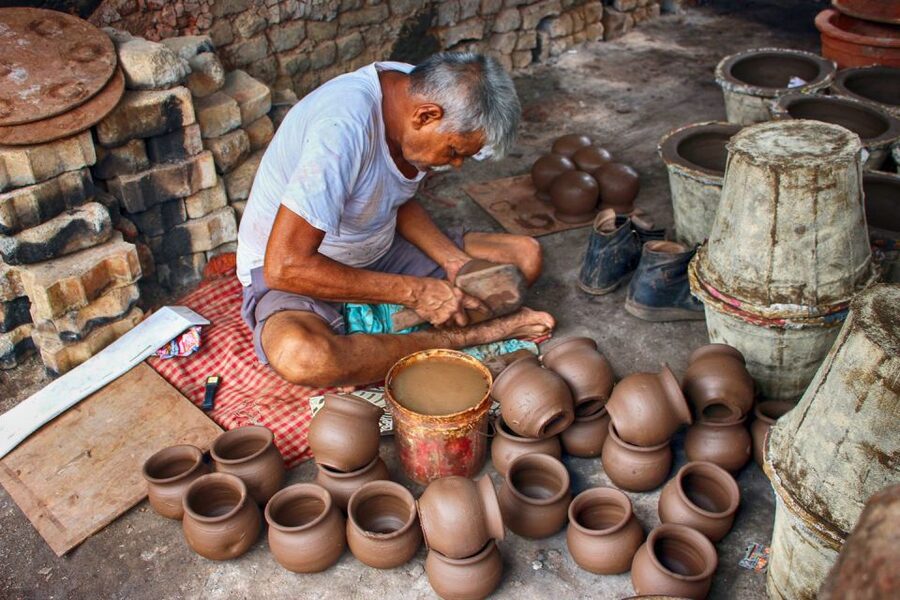
At around $14 per person, this tour is priced to feel surprisingly light compared to what you get: a live English guide, local transportation (train segments), a guided Dharavi walk, an inside Dhobi Ghat visit, and the chance to see the Dabbawallas delivery workflow.
You’re also paying for something hard to quantify: access plus interpretation. In places like Dharavi, Dhobi Ghat, and the Dabbawallas network, the “how” is the story. Without a guide, it’s easy to feel lost or to misunderstand what you’re seeing. With a good guide—especially one with lived connections—you get clarity quickly.
One practical note: hotel pickup and drop-off aren’t included. That’s why the meeting point at Churchgate matters. If you’re staying near Churchgate or can reach it easily, the value feels strong. If not, add your own getting-there time and costs.
When this tour is the best match for your Mumbai trip
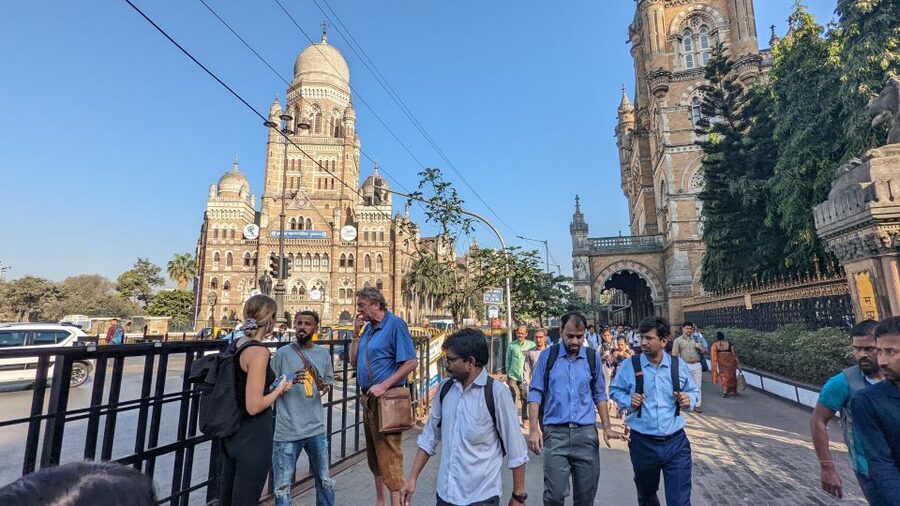
This is a great choice if you want Mumbai beyond the monuments and waterfront views. You’re getting three slices of everyday systems: work in Dharavi, cleaning at Dhobi Ghat, and logistics through the Dabbawallas.
You’ll also like it if you care about respectful local storytelling. Many guides emphasized safety and sensitivity in their approach, and the tour format supports that: limited camera use inside Dharavi, guided movement, and short stops that keep you from wandering alone.
It may not be your best fit if your idea of a tour is mostly about landmarks, indoor galleries, or long breaks. This experience is street-level, working-neighborhood energy—worth it, but not for every travel style.
Should you book this Dharavi, Dhobi Ghat, and Dabbawallas tour?
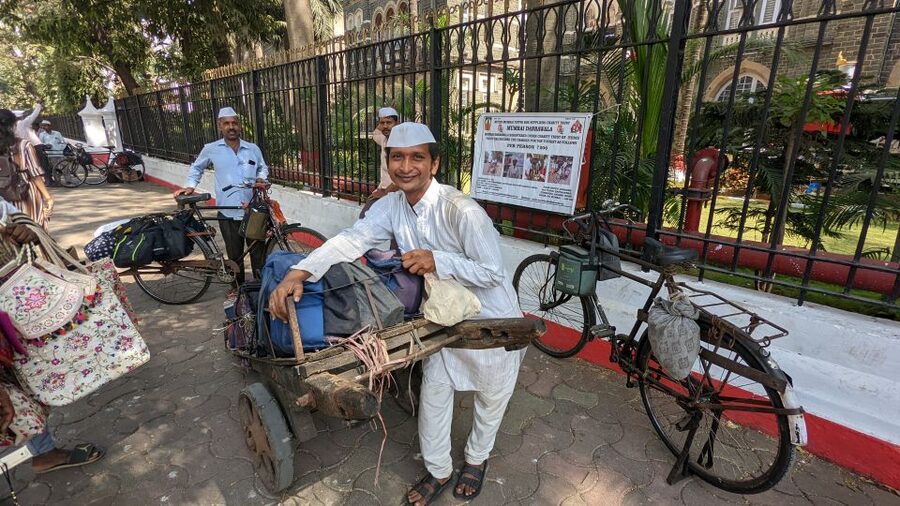
Book it if you want a short, high-impact day of real Mumbai operations: trains, community life, open-air work, and a delivery system that runs on schedule. The guide-led format makes the difference, and the combination of Dharavi + Dhobi Ghat + Dabbawallas is a smart use of a half-day.
Skip or think twice if you’re strongly photo-driven (because Dharavi has no in-slum photography) or if train crowds will stress you out. Also, plan around timing if Dabbawallas are a key goal, since Sundays/public holidays and the Diwali leave window (31 Oct to 4 Nov 2024) can affect whether you’ll see them.
If you’re flexible and curious, this is one of the most practical ways to understand how Mumbai works at human scale.
FAQ
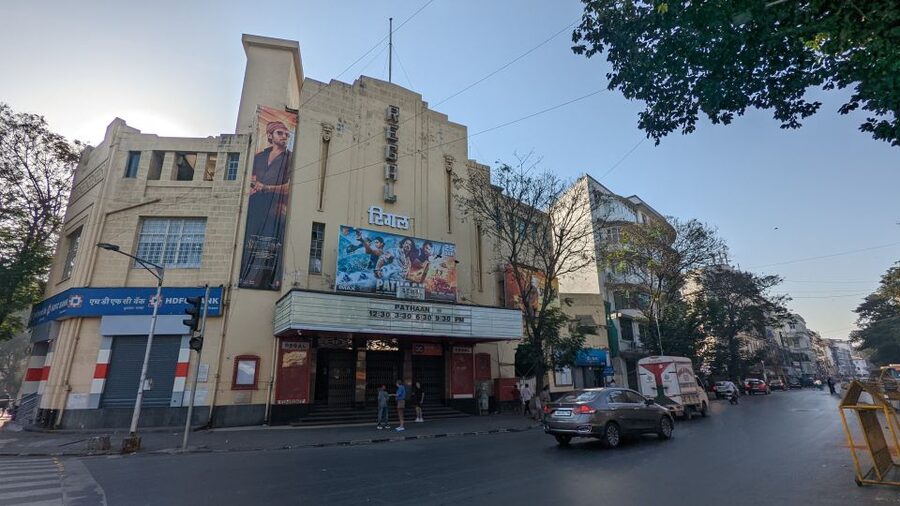
Where do I meet my guide?
You meet your guide at Churchgate train station. The exact meeting point can vary depending on the option you book.
How long is the tour?
The duration is about 3 to 4.5 hours.
Is the tour in English?
Yes. The tour includes a live guide in English.
Can I take photos during the tour?
Photography inside the Dharavi slum is not allowed. Photography is allowed elsewhere.
Will I definitely see the Dabbawallas?
Not always. The Dabbawallas do not operate on public holidays and Sundays, and they may be unavailable during the Diwali leave period from 31st October to 4th November 2024.
What transportation is included?
The tour includes local train rides as part of the experience.
Is this tour suitable for kids or pregnant travelers?
It is not suitable for children under 4 years and not suitable for pregnant women.
The Dabbawala Route, Continued
- Private Combo Tours Sightseeing + Dharavi Slum + Dhobi Ghat & Dabbawalas
★ 5.0 · 245 reviews - Dharavi, Dhobighat, and Mumbai Dabbawallas
★ 5.0 · 168 reviews - Dabbawala, Dhobi Ghat & Dharavi slum Tour with Local Train Ride
★ 5.0 · 102 reviews - Mumbai Gems: 2-Day Private Tour with Elephanta, Slum & Dabbawala
★ 5.0 · 63 reviews
Dhobi Ghat from a Few More Angles
- Mumbai: Dhobi Ghat Laundry and Dharavi Slum Tour with Local
★ 5.0 · 469 reviews - Mumbai: Dharavi Slum and Dhobi Ghat Laundry Tour
★ 5.0 · 317 reviews - Private Combo Tours Sightseeing + Dharavi Slum + Dhobi Ghat & Dabbawalas
★ 5.0 · 245 reviews - Dharavi, Dhobighat, and Mumbai Dabbawallas
★ 5.0 · 168 reviews
Dharavi, Told by Its Residents
- Dharavi slum tour in Mumbai by Female tour guides of the slum
★ 5.0 · 1,976 reviews - Dharavi Slum Tour
★ 5.0 · 625 reviews - Dharavi Slum tour in Mumbai by local resident
★ 5.0 · 572 reviews - Mumbai: Dharavi Slum Slumdog Millionaire Tour with a Local
★ 4.9 · 529 reviews
New on the Mumbai shortlist




Dharavi Community Walks, compared.
 ★ 5.0Dharavi slum tour in Mumbai by Female tour guides of the slumFrom $91,976 reviews
 ★ 5.0Dharavi Slum TourFrom $20625 reviews
 ★ 5.0Dharavi Slum tour in Mumbai by local residentFrom $4572 reviews
 ★ 4.9Dharavi Slum Slumdog Millionaire Tour with a LocalFrom $10529 reviews
 ★ 5.0Mumbai Slum Tour – Visit Dharavi Slum with Local GuideFrom $5509 reviews
 ★ 5.0Dhobi Ghat Laundry and Dharavi Slum Tour with LocalFrom $4469 reviews
 ★ 5.02-Hour Guided Tour of DharaviFrom $22359 reviews
 ★ 5.0Private Full-Day Mumbai Sightseeing Tour with Dharavi SlumsFrom $39338 reviews
Browse the lists this tour appears in