
Review · DHARAVI COMMUNITY WALKS
Private Combo Tours Sightseeing + Dharavi Slum + Dhobi Ghat & Dabbawalas
A lunch system with real heart sits at a railway station. This combo tour pairs Mumbai’s big landmark views with two working-life stops that most quick trips skip: the dabbawalas at Churchgate and a guided walk through Dharavi focused on small industries and recycling. I especially like the clear structure of the day and the fact that you get an English-speaking guide to connect what you see, not just point it out. One possible drawback: it’s a long day (about 7 to 8 hours), and you’ll want comfortable shoes for the Dharavi walk.
You’ll also get that rare mix of sightseeing and “how the city actually runs.” I like that snacks and bottled water are included, so you’re not constantly hunting for food between stops. You’re traveling in an air-conditioned vehicle with pickup and drop-off, which helps when Mumbai weather turns on you. The tour doesn’t include lunch, so budget time and money for that gap.
In This Review
- Key Things I’d Watch for Before You Go
- Churchgate Station: The Dabbawalas and Their Daily Rhythm
- Gateway of India and the City Loop: Landmarks With Real Context
- Dhobi Ghat: Watching a Working World at Close Range
- Dharavi on Foot: Respectful Touring Inside a Working Industry Hub
- Timing and Pace: What 7 to 8 Hours Feels Like
- Private Pickup, AC Transfers, and English-Speaking Guidance
- Price and Value: Why $79 Can Make Sense for This Mix
- What to Wear and Bring for a Comfortable Day
- Who This Tour Fits Best (and Who Should Rethink)
- Should You Book This Combo Tour?
- FAQ
- How long is the private combo tour?
- Does the tour include pickup and drop-off?
- Is the tour group-based or private?
- What does the tour include for food and drinks?
- What stops are included during the day?
- Is there an admission ticket cost included?
- What if I need to cancel last minute?
Key Things I’d Watch for Before You Go
- Churchgate Station at the dabbawala moment, when lunchboxes move onto the train carts
- A long city loop that includes Gateway of India plus notable landmarks along the way
- Dharavi walking time (about 1 and a half walks inside) with an emphasis on industry and recycling
- Private, flexible format with pickup/drop-off in an AC vehicle
- Comfort basics included like snacks and bottled water for the full day
- Guide quality is a major strength, with praise for guides like Mr. Nisar for detailed, respectful explanations
Churchgate Station: The Dabbawalas and Their Daily Rhythm
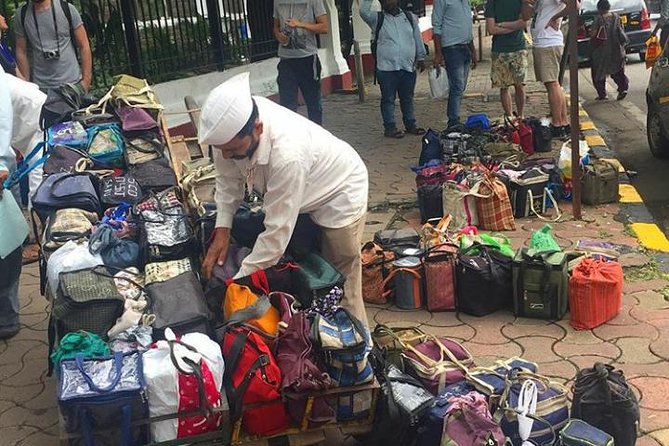
The day starts at Churchgate Railway Station, where you’ll watch the dabbawalas handle the flow of lunchboxes before the trains move. This is where the tour becomes more than sightseeing. It’s practical, real, and surprisingly organized.
You’ll begin with pickup, then head straight to the station. From there, you’ll see the lunchbox carriers transfer the dabbas into wooden carts on the train. The pace here is fast, because that’s the point: the system runs on timing. You also get a brief introduction, so you understand what you’re looking at instead of just watching people move quickly.
The main value of this stop is perspective. Mumbai often feels like a blur from the outside, but this shows how thousands of small efforts stack into one dependable service. If you’re curious about logistics—how cities coordinate work at scale—you’ll feel right at home.
A small consideration: station time can be crowded and noisy. If you’re the type who gets overwhelmed in busy transport hubs, plan to use your guide as your “filter” for what matters most to look at.
Gateway of India and the City Loop: Landmarks With Real Context
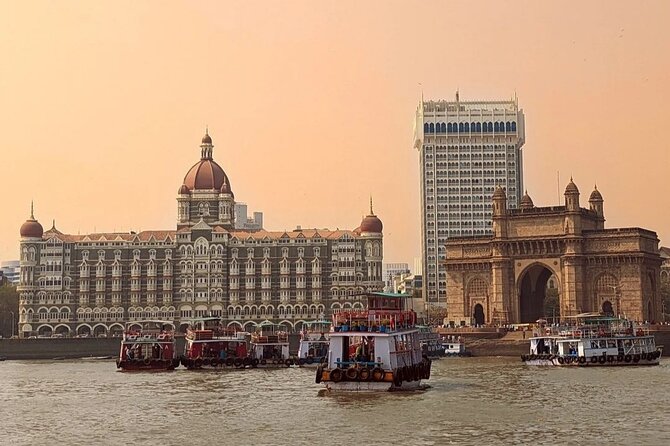
After the station, you’ll head into the classic Mumbai highlights, anchored by Gateway of India. This part of the day is built for views and photo opportunities, but the guide also helps you connect the dots between buildings, streets, and the city’s growth.
The sightseeing portion is long—about 4 hours—and that matters. You’re not just stopping for a quick snapshot; you’re getting time to move between points while your guide explains what you’re seeing. The included highlights on this loop include the Gateway of India area, the Taj Mahal Palace vicinity, Dhobi Ghat, Town Hall, and the Victoria Terminus area (plus additional civic buildings as listed).
This is also a good segment if you want the “orientation” effect: after you see these major landmarks, Mumbai starts to make more sense. Streets, neighborhoods, and geography feel less random. You’ll also understand why certain areas stay central to visitors—because they’re central to the city’s identity.
One drawback to be aware of: with a city drive that includes multiple landmarks, the experience is time-efficient rather than slow and detailed. If you love deep architectural stops where you can linger, you’ll still enjoy this section, but you’ll likely want a follow-up day for specific areas.
Other Dharavi walks led by people who live there




Dhobi Ghat: Watching a Working World at Close Range
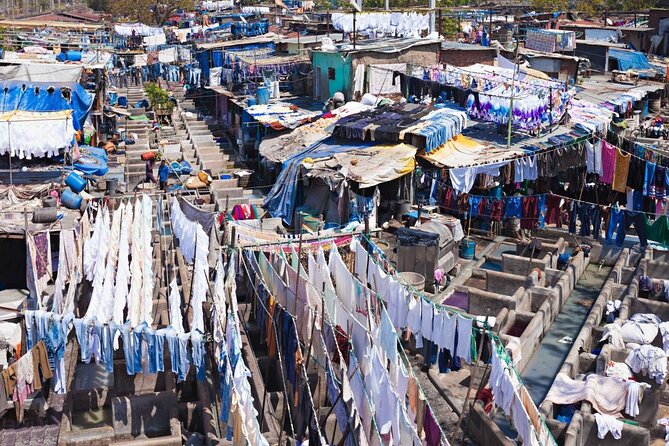
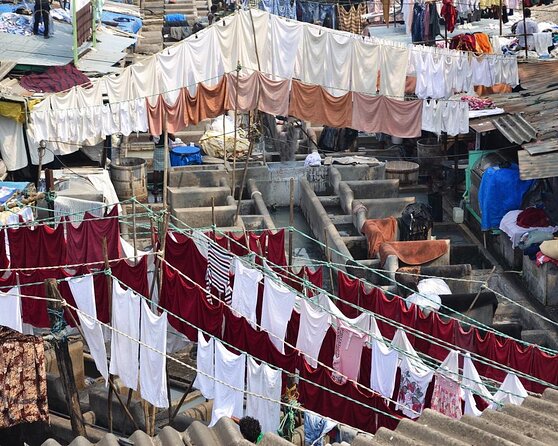
Dhobi Ghat is one of those places where you learn to watch with your eyes, not your assumptions. The tour includes it as part of the sightseeing circuit, so you’ll get a chance to see how laundry work functions in a public, industrial way.
Even if you’ve seen photos, the lived reality feels different. You’ll notice motion, tools, and the sheer amount of labor that keeps the system moving. In a city where much happens out of sight, this is one of the visible “work zones” you can actually stand near and observe.
This also pairs well with the dabbawala stop earlier. Both are about daily systems, but one is delivery and logistics, and the other is hands-on service work. Together, they give you a sense of Mumbai as an engine powered by human routines.
Keep in mind: Dhobi Ghat is a working area. That means it’s not a curated museum. Stay respectful, follow your guide’s direction, and keep your expectations grounded in observation.
Dharavi on Foot: Respectful Touring Inside a Working Industry Hub
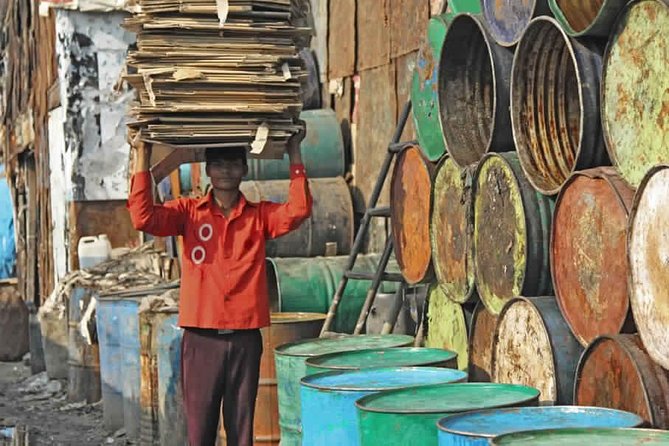
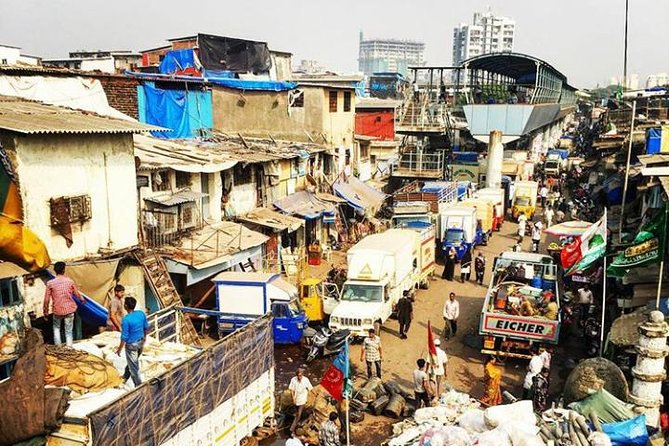
The most emotionally memorable part of this combo tour is the walking visit to Dharavi. The tour is designed for at least about 1 and a half hours of walking inside, and the focus is on why Dharavi is described as a heart of small-scale industries in Mumbai, including recycling.
This isn’t presented as a spectacle. It’s explained through work and how the community contributes to the city’s supply chains. You’ll hear why the area matters economically and practically, especially through recycling and related industries.
The walking element is important. You don’t get the “news article” version of Dharavi. You get to experience the tight spatial logic of the area: how streets and daily tasks shape each other. Your guide’s role here is huge—so you can understand what you’re seeing and avoid turning it into something uncomfortable or superficial.
A detail that really stood out in the feedback: guides like Mr. Nisar were praised for taking people to working areas inside Dharavi and for explaining things in detail. That combination—access plus thoughtful explanation—is the difference between a checklist tour and an experience that makes you rethink what you thought you knew.
One consideration: Dharavi walk tours can be intense for some people. You’ll likely see real day-to-day life and industry. If you’re hoping for a “relaxed photo walk,” this may not fit. If you’re open-minded and curious, it can change your understanding of Mumbai quickly.
Timing and Pace: What 7 to 8 Hours Feels Like
This tour runs about 7 to 8 hours, with time split across three main segments: a station start (roughly 2 hours), a long sightseeing stretch (roughly 4 hours), and the Dharavi walk (roughly 2 hours). That adds up to a full day where your feet and attention both matter.
I like that the tour is built around clear blocks. It keeps you from feeling like you’re constantly rushing. At the same time, you should plan your day energy accordingly. This is not a “sit and glide” tour.
You’ll be in an air-conditioned vehicle for the transfers between stops, which helps a lot in Mumbai’s heat. Still, expect you’ll spend a meaningful portion of time outside, especially at the station and during the walk.
If you’re prone to motion sickness, the car rides might help you recover your focus between stops. If you’re sensitive to crowd noise, the station segment is the one to brace for.
More visits to the open-air laundry at Mahalaxmi
- Mumbai: Dhobi Ghat Laundry and Dharavi Slum Tour with Local
★ 5.0 · 469 reviews - Mumbai: Dharavi Slum and Dhobi Ghat Laundry Tour
★ 5.0 · 317 reviews - Private Combo Tours Sightseeing + Dharavi Slum + Dhobi Ghat & Dabbawalas
★ 5.0 · 245 reviews - Dharavi, Dhobighat, and Mumbai Dabbawallas
★ 5.0 · 168 reviews - Dabbawala, Dhobi Ghat & Dharavi slum Tour with Local Train Ride
★ 5.0 · 102 reviews - Mumbai: Dharavi Slum Tour with Dhobi Ghat (Open-Air Laundry)
★ 4.8 · 62 reviews
Private Pickup, AC Transfers, and English-Speaking Guidance
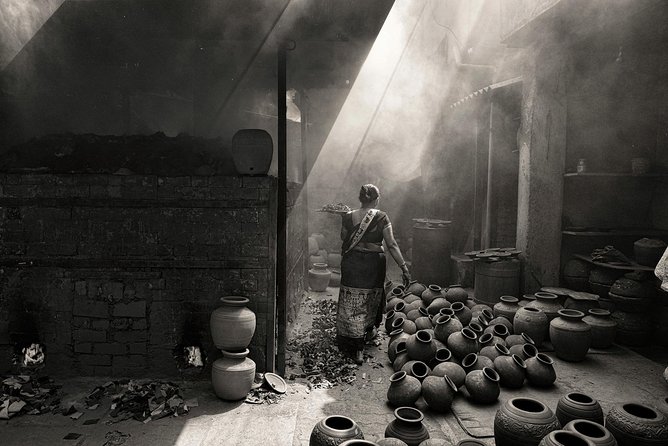
This is a private tour, meaning only your group participates. That matters more than it sounds. You can ask questions without feeling like you’re speaking over other people, and the guide can pace the experience to match your questions—especially at Dharavi and the station.
Pickup and drop-off are included, and you’ll ride in an AC vehicle. Practical comfort is part of the value here, because it keeps the day moving without constant stops for logistics. You’re not stuck coordinating transit on your own, which can be a time sink in Mumbai.
The tour also includes an English-speaking guide, and that’s not just a nice-to-have. When you’re in places like Dharavi and a working rail area, language affects what you understand and how respectfully you behave. The feedback highlights guides being passionate and professional in their explanations—exactly what you want from a day like this.
Price and Value: Why $79 Can Make Sense for This Mix
At $79 per person, this combo is priced like a “do it in one day” plan. The big question is what you’re getting beyond sightseeing photos.
Here’s what’s included: local taxes, bottled water, snacks, an AC private vehicle, pickup/drop-off, and an English-speaking guide. Stop-related admission is also included where listed—Churchgate and the sightseeing circuit include admission tickets, while the Dharavi portion is listed as free.
Lunch is not included, so you’ll need to plan for that gap. Still, the value comes from the pairing: you get landmark Mumbai views plus two working-world experiences that typically require extra planning or extra tickets on separate days.
If you’re short on time and you want a guided day that covers a lot of ground without sacrificing meaningful stops, this price can feel fair. If you love slow travel and deep museum-level detail, you may prefer splitting this into parts so you can linger longer—especially around the landmarks.
What to Wear and Bring for a Comfortable Day
The stated dress code is smart casual. That’s easy enough to follow, but the real test is comfort. Your feet will matter most during the Dharavi walking segment.
Bring a reusable water bottle only if you prefer it, since bottled water is included. Wear comfortable shoes, and consider lightweight layers if you run hot in AC but cool outside. For photography, keep your phone secured; station and walking areas can get crowded.
Also, remember the tour involves a working environment at multiple points. Keep your behavior calm and respectful. Your guide will set the tone.
Who This Tour Fits Best (and Who Should Rethink)
This combo tour is a strong match if you want a day that connects Mumbai’s major sights with how people actually work. It’s especially good for:
- First-time visitors who want orientation plus depth
- People interested in logistics and daily systems (dabbawalas)
- Travelers who prefer guided context over guesswork
- Small groups who value a private format
It may be less ideal if you want only “pretty sights” and minimal walking, or if you’re sensitive to seeing real working areas.
Should You Book This Combo Tour?
I’d recommend booking if you want a guided day that mixes famous Mumbai landmarks with two high-impact stops—Churchgate’s dabbawala system and a guided Dharavi walk focused on industry and recycling. The biggest selling points are the structure of the day, the AC pickup/drop-off, and the fact that you’re not going into complex places without an English-speaking guide.
I’d pause before booking if you dislike long days or don’t like walking in active environments. Also, since lunch isn’t included, make sure you plan what you’ll do between meal timing and your own comfort.
If you book, go in with curiosity and a respectful mindset. This tour works best when you treat it like learning how a city functions, not like ticking off landmarks.
FAQ
How long is the private combo tour?
It runs about 7 to 8 hours.
Does the tour include pickup and drop-off?
Yes. Pickup and drop-off are included as part of the private tour.
Is the tour group-based or private?
It’s private. Only your group participates.
What does the tour include for food and drinks?
Snacks and bottled water are included. Lunch is not included.
What stops are included during the day?
The stops include Churchgate Railway Station (for the dabbawalas), Gateway of India with a broader city sightseeing loop, and a walking visit in Dharavi.
Is there an admission ticket cost included?
Admission tickets are included for Churchgate and the sightseeing portion. Dharavi is listed as free for this tour.
What if I need to cancel last minute?
Cancellation is free up to 24 hours in advance for a full refund. If you cancel within 24 hours of the start time, the amount paid is not refunded.
The Dabbawala Route, Continued
- Mumbai: Dharavi Slum, DhobiGhat, and Dabbawallas Tour
★ 4.9 · 689 reviews - Dharavi, Dhobighat, and Mumbai Dabbawallas
★ 5.0 · 168 reviews - Dabbawala, Dhobi Ghat & Dharavi slum Tour with Local Train Ride
★ 5.0 · 102 reviews - Mumbai Gems: 2-Day Private Tour with Elephanta, Slum & Dabbawala
★ 5.0 · 63 reviews
Dhobi Ghat from a Few More Angles
- Mumbai: Dharavi Slum, DhobiGhat, and Dabbawallas Tour
★ 4.9 · 689 reviews - Mumbai: Dhobi Ghat Laundry and Dharavi Slum Tour with Local
★ 5.0 · 469 reviews - Mumbai: Dharavi Slum and Dhobi Ghat Laundry Tour
★ 5.0 · 317 reviews - Dharavi, Dhobighat, and Mumbai Dabbawallas
★ 5.0 · 168 reviews
Dharavi, Told by Its Residents
- Dharavi slum tour in Mumbai by Female tour guides of the slum
★ 5.0 · 1,976 reviews - Mumbai: Dharavi Slum, DhobiGhat, and Dabbawallas Tour
★ 4.9 · 689 reviews - Dharavi Slum Tour
★ 5.0 · 625 reviews - Dharavi Slum tour in Mumbai by local resident
★ 5.0 · 572 reviews
New on the Mumbai shortlist




Dharavi Community Walks, compared.
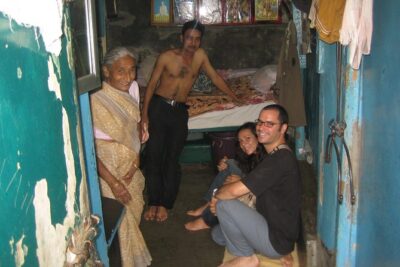 ★ 5.0Dharavi slum tour in Mumbai by Female tour guides of the slumFrom $91,976 reviews
 ★ 4.9Dharavi Slum, DhobiGhat, and Dabbawallas TourFrom $14689 reviews
 ★ 5.0Dharavi Slum TourFrom $20625 reviews
 ★ 5.0Dharavi Slum tour in Mumbai by local residentFrom $4572 reviews
 ★ 4.9Dharavi Slum Slumdog Millionaire Tour with a LocalFrom $10529 reviews
 ★ 5.0Mumbai Slum Tour – Visit Dharavi Slum with Local GuideFrom $5509 reviews
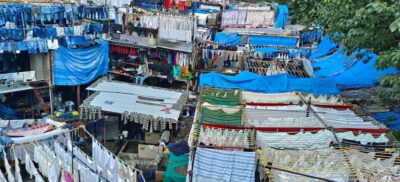 ★ 5.0Dhobi Ghat Laundry and Dharavi Slum Tour with LocalFrom $4469 reviews
 ★ 5.02-Hour Guided Tour of DharaviFrom $22359 reviews
Browse the lists this tour appears in