
Review · DHARAVI COMMUNITY WALKS
Dabbawala, Dhobi Ghat & Dharavi slum Tour with Local Train Ride
Mumbai runs on routines, not postcards. You’ll see how work actually moves through the city on a route that ties dabbawalas and a local train ride to Dharavi’s industries and the open-air laundry at Dhobi Ghat. I especially like the way the tour puts real daily labor on your path, with a guide who keeps it respectful and human. One possible drawback: the streets and alleys can feel crowded and a bit intense if you prefer quiet, controlled sightseeing.
What makes this day click is the combination of three worlds in about four hours: a residential slum area, an outdoor hotel-laundry operation, and Mumbai’s lunch-delivery system. I also like that the group stays small, so questions don’t get lost and you’re not just shuffled along.
The logistics are simple enough to make this a strong value play. You start near Churchgate, ride public trains with your guide, and end in central Dharavi—with a mobile ticket and free admission for the main stops.
In This Review
- Key things to know before you go
- A short walk through Dharavi, laundry, and Mumbai lunch delivery
- Churchgate to Dharavi by local train: the easiest way to feel the city
- Stop 1: Dharavi lanes and workshops, from leather to pottery
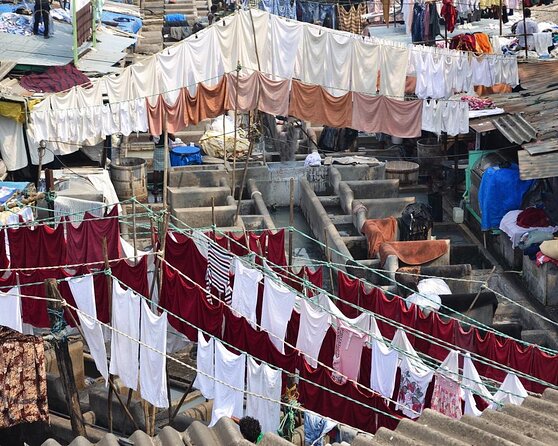
- Stop 2: Mahalaxmi Dhobi Ghat, the open-air laundry system
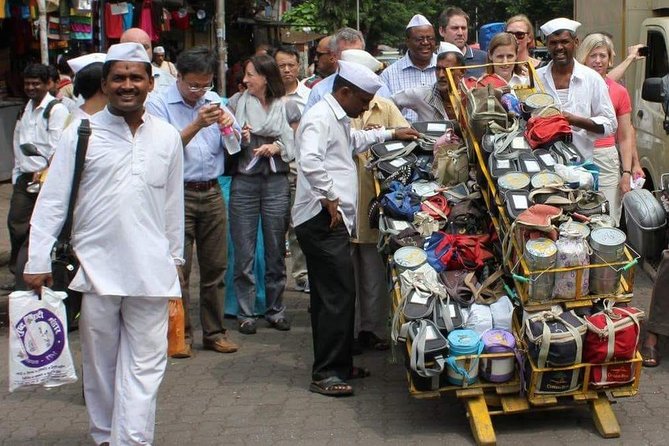
- Stop 3: Dabbawala tribute statue and the citywide lunch route
- Price and timing: what you really get for about $35.79
- Safety, sensitivity, and why the guide makes the day
- Who this tour fits best (and who may want a different Mumbai day)
- Should you book this Dharavi and Dhobi Ghat tour?
- FAQ
- How long is the Dharavi, Dhobi Ghat, and dabbawala tour with local train ride?
- What is the price per person?
- Does the tour include food?
- What is included in the tour package?
- How large is the group?
- What are the start and end points?
- Is the tour admission ticket included?
- Is it a mobile-ticket experience?
- What is the cancellation policy?
- When will I receive confirmation?
Key things to know before you go
- A local train ride built into the route: you’re not just walking in a bubble
- Small group size (max 15): easier pacing and better Q-and-A time
- Dharavi work zones: leather, pottery, soap-making, dyeing, and more show up in plain sight
- Dhobi Ghat’s open-air laundry: washing is done outside, tied to hotel laundry supply
- Meet dabbawalas at a tribute statue: you learn why the delivery workers matter to the city
A short walk through Dharavi, laundry, and Mumbai lunch delivery
This is the kind of Mumbai day that doesn’t feel staged. Instead of chasing famous landmarks, you track how the city keeps running: clothing gets cleaned, food gets delivered, and entire industries keep turning in tight spaces.
You’ll spend a big chunk of your time in Dharavi, then shift to Dhobi Ghat where laundry happens in the open, and finish with a focused look at the people behind lunch delivery, the dabbawalas. The tour is designed to be engaging but also sensitive, because you’re seeing real homes and real work—not a theme park version of it.
If you’re the type of traveler who likes to learn how everyday systems operate—who transports what, who produces what, and how people organize work—this will land well. You’ll also get the added benefit of a guide who can translate what you’re seeing into context fast.
Churchgate to Dharavi by local train: the easiest way to feel the city
One reason people rate this tour so highly is the simple fact that you ride a local train as part of the experience. That means you’re moving like locals do, not just being driven from point to point.
The tour starts at Maharshi Karve Rd, Churchgate. From there, you connect to the local train system and spend time traveling with your guide. You end near Sai Multispeciality Hospital & Research Centre on 90 Feet Rd in Dharavi, behind Sion Hospital. It’s a practical route that tends to make the whole day feel efficient.
Duration is about four hours, which matters in Mumbai. A short tour like this helps you fit it into a busy schedule without losing the whole day to transit and traffic. And because the group is capped at 15 travelers, it’s easier to move together without long delays.
Practical tip: local trains and station areas can be crowded. If you’re sensitive to tight spaces, keep your pace steady and listen to your guide about where to stand and when to move.
Other Dharavi walks led by people who live there



Stop 1: Dharavi lanes and workshops, from leather to pottery
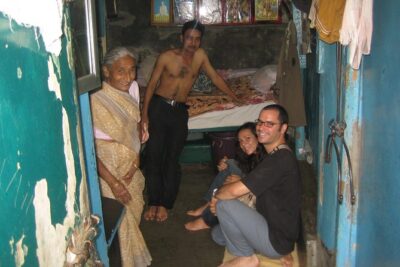
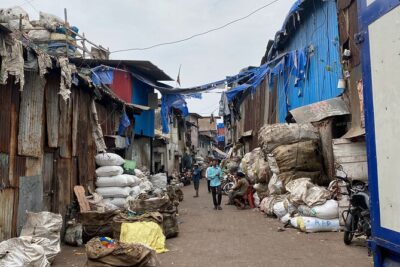
Dharavi is the emotional center of this tour. You’ll walk through streets and alleys where multiple small industries operate side by side with homes, schools, and hospitals.
The highlights you can expect to see include:
- Leather industries
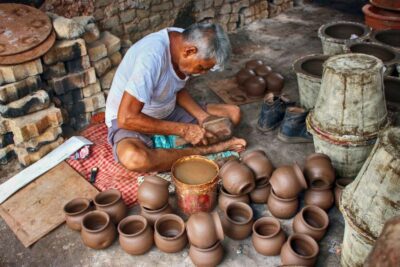
- Pottery
- Soap-making
- Bakery work
- Colour dye
- Plastic recycling
- Schools, hospitals, and houses in the slum area
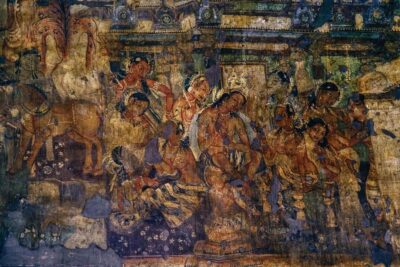
There’s also a pop-culture connection: this area has been linked to filming for Slumdog Millionaire, and your guide will point out where that connection shows up in the landscape.
What I like about this stop is that it doesn’t treat Dharavi like a single thing. You see different types of work, from materials processing to craft and food-related activity. The point isn’t to turn it into a spectacle. The point is to show how people make a living inside a complicated urban setting.
Possible drawback: photos can be tricky in places that are both residential and working. The safest approach is to ask your guide first, keep your camera low until you know it’s welcome, and remember you’re walking through people’s daily environment.
Also, plan for walking. Even though this is only about two hours at Dharavi, the time adds up because you’re moving through tight lanes.
Guides can really shape this part of the day. I’m using examples from what you’ll hear once you’re there: guides like Rakesh and Abhishek are praised for being funny, engaging, and clear about how the place works. Sagar is noted for explaining history and helping people understand what they might not expect to see.
Stop 2: Mahalaxmi Dhobi Ghat, the open-air laundry system
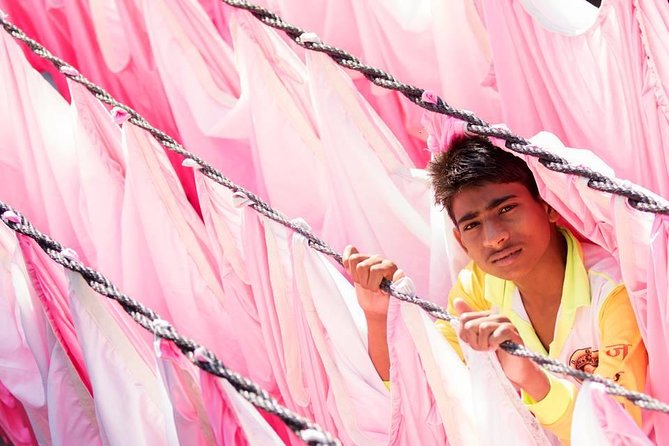
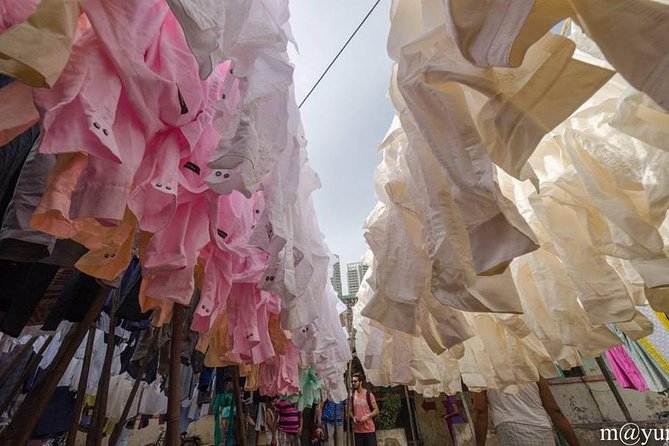
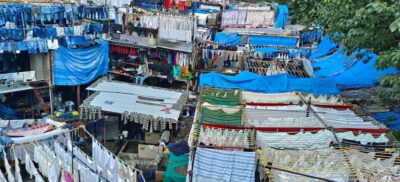
Then the day shifts gears. You’ll head to Mahalaxmi Dhobi Ghat, a well-known open-air laundromat in Mumbai. The big idea here is that the washers—locally called dhobis—work in the open to wash clothes from Mumbai’s hotels.
Dhobi Ghat is fascinating because it’s visible labor. You can often understand the workflow just by watching: there’s repetitive movement, teamwork, and a steady flow of laundry coming in and out. You’re not guessing what happens—you’re seeing it.
What I like most is that this stop gives you a different kind of context for Mumbai’s economy. In Dharavi, you’re looking at mixed industries inside a residential area. At Dhobi Ghat, you’re seeing industrial-scale work that supports hotels across the city. Same overall theme—people doing essential jobs—but a very different setting.
One practical note: it’s an outdoor area. If weather turns unpleasant (and Mumbai can do that), your guide’s attitude and timing matter. One group mentioned that despite horrendous weather, the guide still kept things informative and manageable, which is a good reminder to bring water and be ready for changing conditions.
Dress for comfort. You’ll likely want shoes you can walk in for an extended stretch, plus something that won’t ruin your day if you get a little dust or mist.
Stop 3: Dabbawala tribute statue and the citywide lunch route
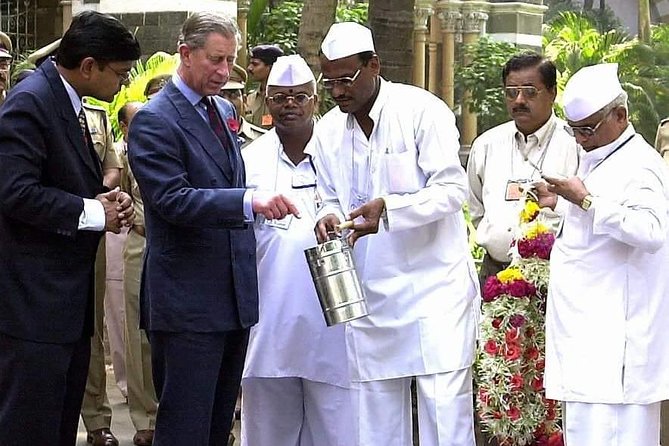
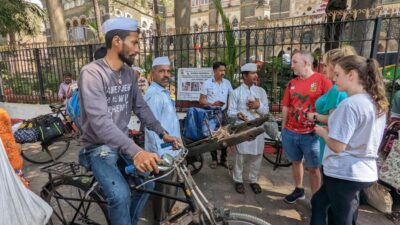
The final stop is where Mumbai’s delivery culture comes into focus. You’ll meet the dabbawalas at a tribute statue designed to honor them.
The core story is simple: dabbawalas deliver lunches around the city every day. That’s what you’ll learn here—why the system matters, and why people recognize these delivery workers as a special class within Mumbai.
You’re not going to get a technical manual at the statue. Instead, you get a human introduction. It’s the kind of stop that helps you connect the dots between Mumbai’s work zones and the citywide flow of food and supplies.
If you want a memorable ending, keep your attention on what your guide says about everyday logistics and why routines like lunch delivery are so important. Several guides in this program are praised for being respectful and for creating a comfortable vibe, which helps when you’re learning about a group that’s part of daily city life but not always noticed by visitors.
A bonus detail from one highlighted experience: if your guide is Sagar, one group’s favorite moment was seeing his family home and enjoying a homemade meal. That kind of personal connection can make the day feel less like a tour and more like a moment of real hospitality. Just keep expectations flexible; personal add-ons aren’t something you can guarantee from outside the tour description.
More visits to the open-air laundry at Mahalaxmi
- Mumbai: Dhobi Ghat Laundry and Dharavi Slum Tour with Local
★ 5.0 · 469 reviews - Mumbai: Dharavi Slum and Dhobi Ghat Laundry Tour
★ 5.0 · 317 reviews - Private Combo Tours Sightseeing + Dharavi Slum + Dhobi Ghat & Dabbawalas
★ 5.0 · 245 reviews - Dharavi, Dhobighat, and Mumbai Dabbawallas
★ 5.0 · 168 reviews - Dabbawala, Dhobi Ghat & Dharavi slum Tour with Local Train Ride
★ 5.0 · 102 reviews - Mumbai: Dharavi Slum Tour with Dhobi Ghat (Open-Air Laundry)
★ 4.8 · 62 reviews
Price and timing: what you really get for about $35.79
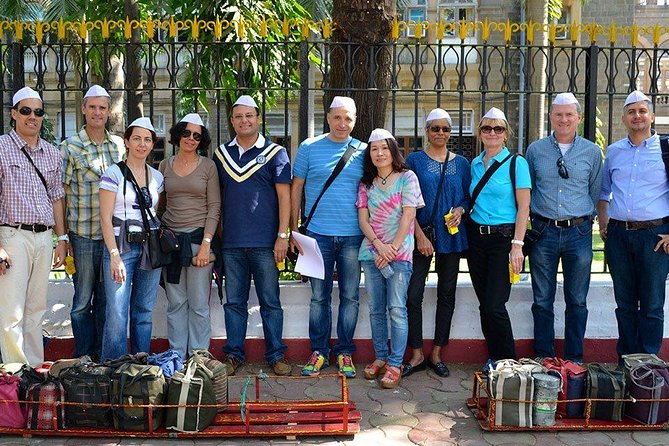
At $35.79 per person for about four hours, this is priced like a value-oriented city tour. What pushes it above a basic walking loop is that:
- You get a professional guide
- You get transport by local train
- You’re visiting two major work sites (Dharavi industries and Dhobi Ghat laundry)
- You have free admission for the stops included in the tour
Food and drink are not included, so you should plan ahead. For a four-hour window, it’s usually smart to bring water and keep your energy up. Multiple people specifically suggested bringing extra water, and that’s advice worth taking seriously in Mumbai’s outdoor settings and crowded areas.
Timing also helps. This is not an all-day commitment. It’s a good fit on a day when you want something meaningful but don’t want to lose your whole afternoon to logistics.
If you’re comparing options, check what’s actually included, not just what looks good in photos. Here, the local train and the guide are doing most of the heavy lifting—and that’s where your money goes.
Safety, sensitivity, and why the guide makes the day
You’ll get the best experience if you take cues from your guide. This tour is built around seeing real neighborhoods and active work areas, so the tone needs to be respectful at all times.
The guide role is also a major reason the reviews are so consistent. You’ll hear stories about guides like:
- Rakesh bringing knowledge in a way that feels friendly and fun
- Abhishek being described as funny, entertaining, and engaging, while staying clear on facts
- Hardik being pleasant and informative
- Dinesh handling weather and group needs while keeping the experience smooth
- Sagar sharing history and personal context with energy
In practical terms, that means you’ll likely feel safer and more comfortable moving through tight spaces. One group noted they felt safe at all times, which lines up with the idea that a good guide knows how to position you, manage timing, and communicate clearly.
Your part is simple:
- Wear comfortable shoes
- Bring water
- Keep your camera use respectful
- Ask questions instead of assuming you know what you’re seeing
And remember: you’re there to observe and learn, not to judge or to treat people’s daily life like a viewing experience.
Who this tour fits best (and who may want a different Mumbai day)
This is a great match if you:
- Like learning about how cities function day to day
- Prefer work-and-life experiences over museum-only sightseeing
- Want a short, structured tour that still feels meaningful
- Appreciate small groups and a resident perspective
It’s less ideal if you:
- Strongly dislike crowded, walk-heavy routes
- Want a purely scenic photo day
- Prefer tours where everything is indoors and controlled
Most travelers can participate, but you’ll still be walking through neighborhoods and working areas. Your comfort level matters. If you go in with the right attitude—curious, respectful, and ready for real streets—you’ll probably be glad you chose this.
One more thought: this tour doesn’t try to soften the reality of poverty. Instead, it focuses on industries, systems, and the dignity of labor. If that’s your kind of learning, it will click quickly.
Should you book this Dharavi and Dhobi Ghat tour?
If you’re deciding between a standard city overview and a Mumbai day that actually connects to how the city works, I think this is a smart booking. The value is strong for the price because you’re not just walking—you’re riding local trains and getting access to two labor sites that most visitors never experience in a grounded way.
Book it if you want:
- A resident-guided look at Dharavi’s industries and everyday life
- A real glimpse into how laundry operates at Dhobi Ghat
- A simple, memorable finish meeting the dabbawalas who deliver lunches across the city
- A tour that keeps group size small and the pace manageable
Skip it (or pick a gentler alternative) if you want calm, low-contrast sightseeing with minimal crowd exposure. This day is about people and work, so it’s supposed to feel real.
FAQ
How long is the Dharavi, Dhobi Ghat, and dabbawala tour with local train ride?
It runs for about 4 hours.
What is the price per person?
The price is $35.79 per person.
Does the tour include food?
No. Food and drink are not included.
What is included in the tour package?
You get a professional guide and transport by local train.
How large is the group?
The tour has a maximum of 15 travelers.
What are the start and end points?
It starts at Maharshi Karve Rd, Churchgate, Mumbai, Maharashtra 400020, India, and ends at Sai Multispeciality Hospital & Research Centre, 90 Feet Rd, behind Sion Hospital in Dharavi, Mumbai, Maharashtra 400017, India.
Is the tour admission ticket included?
Admission tickets are free for the stops listed in the tour.
Is it a mobile-ticket experience?
Yes, it uses a mobile ticket.
What is the cancellation policy?
You can cancel for a full refund up to 24 hours in advance of the experience’s start time.
When will I receive confirmation?
Confirmation is received at the time of booking.
The Dabbawala Route, Continued
- Mumbai: Dharavi Slum, DhobiGhat, and Dabbawallas Tour
★ 4.9 · 689 reviews - Private Combo Tours Sightseeing + Dharavi Slum + Dhobi Ghat & Dabbawalas
★ 5.0 · 245 reviews - Dharavi, Dhobighat, and Mumbai Dabbawallas
★ 5.0 · 168 reviews - Mumbai Gems: 2-Day Private Tour with Elephanta, Slum & Dabbawala
★ 5.0 · 63 reviews
Dhobi Ghat from a Few More Angles
- Mumbai: Dharavi Slum, DhobiGhat, and Dabbawallas Tour
★ 4.9 · 689 reviews - Mumbai: Dhobi Ghat Laundry and Dharavi Slum Tour with Local
★ 5.0 · 469 reviews - Mumbai: Dharavi Slum and Dhobi Ghat Laundry Tour
★ 5.0 · 317 reviews - Private Combo Tours Sightseeing + Dharavi Slum + Dhobi Ghat & Dabbawalas
★ 5.0 · 245 reviews
Dharavi, Told by Its Residents
- Dharavi slum tour in Mumbai by Female tour guides of the slum
★ 5.0 · 1,976 reviews - Mumbai: Dharavi Slum, DhobiGhat, and Dabbawallas Tour
★ 4.9 · 689 reviews - Dharavi Slum Tour
★ 5.0 · 625 reviews - Dharavi Slum tour in Mumbai by local resident
★ 5.0 · 572 reviews
New on the Mumbai shortlist


Dharavi Community Walks, compared.
 ★ 5.0Dharavi slum tour in Mumbai by Female tour guides of the slumFrom $91,976 reviews
 ★ 4.9Dharavi Slum, DhobiGhat, and Dabbawallas TourFrom $14689 reviews
 ★ 5.0Dharavi Slum TourFrom $20625 reviews
 ★ 5.0Dharavi Slum tour in Mumbai by local residentFrom $4572 reviews
 ★ 4.9Dharavi Slum Slumdog Millionaire Tour with a LocalFrom $10529 reviews
 ★ 5.0Mumbai Slum Tour – Visit Dharavi Slum with Local GuideFrom $5509 reviews
 ★ 5.0Dhobi Ghat Laundry and Dharavi Slum Tour with LocalFrom $4469 reviews
 ★ 5.02-Hour Guided Tour of DharaviFrom $22359 reviews
Browse the lists this tour appears in