
Review · DHARAVI COMMUNITY WALKS
Mumbai: Dhobi Ghat Laundry and Dharavi Slum Tour with Local
Dharavi runs on work and community. This Dhobi Ghat Laundry and Dharavi Slum Tour shows you Mumbai beyond postcard views, with local context on homes, small industries, and the way people make a living in the middle of a living neighborhood.
I love how the tour is guided by people who know the place from the inside. In particular, I like the focus on Dharavi’s real economy—plastic recycling, garment/textiles, leather work, and more—rather than just giving vague “poverty” narration. I also love the Dhobi Ghat open-air laundry portion, where the washing process feels tangible, not abstract.
One possible drawback: it’s not a sit-behind-a-window type of tour. You’ll be walking through busy lanes and it can be hot, so bring comfortable shoes and expect a bit of hustle and bustle around you.
In This Review
- Key takeaways before you go
- Dhobi Ghat meets Dharavi in 3 hours
- Choosing a guide: names you might hear and why it matters
- Dharavi on foot: what you’ll actually see up close
- How Dharavi’s industries connect: plastic, textiles, leather, and more
- Safety and respect: how this tour avoids turning voyeuristic
- The Slumdog Millionaire filming spot: what to look for
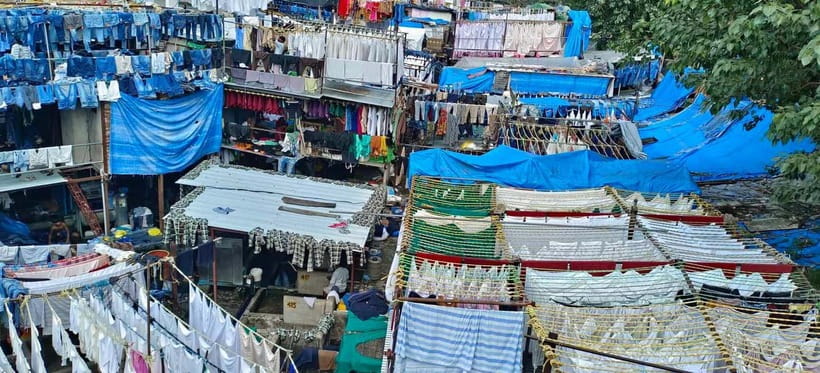
- Dhobi Ghat: the open-air laundry operation you can see
- Price and time: why about $4.45 can still feel worthwhile
- Who this tour suits best (and who might want a different plan)
- Should you book this Dharavi and Dhobi Ghat tour?
- FAQ
- How long is the Dhobi Ghat Laundry and Dharavi Slum tour?
- Is this tour private or shared?
- Does the tour include an English-speaking guide?
- What is included in the price?
- Is food included?
- Are tickets and transport included?
- Where do we meet for the tour?
- Is cancellation available?
- Does the tour cover the Slumdog Millionaire filming connection?
Key takeaways before you go
- A local, resident-led perspective on daily life, work, and family routines in Dharavi
- Dhobi Ghat’s open-air laundry lets you see washing at scale and in real time
- The recycling-and-manufacturing chain ties waste to jobs and income
- A Slumdog Millionaire filming connection adds context to how the area shows up on screen
- A privacy-first approach keeps the experience from turning into spectacle
- A 3-hour format that packs a lot of meaning without dragging on all day
Dhobi Ghat meets Dharavi in 3 hours
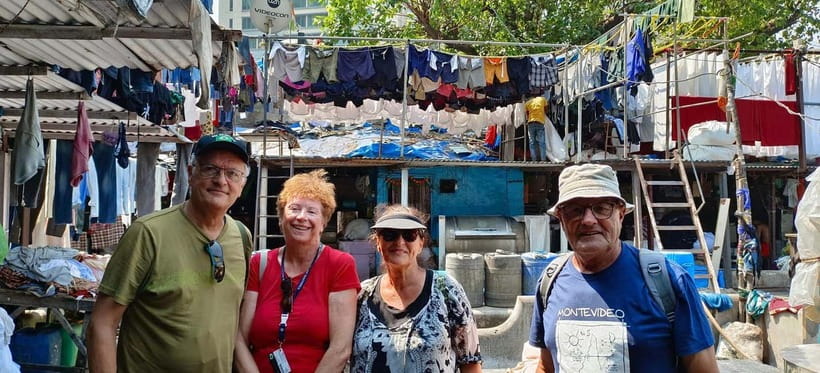
This tour’s big selling point is the pairing: first you see Dharavi as a place where people live and work, then you shift to Dhobi Ghat, where washing is the main event. The contrast works. Dharavi helps you understand the neighborhood economy. Dhobi Ghat shows you another side of Mumbai’s labor system—water, routines, and logistics—right in the open.
The duration matters too. At about 3 hours, you get an intense snapshot without turning your day into a marathon. That’s especially helpful if your Mumbai schedule is tight or you already plan to cover other neighborhoods.
What makes this tour feel different from a standard “slum tour” is the tone: it aims to dispell stereotypes rather than confirm them. You’re not being dragged to a single dramatic viewpoint. Instead, you’re led through normal spaces where families, workshops, and small-scale production overlap.
Choosing a guide: names you might hear and why it matters
The guide is not a minor detail here. It’s the whole point.
A lot of the best experiences in these reviews center on guides who grew up in Dharavi or were born and raised there. You might meet guides like Bharti, Abi, Ansh, Alkama, Faizan, Zee, Aarti, Ridhi, or Anshika (training as a guide). When you have someone with that kind of connection, the tour stops feeling like a scripted performance.
You’ll notice it in the pacing. Guides tend to explain at street level: how people move through the space, what different areas are used for, and why certain businesses exist where they do. People also reported strong English and the habit of answering questions patiently. That’s useful because Dharavi can be confusing if you’re trying to map it like a typical city grid.
Practical tip: if you’re the type who asks a lot of questions, this tour style usually rewards that. Come curious about daily life, work flow, and how recycling and manufacturing tie together.
Other Dharavi walks led by people who live there



Dharavi on foot: what you’ll actually see up close
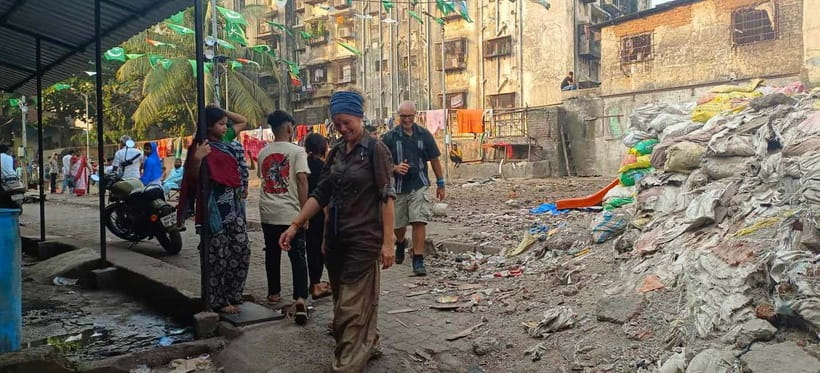
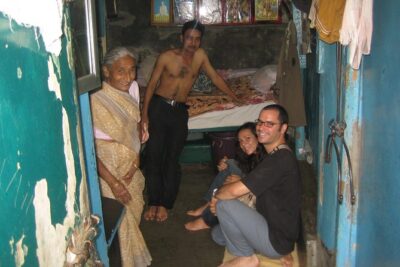
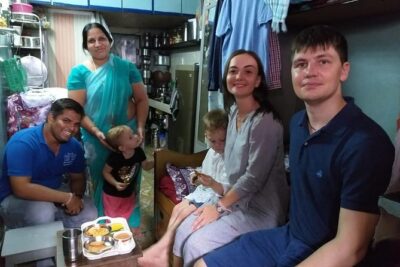
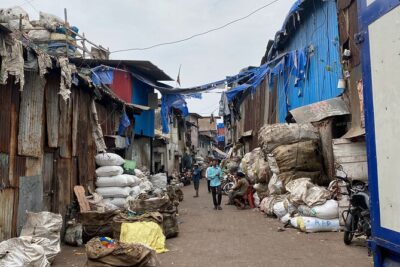
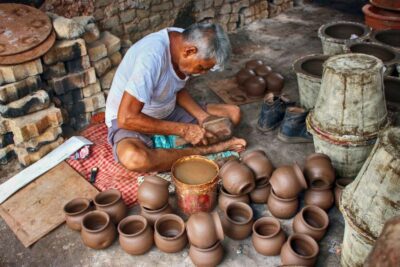
Dharavi is not a single “thing.” It’s a dense mesh of homes, workspaces, and small commercial zones right next to each other. In this tour, you should expect to see parts of that everyday mix: where families live, where children play or relax, and where work happens in close proximity to daily life.
One of the clearest themes is that you’re seeing life, work, and community in the same frame. That matters, because most outsiders only see Dharavi through edited stories—film scenes, sensational headlines, or snapshots that flatten everything into one emotion. Here, the goal is to let you notice variety: different industries, different routines, and the fact that people are running real businesses.
You’ll also hear the “why” behind what you see. The tour is designed to show not only locations, but reasons—how people build livelihoods, how goods move through the neighborhood, and how different workshops connect to each other.
Health and comfort note: this is a neighborhood walk. Even when the tone is respectful, you’ll still be moving through real streets with real people living their days. Expect a bit of closeness and keep your phone camera ready only when it feels appropriate.
How Dharavi’s industries connect: plastic, textiles, leather, and more
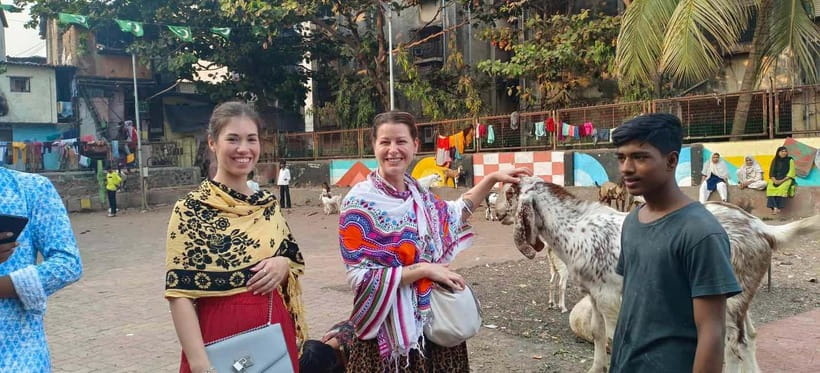
If you remember just one thing from Dharavi, make it this: the area functions like a local production ecosystem. The tour is built around showing that.
You should expect to see work linked to:
- Plastic recycling
- Garment and textile-related work
- Leather-related industry
- And other small businesses tied into the flow of materials and resale
What makes this valuable is the chain logic. You’re not just “seeing trash processing.” You’re learning how waste gets sorted, remade, and turned into sellable products. That’s where the economic story becomes real: people don’t just survive here—they organize labor and skills into repeatable work.
Also, the tour talks about scale. The information you’ll get includes the idea that Dharavi’s yearly economic value is around $1 billion, which helps you understand why the neighborhood isn’t just a charity subject or a social media caption.
Practical tip: if you want to get the most out of the industry stops, ask your guide what gets traded first (materials), what happens next (workshops), and who the end customers might be. Those questions turn your walk into a map.
Safety and respect: how this tour avoids turning voyeuristic
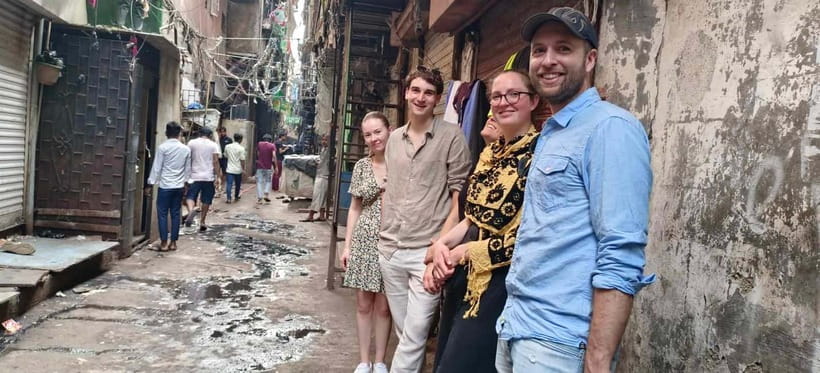
A slum tour can feel ethically awkward if it’s done like a zoo visit. This experience is specifically framed to avoid that.
The tour’s positioning is simple: it’s completely safe to visit inside and around Dharavi, and you go with locals who live there rather than outsiders with a “look at this” script. Guides also emphasize privacy—keeping photo moments from turning uncomfortable and moving at a pace that doesn’t treat residents like props.
In plain terms, you should go with the right attitude: be polite, don’t stare, don’t chase reactions, and follow your guide’s instructions. When you do, the experience tends to feel like learning from a neighborhood—not taking from it.
If you’re a solo visitor, you’ll likely appreciate that the tour is designed to make you feel secure with the guide leading the way. Many people also mentioned feeling safe throughout the walk and transport between areas.
More visits to the open-air laundry at Mahalaxmi
- Mumbai: Dhobi Ghat Laundry and Dharavi Slum Tour with Local
★ 5.0 · 469 reviews - Mumbai: Dharavi Slum and Dhobi Ghat Laundry Tour
★ 5.0 · 317 reviews - Private Combo Tours Sightseeing + Dharavi Slum + Dhobi Ghat & Dabbawalas
★ 5.0 · 245 reviews - Dharavi, Dhobighat, and Mumbai Dabbawallas
★ 5.0 · 168 reviews - Dabbawala, Dhobi Ghat & Dharavi slum Tour with Local Train Ride
★ 5.0 · 102 reviews - Mumbai: Dharavi Slum Tour with Dhobi Ghat (Open-Air Laundry)
★ 4.8 · 62 reviews
The Slumdog Millionaire filming spot: what to look for
The tour includes a connection to where Slumdog Millionaire was filmed inside Dharavi. That’s not about chasing movie trivia for its own sake. It works as a tool for context.
Why it helps: screen versions of places can confuse reality. When you see the area in daylight with a guide explaining how people live and work there, the film image stops being a single dramatic scene. It becomes one interpretation among many. You start noticing the everyday structures—paths, entrances, and how people use spaces—not just the cinematic framing.
If you’re a film fan, this is an easy win. You’ll also get more value if you treat it as a prompt to ask questions like: How did filmmakers find this setting? How does it function now for residents? What does this location represent in daily life?
Dhobi Ghat: the open-air laundry operation you can see
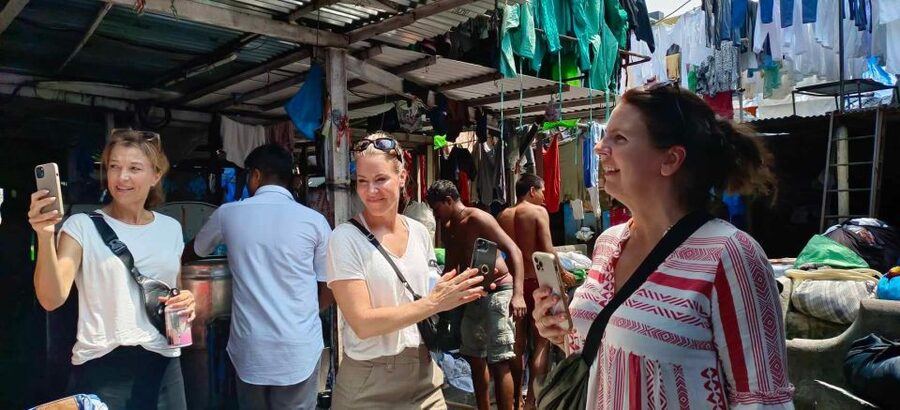
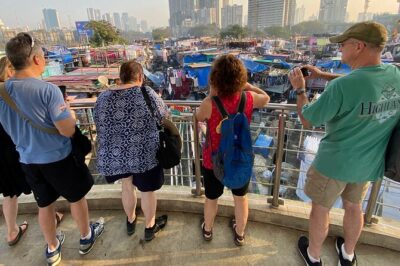
After Dharavi’s walk, you shift gears to Dhobi Ghat. This is an open-air laundry area where washing isn’t hidden behind walls. It’s visible. That visibility changes how you understand the place.
What to expect:
- You’ll see the washing process in action
- You’ll learn how the laundry system works and why it’s organized the way it is
- The scale becomes obvious once you’re standing there, not just reading a description
This part of Mumbai doesn’t feel like “tourist activity.” It feels like infrastructure. The laundry is a working system—water use, scheduling, labor, and repeat steps that keep clothes moving through the city’s needs.
A lot of people also mention transport by local train between areas as part of what makes the day feel real. You’re not only walking through two famous points; you’re moving like a city resident would, which helps the whole experience click.
Practical tip: this is a good time to rehydrate. If you’ve been walking Dharavi lanes, Dhobi Ghat will feel physically active too. Water is included on the tour, which helps.
Price and time: why about $4.45 can still feel worthwhile
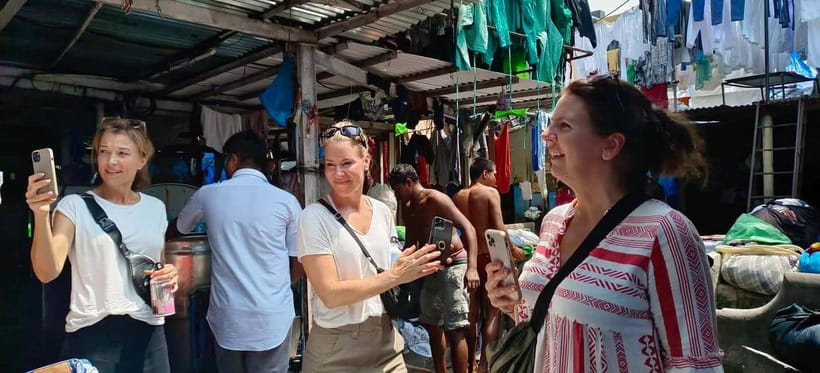
On paper, the price—around $4.45 per person—sounds almost unbelievable for a guided experience in two major places. The key is what’s included.
Included items:
- Local English-speaking tour guide
- Private or shared tour option
- Entry tickets
- Travelling fees
- Water
Not included:
- Food and drinks
So you’re not paying extra for basic logistics or guide time, and you’re not stuck arranging transport yourself. For many visitors, that’s where the value shows up: less planning stress, less waiting, and a smoother transition from neighborhood walking to Dhobi Ghat.
Of course, low price doesn’t automatically mean perfect fit. The trade-off is that this is a 3-hour experience, not a slow cultural seminar. You’ll cover a lot of ground and you’ll need to be comfortable with an active walking style.
If you’re sensitive to heat or crowded street conditions, plan accordingly. The tour delivers its meaning through motion and close interaction, not through comfy seating.
Who this tour suits best (and who might want a different plan)
This is a strong match if you want a more human, practical understanding of Mumbai. It’s especially good for:
- People who like learning about city economies and work systems
- Visitors who prefer walking + local context over museums
- Anyone who’s curious about recycling and small manufacturing chains
- Film fans who want context behind the Slumdog Millionaire connection
It may be less ideal if you:
- Want a purely scenic sightseeing day
- Dislike walking through busy, working neighborhoods
- Need a lot of quiet time and minimal street contact
And one more thing: if you’re concerned about ethics, this tour’s whole design aims to handle that thoughtfully. Still, your own attitude matters. Respect and discretion turn the experience from awkward to genuinely eye-opening.
Should you book this Dharavi and Dhobi Ghat tour?
I’d book it if you want to see Mumbai as a working city, not just a set of landmarks. The combination of Dharavi’s daily life and industries plus Dhobi Ghat’s open-air laundry gives you two linked perspectives on labor, routines, and how communities create income.
Choose it especially if you can get a guide like Bharti or Abi (or another local guide you’re matched with), because the best version of this tour is clearly built around strong local explanations, patient Q&A, and privacy-minded handling of a sensitive subject.
If you hate walking in heat or you’re only looking for relaxed sightseeing, you might pick a different tour that’s more comfortable. But if you’re open-minded and willing to learn by being present, this one is likely to stick with you long after you leave Mumbai.
FAQ
How long is the Dhobi Ghat Laundry and Dharavi Slum tour?
The tour duration is 3 hours.
Is this tour private or shared?
You can choose a private or small-group/shared option depending on what you book.
Does the tour include an English-speaking guide?
Yes. The tour includes a local English-speaking tour guide.
What is included in the price?
The included items are the local English-speaking tour guide, private or shared tour option, entry tickets, traveling fees, and water.
Is food included?
No. Food and drinks are not included.
Are tickets and transport included?
Yes. Entry tickets and travelling fees are included, and water is also provided.
Where do we meet for the tour?
The meeting point may vary depending on the option booked.
Is cancellation available?
Free cancellation is offered, with cancellation up to 24 hours in advance for a full refund.
Does the tour cover the Slumdog Millionaire filming connection?
Yes, the tour includes visiting a place where Slumdog Millionaire was filmed inside Dharavi.
More Mumbai, Every Kind of Day
- Dharavi slum tour in Mumbai by Female tour guides of the slum
★ 5.0 · 1,976 reviews - Mumbai: Full-Day Sightseeing Tour of Mumbai
★ 4.9 · 1,822 reviews - Private Mumbai Sightseeing Tour (Traveller’s Choice Award Winner)
★ 5.0 · 1,565 reviews - Elephanta Caves & Island Guided Private Tour
★ 5.0 · 1,327 reviews
Dhobi Ghat from a Few More Angles
- Mumbai: Dharavi Slum, DhobiGhat, and Dabbawallas Tour
★ 4.9 · 689 reviews - Mumbai: Dharavi Slum and Dhobi Ghat Laundry Tour
★ 5.0 · 317 reviews - Private Combo Tours Sightseeing + Dharavi Slum + Dhobi Ghat & Dabbawalas
★ 5.0 · 245 reviews - Dharavi, Dhobighat, and Mumbai Dabbawallas
★ 5.0 · 168 reviews
Dharavi, Told by Its Residents
- Dharavi slum tour in Mumbai by Female tour guides of the slum
★ 5.0 · 1,976 reviews - Mumbai: Dharavi Slum, DhobiGhat, and Dabbawallas Tour
★ 4.9 · 689 reviews - Dharavi Slum Tour
★ 5.0 · 625 reviews - Dharavi Slum tour in Mumbai by local resident
★ 5.0 · 572 reviews
New on the Mumbai shortlist





Dharavi Community Walks, compared.
 ★ 5.0Dharavi slum tour in Mumbai by Female tour guides of the slumFrom $91,976 reviews
 ★ 4.9Dharavi Slum, DhobiGhat, and Dabbawallas TourFrom $14689 reviews
 ★ 5.0Dharavi Slum TourFrom $20625 reviews
 ★ 5.0Dharavi Slum tour in Mumbai by local residentFrom $4572 reviews
 ★ 4.9Dharavi Slum Slumdog Millionaire Tour with a LocalFrom $10529 reviews
 ★ 5.0Mumbai Slum Tour – Visit Dharavi Slum with Local GuideFrom $5509 reviews
 ★ 5.02-Hour Guided Tour of DharaviFrom $22359 reviews
 ★ 5.0Private Full-Day Mumbai Sightseeing Tour with Dharavi SlumsFrom $39338 reviews
Browse the lists this tour appears in