
Review · DHARAVI COMMUNITY WALKS
Mumbai Slum Tour – Visit Dharavi Slum with Local Guide
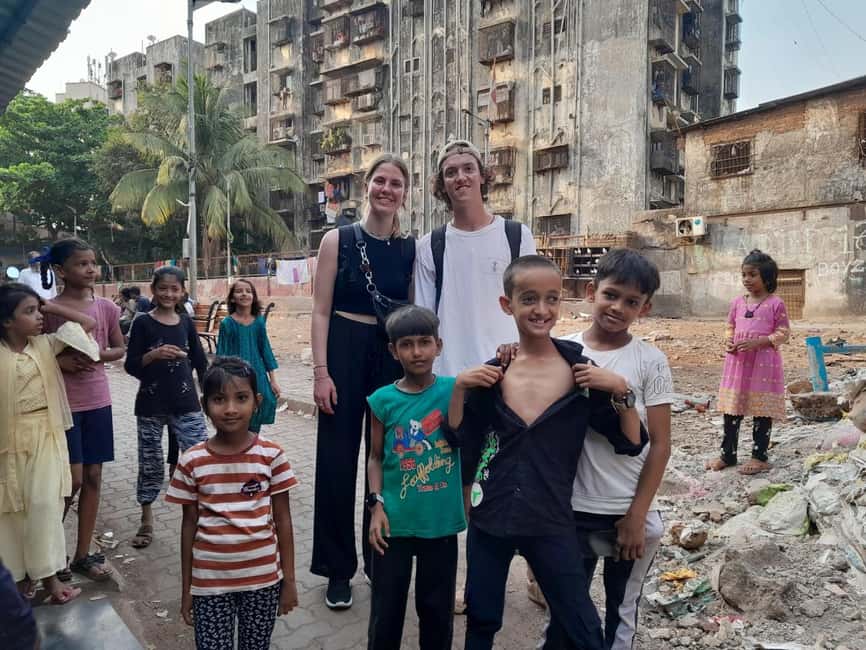
Dharavi changes your view fast. This 2–3.5 hour visit is led by local guides who live there and takes you through both homes and working industries—from small markets and schools to recycling, leather, garments, and pottery. One practical catch: it’s a crowded, walking-heavy route with limited restroom options, so plan for comfort and timing.
I like that this tour feels more like a neighborhood conversation than a sight-seeing checklist. You also get good value for the price—English guide time plus bottled water—while keeping expectations realistic about dress rules, camera limits, and the heat of Mumbai streets.
In This Review
- Key Highlights You’ll Actually Care About
- Why This Dharavi Walk Feels Different From Usual Mumbai Sightseeing
- Meet Your Guide: Local English That Makes Questions Easy
- Your Route in Plain Terms: What You’ll See Inside Dharavi
- The Industrial Part: How Small-Scale Work Creates Real Output
- Residential Lanes and Community Life in Tight Spaces
- Pacing, Safety, and Respect: How to Do This Tour the Right Way
- Price and Value: Why About $5 Can Still Make Sense
- Pickup, Drop-Off, and How You’ll Start the Day
- What to Bring (So the Tour Stays Pleasant)
- Who Should Book This Tour, and Who Should Skip It
- Should You Book the Mumbai Slum Tour With a Local Guide?
- FAQ
- How long does the Mumbai Slum Tour take?
- Is the tour guide available in English?
- What’s included in the price, and are snacks provided?
- Where do I meet the guide and where will I be dropped off?
- What should I bring, and what clothing or camera rules apply?
- Is this tour wheelchair accessible?
- Is free cancellation available?
Key Highlights You’ll Actually Care About
- Local guides living in Dharavi for generations give you real context, not stock history
- A mix of residential lanes and small-scale industries shows how the community functions day-to-day
- English live guiding in private or small groups helps you ask questions without feeling rushed
- Stops connected to work you can see: market, school, recycling, leather, garments, and pottery
- Respect rules matter here (no flash; professional cameras not allowed; dress code is enforced)
- Guides like Priscilla, Shivam, Balaji, Siddesh, Sufiyan, and Sajid are repeatedly praised for clarity and warmth
Why This Dharavi Walk Feels Different From Usual Mumbai Sightseeing
Dharavi is one of those places where you can’t truly understand it from a distance. This tour is designed to help you read the neighborhood as a working community: people building businesses, running schools, making products, and sharing tight spaces in real time.
What I appreciate is that the focus stays on what you can observe and ask about. You’ll walk narrow lanes, see everyday life up close, and hear explanations that connect housing, work, and education—often with personal stories from the guide.
The price is also part of the story. At about $5 per person, you’re not paying for a bus tour or a ticketed museum. You’re paying for guide time, local access, and a structured route through areas most visitors would never find on their own.
Meet Your Guide: Local English That Makes Questions Easy
A big reason this tour gets consistently high marks is the guide. You’re not being led by someone who studied Dharavi once. Your guide is a local who still lives in the area, and that matters because they can point out what the neighborhood feels like when you’re not just passing through.
In the guide lineup, names like Priscilla and Shivam show up often, with visitors praising their English and their friendly, calm approach. Balaji, Siddesh, Sufiyan, and Sajid are also mentioned with the same theme: clear explanations, patient answers, and a tone that feels respectful rather than performative.
You’ll notice a pattern in the way guides talk about life in Dharavi:
- They explain what different industries are doing and how people earn day-to-day
- They answer practical questions about income, education, and housing
- They share context on how the neighborhood grew and how it’s changing (Shivam, in particular, is noted as explaining redevelopment plans)
Even if you’re nervous about going into a crowded area with strangers, the guide’s local presence is the stabilizer. You’re not “touring a slum” so much as being taught how to see it properly.
Other Dharavi walks led by people who live there



Your Route in Plain Terms: What You’ll See Inside Dharavi

This is a walking tour with a structured flow. You’ll spend time inside Dharavi for about two hours of guided walking, with break time built in. Total duration is 2 to 3.5 hours, depending on the starting option and transit.
The experience includes a range of stops, not just one kind of street scene. Expect to see:
- Narrow lanes and small homes, where space is tight and everyday life happens close together
- A local market, where you can watch commerce in motion
- A school, so you get a sense of education inside the community, not only workplaces
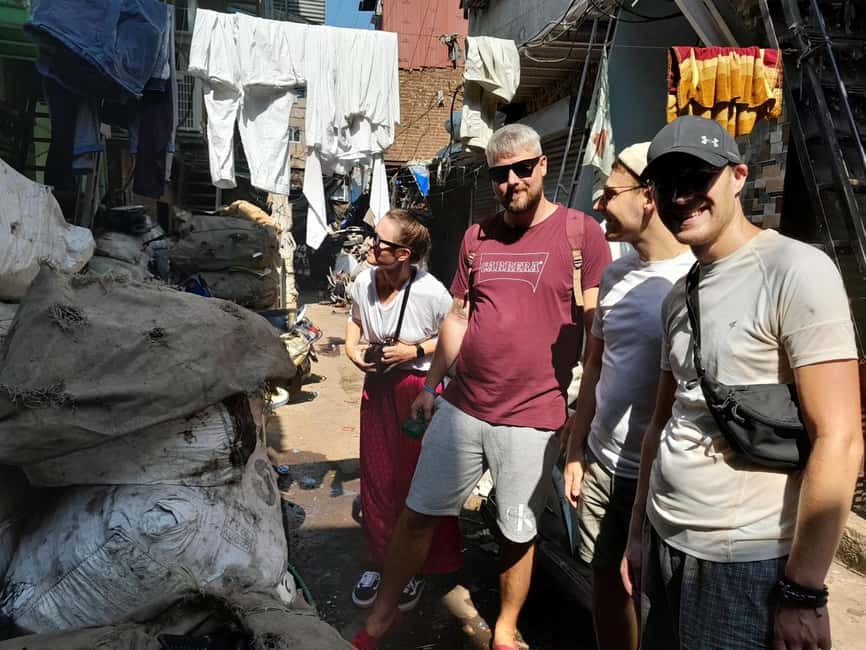
- Recycling industries, showing how materials and waste are turned into usable inputs
- A leather factory and garments work areas, where production is part of daily rhythm
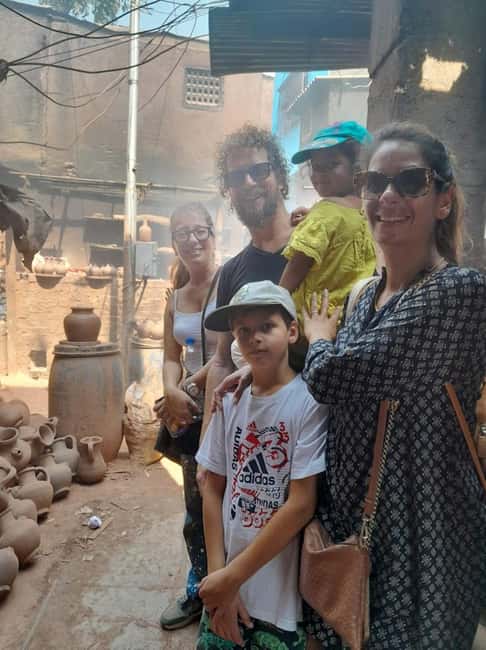
- Pottery, a slower craft that helps you understand skill and continuity in the neighborhood
A useful way to think about this: you’re not just collecting photos. You’re mapping the neighborhood’s “systems.” Homes support work. Work supports families. Education sits alongside both.
And yes, some parts can feel intense. Leather and workshop areas are working environments, so keep your tone respectful and your questions focused.
The Industrial Part: How Small-Scale Work Creates Real Output
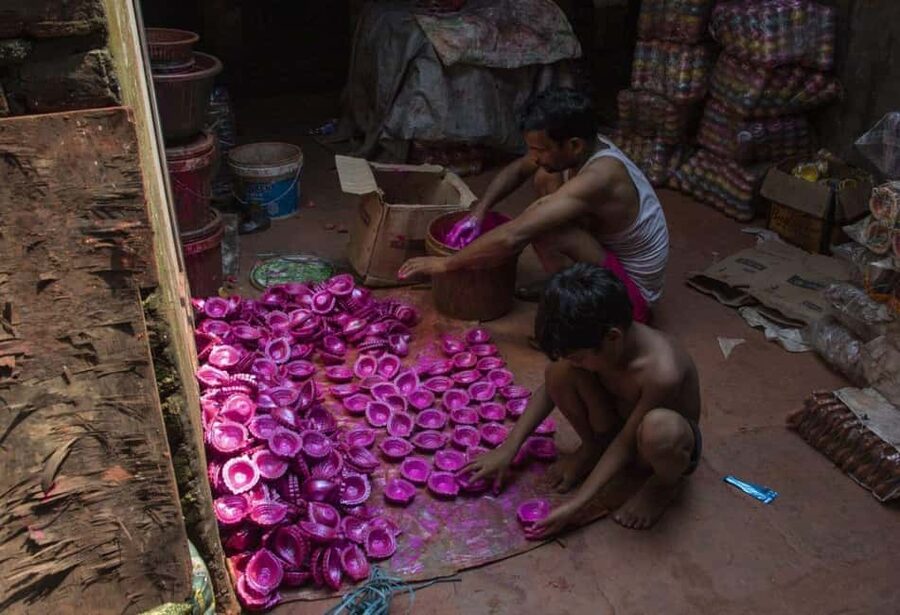
One of the most striking elements is the industrial economy you can see with your own eyes. Dharavi is often described as a place generating more than $1 billion annually, and the tour helps you understand why that number isn’t just marketing.
You’ll see industries where the work is hands-on and continuous—recycling operations, leather work, garment production, and pottery. The value here isn’t that you’ll get a factory tour with safety gear and glossy explanations. The value is that you’ll watch how production links to local skill and local demand.
Your guide’s job is to translate the informal economy into something you can grasp. Many guides are praised for explaining how things like:
- income comes through these businesses
- work is organized around neighborhood networks
- education fits into family schedules and priorities
This is also where questions get interesting. Ask how people learn trades, how customers show up, or what changes when businesses grow. With the right guide, you’ll get honest answers rather than rehearsed lines.
Residential Lanes and Community Life in Tight Spaces
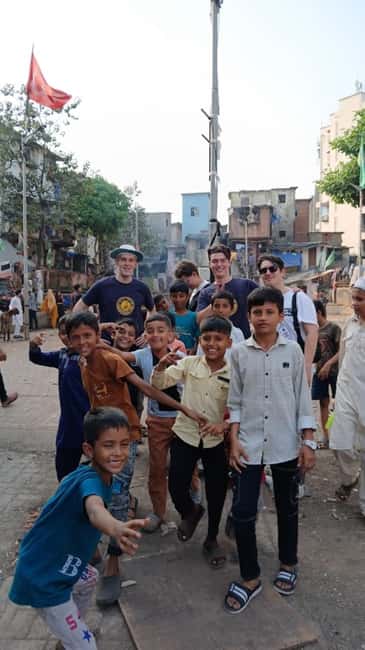
After work-focused parts, the tour shifts toward residential areas—so you can connect what you saw in workshops to where people actually live.
You may notice the diversity right away. Dharavi is described as housing families from across India who speak different languages. That diversity can feel like a blur until the guide slows it down and points out how communities share space and keep routines running.
A recurring theme in guide feedback is harmony in daily life. Visitors often describe the tour as heartening as well as eye opening: the point isn’t to sugarcoat hardship, but to show that real pride, work ethic, and community support are part of what keeps Dharavi functioning.
This is also where photography rules matter. Since this is people’s living space, you’ll likely see stricter boundaries than in typical tourist neighborhoods. Plan to treat the tour like a conversation, not a shoot.
- Dharavi slum tour in Mumbai by Female tour guides of the slum
★ 5.0 · 1,976 reviews - Mumbai: Full-Day Sightseeing Tour of Mumbai
★ 4.9 · 1,822 reviews - Private Mumbai Sightseeing Tour (Traveller’s Choice Award Winner)
★ 5.0 · 1,565 reviews - Group Guided Walking Tour in Fort and Colaba
★ 5.0 · 1,073 reviews - Highlights of Mumbai Sightseeing Tour: TRAVELLERS CHOICE AWARDED
★ 5.0 · 915 reviews - Private Guided Walking Tour in Fort & Colaba
★ 5.0 · 895 reviews
Pacing, Safety, and Respect: How to Do This Tour the Right Way
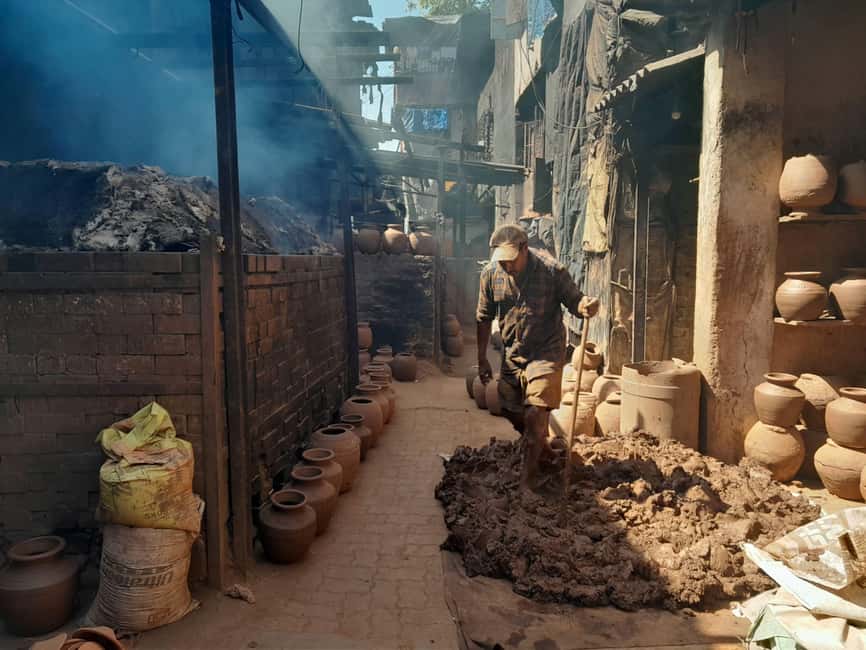
This tour is not for dawdling. The route is walking-heavy and the streets can be narrow and busy. The guide helps you manage pace, but you should still expect a real neighborhood walk rather than a smooth, wide sidewalk stroll.
A few practical realities to plan around:
- Restroom facilities may be limited, so handle breaks with intention
- Keep valuables secure in crowded areas
- Wear comfortable shoes because you’ll be on your feet
- Be ready for sun, haze, or sudden wind—weather can shift quickly in Mumbai
Safety is usually handled by the guide and the group setting. Visitors often describe feeling safe, and that usually comes from local pacing—knowing where to walk and how to navigate without blocking people.
Most importantly, follow the respect rules. For this tour:
- Short skirts and sleeveless shirts are not allowed
- Professional cameras aren’t allowed
- Flash photography isn’t allowed
Those rules aren’t random. They keep the focus on people, not on spectacle.
Price and Value: Why About $5 Can Still Make Sense
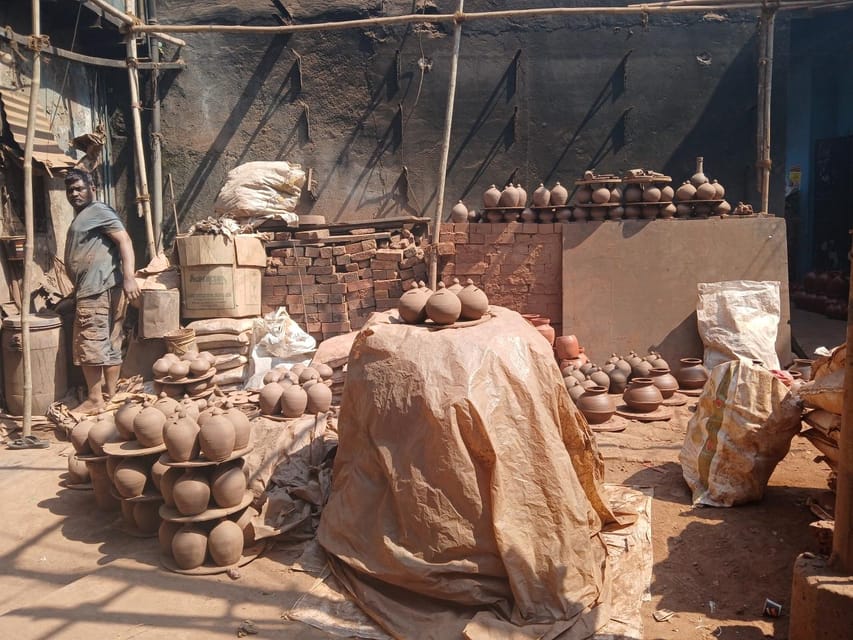
At $5 per person, this tour can seem almost too cheap. The value isn’t in fancy transportation or museum-style staging. It’s in three things you’re paying for:
- Local guide access to areas most visitors can’t enter comfortably on their own
- Live English guidance for questions and context
- Time in a working neighborhood, about 2 hours of guided walking inside Dharavi
Bottled water is included, which is a thoughtful detail in a warm climate. The one missing piece is snacks. If you’re the kind of traveler who gets hungry easily, I’d plan a simple snack option for yourself outside the tour scope.
Who gets the best value from this?
- First-time visitors to Mumbai who want more than the big sights
- People who enjoy walking tours with real conversation
- Travelers comfortable asking questions and keeping an open mind
- Anyone who wants to see how industries and daily life connect
Who might feel less happy?
- Anyone who needs step-free access (the tour is not suitable for wheelchair users)
- Anyone who needs extra visual support (it’s not suitable for visually impaired people)
Pickup, Drop-Off, and How You’ll Start the Day
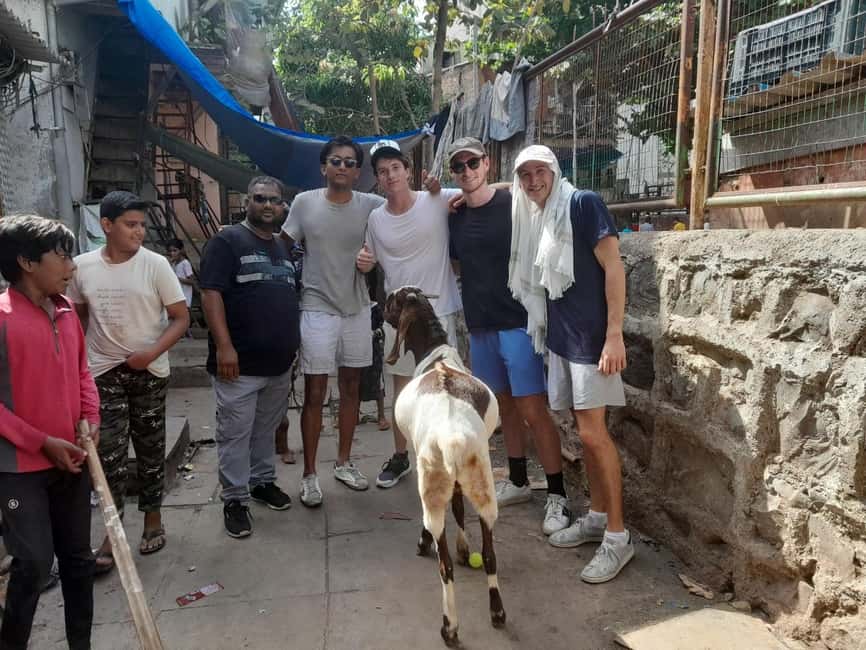
Start logistics depend on the option you choose. Pickup can be optional, and if you choose it, you wait at the main hotel entrance or lobby. Your driver should arrive around the scheduled time and contact you (often by call or WhatsApp).
If you don’t have pickup, you’ll meet the guide at the assigned meeting point for your booked option.
You’ll finish with drop-offs in the Matunga area, such as:
- Matunga Road Railway Station
- Matunga Central Railway Workshop
- Hanuman Nagar (and nearby options)
That ending location is useful if you want to keep the rest of your day going without backtracking through traffic.
What to Bring (So the Tour Stays Pleasant)

You can’t control the street, but you can control your comfort. I recommend preparing like you’re going out for a long neighborhood walk in warm conditions.
Bring:
- Comfortable shoes
- Sun hat and sunscreen
- Water (bottled water is included, but carrying your own also helps)
- Weather-appropriate clothing that fits the dress rules
And keep your carry light. Even with a guide, you’ll be moving through crowded areas where hands and belongings matter.
Who Should Book This Tour, and Who Should Skip It
Book it if you want a real look at how a dense Mumbai neighborhood works—through the lens of people who live there and explain it in clear English. This tour is especially good for curious travelers who don’t want pity as the main theme. You’ll walk away understanding how work, housing, and education overlap in daily life.
Skip it if:
- you can’t do a walking-heavy route
- you need step-free access
- you prefer purely visual sightseeing with minimal interaction
Also, if you’re sensitive to seeing tough realities, go in with the right expectation. You’re coming for a human, working community perspective, not a staged story designed to make you feel good fast.
Should You Book the Mumbai Slum Tour With a Local Guide?
If you’re visiting Mumbai and want one experience that changes how you understand the city, I’d strongly consider booking this one. The local guides, the clear English explanations, and the range of what you see—market, school, workshops, and everyday homes—make it feel grounded instead of sensational.
Just go prepared: wear the right clothes, keep your camera rules in mind, and plan for a real walk in a real neighborhood. If you do that, you’ll get a meaningful perspective you can carry long after you leave Dharavi.
FAQ
How long does the Mumbai Slum Tour take?
The tour runs about 2 to 3.5 hours total, with around 2 hours of guided walking inside Dharavi and some break time.
Is the tour guide available in English?
Yes. The live tour guide speaks English.
What’s included in the price, and are snacks provided?
The tour includes the tour guide and bottled water. Snacks are not included.
Where do I meet the guide and where will I be dropped off?
The meeting point can vary based on the option you book. Drop-off locations include places like Matunga Road Railway Station, Matunga Central Railway Workshop, and Hanuman Nagar.
What should I bring, and what clothing or camera rules apply?
Bring comfortable shoes, a sun hat, sunscreen, and weather-appropriate clothing. Short skirts and sleeveless shirts are not allowed. Professional cameras and flash photography are not allowed.
Is this tour wheelchair accessible?
No. It is not suitable for wheelchair users, and it is also not suitable for visually impaired people.
Is free cancellation available?
Yes. You can cancel up to 24 hours in advance for a full refund.
More Mumbai, Every Kind of Day
- Dharavi slum tour in Mumbai by Female tour guides of the slum
★ 5.0 · 1,976 reviews - Mumbai: Full-Day Sightseeing Tour of Mumbai
★ 4.9 · 1,822 reviews - Private Mumbai Sightseeing Tour (Traveller’s Choice Award Winner)
★ 5.0 · 1,565 reviews - Elephanta Caves & Island Guided Private Tour
★ 5.0 · 1,327 reviews
Dharavi, Told by Its Residents
- Dharavi slum tour in Mumbai by Female tour guides of the slum
★ 5.0 · 1,976 reviews - Mumbai: Dharavi Slum, DhobiGhat, and Dabbawallas Tour
★ 4.9 · 689 reviews - Dharavi Slum Tour
★ 5.0 · 625 reviews - Dharavi Slum tour in Mumbai by local resident
★ 5.0 · 572 reviews
New on the Mumbai shortlist




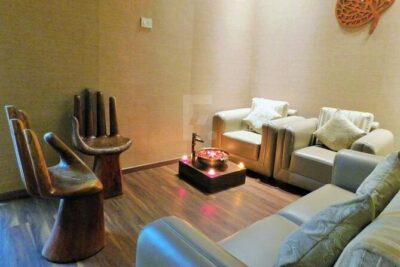
Dharavi Community Walks, compared.
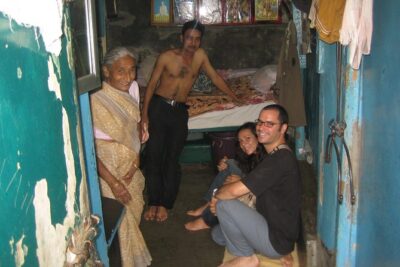 ★ 5.0Dharavi slum tour in Mumbai by Female tour guides of the slumFrom $91,976 reviews
 ★ 4.9Dharavi Slum, DhobiGhat, and Dabbawallas TourFrom $14689 reviews
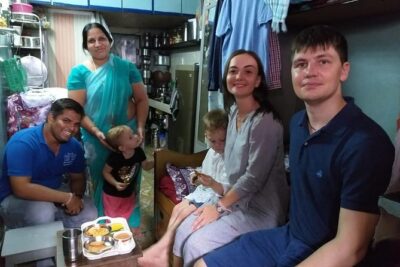 ★ 5.0Dharavi Slum TourFrom $20625 reviews
 ★ 5.0Dharavi Slum tour in Mumbai by local residentFrom $4572 reviews
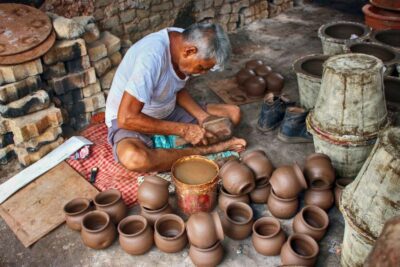 ★ 4.9Dharavi Slum Slumdog Millionaire Tour with a LocalFrom $10529 reviews
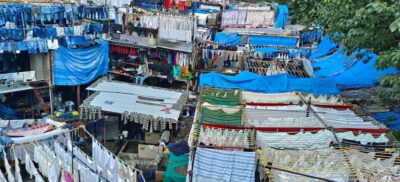 ★ 5.0Dhobi Ghat Laundry and Dharavi Slum Tour with LocalFrom $4469 reviews
 ★ 5.02-Hour Guided Tour of DharaviFrom $22359 reviews
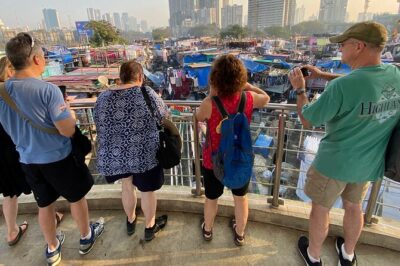 ★ 5.0Private Full-Day Mumbai Sightseeing Tour with Dharavi SlumsFrom $39338 reviews
Browse the lists this tour appears in