
Review · DHARAVI COMMUNITY WALKS
Dhobi Ghat Laundry and Dharavi Slum Tour with Local Train
A working city scene is right outside the door. This Dhobi Ghat to Dharavi tour is a fast, focused way to see how Mumbai runs, from handwashing at the world’s largest outdoor laundry to a local train ride that shows the city’s everyday pulse. You also get a guided walk in Dharavi led by locals, which helps you understand what you’re seeing instead of just photographing it.
I especially like two parts: the Dhobi Ghat viewing and guided walk (you’ll watch hundreds of dhobis washing, sorting, and drying clothes in open-air concrete troughs), and the local English-speaking guide who keeps the experience clear and respectful. One thing to consider: this is a street-and-steps kind of visit, so if you prefer quiet, indoor sightseeing, the noise, foot traffic, and uneven walking may feel like a lot in a short 3-hour window.
In This Review
- Quick hits: what makes this tour worth your time
- Dhobi Ghat Viewing Deck: what you actually take in first
- Dhobi Ghat: the dhobis’ handwork (and the system behind it)
- What I’d pay attention to
- The local train ride: seeing Mumbai from inside its rhythm
- A practical mindset for the train part
- Dharavi: a guided walk that challenges your first impression
- What you’ll see and what it means
- Handling your emotions
- How the 3 hours work: pace, timing, and where you’ll feel it
- Price and value: is $13 a fair deal?
- Guides and how they shape the experience
- Finish point: ending at Sai Multispeciality Hospital
- Who should book this tour (and who might not)
- Should you book Dhobi Ghat + Dharavi with the local train?
- FAQ
- How long is the tour?
- Where does the tour start?
- What are the main stops during the tour?
- Is a local train ride included?
- What’s included in the price?
- Is food included?
- What language is the tour guide?
- Where does the tour end?
Quick hits: what makes this tour worth your time
- Dhobi Ghat in motion: hundreds of washers at work, with a look at the sorting and washing flow that keeps clothes moving day and night
- A real Mumbai local train ride: you’ll ride the kind of transportation Mumbai depends on, not a staged substitute
- Dharavi with local guidance: a walking tour led by people who live and work there, focused on daily life and local enterprise
- Photo stops without rushing: dedicated moments at both Dhobi Ghat and Dharavi to get oriented and take pictures
- Short total duration: 3 hours is long enough for the contrasts, short enough to fit into a busy Mumbai plan
Dhobi Ghat Viewing Deck: what you actually take in first
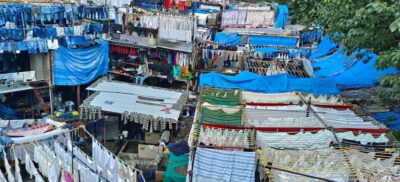
Dhobi Ghat starts strong, right from the Dhobi Ghat Viewing Deck. The opening feel is like stepping into a factory that runs on muscle and routine instead of machines. Clothes move through the space in a way that’s easy to notice even before anyone explains it: water, washing, rubbing, rinsing, and drying in the open air.
What makes this more than a pretty photo stop is that you’re not just watching people work—you’re seeing an organized system. The tour frames Dhobi Ghat as a tradition that’s endured for generations, and it gives you the logic behind the work: how clothes get sorted, how washing happens, and how the workflow continues from one step to the next.
If you’re the type who likes to understand the “why” behind what you see, Dhobi Ghat is a great match. It’s also a place where you’ll learn fast how to look: look for repeating motions, look for how people coordinate by the tasks they’re doing, and look for the places where the work seems to funnel into the next stage.
Dhobi Ghat: the dhobis’ handwork (and the system behind it)
The Dhobi Ghat portion includes a photo stop, a guided tour, and a walk of about 30 minutes. That time is important: it’s long enough to notice patterns, but short enough that you’re not stuck there when the experience shifts from “wow” to “okay, I get it.”
You’ll see dhobis handwashing clothes in open-air concrete troughs, and you’ll also notice drying happening in the same overall area. That combination matters. Laundry isn’t a single step here—it’s a cycle, and you’re watching the cycle overlap.
The tour explains the unique system of sorting, washing, and ironing that keeps Mumbai’s laundry flowing day and night. Even if you don’t catch every detail, the big idea comes through quickly: this place is a workflow hub. Clothes don’t arrive as a mystery; they’re treated as materials moving through a set process.
Other Dharavi walks led by people who live there



What I’d pay attention to
- Sorting cues: how items are handled before they go into the main washing stage
- Repetition with skill: the rhythm of work suggests training and experience, even when the tools are basic
- Drying reality: laundry that’s wet doesn’t wait—it gets processed fast, which tells you something about demand and pace
One caution: this is an active working site. The best photos tend to happen when you’re patient and you keep your balance and space. If you’re hoping for a museum-like quiet, this won’t be that.
The local train ride: seeing Mumbai from inside its rhythm

Next comes the local train ride, a short but meaningful section of the tour (about 10 minutes). The point isn’t length—it’s the contrast. Dhobi Ghat is work you can watch. The train is city life you feel.
The tour describes the local train as a lifeline in Mumbai’s transportation network, and that makes a difference in how you perceive what you’re passing. Instead of treating Mumbai like scenery from a window, you’re riding through the patterns people rely on every day: dense movement, everyday priorities, and the way markets and landmarks pop in and out of view.
You’ll pass by markets, towering skyscrapers, and historic landmarks along the route. That mixture is one of Mumbai’s defining traits: the city doesn’t separate old and new into neat zones. It stacks them.
A practical mindset for the train part
Keep your expectations grounded. This isn’t a sightseeing ride where everything is calm and your view is unobstructed. If you go in with the goal of observing and orienting yourself—how people travel, where they go, what the city looks like in motion—you’ll get more out of it.
More visits to the open-air laundry at Mahalaxmi
- Mumbai: Dhobi Ghat Laundry and Dharavi Slum Tour with Local
★ 5.0 · 469 reviews - Mumbai: Dharavi Slum and Dhobi Ghat Laundry Tour
★ 5.0 · 317 reviews - Private Combo Tours Sightseeing + Dharavi Slum + Dhobi Ghat & Dabbawalas
★ 5.0 · 245 reviews - Dharavi, Dhobighat, and Mumbai Dabbawallas
★ 5.0 · 168 reviews - Dabbawala, Dhobi Ghat & Dharavi slum Tour with Local Train Ride
★ 5.0 · 102 reviews - Mumbai: Dharavi Slum Tour with Dhobi Ghat (Open-Air Laundry)
★ 4.8 · 62 reviews
Dharavi: a guided walk that challenges your first impression
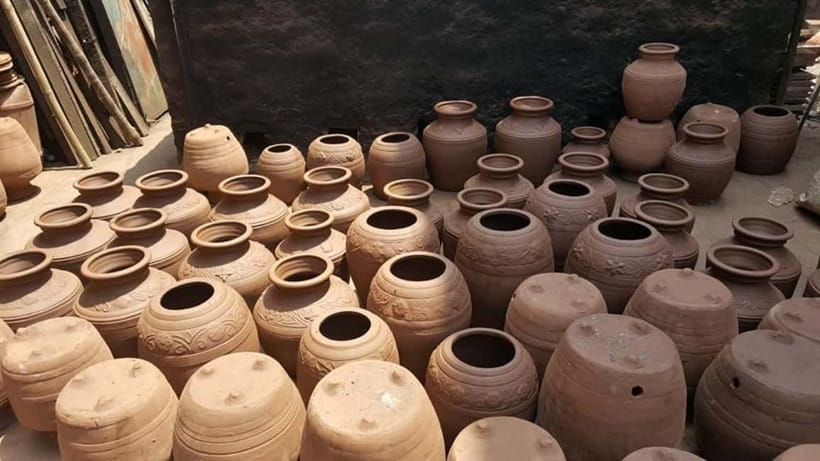
After the train, the tour switches from city motion to street-level reality with a guided walking tour in Dharavi. The walking time is about 2 hours, plus a photo stop and sightseeing components.
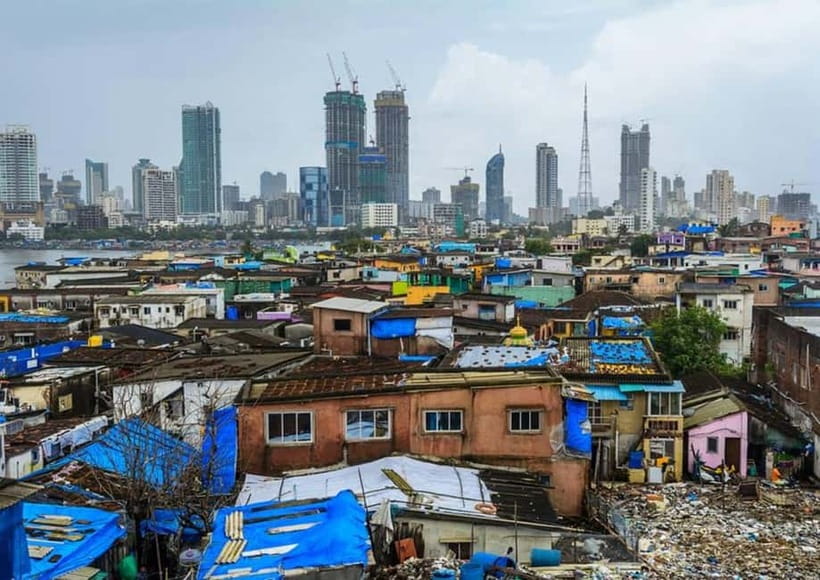
Dharavi is presented here as one of Asia’s largest slum neighborhoods, but the tour doesn’t treat it only as a dramatic headline. It focuses on resilience, creativity, and the entrepreneurial spirit that shows up through daily life and local businesses.
This is where you’ll likely learn the biggest “mental shift.” Dharavi isn’t explained as poverty alone; it’s explained as a place with systems people rely on, work happening inside narrow alleyways, and industries that exist because people organize to survive and improve their conditions.
What you’ll see and what it means
You’ll explore:
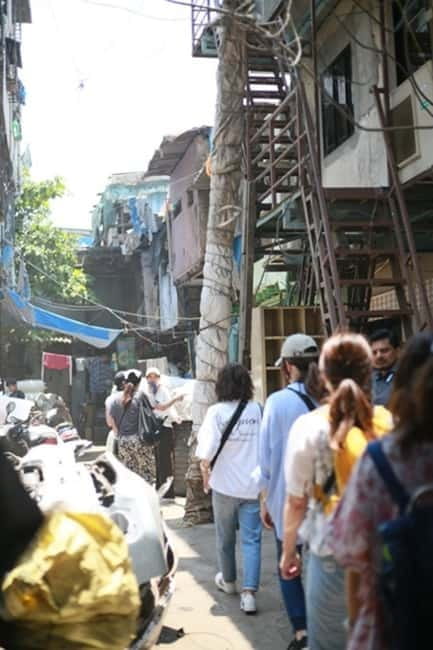
- Narrow alleyways where daily movement is close and constant
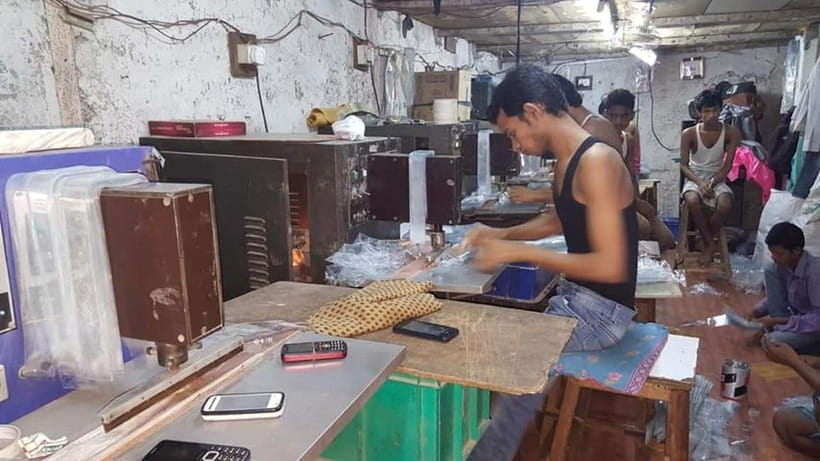
- Workshops and street markets where commerce and production show up right on the street
- A variety of industries and business activity within the neighborhood
The tour is guided by local residents. That matters because someone living there can point out what outsiders often miss: the practical logic of space, the way people set up work, and how the community’s economy shapes everyday routines.
Also, the tour includes interaction with residents. That’s not just “staying polite.” It gives you a chance to replace assumptions with actual conversation and direct perspective—without turning the neighborhood into a stage.
Handling your emotions
Dharavi can be emotionally intense. That’s normal. What helps is sticking to the guide’s pacing and keeping questions respectful. If you want a tour that talks about dignity and daily realities instead of shock value, this format leans that way.
How the 3 hours work: pace, timing, and where you’ll feel it
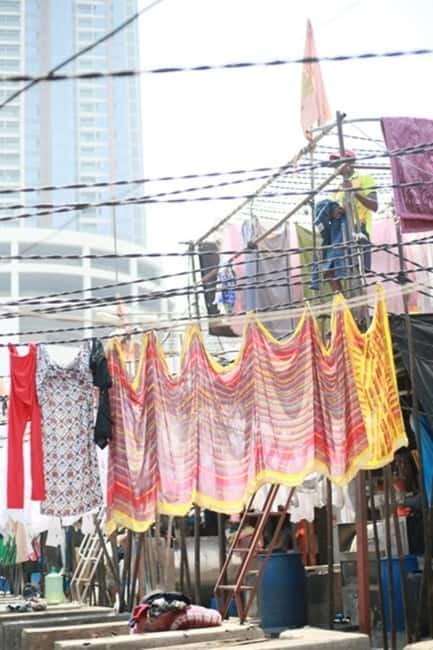
The total duration is 3 hours, which is a smart length for two reasons. First, you get the big contrast—Dhobi Ghat’s organized laundry work, then Dharavi’s neighborhood life—without spending your entire day in one place. Second, it reduces fatigue from heavy walking.
Still, the structure is hands-on:
- Dhobi Ghat walk: about 30 minutes
- Dharavi walk: about 2 hours
- Train segment: about 10 minutes
So yes, most of the walking is in Dharavi. Wear shoes you can trust. You’ll also want your camera ready, but keep your attention on where you step and where you stand. In both locations, people are moving for real reasons—work, travel, buying, selling—so your role is to watch and follow your guide.
Price and value: is $13 a fair deal?
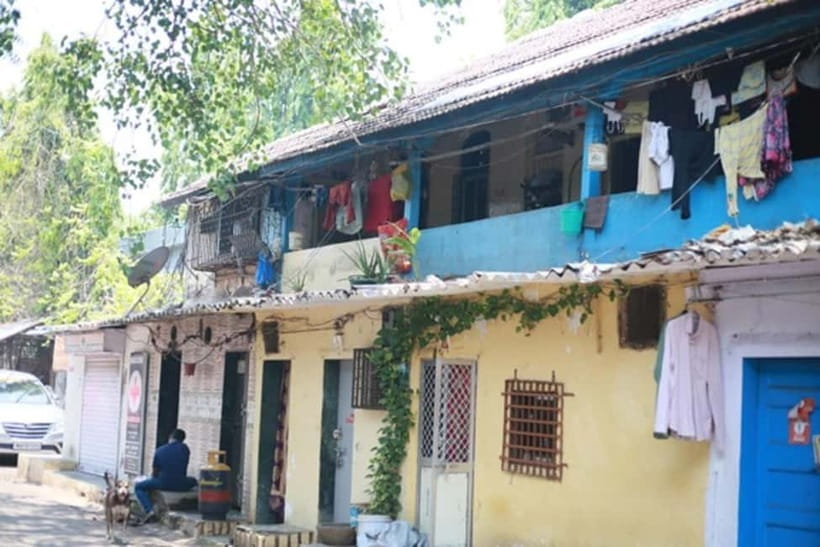
The price listed is $13 per person for a 3-hour experience that includes a local English-speaking guide, entry tickets, travelling fees, a local train ride, and water.
On value, this makes sense because you’re paying for three “costly in time” elements at once:
- Dhobi Ghat access and guided time (not just a pass-by photo stop)
- A real train ride (the kind of experience people can’t recreate easily without local knowledge)
- A local-resident guided walk in Dharavi, which is typically the hardest part to DIY without missing context
Food isn’t included, so you’ll likely spend extra if you plan to eat during or right after the tour. But as a compact, guided introduction to two very different parts of Mumbai, $13 feels like the kind of price that targets first-time orientation rather than a luxury day.
Also, the included water helps you stay comfortable during the walking portion, especially if your Mumbai day is already warm or busy.
Guides and how they shape the experience
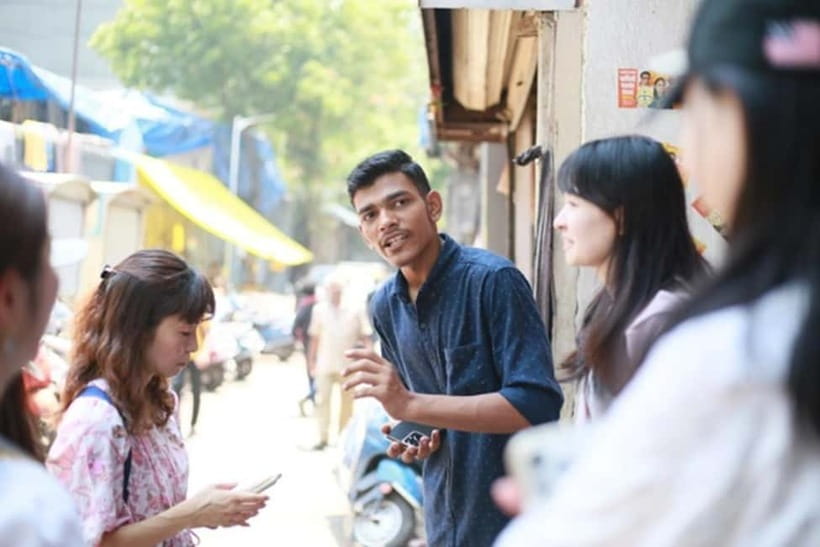
One thing that keeps showing up in feedback about this tour is the quality of the guide. The experience includes a local English-speaking guide, and that’s not a small detail. Clear English makes the difference between seeing activity and actually understanding it.
For example, guides are described as very friendly and good at pointing out small details you might never notice on your own. One guide named Abhi is specifically mentioned as super friendly and able to explain in a way that feels genuine and respectful, not awkward or performative. Another note highlights that the English can be understandable even for a French speaker, which tells me the narration is meant to reach real people, not just fluent English listeners.
In heavy traffic situations, guides are also described as taking care to look out for you. That’s exactly what you want on this kind of route—especially when you’re moving between areas and crossing busy city moments.
Finish point: ending at Sai Multispeciality Hospital
The tour finishes at Sai Multispeciality Hospital & Research Centre. That matters for planning your next stop. Instead of ending back at the original viewpoint, you’ll likely need to arrange how you’ll get onward after the Dharavi portion.
If you’re building the rest of your day, keep your next activity flexible. The best plan is to schedule something close by or something that doesn’t depend on you being at a precise time and location.
Who should book this tour (and who might not)
You’ll probably love this tour if:
- You want a short, guided introduction to Mumbai’s real work and real neighborhood life
- You’re curious about how systems operate, not only how places look
- You like respectful guidance and explanations that reduce misunderstandings
You might want to skip (or choose something different) if:
- You prefer mostly indoor sightseeing or minimal walking
- You’re looking for a relaxed, low-stimulation outing
- You don’t handle emotionally intense neighborhoods well, even with a guide
That said, if you’re open-minded and you go with the right attitude—watch, listen, ask respectfully—this tour can be one of the most memorable ways to connect Mumbai’s contradictions into something understandable.
Should you book Dhobi Ghat + Dharavi with the local train?
I’d book it if you want value, a meaningful mix of sights, and a guided structure that keeps you from turning two complex places into shallow snapshots. The Dhobi Ghat half teaches you the logic of labor and routine. The train gives you the city’s motion. The Dharavi walk adds context that most people only guess at.
The main decision comes down to your tolerance for street life and walking. If you can handle that, $13 for a guided, multi-part experience with train ride and water is a solid deal.
If you’re unsure, do this: wear comfortable shoes, bring a camera with a low-fuss setup, and go in with questions you actually care about—how things work, how people organize daily life, and what you’re seeing that you might otherwise miss.
FAQ
How long is the tour?
It lasts 3 hours.
Where does the tour start?
It starts at the Dhobi Ghat Viewing Deck.
What are the main stops during the tour?
You’ll visit Dhobi Ghat for about 30 minutes, then take a local train ride for about 10 minutes, and spend about 2 hours in Dharavi.
Is a local train ride included?
Yes. The tour includes a local train ride as part of the experience.
What’s included in the price?
Included items are a local English-speaking tour guide, entry tickets, travelling fees, the local train ride, and water.
Is food included?
No. Food and drinks are not included.
What language is the tour guide?
The tour guide speaks English.
Where does the tour end?
The tour ends at Sai Multispeciality Hospital & Research Centre.
Mumbai by Rail, Line by Line
- Dabbawala, Dhobi Ghat & Dharavi slum Tour with Local Train Ride
★ 5.0 · 102 reviews - Mumbai Street Food & Bazaar Tour with Local Transport
★ 5.0 · 51 reviews - Local Transport & Dabbawallah Tour
★ 5.0 · 40 reviews - Mumbai: Local Transport & Dabbawallah Tour
★ 4.9 · 14 reviews
Dhobi Ghat from a Few More Angles
- Mumbai: Dharavi Slum, DhobiGhat, and Dabbawallas Tour
★ 4.9 · 689 reviews - Mumbai: Dhobi Ghat Laundry and Dharavi Slum Tour with Local
★ 5.0 · 469 reviews - Mumbai: Dharavi Slum and Dhobi Ghat Laundry Tour
★ 5.0 · 317 reviews - Private Combo Tours Sightseeing + Dharavi Slum + Dhobi Ghat & Dabbawalas
★ 5.0 · 245 reviews
Dharavi, Told by Its Residents
- Dharavi slum tour in Mumbai by Female tour guides of the slum
★ 5.0 · 1,976 reviews - Mumbai: Dharavi Slum, DhobiGhat, and Dabbawallas Tour
★ 4.9 · 689 reviews - Dharavi Slum Tour
★ 5.0 · 625 reviews - Dharavi Slum tour in Mumbai by local resident
★ 5.0 · 572 reviews
New on the Mumbai shortlist



Dharavi Community Walks, compared.
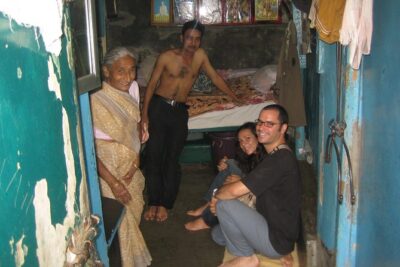 ★ 5.0Dharavi slum tour in Mumbai by Female tour guides of the slumFrom $91,976 reviews
 ★ 4.9Dharavi Slum, DhobiGhat, and Dabbawallas TourFrom $14689 reviews
 ★ 5.0Dharavi Slum TourFrom $20625 reviews
 ★ 5.0Dharavi Slum tour in Mumbai by local residentFrom $4572 reviews
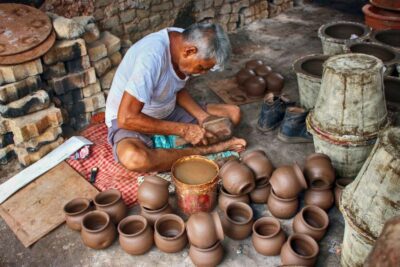 ★ 4.9Dharavi Slum Slumdog Millionaire Tour with a LocalFrom $10529 reviews
 ★ 5.0Mumbai Slum Tour – Visit Dharavi Slum with Local GuideFrom $5509 reviews
 ★ 5.0Dhobi Ghat Laundry and Dharavi Slum Tour with LocalFrom $4469 reviews
 ★ 5.02-Hour Guided Tour of DharaviFrom $22359 reviews
Browse the lists this tour appears in