
Review · DABBAWALA LUNCHBOX TOURS
Mumbai: Local Transport & Dabbawallah Tour
Mumbai’s commute is the real show. This tour is interesting because it mixes major landmarks like CSMT with the working-city details you usually miss, plus you get to see the dabbawallah lunch system at work. I especially love the hands-on feel of using public transport instead of getting chauffeured, and I like how the stops focus on everyday Mumbai markets like Dadar Flower Market and Chor Bazaar. The one possible drawback: the pace can feel tight, so if you want lots of wandering time, you may wish you had more space to linger.
A big plus is the small-group size. You’ll typically travel with just a few people (max 6), which makes it easier to hear your English-speaking guide and ask questions while you’re on the move. In one set of departures, the guide named Hitesh is called out for clear English and strong explanations—exactly what you want when you’re moving through busy stations.
Before you go, plan for real walking and real crowds. Wear comfortable shoes, skip any stroller/pram setup, and don’t expect food included—this tour gives you glimpses, not a full meal plan.
In This Review
- Key Things You’ll Notice on This Mumbai Local Transport Tour
- Mumbai Commutes First, Tourist Sights Later
- Getting Oriented at CSMT (Chhatrapati Shivaji Maharaj Terminus)
- The Suburban Train Ride: Where Mumbai Looks Like It Means Business
- Dadar Flower Market: The Scent-and-Color Stop That Feels Real
- Dhobi Ghat: Laundry Work and a Quick Photo Moment
- Churchgate and Dabbawallahs: The Lunch Delivery System in Motion
- Black-and-Yellow Taxi Rides: Faster Than Waiting in Traffic
- Chor Bazaar: Bargain Energy at One of India’s Big Flea Markets
- A Viewpoint Walk and the End at Churchgate
- How to Get the Most Out of the 3.5 Hours
- Guide Quality Makes a Big Difference Here
- Value Check: Is This Tour Worth $31?
- Who This Tour Suits Best
- Should You Book This Mumbai Local Transport & Dabbawallah Tour?
- FAQ
- Where does the tour start, and where does it end?
- How long is the tour?
- What transport types are included?
- Is there an English-speaking guide?
- How big is the group?
- What sights and markets will we see?
- Is food included?
- Does the tour include water or drinks?
- Is this tour suitable for strollers or prams?
- Is hotel pickup and drop-off included?
Key Things You’ll Notice on This Mumbai Local Transport Tour
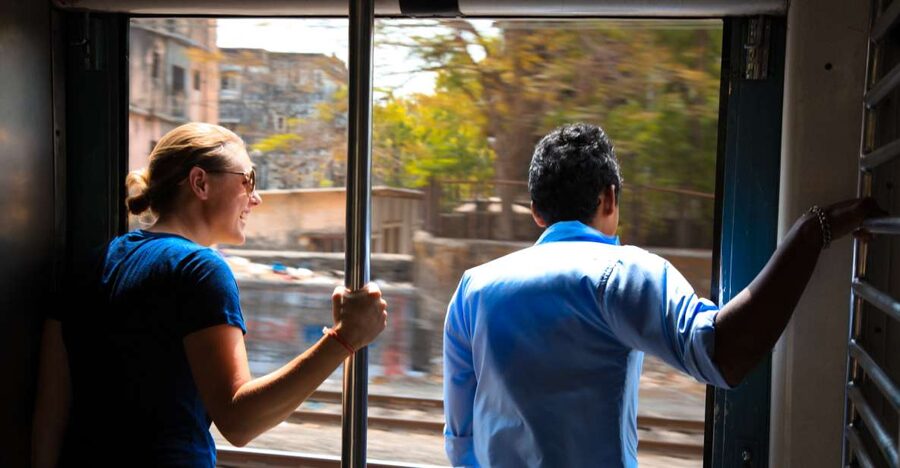
- Public transport comes first, with suburban train and local bus-style movement that feels authentic
- Markets are the main attraction, especially Dadar Flower Market and Chor Bazaar
- Dhobi Ghat is a photo stop, so you’ll want your camera ready and your timing tight
- Black-and-yellow taxis help you bridge distances, especially when traffic slows down bus routes
- Dabbawallah lunch delivery shows you the city’s daily rhythm, not just its monuments
- Small group pacing makes it easier to manage logistics and still ask questions
Mumbai Commutes First, Tourist Sights Later
This tour works because it treats the city like a living machine. Instead of starting with a museum and ending with a view, you start with how people actually get around—then you plug into a few must-see stops along the way.
You’ll ride a suburban train, take local transport, and use a black-and-yellow taxi for key hops. That mix matters. Mumbai feels different when you’re traveling with the morning flow rather than peeking from behind a barrier.
Price-wise, $31 for about 3.5 hours is solid value if you factor in the guide and the transportation included. You’re not just paying for stories; you’re paying for someone to coordinate tickets, timing, and station navigation.
Getting Oriented at CSMT (Chhatrapati Shivaji Maharaj Terminus)
The tour pulls you into the big-league station energy right away with a stop at Chhatrapati Shivaji Maharaj Terminus (CSMT). Even if you’re not a railway nerd, this is a good way to understand Mumbai’s scale. You get a quick window into a station that people depend on daily.
What I like here is the timing. You’re not stuck in CSMT for an hour. You’re there long enough to understand why this place matters, then you move on to the real experience: watching how the city moves.
If you’re hoping for long explanations at each stop, keep your expectations realistic. This is a “see a lot” style tour.
Watch the lunchbox relay again on these dabbawala tours




The Suburban Train Ride: Where Mumbai Looks Like It Means Business
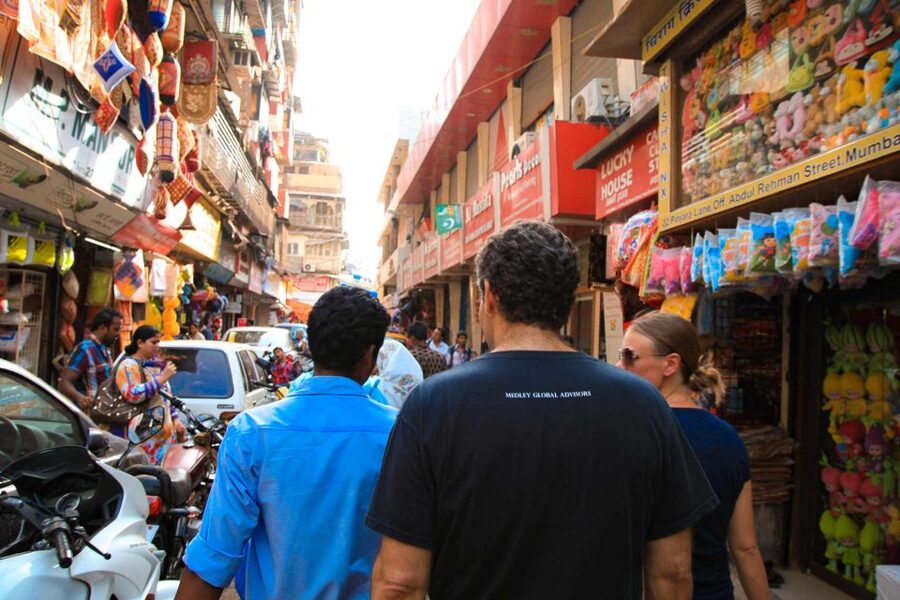
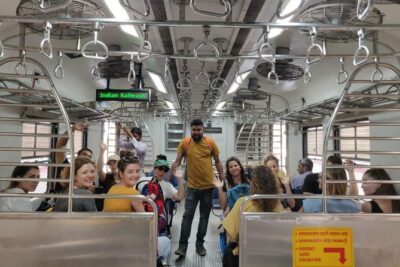
The core experience is the suburban train segment. This is where you feel Mumbai’s working rhythm. You’ll be on the train long enough to notice patterns—commuters settling in, people getting off, and the way stations compress and release crowds.
This part is also a great stress-saver. With a guide, you’re not guessing which platform, how to behave, or how to stay with the group. You’re simply focused on riding and watching.
Practical tip: keep your bag secured and your essentials easy to grab. You’ll be moving through trains and station platforms, and you won’t want to be fumbling every time the group starts walking.
Dadar Flower Market: The Scent-and-Color Stop That Feels Real
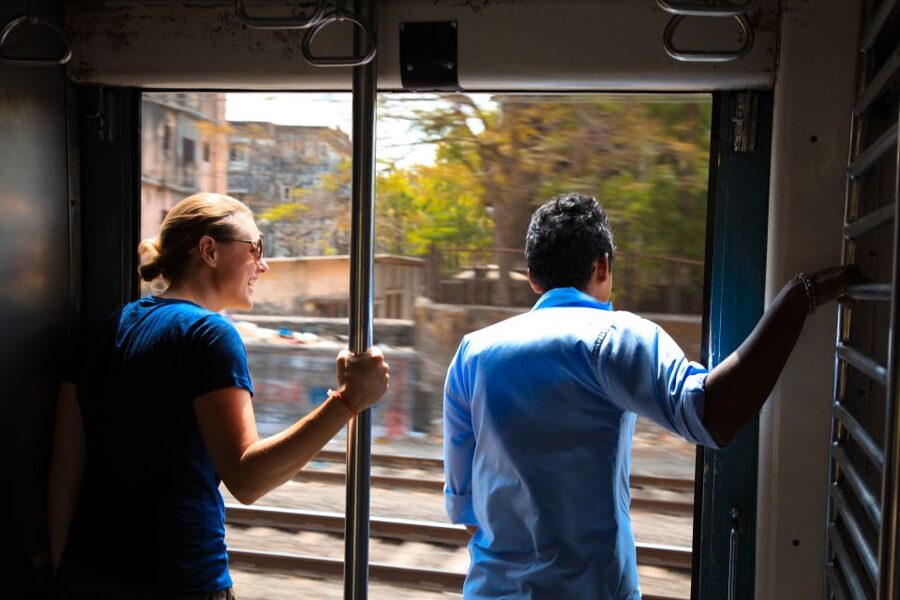
Next up is the Dadar Flower Market, one of the spots that turns Mumbai into something you can smell and see. Flowers here aren’t a decorative add-on. They’re part of daily life and religious routine, and the scale of selling is easy to understand once you’re there.
Expect a guided visit with some walking time. It’s short, but it’s visual and lively in a very practical way: vendors, baskets, and people moving with purpose.
One caution: plan for uneven ground and quick movement. This isn’t a slow stroll.
Dhobi Ghat: Laundry Work and a Quick Photo Moment

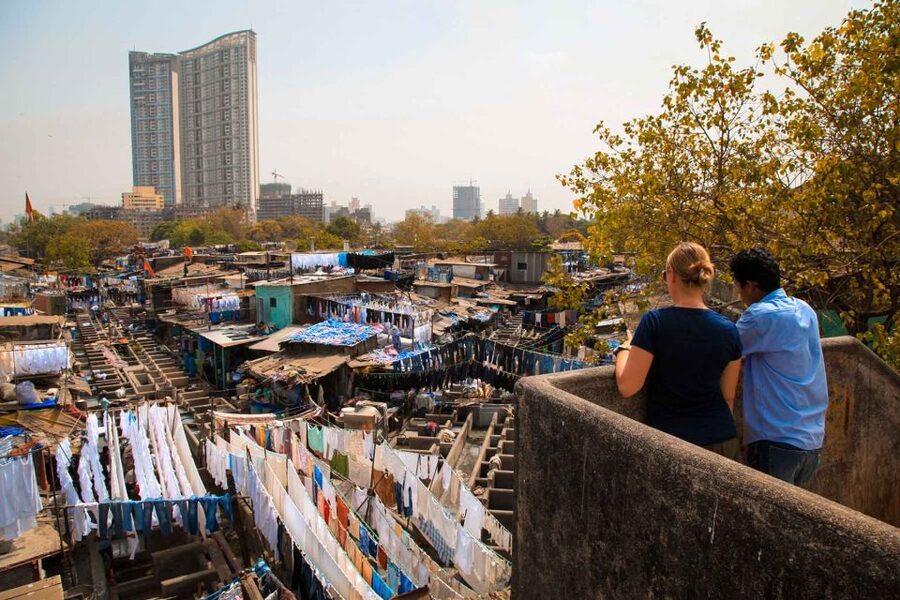
Then comes Dhobi Ghat, known for its large outdoor laundry setup. The tour handles it like what it is on a schedule: a photo stop and guided sightseeing window, not a long sit-down visit.
Here’s the value. You’re seeing a working system, not a staged display. Even with limited time, the sheer visibility of the labor process gives you context for how much work keeps the city running.
If you want the best photos, watch for where your guide is standing and aim for that line. Since the stop is timed, you don’t want to wander too far from the group and lose the shot you came for.
More rides on the locals, from Churchgate out to the suburbs
- Dabbawala, Dhobi Ghat & Dharavi slum Tour with Local Train Ride
★ 5.0 · 102 reviews - Mumbai Street Food & Bazaar Tour with Local Transport
★ 5.0 · 51 reviews - Local Transport & Dabbawallah Tour
★ 5.0 · 40 reviews - Mumbai: Local Transport & Dabbawallah Tour
★ 4.9 · 14 reviews - Mumbai: Dharavi Slum and Dhobi Ghat Tour with Train Ride
★ 5.0 · 9 reviews - Primmum Mumbai Sightseeing With Local Train Ride Experience
★ 5.0 · 7 reviews
Churchgate and Dabbawallahs: The Lunch Delivery System in Motion
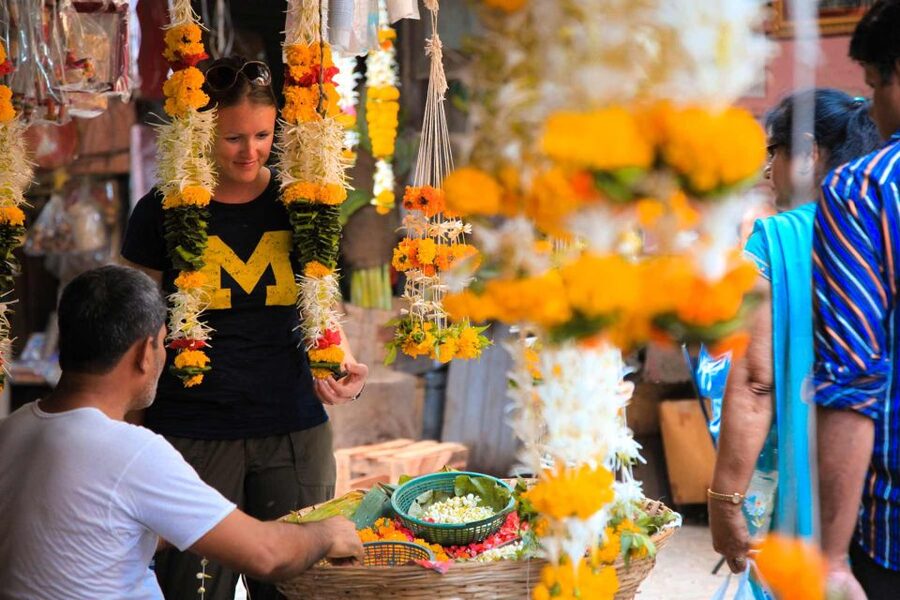
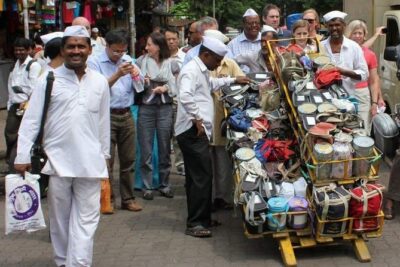
One of the highlights you came for is the dabbawallahs—the lunch box delivery system that keeps office workers fed. The tour’s goal is to show you the system in action, not just explain it from a distance.
This is where the tour’s theme clicks. You’re looking at the city’s logistics from street level: timing, handoffs, coordination. People often think of Mumbai as crowds and traffic. This section shows a different angle—repeatable processes and teamwork.
If you enjoy seeing real-world systems—how people solve a daily problem—you’ll probably love this portion. It’s also a good contrast after the market and laundry stops. Flowers and laundry are visible work. Dabbawallahs are visible work with an added layer of route planning and timing.
Black-and-Yellow Taxi Rides: Faster Than Waiting in Traffic

You’ll use a black-and-yellow taxi for jumps between areas. This matters because Mumbai traffic can swallow time. Taxi legs help keep the tour on schedule and prevent you from spending the entire day stuck in a ride you didn’t choose.
The upside is comfort and speed. The trade-off is you’re not as close to street life during these minutes. Think of the taxi rides as the stitching between your “real experience” blocks—train segments, market segments, and photo stops.
Also, expect some variation in transport approach. One review mentions the tour included a shared taxi element rather than a bus option, which suggests the operator may adapt based on conditions.
Chor Bazaar: Bargain Energy at One of India’s Big Flea Markets

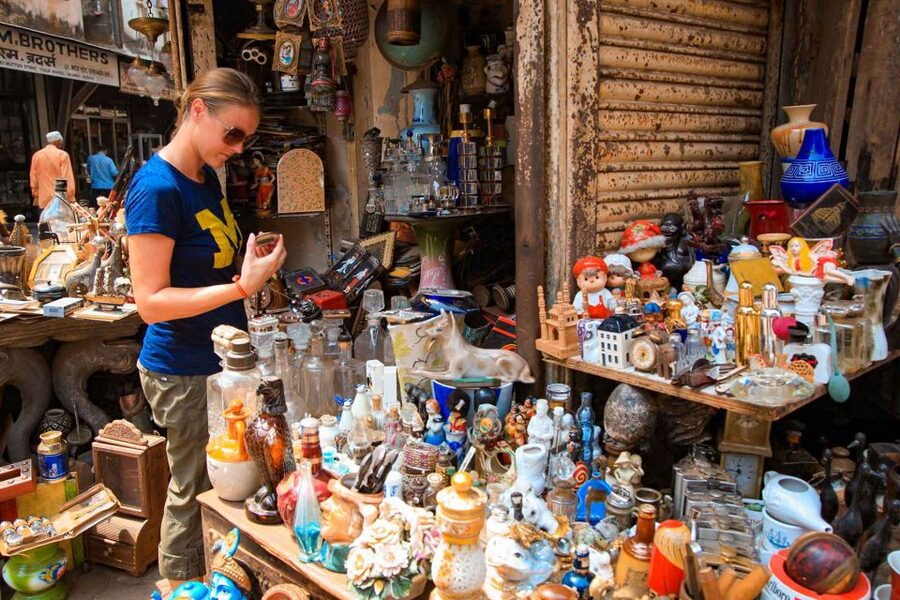
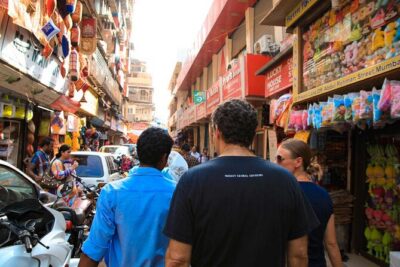
Then you hit Chor Bazaar, described as one of the largest and busiest flea markets in India. Even if you don’t plan to buy anything, it’s worth going for the sensory overload and the sheer density of stalls.
You’ll get a guided visit plus time for shopping. This is the part where you should decide how you want to spend your time. If you want to browse slowly, keep your pace steady and ask your guide for a quick pointer on what’s worth looking at. If you want souvenirs fast, set a short list and stick to it.
A friendly warning: markets like this move fast. It’s easy to drift away from the group. Stay near your guide’s orbit so you don’t miss the later logistics.
A Viewpoint Walk and the End at Churchgate
The tour includes a short viewpoint stop and a walk, giving you a pause from markets and crowds. It’s not meant to be a long scenic detour. It’s a way to reset your eyes and put the city into context after hours of street-level detail.
You’ll finish with a drop-off at Churchgate Railway Station. Ending near a major transport hub is smart. Even if you’re tired, you’re not stuck trying to figure out your way out.
How to Get the Most Out of the 3.5 Hours
This is where expectations matter. You’re seeing a lot in a short time, which is great if you like variety, but it can feel rushed if you prefer slow travel.
Here’s how to make it work for you:
- Show up ready to walk. Comfortable shoes are non-negotiable.
- Keep questions simple and direct. Ask what something means and how it connects to daily life.
- Bring a camera plan. Decide what you want photos of at Dhobi Ghat and in market zones so you’re not searching mid-chaos.
- Be okay with quick stops. The tour is built for windows, not long stays.
If you’re the type who likes to wander freely, Chor Bazaar is the best place to negotiate that desire—because the tour gives you shopping time.
Guide Quality Makes a Big Difference Here
Transport tours rise or fall on the guide. In the feedback you’re working from, English communication and explanation quality are repeatedly praised. One guide called out by name, Hitesh, is described as giving strong insight and speaking very well.
That said, there is at least one less-perfect experience described as rushed and lacking detail. So if you’re choosing this tour, treat it like this: the transport plan is the backbone, but your enjoyment depends on whether your guide keeps the pace informative and attentive.
The good news is that the structure helps. With a small group (up to 6), there’s more chance to ask questions and keep things moving in a way that fits you.
Value Check: Is This Tour Worth $31?
For $31 per person over 3.5 hours, you’re paying for a guided local transport circuit that includes:
- a local English-speaking guide
- transport during the tour (train, taxi, and local transport)
- water or a cold drink
Not included: hotel pickup/drop-off, and food. That’s normal for a tight city tour, but it affects how you budget. If you want lunch, plan to buy something nearby or rely on whatever snack stop timing your schedule includes.
Is it good value? I think yes—especially if you’re worried about navigating Mumbai’s transport on your own. When everything is included, you reduce the mental load, which is part of the real travel value.
Who This Tour Suits Best
This tour fits you if you:
- like seeing how cities work, not just what they look like
- want a guided way to ride Mumbai’s suburban train
- enjoy markets and street-level daily life
- prefer small-group logistics over big bus tours
It may not fit you if:
- you want slow sightseeing with lots of independent time at every stop
- you need a stroller/pram-friendly route (it is not suitable)
- you’re very sensitive to crowded stations and quick walking segments
Should You Book This Mumbai Local Transport & Dabbawallah Tour?
I’d book it if you want Mumbai beyond postcards and you’re comfortable doing short, active stops. The combination of CSMT, the suburban train, Dadar Flower Market, Dhobi Ghat, Chor Bazaar, and the dabbawallah lunch delivery makes the day feel like one connected story: how working people keep the city fed, moving, and supplied.
If you’re debating, use this quick test: do you enjoy public transport experiences and markets more than long museum time? If yes, this is a strong match. If not, you might find the schedule too fast.
Ultimately, this tour is about daily rhythm. If that’s what you came for, you’ll get it—without needing to figure out Mumbai’s transport puzzle on your own.
FAQ
Where does the tour start, and where does it end?
You’ll start at Regal Cinema (meeting point can vary depending on the option booked). The tour ends with drop-off at Churchgate Railway Station.
How long is the tour?
The duration is about 3.5 hours.
What transport types are included?
The tour includes rides using suburban train, public bus, and black & yellow taxis.
Is there an English-speaking guide?
Yes. The tour includes a local English speaking guide.
How big is the group?
The tour is typically a group activity and can be joined by other travelers. The maximum group size is 6 people. Private group options are available.
What sights and markets will we see?
You’ll visit CSMT, Dadar Flower Market, Dhobi Ghat (photo stop), and Chor Bazaar (with guided time and shopping). The tour also includes seeing the dabbawallahs in action.
Is food included?
No. Food is not included.
Does the tour include water or drinks?
Yes. Water / cold drink is included.
Is this tour suitable for strollers or prams?
No. It is not suitable for prams/strollers, and you should wear comfortable shoes.
Is hotel pickup and drop-off included?
No. Hotel pickup and drop-off is not included. You’ll meet at the designated meeting point and end at Churchgate.
More Mumbai, Every Kind of Day
- Dharavi slum tour in Mumbai by Female tour guides of the slum
★ 5.0 · 1,976 reviews - Mumbai: Full-Day Sightseeing Tour of Mumbai
★ 4.9 · 1,822 reviews - Private Mumbai Sightseeing Tour (Traveller’s Choice Award Winner)
★ 5.0 · 1,565 reviews - Elephanta Caves & Island Guided Private Tour
★ 5.0 · 1,327 reviews
Mumbai by Rail, Line by Line
- Dabbawala, Dhobi Ghat & Dharavi slum Tour with Local Train Ride
★ 5.0 · 102 reviews - Mumbai Street Food & Bazaar Tour with Local Transport
★ 5.0 · 51 reviews - Local Transport & Dabbawallah Tour
★ 5.0 · 40 reviews - Mumbai: Dharavi Slum and Dhobi Ghat Tour with Train Ride
★ 5.0 · 9 reviews
The Dabbawala Route, Continued
- Mumbai: Dharavi Slum, DhobiGhat, and Dabbawallas Tour
★ 4.9 · 689 reviews - Private Combo Tours Sightseeing + Dharavi Slum + Dhobi Ghat & Dabbawalas
★ 5.0 · 245 reviews - Dharavi, Dhobighat, and Mumbai Dabbawallas
★ 5.0 · 168 reviews - Dabbawala, Dhobi Ghat & Dharavi slum Tour with Local Train Ride
★ 5.0 · 102 reviews
New on the Mumbai shortlist




Dabbawala Lunchbox Tours, compared.
 ★ 4.9Dharavi Slum, DhobiGhat, and Dabbawallas TourFrom $14689 reviews
 ★ 5.0Private Combo Tours Sightseeing + Dharavi Slum + Dhobi Ghat & DabbawalasFrom $79245 reviews
 ★ 5.0Dharavi, Dhobighat, and Mumbai DabbawallasFrom $20168 reviews
 ★ 5.0Dabbawala, Dhobi Ghat & Dharavi slum Tour with Local Train RideFrom $35102 reviews
 ★ 5.0Mumbai Gems: 2-Day Private Tour with Elephanta, Slum & DabbawalaFrom $2363 reviews
 ★ 5.0Mumbai Dharavi Slum, Dhobi Ghat & Dabbawala Lunchbox TourFrom $1843 reviews
 ★ 5.0Local Transport & Dabbawallah TourFrom $3240 reviews
 ★ 5.0All in one Combo of City ,Slum,Dhobighat & Dabbawala tourFrom $7634 reviews
Browse the lists this tour appears in