
Review · DABBAWALA LUNCHBOX TOURS
Local Transport & Dabbawallah Tour
Mumbai’s daily rhythm starts here.
This half-day route is interesting because you’re not stuck in a photo bus lane—you get real public transport time with a guide and you see working city life at places like Dhobi Ghat and the lunch-delivery system. I like that the day mixes big-city icons (hello, UNESCO CST) with hands-on street stops (flowers, markets, and laundry). One drawback to keep in mind: there’s no hotel pickup, so you’ll need to make your own way to the first meeting point at Regal Cinema and be on time.
In This Review
- Key Points at a Glance
- Riding Mumbai Like a Local, Not a Tourist Bus
- Price and Value: What $32.45 Buys You in Real Time
- Meeting at Regal Cinema, Ending at Churchgate
- Stop 1: Regal Cinema and the Feel of Old Mumbai
- Stop 2: Chhatrapati Shivaji Terminus (CST) at Rush Hour
- Stop 3: Shyam Stall and the Flower Market Culture
- Stop 4: Dhobi Ghat, the Outdoor Laundry That Runs on Work
- Stop 5: Chor Bazaar and the Market Energy
- Stop 6: Churchgate Station and How Dabawallas Move 200,000 Lunches
- Taxi Transitions: When You Switch Modes, Stay Calm
- What This Tour Teaches You for the Rest of Your Mumbai Trip
- Weather, Holidays, and Why Schedules Can Shift
- Who Should Book This Tour
- Practical Tips Before You Go
- Should You Book Local Transport & Dabbawallah Tour?
- FAQ
- How long is the Local Transport & Dabbawallah Tour?
- Where does the tour start and end?
- What time does the tour begin?
- What’s included in the price?
- Is hotel pickup included?
- What’s the group size limit?
- Is free cancellation available?
Key Points at a Glance
- South Mumbai start and end: Regal Cinema up front and Churchgate station at the finish, so you can keep moving through the city easily.
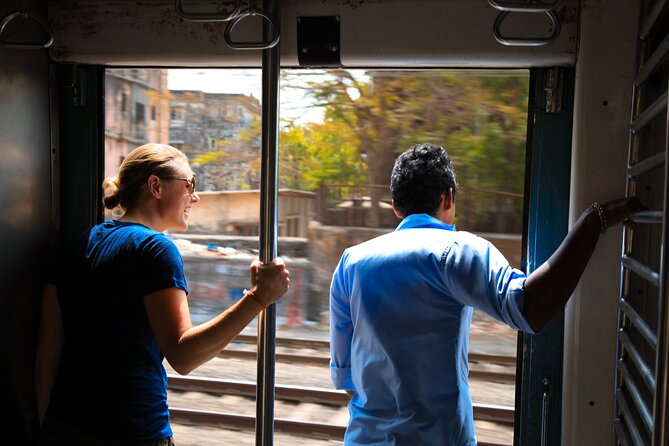
- Public transport coaching: you’ll ride trains, bus, and taxi with a guide who helps you navigate like locals.
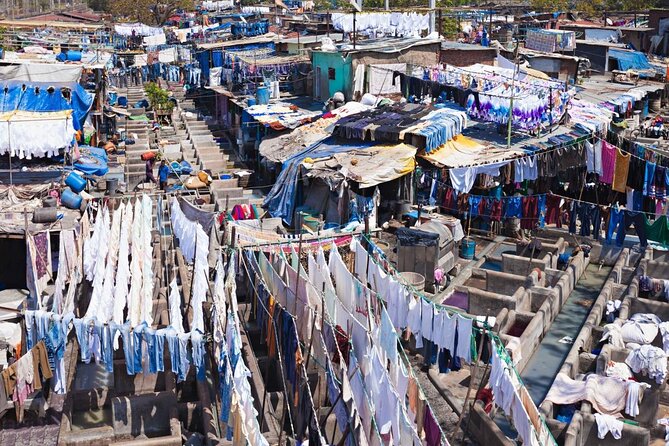
- Dhobi Ghat in action: see the world’s largest outdoor laundry and how washermen work for hospitals and hotels.
- CST at rush hour: watch the busiest station feel up close, including a safe viewing approach via walkways.
- Dabawallas on the scale of 200,000: see how lunchboxes move daily and grab a vegetarian lunch nearby.
- Fares handled for you: transportation costs are included, so you’re not hunting change while figuring out Mumbai.
Riding Mumbai Like a Local, Not a Tourist Bus
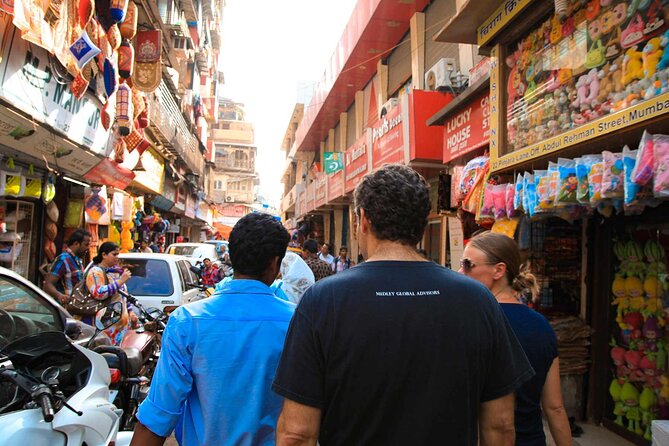
Mumbai has a way of making your first morning feel like a crash course in how the city runs. This tour is built around that idea: you travel by train, bus, and taxi, not by skipping from one landmark to the next. You get to watch how people move, queue, and communicate—especially around rail hubs—without pretending you’re invisible or untouchable.
The best part is how quickly you learn the rhythm. At Chhatrapati Shivaji Terminus (CST), trains are arriving and people are flowing in thick waves. It’s one of those places where you can either feel overwhelmed or feel in control. A guide helps you pick a safe viewing spot and time your movement, so you can actually understand what you’re seeing instead of just surviving it.
Price and Value: What $32.45 Buys You in Real Time
At $32.45 per person for about 3 hours 30 minutes, the value comes less from “sightseeing,” and more from removing friction. You’re getting:
- A local guide for the whole half-day
- All transportation during the tour
- Bottled water or a cold drink
- A route that strings together several major stops with minimal hassle
Most city tours around the world feel expensive because you pay for transport twice—once in the ticket price, and once in your own stress. Here, transport fares are included, which matters in Mumbai where you’d rather not spend energy figuring out the right option at the exact wrong moment.
It also helps that the group size is capped at 25 travelers. Smaller groups tend to move more smoothly, especially when you’re using public transport.
Watch the lunchbox relay again on these dabbawala tours



Meeting at Regal Cinema, Ending at Churchgate
This tour starts at Regal Cinema in Colaba (on Colaba Causeway, opposite Chhatrapati Shivaji Maharaj Vastu Sangrahalaya) and ends at Churchgate Railway Station. Start time is 8:30 am.
That start/end design is practical. Colaba is a convenient launching point for South Mumbai, and Churchgate is well connected for getting to other neighborhoods after the tour. When you’re done, you’re not trapped back at the meeting point with no plan—Churchgate gives you options.
Two things to plan for:
- There’s no hotel pickup, so you need to get to Regal Cinema yourself.
- Because you’re riding transit, punctuality affects how the day flows. If you miss the start, you may end up stuck waiting for the group rhythm to catch up.
Stop 1: Regal Cinema and the Feel of Old Mumbai
You begin at Regal Cinema, one of Mumbai’s older movie theatres. It’s a simple first stop, but it works. Starting at a place with local character helps shift you out of traveler mode before the crowd and train energy kicks in.
Think of it as a warm-up: you meet the guide, you learn how the day is structured, and you get oriented in South Mumbai. It’s also a reminder that Mumbai isn’t only monuments. It’s films, daily routines, and neighborhoods with their own voice.
Stop 2: Chhatrapati Shivaji Terminus (CST) at Rush Hour
Next comes CST, and yes—the timing matters. This is framed as a rush-hour look at one of the busiest railway stations in the country. CST is also a UNESCO World Heritage Site, and it’s been referenced in popular culture through Slumdog Millionaire.
Here’s what makes this stop especially useful for you:
- You’re not just seeing station architecture. You’re seeing how it behaves when the city hits full speed.
- You can watch trains arrive and release passengers in dense waves without being pushed into the middle of it.
One tip based on the way guides typically handle this: you’ll often be watching from a more controlled spot (like a walkway) rather than standing where you’ll get swept into the main flow. That’s a big difference. It lets you observe the system—where people compress, where they spread, and how movement patterns change—without turning the stop into a stress test.
More rides on the locals, from Churchgate out to the suburbs
- Dabbawala, Dhobi Ghat & Dharavi slum Tour with Local Train Ride
★ 5.0 · 102 reviews - Mumbai Street Food & Bazaar Tour with Local Transport
★ 5.0 · 51 reviews - Local Transport & Dabbawallah Tour
★ 5.0 · 40 reviews - Mumbai: Local Transport & Dabbawallah Tour
★ 4.9 · 14 reviews - Mumbai: Dharavi Slum and Dhobi Ghat Tour with Train Ride
★ 5.0 · 9 reviews - Primmum Mumbai Sightseeing With Local Train Ride Experience
★ 5.0 · 7 reviews
Stop 3: Shyam Stall and the Flower Market Culture
After the station, you shift to color and scent with a flower stop called Shyam Stall. Flowers show up everywhere in India—religion, everyday life, transport, and personal styling. In this stop, you’ll see a high concentration of blooms in one place.
This is the kind of stop that pays off later in your trip. Once you’ve seen how flowers function in daily worship and celebration, you notice more of the city around you: the bouquets, the garlands, the flower-adorned taxi scenes, and the small rituals that locals treat as normal.
A practical note: this is a short stop, so treat it like a sensory reset. Look, take a couple photos, and if you want to buy, ask your guide what’s easiest to carry and what makes sense to pack.
Stop 4: Dhobi Ghat, the Outdoor Laundry That Runs on Work
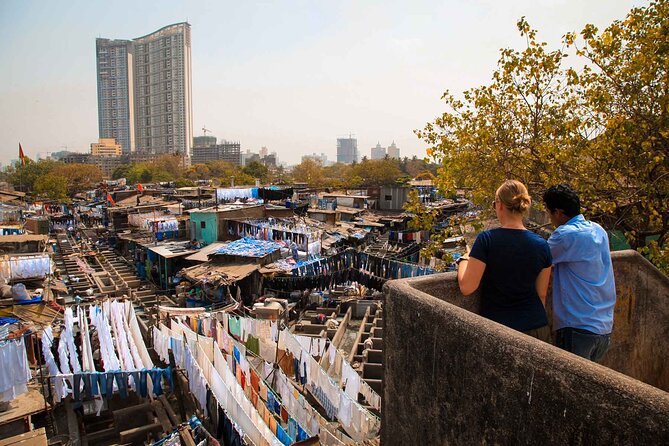
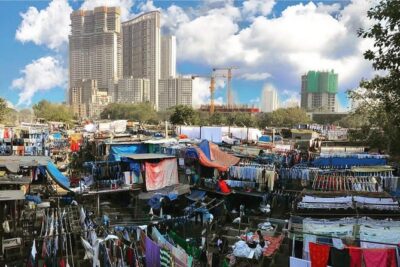
Dhobi Ghat is the stop that people remember. The tour frames it as the world’s largest outdoor laundry, where dhobiwallahs (washermen) scrub linens used by Mumbai’s major hospitals and hotels.
If you’ve only heard about dhobi ghat as a “sight,” this is the moment it becomes real. You see the rhythm of the work: scrubbing, rinsing, hanging, sorting—repeated on a scale that’s hard to imagine until you’re there looking at it.
What’s valuable for you is that it isn’t presented as a museum display. It’s presented as labor and logistics. You get a glimpse of how Mumbai turns messy, daily needs into an organized routine. It also quietly gives you a better understanding of how service jobs keep a huge city moving.
Time at this stop is around 30 minutes. That’s long enough to notice details, but short enough that you’re not trapped in one spot if the pace of the laundry area is fast.
Stop 5: Chor Bazaar and the Market Energy
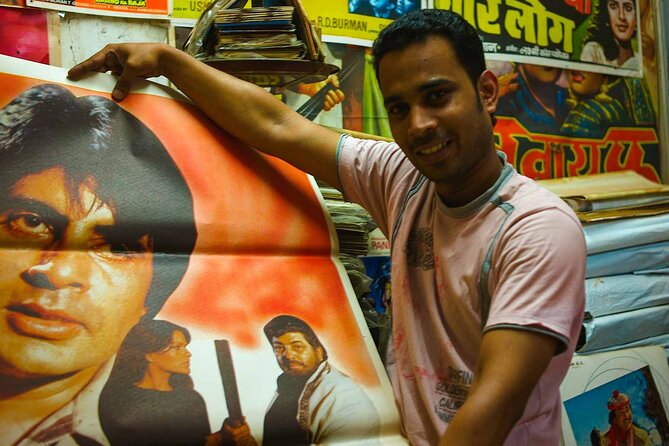
Then you head to Chor Bazaar, known as the Thieves Market. It’s one of the largest and busiest flea markets in India, and it sells almost everything.
This stop is different from the others because it’s interactive. You can:
- Taste local sweets
- Shop for homemade pickles and chutneys
- Browse the market for small souvenirs
Even if you don’t plan to buy much, it’s useful to walk through and see how markets operate. Markets like Chor Bazaar show you another side of Mumbai: the economy of everyday items, bargaining culture, and the hustle that keeps goods circulating.
One caution: market stalls can be crowded. Keep your phone secured, watch your step, and don’t get pulled too far into the densest aisles. Let the guide set the pace and you’ll enjoy it more.
Stop 6: Churchgate Station and How Dabawallas Move 200,000 Lunches
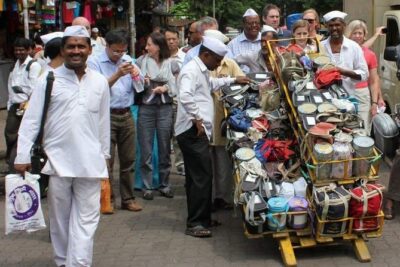
The final big wow factor is the dabawallas. At Churchgate Railway Station, you get a view of how lunchboxes are organized and delivered each day—on the scale of 200,000 lunchboxes.
This part matters because it’s not just about tradition. It’s about coordination. When you see the system in action, you stop thinking of lunch delivery as a simple errand and start seeing it like a network: categorized, routed, and timed.
After viewing the operation, the tour includes the chance to eat a vegetarian dabawallah lunch nearby at Oval Maidan. The lunch itself is framed as something you enjoy on your own, so plan for that as an extra meal cost if you decide to go for it.
Taxi Transitions: When You Switch Modes, Stay Calm
Because the day includes train, bus, and taxi, you’ll have short transitions between modes. Sometimes taxis are used to keep things moving. This can feel a little unfamiliar at first—especially if you’re not used to Mumbai traffic.
Here’s the practical way to handle it: treat taxi rides as short links in the chain. Go with the plan the guide sets, confirm the destination when you get in, and keep your expectations realistic. The goal is not comfort; the goal is getting you safely to the next stop without losing the schedule.
What This Tour Teaches You for the Rest of Your Mumbai Trip
The real payoff of a transport-focused day is what you carry forward. By the end, you should feel more confident using Mumbai’s transit on your own—at least for short hops in South Mumbai.
This tour pushes you to understand:
- how rail hubs work at busy times
- how bus/taxi transfers fit into a route
- how to stay oriented while crowds move fast
That confidence is valuable because Mumbai rewards repeat visits. If you can move around without constantly asking for help, you’ll spend more time exploring and less time stuck.
Weather, Holidays, and Why Schedules Can Shift
This is a morning rail-based tour, so local timing matters. On some days—especially public holidays—the flow of work can change. For example, there are cases where dabba-wallah activity doesn’t run normally and the day’s schedule gets adjusted.
So your best move is simple: don’t treat the tour as a guaranteed checklist of identical minutes. Treat it as a guided route where the order and exact stop duration may flex depending on the day’s local reality.
Who Should Book This Tour
This works best if you:
- Want an introduction to Mumbai that feels practical, not just postcard-perfect
- Are comfortable riding public transport in crowded areas
- Prefer learning how the city works through daily life stops
- Like the idea of a guided day that ends with transit access at Churchgate
It may not be the best fit if you:
- Need very quiet, low-crowd experiences
- Struggle with the pace of short market and rail segments
- Require hotel pickup and fully private logistics
Practical Tips Before You Go
A few small things will help you enjoy the day instead of managing it:
- Wear comfortable shoes. You’ll be walking and observing, and station areas aren’t ideal for soft flip-flops.
- Carry a small amount of cash if you want sweets, pickles, chutneys, or lunch. Transport fares are included, but market spending isn’t.
- Keep your phone secure in market areas.
- Arrive early for Regal Cinema so the group starts smoothly.
- Stay hydrated. Bottled water or a cold drink is included, but Mumbai mornings can still feel warm and active.
Also, plan for the day to feel crowded in rail and market zones. That’s not a flaw—it’s the point.
Should You Book Local Transport & Dabbawallah Tour?
If you’re a first-time visitor who wants to understand Mumbai through how people actually move and work, I think this is a smart booking. The combination of UNESCO CST, Dhobi Ghat, a flower stop, Chor Bazaar, and the dabawallas system gives you a spread that feels real. And because transportation is handled with no hotel pickup hassle, the tour stays focused on what you came to see.
I’d only hesitate if you hate crowds, dislike riding transit in busy areas, or you need a fully private, flexible schedule. For the right traveler, though, this is one of the most cost-effective ways to get a guided taste of Mumbai’s daily engine.
FAQ
How long is the Local Transport & Dabbawallah Tour?
The tour lasts about 3 hours 30 minutes.
Where does the tour start and end?
It starts at Regal Cinema in Colaba Causeway and ends at Churchgate Railway Station.
What time does the tour begin?
The start time is 8:30 am.
What’s included in the price?
The tour includes all transportation on the tour, a local guide, and bottled water (or a cold drink).
Is hotel pickup included?
No. Hotel pickup and drop-off are not included.
What’s the group size limit?
The maximum group size is 25 travelers.
Is free cancellation available?
Yes. You can cancel for a full refund up to 24 hours before the experience starts.
More Mumbai, Every Kind of Day
- Dharavi slum tour in Mumbai by Female tour guides of the slum
★ 5.0 · 1,976 reviews - Mumbai: Full-Day Sightseeing Tour of Mumbai
★ 4.9 · 1,822 reviews - Private Mumbai Sightseeing Tour (Traveller’s Choice Award Winner)
★ 5.0 · 1,565 reviews - Elephanta Caves & Island Guided Private Tour
★ 5.0 · 1,327 reviews
Mumbai by Rail, Line by Line
- Dabbawala, Dhobi Ghat & Dharavi slum Tour with Local Train Ride
★ 5.0 · 102 reviews - Mumbai Street Food & Bazaar Tour with Local Transport
★ 5.0 · 51 reviews - Mumbai: Local Transport & Dabbawallah Tour
★ 4.9 · 14 reviews - Mumbai: Dharavi Slum and Dhobi Ghat Tour with Train Ride
★ 5.0 · 9 reviews
The Dabbawala Route, Continued
- Mumbai: Dharavi Slum, DhobiGhat, and Dabbawallas Tour
★ 4.9 · 689 reviews - Private Combo Tours Sightseeing + Dharavi Slum + Dhobi Ghat & Dabbawalas
★ 5.0 · 245 reviews - Dharavi, Dhobighat, and Mumbai Dabbawallas
★ 5.0 · 168 reviews - Dabbawala, Dhobi Ghat & Dharavi slum Tour with Local Train Ride
★ 5.0 · 102 reviews
New on the Mumbai shortlist


Dabbawala Lunchbox Tours, compared.
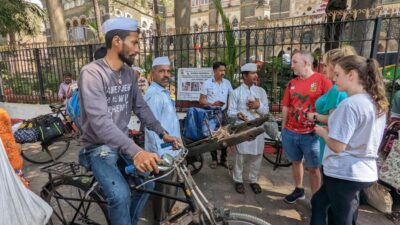 ★ 4.9Dharavi Slum, DhobiGhat, and Dabbawallas TourFrom $14689 reviews
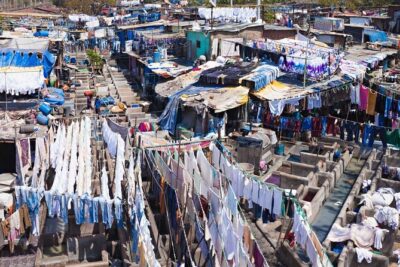 ★ 5.0Private Combo Tours Sightseeing + Dharavi Slum + Dhobi Ghat & DabbawalasFrom $79245 reviews
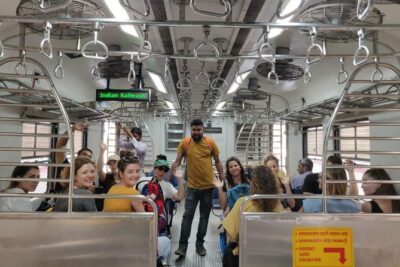 ★ 5.0Dharavi, Dhobighat, and Mumbai DabbawallasFrom $20168 reviews
 ★ 5.0Dabbawala, Dhobi Ghat & Dharavi slum Tour with Local Train RideFrom $35102 reviews
 ★ 5.0Mumbai Gems: 2-Day Private Tour with Elephanta, Slum & DabbawalaFrom $2363 reviews
 ★ 5.0Mumbai Dharavi Slum, Dhobi Ghat & Dabbawala Lunchbox TourFrom $1843 reviews
 ★ 5.0All in one Combo of City ,Slum,Dhobighat & Dabbawala tourFrom $7634 reviews
 ★ 5.0All In One Combo Tour of Mumbai City, Dabbawalas, Dhobhi Ghat, Slums & BollywoodFrom $15027 reviews
Browse the lists this tour appears in