
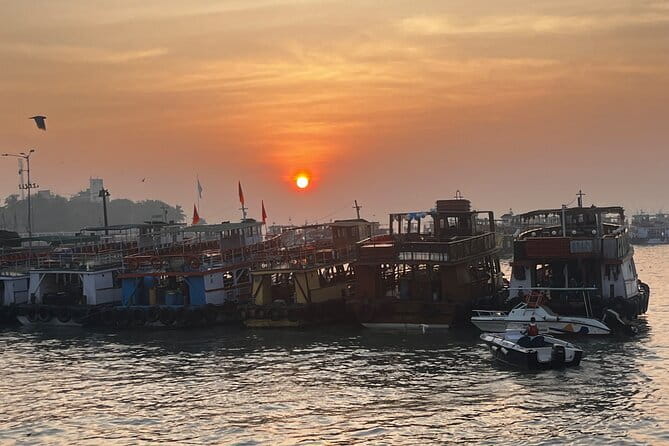
Review · DHOBI GHAT LAUNDRY VISITS
Mumbai By Dawn Morning Markets & The World’s Largest Laundry
Dawn in Mumbai hits different. This tour gives you front-row access to the city’s morning machine, where fish auction work, laundromat labor, and flower-and-produce trade all run on tight schedules before most of Mumbai wakes up. I love how it focuses on how the city feeds and cleans itself, not just photo stops.
I particularly like the private AC vehicle for the ride between neighborhoods, and I like the presence of a local English-speaking guide who helps you read what you’re seeing instead of just walking past it. Names like Yash or Abhi have shown up as guides in past runs, and that kind of local competence matters when streets get packed.
The main consideration is that you’ll be moving through crowds and strong sensory scenes early in the morning. If you prefer slow, quiet sightseeing, Dhobi Ghat and Sassoon Dock may feel intense.
In This Review
- Key highlights to look for
- Entering Mumbai’s morning rhythm before the city clocks in
- Price and logistics: what you really get for $20.40
- Getting to the meeting points: Colaba start, Parel finish
- Stop 1: Sassoon Dock fish auctions with an eye for process
- Stop 2: Dhobi Ghat, the world’s largest laundry yard
- Stop 3: Dadar Flower Market (Phool Gully) for scent and color shots
- Stop 4: Dadar fruit and vegetable market near the station overbridge
- The real value: your guide turns noise into meaning
- AC vehicle, bottled water, and the small comforts that keep you going
- How long it really feels: 3 hours of concentrated morning work
- What to bring so the morning feels easy
- Who should book this tour, and who might skip it
- Should you book Mumbai By Dawn Morning Markets & The World’s Largest Laundry?
- FAQ
- How long is the tour?
- Is this a private tour?
- What’s included in the price?
- Do I need to pay admission at the stops?
- Where does the tour start and end?
- Can I cancel for a refund?
Key highlights to look for
- Sassoon Dock fish auctions: see how fresh catches get traded and processed while the day is still starting.
- Dhobi Ghat, the world’s largest laundry yard: watch a working open-air system at full speed.
- Dadar Flower Market (Phool Gully): color and scent with plenty of photo angles, if you stand smart.
- Dadar fruit and veg market near the station overbridge: the daily food supply chain in real life.
- Comfort and clarity: bottled water, English guide, and an AC vehicle with pickup options.
Entering Mumbai’s morning rhythm before the city clocks in
Mumbai has two speeds: pre-dawn and everything-after. This tour lives in the pre-dawn window, when the streets around markets feel more like a workplace than a tourist loop. You’re there to understand the logistics—how goods move, how labor scales, and how thousands of small actions add up to a city that keeps running.
What makes this experience especially interesting is the focus. Instead of trying to compress a long list of monuments, you get a tight arc through four working market zones: seafood at Sassoon Dock, laundry at Dhobi Ghat, flowers in Dadar’s Phool Gully, and produce at the Dadar market near the station overbridge. Each stop has its own rules, its own pace, and its own kind of visual chaos.
You also get a useful framing for photography and culture. The morning market scene rewards attention. You’ll notice patterns faster when someone explains what to look for—like where people cluster, how transactions happen, and how routines are timed to the day.
Price and logistics: what you really get for $20.40
At $20.40 per person for roughly 3 hours, the value is the combination. You’re not only paying for access to markets—you’re paying for movement, guidance, and basic comfort.
Here’s what helps justify the price based on what’s included:
- In-person English guide to interpret what you’re seeing.
- Bottled water to keep you steady during the walk-and-watch portions.
- All fees and taxes included.
- Private AC vehicle with a driver to connect stops efficiently.
You’ll also like that it’s built as a private tour/activity, meaning it’s only your group. That matters in crowded environments. When you’re not fighting for space with random groups, you can take photos, pause to watch, and keep your bearings without feeling like a human traffic jam.
Two practical notes: the tour starts near Colaba and ends in Parel/Prabhadevi area, and it runs early. If you hate mornings, this may be your only “buy now, feel it later” situation.
More visits to the open-air laundry at Mahalaxmi




Getting to the meeting points: Colaba start, Parel finish
The experience begins at PizzaExpress Dhanraj Mahal, Chhatrapati Shivaji Maharaj Marg, Apollo Bandar, Colaba and finishes at Prabhadevi (Balaseth Madhukar Marg), Krishna Nagar, Parel, Mumbai.
That routing makes sense. You get a morning arc that moves from major waterfront market activity inland toward the Dadar area and then back down the line toward Parel/Prabhadevi. If you’re planning the rest of your day, you’ll end closer to central neighborhoods than if you started deep in the outskirts.
Pickup is offered, and the tour is designed to be easy to join with near public transportation meeting logistics. If you want to minimize transit stress, plan to arrive a bit early at the first meeting point so you’re not sprinting into the first stop.
Stop 1: Sassoon Dock fish auctions with an eye for process
Sassoon Dock is one of the oldest, busiest fish market zones in Mumbai. Expect a working waterfront scene: boats’ catches, sellers coordinating trades, and the constant rhythm of inspection and sorting. The big takeaway here is that you’re not watching seafood as a product—you’re watching it as a process.
Why this stop is worth your time:
- You see momentum. Deals happen fast, and people know what they’re looking for.
- It’s visually strong for photos. You’ll find chances for close-up detail shots—hands at work, crates, and the movement of goods.
- It explains how the city eats. Food supply isn’t abstract here. It’s physical, immediate, and people-scale.
What to watch for while you’re there:
- Stand where you can see transactions without blocking anyone. Markets like this run on flow.
- Keep your camera ready, but don’t hover too long over one spot. The scene changes quickly.
Possible drawback? Seafood markets can be smelly, loud, and busy. If you’re sensitive to strong odors, give yourself a quick break between stops and keep water handy.
Stop 2: Dhobi Ghat, the world’s largest laundry yard
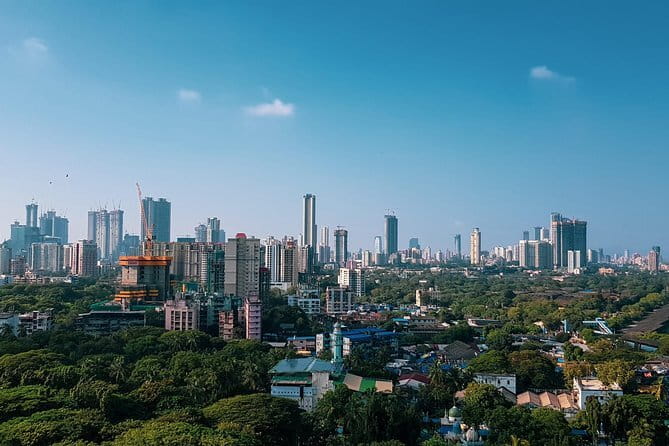
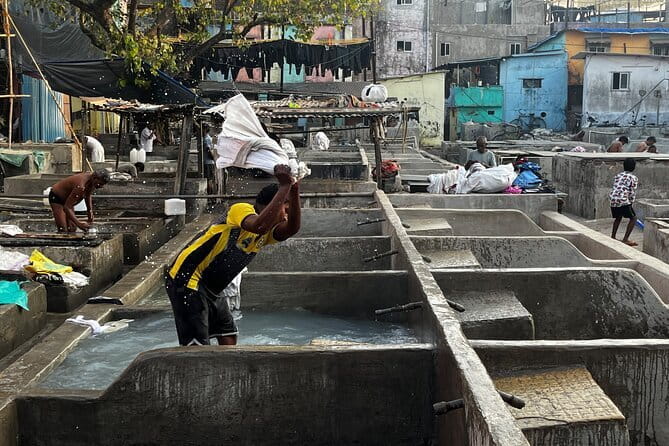
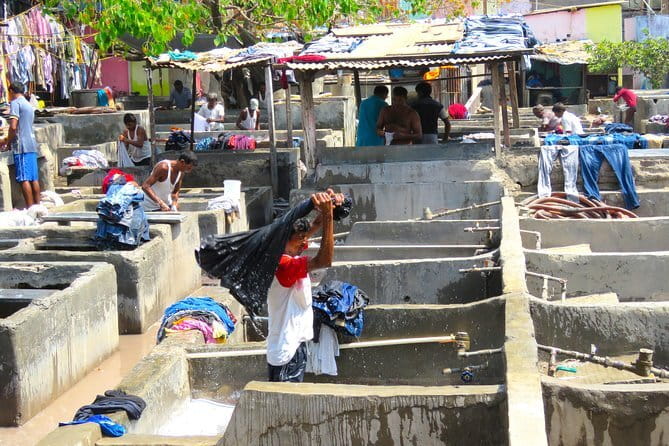
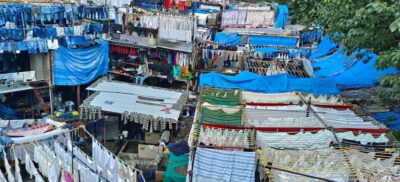
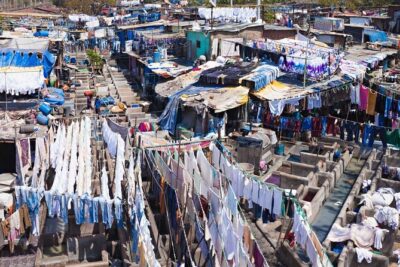
Dhobi Ghat is an open-air laundromat where many washermen—known as dhobis—wash, dry, and iron clothing for homes and businesses across the city. This is one of the most distinctive stops in the whole morning because you’re seeing large-scale labor in a space that’s fully out in the open.
What makes Dhobi Ghat so compelling is the sheer orchestration. Clothes move through steps. People repeat motions because speed and consistency matter. You’ll likely see:
- Laundry sections where items are handled and dried
- Ironing or finishing actions done with practiced efficiency
- A working environment that never switches off, even while tourists quietly stare
Photography tips that keep it respectful:
- Focus on workflow rather than face-close portraits. You’ll often get better images and cause fewer problems.
- Use the contrast of light and steam-like effects from working areas, but keep a safe distance.
The sensory side is real. Laundry work involves moisture, soap, and the kinds of smells that don’t belong in a perfume shop. If you’re thinking it’ll be pleasant like a museum, adjust expectations. Think of it more like a working factory you can actually see.
From Crawford Market to Chor Bazaar, more lanes to walk
- Mumbai Morning Market Tour of Flowers, Fish, and More
★ 5.0 · 100 reviews - Mumbai Morning Market Tour of Flowers, Fish, and More
★ 5.0 · 82 reviews - Mumbai Markets and Temples Tour
★ 5.0 · 59 reviews - Mumbai Street Food & Bazaar Tour with Local Transport
★ 5.0 · 51 reviews - Mumbai: Local Markets & Temples Tour
★ 4.6 · 45 reviews - Vibrant Markets of Mumbai (2 Hours Guided Walking Tour)
★ 4.4 · 44 reviews
Stop 3: Dadar Flower Market (Phool Gully) for scent and color shots

Phool Gully in Dadar is the flower market zone, where color and fragrance meet morning commerce. This stop is a good counterbalance after fish and laundry. It’s still intense, but the materials are different, and the visuals shift from industrial work to a more expressive trade.
Why I think photographers and culture seekers love this:
- Flowers give you instant composition. Stems, buckets, arranged bunches—everything is built for visual variety.
- You get a calmer pace than the dock, even though it’s still a busy market.
- You can slow down slightly and look for how sellers handle sorting and bundling.
Practical photo advice:
- Watch where you step. Wet floors and foot traffic happen fast.
- Don’t block a buyer’s path. Move to the side, frame quickly, then step back.
A drawback to consider is that flowers can attract crowds looking for pictures. If you want less jostling, keep your shots efficient and return your attention to watching how the market functions rather than lingering in one aisle.
Stop 4: Dadar fruit and vegetable market near the station overbridge
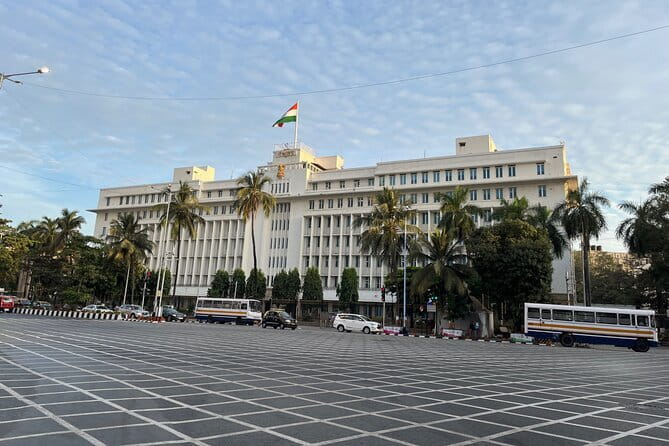
After flowers, you move to Dadar’s fruit and vegetable market near the station overbridge. This is where the city’s daily food rhythm looks most familiar: baskets, sacks, weights, bargaining, and constant restocking.
This stop matters because it connects the dots. Mumbai’s supply chain isn’t just “fresh food arrives.” It’s deliveries timed for demand, sellers tracking quality, and neighborhoods buying what they’ll cook for today.
What you’ll likely enjoy:
- A more direct view of the grocery side of market life
- The contrast of textures—colorful produce against hands-on work
- Chance to learn how neighborhoods shop early and keep moving
The main thing to know is that produce markets are fast-moving in a way that can feel chaotic. You’ll want to keep your head up, hold your phone/camera securely, and pace yourself. If you get too absorbed, you can accidentally drift into someone’s workspace.
The real value: your guide turns noise into meaning
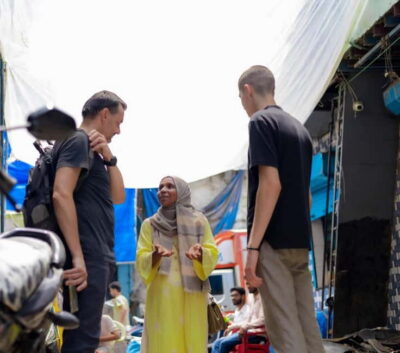
Markets can be overwhelming. This experience solves that problem with an English-speaking local guide. That guide doesn’t just point; they explain what you’re seeing in a way that helps you make sense of the activity.
In past runs, guides such as Yash and Abhi have been highlighted for in-depth local understanding and for adjusting the tour based on interests. That flexibility matters because the best morning markets aren’t the same for every person. Some want photography angles. Some want culture context. Some want to hear how the city’s logistics work.
You’ll also appreciate the driver element. A careful driver like Deepak has been mentioned as a strong point in earlier tours, and in Mumbai traffic that’s not a small detail. It affects comfort, safety, and how mentally ready you are when you hop out at each stop.
AC vehicle, bottled water, and the small comforts that keep you going
You’re out in the morning, and you’re walking and watching in busy areas. That’s why the included basics feel like more than just add-ons.
- Bottled water helps you keep energy up between stops.
- Private AC vehicle reduces the mental load of traveling in traffic while carrying a camera and changing environments.
- Mobile ticket simplifies the day once you’re on the move.
I like experiences like this because they respect your time. You spend your energy where it matters—on the markets—not on figuring out transit logistics.
How long it really feels: 3 hours of concentrated morning work
It’s about 3 hours total, with around 30 minutes at each of the four stops. That’s long enough to notice the flow and short enough to avoid burnout.
Your rhythm might look like:
- Step into the dock scene, watch movement, take photos quickly
- Walk into Dhobi Ghat and focus on workflow and people doing repeated tasks efficiently
- Shift to flowers and enjoy the visual softness compared to the seafood and laundry
- Finish at produce and see how the city’s fresh food gets handled early
If you hate rushing, consider that markets are inherently fast. Your guide can help you set a comfortable pace without losing the thread of the morning.
What to bring so the morning feels easy
Even with an AC vehicle and a guide, you’re still navigating working markets. Here’s what I recommend you pack based on how these environments tend to work:
- Comfortable shoes you can walk in on uneven or busy ground
- A light layer for early morning air
- A small amount of cash just in case you want something at a market (the tour includes admission being free at stops, but personal purchases aren’t covered by the tour price)
- Your camera or phone with a fully charged battery, because lighting changes quickly from dock to flower to produce
Also, be ready for strong sensory moments. With fish and laundry, your nose learns new facts. Bring patience, and give yourself a quick mental reset between stops.
Who should book this tour, and who might skip it
This is a great fit if you want:
- Real, working Mumbai, not only monuments
- A morning plan that’s short but meaningful
- Photos that show process—hands at work, markets in motion, logistics you can actually see
- Local guidance so you don’t miss the meaning behind the noise
You might choose a different style if you:
- Want a quiet stroll with minimal crowding
- Dislike strong smells or prefer controlled indoor environments
- Have limited tolerance for standing and moving through packed spaces early in the day
The best match is someone who’s curious about how cities function at ground level.
Should you book Mumbai By Dawn Morning Markets & The World’s Largest Laundry?
I’d book it if you’re the type of person who likes to understand a city by watching what people do before the day gets busy. The value comes from the blend: market variety (fish, laundry, flowers, produce) plus a guided, AC-supported format that keeps the morning efficient.
Two final decision tips:
- If your ideal trip is about street-level systems and how people make the day happen, this tour fits your taste.
- If you’re very smell- or crowd-sensitive, plan for those realities and wear comfort-focused gear.
If you do book, you also get flexibility with free cancellation up to 24 hours in advance, so you can adjust if your morning plans change.
FAQ
How long is the tour?
It runs for about 3 hours.
Is this a private tour?
Yes. It’s private, meaning only your group participates.
What’s included in the price?
Bottled water, all fees and taxes, and an in-person guide in English.
Do I need to pay admission at the stops?
Admission is free for the listed stops.
Where does the tour start and end?
It starts at PizzaExpress Dhanraj Mahal in Colaba and ends at Prabhadevi (Balaseth Madhukar Marg) near Krishna Nagar, Parel.
Can I cancel for a refund?
Yes. You can cancel up to 24 hours in advance for a full refund.
The City at First Light
- The Original Mumbai by Dawn – Recommended by Nigella Lawson & Nat Geo Traveller!
★ 5.0 · 610 reviews - Mumbai Morning Market Tour of Flowers, Fish, and More
★ 5.0 · 100 reviews - Mumbai Morning Market Tour of Flowers, Fish, and More
★ 5.0 · 82 reviews - Mumbai: Morning Bicycle Tour
★ 5.0 · 40 reviews
Deeper into the Bazaars
- Mumbai: Street Food and Night Markets Tour
★ 4.9 · 719 reviews - Mumbai Morning Market Tour of Flowers, Fish, and More
★ 5.0 · 100 reviews - Mumbai Morning Market Tour of Flowers, Fish, and More
★ 5.0 · 82 reviews - Mumbai Street Food Tour with Evening Bazaar Walk
★ 4.9 · 79 reviews
Dhobi Ghat from a Few More Angles
- Mumbai: Dharavi Slum, DhobiGhat, and Dabbawallas Tour
★ 4.9 · 689 reviews - Mumbai: Dhobi Ghat Laundry and Dharavi Slum Tour with Local
★ 5.0 · 469 reviews - Mumbai: Dharavi Slum and Dhobi Ghat Laundry Tour
★ 5.0 · 317 reviews - Private Combo Tours Sightseeing + Dharavi Slum + Dhobi Ghat & Dabbawalas
★ 5.0 · 245 reviews
New on the Mumbai shortlist

Dhobi Ghat Laundry Visits, compared.
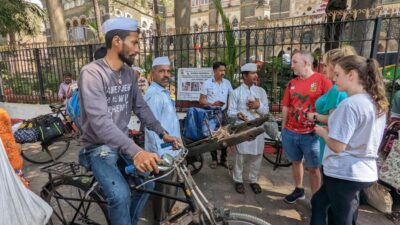 ★ 4.9Dharavi Slum, DhobiGhat, and Dabbawallas TourFrom $14689 reviews
 ★ 5.0Dhobi Ghat Laundry and Dharavi Slum Tour with LocalFrom $4469 reviews
 ★ 5.0Dharavi Slum and Dhobi Ghat Laundry TourFrom $5317 reviews
 ★ 5.0Private Combo Tours Sightseeing + Dharavi Slum + Dhobi Ghat & DabbawalasFrom $79245 reviews
 ★ 5.0Dharavi, Dhobighat, and Mumbai DabbawallasFrom $20168 reviews
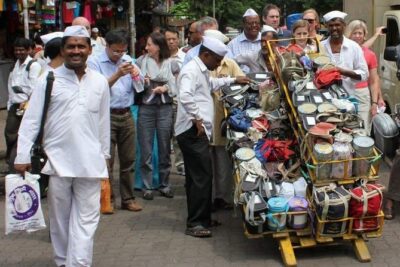 ★ 5.0Dabbawala, Dhobi Ghat & Dharavi slum Tour with Local Train RideFrom $35102 reviews
 ★ 4.8Dharavi Slum Tour with Dhobi Ghat (Open-Air Laundry)From $462 reviews
 ★ 5.0Mumbai Dharavi Slum, Dhobi Ghat & Dabbawala Lunchbox TourFrom $1843 reviews
Browse the lists this tour appears in