
Review · DHARAVI COMMUNITY WALKS
Mumbai Dharavi Slum, Dhobi Ghat & Dabbawala Lunchbox Tour
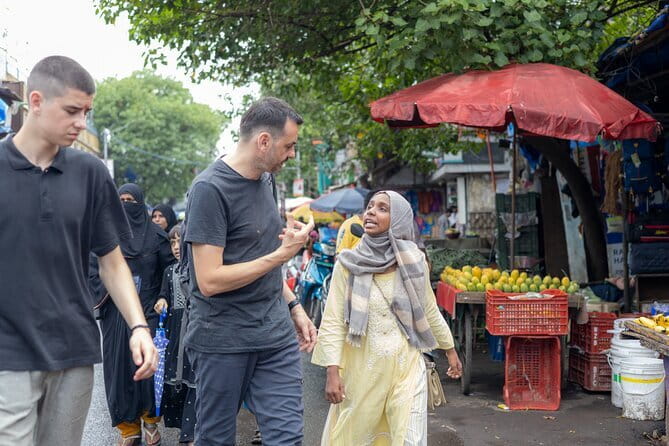
Lunchboxes, laundry, and real life in one walk. This guided loop takes you to three everyday institutions that help explain how Mumbai runs, including the dabbawallas, Dhobi Ghat, and Dharavi. It is the kind of route you would struggle to piece together safely on your own.
I like the small group format (up to 15 people). It keeps the pace human, and you can actually ask questions without shouting over traffic.
I also love the local, people-first guiding. Guides such as Javed or Subhan are known for helping you feel at ease fast and making connections to the work happening right in front of you. My one consideration: Dharavi is a real working neighborhood, so you should be prepared for scenes that can feel intense if you prefer only light, postcard-friendly stops.
In This Review
- Key things I’d watch for on this tour
- Why the dabbawala, Dhobi Ghat, and Dharavi combo makes sense
- Price and what you actually get for $18.33
- Timing and the route: start at Churchgate, finish at Mahim
- Stop 1: The dabbawala tribute statue and the lunchbox network
- What to expect at this first stop
- A drawback to keep in mind
- Stop 2: Dhobi Ghat open-air laundry in about 35 minutes
- Why this stop is worth your attention
- A consideration for your mindset
- Stop 3: Dharavi—industry, resilience, and a guide who knows people
- What you’ll learn here
- The most important respect tip
- How transportation and the small group shape your experience
- What to ask your guide so the tour feels personal
- Who this tour suits best (and who should think twice)
- Should you book it? My practical take
- FAQ
- How long is the Mumbai Dharavi, Dhobi Ghat & dabbawala lunchbox tour?
- What time does the tour start, and where do I meet the guide?
- Where does the tour end?
- How many people are in a group?
- What’s included in the tour price?
- Are entrance tickets included for all three stops?
- Is Dhobi Ghat admission included?
- Can I cancel for a full refund?
Key things I’d watch for on this tour
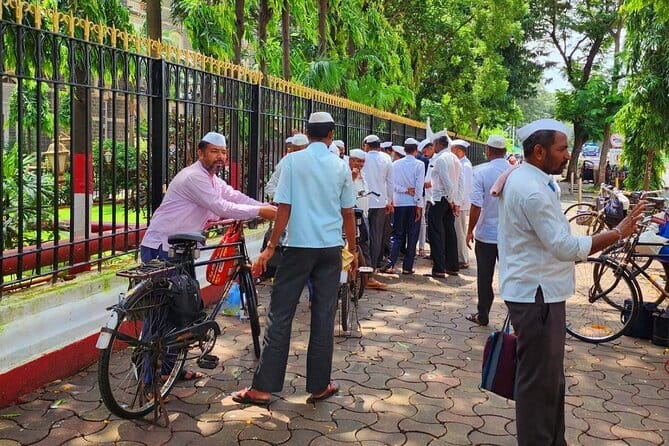
- A rare combination of dabbawallas, open-air laundry, and Dharavi in one 3.5-hour route
- Up-close context for daily routines, not just sightseeing
- World-famous systems explained by locals, including the lunchbox delivery network that’s been running for 130+ years
- Dhobi Ghat in 35 minutes: enough time to understand the process, not enough time to get bored
- Dharavi with a guide who knows the community, so you don’t wander blindly or guess
- Small-group attention with a maximum of 15 people
Why the dabbawala, Dhobi Ghat, and Dharavi combo makes sense
Mumbai can feel huge and confusing at street level. This tour gives you a map made of real routines instead of landmarks. You’re not just looking at buildings. You’re watching systems: food delivery, laundry work, and the local economy that supports thousands of lives.
What makes it especially interesting is the mix of “famous in theory” and “invisible in practice.” The dabbawallas are known worldwide, but most people only hear the headline. Here, you get the human side of the job—how it fits into the city day after day. Dhobi Ghat is another classic that many visitors never manage to visit thoughtfully. Then comes Dharavi, where you see how people live and work in a place that is often misunderstood from far away.
And because it’s a guided loop, you’re not trying to connect the dots yourself. The tour is designed to take you to places you might otherwise miss or struggle to enter in a respectful, safe way.
Price and what you actually get for $18.33
At about $18.33 per person for a 3 hours 30 minutes experience, this is priced like a short city lesson rather than a full-day, high-frills outing. The real value is in what’s bundled.
You get bottled water, and transportation is included for moving during the tour. You also get “all fees and taxes” covered. On top of that, the big ticket items are straightforward: the dabbawala tribute statue and Dharavi have free admissions listed, and Dhobi Ghat’s admission ticket is included.
So the question isn’t only Is it cheap? It’s also: does it reduce friction? And yes—it reduces friction. You’re not paying extra at each stop just to enter, and you’re not doing the logistics puzzle in the middle of a busy city.
One more practical point: this is a small-group tour (max 15 people). That usually costs more in big cities, but here it stays in the budget-friendly range. You also get a mobile ticket, which is handy when you’re moving around and don’t want paper.
Other Dharavi walks led by people who live there




Timing and the route: start at Churchgate, finish at Mahim
The tour starts at 11:30 am. The meeting point is the Burger King Express Building near the railway station at Churchgate (No 14E, IMC Marg, opposite the Churchgate area Church listing). The end point is Third Wave Coffee on Tip Road, Unit no.58, Ground, Ram Mahal, Senapati Bapat Marg, opposite Mahim Railway Station.
This matters more than it sounds. Churchgate and Mahim are both on major rail lines, so you can usually plug this into your day without a huge detour. And the tour ending at Mahim is useful because it puts you near public transport and common routes back to hotels.
The tour duration is about 3.5 hours, but it’s paced for three different “modes” of seeing:
1) quick orientation,
2) a process stop (laundry),
3) a community stop (Dharavi).
That pacing helps you keep your head on straight. If you cram too many stops without a rhythm, Dharavi and the laundry sites can start to feel like a blur of images rather than lived work.
Stop 1: The dabbawala tribute statue and the lunchbox network
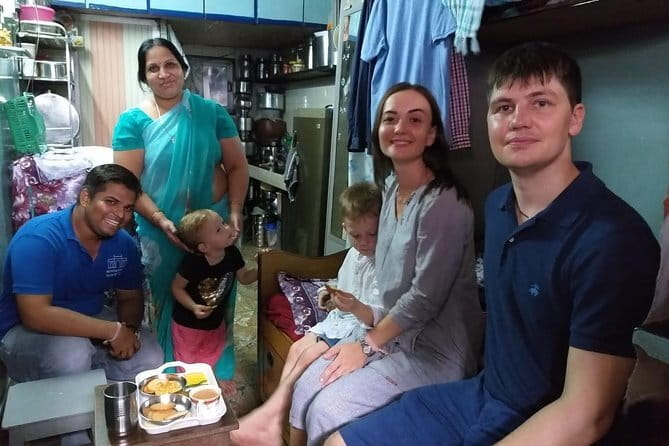
Your first stop is a dabbawala tribute statue with about 40 minutes on site. Admission is listed as free.
This is a strong opener. It reframes “delivery” as a long-running city service—something built on repetition and trust. The dabbawala system has been working for over 130 years, and the idea is simple: lunchboxes move reliably across Mumbai, day after day, on schedule.
What I like about starting here is that you get context before you see the rest of the city through labor. If you understand what the dabbawalas do, Dhobi Ghat starts to feel like part of the same everyday machine: work that supports other people’s routines.
What to expect at this first stop
You’ll get explanations about how the lunchbox delivery network operates, and you’ll be guided on what to notice. The best part is the focus on the workers as everyday heroes—not as a quirky story for visitors.
More visits to the open-air laundry at Mahalaxmi
- Mumbai: Dhobi Ghat Laundry and Dharavi Slum Tour with Local
★ 5.0 · 469 reviews - Mumbai: Dharavi Slum and Dhobi Ghat Laundry Tour
★ 5.0 · 317 reviews - Private Combo Tours Sightseeing + Dharavi Slum + Dhobi Ghat & Dabbawalas
★ 5.0 · 245 reviews - Dharavi, Dhobighat, and Mumbai Dabbawallas
★ 5.0 · 168 reviews - Dabbawala, Dhobi Ghat & Dharavi slum Tour with Local Train Ride
★ 5.0 · 102 reviews - Mumbai: Dharavi Slum Tour with Dhobi Ghat (Open-Air Laundry)
★ 4.8 · 62 reviews
A drawback to keep in mind
The dabbawala system is famous, so you might feel tempted to “solve it” in your head quickly. Don’t rush. The value is in learning how the parts connect—timing, handoffs, and why so many people rely on it.
Stop 2: Dhobi Ghat open-air laundry in about 35 minutes
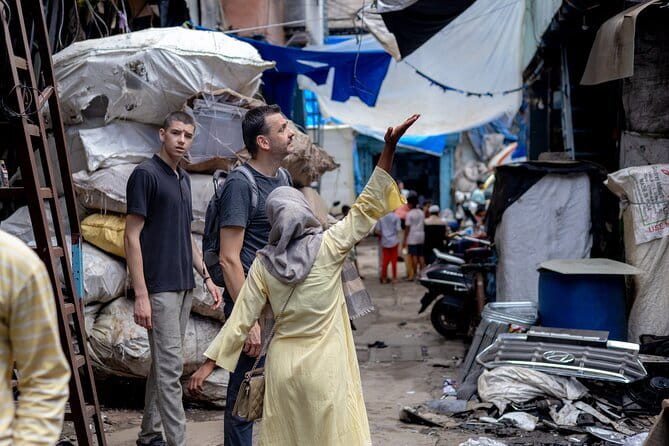
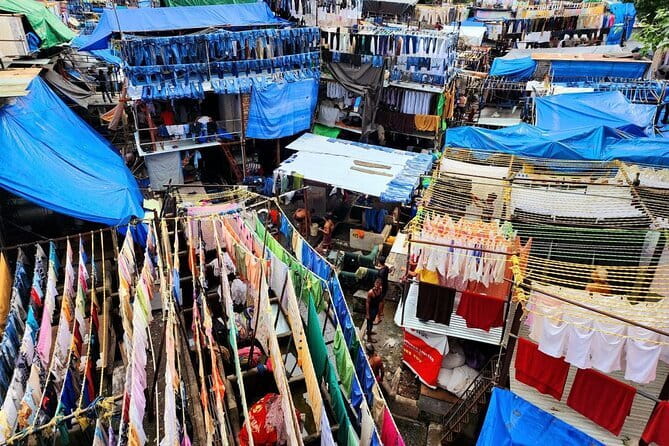
Next is Dhobi Ghat, around 35 minutes, with admission included. Dhobi Ghat is described as the world’s largest open-air laundry, with hundreds of washermen (dhobis) cleaning thousands of clothes daily.
This stop is short, which is good. Open-air processes can become overwhelming if you spend too long just staring. Instead, the tour format nudges you to understand the rhythm and the workflow: the repetitive movements, the division of tasks, and the sheer scale of laundry work.
Why this stop is worth your attention
Dhobi Ghat is not just a “see it once” spectacle. It’s a working space where clothes become clean through hands-on labor. You get a chance to notice how work happens in layers—water, washing, rinsing, and drying—before it becomes finished clothing.
Also, it links to something deeper: many cities hide the cleaning work out of sight. Here, it’s visible. That changes how you think about everyday comfort.
A consideration for your mindset
Because it’s open-air and active, Dhobi Ghat can feel intense if you dislike sensory overload (sound, water, movement). Bring patience, and keep your expectations focused on process rather than perfect photo moments.
Stop 3: Dharavi—industry, resilience, and a guide who knows people
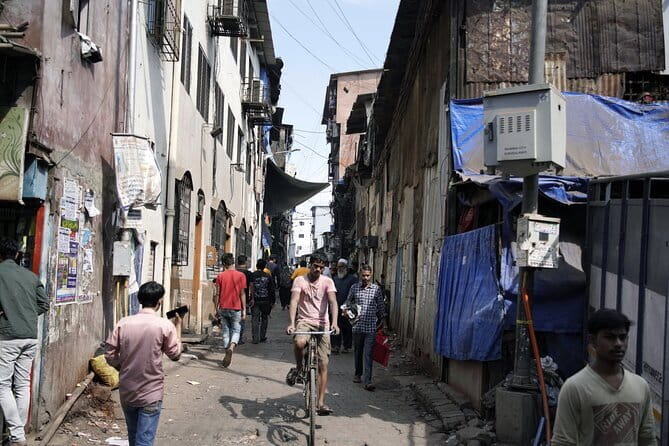
The final stop is Dharavi, about 1 hour 15 minutes, with admission listed as free. This is the emotional and human-heavy part of the tour.
Dharavi is described as one of Asia’s largest slums and a place of industry and resilience where thousands call home. The point of coming with a guide is huge: Dharavi is not a museum, and it’s not a stage set. It’s a neighborhood where daily life continues—workshops, homes, and community routines.
What you’ll learn here
This stop is built around understanding everyday life through a local guide who knows the community inside out. The goal isn’t to turn people into symbols. It’s to show how the neighborhood functions, how work happens, and how daily routines connect to the wider city.
I also like that the tour is set up for learning “in a safe way,” not random wandering. You’re less likely to accidentally cross boundaries or misunderstand what you’re seeing.
The most important respect tip
If Dharavi is your last stop, don’t use the energy you saved for shopping or photos. Use it for listening. Ask questions that focus on daily routines and work processes rather than sensational details.
That approach helps you leave with understanding instead of just images.
How transportation and the small group shape your experience
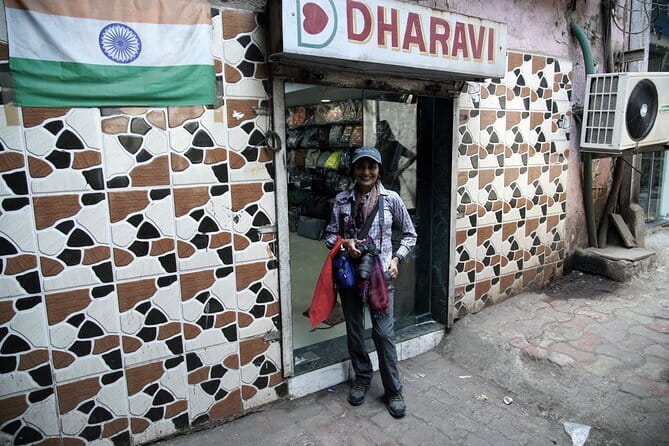
This isn’t a “run-and-gun” tour with a big crowd. It’s designed for a maximum of 15 people, which changes everything.
In a small group:
- Your guide can keep track of you and slow down when needed.
- You’re more likely to get answers to your questions.
- You can pay attention to details without feeling pushed along.
Transportation is included during the tour, which also helps. You’re not spending the whole half-day trapped in the logistics of moving between Churchgate, Dhobi Ghat, and Dharavi (and then back toward Mahim). For a tour that covers three very different settings, that matters.
And yes—bottled water is included. It sounds minor until you’re dealing with Mumbai heat and movement. Hydration keeps you focused.
What to ask your guide so the tour feels personal

A good tour is a conversation with the city. To get the most out of it, I’d come ready with a few types of questions:
- For the lunchbox system: What does a typical workflow look like from handoff to handoff?
- For Dhobi Ghat: How do dhobis split tasks, and what does a full day of laundry work involve?
- For Dharavi: What kinds of small industries or jobs shape daily life here?
Guides such as Javed and Subhan are highlighted for making people feel welcomed and at ease, so don’t be shy about asking basic questions. The best learning happens when you ask for the routine behind the scene.
Who this tour suits best (and who should think twice)
This tour fits best if you like real-world city life—systems, work, and daily routines—more than only monuments.
It’s a great match for:
- First-time visitors who want authentic, practical context
- People interested in labor and logistics (food delivery, laundry work, neighborhood industry)
- Anyone who prefers a small-group pace with time for questions
Think twice if:
- You want a purely comfortable, low-emotion sightseeing day
- You prefer only polished, low-intensity attractions
- You’re uncomfortable with seeing poverty and hard work directly
Dharavi in particular is not “light.” The tour is guided and respectful, but it still shows real life.
Should you book it? My practical take
I think this is a smart buy if you want Mumbai that feels lived-in, not just photographed. For the money, you get a guided route connecting three working institutions that explain the city from different angles—food, cleanliness, and neighborhood industry.
You should book if you:
- like learning how systems function,
- want a safe structure for visiting places you might not visit on your own,
- value a guide who can connect names, routines, and people.
You might skip or choose a different tour if you’re looking for calm, low-impact sights. This is meaningful, and that can feel heavy.
If you do book, go in with respect and curiosity. Bring comfortable shoes, and give each stop your full attention. That’s how the tour earns its 3.5 hours.
FAQ
How long is the Mumbai Dharavi, Dhobi Ghat & dabbawala lunchbox tour?
It runs for about 3 hours 30 minutes (approx.).
What time does the tour start, and where do I meet the guide?
It starts at 11:30 am. The meeting point is Burger King Express Building, Railway Station, No 14E, IMC Marg, opposite Churchgate, Churchgate, Mumbai.
Where does the tour end?
It ends at Third Wave Coffee Shop on Tip Road, Unit no.58, Ground, Ram Mahal, Senapati Bapat Marg, Marinagar Colony, Station, Mahim, Mumbai. It is directly opposite Mahim Railway Station.
How many people are in a group?
The tour has a maximum of 15 people.
What’s included in the tour price?
The price includes bottled water, transportation used during the tour, and all fees and taxes.
Are entrance tickets included for all three stops?
Dabbawala tribute statue and Dharavi are listed as free admission. Dhobi Ghat admission is listed as included.
Is Dhobi Ghat admission included?
Yes, Dhobi Ghat admission ticket is included.
Can I cancel for a full refund?
Yes. Free cancellation is available up to 24 hours in advance for a full refund. If you cancel less than 24 hours before the start time, the amount paid is not refunded.
The Dabbawala Route, Continued
- Mumbai: Dharavi Slum, DhobiGhat, and Dabbawallas Tour
★ 4.9 · 689 reviews - Private Combo Tours Sightseeing + Dharavi Slum + Dhobi Ghat & Dabbawalas
★ 5.0 · 245 reviews - Dharavi, Dhobighat, and Mumbai Dabbawallas
★ 5.0 · 168 reviews - Dabbawala, Dhobi Ghat & Dharavi slum Tour with Local Train Ride
★ 5.0 · 102 reviews
Dhobi Ghat from a Few More Angles
- Mumbai: Dharavi Slum, DhobiGhat, and Dabbawallas Tour
★ 4.9 · 689 reviews - Mumbai: Dhobi Ghat Laundry and Dharavi Slum Tour with Local
★ 5.0 · 469 reviews - Mumbai: Dharavi Slum and Dhobi Ghat Laundry Tour
★ 5.0 · 317 reviews - Private Combo Tours Sightseeing + Dharavi Slum + Dhobi Ghat & Dabbawalas
★ 5.0 · 245 reviews
Dharavi, Told by Its Residents
- Dharavi slum tour in Mumbai by Female tour guides of the slum
★ 5.0 · 1,976 reviews - Mumbai: Dharavi Slum, DhobiGhat, and Dabbawallas Tour
★ 4.9 · 689 reviews - Dharavi Slum Tour
★ 5.0 · 625 reviews - Dharavi Slum tour in Mumbai by local resident
★ 5.0 · 572 reviews
New on the Mumbai shortlist




Dharavi Community Walks, compared.
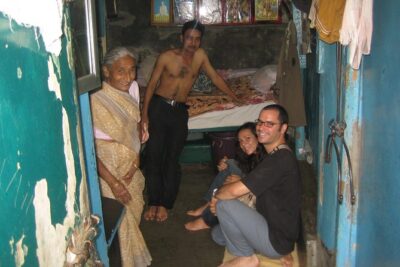 ★ 5.0Dharavi slum tour in Mumbai by Female tour guides of the slumFrom $91,976 reviews
 ★ 4.9Dharavi Slum, DhobiGhat, and Dabbawallas TourFrom $14689 reviews
 ★ 5.0Dharavi Slum TourFrom $20625 reviews
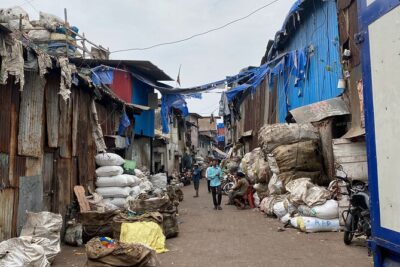 ★ 5.0Dharavi Slum tour in Mumbai by local residentFrom $4572 reviews
 ★ 4.9Dharavi Slum Slumdog Millionaire Tour with a LocalFrom $10529 reviews
 ★ 5.0Mumbai Slum Tour – Visit Dharavi Slum with Local GuideFrom $5509 reviews
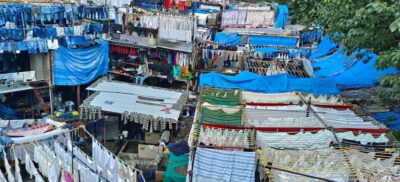 ★ 5.0Dhobi Ghat Laundry and Dharavi Slum Tour with LocalFrom $4469 reviews
 ★ 5.02-Hour Guided Tour of DharaviFrom $22359 reviews
Browse the lists this tour appears in