
Review · TEMPLES & SACRED SITES
Mumbai: Local Markets & Temples Tour
Mumbai’s lanes teach you fast. This tour threads together Crawford Market’s wholesale energy, the big Mumbadevi Temple that gave Mumbai its name, and a stop at Bombay Panjrapole where cows are the main characters. I especially like how you get market context from a local English-speaking guide, and how the route mixes trade and devotion without rushing either. One drawback to note: if you’re chasing a lineup of the city’s biggest, most famous temples, you may want more than just Mumbadevi.
You’ll see why Mumbai feels like it runs on motion—vendors calling, goods stacked, and narrow streets where you learn to walk with purpose. On the day I’m planning for, rain or shine, this kind of tour is built to keep going even when the sky gets dramatic.
In This Review
- Key things I’d circle before you go
- How this Mumbai tour gives you better bearings fast
- Regal Cinema to the markets: why the cab ride matters
- Crawford Market: wholesale fruit, veg, and meat in full view
- Mangaldas Market: the largest indoor wholesale textile world
- Zaveri Bazaar lanes: trade streets with a quick, guided hit
- A quick break at a local restaurant stop
- Mumbadevi Temple: the temple behind Mumbai’s name
- Shri Mumbai Panjrapole: seeing the city through the welfare of cows
- Price and value: is $27 worth 2.5-3 hours?
- Rain or shine: what to plan for a market-and-temple day
- Who should book this tour
- Should you book Mumbai Local Markets & Temples?
- FAQ
- How long is the Mumbai local markets and temples tour?
- How much does it cost?
- Where does the tour start?
- Is food included?
- Is the tour guide English-speaking?
- What’s included in the price?
- Does the tour run in bad weather?
- Where does the tour end?
- What are the cancellation and payment options?
Key things I’d circle before you go
- Crawford Market: one of Mumbai’s largest wholesale fruit, vegetable, and meat hubs, with guided context so it makes sense.
- Mangaldas Market indoors: a wholesale textile stop where locals buy clothing, not just souvenirs.
- Mumbadevi Temple: an old Hindu temple tied directly to Mumbai’s identity.
- Shri Mumbai Panjrapole: a welfare sanctuary for more than 350 cows, a rare stop that’s about care, not sightseeing.
- A guide that explains as you walk: guides such as Rakesh and Javid have been praised for clear, warm explanations.
How this Mumbai tour gives you better bearings fast
Mumbai can overwhelm you in the best way. Big sights are great, but markets and temples are where the city’s day-to-day rhythm shows up. This tour is short—about 2.5 to 3 hours—so you’re not stuck sightseeing for half a day. You’ll get a tight route that helps you understand what you’re seeing: trade, faith, and how people live side by side with both.
I like the balance here. You spend real time in busy places (markets with serious scale), then you slow down at places of worship. It’s a practical way to experience Mumbai’s contrasts without feeling like you’re doing museum pacing.
And yes, you’ll walk. Some parts are quick. Some parts feel like you’re learning to navigate a living workplace. That’s the point.
Regal Cinema to the markets: why the cab ride matters
The tour starts at one of the Regal Cinema meeting options. Then you take a black cab for about 15 minutes. That short ride is more than transport. It helps you land in the market zone with less stress and fewer false starts on streets that can be tricky to read.
If you’re arriving by train or want an easy “start line,” this setup is handy. It also keeps the first minutes from feeling chaotic, so you can focus on the sights instead of immediately figuring out directions.
From Crawford Market to Chor Bazaar, more lanes to walk



Crawford Market: wholesale fruit, veg, and meat in full view
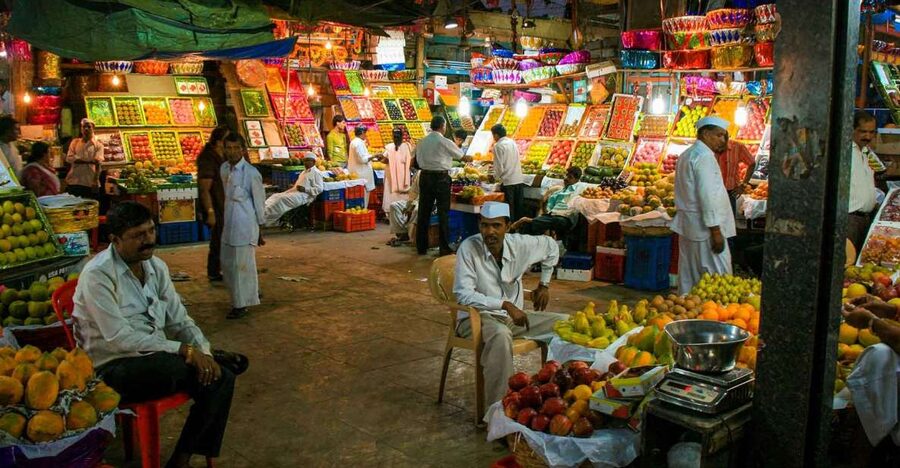
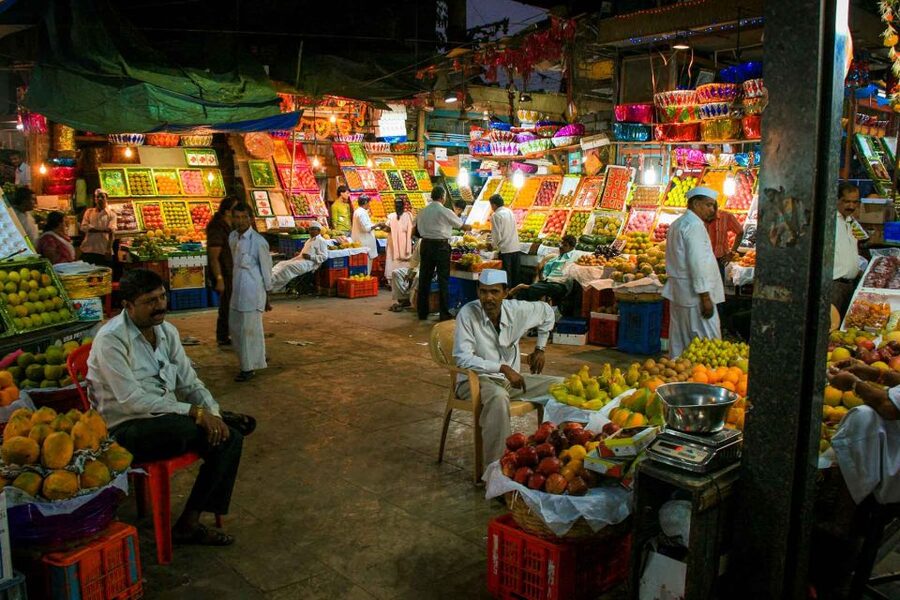
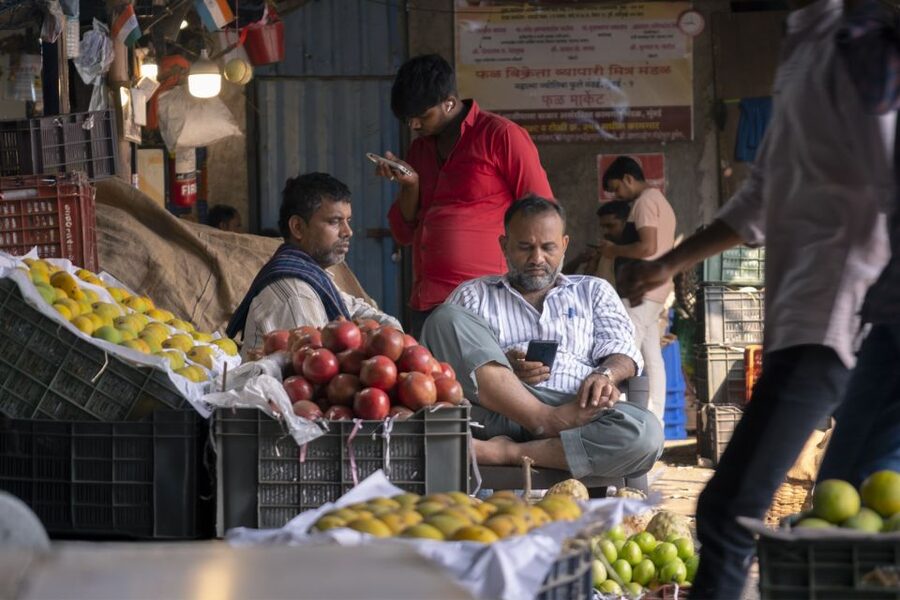
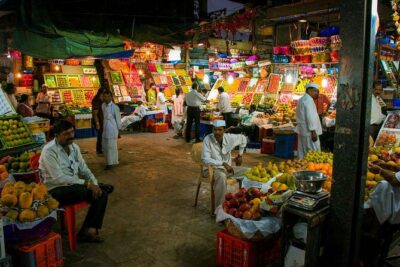
Crawford Market is where Mumbai’s wholesale energy becomes real. This is one of the city’s largest wholesale fruit, vegetable, and meat markets, and the scale is immediately noticeable once you’re inside and walking through.
What you’ll get from a guided stop here is the why, not just the what. Your guide helps you connect the piles of produce and the flow of sellers to how the city supplies itself. It’s easy to think of markets as shopping only. In Mumbai, they’re logistics. People come here for inventory, quick turnover, and the steady movement of goods.
Practical note: markets like this can be sensory-heavy. Plan to go in with a calm head. Keep your phone secured, watch your step, and be ready for close quarters.
Mangaldas Market: the largest indoor wholesale textile world
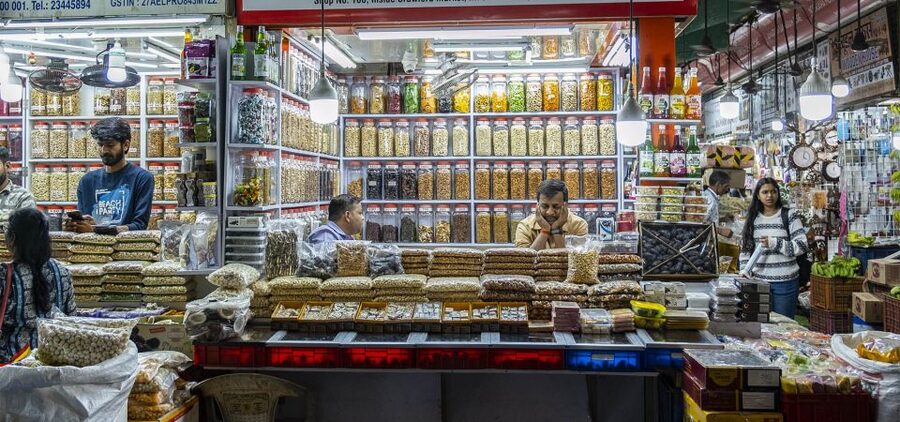
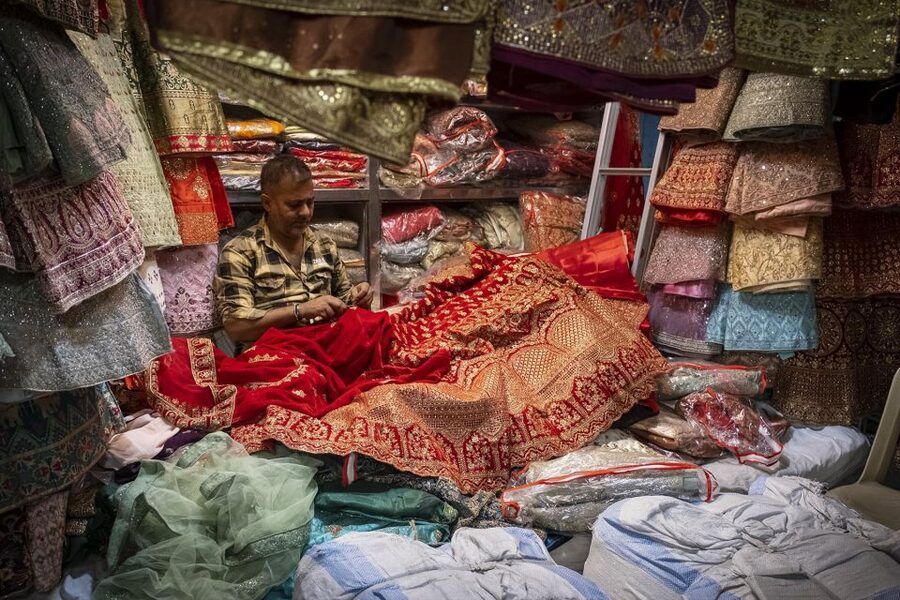
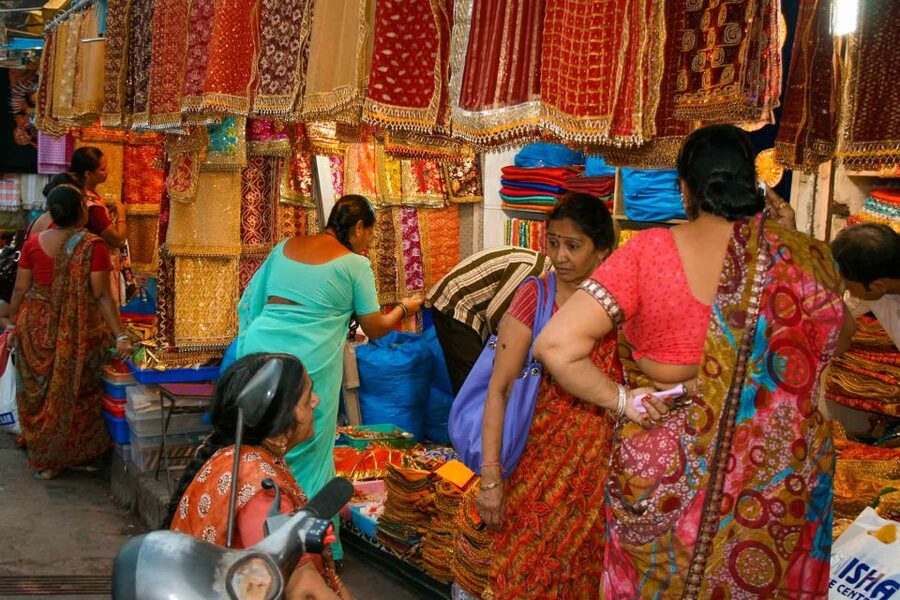
Next comes Mangaldas Market, described as the largest indoor wholesale textile market in Mumbai. This is a crucial contrast to Crawford. Instead of food supplies, you’re seeing the fabric side of the city’s economy—colors, cloth types, and the way locals buy clothing for everyday life and business.
This stop is especially valuable if you want to understand Mumbai beyond postcards. Wholesale textiles tell you how clothing gets made available, and why “shopping” in India often looks like trade and negotiation rather than a simple stroll.
The fact that it’s indoor is also a plus. Even if the weather turns, you’re not fully exposed. You’ll still experience the crowd and the movement, but you’ll be in a structure built for commerce.
Zaveri Bazaar lanes: trade streets with a quick, guided hit
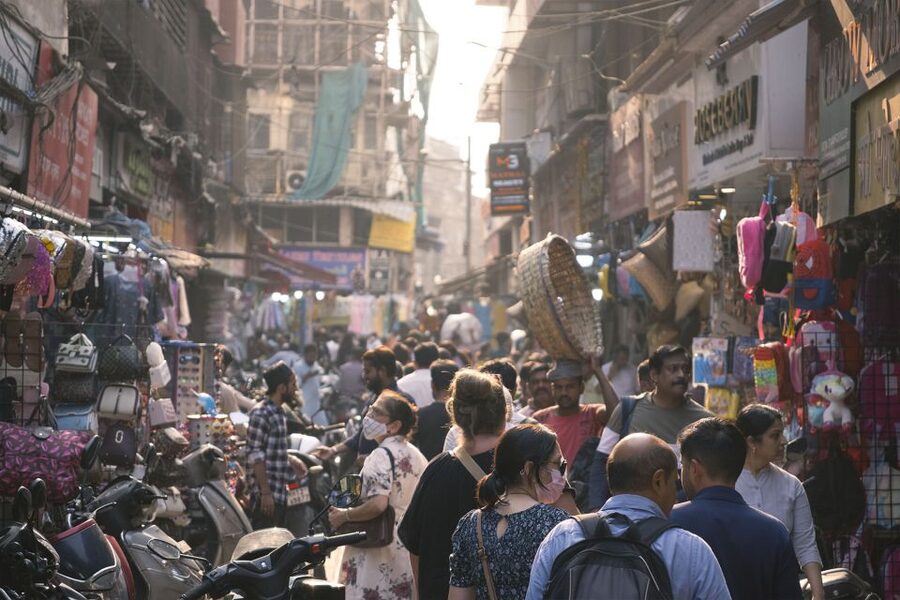
After the textile market, you move into Zaveri Bazaar for a shorter guided visit and sightseeing time. This is a “walk-and-scan” style stop, not a long sit-down. Think of it as a chance to see another layer of Mumbai’s trading neighborhoods and street life, guided so you know what you’re looking at.
Because the time is short, I’d treat Zaveri Bazaar like a street lesson. Look at how the lanes feel, how people move through, and how commerce shapes the streetscape. If you want to linger, you’ll have to do it on your own after the tour ends, but the guided piece helps you spot what matters faster.
From Banganga to Siddhivinayak, more sacred stops
- Private Guided Spiritual Walk in Banganga Hindu Temples
★ 5.0 · 271 reviews - Mumbai: Kanheri Caves and The Golden Pagoda Temple
★ 4.7 · 108 reviews - Sanjay Gandhi National Park(SGNP) + Kenheri Caves + Lion Safari + Jain Temple
★ 5.0 · 88 reviews - Mumbai Markets and Temples Tour
★ 5.0 · 59 reviews - Sanjay Gandhi National Park+ Kanheri Caves + Temple +Tigar Safari
★ 5.0 · 54 reviews - Mumbai: Buddhist Kanheri Caves with Golden Pagoda Temple
★ 4.8 · 47 reviews
A quick break at a local restaurant stop
There’s a brief local restaurant stop on the route. The key detail is that food isn’t included. So don’t expect a meal here as part of the price.
Use this moment as a reset. If you’re sensitive to strong smells or want to regroup your energy, this is your opportunity. If you do decide to buy something, keep it light and plan for the next temple and cow sanctuary stops still ahead.
Mumbadevi Temple: the temple behind Mumbai’s name
Then you shift from commerce to devotion at Mumbadevi Temple, one of Mumbai’s historic Hindu temples and the namesake of Mumba. This is a meaningful stop in the itinerary because it ties the city’s identity to a specific religious landmark.
You’ll get a guided visit plus sightseeing time and a short walk. The guide’s role matters here. Markets can be loud and fast; temples require different awareness—respect, quieter attention, and knowing what’s going on around you.
If you’re religious, you’ll likely enjoy the calmer rhythm. If you’re not, you’ll still learn how the temple connects to local history and why this kind of place keeps pulling people back.
One thing to consider: the tour centers on Mumbadevi and then moves on. If your main goal is a broad tour of Mumbai’s most iconic temples, you may leave wanting a bit more temple variety.
Shri Mumbai Panjrapole: seeing the city through the welfare of cows
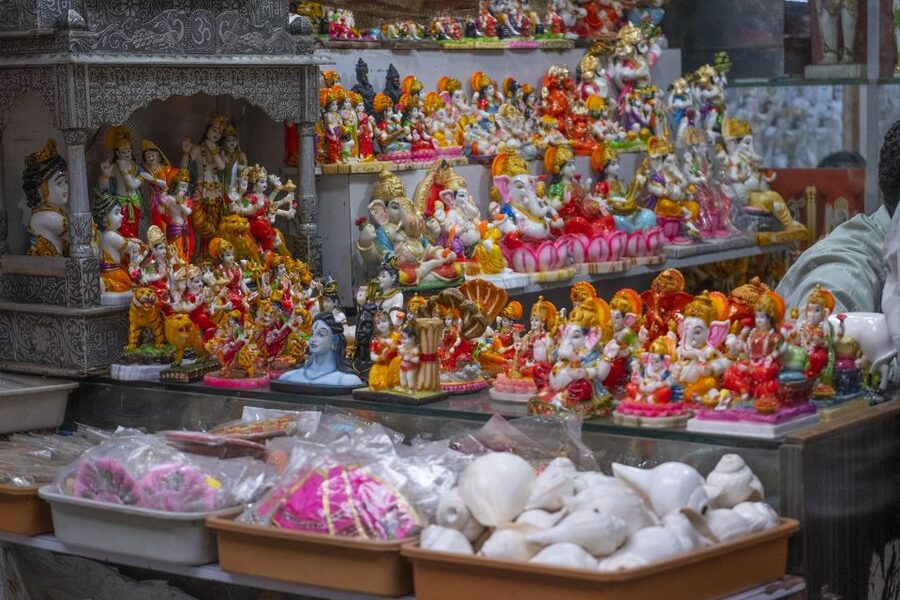
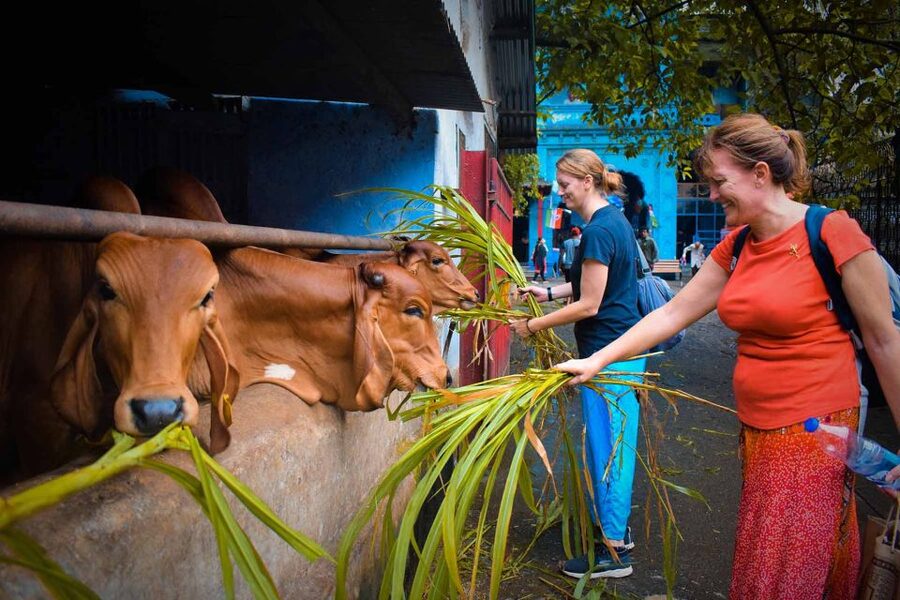
Now for the stop that many people remember most: Shri Mumbai Panjrapole, a sanctuary for the welfare of more than 350 cows. This isn’t just a scenic photo moment. It’s about care and how the city approaches animal welfare.
Your visit includes a guided tour and sightseeing time. I like this part because it changes the tone. You go from human commerce and worship to compassion in action. Even if you’re not a “cow person,” this stop is a real learning moment about how cows fit into everyday life in India.
You’ll want to be respectful and patient. Keep a steady pace, follow your guide’s instructions, and avoid crowding. In places like this, how you act matters as much as what you see.
Price and value: is $27 worth 2.5-3 hours?
At $27 per person for about 2.5 to 3 hours, the value comes from a few practical things that add up fast in a city like Mumbai.
You get:
- a local English-speaking guide
- water/cold drinks
- a route that stacks multiple market areas plus two major culture stops (temple and cow sanctuary)
What you don’t get is food. That’s normal for a short walking tour. Still, you should plan a small budget for your own snack choices if you want one.
The guide is the difference-maker here. Markets and temple areas can look chaotic if you’re just walking on your own. With a guide, the places turn into a coherent story: how people buy, how they worship, and how they care for animals. That’s where the $27 really earns its keep.
Rain or shine: what to plan for a market-and-temple day
This tour runs rain or shine, so you need to dress for real street conditions. Wear comfortable shoes you can trust on uneven ground. Bring a small umbrella or rain layer if you have one. If it’s hot, plan light clothing; if it’s cooler, bring a light layer so you’re comfortable inside market areas and then outside again.
Also, expect that you’ll be near other people often. Keep your belongings secure and travel with a calm pace. In busy lanes, moving carefully beats moving fast.
Who should book this tour
This is a great choice if you want:
- a short Mumbai experience that covers both markets and spirituality
- a guided route that helps you interpret what you’re seeing
- an unusual stop focused on animal welfare at Bombay Panjrapole
It’s a weaker fit if:
- your priority is only the biggest “must-see” temples of Mumbai
- you dislike crowded market environments and sensory intensity
Should you book Mumbai Local Markets & Temples?
If you like real city life more than neat checklists, I’d book it. The route gives you a focused slice of Mumbai’s daily engine: wholesale markets, a historic temple tied to the city’s name, and a cow sanctuary that slows everything down in the best way.
One more reason: you’re not paying for a long day. You’re paying for a tight, guided mix that’s designed to make the chaos readable. For $27 with an English-speaking guide and drinks included, it’s solid value—especially if you’re short on time and want something authentic.
FAQ
How long is the Mumbai local markets and temples tour?
It lasts about 2.5 to 3 hours.
How much does it cost?
The price is $27 per person.
Where does the tour start?
The meeting point can vary depending on the option booked. One listed starting location option is Regal Cinema.
Is food included?
No. Food is not included.
Is the tour guide English-speaking?
Yes. The tour includes a local English-speaking guide.
What’s included in the price?
You get the local English-speaking guide plus water/cold drinks.
Does the tour run in bad weather?
Yes. It takes place rain or shine.
Where does the tour end?
Drop-off is listed near Chhatrapati Shivaji Terminus and Charni Road Railway Station / Girgaon area in Mumbai.
What are the cancellation and payment options?
You can cancel up to 24 hours in advance for a full refund. The tour also offers reserve now & pay later.
More Mumbai, Every Kind of Day
- Dharavi slum tour in Mumbai by Female tour guides of the slum
★ 5.0 · 1,976 reviews - Mumbai: Full-Day Sightseeing Tour of Mumbai
★ 4.9 · 1,822 reviews - Private Mumbai Sightseeing Tour (Traveller’s Choice Award Winner)
★ 5.0 · 1,565 reviews - Elephanta Caves & Island Guided Private Tour
★ 5.0 · 1,327 reviews
Sacred Mumbai, Continued
- Private Guided Spiritual Walk in Banganga Hindu Temples
★ 5.0 · 271 reviews - Mumbai: Kanheri Caves and The Golden Pagoda Temple
★ 4.7 · 108 reviews - Sanjay Gandhi National Park(SGNP) + Kenheri Caves + Lion Safari + Jain Temple
★ 5.0 · 88 reviews - Mumbai Markets and Temples Tour
★ 5.0 · 59 reviews
Deeper into the Bazaars
- Mumbai: Street Food and Night Markets Tour
★ 4.9 · 719 reviews - Mumbai Morning Market Tour of Flowers, Fish, and More
★ 5.0 · 100 reviews - Mumbai Morning Market Tour of Flowers, Fish, and More
★ 5.0 · 82 reviews - Mumbai Street Food Tour with Evening Bazaar Walk
★ 4.9 · 79 reviews
New on the Mumbai shortlist


Temples & Sacred Sites, compared.
 ★ 5.0Private Guided Spiritual Walk in Banganga Hindu TemplesFrom $36271 reviews
 ★ 4.7Kanheri Caves and The Golden Pagoda TempleFrom $43108 reviews
 ★ 5.0Sanjay Gandhi National Park(SGNP) + Kenheri Caves + Lion Safari + Jain TempleFrom $6988 reviews
 ★ 5.0Mumbai Markets and Temples TourFrom $2759 reviews
 ★ 5.0Sanjay Gandhi National Park+ Kanheri Caves + Temple +Tigar SafariFrom $2754 reviews
 ★ 4.8Buddhist Kanheri Caves with Golden Pagoda TempleFrom $2847 reviews
 ★ 5.0Mumbai Temple Tour in Private VehicleFrom $9839 reviews
 ★ 5.0Spiritual & City Highlights: Private Mumbai Temple Tour by AC CarFrom $12514 reviews
Browse the lists this tour appears in