

Review · DAWN & EARLY MORNING TOURS
The Original Mumbai by Dawn – Recommended by Nigella Lawson & Nat Geo Traveller!
Dawn in Mumbai hits different. This private morning walk-through takes you from Chhatrapati Shivaji Terminus to working markets and the Sassoon Dock fish trade, when the city is just getting moving.
I like that this tour is built for real early-hours momentum, not a late start with sleepy vendors. I also like the hands-on shape of it: you’re up close to auctions, sorting, and wholesale stalls while a guide keeps everything understandable. One thing to consider is that the dock area can be crowded and smelly, so it is not a sit-and-snap kind of outing.
In This Review
- What you’ll really be paying for
- Key things that make this tour worth your early alarm
- Why 5:15am Mumbai feels like a different city
- The first stop: Chhatrapati Shivaji Terminus (CST) in the morning light
- Sassoon Dock: the fish auction and the 50-ton reality check
- SHYAM STALL: early colour, scent, and the market’s softer side
- Ankit sanas in Byculla: wholesale produce before sunrise bustle becomes routine
- Private guide power: how the early morning makes sense faster
- Price and logistics: does $86.54 buy something real?
- Timing tips: how to make jet lag and dawn work
- Who this tour fits best (and who should skip it)
- Should you book Mumbai by Dawn?
- FAQ
- What time does the tour start?
- How long is the tour?
- Is this a private tour or shared with other people?
- What are the main stops during the morning?
- Are the docks open year-round?
- What’s included in the price?
What you’ll really be paying for
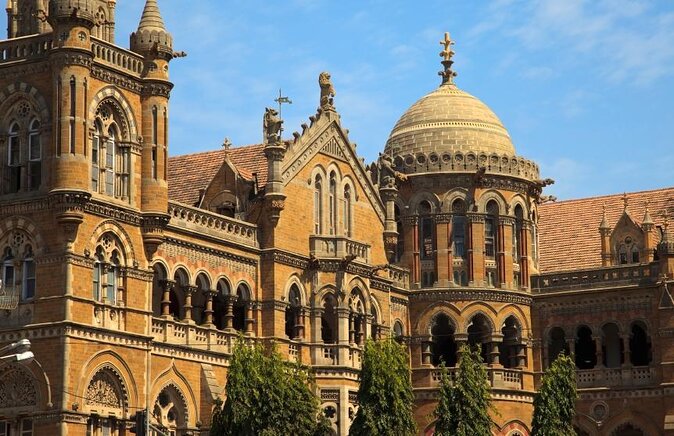
At $86.54 per person (about 3 hours), you’re paying for logistics done for you: pickup and drop-off, a driver and private transport, a professional guide, and even shoe covers at the docks. You’re also paying for access to places that are hard to navigate at that hour on your own—especially when you want to make sense of what you’re seeing fast.
A practical plus: this tour runs as a true private experience for just you and your party, and the guide is the translator of the whole morning. Depending on your guide, you may get the kind of storytelling people rave about (names you might hear associated with this experience include Nishtha, Yash, Aman W., Derrick, and Nasreen Mehta).
Key things that make this tour worth your early alarm
- 5:15am start means you see market setup and fish trade while the city is still quiet
- Private for your party keeps it from feeling like a rushed group cattle call
- Sassoon Dock action includes a fish auction moment tied to the famous Bombay duck
- CST (Victoria Terminus) is a major photo stop, and you’ll catch it under softer morning light
- Market variety goes beyond fish: flower and wholesale produce stalls are part of the flow
- Included comfort basics: bottled water, coffee and/or tea, fruit, and shoe covers at docks
Why 5:15am Mumbai feels like a different city
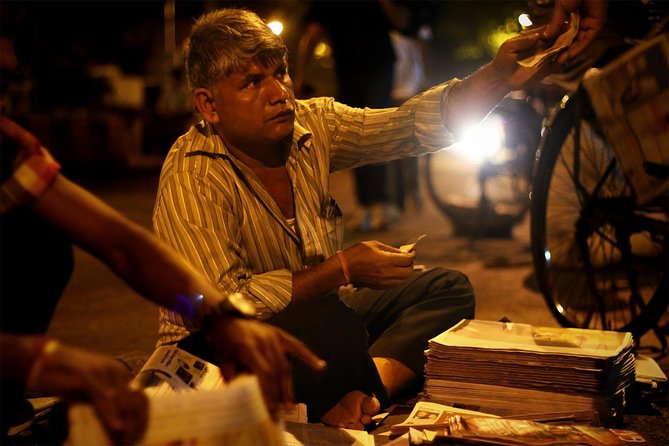
This tour’s whole trick is timing. You start at 5:15am, when Mumbai is awake in pieces—lighting comes up, stalls start laying out, and workers are already in motion. If you’ve only seen Mumbai later in the day, you’ll notice a big difference: at dawn, the city’s economy is visible. You’re not just viewing buildings. You’re watching how goods move.
That also changes your vibe. Early mornings tend to feel calmer even when the docks are busy. You’ll be walking through places that look chaotic later, but at this hour they follow a rhythm—boats arrive, fish gets graded, auctions happen, and then wholesale markets begin to stir into full production.
You’ll want to go in with a simple mindset: this is not a museum-style tour. It’s a working morning. Your guide helps you read the scene, so you don’t just smell fish and walk past crates—you understand what you’re looking at.
Mumbai before the traffic wakes, on other early starts


The first stop: Chhatrapati Shivaji Terminus (CST) in the morning light
CST is one of those Mumbai sights that people call architectural without meaning it like a compliment. It’s that kind of building—railway grandeur that makes you pause even if you’re not a train person.
Here’s what matters for you on this tour: you’re stopping for photos and context while the station is already active. CST sees a huge daily flow, and on a dawn visit you get a slightly different angle of daily life around it. It’s also a good emotional reset between more sensory stops like the docks and produce stalls.
What to expect
- You’ll spend about 20 minutes at CST.
- Admission is free for the stop listed.
- The focus is on the station as a landmark and a living transport hub, not a guided interior tour.
Potential drawback
Stations can get busy. If you’re sensitive to crowds, keep your plan flexible—some mornings the flow of foot traffic is brisk even early.
Sassoon Dock: the fish auction and the 50-ton reality check
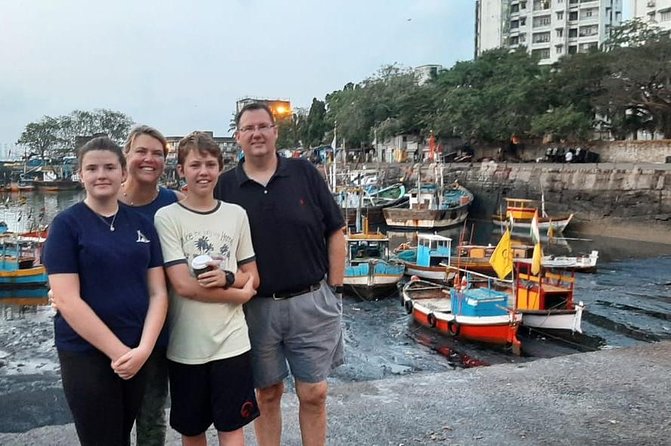
Sassoon Dock is the headline stop, and you’ll feel that quickly. This is where you see the fish supply chain at work, close enough to understand why it has its own pace and rules. The tour specifically highlights life linked to the Koli fisherfolk—the original inhabitants of Mumbai—and the dock process behind getting fish from boats to auctions.
A standout detail: you’re there for an auction moment involving the famous Bombay duck, and the tour description points to arrivals and grading tied to around 50 tonnes of fish. That kind of scale can be hard to grasp until you see it in motion.
What you’ll notice right away
- The energy is urgent. Auctions aren’t slow conversations.
- You’ll likely notice strong fish smells, plus the density of people at work.
- You’re not just watching fish. You’re watching trading behavior: sorting, pricing, and movement.
You’ll get 40 minutes here, which is long enough to see the pattern rather than just catch a single clip of action. This is also the stop where the tour includes shoe covers at docks—a practical detail that tells you they expect this to be messy, real, and wet.
What I like about this stop
This is the kind of travel moment that doesn’t fake emotion. You can tell it’s daily life, not performance. Even if you’re not a foodie, it shows you how Mumbai feeds itself and how a city runs on logistics and labor.
SHYAM STALL: early colour, scent, and the market’s softer side
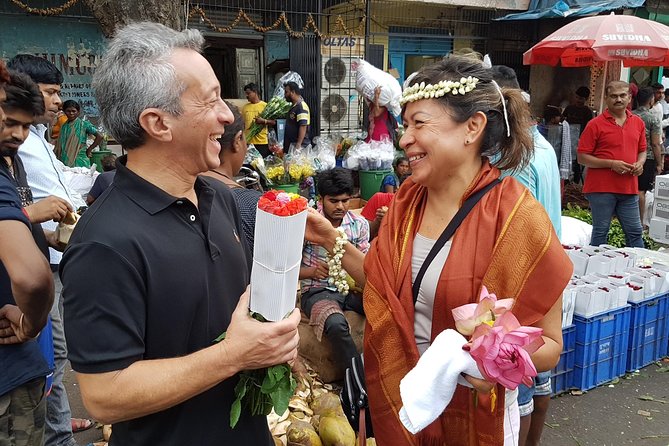
After the dock intensity, the morning shifts again. The third stop—SHYAM STALL—is described as an early-morning scene of colour and fragrance.
That matters because it changes the sensory mix. Fish is about smell and scale. A flower or spice-type stall tends to be about arrangement, freshness, and how quickly the day’s demand shapes what you see. The tour only lists 20 minutes here, but the point seems to be a quick hit of “what else the economy sells besides fish.”
What to expect
- About 20 minutes at the stop.
- A focus on the visual and scent experience—flowers and market atmosphere.
- Admission listed as free for this stop.
Why this is a smart break
If you’re doing a dawn tour, you want variety before you burn out. Flower and fragrance stops give your brain a different kind of focus, and they often produce the best photos because the colors are naturally strong in low morning light.
- Dharavi slum tour in Mumbai by Female tour guides of the slum
★ 5.0 · 1,976 reviews - Mumbai: Full-Day Sightseeing Tour of Mumbai
★ 4.9 · 1,822 reviews - Private Mumbai Sightseeing Tour (Traveller’s Choice Award Winner)
★ 5.0 · 1,565 reviews - Group Guided Walking Tour in Fort and Colaba
★ 5.0 · 1,073 reviews - Highlights of Mumbai Sightseeing Tour: TRAVELLERS CHOICE AWARDED
★ 5.0 · 915 reviews - Private Guided Walking Tour in Fort & Colaba
★ 5.0 · 895 reviews
Ankit sanas in Byculla: wholesale produce before sunrise bustle becomes routine
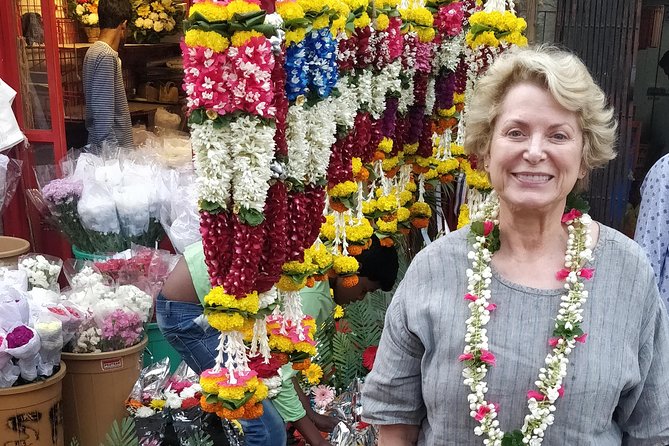
The fourth stop takes you into a wholesale produce market near Byculla, described as active in the middle of the night when the sky is pitch black and the rest of Mumbai is asleep. The stop is Ankit sanas, and it’s framed as a hive of frenetic activity—again, emphasizing that this is labor you’d miss if you slept in.
This is where you get a sense of the city’s supply chain beyond one product category. Fish shows one end of trade. Produce shows another. Together, they help you understand Mumbai not as a set of famous landmarks, but as a place with jobs that start early and keep moving.
What to expect
- About 20 minutes at this stop.
- The tour notes that the ordering of stops can vary depending on the guide and on-ground discretion.
A practical consideration
Even if you don’t love markets, the value here is your timing. You’re catching the setup stage and the early flow of work, not the late-day leftovers.
Private guide power: how the early morning makes sense faster
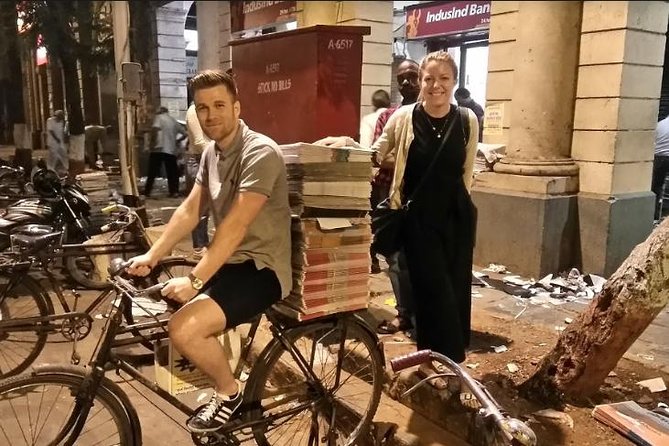
This is a private tour, for your group only. That sounds like a marketing line until you realize what it changes. At dawn, you move quickly and you’re in working spaces. Having a guide who can translate what’s happening means you don’t spend the whole time guessing.
In the feedback associated with this tour experience, specific guide names come up a lot—people mention Nishtha, Yash, Aman W., Derrick, Nasreen Mehta, Nimisha, and Tvishi. The common thread in the way they’re described is friendly delivery and strong explanation of what you’re looking at.
Also, a couple practical points from the tour description:
- There’s a note that there may be an additional cost for a language guide besides English.
- The route sequence is at the discretion of No Footprints and the guide on the ground.
In plain terms: English is covered, and you’ll have a person steering you through the right moments. If you want a language besides English, budget for that extra.
Price and logistics: does $86.54 buy something real?

At $86.54 per person for about 3 hours, the price is only fair if the day’s core parts are handled for you. This one includes:
- Hotel pickup and drop-off
- Driver and private transport
- Professional guide
- Bottled water
- Coffee and/or tea
- A fruit
- GST
- Mobile ticket
- Shoe covers at docks
That package matters in Mumbai, because early-morning navigation can be the hardest part. Even if you can read maps, you still have to solve timing, getting to the right dock zone, and knowing what to look for so the morning doesn’t turn into a walk-by experience.
Is it a good value? For many people, yes—because you’re not just seeing sights. You’re seeing the working parts of the city with a guide and transport so you don’t lose your precious morning to logistics.
One more note to keep your expectations grounded: pickup from suburban hotels may cost extra. If you’re staying in the edges, confirm what’s included with your starting point.
Timing tips: how to make jet lag and dawn work
This tour starts at 5:15am, which can sting if you land late or you’re already out of sync. Still, the payoff is that you’re not competing with daytime crowds, and the markets feel more authentic because you’re catching them at their core work time.
Here’s how I’d plan it:
- Treat the first night after arrival like a small test. If your jet lag makes early mornings painful, don’t book this for the day you absolutely need to recover.
- Go in mentally prepared for sensory intensity at the docks. Strong smell and close quarters are part of the deal.
Also, the tour description says the docks are shut in June and July, so if you’re traveling then, you should expect changes or a different schedule outcome. The early-morning concept is still the focus, but the specific dock experience may not run.
Who this tour fits best (and who should skip it)
This is a great match if you like:
- Market life and how cities move food and goods
- Early starts that feel like you’re seeing the real city, not just the tourist version
- A guided experience where someone explains what you’re seeing while you’re there
You might skip it if:
- You strongly prefer quiet sightseeing and want zero sensory intensity
- You’re not comfortable with moderate standing/walking for a short but early morning stretch
- You don’t like crowds, even at dawn
The tour notes you should have moderate physical fitness. That’s a polite way of saying you’ll be on your feet and moving.
Should you book Mumbai by Dawn?
If you want a Mumbai that starts with work instead of entertainment, book it. The big win is that this tour compresses three different sides of the city’s economy—railway life at CST, fish auctions at Sassoon Dock, and wholesale markets at nearby stalls—into a short early window with private transport and a guide doing the heavy lifting.
I’d especially recommend it if you only have a few days in Mumbai and you want one morning that feels like you got off the usual sightseeing track.
But if dawn tours already feel like a burden, or if strong odors and busy dock zones would ruin your day, consider another style of tour. This one is designed for people who find daily life interesting at close range.
FAQ
What time does the tour start?
The start time is 5:15am.
How long is the tour?
The tour lasts about 3 hours.
Is this a private tour or shared with other people?
It’s a private tour. Only your group participates.
What are the main stops during the morning?
You’ll visit Chhatrapati Shivaji Terminus (CST), Sassoon Dock, SHYAM STALL, and Ankit sanas, with the sequence set by the guide.
Are the docks open year-round?
The docks are shut in June and July.
What’s included in the price?
Included are a professional guide, private transport with hotel pickup and drop-off, bottled water, coffee and/or tea, a fruit, GST, mobile ticket, and shoe covers at docks. Extra costs may apply for pickup from suburban Mumbai hotels, and for a language guide besides English.
More Mumbai, Every Kind of Day
- Dharavi slum tour in Mumbai by Female tour guides of the slum
★ 5.0 · 1,976 reviews - Mumbai: Full-Day Sightseeing Tour of Mumbai
★ 4.9 · 1,822 reviews - Private Mumbai Sightseeing Tour (Traveller’s Choice Award Winner)
★ 5.0 · 1,565 reviews - Elephanta Caves & Island Guided Private Tour
★ 5.0 · 1,327 reviews
The City at First Light
- Mumbai Morning Market Tour of Flowers, Fish, and More
★ 5.0 · 100 reviews - Mumbai Morning Market Tour of Flowers, Fish, and More
★ 5.0 · 82 reviews - Mumbai: Morning Bicycle Tour
★ 5.0 · 40 reviews - The Colourful Early Morning Tour
★ 5.0 · 31 reviews
New on the Mumbai shortlist

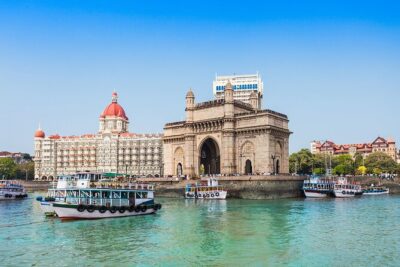

Dawn & Early Morning Tours, compared.
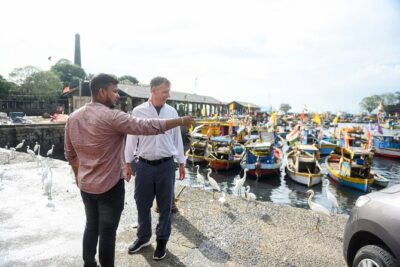 ★ 5.0Mumbai Morning Market Tour of Flowers, Fish, and MoreFrom $19100 reviews
★ 5.0Mumbai Morning Market Tour of Flowers, Fish, and MoreFrom $2082 reviews
★ 5.0Mumbai Morning Market Tour of Flowers, Fish, and MoreFrom $19100 reviews
★ 5.0Mumbai Morning Market Tour of Flowers, Fish, and MoreFrom $2082 reviews
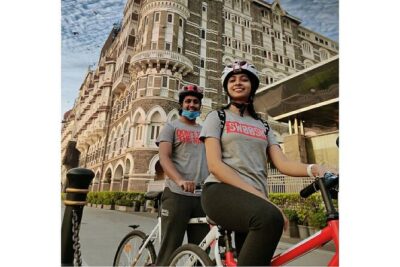 ★ 5.0Morning Bicycle TourFrom $2140 reviews
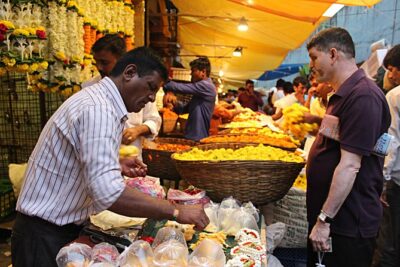 ★ 5.0The Colourful Early Morning TourFrom $3531 reviews
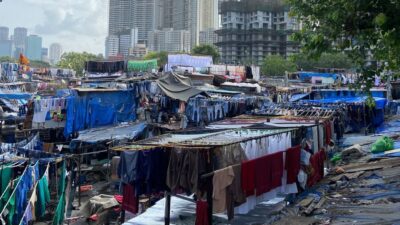 ★ 4.8Early Morning Bicycle TourFrom $3730 reviews
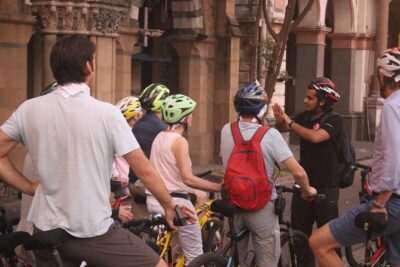 ★ 5.0Early Morning Old Mumbai Private Cycle Tour With BreakfastFrom $6521 reviews
 ★ 4.53 Hours Early Morning in South Mumbai Heritage Bicycle TourFrom $3616 reviews
★ 5.0Mumbai Morning Bicycle TourFrom $1815 reviews
★ 4.53 Hours Early Morning in South Mumbai Heritage Bicycle TourFrom $3616 reviews
★ 5.0Mumbai Morning Bicycle TourFrom $1815 reviews
Browse the lists this tour appears in