
Review · DHARAVI COMMUNITY WALKS
Mumbai: Slum Tour Dharavi & Dhobi Ghat Laundry with a Local
Dharavi is not what you think. This 2.5-hour tour gives you a direct look at daily life and work inside Dharavi through a local English-speaking guide, and then shifts to Dhobi Ghat, the world-famous open-air laundry where Mumbai’s washing economy runs in plain sight. The big win here is the access: you’re shown where people live, how families manage space, and how common industries—from recycling to textiles—fit into everyday routines.
One thing to consider: Dhobi Ghat feels like a fast stop. A few visitors wish they could spend a bit more time inside the laundry activity, and the guide’s style (firm rules and occasional edge) can take a moment to get used to.
In This Review
- Key Things You’ll Notice on This Mumbai Tour
- Mahim Junction Start Point: Easy Meeting Without Tuk-Tuk Games
- 2.5 Hours With a Dharavi Resident: How the Tour Actually Feels
- Dharavi Stop: Homes, Kids, and Work You Can See Up Close
- Breaking Stereotypes: What the Guide Is Trying to Change
- Dhobi Ghat Laundry: Asia’s Open-Air Washing Machine
- Slumdog Millionaire Filming Spot: Pop Culture Meets Real Streets
- Price and Value: What About $4.64 Is Really Buying?
- Comfort, Pace, and the Guide Style: The One Watch-Out
- Who Should Book This Dharavi and Dhobi Ghat Tour
- Final Decision: Should You Book It?
- FAQ
- How long is the tour?
- How many people are in a group?
- What language is the tour guide?
- What’s the meeting point?
- Is tuk tuk rickshaw service allowed at the meeting point?
- What is included in the tour price?
- Is the tour safe to visit?
- Can I cancel for a refund?
- Is payment flexible when booking?
Key Things You’ll Notice on This Mumbai Tour
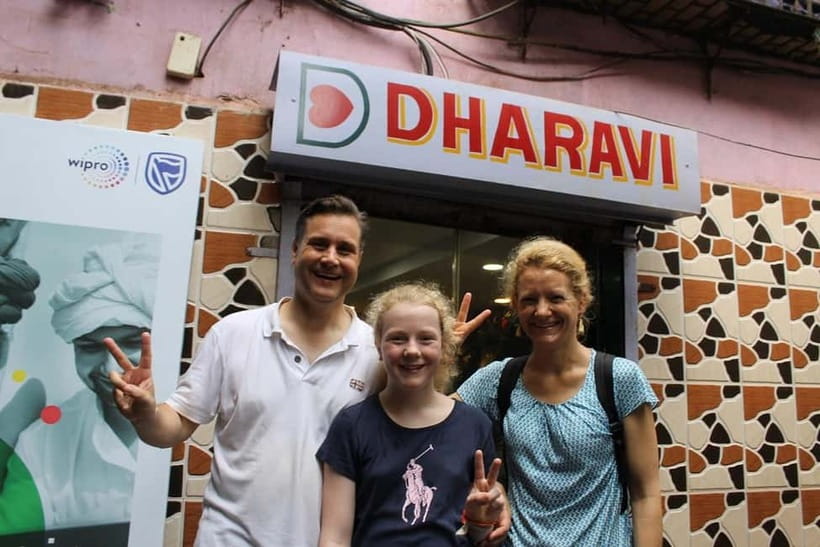
- A local resident guides the walk so you’re seeing Dharavi through lived context, not outsider imagination
- Dhobi Ghat’s laundry workflow is the main event—you watch the place doing its job, not posing for photos
- You’ll spot multiple industries in one area including plastic recycling, leather work, garment/textile activity, and metal work
- You’ll hear about money scale and daily economics with the tour framing overall income impact at about 1 billion US dollars yearly
- The Slumdog Millionaire filming location is built into the story giving you a pop-culture thread alongside real life
- Small group size (up to 9) keeps the walk manageable in tight streets and crowded areas
Mahim Junction Start Point: Easy Meeting Without Tuk-Tuk Games
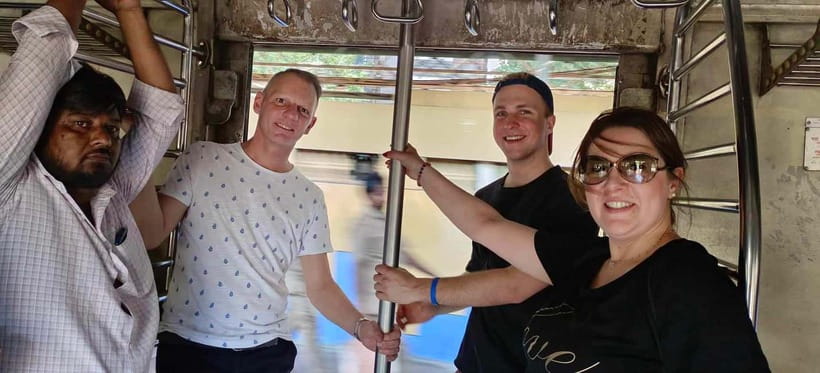
The tour begins at Third wave coffee Mahim, which sits just opposite Mahim junction/station west. Getting there is simple: use Uber or local transit from your hotel and head straight to the cafe. When you arrive, the plan is straightforward—either sit inside or stand outside, and the guide will come find you by name.
One practical detail: a tuk tuk rickshaw isn’t allowed at the meeting point. It’s not a big deal, just plan on a car drop-off or local transport and do the last bit on foot.
2.5 Hours With a Dharavi Resident: How the Tour Actually Feels
This is a small group tour, capped at 9 participants, and it runs for about 2.5 hours. That timing matters because it keeps things focused: you’re not wandering for half a day trying to “cover Dharavi.” You’ll move with purpose, with the guide steering where you stand and when you can ask questions.
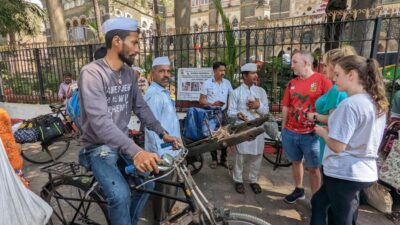
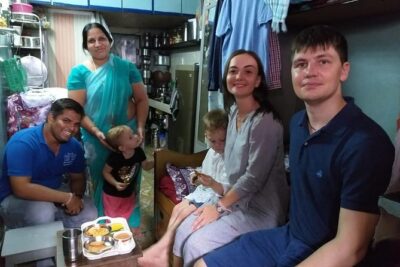
The experience is guided by someone from the area, and that changes the tone fast. You’re not just collecting landmarks. You’re getting explanations of origins, daily life, and how family routines connect to work—often with a level of care that feels more like being taught than being marched through a checklist. If you want answers to real questions (How do families manage space? What jobs exist here? What do kids do? How does a household function?), this format tends to be strong.
Other Dharavi walks led by people who live there



Dharavi Stop: Homes, Kids, and Work You Can See Up Close
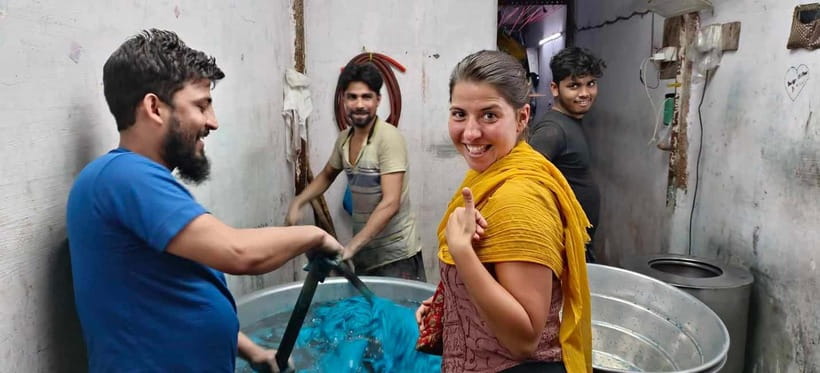
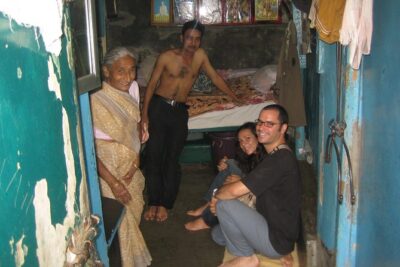
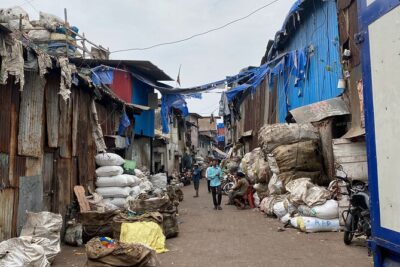
Dharavi isn’t presented as a single dramatic image. Instead, the tour walks you through what life looks like block by block, including where people stay, how families live together, and where kids play and relax. The goal is to give you a grounded picture of daily routines rather than a one-note version of hardship.
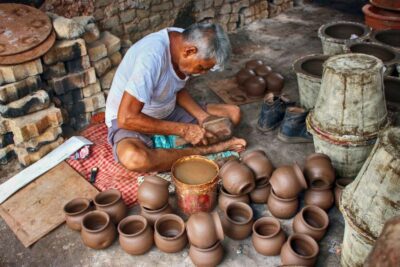
What you’ll likely find most interesting is the way work shows up everywhere. The tour frames industries you can visually connect to real spaces, such as:
- plastic recycling
- leather industry
- garment/textile activity
- metal industry
These aren’t introduced like museum labels. They’re explained as part of how people earn, survive, and build stability. The tour also discusses the scale of economic impact, mentioning about 1 billion US dollars yearly—a detail that helps you move from “slum as tragedy” to “slum as a functioning economy with jobs and income.”
Breaking Stereotypes: What the Guide Is Trying to Change
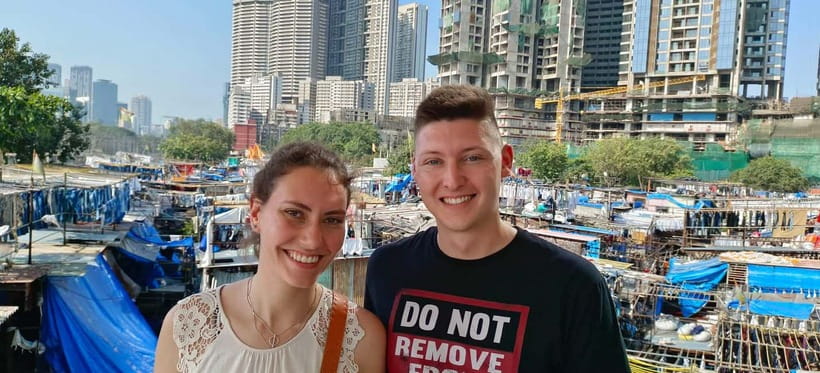
The stated mission is clear: dispel slum stereotypes. In practice, that means the tour leans hard on the idea that Dharavi is lived-in, not just photographed. You’ll hear the “inspiring side” of the location, and you’ll also get context for why outsiders often misunderstand it.
This is where your mindset matters. If you show up expecting only sadness or only shock, you might feel jarred. The tour aims to correct both extremes, and the most useful part is how it reframes your questions: instead of asking only what’s missing, you start asking how people organize life, work, community, and daily logistics.
Also, the tour positions itself as completely safe to visit around and inside. You still need to use normal street sense: stay close to your guide, follow directions, and keep your movements considerate in crowded areas.
Dhobi Ghat Laundry: Asia’s Open-Air Washing Machine
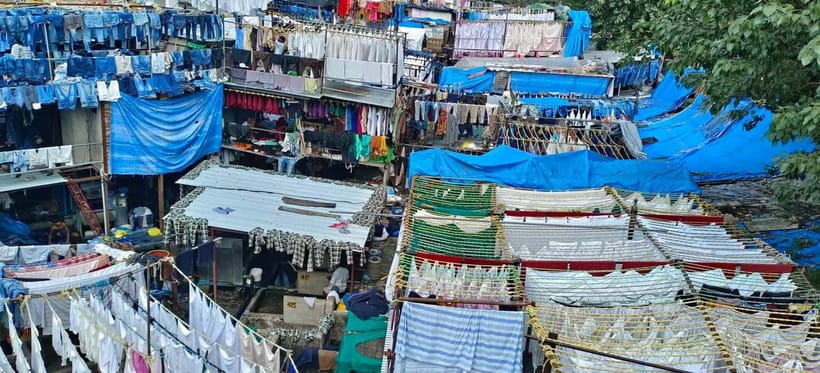
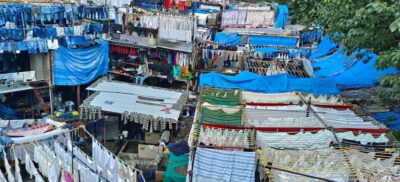
After Dharavi, the tour shifts to Dhobi Ghat, the city’s largest open-air laundry facility. The tour describes it as the world’s largest open laundry and also emphasizes its reputation with foreign travelers—so expect a place that’s become both practical and well-known.
Here’s what makes Dhobi Ghat different from Dharavi as a viewing experience: it’s active. You’re not looking at a neighborhood only through a residential lens. You’re watching a working system. Clothes handling, washing routines, and the overall rhythm of labor all create a “this is how the city runs” feeling.
A couple notes to keep your expectations realistic:
- If you’re hoping to spend lots of time inside the laundry spaces, you might want more.
- The emotional tone can be complex. Even when you’re impressed, it can also make you think about labor, visibility, and why the world comes to watch.
In short: Dhobi Ghat is famous for a reason, but it still needs you to slow down and notice the process, not just the spectacle.
More visits to the open-air laundry at Mahalaxmi
- Mumbai: Dhobi Ghat Laundry and Dharavi Slum Tour with Local
★ 5.0 · 469 reviews - Mumbai: Dharavi Slum and Dhobi Ghat Laundry Tour
★ 5.0 · 317 reviews - Private Combo Tours Sightseeing + Dharavi Slum + Dhobi Ghat & Dabbawalas
★ 5.0 · 245 reviews - Dharavi, Dhobighat, and Mumbai Dabbawallas
★ 5.0 · 168 reviews - Dabbawala, Dhobi Ghat & Dharavi slum Tour with Local Train Ride
★ 5.0 · 102 reviews - Mumbai: Dharavi Slum Tour with Dhobi Ghat (Open-Air Laundry)
★ 4.8 · 62 reviews
Slumdog Millionaire Filming Spot: Pop Culture Meets Real Streets

The tour adds a cinematic layer by including a place in Dharavi where Slumdog Millionaire was filmed. That doesn’t turn the area into a theme park. Instead, it helps you connect the movie’s imagery to physical streets and real-day life.
If you watched the film, this stop can work like a memory hook. If you didn’t, it can still be valuable because it shows how global media intersects with places that already have their own routines. The point isn’t fame. It’s context—how a recognizable story got filmed inside an area that never stopped being a community.
Price and Value: What About $4.64 Is Really Buying?
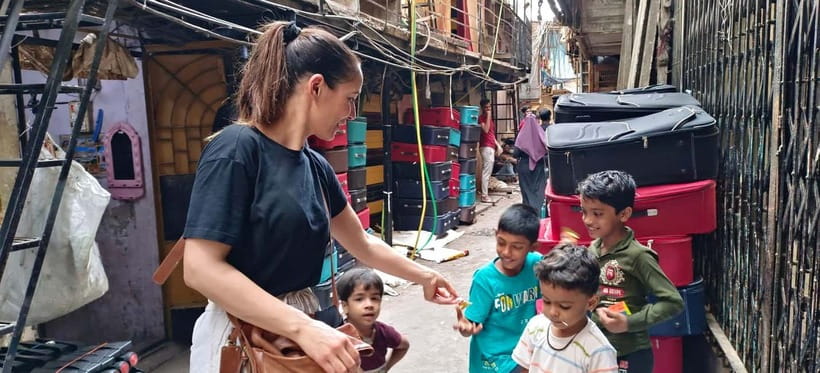
At $4.64 per person for 2.5 hours, the price is startlingly low. What helps you feel good about the value is what’s included: a local English-speaking tour guide, travelling fees, and all entrance, entry tickets and tax.
Even if you treat this as a “budget tour,” don’t ignore the quality signals hidden inside the cost:
- the small group size (up to 9) is typically where value shows up
- access through a local guide matters more than fancy transportation
- the tour covers two major viewing experiences—Dharavi and Dhobi Ghat—without extra day planning
One thing to watch: the low price also means you should be ready for a practical pace. This is not a sit-and-rest style excursion. You’re moving through working areas where your behavior and patience matter.
Comfort, Pace, and the Guide Style: The One Watch-Out
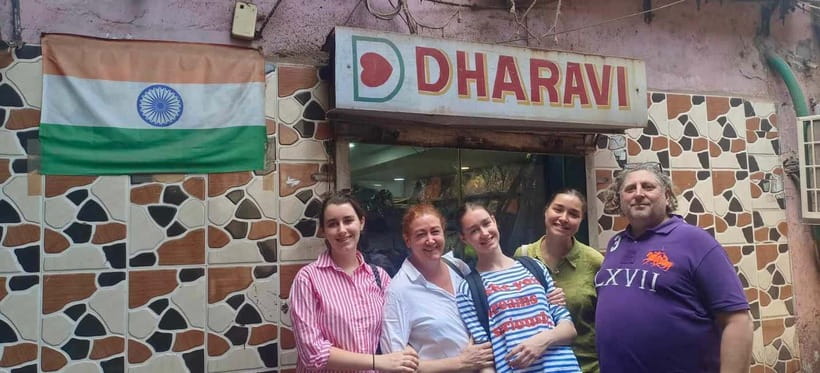
This tour tends to earn high marks for clarity and care, especially when the guide takes time to explain origins, family life, and how work fits into the neighborhood. Names shared with visitors include Fazim and Faizan, and the common thread is that guides explain more than surface facts.
But there’s a real “consideration” here: the guide can be strict about where you stand, what you say, and when you ask questions. That can feel like a teacher’s classroom rules. There’s also mention of sarcasm that may land badly for some people.
How to handle it smoothly:
- ask questions when invited
- keep your voice and gestures calm
- don’t try to treat the area like a photo set
- follow the guide’s stance instructions without arguing
You’ll likely get more out of the experience when you treat it like a respectful conversation.
Who Should Book This Dharavi and Dhobi Ghat Tour
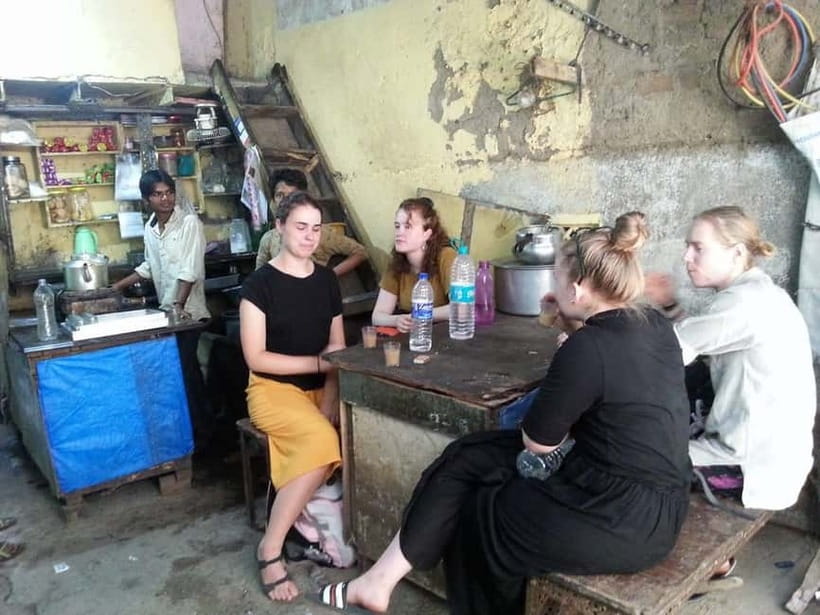
You’ll probably love this if you:
- want to see Mumbai’s complexity beyond postcards
- have questions about how communities function day to day
- like guided storytelling tied to visible work (recycling, textiles, leather, metal)
- value a local insider perspective more than large sightseeing stops
It also works well for first-time visitors who want one strong “reality check” day. If your travel style is mostly shopping malls and viewpoints, this may feel too human and too serious.
Final Decision: Should You Book It?
I’d book this if you want a tour that tries to correct misconceptions with real-life context, and if you’re ready to follow a local guide’s pace and rules. The best part is the access: Dharavi through resident eyes and Dhobi Ghat as a working laundry, plus a Slumdog Millionaire connection that keeps the story from becoming one-note.
If you’re sensitive to strong emotions, uncomfortable with seeing labor in action, or you strongly prefer long time inside each stop, you might feel rushed—especially at Dhobi Ghat.
FAQ
How long is the tour?
The tour duration is 2.5 hours.
How many people are in a group?
The group size is limited to 9 participants.
What language is the tour guide?
The tour is offered with a live English-speaking guide.
What’s the meeting point?
Meet at Third wave coffee Mahim, opposite Mahim junction/station west.
Is tuk tuk rickshaw service allowed at the meeting point?
The information says tuk tuk rikshaw is not allowed at the meeting point.
What is included in the tour price?
It includes a local English-speaking tour guide, travelling fees, and all entrance/entry tickets and tax.
Is the tour safe to visit?
The tour description states that it is completely safe to visit inside and around, and that visits are done by a residence/local.
Can I cancel for a refund?
Yes. You can cancel up to 24 hours in advance for a full refund.
Is payment flexible when booking?
Yes. It offers reserve now & pay later, so you can book without paying immediately.
More Mumbai, Every Kind of Day
- Dharavi slum tour in Mumbai by Female tour guides of the slum
★ 5.0 · 1,976 reviews - Mumbai: Full-Day Sightseeing Tour of Mumbai
★ 4.9 · 1,822 reviews - Private Mumbai Sightseeing Tour (Traveller’s Choice Award Winner)
★ 5.0 · 1,565 reviews - Elephanta Caves & Island Guided Private Tour
★ 5.0 · 1,327 reviews
Dhobi Ghat from a Few More Angles
- Mumbai: Dharavi Slum, DhobiGhat, and Dabbawallas Tour
★ 4.9 · 689 reviews - Mumbai: Dhobi Ghat Laundry and Dharavi Slum Tour with Local
★ 5.0 · 469 reviews - Mumbai: Dharavi Slum and Dhobi Ghat Laundry Tour
★ 5.0 · 317 reviews - Private Combo Tours Sightseeing + Dharavi Slum + Dhobi Ghat & Dabbawalas
★ 5.0 · 245 reviews
Dharavi, Told by Its Residents
- Dharavi slum tour in Mumbai by Female tour guides of the slum
★ 5.0 · 1,976 reviews - Mumbai: Dharavi Slum, DhobiGhat, and Dabbawallas Tour
★ 4.9 · 689 reviews - Dharavi Slum Tour
★ 5.0 · 625 reviews - Dharavi Slum tour in Mumbai by local resident
★ 5.0 · 572 reviews
New on the Mumbai shortlist



Dharavi Community Walks, compared.
 ★ 5.0Dharavi slum tour in Mumbai by Female tour guides of the slumFrom $91,976 reviews
 ★ 4.9Dharavi Slum, DhobiGhat, and Dabbawallas TourFrom $14689 reviews
 ★ 5.0Dharavi Slum TourFrom $20625 reviews
 ★ 5.0Dharavi Slum tour in Mumbai by local residentFrom $4572 reviews
 ★ 4.9Dharavi Slum Slumdog Millionaire Tour with a LocalFrom $10529 reviews
 ★ 5.0Mumbai Slum Tour – Visit Dharavi Slum with Local GuideFrom $5509 reviews
 ★ 5.0Dhobi Ghat Laundry and Dharavi Slum Tour with LocalFrom $4469 reviews
 ★ 5.02-Hour Guided Tour of DharaviFrom $22359 reviews
Browse the lists this tour appears in