
Review · DHARAVI COMMUNITY WALKS
Mumbai: Private Dhobi Ghat Laundry & Slum Tour with Pickup
Mumbai’s laundry day has a story. This private tour pairs Dhobi Ghat’s open-air laundry work with a guided visit to Dharavi, so you see how Mumbai actually runs, not just what films show. I especially like the way the experience ties daily routines to real people, whether it’s washermen and women shifting through the day at Dhobi Ghat or residents showing how life unfolds in Dharavi.
The other big reason to book is the local guide perspective—including guides like Alkama and Mohammad—because you’re there to understand Dharavi beyond stereotypes and assumptions. The one drawback to plan for is emotional heaviness: you’ll witness hard work and tough realities, so it helps to go in with a steady mindset and a respectful, patient attitude.
In This Review
- Key highlights
- Dhobi Ghat’s Laundry Rhythm: More Than a Photo Stop
- A Local English Guide Makes Dharavi Understandable
- Inside Dharavi: Homes, Play, Work, and Community Life
- The Industries of Dharavi: Plastic, Leather, Garments, Metal
- Slumdog Millionaire Footsteps: Seeing the Film Connection in Context
- Getting There: Pickup and the Local-Travel Choice
- Price and Value at $19: What You’re Paying For
- Practical Tips for a Respectful, Comfortable Visit
- Should You Book This Dhobi Ghat and Dharavi Tour?
- FAQ
- What does the tour include?
- Will I visit both Dhobi Ghat and Dharavi?
- What languages are available?
- Is there a local guide and is it private?
- Is it safe to visit Dharavi on this tour?
- Can I reserve now and pay later?
Key highlights
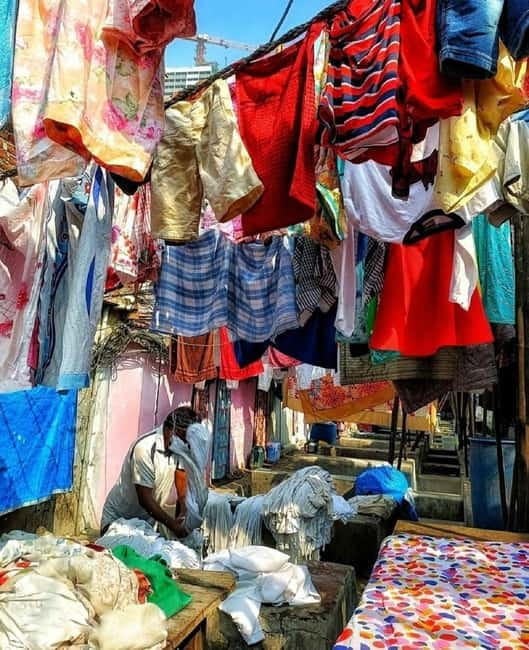
- Dhobi Ghat, world-class open-air laundry: Over a century in operation and described as the world’s largest open-air laundry.
- Local English-speaking guides (Alkama, Mohammad): Clear explanations of daily life and work, with thoughtful pacing.
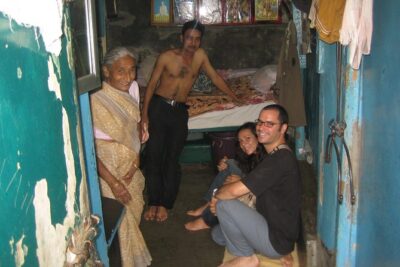
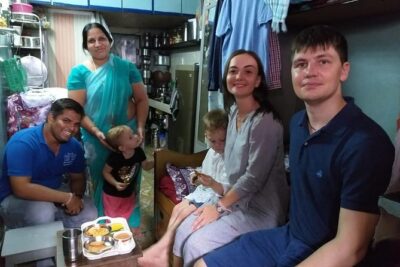
- Dharavi inside access via residents: You see homes, where families live, and how community life continues alongside work.
- Industries you can actually point to: Plastic recycling, leather work, garment/textile production, and metal work.
- A Slumdog Millionaire filming stop: You visit a place tied to the movie shot inside Dharavi.
Dhobi Ghat’s Laundry Rhythm: More Than a Photo Stop
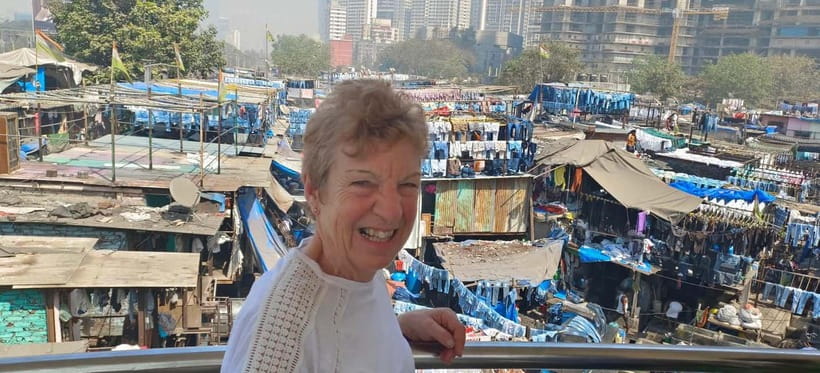
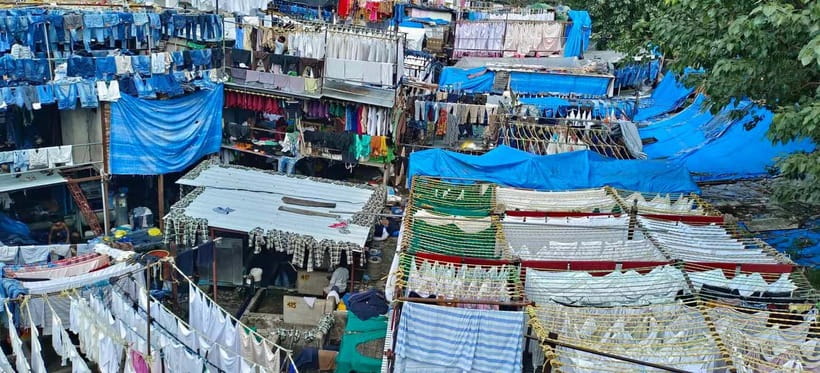
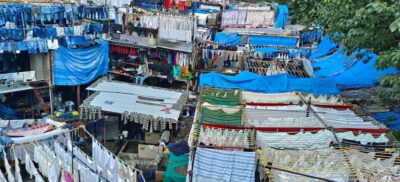
Dhobi Ghat is the kind of place that makes you slow down without realizing it. The idea is simple but powerful: you’re watching open-air laundry work that has been running for more than a century, and it’s described as the world’s largest open-air laundry. Instead of tourists imagining how laundry might work, you see it as a daily system, with people, timing, and repeat routines.
What I like most is how the tour frames Dhobi Ghat as infrastructure. It’s not only washing clothes. It’s a service that supports the city, including dirty clothes brought in from across Mumbai by hotels, hospitals, hostels, and more. Hundreds of washermen and women, called dhobis, work shifts through the day so clothes can return clean and crisp. That shift-based rhythm helps you understand Dhobi Ghat as labor with skill, not a spectacle.
For your planning, the main thing to expect is a working environment. So come with practical expectations: you’ll be standing and walking while you observe, and you’ll want to be considerate about space and movement. If you like real-world city services—markets, workshops, working ports—this first stop sets the tone in a way that feels honest.
Potential drawback: because it’s active and open-air, it can feel busy in both sound and activity. If you’re sensitive to crowded, noisy settings, you may want to bring a little extra patience and keep your camera ready but not dominant.
A Local English Guide Makes Dharavi Understandable
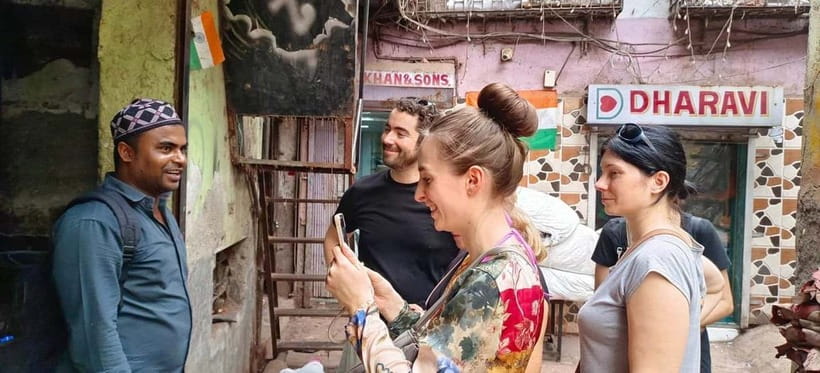
Once you move toward Dharavi, the experience changes shape. Here’s the point of the tour: it aims to dispel the ideas people carry about Dharavi. You’re not being asked to treat the slum as a curiosity. You’re guided through daily life as it’s lived, with an emphasis on what’s shared in the community—where people live, where children play, where families relax, and where work happens.
This is where the guide matters a lot. From the experience, guides like Alkama and Mohammad stand out for how they communicate and how they balance the hard sides and the human sides without turning either into a caricature. You get an explanation of what’s going on and why, not just a list of sights.
You’ll also appreciate the local access approach. The tour is described as being completely safe to visit inside and around Dharavi, and it says you’ll visit only by residents, because the guides are locals. That framing affects how you move through the area. It feels less like wandering and more like being shown around with the right context.
One more important note for your mindset: this isn’t about ignoring hardship. It’s about seeing how people build stability and community inside conditions most outsiders never have to face. That shift in perspective is what makes the tour stick with you.
Other Dharavi walks led by people who live there



Inside Dharavi: Homes, Play, Work, and Community Life
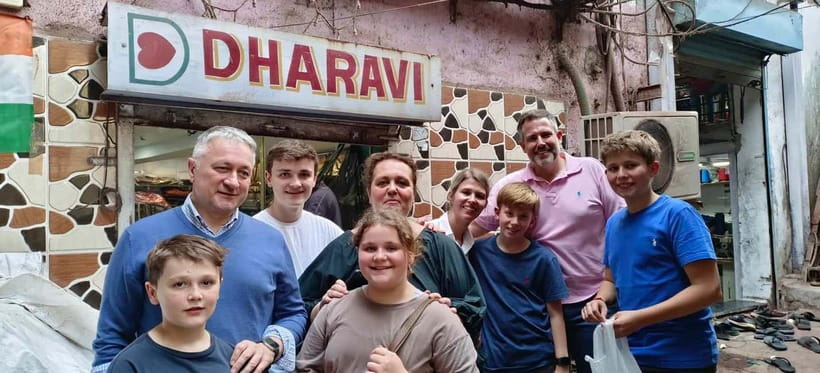
Dharavi is often discussed in sweeping terms, which is exactly why you need this type of guided walk. On this tour, you’re set up to see the place as a functioning neighborhood: you’ll look at where people stay, where family life happens, and how daily routines continue around work.
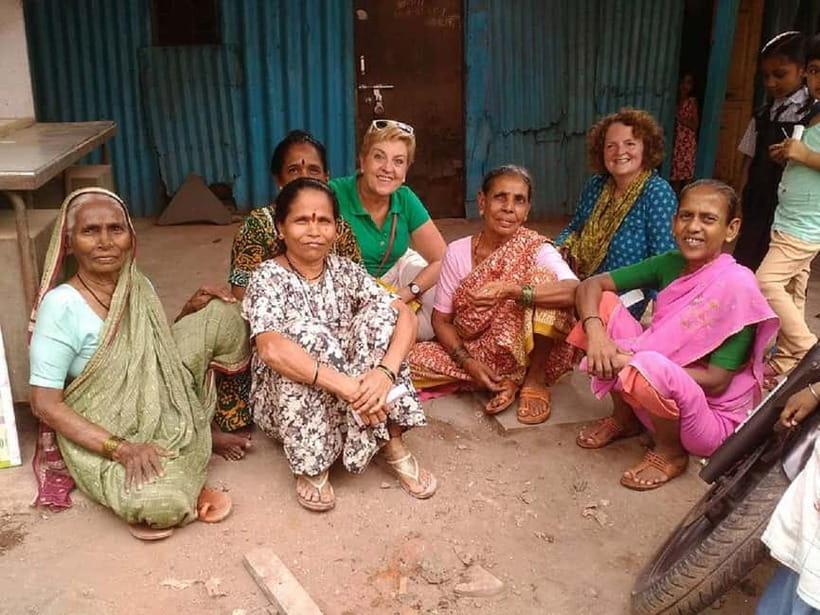
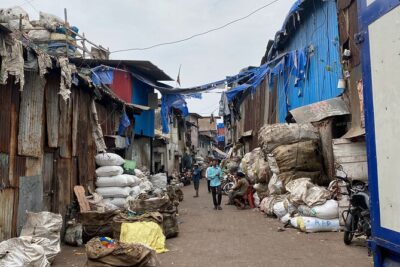
The experience is structured around everyday spaces. You’ll notice where people live and move, where children play, and where people pause to relax. You’ll also see the business side of life: where production happens, where materials are handled, and where trades connect to income.
The tour also highlights that Dharavi is not just one thing. The information provided points to multiple industries running side by side—plastic recycling, leather, garment/textile, and metal work among others. That matters because it changes how you think about “poverty.” In your head, it often becomes a dead end. Here, you see it as a hard launchpad into practical work, trade skills, and constant problem-solving.
You should also be ready for the emotional texture. Many visitors come expecting shock. What you’re more likely to feel is a mix of humility and realism. That can be hard, but it’s also the reason the tour can correct your assumptions fast.
The Industries of Dharavi: Plastic, Leather, Garments, Metal
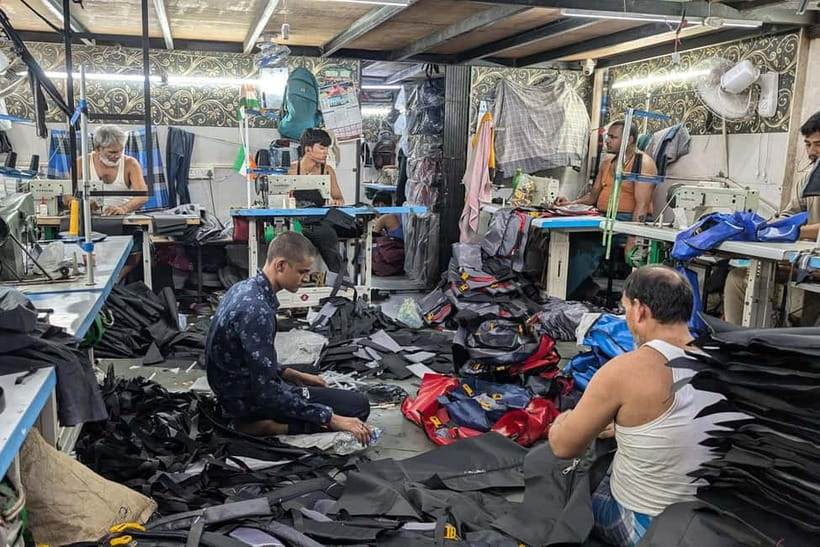
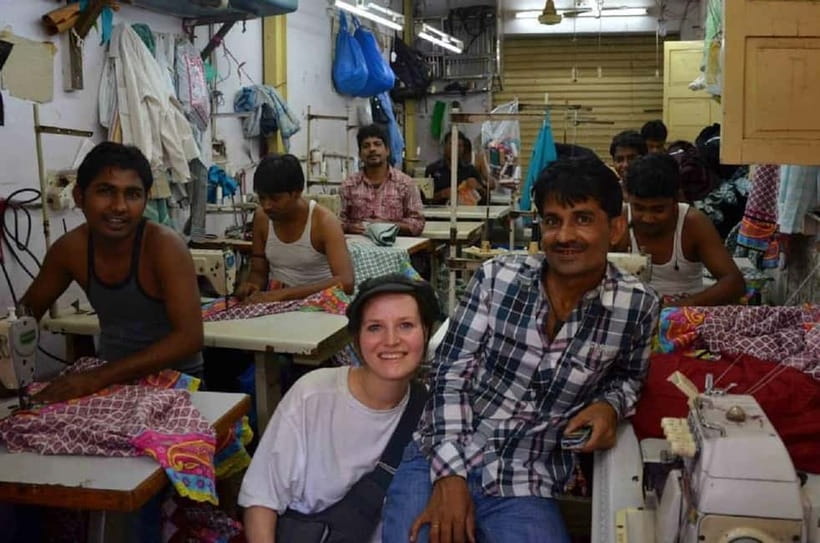
One of the strongest parts of this tour is that the guide shows you work you can recognize. The tour description calls out specific industry areas, including plastic recycling, leather work, garment/textile production, and metal-related activities. You don’t just hear that people work. You see what kinds of work they do and what it takes to keep materials and products moving.
Why this matters for you: it turns Dharavi from a label into a system. When a place produces goods and manages material flows, it has skills embedded in daily life. You start to understand how income can come from processing, repairing, sorting, and producing—work that outsiders might never connect to a slum image.
It’s also mentioned that Dharavi’s yearly income is about 1 billion US dollars. That single detail should reshape your thinking. It doesn’t erase hardship, but it does explain why the neighborhood has energy, competition, and problem-solving. It’s not only surviving. It’s operating.
Practical tip: if you’re the type who likes to ask questions, this is where you can. Bring curiosity about how jobs connect to family life. Guides on this tour tend to handle tough questions with clear, calm explanations, including giving mature reflections on both the difficult and the good.
Slumdog Millionaire Footsteps: Seeing the Film Connection in Context
The tour includes a stop tied to the movie Slumdog Millionaire—specifically, a place where the film was filmed inside Dharavi. That’s an eye-opener for two reasons.
First, it helps you separate memory from reality. You’ve seen scenes shaped by cinema storytelling, which can compress life into dramatic moments. Being in the actual area gives you a sense of how filming locations fit into real routines, not just staged scenes.
Second, it reinforces the tour’s goal to break stereotypes. A film connection can tempt you to turn Dharavi into a set. This tour tries to do the opposite: it uses that connection as a starting point, then pulls you back into daily life—work, homes, and community spaces—so you understand what’s real underneath the movie framing.
If you’re a movie fan, you’ll likely enjoy spotting how the filming reference fits into the neighborhood layout. If you’re not, the stop still matters because it keeps the tour grounded in what the place actually is.
More visits to the open-air laundry at Mahalaxmi
- Mumbai: Dhobi Ghat Laundry and Dharavi Slum Tour with Local
★ 5.0 · 469 reviews - Mumbai: Dharavi Slum and Dhobi Ghat Laundry Tour
★ 5.0 · 317 reviews - Private Combo Tours Sightseeing + Dharavi Slum + Dhobi Ghat & Dabbawalas
★ 5.0 · 245 reviews - Dharavi, Dhobighat, and Mumbai Dabbawallas
★ 5.0 · 168 reviews - Dabbawala, Dhobi Ghat & Dharavi slum Tour with Local Train Ride
★ 5.0 · 102 reviews - Mumbai: Dharavi Slum Tour with Dhobi Ghat (Open-Air Laundry)
★ 4.8 · 62 reviews
Getting There: Pickup and the Local-Travel Choice
This is a private tour with hotel pickup and drop-off, plus entrance fees and a water bottle included. That combo sounds small, but it matters in Mumbai, where time and logistics can eat up your energy. A private setup helps you spend your attention on the experience instead of hunting down transit and entrances.
One practical plus from real usage of this tour is flexibility in how you move. In at least one case, the tour went by local train instead of staying in a car after discussion with the guide. That kind of choice can add value because it brings you into local rhythm, not just driver rhythm.
What you should do: ask your guide what route they recommend based on your pace. If you prefer less walking and smoother comfort, ask for a calmer plan. If you want a bit more local texture, ask whether a train option is practical for your day.
Also remember: Dhobi Ghat is open-air, and Dharavi involves close walking with crowds sometimes nearby. Wear comfortable shoes and keep your daypack light. You’ll be glad you did when the surfaces and steps don’t match the smoothness of a museum walkway.
Price and Value at $19: What You’re Paying For
At about $19 per person, the tour pricing can feel almost too good for the package: private tour, English-speaking local guide, hotel pickup and drop-off, entrance fees, and water bottle. The value comes from the combination of access and interpretation.
You’re not just paying for two locations. You’re paying for guided context that can help you understand what you’re seeing and avoid turning real lives into stereotypes. Guides like Alkama and Mohammad are highlighted for communication and the way they handle both difficult and hopeful angles. That kind of framing can be worth more than you’d expect.
Here’s the balanced part: you’ll only get value if you approach it with the right mindset. If you want only pretty scenery or a quick checklist of facts, you may find the subject matter heavy. If you’re curious about how Mumbai works and how communities build life under pressure, this price can be a smart deal.
Booking flexibility is also part of the value picture. The tour offers reserve and pay later, which helps if your Mumbai schedule might change. And cancellations are offered up to 24 hours in advance for a full refund, which reduces the risk if something comes up.
Practical Tips for a Respectful, Comfortable Visit
You can make this tour better for yourself and for the people you meet with a few simple habits.
First, keep your questions respectful and specific. This tour is about real daily work and neighborhood life. Ask what a process involves, or what a routine looks like, instead of asking intrusive questions that reduce people to labels.
Second, manage expectations about emotions. You’ll be shown areas of work and community life that can feel shocking. Try not to race through. A slower pace helps you process what you see.
Third, think about photography. The tour description doesn’t spell out photo rules, so use common sense: ask before taking photos and avoid blocking pathways or stopping work for long.
Fourth, dress for comfort. You’ll be outside at Dhobi Ghat and walking in a neighborhood setting in Dharavi. Comfortable shoes are non-negotiable. Light layers can help because open-air settings can shift with weather.
Finally, bring patience. Even with a private guide, the experience depends on how daily life moves. When you treat the tour like a relationship instead of a production line, you’ll get more out of it.
Should You Book This Dhobi Ghat and Dharavi Tour?
If your goal is to see Mumbai as it really functions—through work, community, and daily routines—this tour is a strong choice. The biggest wins are the Dhobi Ghat open-air laundry stop and the guided Dharavi visit designed to correct misconceptions. The fact that it includes pickup, a private local guide in English, and entrance fees at a low price makes it even easier to say yes.
Book it if:
- you like working-city experiences more than postcard sightseeing
- you want local context from guides such as Alkama or Mohammad
- you’re open to a visit that mixes hard realities with community strength
- you want the Slumdog Millionaire filming connection placed into real-life context
Skip it (or approach carefully) if:
- you need only light, low-emotion sightseeing
- you dislike crowded, open-air environments
- you’re not ready to face uncomfortable truths about inequality and labor
If you do book, go in with curiosity and a respectful pace. That’s when this tour becomes more than a list of places.
FAQ
What does the tour include?
It’s a private tour with a local English-speaking guide, hotel pickup and drop-off, all entrance fees, and a water bottle.
Will I visit both Dhobi Ghat and Dharavi?
Yes. The experience includes Dhobi Ghat (the open-air laundry area) and a guided visit to Dharavi.
What languages are available?
The tour is offered in English.
Is there a local guide and is it private?
Yes. It’s a private tour with a local English-speaking tour guide.
Is it safe to visit Dharavi on this tour?
The tour information says it is completely safe to visit inside and around Dharavi, and that visits are done by residents with a local guide.
Can I reserve now and pay later?
Yes. The tour offers reserve and pay later, and you can cancel up to 24 hours in advance for a full refund.
Mumbai on Your Own Terms
- Private Mumbai Sightseeing Tour (Traveller’s Choice Award Winner)
★ 5.0 · 1,565 reviews - Elephanta Caves & Island Guided Private Tour
★ 5.0 · 1,327 reviews - Private Guided Walking Tour in Fort & Colaba
★ 5.0 · 895 reviews - Highlights of South Mumbai Guided Private Tour in AC Vehicle
★ 5.0 · 620 reviews
Dhobi Ghat from a Few More Angles
- Mumbai: Dharavi Slum, DhobiGhat, and Dabbawallas Tour
★ 4.9 · 689 reviews - Mumbai: Dhobi Ghat Laundry and Dharavi Slum Tour with Local
★ 5.0 · 469 reviews - Mumbai: Dharavi Slum and Dhobi Ghat Laundry Tour
★ 5.0 · 317 reviews - Private Combo Tours Sightseeing + Dharavi Slum + Dhobi Ghat & Dabbawalas
★ 5.0 · 245 reviews
Dharavi, Told by Its Residents
- Dharavi slum tour in Mumbai by Female tour guides of the slum
★ 5.0 · 1,976 reviews - Mumbai: Dharavi Slum, DhobiGhat, and Dabbawallas Tour
★ 4.9 · 689 reviews - Dharavi Slum Tour
★ 5.0 · 625 reviews - Dharavi Slum tour in Mumbai by local resident
★ 5.0 · 572 reviews
New on the Mumbai shortlist



Dharavi Community Walks, compared.
 ★ 5.0Dharavi slum tour in Mumbai by Female tour guides of the slumFrom $91,976 reviews
 ★ 4.9Dharavi Slum, DhobiGhat, and Dabbawallas TourFrom $14689 reviews
 ★ 5.0Dharavi Slum TourFrom $20625 reviews
 ★ 5.0Dharavi Slum tour in Mumbai by local residentFrom $4572 reviews
 ★ 4.9Dharavi Slum Slumdog Millionaire Tour with a LocalFrom $10529 reviews
 ★ 5.0Mumbai Slum Tour – Visit Dharavi Slum with Local GuideFrom $5509 reviews
 ★ 5.0Dhobi Ghat Laundry and Dharavi Slum Tour with LocalFrom $4469 reviews
 ★ 5.02-Hour Guided Tour of DharaviFrom $22359 reviews
Browse the lists this tour appears in