
Review · DHARAVI COMMUNITY WALKS
Mumbai: Dhobi Ghat Laundry & Dharavi Slum Tour with a Local
A laundry line can teach you a city. This small-group tour pairs Dhobi Ghat with a hands-on look at life and work in Dharavi, including local stories and a ride on the city’s trains.
I like that Dhobi Ghat is not a “look and leave” stop. You’ll get an actual guided walk through how washing, drying, ironing, and delivery work in the huge outdoor laundry space.
One consideration: you’re visiting a working neighborhood, so expect basic conditions and a bit more walking and standing than you might for other sightseeing tours.
In This Review
- Key things I’d focus on before you book
- Dhobi Ghat: why the world’s largest outdoor laundry isn’t just a spectacle
- Dharavi with a local: daily life, work, and Slumdog filming locations
- Getting around in 3 hours: the rhythm of trains and street navigation
- Guide quality is the whole point here (and the names you’ll hear are telling)
- Price and value: what $9.49 really covers
- What to expect at each stop (and where you should plan your focus)
- Stop 1: Dhobi Ghat (about 1 hour)
- Stop 2: Dharavi (about 2 hours) + local movement
- Respect, comfort, and questions that make the tour better
- Who this tour suits best (and who might want a different plan)
- Should you book this Dhobi Ghat and Dharavi tour?
- FAQ
- How long is the tour?
- What are the main stops on the tour?
- Is the tour guided?
- Is food included?
- What’s included in the price?
- Where do we meet the guide?
- Where does the tour end?
- What’s the group size limit?
- What should I wear?
- Is cancellation free?
- Is this tour suitable for most people?
Key things I’d focus on before you book
- Resident guide perspective: The tour is led by an English-speaking guide from the slum area, not a script-reader.
- Dhobi Ghat, world scale: You’re seeing an outdoor laundry system that draws attention from travelers for a reason.
- Dharavi beyond Slumdog: You’ll visit filming locations tied to the movie, but the emphasis is daily life and work.
- Real small businesses: You’ll see activities like plastic recycling, leather, and garment/textile work.
- Small group size: Max 15 people, which matters when you’re navigating tight streets and public areas.
Dhobi Ghat: why the world’s largest outdoor laundry isn’t just a spectacle
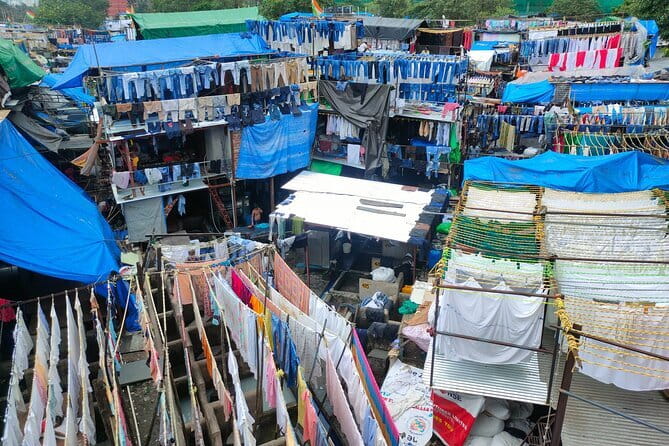
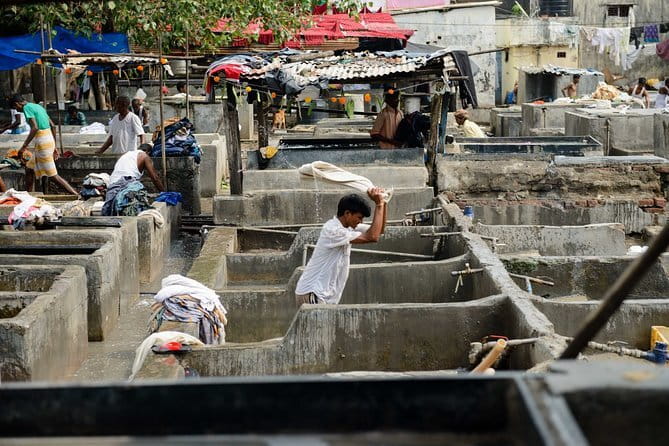
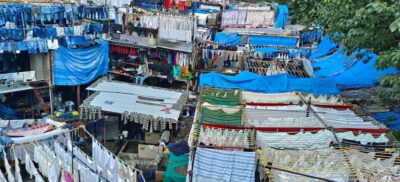
Dhobi Ghat is exactly what it sounds like: a massive outdoor laundry operation where washing is part of the city’s everyday rhythm. Instead of treating it like a photo stop, the tour is structured around how the laundry process works—where clothes are washed, dried, ironed, and how delivery works afterward. That makes the visit more than “wow, that’s big.”
Also, it’s a useful mental reset for Mumbai. You come here expecting tourism sights, and you leave with a practical understanding of how labor and logistics move through a place that’s still very much alive. If you like seeing how things function—rather than only what they look like—this stop is the kind of experience you remember.
The pacing is also friendly: Dhobi Ghat is about one hour, so you’re not stuck for half the day in one location. And because it’s outdoor, comfortable walking shoes really do matter. You’ll be on your feet, and the tour works best when you don’t fight the pace.
Dharavi with a local: daily life, work, and Slumdog filming locations
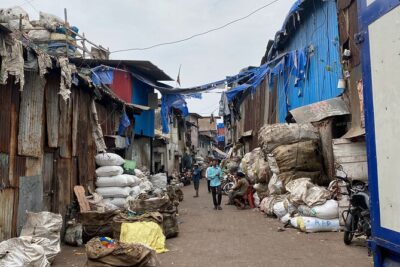
Dharavi is where the tour shifts from “factory sight” to “human neighborhood.” The focus is on daily life in an area with almost one million people, described as the largest slum neighborhood in Asia. That language can sound heavy, but the tour approach is meant to challenge the lazy stereotypes people arrive with.
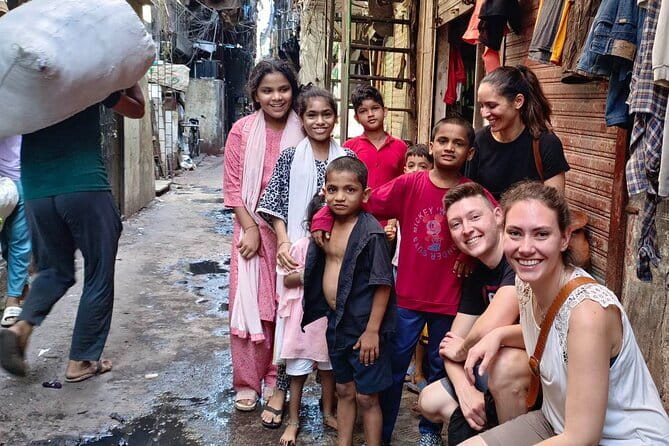
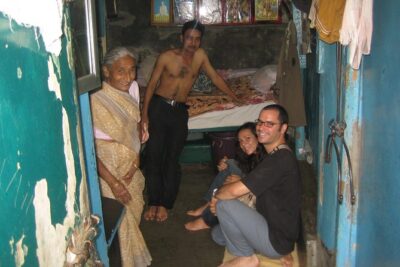
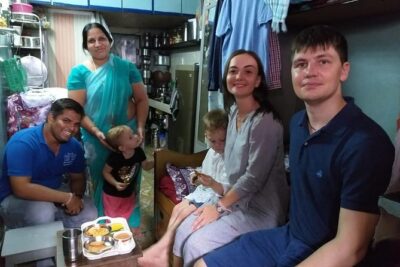
You’ll move through the area to see where families live, where children play, and where people work and relax. The point is not to reduce anyone to poverty statistics. The tour highlights how the community organizes life—home, routines, and everyday social spaces—so you can leave with a more grounded understanding of what’s actually happening on the ground.
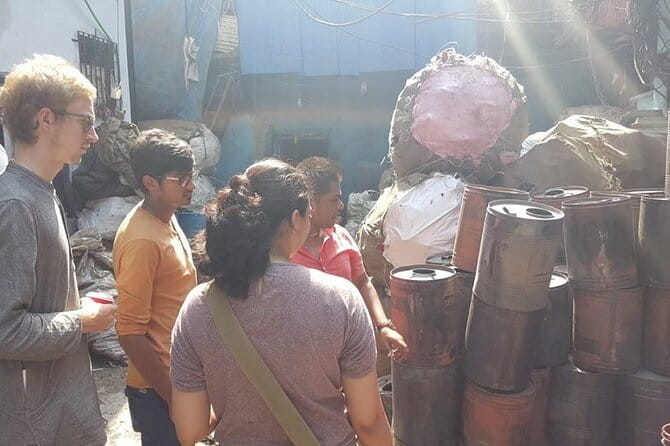
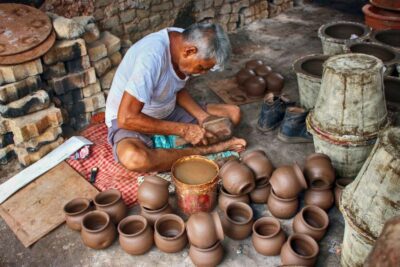
The business side is also part of why this stop feels real. You’ll get to see small-scale industries such as plastic recycling, leather industry, and garment/textile work, plus other local activities. That’s one of the most practical takeaways: you’ll notice that this neighborhood doesn’t run on charity—it runs on work, skills, and customers.
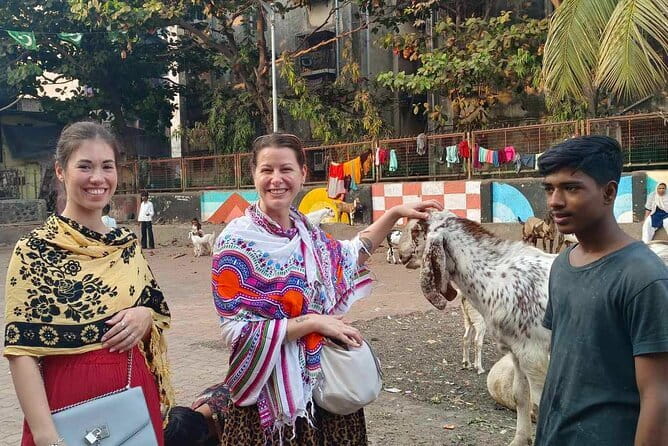
Then there’s the movie connection. The tour includes where Slumdog Millionaire was filmed inside Dharavi, which can be a fun anchor if you know the film. The best part is that it’s not treated like the whole story. You’re using the recognizable reference point to learn the broader context of everyday life around it.
A quick emotional note: this isn’t a theme park version of Dharavi. You’re seeing a working neighborhood, so keep your expectations respectful and realistic. If you go in with a “help or harm” mindset, you’ll likely feel uncomfortable. If you go in with curiosity and a willingness to observe carefully, the experience tends to land well.
Other Dharavi walks led by people who live there



Getting around in 3 hours: the rhythm of trains and street navigation
This tour runs about three hours, and it’s paced like a short, efficient orientation rather than a slow museum crawl. Dhobi Ghat takes around one hour, and Dharavi takes around two hours. The tour also includes time for a local train ride experience, which matters because Mumbai’s movement is part of the culture.
You’ll be navigating active public spaces, and you don’t need to be a fast walker to participate, but you do need to be ready for street-level logistics: crossing busy areas, moving with the group, and paying attention to the guide’s instructions. The tour is designed for people who want the feel of the city, not just postcard views.
One practical upside of the short duration: it’s easier to fit into a Mumbai day without burning your energy. If you’re also planning markets or historical sites, this one works as an “education stop” that doesn’t swallow your whole afternoon.
Guide quality is the whole point here (and the names you’ll hear are telling)
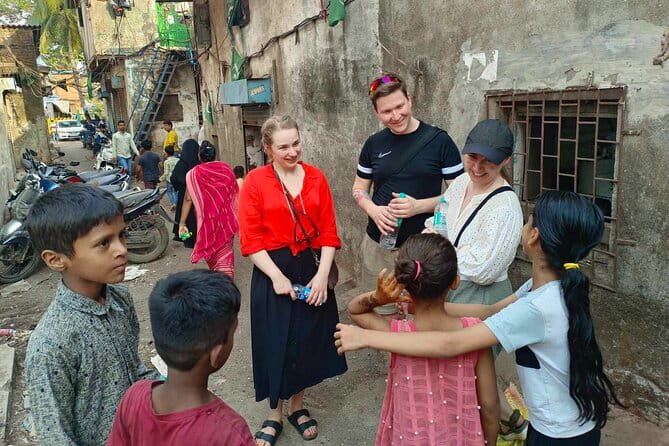
For this kind of tour, the guide isn’t a nice-to-have. It’s the difference between confusing scenes and meaningful context.
This experience uses an English-speaking local guide from the area. In reviews tied to the tour, guides like Zeeshan, Bharti, Rakesh, Faizan, and Alkama come up again and again. The common thread in that praise is not just friendliness—it’s explanation quality and local perspective.
- Zeeshan is highlighted for explaining history and context, and for being from Dharavi, which helps the tour feel grounded instead of secondhand.
- Bharti is described as knowing every corner of the route and guiding with confidence.
- Rakesh is praised for making the tour easy to follow while still showing the most interesting pieces of Dhobi Ghat and the lively neighborhood around it.
- Faizan is noted specifically for touching on working and living conditions with insight from someone who grew up there.
That guide factor also affects safety and comfort. One review mentions how a guide was patient and supportive with a 9-year-old while navigating busy roads and public spaces. You should still expect a lively environment, but a strong local guide can reduce the “where do we stand and where do we go?” stress.
In plain terms: if you’re going to do Dhobi Ghat and Dharavi in one shot, I’d strongly prioritize a tour where the local guide is the star of the show—which is exactly how this one is packaged.
Price and value: what $9.49 really covers
At $9.49 per person for about three hours, this tour is priced like a budget-friendly city experience. But the value comes from what’s included, not the headline number.
Included in the price:
- A local English-speaking guide from the slum
- Traveling fees
- All entrance/entry fees
- A water bottle
Not included:
- Food
When I look at value in a tour like this, I ask: will I pay separately for the guide and entry access if I try to DIY? In this case, you’re buying a guided framework for Dhobi Ghat and Dharavi—plus the local navigation element that’s hard to replicate on your own without spending extra time figuring out logistics.
The tradeoff is typical: there’s no meal. If you’re sensitive to hunger during longer walks, plan a snack before you meet or keep something simple for after.
Also, the group size cap of 15 travelers is part of the value equation. Smaller groups generally mean you can hear instructions, ask questions, and stay together without feeling like you’re in a crowd-control situation.
More visits to the open-air laundry at Mahalaxmi
- Mumbai: Dhobi Ghat Laundry and Dharavi Slum Tour with Local
★ 5.0 · 469 reviews - Mumbai: Dharavi Slum and Dhobi Ghat Laundry Tour
★ 5.0 · 317 reviews - Private Combo Tours Sightseeing + Dharavi Slum + Dhobi Ghat & Dabbawalas
★ 5.0 · 245 reviews - Dharavi, Dhobighat, and Mumbai Dabbawallas
★ 5.0 · 168 reviews - Dabbawala, Dhobi Ghat & Dharavi slum Tour with Local Train Ride
★ 5.0 · 102 reviews - Mumbai: Dharavi Slum Tour with Dhobi Ghat (Open-Air Laundry)
★ 4.8 · 62 reviews
What to expect at each stop (and where you should plan your focus)

Stop 1: Dhobi Ghat (about 1 hour)
You’ll tour the outdoor laundry area and learn how things move through the system—washing, drying, ironing, and the delivery side. Treat this as a “process tour.” Your best experience comes when you pay attention to how the workflow is organized, not just the scale.
Practical focus points:
- Expect a strong sensory environment (it’s an active laundry zone).
- Wear shoes you can stand in.
- Ask your guide to explain the steps, because that’s the main reason this stop isn’t just sightseeing.
Stop 2: Dharavi (about 2 hours) + local movement
This is where the tour aims to challenge stereotypes by showing where people live, work, and spend time with family. You’ll see different types of small industries and get context beyond the movie references.
Practical focus points:
- Keep your eyes open for everyday life: children, gathering areas, and business activity.
- Use the guide to understand what you’re seeing, especially around work and commerce.
- If you’re a Slumdog fan, the filming locations can be a helpful reference point, but don’t treat them like the whole story.
Respect, comfort, and questions that make the tour better
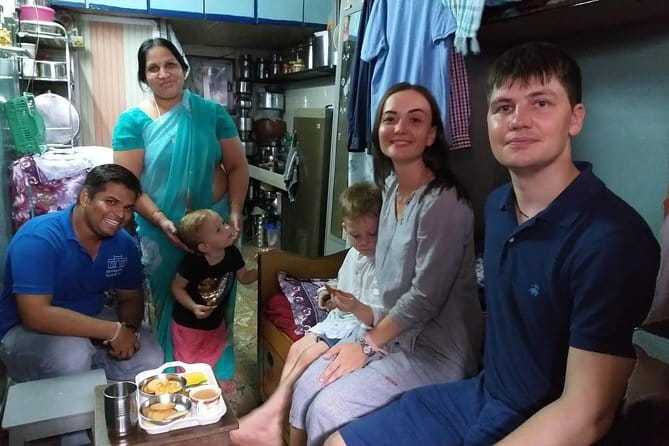
This tour is built around real neighborhoods and real work. That means your attitude matters.
Here are ways you can get more out of it:
- Ask about how things work, not just why they look different from home. The laundry process and local industries are the best “explain it” topics.
- Keep your questions respectful when it comes to living conditions. The goal is understanding, not turning people’s lives into a spectacle.
- Go slow inside crowded spaces. The guide’s job is to move you through safely; your job is to stay flexible.
Comfort tips that are supported by the tour details:
- Wear comfortable walking shoes. You’ll be moving.
- Bring your patience for street-level logistics.
- Use the included water bottle.
If you’re traveling with kids, this can work well because the experience is structured with a guide who can answer questions and keep the group oriented. Still, it’s not a quiet museum. Plan for curiosity and some patience.
Who this tour suits best (and who might want a different plan)
This is a great match if you:
- Want an educational, local-voice experience in Mumbai
- Like understanding daily life systems—laundry, small industry, neighborhood routines
- Want a short tour that still covers two major contrasts in one outing
You might think twice if you:
- Want a relaxing, low-structure sightseeing afternoon
- Don’t like walking through active neighborhoods
- Prefer only “light” tourism without any reality check about work and living conditions
If you’re torn, here’s a simple way to decide: if you’d enjoy learning how a city functions behind the scenes, book it. If you’re only in Mumbai for monuments and scenic views, you’ll likely get more from something else.
Should you book this Dhobi Ghat and Dharavi tour?
I’d book it if your goal is to understand Mumbai through real work and real community life, guided by someone local. The strong guide focus—names like Zeeshan, Bharti, Rakesh, Faizan, and Alkama show up in the tour’s reputation—signals that you won’t just get a random walkthrough.
It’s also a good value call: at $9.49, you’re paying for a guided experience with entries and transportation-related fees handled, plus water. The main downside is also straightforward: it doesn’t include food, and Dharavi is not a comfortable, staged environment.
My decision checklist:
- You’re okay with a short, structured tour that involves walking.
- You want context from a resident guide, not a generic narration.
- You can handle sensitive topics with curiosity and respect.
- You’re willing to eat before or after since food isn’t included.
If those boxes check, this is one of the more meaningful ways to spend a few hours in Mumbai.
FAQ
How long is the tour?
It runs for about 3 hours.
What are the main stops on the tour?
You’ll visit Dhobi Ghat and then go into Dharavi with a local guide.
Is the tour guided?
Yes. You’ll have a local English-speaking tour guide from the slum area.
Is food included?
No, food isn’t included.
What’s included in the price?
The price includes the local guide, traveling fees, entrance/entry fees, and a water bottle.
Where do we meet the guide?
The start point is Third Wave Coffee, Tip Road, Unit no. 58, Ground, Ram Mahal, Senapati Bapat Marg, Marinagar Colony, Station, Mahim, Mumbai, Maharashtra 400016.
Where does the tour end?
The tour ends at Mahalaxmi, K K Road, Mahalakshmi, Mumbai, Maharashtra 400018.
What’s the group size limit?
The maximum group size is 15 travelers.
What should I wear?
Comfortable walking shoes are recommended.
Is cancellation free?
Yes, free cancellation is available up to 24 hours in advance for a full refund.
Is this tour suitable for most people?
Most travelers can participate.
More Mumbai, Every Kind of Day
- Dharavi slum tour in Mumbai by Female tour guides of the slum
★ 5.0 · 1,976 reviews - Mumbai: Full-Day Sightseeing Tour of Mumbai
★ 4.9 · 1,822 reviews - Private Mumbai Sightseeing Tour (Traveller’s Choice Award Winner)
★ 5.0 · 1,565 reviews - Elephanta Caves & Island Guided Private Tour
★ 5.0 · 1,327 reviews
Dhobi Ghat from a Few More Angles
- Mumbai: Dharavi Slum, DhobiGhat, and Dabbawallas Tour
★ 4.9 · 689 reviews - Mumbai: Dhobi Ghat Laundry and Dharavi Slum Tour with Local
★ 5.0 · 469 reviews - Mumbai: Dharavi Slum and Dhobi Ghat Laundry Tour
★ 5.0 · 317 reviews - Private Combo Tours Sightseeing + Dharavi Slum + Dhobi Ghat & Dabbawalas
★ 5.0 · 245 reviews
Dharavi, Told by Its Residents
- Dharavi slum tour in Mumbai by Female tour guides of the slum
★ 5.0 · 1,976 reviews - Mumbai: Dharavi Slum, DhobiGhat, and Dabbawallas Tour
★ 4.9 · 689 reviews - Dharavi Slum Tour
★ 5.0 · 625 reviews - Dharavi Slum tour in Mumbai by local resident
★ 5.0 · 572 reviews
New on the Mumbai shortlist




Dharavi Community Walks, compared.
 ★ 5.0Dharavi slum tour in Mumbai by Female tour guides of the slumFrom $91,976 reviews
 ★ 4.9Dharavi Slum, DhobiGhat, and Dabbawallas TourFrom $14689 reviews
 ★ 5.0Dharavi Slum TourFrom $20625 reviews
 ★ 5.0Dharavi Slum tour in Mumbai by local residentFrom $4572 reviews
 ★ 4.9Dharavi Slum Slumdog Millionaire Tour with a LocalFrom $10529 reviews
 ★ 5.0Mumbai Slum Tour – Visit Dharavi Slum with Local GuideFrom $5509 reviews
 ★ 5.0Dhobi Ghat Laundry and Dharavi Slum Tour with LocalFrom $4469 reviews
 ★ 5.02-Hour Guided Tour of DharaviFrom $22359 reviews
Browse the lists this tour appears in