
Review · DHARAVI COMMUNITY WALKS
Mumbai Dharavi Slum, Dhobi Ghat & Dabbawala Lunchbox Tour
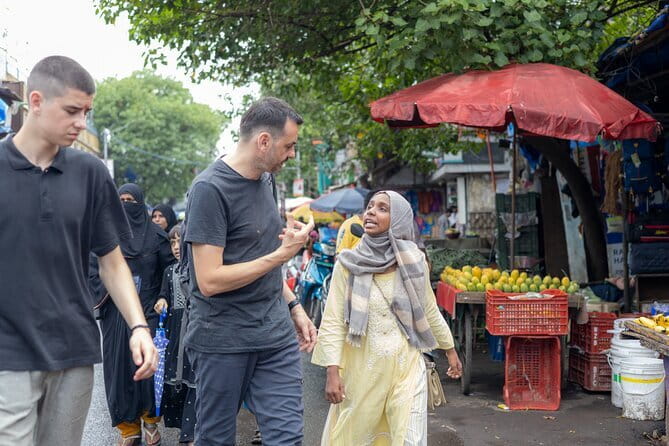
Mumbai moves fast, and this tour makes it make sense. In just 3.5 hours, you’ll connect three very different parts of daily life: the dabbawala meal delivery system, Dhobi Ghat open-air laundry, and a guided walk through Dharavi. I especially like how the experience leans on real explanations from local guides such as Ravi and Subhan, who translate what can look like chaos into clear, working systems.
The one catch: this is a walking-focused outing in active areas, so plan on time on your feet. Bring comfortable shoes, water, and sun protection, and you’ll enjoy it much more.
In This Review
- Three Mumbai Systems in One 3.5-Hour Walk
- Key Highlights That Make This Tour Worth It
- Price and Logistics: What You’re Really Paying For
- Meeting Point and What to Expect on the Ground
- Stop 1: Dabbawala Food and the 40-Minute Delivery System Lesson
- Stop 2: Dhobi Ghat Open-Air Laundry in Action (35 Minutes)
- Stop 3: Dharavi Slum Walk—Workshops, Recycling, and Daily Life
- Respect, Safety, and Photography Without Making It Weird
- Guides Matter: Ravi, Subhan, Jay, and Javed
- Duration and Pacing: Why 3.5 Hours Works
- Who Should Book This Tour (and Who Should Skip It)
- Should You Book the Mumbai Dharavi, Dhobi Ghat & Dabbawala Tour?
- FAQ
- How long is the Mumbai Dharavi, Dhobi Ghat & Dabbawala Lunchbox Tour?
- What does the tour cost?
- What stops will I visit during the tour?
- Is the tour all-inclusive?
- Where does the tour start and end?
- Is the tour in English?
- Will I be walking a lot?
- Is this tour suitable for wheelchair users or limited mobility?
- Are there any rules about what I can’t do?
- What should I bring with me?
Three Mumbai Systems in One 3.5-Hour Walk
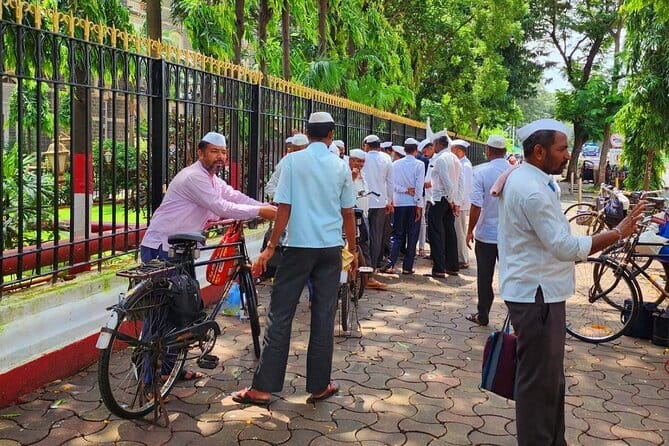
If you only have a short time in Mumbai, this is a smart way to see how the city functions beyond landmarks. The tour takes you through three working worlds that all run on routine, skills, and logistics—just in totally different forms.
The value also feels strong for the price point. At $17 per person with a local guide and local transport included, you’re paying for structure and interpretation. You’re not just looking. You’re learning why people do what they do, from washing clothes in a historic open-air setup to delivering thousands of home-cooked meals each day.
And that’s the real payoff: Mumbai isn’t one story. It’s many systems running at once, side by side.
Key Highlights That Make This Tour Worth It
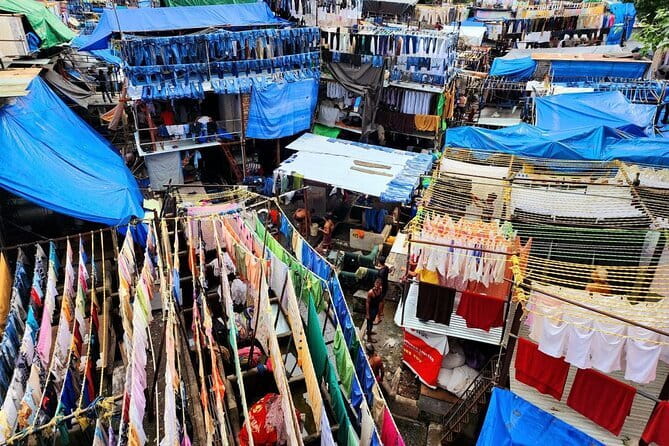
- Dhobi Ghat in action: see the traditional open-air laundry process with dhobis working in a communal space
- Dharavi’s working industries: watch how local production links recycling, pottery, textiles, and leather work
- The dabbawala logistics lesson: understand how meal delivery works with careful sorting and minimal technology
- Guides with local credibility: names like Ravi, Subhan, Jay, and Javed show up in feedback for clear explanations and patience
- Small-group pacing: more time to ask questions and take photos without feeling rushed
Price and Logistics: What You’re Really Paying For
This tour costs $17 per person and lasts about 3.5 hours. The “cheap vs. pricey” question matters less here than what you get bundled into that price.
You’re not only buying a guide. You’re also getting local transport included and guide fees covered. That matters in Mumbai, where even getting between areas can become a time sink. The tour also keeps to a small group size, which usually makes a difference when you’re asking questions in places where context matters.
Two more practical notes:
- No meals and drinks are included, so don’t plan to eat your lunch during the tour.
- You’ll meet and drop off at nearby points—starting around a Burger King and ending around Third Wave Coffee (exact spots can vary by booking).
Bottom line: you’re paying for access + explanation + movement, not for a long, sit-down sightseeing day.
Other Dharavi walks led by people who live there



Meeting Point and What to Expect on the Ground
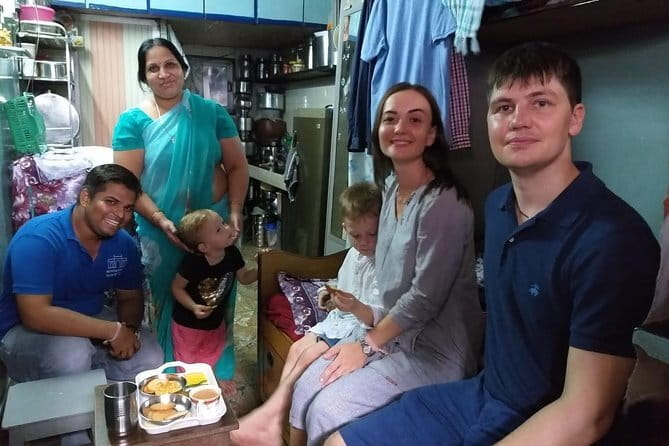
This is a walking tour with multiple stops, so your day will feel more like active neighborhood time than museum time. The tour duration is 3.5 hours, and that includes guided segments at each location.
Plan around:
- Comfortable shoes (non-negotiable)
- Water (you’ll want it)
- Hat and sunscreen for sun exposure
- Camera if you like documenting everyday life (you’re encouraged to bring one)
A few restrictions are also listed:
- No smoking
- No alcohol and drugs
- No littering
If you can handle walking at a steady pace, you’re set.
One more “know before you go” consideration: this tour is not suitable for wheelchair users and isn’t a fit for people with mobility impairments, plus children under 5 aren’t recommended.
Stop 1: Dabbawala Food and the 40-Minute Delivery System Lesson
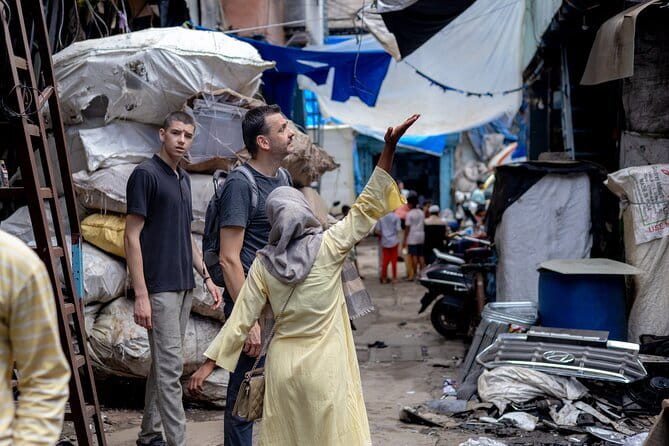
You start with the dabbawala side—then you’ll spend the rest of the tour seeing how Mumbai’s daily operations fit together.
This first guided segment runs about 40 minutes, focused on the lunchbox delivery system. What I like here is that the tour doesn’t treat it like a fun anecdote. It frames it as a serious logistics machine.
You learn:
- how dabbawalas sort and manage deliveries
- how they transport meals
- and how they deliver home-cooked lunches across Mumbai
The key point is the contrast: it’s a system praised for accuracy and efficiency while operating with minimal technology. That’s the kind of information that changes how you look at a city. You stop seeing delivery as “delivery” and start seeing it as a chain of work that depends on skills, timing, and coordination.
If you care about how cities run under the surface—this stop hits the target.
Stop 2: Dhobi Ghat Open-Air Laundry in Action (35 Minutes)
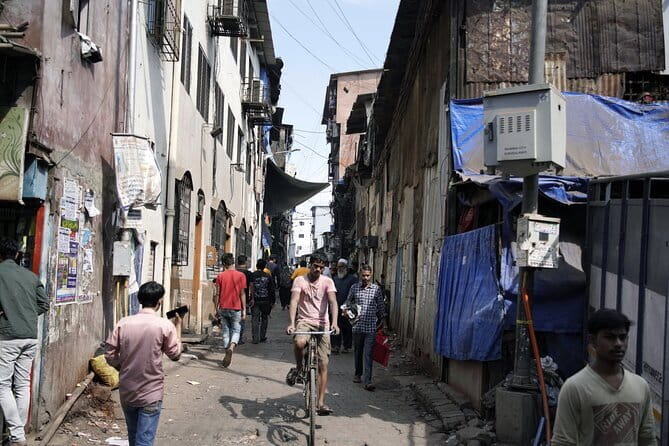
Next comes Dhobi Ghat, with about 35 minutes of guided sightseeing.
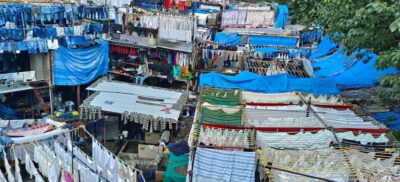
This is one of the most iconic parts of the tour because it’s both historic and alive. The open-air laundry scene has been part of Mumbai for over a century, and you’ll see dhobis working in a communal setting.
What to expect visually:
- lots of washing activity happening at once
- clothes being scrubbed and arranged
- garments hung to dry in an organized flow
It can look chaotic at first glance—big movement, lots of people, tons of cloth. But the guide’s job is to help you understand what you’re seeing. Feedback from guides described this as learning “the order within the apparent chaos,” which is exactly what you want from this kind of visit.
A small drawback to consider: this stop is highly visual, so if you’re uncomfortable around crowds and active labor spaces, keep your expectations grounded. You’re there to observe a working environment.
More visits to the open-air laundry at Mahalaxmi
- Mumbai: Dhobi Ghat Laundry and Dharavi Slum Tour with Local
★ 5.0 · 469 reviews - Mumbai: Dharavi Slum and Dhobi Ghat Laundry Tour
★ 5.0 · 317 reviews - Private Combo Tours Sightseeing + Dharavi Slum + Dhobi Ghat & Dabbawalas
★ 5.0 · 245 reviews - Dharavi, Dhobighat, and Mumbai Dabbawallas
★ 5.0 · 168 reviews - Dabbawala, Dhobi Ghat & Dharavi slum Tour with Local Train Ride
★ 5.0 · 102 reviews - Mumbai: Dharavi Slum Tour with Dhobi Ghat (Open-Air Laundry)
★ 4.8 · 62 reviews
Stop 3: Dharavi Slum Walk—Workshops, Recycling, and Daily Life
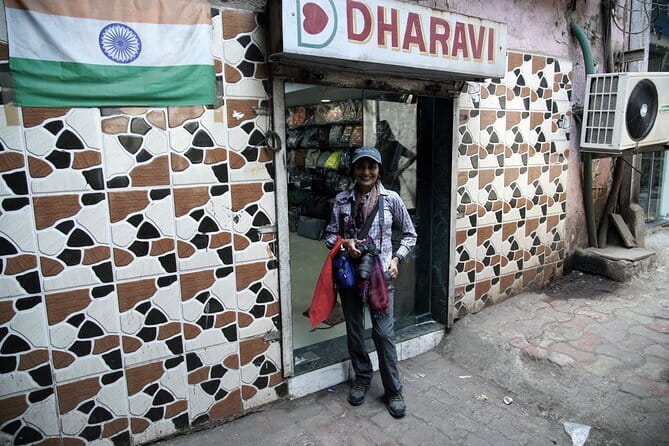
Then you head into Dharavi, with about 1.5 hours for a guided visit. This is the heart of the tour, and it’s also where the tone matters most.
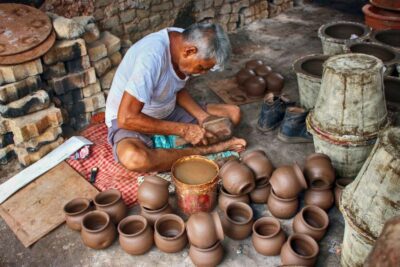
The tour’s framing focuses on resilience and innovation—not on sensational poverty. You walk through tiny lanes and you see local industries operating at small scale. The kinds of work highlighted include:
- recycling
- pottery
- textiles
- leather goods
This is where the tour becomes practical learning. You start to understand that Dharavi isn’t just one type of place. It’s a network of workshops and businesses tied together by skills and daily needs.
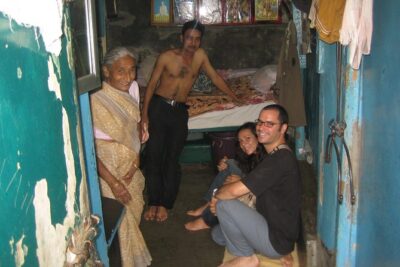
It also helps that the guides often have close connections to the area. Subhan, for example, is described as living in the slums himself, which comes through in the way explanations are delivered. Other guides named include Javed and Jay, with feedback praising their patience and how safe the group feels during the walk.
One more detail I’d encourage you to keep in mind: bring your curiosity, not your assumptions. If you come in expecting a single answer, you’ll miss what makes Dharavi interesting. The tour pushes you toward a more accurate takeaway: people run businesses, build careers, solve problems, and support each other—day after day.
Respect, Safety, and Photography Without Making It Weird
You’ll be in environments where people work and live, not staged attractions. The tour includes rules like no littering and no smoking, and you’ll naturally follow local norms once you’re there.
About photos: the tour encourages bringing a camera, but it doesn’t spell out photo permissions. So use your guide as your guide. If they say where it’s fine to take pictures, follow that. If not, skip it. That keeps the experience respectful and smooth.
Also, remember that some areas are tight and crowded. Your best strategy is simple:
- stay close to your group
- keep your phone and camera ready but not disruptive
- focus on listening during explanations
This is one of those tours where your attitude is part of the ticket price.
Guides Matter: Ravi, Subhan, Jay, and Javed

This tour’s success story is the people leading it. The feedback you provided highlights guides who don’t just recite facts. They answer questions. They slow down when needed. They make sure you feel comfortable and safe.
Names that stand out:
- Ravi for polite, friendly, highly knowledgeable explanations (especially turning the Dhobi Ghat workflow into something you understand)
- Subhan for deep local insights and a calm, organized feel to the walk through Dharavi
- Jay and Javed for being helpful, answering lots of questions, and explaining how the slum is organized in everyday life
You can take this as a simple planning tip: choose the departure time that suits you, but also show up ready with questions. If you ask about how deliveries stay on schedule, how laundry gets organized, or how small workshops connect in Dharavi, you’ll get more out of the tour fast.
Duration and Pacing: Why 3.5 Hours Works
At 3.5 hours, the tour is long enough to learn meaningful context but short enough that you won’t feel stuck in one place all day.
The pacing is built around three segments:
- 40 minutes for the dabbawala system
- 35 minutes for Dhobi Ghat
- 1.5 hours for Dharavi walk time
That structure helps you compare systems. Laundry is labor-heavy and physical. Meal delivery is logistics-heavy. Dharavi is industry-heavy and business-driven. By the end, you’ll have a mental map of how Mumbai “runs” across different neighborhoods.
Who Should Book This Tour (and Who Should Skip It)
I’d book this if you:
- want a short, high-context Mumbai experience
- enjoy learning how real-world systems work
- like seeing daily life rather than only famous sights
- don’t mind walking in sun and active areas
I’d skip it if you:
- use a wheelchair or need mobility accommodations (not suitable)
- have difficulty with lots of walking
- are traveling with children under 5 (not recommended)
For first-time visitors who want more than the usual photo spots, this is a strong fit.
Should You Book the Mumbai Dharavi, Dhobi Ghat & Dabbawala Tour?
Yes, if your goal is understanding Mumbai’s daily engine. This tour ties together three iconic—and very different—ways people solve practical problems. The dabbawala stop teaches how order happens. Dhobi Ghat shows work that’s still alive. Dharavi shows industry and entrepreneurship that’s easy to misunderstand if you only see headlines.
Before you go, do the simple prep that protects your experience:
- wear comfortable walking shoes
- bring water plus sunscreen and a hat
- plan for a walking day, not a casual stroll
- bring a camera, but follow your guide’s cue for respectful photos
If you want a Mumbai tour that’s active, real, and built around systems you can actually grasp in a few hours, this one makes sense.
FAQ
How long is the Mumbai Dharavi, Dhobi Ghat & Dabbawala Lunchbox Tour?
It lasts about 3.5 hours.
What does the tour cost?
The price is $17 per person.
What stops will I visit during the tour?
You’ll visit Dhobi Ghat, Dharavi, and the dabbawala lunchbox meal delivery system.
Is the tour all-inclusive?
The tour includes a local guide and local transport is included, but meals and drinks are not included.
Where does the tour start and end?
The meeting point can vary by option booked, and the drop-off is at Third Wave Coffee. The starting point is listed as Burger King (with options that may vary).
Is the tour in English?
Yes, the live tour guide speaks English.
Will I be walking a lot?
Yes. It’s a walking tour with multiple neighborhood stops, so comfortable shoes are important.
Is this tour suitable for wheelchair users or limited mobility?
No. It is not suitable for people with mobility impairments or wheelchair users.
Are there any rules about what I can’t do?
Smoking is not allowed. Alcohol and drugs are not allowed. Littering is not allowed.
What should I bring with me?
Bring comfortable shoes, a hat, a camera, sunscreen, and water.
The Dabbawala Route, Continued
- Mumbai: Dharavi Slum, DhobiGhat, and Dabbawallas Tour
★ 4.9 · 689 reviews - Private Combo Tours Sightseeing + Dharavi Slum + Dhobi Ghat & Dabbawalas
★ 5.0 · 245 reviews - Dharavi, Dhobighat, and Mumbai Dabbawallas
★ 5.0 · 168 reviews - Dabbawala, Dhobi Ghat & Dharavi slum Tour with Local Train Ride
★ 5.0 · 102 reviews
Dhobi Ghat from a Few More Angles
- Mumbai: Dharavi Slum, DhobiGhat, and Dabbawallas Tour
★ 4.9 · 689 reviews - Mumbai: Dhobi Ghat Laundry and Dharavi Slum Tour with Local
★ 5.0 · 469 reviews - Mumbai: Dharavi Slum and Dhobi Ghat Laundry Tour
★ 5.0 · 317 reviews - Private Combo Tours Sightseeing + Dharavi Slum + Dhobi Ghat & Dabbawalas
★ 5.0 · 245 reviews
Dharavi, Told by Its Residents
- Dharavi slum tour in Mumbai by Female tour guides of the slum
★ 5.0 · 1,976 reviews - Mumbai: Dharavi Slum, DhobiGhat, and Dabbawallas Tour
★ 4.9 · 689 reviews - Dharavi Slum Tour
★ 5.0 · 625 reviews - Dharavi Slum tour in Mumbai by local resident
★ 5.0 · 572 reviews
New on the Mumbai shortlist




Dharavi Community Walks, compared.
 ★ 5.0Dharavi slum tour in Mumbai by Female tour guides of the slumFrom $91,976 reviews
 ★ 4.9Dharavi Slum, DhobiGhat, and Dabbawallas TourFrom $14689 reviews
 ★ 5.0Dharavi Slum TourFrom $20625 reviews
 ★ 5.0Dharavi Slum tour in Mumbai by local residentFrom $4572 reviews
 ★ 4.9Dharavi Slum Slumdog Millionaire Tour with a LocalFrom $10529 reviews
 ★ 5.0Mumbai Slum Tour – Visit Dharavi Slum with Local GuideFrom $5509 reviews
 ★ 5.0Dhobi Ghat Laundry and Dharavi Slum Tour with LocalFrom $4469 reviews
 ★ 5.02-Hour Guided Tour of DharaviFrom $22359 reviews
Browse the lists this tour appears in