

Review · DHARAVI COMMUNITY WALKS
Dharavi Slum Tour in Public Transportation
Dharavi hits you fast, in a good way. This 2-hour guided walking tour takes you through working streets, small industries, and daily community life in one of Mumbai’s best-known industrial neighborhoods, with public transportation built into the plan. I love how the tour focuses on what people make and how materials get reused, not just what the place looks like.
Two things I especially liked were the chance to see the recycling area process up close and the rooftop view of the tin hutments stretching across the neighborhood. I also liked that the guide leads you through both commercial and residential areas, so you don’t just pass by storefronts and call it a day.
One possible drawback: it’s a walking experience, and the tour requires good weather. If you’re sensitive to crowds, close quarters, or industrial smells, plan to go with the right mindset and comfortable shoes.
In This Review
- Key highlights you’ll remember
- Why this Dharavi tour is about real work, not just a photo
- Price and what $26 actually covers
- The public transportation piece (and why it’s more than logistics)
- Inside the 2-hour guided walk: what you actually do
- Stop focus: the recycling area and the plastic pellets
- Industries you’ll spot: leather, pottery, soap, bakery, and dye work
- Rooftop visit: the tin hutments viewpoint
- Community centre stop and mixed religious life
- How the guide shapes the experience (Rakesh is a standout)
- Expectations and respectful behavior that actually help
- Who should book this tour, and who might want something different
- Should you book the Dharavi Slum Tour in Public Transportation?
- FAQ
- How long is the Dharavi Slum Tour?
- Is pickup and drop-off included?
- What transportation is used during the tour?
- What’s included in the price?
- Are meals included?
- What happens if the weather is poor?
- Should you book this tour?
Key highlights you’ll remember
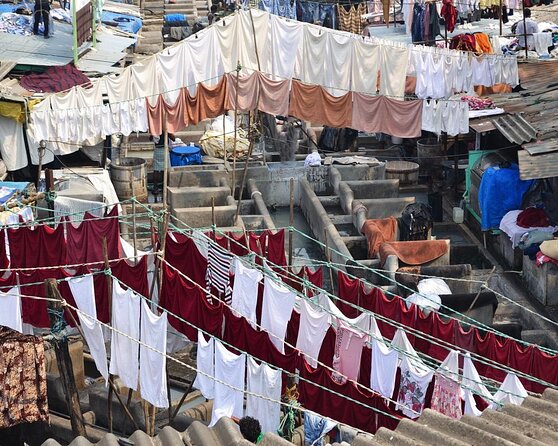
- See plastic recycling end-to-end, from sorting to finished plastic pellets
- Rooftop tin hutments visit for one of the most striking viewpoints on the route
- Working industries on the same circuit: leather, pottery, soap-making, bakery, dye work
- A community-centre stop that adds context beyond manufacturing
- Pickup, drop-off, and refreshments, so you spend less energy figuring logistics
- Rely on local transport (taxi, train, and bus) for an on-the-ground feel
Why this Dharavi tour is about real work, not just a photo
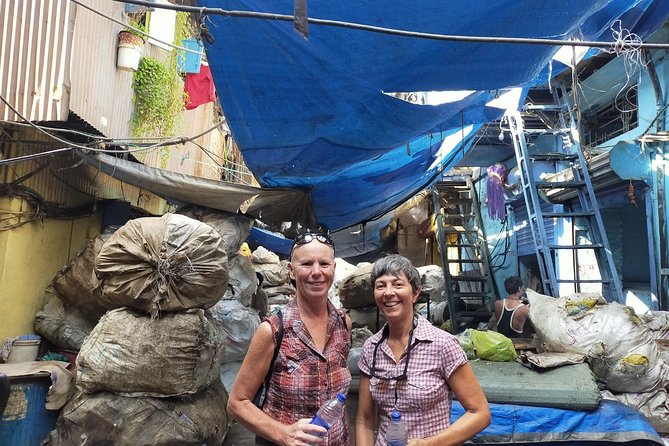
Dharavi is known worldwide, and that attention can make people expect spectacle. This tour steers you toward something more practical: how small-scale production works when space is tight and everyone needs to solve problems fast.
You’ll hear and see industries that range from plastic recycling to export-quality leather goods, pottery, embroidered garments, and more. You’ll also connect the dots between raw materials, tiny workshops, and finished products that move into domestic and international markets.
If you like travel that feels grounded, this is a good fit. In two hours, you get a tour route that points at how enterprise functions at street level, where one alley can include production, distribution, and daily life.
Price and what $26 actually covers
At $26 per person for about two hours, what stands out is that the basics are handled for you. Your price includes a local English-speaking guide, mineral water, soda/pop, and pickup and drop-off, plus the transportation used during the tour (taxi, train, and bus).
So you’re not paying only for walking and pointing. You’re paying for a guided route that organizes movement through the neighborhood and keeps you comfortable with drinks along the way.
It also helps that the tour uses a mobile ticket and offers group discounts. If you’re traveling with friends, that can improve value without adding extra effort on your side.
Other Dharavi walks led by people who live there



The public transportation piece (and why it’s more than logistics)
Many neighborhood tours keep you in a vehicle or only on foot. Here, you get local public transportation during the experience, which changes how the area feels.
You’re riding the same kind of transit Mumbai people rely on, and that can help your brain map the city around Dharavi instead of isolating the neighborhood as a separate “tour zone.” It’s also practical: the route is paced around movement, not just shoe mileage.
Because pickup and drop-off are included, you avoid the most stressful part: figuring out how to get to the meeting point and back. In a busy city, that matters.
Inside the 2-hour guided walk: what you actually do
The visit is built around one main loop through Dharavi, guided by a local guide who takes you through both commercial and residential areas. The tour is described as a 2-hour guided walking tour, so expect a steady pace and time spent stopping to understand what you’re seeing.
Between stops, you’ll get refreshment so you don’t feel worn down or dehydrated. That’s not glamorous, but it’s smart. Two hours can feel longer when you’re walking, looking closely, and absorbing new information.
The tour also includes a few specific themes that help you keep track of what’s happening: recycling, rooftops and housing, community spaces, and the small industries that power the area.
Stop focus: the recycling area and the plastic pellets
If you only cared about one part of Dharavi, this would be it. The highlight is the recycling area where metal and plastic come from all over and get recycled locally.
You’ll see the full chain described as sorting through to the finished plastic pellets. That matters because it turns recycling from an abstract idea into a process with steps, tools, and people involved at each stage.
I like experiences like this because they teach you how value gets created. Instead of seeing “waste,” you see inputs moving through a working system. It’s also visually interesting: sorting and processing gives you clear moments to observe rather than vague impressions.
A practical note: recycling areas can be sensory—think odors and industrial activity. If you’re sensitive, plan to bring a mask if you use one at home, and keep your focus on the process rather than expecting a clean factory environment.
More rides on the locals, from Churchgate out to the suburbs
- Dabbawala, Dhobi Ghat & Dharavi slum Tour with Local Train Ride
★ 5.0 · 102 reviews - Mumbai Street Food & Bazaar Tour with Local Transport
★ 5.0 · 51 reviews - Local Transport & Dabbawallah Tour
★ 5.0 · 40 reviews - Mumbai: Local Transport & Dabbawallah Tour
★ 4.9 · 14 reviews - Mumbai: Dharavi Slum and Dhobi Ghat Tour with Train Ride
★ 5.0 · 9 reviews - Primmum Mumbai Sightseeing With Local Train Ride Experience
★ 5.0 · 7 reviews
Industries you’ll spot: leather, pottery, soap, bakery, and dye work
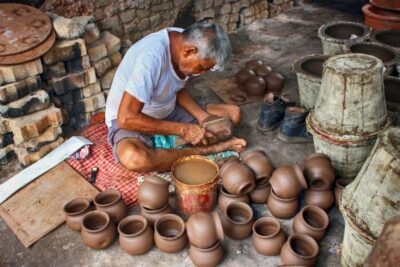
The route isn’t only recycling. It also points to small-scale production you’ll recognize from everyday items, but you’ll learn how they’re made here.
The tour information includes leather industries, pottery, making soap, bakery work, and colour dye. You’ll also see small alleyways, and you may encounter schools and hospitals in the neighborhood as part of the broader picture of community life.
This is where the guided explanations do real work. Without context, you might only notice workshops and busy corners. With a guide, you start connecting each industry to the larger system of materials, labor, and sales—both inside India and for exports.
If you like “how it works” travel, this section is strong. You’re learning through observation, not through a slide show.
Rooftop visit: the tin hutments viewpoint
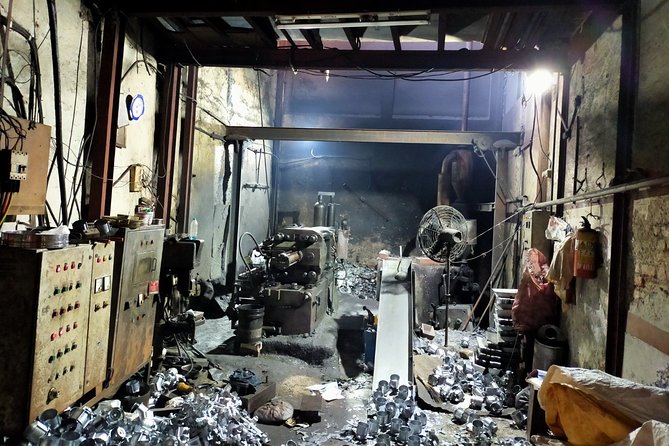
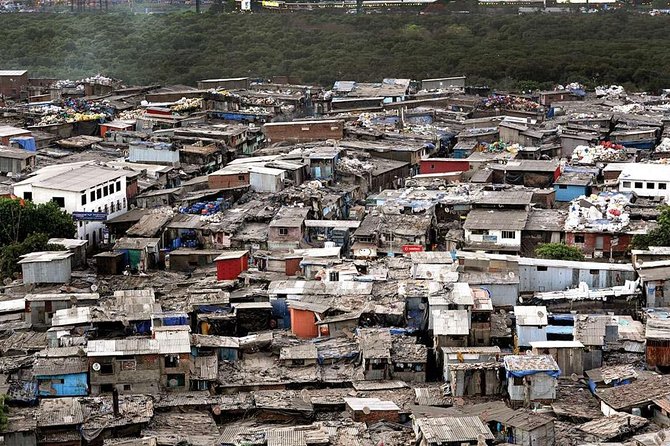
One of the most memorable elements is the rooftop visit. The route includes time at the tin hutments where you can see how far the rooftops stretch.
The view is meant to stick with you because it changes your mental image of the neighborhood. Instead of thinking of a small street scene, you start understanding Dharavi as a layered place—work on the ground, living above, and a dense footprint everywhere you look.
This part also helps you connect the residential side of the tour to the commercial activity. You’re not treating them as separate worlds. The rooftop perspective makes it clear they share the same space and rhythm.
Wear shoes you can trust. Rooftop areas can be uneven, and you’ll want sure footing so you can concentrate on the view and not on balancing.
Community centre stop and mixed religious life
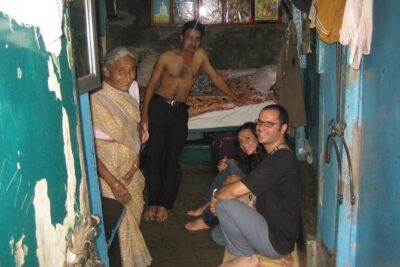
The tour includes a stop at a community centre, which adds context beyond manufacturing. You’re not only watching work—you’re also seeing where people gather and how community services fit into day-to-day life.
There’s also a mention of religious and cultural practice during the walk, including Muslim people making a shrine for Hindus. It’s an unusual detail, and that’s exactly why it’s valuable: it points to how different communities can share spaces and rituals.
I find moments like this help you avoid a single-story interpretation of any neighborhood. Dharavi isn’t presented as one note. It’s presented as daily life with work, education, health, and community.
How the guide shapes the experience (Rakesh is a standout)
A theme in the feedback is the guide. One guide name you’ll hear is Rakesh, described as friendly and well informed, with explanations that make the route easier to follow.
That matters more than people think. In a dense area with ongoing industry, a good guide helps you read what you’re seeing. You come away with a set of connections: what’s happening, why it happens here, and how different industries connect through materials.
If you care about understanding, not only photographing, this is the kind of tour where the guide quality shows up in the experience.
Expectations and respectful behavior that actually help
This tour is focused on an area where people live and work. You’ll likely see housing conditions, daily routines, and active production, so keep your expectations grounded.
Here’s what helps you get more out of it:
- Move with patience during stops and let the guide set the pace.
- Keep your phone use controlled and ask yourself if your actions help you learn rather than just capture.
- Remember that you’re walking through living space, not a theme park.
Also, plan for the practical stuff. You’re on foot for about two hours, so bring comfortable shoes and drink the water provided during the tour rather than saving it for later.
Who should book this tour, and who might want something different
This experience is a strong match if you want hands-on city context, love working industry travel, and enjoy guided walking tours with clear stop themes. It’s also a good value if you like that pickup/drop-off and transit are handled, and you appreciate built-in refreshment.
It may not be ideal if you dislike walking, have limited tolerance for crowded spaces, or prefer tours that avoid residential areas. And because it depends on good weather, plan to check conditions before you go.
If you want a documentary-style route but with real logistics covered—transport, guide, and basic drinks—this hits the sweet spot.
Should you book the Dharavi Slum Tour in Public Transportation?
Yes, if you’re looking for a focused two-hour guided walk that explains how materials get reused and how local industries function in tight space. The price feels reasonable because it includes the guide, ticket, pickup and drop-off, transit by taxi/train/bus, and drinks.
I’d book it especially if you want the recycling area walkthrough and the rooftop viewpoint, plus a route that includes both work and community spaces. If weather is questionable or you don’t enjoy walking through active neighborhood areas, wait until conditions look good.
FAQ
How long is the Dharavi Slum Tour?
The tour lasts about 2 hours.
Is pickup and drop-off included?
Yes. Pickup and drop are included.
What transportation is used during the tour?
The tour includes public transportation such as taxi, train, and bus.
What’s included in the price?
Included are a local English-speaking guide, mineral water, soda/pop, public transportation, pickup & drop, and an admission ticket.
Are meals included?
No, meals are not included.
What happens if the weather is poor?
The tour requires good weather. If it’s canceled due to poor weather, you’ll be offered a different date or a full refund.
Should you book this tour?
If you want a guided, time-efficient way to understand Dharavi through the industries people work in—especially the recycling process and rooftop viewpoint—this is a solid choice for the money. Go for it when the weather looks good, wear comfortable shoes for a walking tour, and treat it as a working neighborhood visit rather than a photo stop.
More Mumbai, Every Kind of Day
- Dharavi slum tour in Mumbai by Female tour guides of the slum
★ 5.0 · 1,976 reviews - Mumbai: Full-Day Sightseeing Tour of Mumbai
★ 4.9 · 1,822 reviews - Private Mumbai Sightseeing Tour (Traveller’s Choice Award Winner)
★ 5.0 · 1,565 reviews - Elephanta Caves & Island Guided Private Tour
★ 5.0 · 1,327 reviews
Mumbai by Rail, Line by Line
- Dabbawala, Dhobi Ghat & Dharavi slum Tour with Local Train Ride
★ 5.0 · 102 reviews - Mumbai Street Food & Bazaar Tour with Local Transport
★ 5.0 · 51 reviews - Local Transport & Dabbawallah Tour
★ 5.0 · 40 reviews - Mumbai: Local Transport & Dabbawallah Tour
★ 4.9 · 14 reviews
Dharavi, Told by Its Residents
- Dharavi slum tour in Mumbai by Female tour guides of the slum
★ 5.0 · 1,976 reviews - Mumbai: Dharavi Slum, DhobiGhat, and Dabbawallas Tour
★ 4.9 · 689 reviews - Dharavi Slum Tour
★ 5.0 · 625 reviews - Dharavi Slum tour in Mumbai by local resident
★ 5.0 · 572 reviews
New on the Mumbai shortlist




Dharavi Community Walks, compared.
 ★ 5.0Dharavi slum tour in Mumbai by Female tour guides of the slumFrom $91,976 reviews
 ★ 4.9Dharavi Slum, DhobiGhat, and Dabbawallas TourFrom $14689 reviews
 ★ 5.0Dharavi Slum TourFrom $20625 reviews
 ★ 5.0Dharavi Slum tour in Mumbai by local residentFrom $4572 reviews
 ★ 4.9Dharavi Slum Slumdog Millionaire Tour with a LocalFrom $10529 reviews
 ★ 5.0Mumbai Slum Tour – Visit Dharavi Slum with Local GuideFrom $5509 reviews
 ★ 5.0Dhobi Ghat Laundry and Dharavi Slum Tour with LocalFrom $4469 reviews
 ★ 5.02-Hour Guided Tour of DharaviFrom $22359 reviews
Browse the lists this tour appears in