
Review · DHARAVI COMMUNITY WALKS
Dharavi Slum & Dhobi Ghat Mumbai: Private Guided Tour
Follow clothes and industry through Mumbai. This private Dhobi Ghat and Dharavi tour connects Mahalaxmi Dhobi Ghat’s century-old open-air laundry with Dharavi’s everyday business engine of leather, pottery, and recycling, minus the touristy sensationalism. I love how the guide keeps the tone respectful and focused on the enterprise of Dharavi, not gawking. I also love the practical photo approach: you get a designated view at Dhobi Ghat to see washing, drying, and pressing up close. One possible drawback is that you won’t enter Dhobi Ghat, and the Dharavi part is a walking route, so comfortable shoes help.
The price is $17.57 per person for about 3 hours, and it includes a professional English-speaking guide, bottled water, and train tickets, which makes it feel like more than just a chat on the sidewalk. You’ll still want to go in with the right mindset, because this is a working part of the city, not a theme park set.
Guides you might be matched with include names like Priti, Shruti, Max, and Ruba from the feedback I read, and the common thread is prompt service plus lots of room for questions.
In This Review
- Key highlights at a glance
- Dhobi Ghat and Dharavi together: a tour that makes work the main story
- Meeting point in Mahim and how the timing keeps you on track
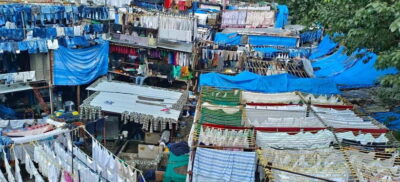
- Dhobi Ghat: what you actually see from the vantage point
- Dharavi Slum: why the walk feels different when the focus is industry
- The guide experience: names you might recognize and why it matters
- Price and value: $17.57 for a private format that includes transit support
- Practical expectations: what to wear, what to ask, and how to act
- Where the tour ends and what to do next
- Should you book this private Dhobi Ghat and Dharavi tour?
- FAQ
- How long is the Dharavi Slum and Dhobi Ghat private tour?
- Is this tour private?
- How much does it cost?
- Where do we meet for the tour?
- Where does the tour end?
- Are tickets included?
- Do you enter Mahalaxmi Dhobi Ghat?
- Is the Dharavi part a walking tour?
- What’s included in the tour besides the guide?
- What is the cancellation policy?
Key highlights at a glance
- Mahalaxmi Dhobi Ghat views without entering: you watch from a designated vantage point, built for clear sightlines and photos
- Dharavi explained as an enterprise: pottery, leatherwork, textile production, and plastic recycling show up in the stories and walk
- A 3-hour plan with real transit support: bottled water and train tickets are included, with local-led timing
- Private format: only your group participates, so the guide can match pace and questions
- Guide quality is a standout: feedback calls out promptness, friendliness, and helpful answers
Dhobi Ghat and Dharavi together: a tour that makes work the main story
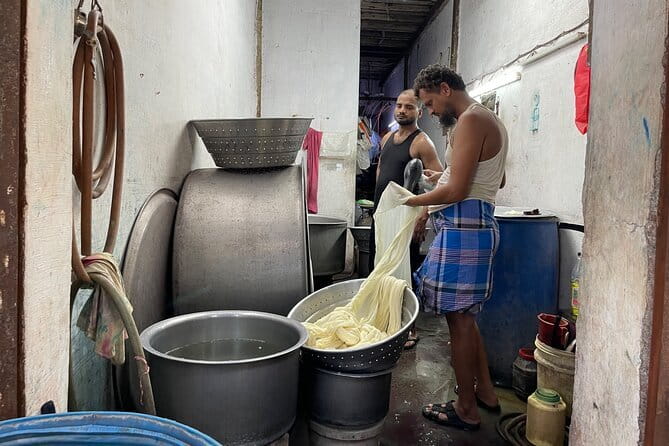
Most Mumbai tours treat Dhobi Ghat as a photo stop and Dharavi as a box to tick. This one links them with a simple idea: work shapes the city. At Dhobi Ghat, the work is literal—manual washing done over a century, feeding hotels, hospitals, and households across Mumbai. In Dharavi, the work shows up as small-scale industries where people turn raw materials into products, and recycling becomes a serious business.
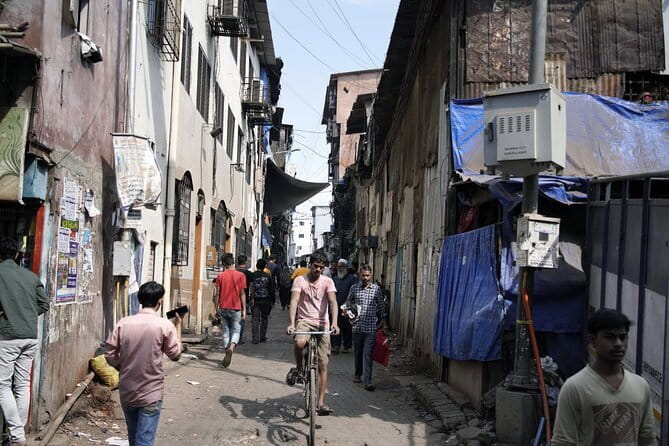
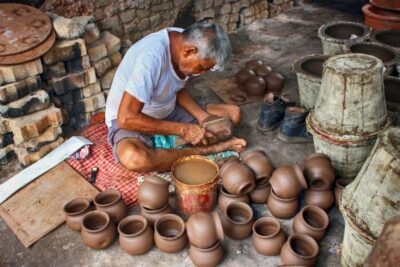
I like that the tour frames Dharavi as an “enterprise,” not just an image. You’re guided through narrow lanes, yes, but you’re also guided through how the economy functions: pottery workshops like Kumbharwada, leather industry activity, plastic recycling units, and textile production. That shift matters because it changes what you notice. Instead of only seeing scarcity, you start seeing skill, organization, and effort.
Meeting point in Mahim and how the timing keeps you on track
The meeting point is Third Wave Coffee, Tip Road, Unit no. 58, Ground, Ram Mahal, Senapati Bapat Marg, Marinagar Colony, Mahim, Mumbai. From there, the tour is designed to move you efficiently between neighborhoods with local guidance (and the overall plan references private AC transfers). Even if you’re familiar with Mumbai, this kind of structure can save energy.
Duration is listed at about 3 hours. You’ll spend roughly 15 minutes at Dhobi Ghat and about 2 hours on the Dharavi walk, with the rest of the time likely used for transit and getting everyone positioned. For me, that makes it a good “one useful afternoon” tour: long enough to understand the angle, short enough that you won’t feel like you spent the whole day on your feet.
Other Dharavi walks led by people who live there




Dhobi Ghat: what you actually see from the vantage point
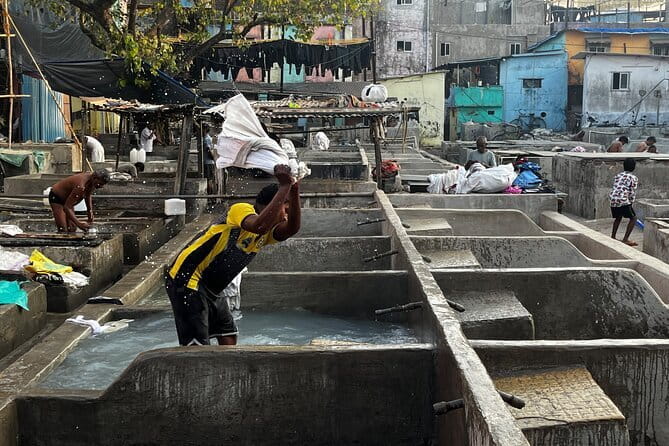
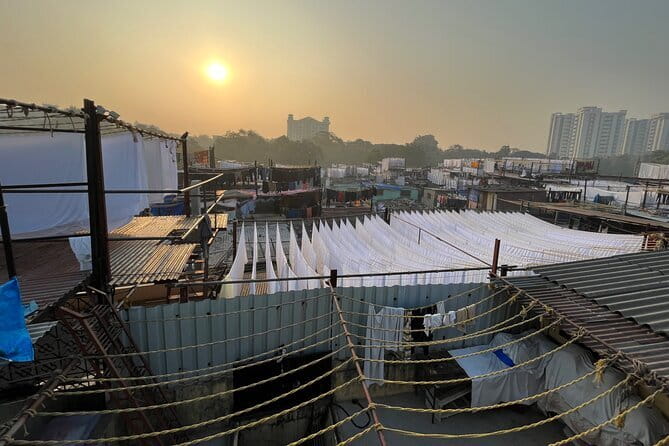
Dhobi Ghat is famous, and it earns the reputation. You’re looking at what’s described as the world’s largest open-air laundry—an organized, busy system of washing, drying, and pressing. The guide explains how the dhobis (Mumbai’s washermen) work here manually, with daily routines that have been happening for more than a century.
Important detail: you won’t enter inside. Instead, you’ll get a clear view from a designated vantage point. That’s a good thing for first-time visitors. It protects the flow of work and still gives you a front-row feeling, without turning the place into a chaotic crowd scene.
Here’s what to focus on while you watch:
- The rhythm of jobs—clothes moving through stages, not random piles
- The scale—how a local tradition supplies much of a major city’s laundry needs
- The constraints—manual work running at high volume every day
The guide also shares stories about Dhobi Ghat’s history, challenges, and ongoing significance. So you leave with context, not just images.
If photography is on your list (it is for many people), take advantage of the tour’s note about exclusive vantage points for the best photos. Dhobi Ghat is full of motion, so having a guide who knows where the best angles are saves you from wandering around at the worst possible time.
Dharavi Slum: why the walk feels different when the focus is industry
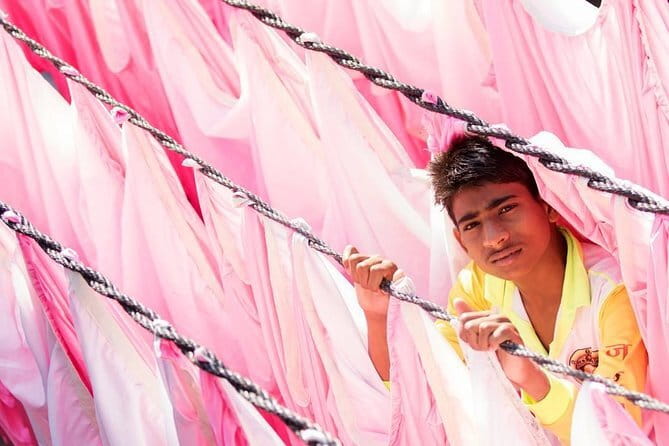
Dharavi is often described in extremes. This tour keeps it practical and human, which makes it easier to process. The format is a walking tour through Dharavi’s lanes, led by a local guide who explains Dharavi’s history, economy, and community spirit.
The big difference is what you’re paying attention to. Instead of only asking What is this place like? you’re led to ask How does it work? Dharavi is presented as a hub of small-scale industries, including:
- Pottery workshops (with Kumbharwada called out)
- Leatherwork
- Plastic recycling units
- Textile production
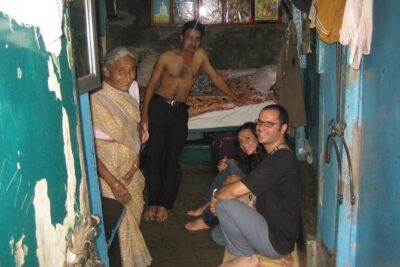
You’re also given chances to interact with locals, which shifts the tone from observation to understanding. That can be powerful, but it also comes with responsibility. You’ll want to treat conversations as real human time, not a performance. Keep your questions respectful and quick, and let the guide steer you toward what’s appropriate.
A balanced warning: this is still a slum area, and the real world shows up. This tour tries to prevent myth-making and focuses on dignity and innovation, but you shouldn’t expect a comfortable set like a museum. Expect real streets, real work, and a place that runs on the effort of its residents.
The guide experience: names you might recognize and why it matters
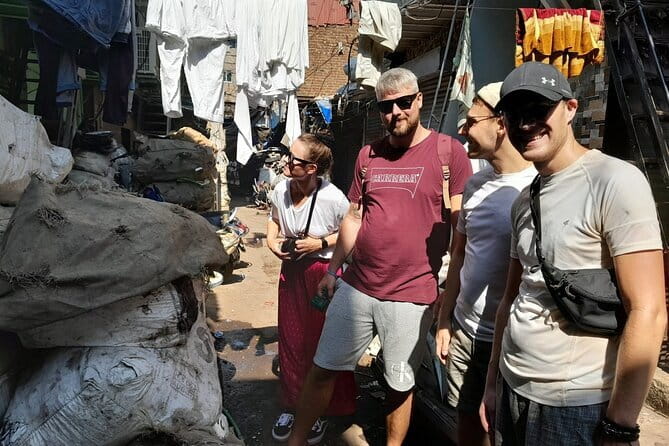
The most praised part of this tour in the feedback I reviewed isn’t a single landmark. It’s the guides themselves—and how they handle the details.
I saw repeated mentions of Priti for making the experience click, especially for someone who was unsure beforehand. That tells me the guide’s role is not just interpretation; it’s helping you understand what you’re seeing and why it matters.
Other named guides included Shruti, praised for being prompt, friendly, and very informative, plus for being helpful with questions. There was also Max, recognized for huge information and attention to requests and questions. And Ruba received strong notes for providing a very good tour with insight into daily life.
So what does that mean for you? It means you’re less likely to get a script. You’re more likely to get a conversation—especially useful in Dharavi, where the difference between stereotypes and reality is often explained by the guide in plain language.
More visits to the open-air laundry at Mahalaxmi
- Mumbai: Dhobi Ghat Laundry and Dharavi Slum Tour with Local
★ 5.0 · 469 reviews - Mumbai: Dharavi Slum and Dhobi Ghat Laundry Tour
★ 5.0 · 317 reviews - Private Combo Tours Sightseeing + Dharavi Slum + Dhobi Ghat & Dabbawalas
★ 5.0 · 245 reviews - Dharavi, Dhobighat, and Mumbai Dabbawallas
★ 5.0 · 168 reviews - Dabbawala, Dhobi Ghat & Dharavi slum Tour with Local Train Ride
★ 5.0 · 102 reviews - Mumbai: Dharavi Slum Tour with Dhobi Ghat (Open-Air Laundry)
★ 4.8 · 62 reviews
Price and value: $17.57 for a private format that includes transit support
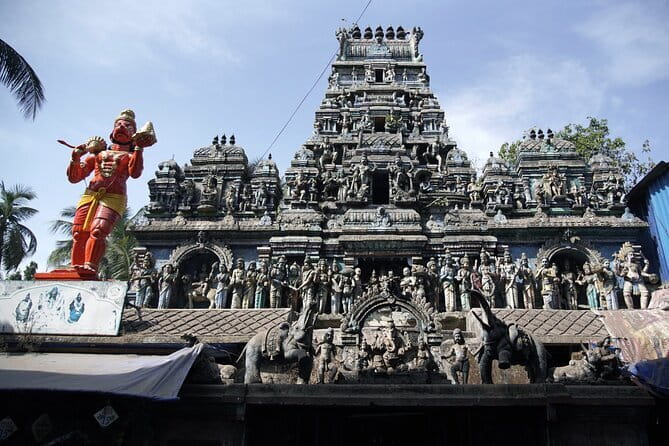
At $17.57 per person, you might wonder what makes it cost-effective. Here’s where the value comes from, based on what’s included:
- A professional English-speaking guide
- Bottled water
- Train tickets
- A private format where only your group participates
- Free admission tickets for both stops
Also, the tour isn’t just “stand here, take photo, leave.” It includes real context: Dhobi Ghat’s operating system and Dharavi’s industry map. For many people, that educational layer is the whole point of paying for a guide in the first place.
Can you do parts of this on your own? Sure. Dhobi Ghat is a known public site. Dharavi is also a place you can reach. But you’d be paying in time, confusion, and missed context—especially in Dharavi, where a guided approach helps you understand what you’re seeing and keeps the experience respectful.
Practical expectations: what to wear, what to ask, and how to act
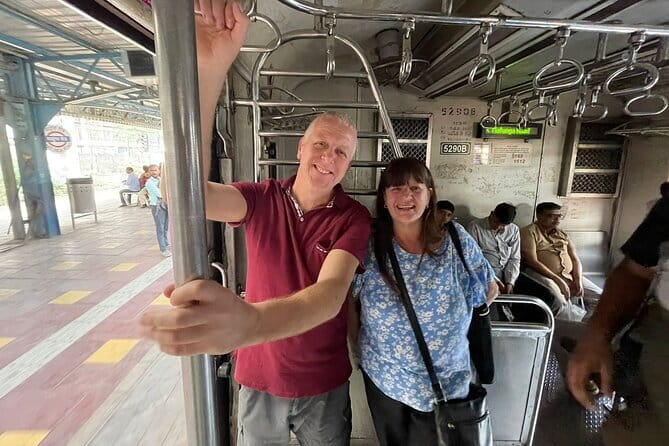
This tour includes walking in Dharavi and an outdoor view at Dhobi Ghat. So keep it simple:
- Wear comfortable shoes for a walk in tight lanes
- Bring water (it’s included, but you’ll still feel better staying hydrated)
- Dress in a way that lets you move and blend in respectfully
On questions, I’d aim for ones that match the tour’s focus:
- How does this industry work day to day?
- What makes this place resilient?
- What should visitors understand that the myths get wrong?
Because the guide feedback highlights attention to questions, it’s worth using your curiosity. Just remember: in working places, people are busy. Ask, listen, and move on when the moment needs space.
Where the tour ends and what to do next
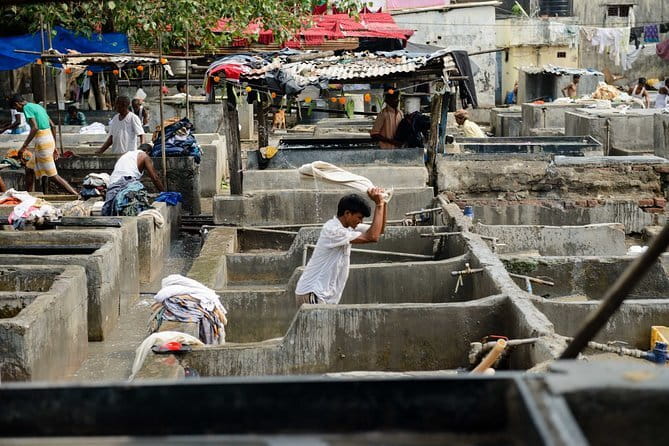
The tour concludes at Dhobi Ghat in Shanti Nagar, Lower Parel. The plan is convenient because you can catch an Uber or use the train back to your hotel. Ending here also makes sense since you’ve already been oriented to the area’s transit rhythm by the time you reach the finish point.
Should you book this private Dhobi Ghat and Dharavi tour?
Book it if you want a guided, respectful look at Mumbai’s work culture—especially if you care about learning how Dharavi functions economically through pottery, leatherwork, recycling, and textiles. I think it’s a smart choice for first-timers who feel uneasy with sensational stories about slums and prefer an approach grounded in dignity.
Pass on it (or pair it with more planning) if you dislike walking, want guaranteed interior access somewhere along the route, or are looking for a purely photo-first experience. Dhobi Ghat is viewed from a vantage point, not entered, and the Dharavi portion is on foot.
If you do book, ask your guide about what you should notice in each lane and at each photo spot. With guides like Priti, Shruti, Max, and Ruba specifically called out for promptness and helpful answers, you’re likely to get more from the tour than the headline stops.
FAQ
How long is the Dharavi Slum and Dhobi Ghat private tour?
The tour runs about 3 hours (approx.), with about 15 minutes at Dhobi Ghat and about 2 hours spent on the Dharavi portion.
Is this tour private?
Yes. It’s a private tour/activity, so only your group participates.
How much does it cost?
The price is $17.57 per person.
Where do we meet for the tour?
You meet at Third Wave Coffee, Tip Road, Unit no. 58, Ground, Ram Mahal, Senapati Bapat Marg, Marinagar Colony, Station, Mahim, Mumbai, Maharashtra 400016, India.
Where does the tour end?
The guide concludes the tour at Dhobi Ghat, Shanti Nagar, Lower Parel, Mumbai, Maharashtra, India.
Are tickets included?
Train tickets are included, and admission tickets for both Dhobi Ghat and the Dharavi stop are listed as free.
Do you enter Mahalaxmi Dhobi Ghat?
No. The tour description says you will not enter inside. You’ll view the laundry from a designated vantage point.
Is the Dharavi part a walking tour?
Yes. The Dharavi portion is a walking tour.
What’s included in the tour besides the guide?
Bottled water and train tickets are included, along with a professional English speaking guide.
What is the cancellation policy?
Free cancellation is available up to 24 hours in advance of the experience start time for a full refund. If you cancel less than 24 hours before, you don’t get a refund.
Mumbai on Your Own Terms
- Private Mumbai Sightseeing Tour (Traveller’s Choice Award Winner)
★ 5.0 · 1,565 reviews - Elephanta Caves & Island Guided Private Tour
★ 5.0 · 1,327 reviews - Private Guided Walking Tour in Fort & Colaba
★ 5.0 · 895 reviews - Highlights of South Mumbai Guided Private Tour in AC Vehicle
★ 5.0 · 620 reviews
Dhobi Ghat from a Few More Angles
- Mumbai: Dharavi Slum, DhobiGhat, and Dabbawallas Tour
★ 4.9 · 689 reviews - Mumbai: Dhobi Ghat Laundry and Dharavi Slum Tour with Local
★ 5.0 · 469 reviews - Mumbai: Dharavi Slum and Dhobi Ghat Laundry Tour
★ 5.0 · 317 reviews - Private Combo Tours Sightseeing + Dharavi Slum + Dhobi Ghat & Dabbawalas
★ 5.0 · 245 reviews
Dharavi, Told by Its Residents
- Dharavi slum tour in Mumbai by Female tour guides of the slum
★ 5.0 · 1,976 reviews - Mumbai: Dharavi Slum, DhobiGhat, and Dabbawallas Tour
★ 4.9 · 689 reviews - Dharavi Slum Tour
★ 5.0 · 625 reviews - Dharavi Slum tour in Mumbai by local resident
★ 5.0 · 572 reviews
New on the Mumbai shortlist




Dharavi Community Walks, compared.
 ★ 5.0Dharavi slum tour in Mumbai by Female tour guides of the slumFrom $91,976 reviews
 ★ 4.9Dharavi Slum, DhobiGhat, and Dabbawallas TourFrom $14689 reviews
 ★ 5.0Dharavi Slum TourFrom $20625 reviews
 ★ 5.0Dharavi Slum tour in Mumbai by local residentFrom $4572 reviews
 ★ 4.9Dharavi Slum Slumdog Millionaire Tour with a LocalFrom $10529 reviews
 ★ 5.0Mumbai Slum Tour – Visit Dharavi Slum with Local GuideFrom $5509 reviews
 ★ 5.0Dhobi Ghat Laundry and Dharavi Slum Tour with LocalFrom $4469 reviews
 ★ 5.02-Hour Guided Tour of DharaviFrom $22359 reviews
Browse the lists this tour appears in