
Review · DHARAVI COMMUNITY WALKS
Best Combo Tour: Dabbawalas, Dhobi Ghat and Slum with Train
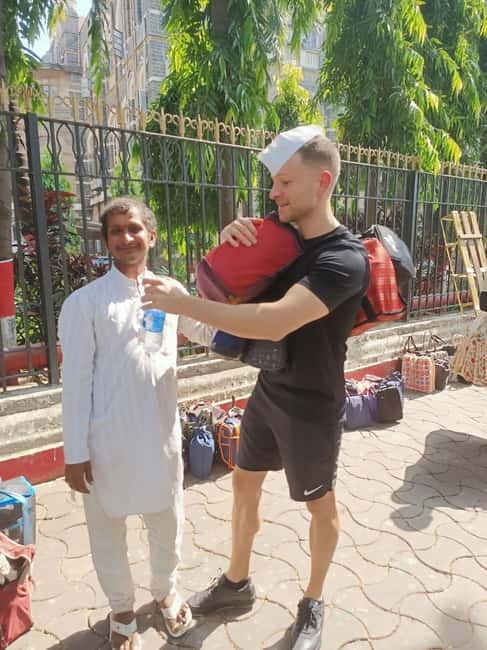
A lunchbox system, an outdoor laundry, and a train ride—what a combo. I like how this tour turns everyday Mumbai habits into real-world observations instead of just photos. You get two big wins I really appreciate: learning the Dabbawalas delivery workflow and seeing Dhobi Ghat in action. The main drawback to think about is that parts of the day can feel intense—crowded streets, strong smells at the laundry, and scenes that are hard to digest.
In 4 hours, you’ll move through three very different Mumbai “working systems”: delivery logistics, handwashing labor, and community life in one of Asia’s largest slum areas. And you’ll do it with an English-speaking guide who keeps the route moving and answers questions along the way.
Two guide names come up from recent tours: Abi and Hardik. People mention Abi for patience and clear explanations, and they mention Hardik for careful, calm handling—especially important when walking in Dharavi. As always, bring a respectful attitude and expect some sensory overload.
In This Review
- Key Things You’ll Notice on This Tour
- Churchgate Start, Local Train Segments, and the Route Logic
- Dabbawalas: The Century-Old Lunchbox Delivery Machine
- Dhobi Ghat: The World’s Largest Outdoor Laundry in Concrete Troughs
- Riding Mumbai’s Suburban Trains: A Short Trip with Big Perspective
- Dharavi Walk: Alleyways, Workshops, and Daily Business Life
- Time, Cost, and What $32 Really Buys You
- Who Should Book (and Who Might Want a Different Day)
- Should You Book This Mumbai Combo Tour?
- FAQ
- Where does the tour meet?
- When does the tour end?
- How long is the tour?
- How much does it cost?
- What’s included in the price?
- Is food included?
- Is the local train part covered?
- Is the tour guided in English?
- Is there free cancellation?
- Is there a way to book without paying right away?
Key Things You’ll Notice on This Tour
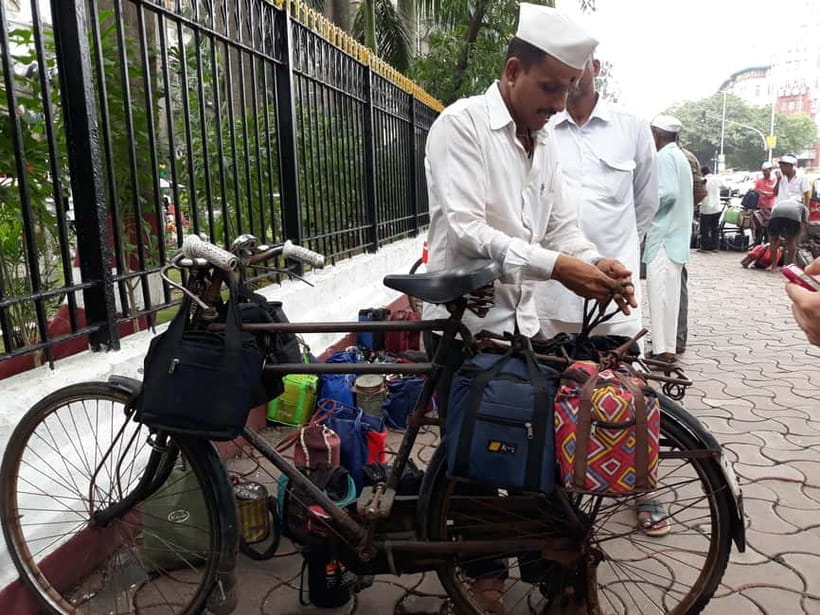
- Dabbawalas on the job: watch sorting, delivering, and transport of thousands of lunchboxes across Mumbai
- Dhobi Ghat’s outdoor laundry setup: hundreds of dhobis handwash and dry clothes in open-air troughs
- A real suburban train ride: short segments that show daily commuter life from a passenger’s perspective
- Dharavi at street level: guided walk through alleyways, workshops, and street markets
- Guides who manage questions and safety: Abi and Hardik are both noted for patience and attentive guidance
Churchgate Start, Local Train Segments, and the Route Logic
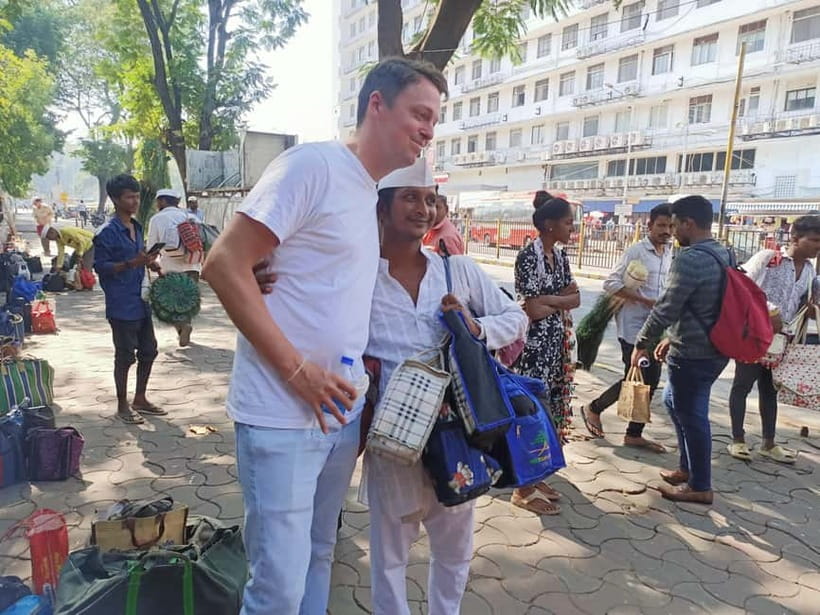
The day starts at Churchgate Railway Station, near the ticket window at the chemist shop called DAVA DISCOUNT. That’s a practical meeting point because you’re already at one of Mumbai’s main transit hubs. From there, the plan moves in short, connected jumps—photo stop, short transit, then more walking.
One smart part of the design is that it’s not just a “standing and looking” tour. You get local train rides between areas. Those ride segments matter because Mumbai’s suburbs can’t be understood only from sidewalks. Even a short trip helps you grasp the speed of daily life and the sheer layering of the city.
You finish at Sai Multispeciality Hospital & Research Centre. That’s useful to note: plan your next step afterward with that endpoint in mind, since it’s not a return-to-station finish.
Also, the tour includes local train tickets and mentions you skip the ticket line. That reduces time spent in the kind of lines that can drain a short 4-hour itinerary.
Practical tip: wear shoes you trust. Even if each walking block is not extreme, you’re moving through station edges, outdoor work areas, and tight street lanes.
Dabbawalas: The Century-Old Lunchbox Delivery Machine
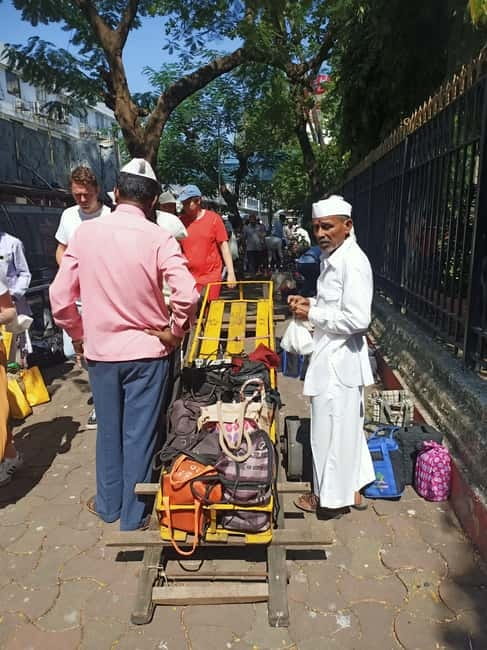
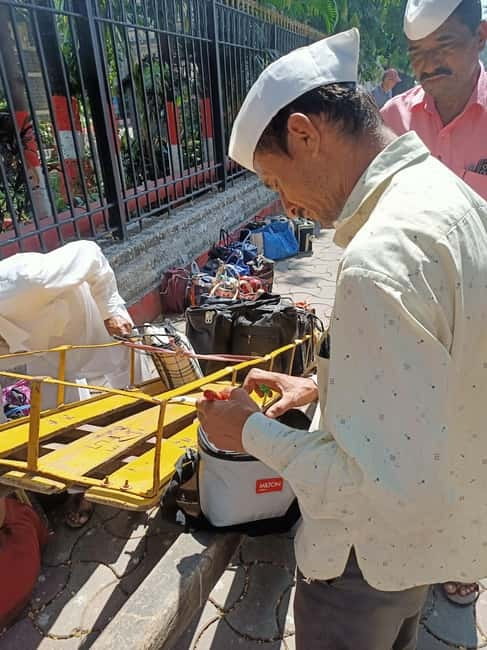
Mumbai’s Dabbawalas are famous for a reason: they’ve been running a delivery system for over a century. On this tour, you get a guided look at how it works—watching the sorting process and the way lunchboxes get routed and transported across the city.
The reason I love this stop is that it’s not abstract “history.” It’s a functioning city system, built on routine, roles, and accuracy. When you see the sorting workflow, you start to understand why Mumbai can handle huge movement daily without breaking the whole chain.
What to pay attention to during the Dabbawala portion:
- The workflow: how lunchboxes are organized before they’re delivered
- The efficiency mindset: people doing repeatable tasks that reduce mistakes
- The scale feeling: the idea that thousands of lunchboxes move through the system
This is also a good moment for questions. Guides such as Abi have been described as patient and informative, and that matters here. The delivery process can feel mysterious until someone explains the logic behind what you’re seeing.
One consideration: you might want to manage your expectations. This is a working operation, not a museum. The best attitude is curiosity over control—focus on observing how it operates rather than expecting a theatrical presentation.
Other Dharavi walks led by people who live there




Dhobi Ghat: The World’s Largest Outdoor Laundry in Concrete Troughs
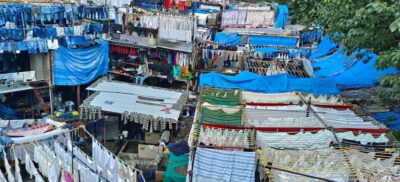
Next comes Dhobi Ghat, often described as the world’s largest outdoor laundry. Here the key detail is method and environment: hundreds of dhobis handwash and dry clothes in open-air, concrete troughs.
The “wow” factor for me is not just that people wash clothes outside. It’s the scale and the consistency. You can watch repetitive motions, each one tied to a purpose, and see how the whole place is organized around daily work.
During your visit, you’ll have a guided component plus time that includes a photo stop and walking. So you should be ready for both the visual side and the explanatory side—how the operation works, what makes this institution significant, and what a typical day can mean for the people involved.
What to think about before you go:
- It can be hot and exposed, depending on weather
- Laundry environments can have strong odors
- There’s active work going on, so keep movement respectful
If you’re the type who likes seeing labor systems up close—how things get done instead of just knowing they exist—Dhobi Ghat will be a highlight.
And if you’re worried about discomfort, it helps to remember this stop is part of the broader story. Dhobi Ghat connects neatly to Dharavi later: work, craft, and everyday survival are not separate topics in this city. They’re linked.
Riding Mumbai’s Suburban Trains: A Short Trip with Big Perspective
Between areas, you’ll take local trains for short segments (one around 5 minutes and another around 10 minutes). The time is brief, but the impact is real. This is one of those rare tours where you can see the city not only as a backdrop, but as a transportation system.
You’ll be riding alongside daily commuters, hearing the noise, feeling the pace, and noticing how movement shapes the city. That’s not a “nice add-on.” It’s the connective tissue that turns the day from three separate attractions into one story.
Because local train tickets are included, you’re not stuck figuring out which train to take or whether you’re holding the right kind of ticket. That takes pressure off you and leaves room for noticing details—how people move, how cars fill and empty, and how quickly the landscape changes around the tracks.
Practical advice:
- Keep your belongings secure and compact.
- Be ready for stairs and platform edges.
- Keep your phone ready for photos, but don’t block flow.
One more reason this works: the tour structure uses trains as transitions. That helps you avoid the common problem of spending 4 hours mostly standing in one place. Here you’re actually experiencing Mumbai’s daily movement.
Dharavi Walk: Alleyways, Workshops, and Daily Business Life
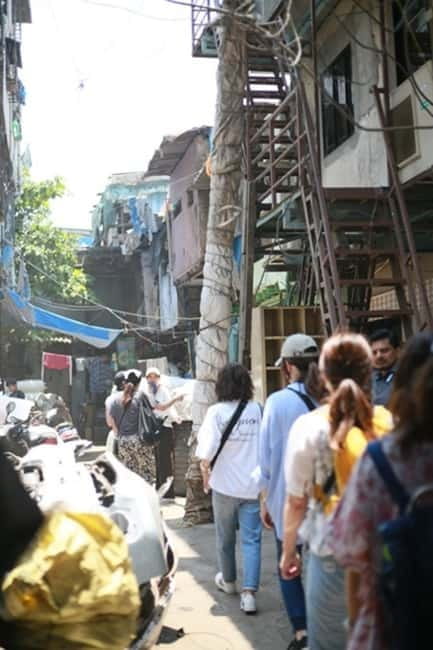
Finally, you’ll explore Dharavi, described as one of Asia’s largest slum areas. This part of the tour is guided and includes a 2-hour walk with photo stops and sightseeing through narrow lanes.
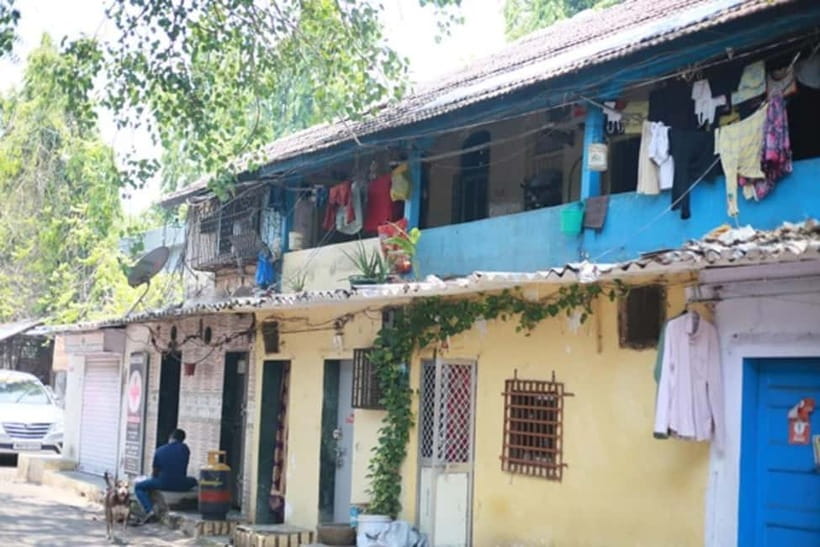
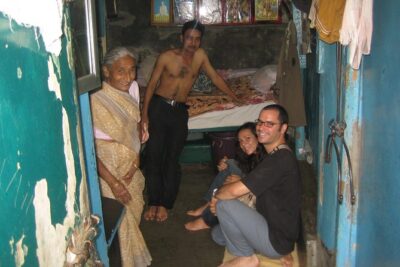
Dharavi in this tour is not framed as a single “poverty photo.” Instead, you’re shown something more useful: how people live and work there. You’ll walk through alleyways, pass workshops, and see street markets—then talk through what guides describe as resilience, creativity, and entrepreneurial spirit.
This is also where the guide quality matters most. In the most praised recent accounts, Hardik was mentioned for helping visitors feel safe and well cared for, even while walking in the slum streets. That’s an important signal for you: you want someone who can balance access with respect.
How to make the experience smoother for yourself:
- Keep your questions respectful and practical.
- Avoid slow stops that block foot traffic in tight lanes.
- Be prepared for a closer look at everyday working life.
A drawback to consider is emotional weight. Dharavi scenes can be difficult to absorb, especially if you’re sensitive to poverty or labor conditions. The tour helps by keeping it guided and structured, but it still covers real life, not sanitized set dressing.
If your goal is to understand Mumbai beyond landmarks, this stop is one of the best ways to do it in only 4 hours.
More visits to the open-air laundry at Mahalaxmi
- Mumbai: Dhobi Ghat Laundry and Dharavi Slum Tour with Local
★ 5.0 · 469 reviews - Mumbai: Dharavi Slum and Dhobi Ghat Laundry Tour
★ 5.0 · 317 reviews - Private Combo Tours Sightseeing + Dharavi Slum + Dhobi Ghat & Dabbawalas
★ 5.0 · 245 reviews - Dharavi, Dhobighat, and Mumbai Dabbawallas
★ 5.0 · 168 reviews - Dabbawala, Dhobi Ghat & Dharavi slum Tour with Local Train Ride
★ 5.0 · 102 reviews - Mumbai: Dharavi Slum Tour with Dhobi Ghat (Open-Air Laundry)
★ 4.8 · 62 reviews
Time, Cost, and What $32 Really Buys You
At $32 per person for a 4-hour outing, the value is mostly in what’s included and how the time is used.
Here’s what you’re getting without extra ticket hunting:
- An English-speaking guide
- Local train tickets
- A water bottle
- Time-efficient movement across major stops
- Mention of skipping the ticket line
The biggest “cost” item you should plan for is not the tour price—it’s what you’ll spend on food and drinks, since those are not included. So if you’ll get hungry, carry a small snack or plan to grab something right after, because the day ends at a hospital location, not at a restaurant cluster.
Is it worth it? If you’re a first-timer who wants both systems (delivery and laundry) and street-level community life (Dharavi), yes. Paying for a guide makes sense here because you’re dealing with active neighborhoods and working environments. Without interpretation, it’s much easier to miss what you’re actually seeing.
If you’re the type who hates train rides or feels uncomfortable in dense areas, then the price won’t be the issue. Your comfort will.
Who Should Book (and Who Might Want a Different Day)
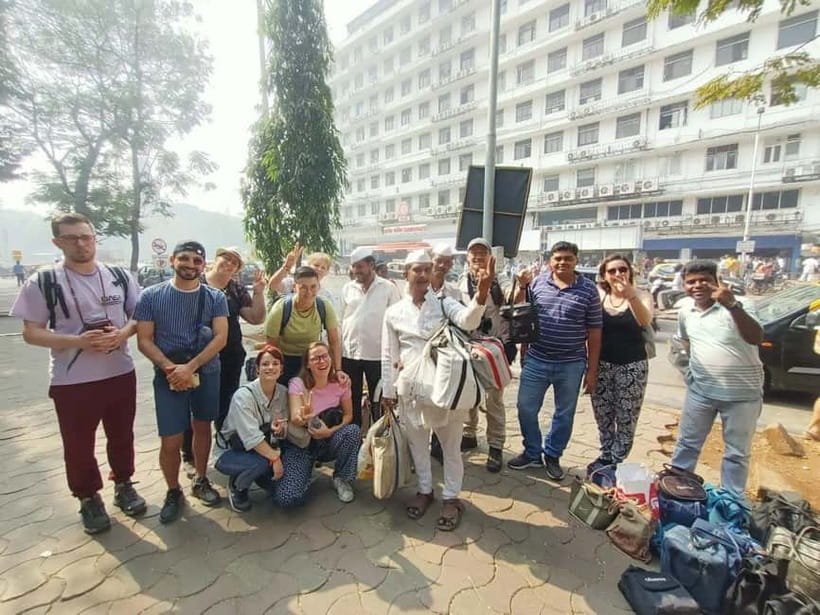
This tour is best for you if:
- You like seeing how systems work in real daily life, not only sightseeing
- You want a Mumbai day that includes public transit
- You can handle strong sensory moments like outdoor laundry settings
- You prefer guided context, especially for a neighborhood like Dharavi
You might want to skip or consider a different format if:
- You strongly dislike crowded transit environments
- You’re not comfortable with seeing poverty and labor conditions firsthand
- You need a day with only low-stimulation walking
The good news is that praised guides like Abi and Hardik are noted for patience and careful handling. That doesn’t remove the reality of the places you’ll visit, but it can make the experience feel calmer and more understandable.
Should You Book This Mumbai Combo Tour?
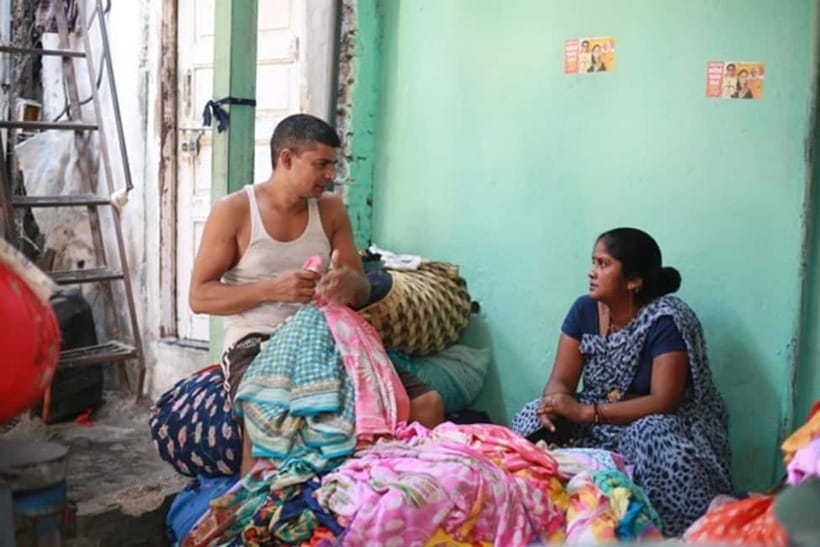
If your idea of a great day in Mumbai is watching real work and real movement—lunchbox logistics, handwashing at Dhobi Ghat, and a Dharavi walk with context—this tour is a solid pick. For $32 and 4 hours, you get train time built into the plan, not treated as an awkward extra. Just come prepared for sensory intensity, bring respectful curiosity, and plan for food since it isn’t included.
If you want a short, structured path through three standout parts of the city’s daily life, book it. If you need a gentler pace, you may prefer a different kind of tour.
FAQ
Where does the tour meet?
It meets at Churchgate Railway Station near the ticket window at the chemist shop named DAVA DISCOUNT.
When does the tour end?
The tour finishes at Sai Multispeciality Hospital & Research Centre.
How long is the tour?
The duration is 4 hours.
How much does it cost?
The price is $32 per person.
What’s included in the price?
An English-speaking guide, local train tickets, and a water bottle are included.
Is food included?
No. Food and drinks are not included.
Is the local train part covered?
Yes. Local train tickets are included, and the tour includes local train rides between stops.
Is the tour guided in English?
Yes. The live tour guide speaks English.
Is there free cancellation?
Free cancellation is available up to 24 hours in advance for a full refund.
Is there a way to book without paying right away?
Yes. You can reserve now and pay later, keeping plans flexible.
The Dabbawala Route, Continued
- Mumbai: Dharavi Slum, DhobiGhat, and Dabbawallas Tour
★ 4.9 · 689 reviews - Private Combo Tours Sightseeing + Dharavi Slum + Dhobi Ghat & Dabbawalas
★ 5.0 · 245 reviews - Dharavi, Dhobighat, and Mumbai Dabbawallas
★ 5.0 · 168 reviews - Dabbawala, Dhobi Ghat & Dharavi slum Tour with Local Train Ride
★ 5.0 · 102 reviews
Dhobi Ghat from a Few More Angles
- Mumbai: Dharavi Slum, DhobiGhat, and Dabbawallas Tour
★ 4.9 · 689 reviews - Mumbai: Dhobi Ghat Laundry and Dharavi Slum Tour with Local
★ 5.0 · 469 reviews - Mumbai: Dharavi Slum and Dhobi Ghat Laundry Tour
★ 5.0 · 317 reviews - Private Combo Tours Sightseeing + Dharavi Slum + Dhobi Ghat & Dabbawalas
★ 5.0 · 245 reviews
Dharavi, Told by Its Residents
- Dharavi slum tour in Mumbai by Female tour guides of the slum
★ 5.0 · 1,976 reviews - Mumbai: Dharavi Slum, DhobiGhat, and Dabbawallas Tour
★ 4.9 · 689 reviews - Dharavi Slum Tour
★ 5.0 · 625 reviews - Dharavi Slum tour in Mumbai by local resident
★ 5.0 · 572 reviews
New on the Mumbai shortlist




Dharavi Community Walks, compared.
 ★ 5.0Dharavi slum tour in Mumbai by Female tour guides of the slumFrom $91,976 reviews
 ★ 4.9Dharavi Slum, DhobiGhat, and Dabbawallas TourFrom $14689 reviews
 ★ 5.0Dharavi Slum TourFrom $20625 reviews
 ★ 5.0Dharavi Slum tour in Mumbai by local residentFrom $4572 reviews
 ★ 4.9Dharavi Slum Slumdog Millionaire Tour with a LocalFrom $10529 reviews
 ★ 5.0Mumbai Slum Tour – Visit Dharavi Slum with Local GuideFrom $5509 reviews
 ★ 5.0Dhobi Ghat Laundry and Dharavi Slum Tour with LocalFrom $4469 reviews
 ★ 5.02-Hour Guided Tour of DharaviFrom $22359 reviews
Browse the lists this tour appears in