
Review · DHARAVI COMMUNITY WALKS
Best of Dharavi Slum with Market Tour
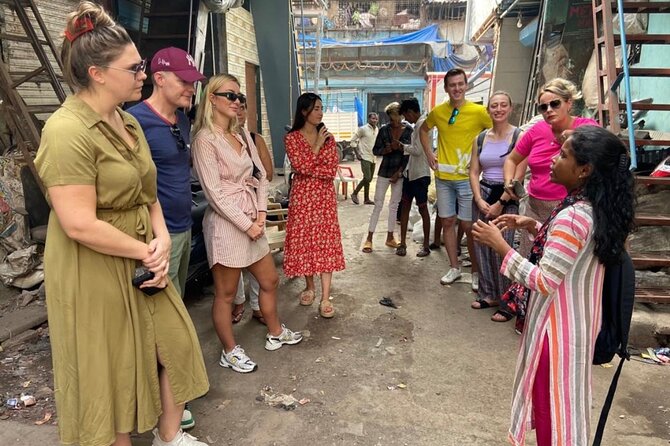
Laundry, crafts, and street markets in one walk. This Dharavi and market tour shows how people turn hard conditions into real skills, from the open-air work of Dhobi Ghat to the craft lanes of Mahim. I like that the pace is guided and clear, so you know what you’re looking at instead of just walking through scenes.
Two things I really love: the tour is led by Hakim, who shares context in a calm, well-spoken way, and you’ll get plenty of time to ask questions. I also appreciate the approach that feels professional and respectful—people I met on this kind of outing are often surprised by how it avoids pushy selling.
One drawback to plan for: it’s a working-area experience with moderate physical walking and good-weather dependency, so you’ll want comfy shoes and an open mind for close-up sights and smells.
In This Review
- Quick highlights before you go
- How the 3-Hour Route Fits Dhobi Ghat and Mahim Markets
- Dhobi Ghat: Open-Air Laundry That Powers Mumbai’s Hotels and Hospitals
- Kumbharwada and Mahim: A Neighborhood That Changes the Story
- Mahim Lather Work: Craft Skills You Can Actually Point To
- Recycling in Mahim: Waste, Sorting, and Real Environmental Awareness
- Local People and Neighborhood Life: Diversity You Can Feel
- Markets and Street Food: The Easy Way to Taste Mumbai’s Daily Energy
- Price and Value: What $39.72 Buys You in Real Life
- Staying Comfortable: Shoes, Weather, and Respect in Working Lanes
- Should You Book This Dharavi and Market Tour?
- FAQ
- How long is the Dharavi slum with market tour?
- Is pickup included?
- Do I need a paper ticket?
- What group size should I expect?
- Is Dhobi Ghat admission included?
- Are there admission fees for the other stops?
- Is the meeting area near public transportation?
- Do I need a high fitness level?
- What happens if the weather is bad?
- What is the cancellation policy?
Quick highlights before you go
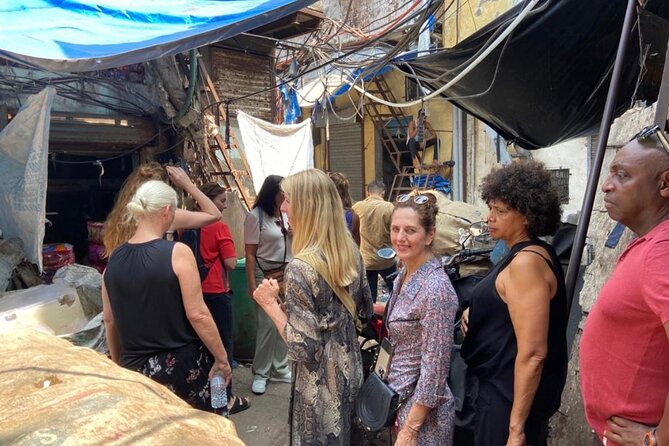
- Hakim’s storytelling makes the work sites easier to understand and turns the walk into a real Mumbai lesson
- Dhobi Ghat admission is included, so you don’t have to figure out entry on the spot
- Mahim craft and recycling show practical skills—like lather goods and waste sorting—rather than generic sightseeing
- Market time is part of the point, with flower stalls, jewelry stalls, and food-market energy
- Small groups (max 15) help the tour feel safer and less chaotic on narrow lanes
- No hard-sell pressure is a big plus if you’re tired of being steered into shops
How the 3-Hour Route Fits Dhobi Ghat and Mahim Markets
This tour runs for about 3 hours, and the stops are timed in short, workable chunks. That matters in Dharavi and Mahim because you’re moving through active neighborhoods, not museum corridors. A longer “hop-on, hop-off” schedule can feel exhausting here; this one stays focused.
You also get practical help: pickup is offered and you’ll use a mobile ticket. Since the route is near public transportation, you’re not completely dependent on private transfers. And with a maximum of 15 people, you’re less likely to get lost in the crowd, especially when you want to ask questions.
What I like most is that the tour’s structure mirrors daily life. You start with a highly visible service (laundry), then move into the craft and recycling economy, and you end with market rhythm—street food smells, shopfront chatter, and everyday transactions.
Dhobi Ghat: Open-Air Laundry That Powers Mumbai’s Hotels and Hospitals
Dhobi Ghat is the kind of place that instantly changes your perspective. It’s an open-air laundromat where dhobis work in the open to clean clothes and linens from Mumbai’s hotels and hospitals. With admission included and a roughly 20-minute stop, it’s a short visit, but it’s a powerful one.
Here’s what you should watch for, beyond the obvious activity:
- The sheer scale of the work and how it’s organized in a public space
- The workflow—the patterns of washing, rinsing, and handling linens
- How this service supports much of the city, not just one local block
Because this is real work in progress, keep your movements respectful and your questions ready. If you want to take photos, pause first and look for cues from your guide—this area is not a staged set.
Other Dharavi walks led by people who live there



Kumbharwada and Mahim: A Neighborhood That Changes the Story
After Dhobi Ghat, you shift into the Mahim area, including the locality often referred to as Kumbharwada. This part matters because it stops the tour from becoming one-note. Instead of only seeing work sites, you also get a feel for community life and the local atmosphere.
You’re looking at a place with cultural and historical importance, plus a diverse mix of communities. That diversity is part of why Mumbai works the way it does: different groups, different languages, and different trades sharing the same streets.
The practical takeaway: this portion helps you understand that Dharavi isn’t just one label. It’s layered—service work, crafts, recycling, and neighborhood daily routines all overlap.
Mahim Lather Work: Craft Skills You Can Actually Point To
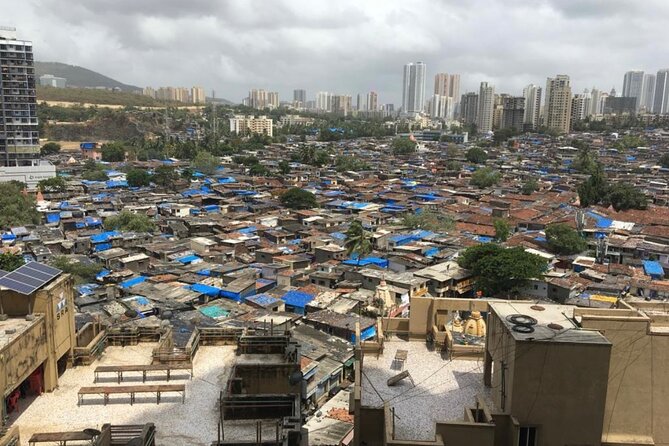
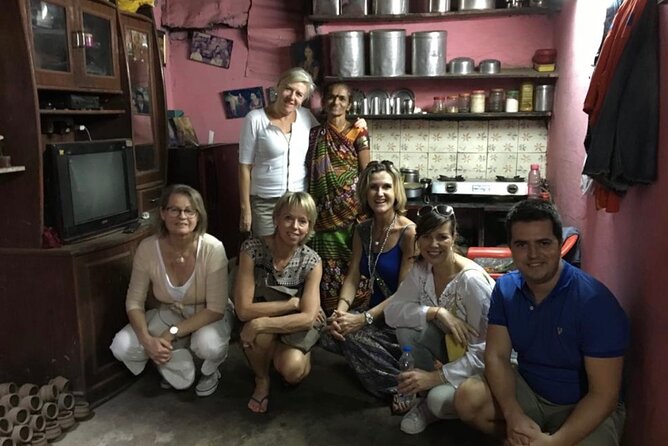
One of the standout stops is Mahim for lather work, a kind of craftsmanship tied to making and selling lather goods such as bags, wallets, and other accessories. This isn’t theory; you’re in the neighborhood where the trade shows up in everyday products.
In a short 30-minute window, you’re not going to learn a full manufacturing process—but you can learn to spot what makes craft different from factory output. Look for:
- How materials get handled (and why that matters for the final product)
- The step-by-step feel of the work when a product is being made for sale
- The skill behind small details, like shaping and finishing
If you enjoy making sense of how goods are created, this stop gives you that anchor. It also pairs well with what you see later in recycling, because both are about practical transformation—just with different raw inputs.
Recycling in Mahim: Waste, Sorting, and Real Environmental Awareness
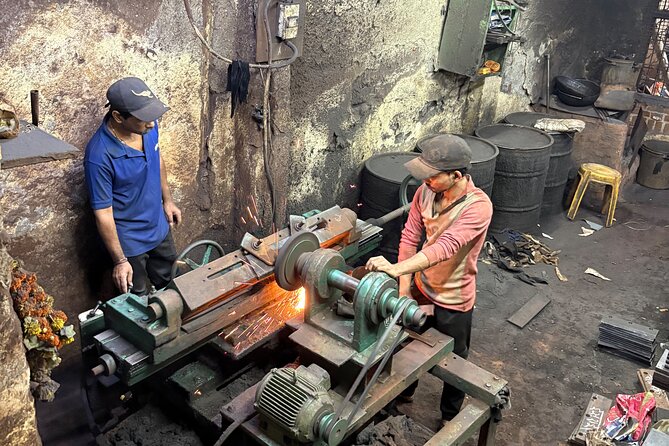
Another 30-minute stop focuses on recycling efforts in Mahim. The tour highlights how local organizations and groups have been pushing awareness of environmental issues, with community efforts to collect and manage materials like plastic and paper.
This part is valuable because it shows a side of “sustainability” that isn’t just a slogan. Here, sustainability is a set of actions tied to livelihoods and daily organization. Even if you don’t understand every step of the process right away, you can grasp the bigger idea: waste management becomes an economic system.
What I suggest you do in this stop:
- Listen for the practical role recycling plays locally
- Pay attention to the logic of sorting—how materials are separated for reuse
- Ask your guide how the community views this work, not just how it’s done
For many people, this is the moment the tour becomes less about shock and more about understanding. The waste-to-value chain becomes a story you can follow.
From Crawford Market to Chor Bazaar, more lanes to walk
- Mumbai Morning Market Tour of Flowers, Fish, and More
★ 5.0 · 100 reviews - Mumbai Morning Market Tour of Flowers, Fish, and More
★ 5.0 · 82 reviews - Mumbai Markets and Temples Tour
★ 5.0 · 59 reviews - Mumbai Street Food & Bazaar Tour with Local Transport
★ 5.0 · 51 reviews - Mumbai: Local Markets & Temples Tour
★ 4.6 · 45 reviews - Vibrant Markets of Mumbai (2 Hours Guided Walking Tour)
★ 4.4 · 44 reviews
Local People and Neighborhood Life: Diversity You Can Feel
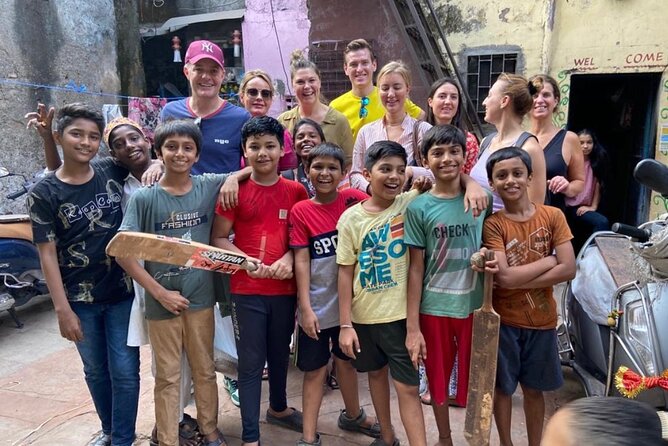
Another Mahim stop is about the people—how the local community reflects Mumbai’s multicultural reality. The area includes Marathi and Gujarati communities, along with other groups (the tour materials point to more than one cultural thread).
This is a useful part of the day because it shifts the framing. Instead of viewing a neighborhood only through work sites, you see the community that lives there and carries those traditions forward.
In practical terms, this stop helps you:
- Build context for what you saw earlier (service work and trades)
- Understand why local markets and crafts exist where they do
- Feel the neighborhood’s social energy, not just its production side
If you’re the type who asks questions, this is where your guide can connect the dots quickly.
Markets and Street Food: The Easy Way to Taste Mumbai’s Daily Energy
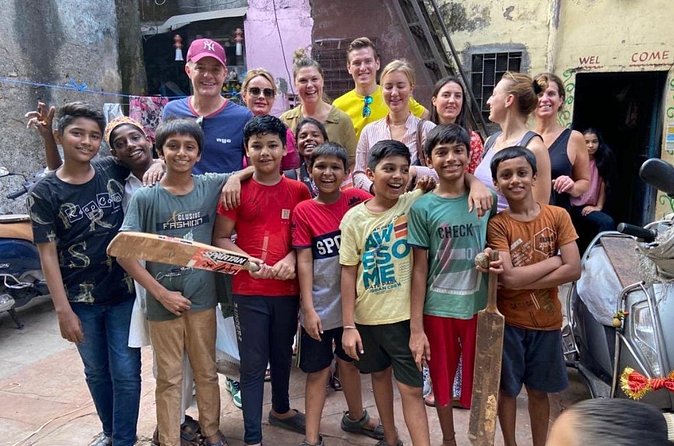
The tour is not just “factories and crafts.” It also includes market atmosphere and street-food energy. The overview points to local vendors preparing food you may want to try, and the guide’s market route can include flower stalls, jewelry stalls, and food-market scenes.
This matters because markets are where everyday life becomes visible. You get to see:
- How people buy and sell small things, often face-to-face
- The mix of practical items and “special occasion” goods like jewelry
- The way food sits at the center of social time—something you don’t only eat, you also share and talk about
One small detail I really like from the experience style is that you don’t have to rush or feel pressured. In fact, people praised the lack of pushy sales behavior, and that’s huge in markets. You can look, ask, and choose what you want—no forced detours.
Also, there’s a human moment that can happen during a market walk: the route may include time to have an ice-cold beer among locals. Even if you don’t drink, that kind of stop signals something important—community comfort and a more relaxed pace.
Price and Value: What $39.72 Buys You in Real Life
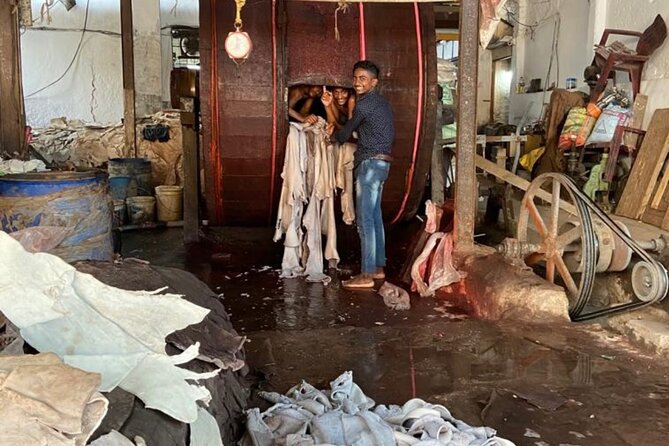
At about $39.72 per person for roughly 3 hours, this is priced like a short guided immersion rather than a big-ticket day out. The value comes from what’s included and from the way it’s handled.
Here’s where the money goes:
- A guide (Hakim) who can explain what you’re seeing in a calm, detailed way
- Pickup offered, which saves time and hassle
- Mobile ticket, which makes entry smoother
- Dhobi Ghat admission included, so you get access to a key site without an extra payment
- A small group size (max 15), which makes the experience feel controlled and easier to navigate
The best “value” question isn’t just price—it’s what kind of understanding you leave with. This tour is built to give you context: laundry as a city service, lather work as a craft trade, recycling as community action, and markets as daily economic life. That’s more useful than ticking off a list of landmarks.
Staying Comfortable: Shoes, Weather, and Respect in Working Lanes
This experience requires moderate physical fitness. That doesn’t mean you need to be an athlete, but you should expect real walking through narrow, active lanes with uneven footing. Wear shoes you trust. Bring a light layer if the weather shifts.
The tour also depends on good weather. If weather is poor, you’ll be offered a different date or a full refund, so don’t wait until the last minute to decide what day fits your schedule.
Finally, plan for the emotional side. Dharavi and the surrounding work areas are not theme parks. You’ll likely see busy labor and hear constant street activity. Keep your tone respectful, ask before photographing people when it makes sense, and remember that these are homes and workplaces—not staged attractions.
Should You Book This Dharavi and Market Tour?
Book it if you want a guided look at Mumbai that focuses on how people earn, build, and adapt. The combination of Dhobi Ghat, Mahim craft and recycling, and market-life time gives you a fuller picture than a single-site visit.
I’d skip it (or at least think twice) if you want a low-walking, low-sensory experience. This is a working neighborhood with real activity, and it’s not designed for slow sightseeing with minimal movement.
If you do book, do one thing that makes a difference: go with questions. With Hakim’s calm, informative style and the small group size, you’ll get much more out of the day than if you only follow along silently.
FAQ
How long is the Dharavi slum with market tour?
It runs for about 3 hours.
Is pickup included?
Yes. Pickup is offered.
Do I need a paper ticket?
No. You’ll use a mobile ticket.
What group size should I expect?
The tour has a maximum of 15 travelers.
Is Dhobi Ghat admission included?
Yes. Admission ticket is included for Dhobi Ghat.
Are there admission fees for the other stops?
For the Mahim/Kumbharwada-related stops, admission is listed as free.
Is the meeting area near public transportation?
Yes. It’s near public transportation.
Do I need a high fitness level?
No high fitness is required, but it says moderate physical fitness is recommended due to walking.
What happens if the weather is bad?
The tour requires good weather. If it’s canceled because of poor weather, you’ll be offered a different date or a full refund.
What is the cancellation policy?
There’s free cancellation. You can cancel up to 24 hours in advance for a full refund. If you cancel less than 24 hours before, the amount paid is not refunded.
More Mumbai, Every Kind of Day
- Dharavi slum tour in Mumbai by Female tour guides of the slum
★ 5.0 · 1,976 reviews - Mumbai: Full-Day Sightseeing Tour of Mumbai
★ 4.9 · 1,822 reviews - Private Mumbai Sightseeing Tour (Traveller’s Choice Award Winner)
★ 5.0 · 1,565 reviews - Elephanta Caves & Island Guided Private Tour
★ 5.0 · 1,327 reviews
Deeper into the Bazaars
- Mumbai: Street Food and Night Markets Tour
★ 4.9 · 719 reviews - Mumbai Morning Market Tour of Flowers, Fish, and More
★ 5.0 · 100 reviews - Mumbai Morning Market Tour of Flowers, Fish, and More
★ 5.0 · 82 reviews - Mumbai Street Food Tour with Evening Bazaar Walk
★ 4.9 · 79 reviews
Dharavi, Told by Its Residents
- Dharavi slum tour in Mumbai by Female tour guides of the slum
★ 5.0 · 1,976 reviews - Mumbai: Dharavi Slum, DhobiGhat, and Dabbawallas Tour
★ 4.9 · 689 reviews - Dharavi Slum Tour
★ 5.0 · 625 reviews - Dharavi Slum tour in Mumbai by local resident
★ 5.0 · 572 reviews
New on the Mumbai shortlist



Dharavi Community Walks, compared.
 ★ 5.0Dharavi slum tour in Mumbai by Female tour guides of the slumFrom $91,976 reviews
 ★ 4.9Dharavi Slum, DhobiGhat, and Dabbawallas TourFrom $14689 reviews
 ★ 5.0Dharavi Slum TourFrom $20625 reviews
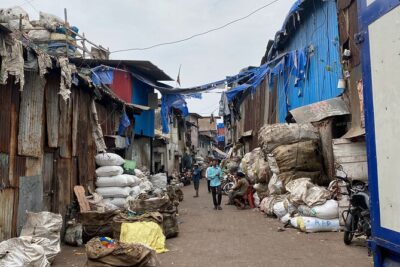 ★ 5.0Dharavi Slum tour in Mumbai by local residentFrom $4572 reviews
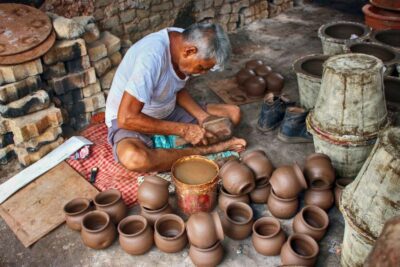 ★ 4.9Dharavi Slum Slumdog Millionaire Tour with a LocalFrom $10529 reviews
 ★ 5.0Mumbai Slum Tour – Visit Dharavi Slum with Local GuideFrom $5509 reviews
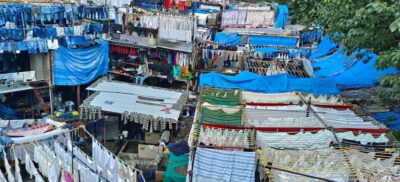 ★ 5.0Dhobi Ghat Laundry and Dharavi Slum Tour with LocalFrom $4469 reviews
 ★ 5.02-Hour Guided Tour of DharaviFrom $22359 reviews
Browse the lists this tour appears in