
Review · DHARAVI COMMUNITY WALKS
Walking Tour of Dharavi Slum in Mumbai
A slum walk that feels like real city life. This Dharavi tour is led by a guide and moves on foot, so you see small-scale industries and community life up close in Mumbai.
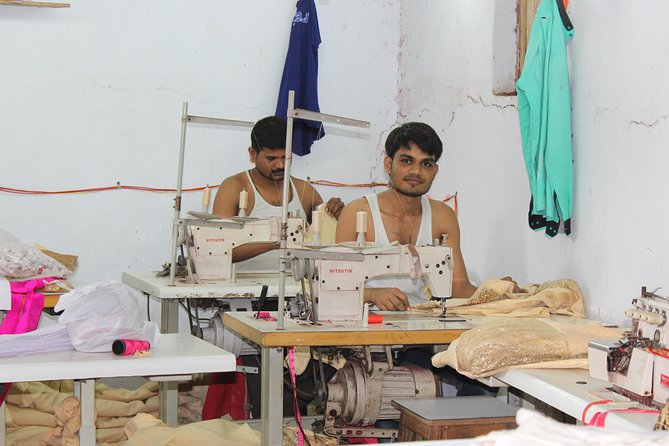
I especially like how the local guide explains the place in plain language, not as a headline. And I love the way you get to watch hands-on work—like recycling, pottery, embroidery, soap-making, and leather-related crafts—being done in very tight spaces.
One key thing to know: photography isn’t allowed at certain locations, so plan to experience it with your eyes, not your camera.
In This Review
- Key Things I’d Plan Around
- Why a Dharavi Walk Feels Different From a Typical Slum Tour
- Start Near Mahim Station: Getting Oriented Without Feeling Lost
- Walking Through Dharavi: Work, Community, and a Different Kind of Context
- Leather Workshop Focus: Watching the Dominant Industry at Work
- Pottery-Making and Sales: How Craft Survives in Small Spaces
- Guides, Safety, and the No-Photo Rule That Keeps It Human
- What to Wear and Bring for a Comfortable 2-Hour Walk
- Price and Value: Paying $12 for Real Access
- Who This Tour Is Best For (And Who Might Want Another Option)
- Should You Book This Dharavi Walking Tour?
- FAQ
- Where does the tour start and where does it end?
- How long is the Walking Tour of Dharavi?
- What is the price?
- Is photography allowed during the tour?
- Is food included?
- What are the age requirements?
Key Things I’d Plan Around
- Local perspective first: You’re guided by someone who understands how Dharavi actually works day to day.
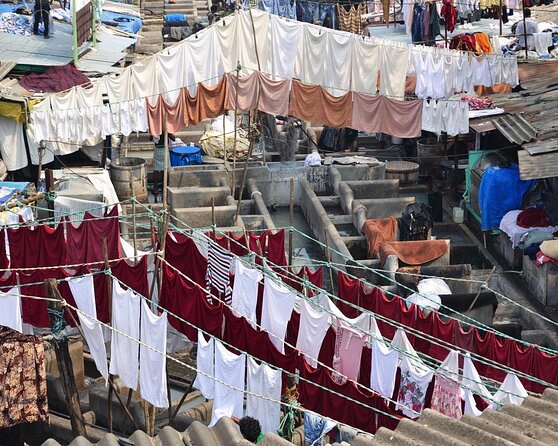
- Small industries in cramped spaces: Recycling, pottery, leather and other trades happen right in the neighborhood.
- Community and faith side by side: Temples, mosques, and churches appear near each other as you walk.
- Very small group size: Max 15 people means a more personal pace and better access.
- No-picture areas: Some stops restrict photography, often out of respect for privacy.
Why a Dharavi Walk Feels Different From a Typical Slum Tour
Dharavi is often reduced to stereotypes. This tour is built to fix that. You walk through a place with nearly a million residents and see how people make a living, solve problems, and keep community ties strong—without treating anyone like a prop.
The tone matters. The guides highlighted by past groups, like Ganesh, Alam, and Dawood, are praised for clear explanations and for keeping people feeling safe. That means you spend your time learning how the neighborhood runs—rather than staring at poverty as a spectacle.
Also, the focus on work is practical. Dharavi is known for small-scale industry, but the real eye-opener is how creative and efficient it can be when space is limited. You see innovative techniques happening right in front of you, not in a museum or a staged workshop.
Start Near Mahim Station: Getting Oriented Without Feeling Lost
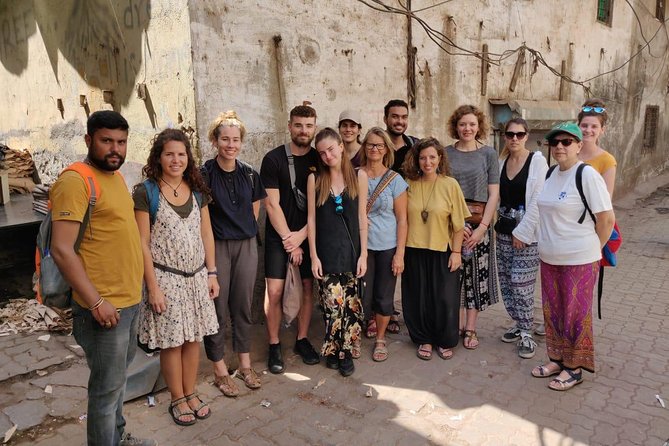
You meet in the morning near Mahim Station (West) outside Cafe Coffee Day. Your exact starting point is listed with a nearby address around Mahim (Station area, Senapati Bapat Marg), which is helpful when you’re trying to line up with public transport.
This matters because Mumbai can scramble your plans fast. A guided walk with a clear meeting point keeps your day from turning into a scavenger hunt. And the tour ends near Sai Multispeciality Hospital & Research Centre in Dharavi, opposite the hospital—so you’re not stuck backtracking across the city.
The experience runs about 1 hour 30 minutes to 2 hours, which is a friendly length. You get enough time to understand the neighborhood’s rhythm without it eating your whole day.
Other Dharavi walks led by people who live there



Walking Through Dharavi: Work, Community, and a Different Kind of Context
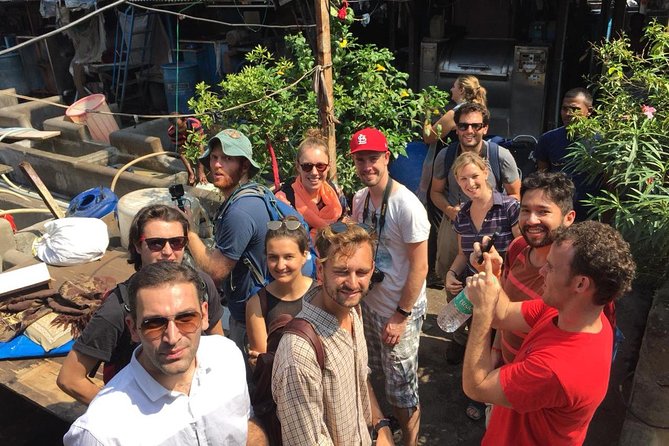
Most of your time is simply walking through Dharavi while your guide narrates what you’re seeing. The goal is not just sightseeing. It’s understanding how daily life forms the backbone of the area.
You’ll notice the mix of people who live there from all over India, and that diversity shows up as you move. One of the most striking parts is how faith and community spaces exist close together—temples, mosques, and churches appear side by side. It’s a concrete way to understand that Dharavi is not a single story. It’s many stories running in parallel.
As you go, your guide points out industries operating on a small scale. Expect to hear about recycling and other trades, plus how products get made and sold. One reason this feels so real is that so much happens in very confined conditions. You see how the neighborhood manages space, movement, and production all at once.
Leather Workshop Focus: Watching the Dominant Industry at Work
Leather is described as the dominant industry in Dharavi. Your tour includes a focused stop related to it, and it’s short—about 10 minutes—so come ready to observe fast and ask questions.
This portion is valuable because it explains how major trades can shape a community. When an industry dominates, it affects skills, jobs, supply chains, and even the layout of work areas. You don’t just learn what happens. You start to understand why it happens where it happens.
Also, your guide may remind you about respectful behavior. Past guides are noted for asking people not to take photos during parts of the walk, which often connects directly to privacy around workplaces and homes.
Pottery-Making and Sales: How Craft Survives in Small Spaces
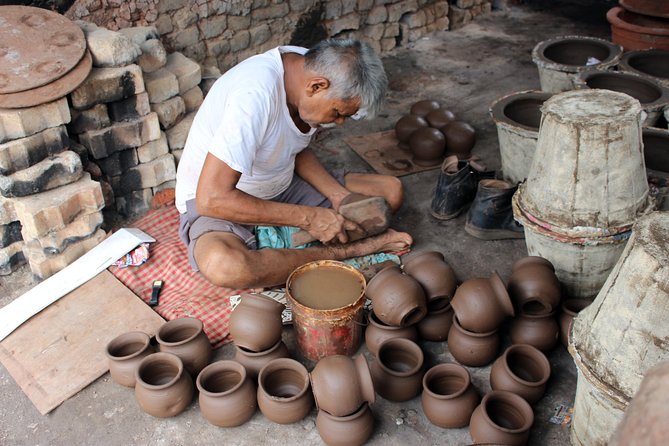
Another dedicated stop focuses on pottery, also around 10 minutes. Pottery in Dharavi isn’t presented as a quaint tradition. It’s shown as an active business—making and selling happening close together, under practical constraints.
This is where the tour’s biggest learning style kicks in: you see that craft and commerce are intertwined. The same walls that hold homes also support production. The result is a constant working environment where skills matter and output matters.
If you care about design, materials, or the way everyday objects move from workshop to market, this stop is a good match. Even if you don’t buy anything, watching the process helps you understand how value is created locally.
More of Mumbai at walking pace
- Group Guided Walking Tour in Fort and Colaba
★ 5.0 · 1,073 reviews - Private Guided Walking Tour in Fort & Colaba
★ 5.0 · 895 reviews - Private Guided Walking Tour in Bandra Queen of Suburbs
★ 5.0 · 383 reviews - Private Guided Spiritual Walk in Banganga Hindu Temples
★ 5.0 · 271 reviews - Private Guided Non-Veg Street Food Walking Tour in Muslim Quarter
★ 5.0 · 140 reviews - Heritage Walk: Recommended by Gigi Hadid as a must-do in Mumbai
★ 5.0 · 122 reviews
Guides, Safety, and the No-Photo Rule That Keeps It Human
A walking tour inside a dense neighborhood works only if you trust the guide. The strongest feedback centers on that point: people felt safe with guides such as Alam and Ganesh, and the explanations were described as clear and informative.
You should also expect some boundaries. Photography is not allowed at certain locations. That rule is not just about policy. It’s about privacy and respect for the people living and working there. The tour runs in community spaces, not open-air theme parks, so treating it like a museum with a camera is a fast way to ruin the experience.
My advice: keep your phone away during restricted sections. You’ll pay closer attention to what your guide says, and you won’t feel stuck managing both people and pixels.
What to Wear and Bring for a Comfortable 2-Hour Walk
This tour expects a moderate physical fitness level. That means you’ll be on your feet through crowded streets and tight passages. Wear shoes you can walk in comfortably. If you’re the type who hates walking in a big city with zero room to move, plan for that feeling.
Dress appropriately. The guidance is to avoid very short clothes. That’s not a style judgment; it’s about being respectful in shared community areas.
Food and drinks are not included. Since the tour is short, you can usually handle it without a big snack plan, but I’d still bring water if you tend to get thirsty in Mumbai heat. One guide stopped at a shop for bottled water, so having your own bottle can keep things smooth.
Price and Value: Paying $12 for Real Access
At $12 per person, this tour has the kind of price that’s hard to argue with—especially because you’re paying for a local guide and focused access to small industries in action. There are also no admission fees listed for the stops you visit.
What you get for the money is perspective. Instead of just driving past Dharavi, you walk through it with someone who can explain what you’re seeing. That’s the value. You’re not paying for comfort or luxury. You’re paying for context.
Group size is capped at 15 travelers, which matters for value too. Smaller groups are usually easier to manage in busy areas, and your guide can keep the pace and questions flowing.
Who This Tour Is Best For (And Who Might Want Another Option)
This experience is a great fit if you want to understand how cities work at street level. If you like learning through real-world scenes—recycling, crafts, local trade, and neighborhood community—it’s ideal.
It’s also good if you’re trying to build a more accurate view of India’s big-city life. Dharavi here isn’t treated as a problem to stare at. It’s treated as a place with systems, skills, and community energy.
You may want to skip it if you’re mainly looking for photo-friendly landmarks or if you strongly dislike rules around cameras and privacy. Also, if the idea of a dense, active working area makes you anxious, think carefully and consider going with a calm mindset.
Should You Book This Dharavi Walking Tour?
Yes—if you’re ready to see Dharavi as a living neighborhood, not a single emotion. The best reason to book is the mix of small industry in real time and local storytelling that challenges stereotypes without turning the topic into pity or performance.
Book it especially if you appreciate guides who focus on safety and clear explanations. Past groups mention guides like Ganesh, Alam, and Dawood being helpful, careful, and able to explain the neighborhood in strong English.
If you’re on the fence, do this: go in with flexible expectations, wear comfortable shoes, and plan for the no-photo sections. Then you’ll get what makes this tour worth the time—a grounded, human view of Mumbai that you won’t forget.
FAQ
Where does the tour start and where does it end?
You meet near Mahim Station (West) outside Cafe Coffee Day in the morning. The tour ends opposite Sai Multispeciality Hospital & Research Centre in Dharavi, on 90 Feet Rd.
How long is the Walking Tour of Dharavi?
The tour runs about 1 hour 30 minutes to 2 hours.
What is the price?
The price is $12.00 per person.
Is photography allowed during the tour?
Photography is not allowed at certain locations during the tour.
Is food included?
No. Food and drinks are not included.
What are the age requirements?
The minimum age is 5 years, and children must be accompanied by an adult.
Mumbai on Foot, Continued
- Group Guided Walking Tour in Fort and Colaba
★ 5.0 · 1,073 reviews - Private Guided Walking Tour in Fort & Colaba
★ 5.0 · 895 reviews - Private Guided Walking Tour in Bandra Queen of Suburbs
★ 5.0 · 383 reviews - Private Guided Spiritual Walk in Banganga Hindu Temples
★ 5.0 · 271 reviews
More Mumbai, Every Kind of Day
- Dharavi slum tour in Mumbai by Female tour guides of the slum
★ 5.0 · 1,976 reviews - Mumbai: Full-Day Sightseeing Tour of Mumbai
★ 4.9 · 1,822 reviews - Private Mumbai Sightseeing Tour (Traveller’s Choice Award Winner)
★ 5.0 · 1,565 reviews - Elephanta Caves & Island Guided Private Tour
★ 5.0 · 1,327 reviews
Dharavi, Told by Its Residents
- Dharavi slum tour in Mumbai by Female tour guides of the slum
★ 5.0 · 1,976 reviews - Mumbai: Dharavi Slum, DhobiGhat, and Dabbawallas Tour
★ 4.9 · 689 reviews - Dharavi Slum Tour
★ 5.0 · 625 reviews - Dharavi Slum tour in Mumbai by local resident
★ 5.0 · 572 reviews
New on the Mumbai shortlist



Dharavi Community Walks, compared.
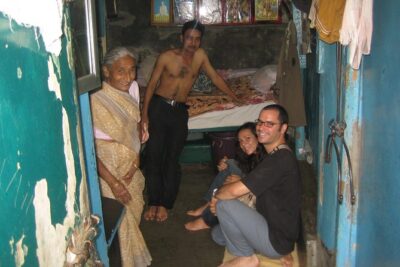 ★ 5.0Dharavi slum tour in Mumbai by Female tour guides of the slumFrom $91,976 reviews
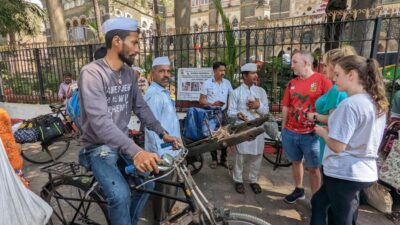 ★ 4.9Dharavi Slum, DhobiGhat, and Dabbawallas TourFrom $14689 reviews
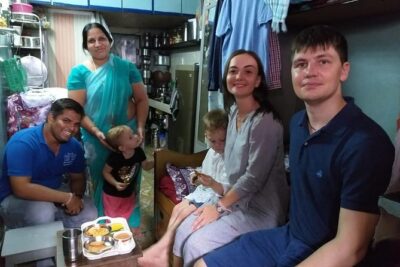 ★ 5.0Dharavi Slum TourFrom $20625 reviews
 ★ 5.0Dharavi Slum tour in Mumbai by local residentFrom $4572 reviews
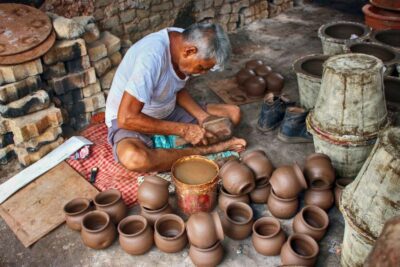 ★ 4.9Dharavi Slum Slumdog Millionaire Tour with a LocalFrom $10529 reviews
 ★ 5.0Mumbai Slum Tour – Visit Dharavi Slum with Local GuideFrom $5509 reviews
 ★ 5.0Dhobi Ghat Laundry and Dharavi Slum Tour with LocalFrom $4469 reviews
 ★ 5.02-Hour Guided Tour of DharaviFrom $22359 reviews
Browse the lists this tour appears in