
Review · FORT & COLABA WALKS
Group Guided Walking Tour in Fort and Colaba
Mumbai’s old streets reward slow walking. This small-group walk in Fort and Colaba is built for big photo moments and tight context, with a guide who ties it all back to how Mumbai grew over roughly 500 years. I love the small group size (max 12) because you can ask questions and actually hear details at each stop, not just shuffle forward. I also like that the route hits major landmarks plus lesser-noticed architecture, so you leave with a clearer mental map of the city.
One thing to think about: this tour runs on foot for about 2.5 hours, and it requires good weather. If you’re short on stamina or you hate being outside in heat or rain, plan accordingly and bring what you need to stay comfortable.
In This Review
- Quick hits you can count on
- Fort and Colaba: where Mumbai’s story gets visible fast
- The 2.5-hour route from Town Hall to the Gateway
- Stop 1: Town Hall (Asiatic Society Library) and the colonial timeline
- Stop 2: Horniman Circle Garden and the Victorian frame
- Stop 3: St. Thomas Cathedral, Mumbai’s oldest Anglican church
- Stop 4: Flora Fountain and the town-square style of memory
- Stop 5: Oval Maidan and the birthplace of Indian cricket
- Stop 6: Rajabai Clock Tower and the University of Mumbai story
- Stop 7: Kala Ghoda, the art district with architectural secrets
- Stop 8: Keneseth Eliyahoo Synagogue and a Jewish enclave’s trace
- Stop 9: Gateway of India and the Taj Mahal Palace Hotel finale
- Price and value: what you’re really paying for
- What makes the guiding style feel worth it
- Getting ready: shoes, weather, and pacing sanity checks
- Who should book this Fort and Colaba walk?
- Should you book this Fort and Colaba walking tour?
- FAQ
- How much does the Fort and Colaba walking tour cost?
- How long is the tour?
- What is the group size?
- Where does the tour start and end?
- Are there admission fees for the stops?
- What happens if the weather is bad?
- What is the cancellation policy?
Quick hits you can count on

- Max group size of 12 for a more personal feel and easier questions
- 500 years of Mumbai history explained through real streets and buildings
- Iconic photo stops like the Gateway of India, Flora Fountain, and Rajabai Clock Tower
- Historic churches, gardens, and Jewish heritage in one focused walk
- Admission is listed as free for the scheduled sights
- Local tips from your guide, including practical recommendations beyond the script
Fort and Colaba: where Mumbai’s story gets visible fast
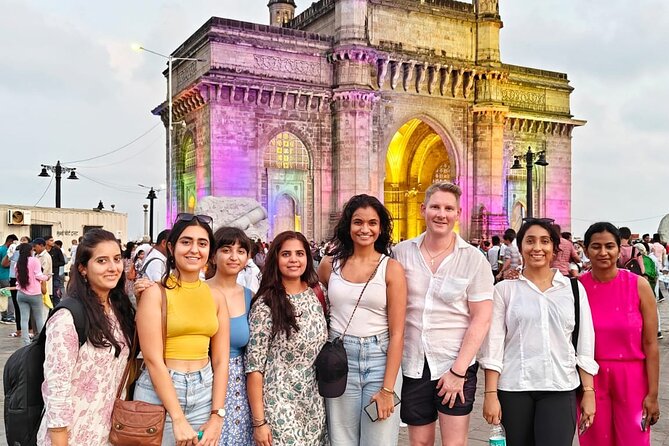
Fort and Colaba are the part of Mumbai where you can read the city’s layers on the street. One block might feel Portuguese or British in style, then a church sign, a synagogue reminder, or a garden layout brings you back to everyday life. The value here is that you’re not just looking at sights—you’re getting a guided thread that ties them together.
This tour is designed to give you bearings quickly. Your guide talks about how Mumbai evolved from a fishing and farming village into a modern metropolis, then points at the buildings and public spaces that helped shape that change. That kind of story makes your photos better too, because you know what you’re seeing and why it matters.
And yes, you’ll get the big, famous postcard moments. But what I like is that the route also works for people who prefer architecture, urban planning, and how different communities left traces in the city.
The 2.5-hour route from Town Hall to the Gateway
The walk runs about 2 hours 30 minutes and is paced around nine major stops, usually with short time blocks so you don’t get stuck in one place too long. You’ll start near the Asiatic Society’s Town Hall area in Fort, and you’ll end at the Gateway of India in Colaba.
That start-to-finish flow matters. It helps you see how Fort’s civic and institutional buildings connect to the more open, coastal public life around Colaba. If you’re visiting for the first time, this is a smart “orientation walk” that still feels like real exploring, not just a checklist.
Also, the tour uses a mobile ticket, which is one less thing to fuss over once you’re in the city.
Fort and Colaba, covered street by street




Stop 1: Town Hall (Asiatic Society Library) and the colonial timeline
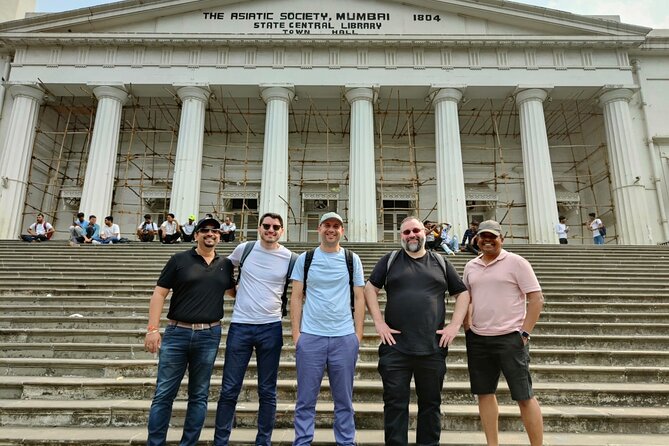
You begin at the Town Hall area connected with the Asiatic Society Library. The focus here is what happened to Mumbai after Portuguese and British colonization took hold. This is the moment where you get a storyline, not just a building photo.
Why this stop works: civic institutions often reveal how power was organized—who built, who governed, and how public life was shaped. Even if you don’t remember every detail, you’ll start noticing themes as the tour moves on.
Practical tip: this is an early stop with a shorter window, so keep your questions ready. If something clicks for you—like a mention of Portuguese vs British influence—ask right then, while you’re still warmed up.
Stop 2: Horniman Circle Garden and the Victorian frame
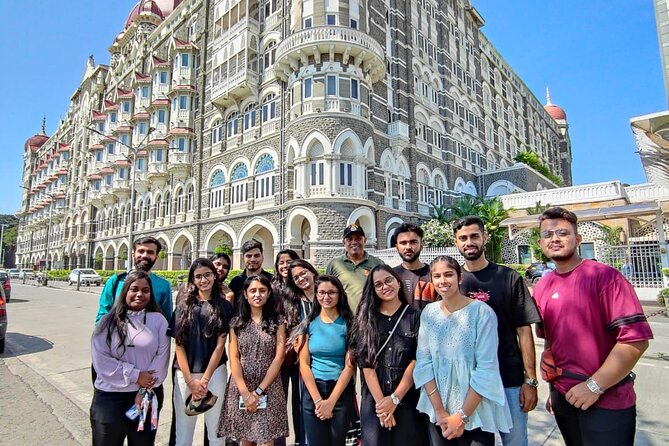
Next up is Horniman Circle Garden. Your guide explains it as Mumbai’s oldest garden, surrounded by Victorian buildings. The garden is more than a pretty pause; it’s also a window into how public leisure spaces were structured during the era when those Victorian streetscapes formed around it.
You’ll likely get a sense of the “city room” feeling the garden creates—like you’re stepping into a planned space rather than wandering into a random green patch. That makes it a great stop for photos and for learning how the city’s layout affected daily life.
What to watch: gardens can look similar across cities, so rely on your guide for the specific story tie-in. If you let the history part pass, the stop can feel like “nice scenery” instead of a meaningful turning point.
Stop 3: St. Thomas Cathedral, Mumbai’s oldest Anglican church
St. Thomas Cathedral is next, and it’s a strong contrast to the more public, civic-feeling spaces earlier in the walk. The tour gives you time inside Mumbai’s oldest Anglican church to look at memorials and the grand altar.
This is where the tour adds a human dimension. Churches tend to preserve names, dates, and community memory in a way that streets and fountains can’t. If you enjoy religious architecture or want to understand how communities lived side-by-side, this stop is worth leaning into.
A consideration: time inside is about 15 minutes, so if you’re the type who wants to read every plaque, you may need to pick a few features and focus. Otherwise, you’ll lose your place in the group rhythm.
More of Mumbai at walking pace
- Group Guided Walking Tour in Fort and Colaba
★ 5.0 · 1,073 reviews - Private Guided Walking Tour in Fort & Colaba
★ 5.0 · 895 reviews - Private Guided Walking Tour in Bandra Queen of Suburbs
★ 5.0 · 383 reviews - Private Guided Spiritual Walk in Banganga Hindu Temples
★ 5.0 · 271 reviews - Mumbai: Dharavi Slum Walking Tour by First Female Tour Guide
★ 4.9 · 192 reviews - Private Guided Non-Veg Street Food Walking Tour in Muslim Quarter
★ 5.0 · 140 reviews
Stop 4: Flora Fountain and the town-square style of memory
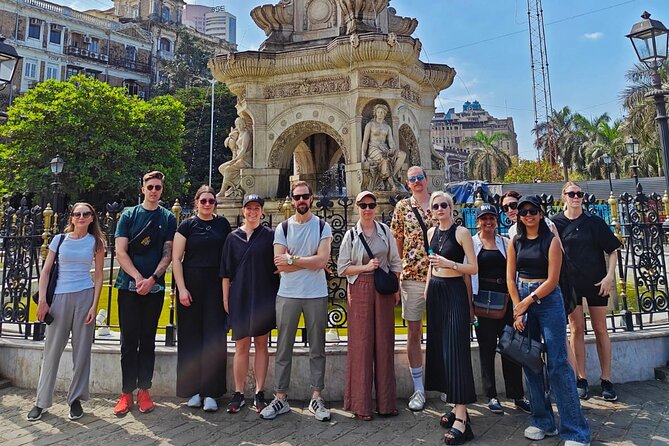
Flora Fountain gets you a look at one of the city’s main town squares, described as Mumbai’s answer to Piccadilly Circus and the Martyrs’ Memorial. This stop is about how public space can act like a living monument—people pass through it daily, but the design keeps a story going.
You’ll take photos, yes, but the real value is learning why this space became a focal point. Fountains and major squares often anchor routes, commerce, and public gatherings, so understanding that connection helps you navigate Mumbai better later.
If you’re sensitive to crowds, keep your timing in mind. Since it’s a short stop, it’s easier if you have your camera ready before the group settles.
Stop 5: Oval Maidan and the birthplace of Indian cricket
Oval Maidan is a big one. You’ll spend around 20 minutes looking at the grand buildings around it, and your guide connects the space to the birthplace of Indian cricket. The tour info also frames this area within a UNESCO World Heritage setting.
This is a fun stop because sports becomes history you can see. It’s not a museum story—it’s urban space where a major cultural moment could unfold. Even if you’re not a cricket superfan, it helps you understand how public land in big cities can become identity-making.
The main drawback here is simple: with famous open spaces, you’ll often share the area with other people who are there for the views. Bring patience and keep your expectations realistic for photo timing.
Stop 6: Rajabai Clock Tower and the University of Mumbai story
Rajabai Clock Tower brings the tour into academia and architecture. The guide compares it to Big Ben and talks about the evolution of the University of Mumbai.
If you like clock towers, this is your kind of stop. They’re landmarks that manage time in a city—but also symbolize institutions trying to look permanent and authoritative. In other words, it’s not just a pretty face; it’s a statement in stone.
Tip: listen for how the university story connects to the bigger Mumbai narrative you started with at Town Hall. The tour gets stronger when stops speak to each other.
Stop 7: Kala Ghoda, the art district with architectural secrets
Kala Ghoda is next, framed as Mumbai’s premier Art District. You’ll look at the diverse architecture and hear stories about what’s going on behind the facades.
This is one of the stops that can shift based on your interests. If you love art, the area’s identity will land for you. If you’re more into buildings and streetscape, the architecture-centered talk will still make the time feel useful.
One consideration: 15 minutes can go fast in an art district where you might want to wander. If you crave extra browsing, plan to return after the tour ends rather than trying to do it all in the group time.
Stop 8: Keneseth Eliyahoo Synagogue and a Jewish enclave’s trace
The tour moves into Mumbai’s Jewish enclave at Keneseth Eliyahoo Synagogue. Your guide points out signs of Jewish life that are now almost extinct in the city.
This stop matters because it connects architecture to community continuity. Even when a community has shrunk, physical reminders and cultural footprints can still shape a neighborhood. That’s the kind of learning that changes how you walk streets afterward—you notice details instead of just scenery.
Practical note: this is another 15-minute stop, so you’ll want to focus on what your guide is calling out rather than trying to inspect everything.
Stop 9: Gateway of India and the Taj Mahal Palace Hotel finale
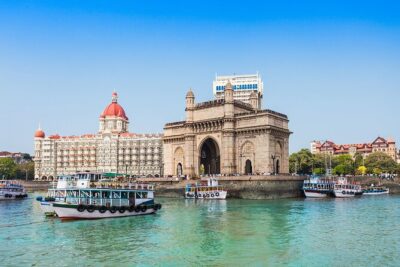
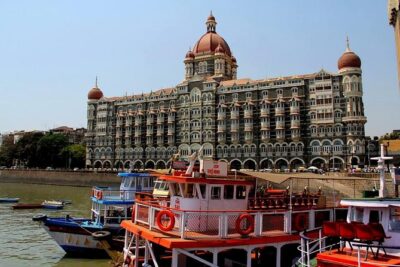
You finish at the Gateway of India area, one of Mumbai’s iconic symbols, with the Taj Mahal Palace Hotel nearby. The stop is about 20 minutes, which is a nice amount of time for photos and a last bit of story wrap-up.
This finale works because you’ve already built context. Earlier stops gave you civic, religious, educational, and neighborhood layers. Ending here ties it together with the coastal-facing monument that many people associate with Mumbai’s public image.
If you want your best shots, aim to get your camera out quickly and don’t wait for the group to fully settle. And if you’re heading out afterward, this area is also a practical place to regroup and plan your next move.
Price and value: what you’re really paying for
At $16.73 per person, this is a budget-friendly tour that still includes meaningful guidance. The big value isn’t the price tag—it’s the structure: a guide-led walkthrough with a cap of 12 people, built around major landmarks and community stories instead of a random stroll.
Also, the tour lists admission as free for each scheduled stop. That matters because you’re paying for the route, the explanations, and the timekeeping—not for a stack of entry fees.
It’s also rated 5/5 with 1,000+ reviews, which is a sign that most people feel they learned something and enjoyed the pacing. And one highlighted guide name is Palak, praised for keeping the tour engaging and even arranging a complimentary coffee break in the middle for at least some groups.
What makes the guiding style feel worth it
This is the part you’ll notice most once you’re walking: the guide isn’t only describing what you see, but also giving local recommendations and tips. That can help you after the tour ends—where to eat, what to prioritize next, and how to plan your remaining time in Mumbai.
A small group also changes the tone. With a maximum of 12 travelers, your questions don’t get swallowed. You can ask about a building style, a neighborhood connection, or why a space was designed the way it was, and the guide can actually respond.
And because the tour spans civic institutions, gardens, churches, monuments, education, art district architecture, and a synagogue, you get a more balanced picture of the city’s makeup.
Getting ready: shoes, weather, and pacing sanity checks
Plan for walking for the full 2.5 hours. Wear comfortable shoes with decent grip. Mumbai sidewalks can be lively and uneven in places, and you’ll be standing still for photos plus stepping between landmarks.
You also need good weather. If conditions are poor, the tour can be canceled and you’ll be offered a different date or a full refund. So if you’re traveling in the rainy season or have unpredictable days, keep your calendar flexible.
If you want a smoother day, do two simple things:
- Carry water and a light layer if the air feels humid.
- Keep your phone charged for photos; you’ll want it at the Gateway area and other iconic spots.
Who should book this Fort and Colaba walk?
This tour is a strong fit if you:
- Want your first look at Fort and Colaba with a clear historical thread
- Like architecture and public spaces—fountains, gardens, schools, churches, towers
- Prefer smaller groups (max 12) over the big-bus style shuffle
- Enjoy practical guidance you can use right after the walk, like where to go next
It might be less ideal if you:
- Hate walking for a couple of hours in the open
- Need long time inside places and don’t want quick stop-and-go pacing
- Want deep museum-style time at any one building (this is a walking route with short windows)
Should you book this Fort and Colaba walking tour?
Yes, if you want a solid, budget-friendly introduction to Mumbai’s older core with real guidance at each stop. The blend of iconic landmarks (Gateway of India, Flora Fountain, Rajabai Clock Tower) plus community stories (like the synagogue stop) makes it more than a photo walk.
If your biggest priority is lounging with minimal effort, skip it. But if you want to get your bearings fast and understand what you’re seeing across a neighborhood arc, this one is an easy recommendation.
FAQ
How much does the Fort and Colaba walking tour cost?
The tour costs $16.73 per person.
How long is the tour?
It lasts about 2 hours 30 minutes.
What is the group size?
The tour has a maximum of 12 travelers.
Where does the tour start and end?
It starts at the Asiatic Society / Town Hall area in Fort, and it ends at the Gateway of India in Colaba (Apollo Bandar area).
Are there admission fees for the stops?
The listed admission for the scheduled sights is free.
What happens if the weather is bad?
This experience requires good weather. If it’s canceled due to poor weather, you’ll be offered a different date or a full refund.
What is the cancellation policy?
You can cancel for a full refund up to 24 hours before the experience starts. If you cancel less than 24 hours before start time, the amount paid is not refunded.
Mumbai on Foot, Continued
- Private Guided Walking Tour in Fort & Colaba
★ 5.0 · 895 reviews - Private Guided Walking Tour in Bandra Queen of Suburbs
★ 5.0 · 383 reviews - Private Guided Spiritual Walk in Banganga Hindu Temples
★ 5.0 · 271 reviews - Mumbai: Dharavi Slum Walking Tour by First Female Tour Guide
★ 4.9 · 192 reviews
More Mumbai, Every Kind of Day
- Dharavi slum tour in Mumbai by Female tour guides of the slum
★ 5.0 · 1,976 reviews - Mumbai: Full-Day Sightseeing Tour of Mumbai
★ 4.9 · 1,822 reviews - Private Mumbai Sightseeing Tour (Traveller’s Choice Award Winner)
★ 5.0 · 1,565 reviews - Elephanta Caves & Island Guided Private Tour
★ 5.0 · 1,327 reviews
Fort and Colaba, Round Two
- Private Guided Walking Tour in Fort & Colaba
★ 5.0 · 895 reviews - Private Guided Open Jeep Tour in Fort & Colaba
★ 5.0 · 170 reviews - Bombay Fort Heritage Walking Tour
★ 5.0 · 27 reviews - Mumbai Tour by Ac coach with pickup in Colaba & Mumbai Port only
★ 4.0 · 5 reviews
New on the Mumbai shortlist


Fort & Colaba Walks, compared.
 ★ 5.0Private Guided Walking Tour in Fort & ColabaFrom $36895 reviews
 ★ 5.0Private Guided Open Jeep Tour in Fort & ColabaFrom $59170 reviews
 ★ 5.0Bombay Fort Heritage Walking TourFrom $2927 reviews
 ★ 4.0Mumbai Tour by Ac coach with pickup in Colaba & Mumbai Port onlyFrom $605 reviews
 ★ 5.0Mumbai Heritage Walking Tour of Colaba and FortFrom $663 reviews
Browse the lists this tour appears in