
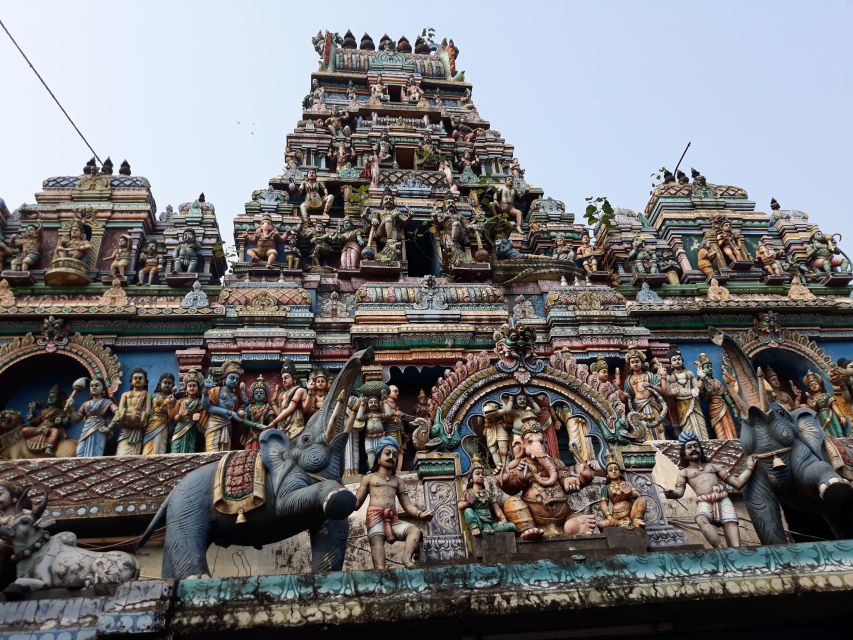
Review · DHARAVI COMMUNITY WALKS
Mumbai: Dharavi Slum Walking Tour with Local Slum Dweller
Dharavi changes how you see a city. This Mumbai walking tour is resident-led, so you follow working lanes where recycling and small factories drive an estimated $1 billion in annual output. You’ll also see places tied to Slumdog Millionaire, then learn what daily life looks like from the inside.
I like the tour’s respect-first approach, with guides such as Abhishek and Bharti cited for making the experience feel safe and welcome. I also love the hands-on option: you can try pottery on a wheel and, if you choose, add a vegetarian lunch with a local family.
One consideration: you’ll be walking through tight, real neighborhoods, so it can feel cramped and intense. Go in patient and observant, and follow your guide’s cues to keep things comfortable for everyone nearby.
In This Review
- Key moments that make this tour worth your time
- Entering Dharavi Through a Resident-Led Walk
- Meeting at Third Wave Coffee, Then Stepping Into Real Neighborhood Lanes
- Slumdog Millionaire Corner, Then Leather, Soap, and Dye Workshops
- Market Area, Schools, Hospitals, and Houses Off the Main Streets
- Recycling Is the Story: Plastic, Vegetable Oil Cans, and Rubie-Scale Work
- Faith in Motion: Muslims Building a Shrine for Hindus
- Pottery Workshop Option: Wheel Time and Kumbharwade Art
- Lunch With a Local Family: Vegetarian, On the Floor, With Your Hands
- Why the Guide Matters: Abhishek, Bharti, Dhruvesh, Hardik Tank, and Rakesh
- Price and Value at $14: What You Actually Get
- Who This Tour Suits (and Who Might Prefer Something Else)
- Should You Book This Dharavi Slum Walking Tour?
- FAQ
- Where do I meet the guide?
- What does the tour cost?
- What’s included in the standard tour?
- Is a vegetarian lunch included?
- Can I add a pottery workshop?
- What should I bring?
- What language is the tour in?
- Where does the tour end?
- Is there a pay-later option and a cancellation window?
Key moments that make this tour worth your time
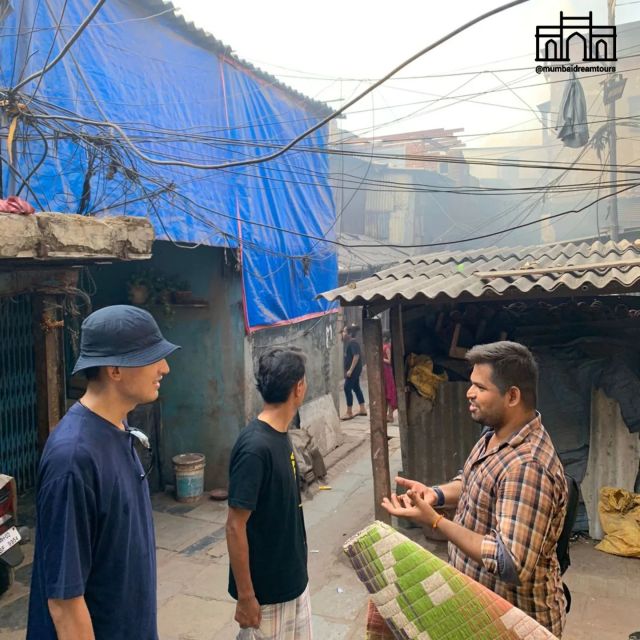
- Resident-led storytelling with guides like Abhishek, Bharti, Dhruvesh, and Hardik Tank steering the walk
- Slumdog Millionaire filming locations mixed into the real working streetscape
- Tiny-space industry, including leather workshops plus soap and dye makers
- Recycling at the center of daily life, with examples like vegetable oil can reuse
- Hands-on pottery option with wheel time and Kumbharwade art
- Optional vegetarian lunch eaten with a local family on the floor, with hands
Entering Dharavi Through a Resident-Led Walk
Dharavi is one of those places that gets flattened into a single label. This tour resists that shortcut. Instead of asking you to picture poverty from far away, it puts you on foot with a local guide who can explain what people do every day, why they do it, and how the community keeps things moving.
I like the basic idea: you’re not just sightseeing. You’re learning how the neighborhood functions like a network. That matters because Dharavi’s economic output is estimated around $1 billion annually, much of it linked to informal recycling work (including Rubie’s recycling industry). When you understand that, the place stops being a blank stereotype and starts being a living system.
And the tour doesn’t treat “work” as one thing. You pass household life, schools, and clinics alongside small-scale manufacturing. It’s a reminder that cities run on people doing practical things, sometimes in the smallest spaces possible.
Meeting at Third Wave Coffee, Then Stepping Into Real Neighborhood Lanes
You start at Third Wave Coffee and the tour ends back at the same meeting point. That simplicity is helpful in Mumbai, where getting your bearings can feel like a mini project by itself.
The tour runs in English, and you get water as part of the experience. You also have a clear prep checklist: bring a scarf and wear closed-toe shoes. Those details aren’t just rules. In an alley-heavy route, sturdy shoes and a scarf make the walk easier and more respectful.
Group size isn’t specified, so I’ll suggest you assume it could be fairly close-quarters. The walking is the point, and the lanes are narrow by nature. If you’re the kind of traveler who likes lots of space around you, this may require a mental shift.
Other Dharavi walks led by people who live there


Slumdog Millionaire Corner, Then Leather, Soap, and Dye Workshops
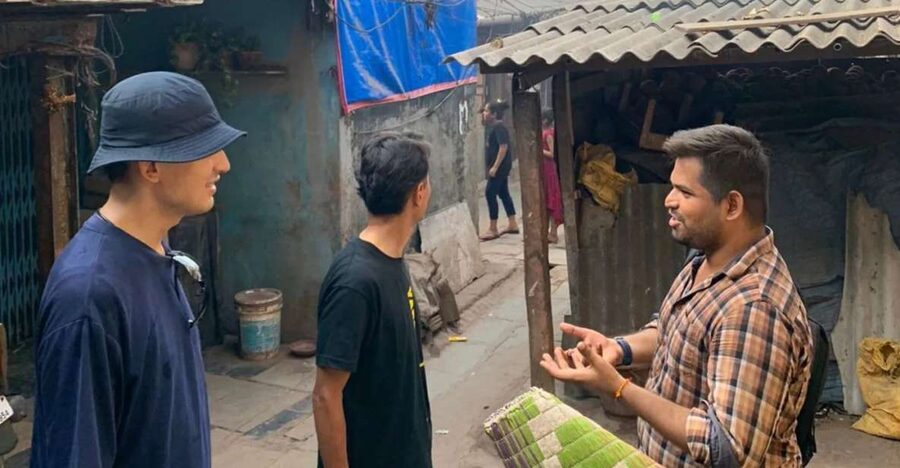
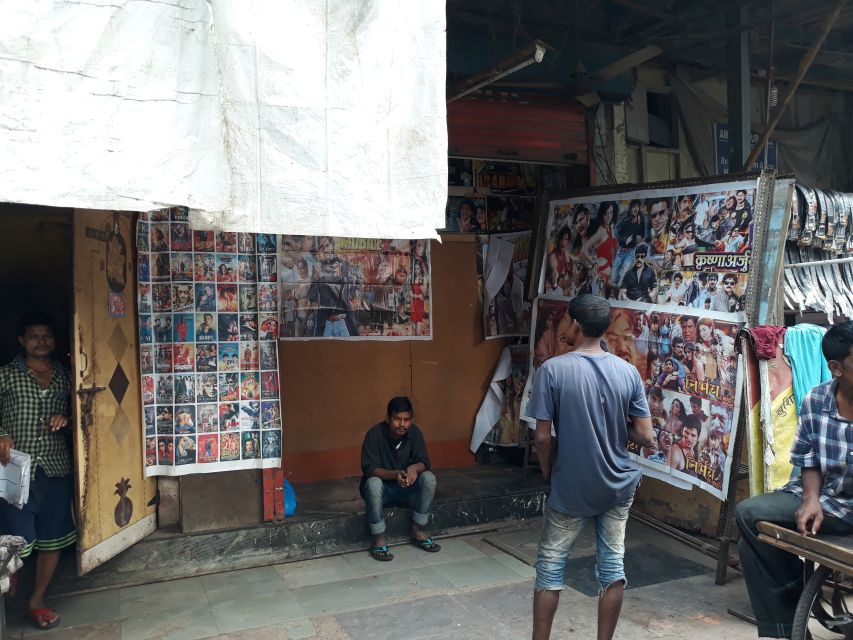
A stop connected to Slumdog Millionaire is built into the route. It’s the kind of moment that grabs attention fast because it’s pop-culture familiar, and then it turns into something more useful. You’re not just ticking off a film location. You’re watching how ordinary work continues in the same neighborhood where outsiders once filmed a story.
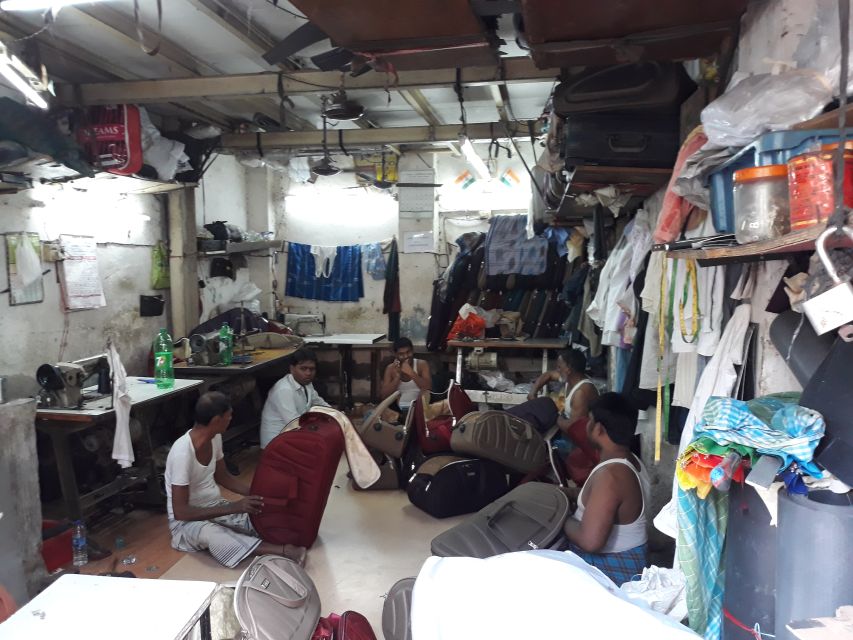
From there, you move into tiny workshop zones. The tour includes stops connected to small manufacturing like:
- Leather workshops
- Soap manufacturers
- Colored dye makers
- Additional small businesses along the way
This is where a lot of people’s assumptions get challenged in a good way. Dharavi isn’t shown as a place where nothing happens. It’s shown as a place where making, repairing, and processing are constant. You’ll also hear how people get results from limited space, which is a useful lesson no matter where you live.
One practical tip: keep your expectations focused on observation, not performance. Even if you want to take photos, you’ll be much better off if you wait for your guide’s cues and avoid blocking work.
Market Area, Schools, Hospitals, and Houses Off the Main Streets

The tour isn’t only about work spaces. You also see day-to-day services and community buildings as you walk through the small alleyways. Based on the tour description, expect glimpses of:
- A bakery
- Schools
- Hospitals/clinics
- Houses
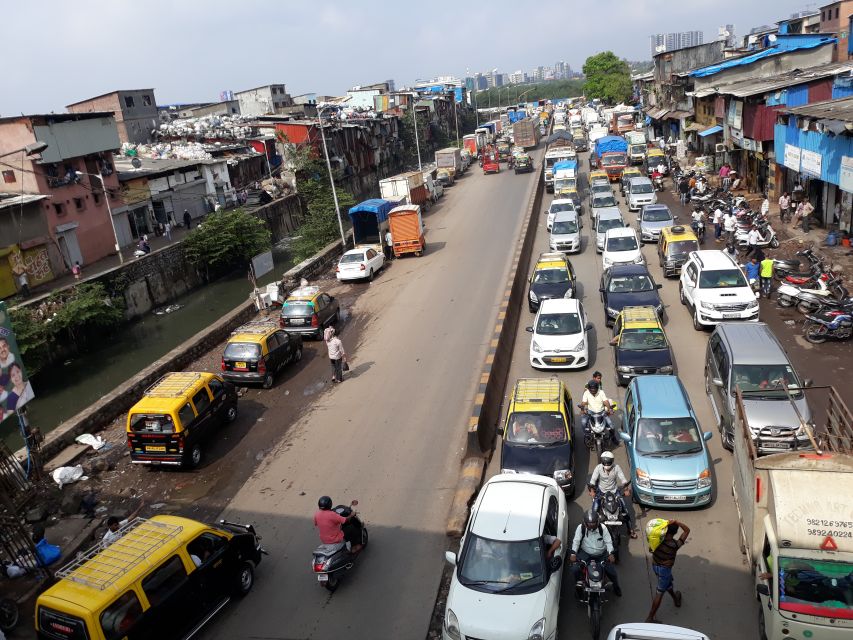
That mix is valuable because it reframes Dharavi as a place where normal life continues. It also helps you understand how industry and living overlap. In many parts of Mumbai (and lots of the world), home and business are tangled together. Dharavi makes that blend visible rather than hidden behind walls.
The route also heads toward the market area. Markets matter here because they’re how goods move, how people source materials, and how small operations connect to larger supply chains. If you like “how things get made and how they get sold,” this is a key segment.
Recycling Is the Story: Plastic, Vegetable Oil Cans, and Rubie-Scale Work

One of the strongest parts of this tour is the focus on recycling. It’s not presented as an eco-lesson from a distance. It’s presented as a daily survival system with real ingenuity.
You’ll learn about the importance of plastic recycling in Dharavi and see examples of how items are reused in practical ways. One specific detail included in the tour is how vegetable oil cans get recycled innovatively. That’s the kind of small detail that sticks because it’s concrete. It’s not a slogan. It’s a process.
The tour also frames Dharavi’s economy around informal recycling work, including the role of Rubie’s industry. When you put numbers to it (the $1 billion annual output estimate), the story shifts. Recycling becomes a major economic engine, not just a household practice.
I also appreciate that this part of the walk teaches you to look for systems. When you notice sorting, reuse, and repurposing, you start spotting it everywhere in the neighborhood. That’s a mindset upgrade you’ll carry beyond Dharavi.
More of Mumbai at walking pace
- Group Guided Walking Tour in Fort and Colaba
★ 5.0 · 1,073 reviews - Private Guided Walking Tour in Fort & Colaba
★ 5.0 · 895 reviews - Private Guided Walking Tour in Bandra Queen of Suburbs
★ 5.0 · 383 reviews - Private Guided Spiritual Walk in Banganga Hindu Temples
★ 5.0 · 271 reviews - Mumbai: Dharavi Slum Walking Tour by First Female Tour Guide
★ 4.9 · 192 reviews - Private Guided Non-Veg Street Food Walking Tour in Muslim Quarter
★ 5.0 · 140 reviews
Faith in Motion: Muslims Building a Shrine for Hindus
Another included moment is cultural and interwoven. As you walk, you may see Muslims making a shrine for Hindus. The tour’s point isn’t religious debate. It’s the everyday fact that communities share space, and people help each other within that shared space.
This matters for visitors because it breaks the “us vs. them” storyline people sometimes bring with them. Here, the relationship is practical and close-up: faith work happens in the same streets, and neighbors support each other’s ceremonies.
If this moment feels surprising, that’s not a problem. It’s the tour doing its job. The neighborhood is shown as a real place with real relationships, not just an economic puzzle.
Pottery Workshop Option: Wheel Time and Kumbharwade Art
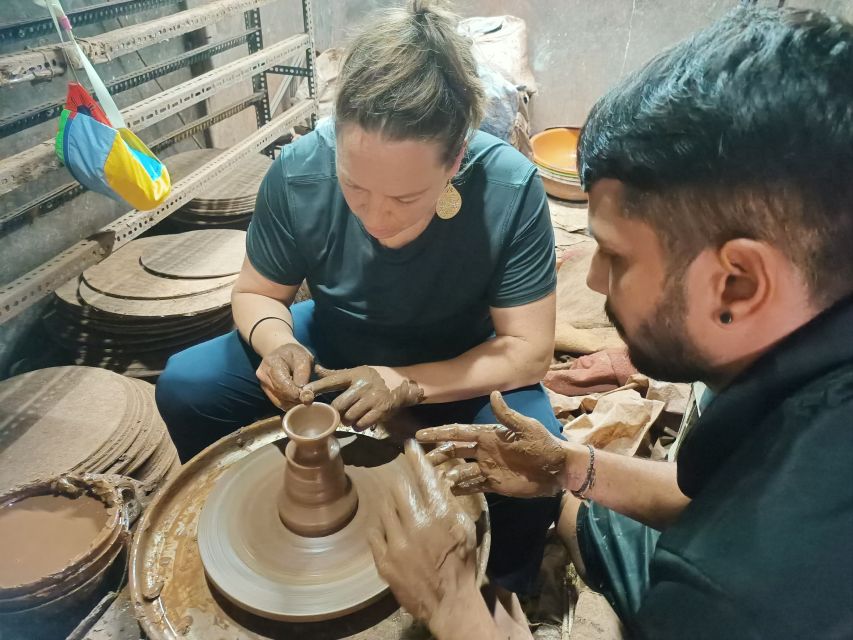
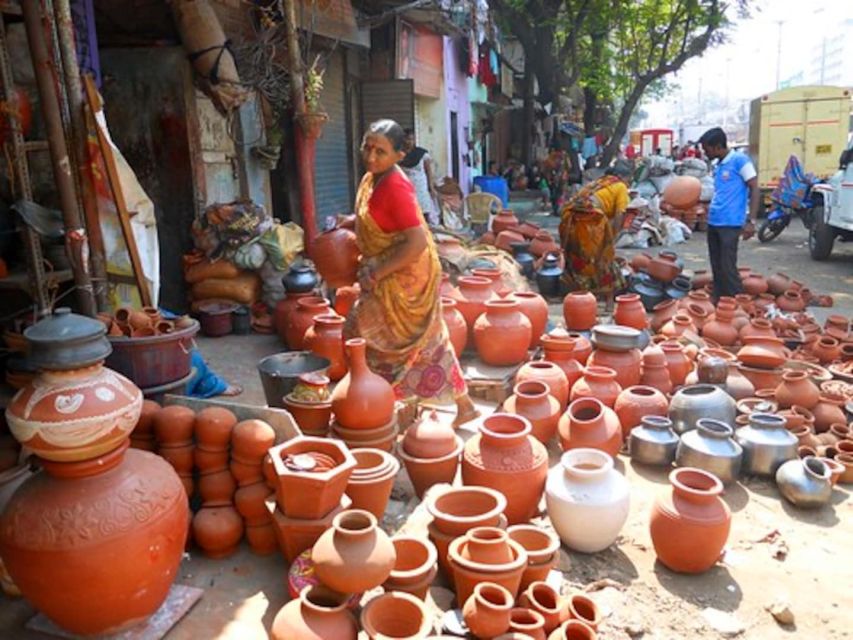
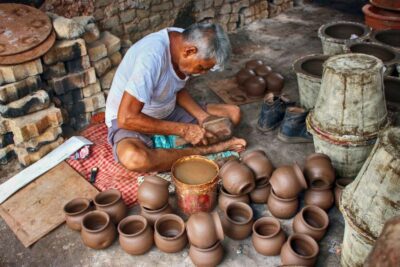
If you choose the pottery-making option, you’ll visit a local potter’s workshop. You’ll get a general overview of pottery making, then try your hand at throwing on a wheel.
The description specifically mentions making a piece of Kumbharwade art. That detail is useful because it suggests the workshop isn’t just a tourist craft demo. You’re trying a real technique and aiming at a specific style of work tied to local craft traditions.
How to think about this part:
- If you like hands-on learning, it’s one of the best uses of your time.
- If you’re worried you won’t be good at it, good. Pottery is one of those activities where the point is the attempt, not perfection.
Also, wear common sense clothes for a workshop activity. The tour already asks for a scarf and closed-toe shoes; I’d stick with that and be prepared for the reality of a messy craft day.
Lunch With a Local Family: Vegetarian, On the Floor, With Your Hands
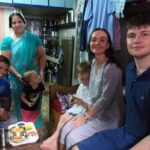
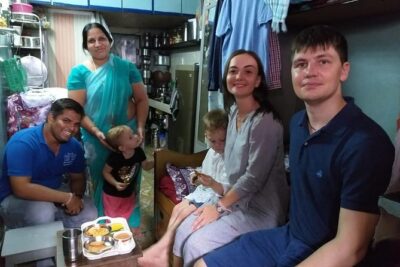
The lunch option adds something different from the workshop: it’s a chance to experience daily hospitality. You’ll have a vegetarian lunch with a local family if you select that option.
The format is part of the experience. You’ll eat sitting on the floor and eating with your hands. That’s not just a cultural detail. It’s a way of joining the rhythm of the meal rather than treating it like a restaurant transaction.
One thing I like about this lunch choice is that it’s optional. You can match your curiosity level to your comfort level. If you’d rather keep the focus on industry and streets, pottery might be your add-on. If you want a people-centered capstone, lunch is the emotional finish.
Why the Guide Matters: Abhishek, Bharti, Dhruvesh, Hardik Tank, and Rakesh
In Dharavi, the guide is more than logistics. The guide sets the tone: how you move, what you ask, what you notice, and how you interact without disturbing work or daily routines.
Names that stand out from guide feedback include:
- Abhishek, praised for deep information and making participants feel safe and welcome
- Bharti, described as warm and welcoming and focused on giving the most value from the experience
- Dhruvesh, recognized for respect, politeness, and clear explanations
- Hardik Tank, noted for thoughtful perspective and answering questions while keeping the presence low-impact
- Rakesh, mentioned for doing a strong job and keeping the experience enlightening
Some guides also add personal touches beyond the standard walk. For example, guides have been described as inviting visitors to see their home or workshop, or offering tea in a family workshop setting. Those moments can be powerful because they show you the difference between photographing a place and meeting the people who live there.
If you do this tour, choose curiosity over urgency. Ask questions, but keep an eye on how the moment is working for the people around you.
Price and Value at $14: What You Actually Get
At $14 per person, this tour is priced for access. The big value is that you’re paying for interpretation: a local guide connecting the dots between recycling, small industry, community services, and cultural life.
Included items are straightforward:
- Slum tour
- Guide
- Water
- Vegetarian lunch (depending on your selected option)
- Pottery workshop (depending on your selected option)
So you’re not just buying walking time. You’re buying structured storytelling plus optional hands-on activities. If pottery or lunch is your style, that increases the bang-for-your-buck feel because those experiences are built into what you select.
Also, the tour’s framing has practical heft: it ties day-to-day routines to economic output and explains recycling’s role in how the neighborhood operates. That kind of context is usually what you would pay extra for on a standard city tour.
Who This Tour Suits (and Who Might Prefer Something Else)
You’ll likely enjoy this walk if you:
- Want to understand how cities function at street level
- Like seeing real work and how small industries operate
- Enjoy a guided Q&A style experience where you can ask questions
- Want a deeper Mumbai experience than a quick bus-and-brochure loop
You might want to think twice if you:
- Prefer a more comfortable, low-intensity sightseeing format
- Don’t like close quarters or walking through narrow alleys
- Expect a neutral, story-free tour with minimal emotion or cultural context
This is also a good pick for photographers who care about human-scale reality. Just keep in mind that the focus here is learning and respect, not a photo shoot.
Should You Book This Dharavi Slum Walking Tour?
If you’re drawn to the idea of seeing Dharavi as a working neighborhood, not a headline, this tour is a strong choice. The resident-led approach, the spotlight on recycling, and the option to do pottery give it a balance of context and hands-on experience.
My practical advice for booking:
- Pick pottery if you want a skill-based memory, not just photos.
- Pick lunch if you want a human, slow ending to the walk.
- Read for tone: bring curiosity, keep expectations respectful, and let your guide set the pace.
If your goal is to challenge your assumptions with real examples—leather craft, soap and dye making, market life, plastic recycling, and a community that shares space—then $14 is a reasonable price for a highly instructive experience.
FAQ
Where do I meet the guide?
You meet your guide at Third Wave Coffee.
What does the tour cost?
The tour price is $14 per person.
What’s included in the standard tour?
Included are the slum tour, guide, and water.
Is a vegetarian lunch included?
Vegetarian lunch is included depending on the option you choose.
Can I add a pottery workshop?
Yes. A pottery workshop is included depending on the option you choose.
What should I bring?
Bring a scarf and closed-toe shoes.
What language is the tour in?
The tour is offered in English.
Where does the tour end?
It ends back at the meeting point (Third Wave Coffee).
Is there a pay-later option and a cancellation window?
The experience offers reserve & pay later, meaning you can book and pay nothing today. Cancellation is allowed up to 24 hours in advance for a full refund.
Mumbai on Foot, Continued
- Group Guided Walking Tour in Fort and Colaba
★ 5.0 · 1,073 reviews - Private Guided Walking Tour in Fort & Colaba
★ 5.0 · 895 reviews - Private Guided Walking Tour in Bandra Queen of Suburbs
★ 5.0 · 383 reviews - Private Guided Spiritual Walk in Banganga Hindu Temples
★ 5.0 · 271 reviews
More Mumbai, Every Kind of Day
- Dharavi slum tour in Mumbai by Female tour guides of the slum
★ 5.0 · 1,976 reviews - Mumbai: Full-Day Sightseeing Tour of Mumbai
★ 4.9 · 1,822 reviews - Private Mumbai Sightseeing Tour (Traveller’s Choice Award Winner)
★ 5.0 · 1,565 reviews - Elephanta Caves & Island Guided Private Tour
★ 5.0 · 1,327 reviews
Dharavi, Told by Its Residents
- Dharavi slum tour in Mumbai by Female tour guides of the slum
★ 5.0 · 1,976 reviews - Mumbai: Dharavi Slum, DhobiGhat, and Dabbawallas Tour
★ 4.9 · 689 reviews - Dharavi Slum Tour
★ 5.0 · 625 reviews - Dharavi Slum tour in Mumbai by local resident
★ 5.0 · 572 reviews
New on the Mumbai shortlist


Dharavi Community Walks, compared.
 ★ 5.0Dharavi slum tour in Mumbai by Female tour guides of the slumFrom $91,976 reviews
 ★ 4.9Dharavi Slum, DhobiGhat, and Dabbawallas TourFrom $14689 reviews
 ★ 5.0Dharavi Slum TourFrom $20625 reviews
 ★ 5.0Dharavi Slum tour in Mumbai by local residentFrom $4572 reviews
 ★ 4.9Dharavi Slum Slumdog Millionaire Tour with a LocalFrom $10529 reviews
 ★ 5.0Mumbai Slum Tour – Visit Dharavi Slum with Local GuideFrom $5509 reviews
 ★ 5.0Dhobi Ghat Laundry and Dharavi Slum Tour with LocalFrom $4469 reviews
 ★ 5.02-Hour Guided Tour of DharaviFrom $22359 reviews
Browse the lists this tour appears in