
Review · DHARAVI COMMUNITY WALKS
Mumbai: Dharavi Slum Walking Tour by First Female Tour Guide
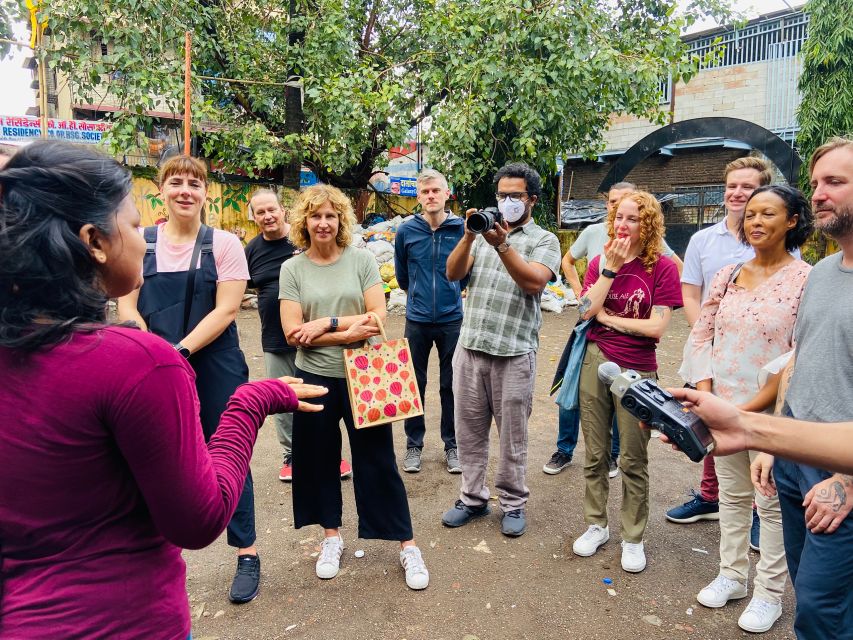
Dharavi is nothing like you expect. On this real Dharavi life walk, I love the access to places that don’t exist on typical sightseeing maps, from plastic and paper recycling to soap-making, cloth, leather work, and pottery. I also like that you’re led by a female local guide with strong English, patience, and a knack for clear, human stories (I’ve seen names like Sneha, Varsha, Pooja, Anu, and Anushka come up again and again). One possible drawback: it’s a working neighborhood walk, so you should expect tight lanes, stairs, and an experience that can feel emotionally heavy at times.
This tour is short—about 2.5 hours—and it stays focused. You start at Third Wave Coffee, meet your guide outside, take bottled mineral water, and then move into the heart of Dharavi on foot. The route is designed to connect industries and everyday life, including both commercial areas and residential pockets.
Price is surprisingly low for the access you’re getting—listed at $5 per person—but the value isn’t just the cost. You’re paying for a guide who can explain how the place works, keep the group together, and answer questions in a calm, respectful way. If you’re looking for neat, postcard views, you might find the experience challenging; if you want Mumbai’s real engine room, you’ll likely feel glad you came.
In This Review
- Key moments worth bracing for
- Third Wave Coffee: starting smart, not stressed
- Walking through Dharavi’s recycling engine (plastic, paper, aluminium)
- Beyond recycling: soap factories, cloth, leather, pottery
- Schools, colleges, markets, and the residential walk-through
- Why the guides matter: first female local guiding and real context
- Price and time: what $5 gets you in Mumbai terms
- How to get the most out of the walk (without getting in the way)
- Who should book this Dharavi walk?
- Should you book the Dharavi Slum Walking Tour with a first female guide?
- FAQ
- How long is the Dharavi walking tour?
- Where do I meet my guide?
- What language is the tour guide?
- What is included in the price?
- What will I see during the walk?
- Is this tour inside Dharavi?
- How much does the tour cost?
- Can I cancel for a refund?
- Is there an option to reserve and pay later?
- Is a private group available?
Key moments worth bracing for
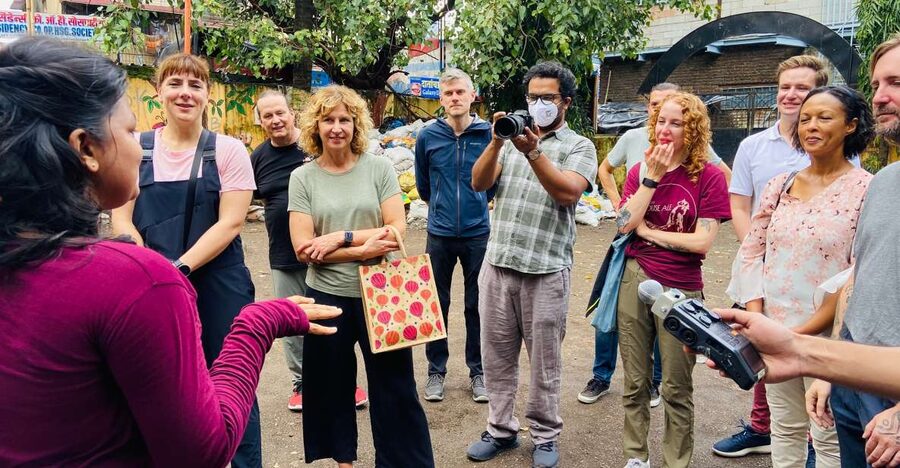
- Third Wave Coffee meet-up right by the action, with easy-to-find meeting outside the shop
- Recycling workshops for plastic, paper, and aluminium—how waste becomes jobs
- Factory visits you can walk past and talk through: soap, cloth, leather, and pottery
- Education and community spaces like schools and colleges inside daily life
- Markets and small commerce that show Dharavi isn’t only about survival
- First female local guiding with strong English, humor, and steady group control
Third Wave Coffee: starting smart, not stressed
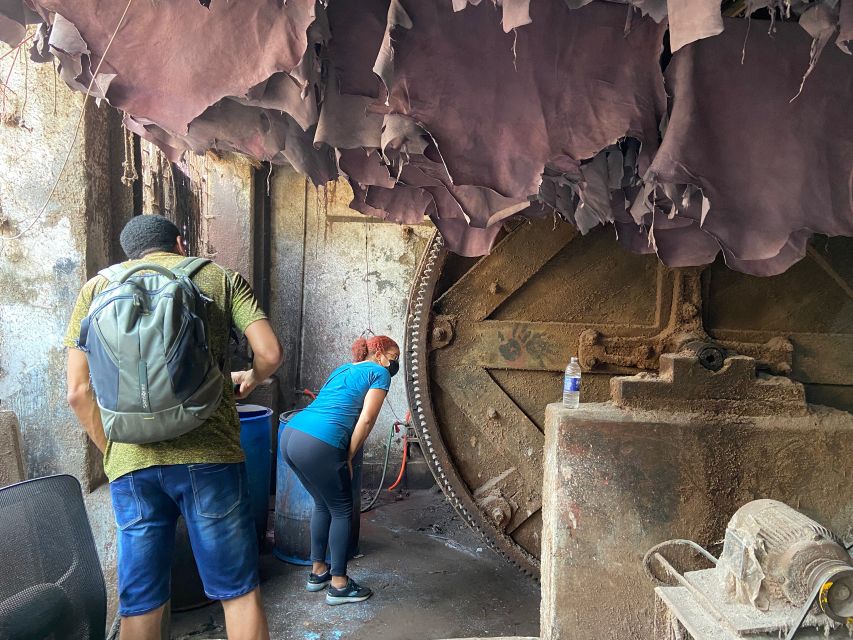
Your day begins at Third Wave Coffee, where your guide meets you outside the shop. This matters more than it sounds. Mumbai traffic can be a bear, and reviews point out that arriving with extra time pays off if you’re driving. The upside: the meeting point is clear, and there’s a practical comfort factor—one reason people like starting at a familiar café rather than hunting down street corners.
Once you’re together, the guide sets the tone fast. I like that the tour is built around walking with a local who can tell you what you’re seeing while you’re actually seeing it—not later, not in a lecture hall. You get a 2.5-hour block with a structure, but not a rigid script. That rhythm is a big part of why this works on a first day in Mumbai.
You also get bottled mineral water, which helps when you’re doing a walking tour in a dense urban area. Wear comfortable shoes. Plan to keep your camera ready, but don’t treat people like scenery. Even when you’re impressed, your guide’s cues are the best guide for what to ask and how to look.
Walking through Dharavi’s recycling engine (plastic, paper, aluminium)
The standout theme is waste-to-work. You’ll walk through areas where plastic recycling, paper recycling, and aluminium recycling aren’t abstract ideas—they’re active parts of daily production. This is the moment when your brain has to recalibrate.
Instead of thinking of Dharavi as one single “slum,” your guide helps you see a system: materials come in, get sorted, processed, and turned into inputs for new products. That’s why the tour is so often described as eye opening. It’s not about ignoring hardship; it’s about noticing the skills and momentum inside it.
What I like here is the way the guide connects the industrial parts to the people living around them. One person might be handling materials; another might be running a small operation; a child might be heading toward school nearby. The tour doesn’t let you treat recycling as a single industry bubble. It shows it as a neighborhood heartbeat.
You’ll probably ask the same questions I did (even if you’re only doing it silently): How does the supply chain work? Who learns the skills? What happens when demand changes? Guides often handle these questions calmly, and many of the praised guides are residents who can explain from the inside. That first-hand context is a big reason the tour keeps getting such high marks.
Other Dharavi walks led by people who live there



Beyond recycling: soap factories, cloth, leather, pottery
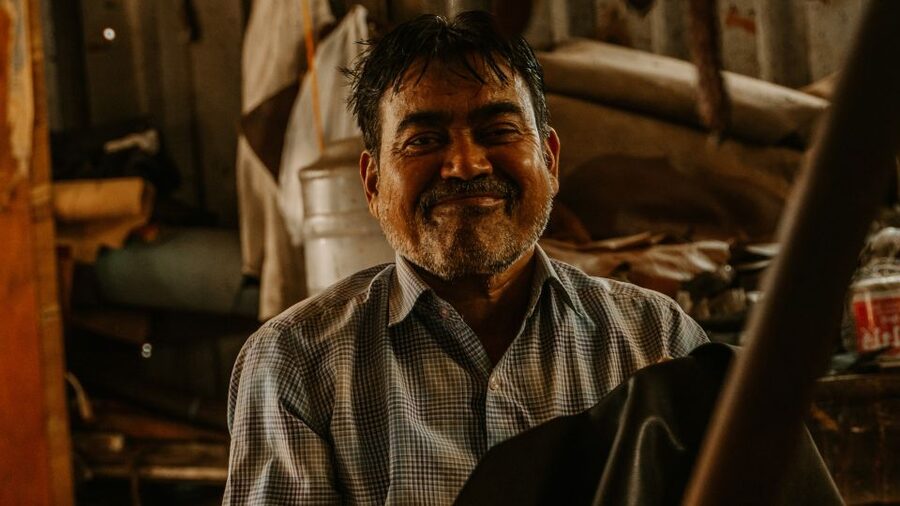
After the recycling focus, you move into other workshop categories that show how many trades stack together in one place. The route can include soap factories, cloth manufacturing, leather industries, and pottery—plus a range of small commercial and production spots that you’d never find on your own.
Here’s the practical value for you: you stop guessing. Instead of wondering what people do all day, you’re watching the work and hearing the explanation. When a guide points out different stages of production, you start recognizing patterns—sorting, processing, shaping, finishing—across very different crafts.
This is also where the guide’s communication style really matters. Many reviews mention patience with questions and a friendly sense of humor. That sounds like personality trivia, but it’s actually useful. In a place where language barriers can get in the way, a guide who can explain clearly makes the whole tour feel easier to follow.
The factories and workshops are also where you should slow down mentally. Some sights may feel unfamiliar, and you might see working conditions that don’t match what you’re used to. Your guide will frame those realities with local context. That’s the respectful way to experience it: look, ask, listen—without turning discomfort into denial.
Schools, colleges, markets, and the residential walk-through
Dharavi isn’t only production. The tour’s route can include schools, colleges, markets, commercial places, and residential areas. That mix is one of the most praised elements, because it stops the story from flattening into only one theme.
When you’re in the residential areas, you get a different kind of understanding. Life isn’t just work; it’s routines, learning, neighbors, and the constant navigation of limited space. When markets appear along the route, you see commerce as a daily rhythm—people buying, selling, and making the neighborhood’s economy move.
This portion is often where the tour feels most human. Guides like Pooja, Varsha, Sneha, and Anu have been highlighted for making visitors feel at ease while still keeping the focus on real life. One recurring point: they stay on top of keeping the group together, which is not a small detail in a dense walking area. If you’re easily distracted by photos or small side streets, you’ll appreciate that steadiness.
Also, it’s an ideal place to test your own assumptions. If you came in thinking Dharavi is only hardship, the education and everyday commerce can rewrite your mental map. If you came in expecting only industry, the residential and school elements add the missing piece: community life continues, even under tough constraints.
Why the guides matter: first female local guiding and real context
This tour’s identity is tied to its guiding. You’re not just getting a route—you’re getting an interpreter for how Dharavi works.
The emphasis on first female tour guide isn’t just branding. Reviews repeatedly mention female guides who live in Dharavi, which means they can explain things with local confidence rather than guesswork. Names you’ll see referenced include Sneha, Varsha, Pooja, Anu, Sarah, and Mahek. Across these guides, a few qualities show up again and again:
- strong English for visitors
- a patient approach when people ask questions
- an ability to balance facts with human resilience
- practical control of the group so you’re not wandering off
That combination is what makes this experience feel like a conversation instead of a checklist.
One other point I value: the guides don’t treat Dharavi as a museum exhibit. They frame “transformation stories” in a way that connects to work, family life, education, and community networks. When a guide speaks like someone who knows the place from daily life, you stop thinking only about what you’re seeing and start thinking about how it’s sustained.
More of Mumbai at walking pace
- Group Guided Walking Tour in Fort and Colaba
★ 5.0 · 1,073 reviews - Private Guided Walking Tour in Fort & Colaba
★ 5.0 · 895 reviews - Private Guided Walking Tour in Bandra Queen of Suburbs
★ 5.0 · 383 reviews - Private Guided Spiritual Walk in Banganga Hindu Temples
★ 5.0 · 271 reviews - Mumbai: Dharavi Slum Walking Tour by First Female Tour Guide
★ 4.9 · 192 reviews - Private Guided Non-Veg Street Food Walking Tour in Muslim Quarter
★ 5.0 · 140 reviews
Price and time: what $5 gets you in Mumbai terms
Let’s talk value plainly. The listed price is $5 per person, and the duration is about 2 to 2.5 hours. That’s extremely competitive for a guided walking experience that brings you inside a working neighborhood with multiple trades and community spaces.
What you’re really buying is access and interpretation. You could try to walk around Dharavi on your own, but you’d lose the core benefit: understanding what’s happening as you pass it. With a guide, you don’t just look at recycling or factories—you learn how different processes connect, why education and commerce show up where they do, and how local people navigate the day.
The other value is emotional framing. Some parts of Dharavi may challenge your assumptions. A guide who can explain with care helps you process what you see instead of reacting blindly. The best tours do this quietly, and the consistently high ratings suggest the guides do.
If you’re on a tight schedule, doing this early can help. Many people plan it for a first day in Mumbai because it gives you a grounded sense of the city beyond landmarks.
How to get the most out of the walk (without getting in the way)
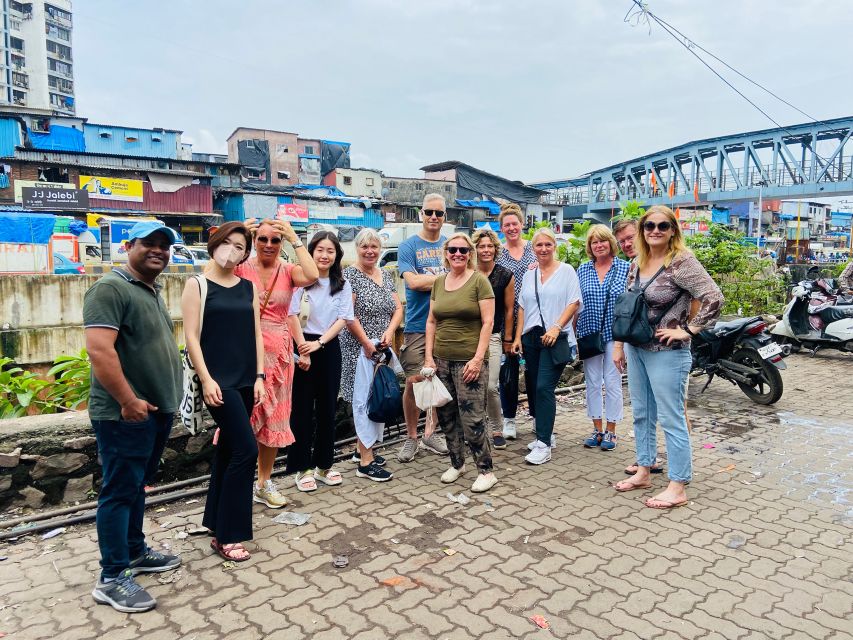
This is where your mindset matters as much as your shoes.
1) Keep your questions respectful. Guides are set up to explain how systems work—recycling, manufacturing, education, markets—so ask in a way that invites explanation, not judgment.
2) Go slow through workshops. People are working. If you crowd an entrance or block a path, the tour stops feeling like a visit and starts feeling like interference.
3) Expect a mix of emotions. The “inspiring resilience” theme is real, but so are the realities of daily hardship. If you’re the type who needs everything to be upbeat, give yourself permission to sit with complexity.
4) Stay together. Reviews mention guides who are good at keeping groups together, which you’ll want. This makes it feel safer and more guided.
On a practical level, plan to arrive early at Third Wave Coffee. If you’re driving, Mumbai traffic can derail timing. If you’re taking public transport, the meeting point being near a station is an advantage noted by multiple visitors.
Who should book this Dharavi walk?
This tour is a strong fit if you want:
- a first-day Mumbai activity with real city texture
- a short walking format around 2.5 hours
- to see multiple industries in one route, not just one photo stop
- clear English interpretation led by a female local guide
- an experience that challenges stereotypes while staying grounded in everyday life
It may not be ideal if you only want traditional sightseeing or if you require lots of open space, easy exits, and a low-touch, low-emotion itinerary. This is a real working neighborhood walk. If you’re open minded and respectful, you’ll likely find it both moving and practical.
Should you book the Dharavi Slum Walking Tour with a first female guide?
I’d book it if you want an efficient, guided way to understand Dharavi beyond headlines. The biggest reasons are the combination of local guiding, a route that touches recycling, manufacturing, education, and daily commerce, and the repeated emphasis on guides who keep you comfortable, answer questions clearly, and maintain group control.
Choose this tour if you’re ready to trade postcard views for a clearer picture of how Mumbai’s systems run at street level. If that sounds like your kind of travel, you’ll probably leave with a better grasp of the place—and with fewer stereotypes to carry back home.
FAQ
How long is the Dharavi walking tour?
The tour lasts about 2 to 2.5 hours, with a duration listed as 2.5 hours.
Where do I meet my guide?
Your guide meets you outside Third Wave Coffee.
What language is the tour guide?
The live tour guide provides the tour in English.
What is included in the price?
It includes the walking tour, a guide, and bottled mineral water.
What will I see during the walk?
The tour can include plastic recycling, paper recycling, aluminium recycling, soap factories, cloth manufacturing, leather industries, pottery, schools, colleges, markets, commercial places, and residential areas.
Is this tour inside Dharavi?
Yes. It’s a walking tour inside Dharavi.
How much does the tour cost?
The price is listed as $5 per person.
Can I cancel for a refund?
Yes. Free cancellation is available up to 24 hours in advance for a full refund.
Is there an option to reserve and pay later?
Yes. Reserve now & pay later is available, letting you book without paying immediately.
Is a private group available?
Yes. A private group option is available.
Mumbai on Foot, Continued
- Group Guided Walking Tour in Fort and Colaba
★ 5.0 · 1,073 reviews - Private Guided Walking Tour in Fort & Colaba
★ 5.0 · 895 reviews - Private Guided Walking Tour in Bandra Queen of Suburbs
★ 5.0 · 383 reviews - Private Guided Spiritual Walk in Banganga Hindu Temples
★ 5.0 · 271 reviews
More Mumbai, Every Kind of Day
- Dharavi slum tour in Mumbai by Female tour guides of the slum
★ 5.0 · 1,976 reviews - Mumbai: Full-Day Sightseeing Tour of Mumbai
★ 4.9 · 1,822 reviews - Private Mumbai Sightseeing Tour (Traveller’s Choice Award Winner)
★ 5.0 · 1,565 reviews - Elephanta Caves & Island Guided Private Tour
★ 5.0 · 1,327 reviews
Dharavi, Told by Its Residents
- Dharavi slum tour in Mumbai by Female tour guides of the slum
★ 5.0 · 1,976 reviews - Mumbai: Dharavi Slum, DhobiGhat, and Dabbawallas Tour
★ 4.9 · 689 reviews - Dharavi Slum Tour
★ 5.0 · 625 reviews - Dharavi Slum tour in Mumbai by local resident
★ 5.0 · 572 reviews
New on the Mumbai shortlist



Dharavi Community Walks, compared.
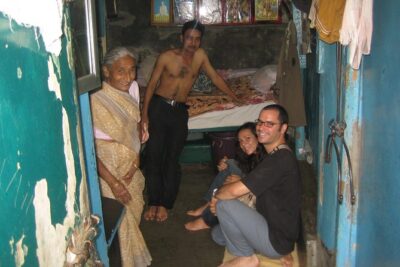 ★ 5.0Dharavi slum tour in Mumbai by Female tour guides of the slumFrom $91,976 reviews
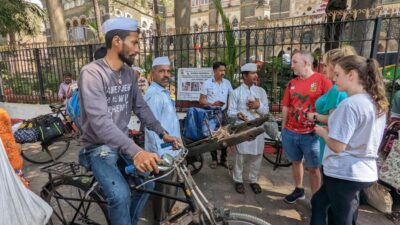 ★ 4.9Dharavi Slum, DhobiGhat, and Dabbawallas TourFrom $14689 reviews
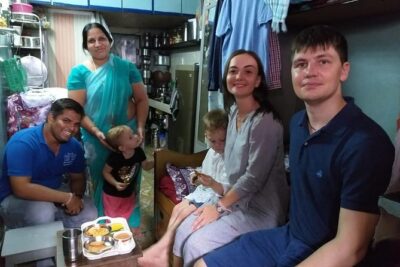 ★ 5.0Dharavi Slum TourFrom $20625 reviews
 ★ 5.0Dharavi Slum tour in Mumbai by local residentFrom $4572 reviews
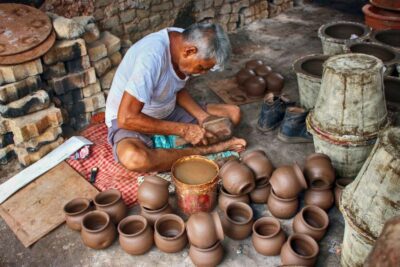 ★ 4.9Dharavi Slum Slumdog Millionaire Tour with a LocalFrom $10529 reviews
 ★ 5.0Mumbai Slum Tour – Visit Dharavi Slum with Local GuideFrom $5509 reviews
 ★ 5.0Dhobi Ghat Laundry and Dharavi Slum Tour with LocalFrom $4469 reviews
 ★ 5.02-Hour Guided Tour of DharaviFrom $22359 reviews
Browse the lists this tour appears in