
Review · DHARAVI COMMUNITY WALKS
Mumbai: Dharavi Slum Guided Walking Tour by 1st Female Guide
Dharavi changes how you see Mumbai. This walking tour runs with a local female guide who is also a university student from the area, so you’re hearing what daily life looks like from the inside. It’s designed to support her education while also challenging the usual outside stereotypes about Dharavi.
Two things I really like about this experience: first, you get a clear look at the commercial side—work tied to plastic and paper recycling, leather production, clothing manufacturing, and more. Second, you can finish by visiting a local home for a simple, hygienic vegetarian lunch, which gives you a human moment after all the workshop sights.
One consideration: this is real walking in dense neighborhoods. You’ll want comfortable walking shoes, and it’s not suitable for wheelchair users or people over 95.
In This Review
- Key points to know before you go
- Why a 1st Female Guide Tour Changes the Whole Tone
- Getting There: Pickup Options and the Dhobi Ghat Stop
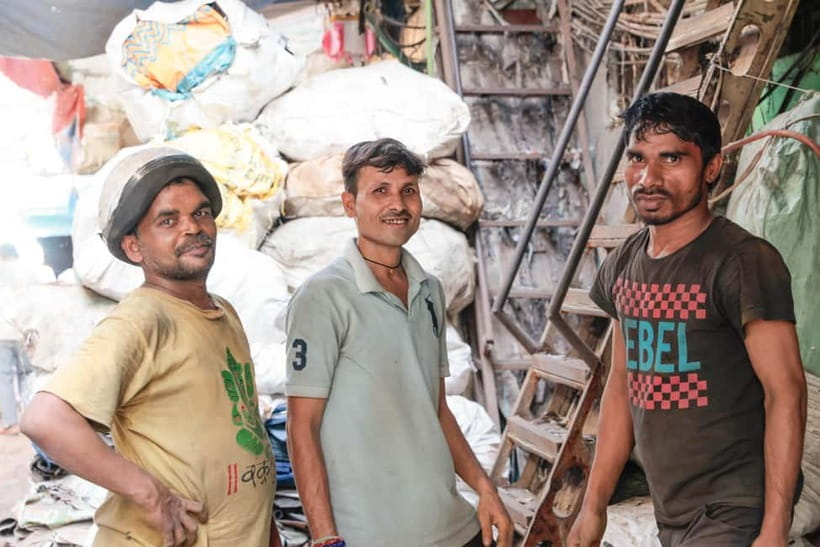
- The Commercial Side of Dharavi: Recycling, Leather, and Clothing Work
- Residential Dharavi: Homes, Community Rhythm, and Earthen Pot Craft
- Dhobi Ghat to Dharavi: Why the Transfer Matters
- Lunch at a Local Home: Simple Veg, Real Conversation
- What the Best Guides Do (and Why You’ll Feel It)
- Practical Tips That Make This Tour Go Smoothly
- Price and Value: Why $6 Can Actually Mean Something
- Who This Tour Fits Best
- Should You Book This Dharavi Walk with a Female Guide?
- FAQ
- How long is the Dharavi walking tour?
- How much does the tour cost?
- What’s included in the tour?
- Is pickup and drop-off available?
- Is lunch included?
- Is the tour wheelchair accessible?
Key points to know before you go
- Female guide, university student connection: your tour supports her education.
- Commercial and residential mix: industries plus everyday life in one route.
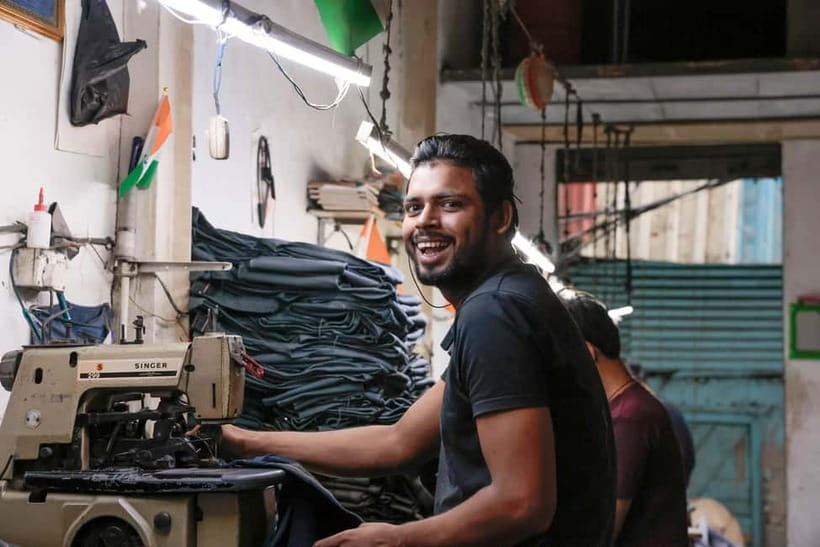
- Work stops you can actually see: recycling, leather-related work, and clothing production.
- Local-home vegetarian lunch (optional): simple food and conversation.
- Rules for respect: no smoking, and no see-through clothing.
Why a 1st Female Guide Tour Changes the Whole Tone
Most tours of tough neighborhoods try to be inspiring. This one also tries to be true. The big difference is who holds the microphone. The guide is a woman connected to the community and studying at university, and that matters because she can explain what outsiders often misunderstand.
You’re not only learning about industries and buildings. You’re learning how people manage work, family life, and community ties in the same place. Guides like Sneha, Anu, and Pooja are repeatedly praised for being kind, respectful, and clear in English, plus willing to answer questions without making you feel rushed.
And there’s a second layer that feels personal: your booking helps support the education of female students from the slum. In practice, that means the tour isn’t just a viewing experience. It’s also a small investment in someone’s future.
Getting There: Pickup Options and the Dhobi Ghat Stop
The tour starts at a meeting point that can vary by the option you choose. You may be able to add hotel pickup and drop-off in an air-conditioned car, but pickup is optional and costs extra.
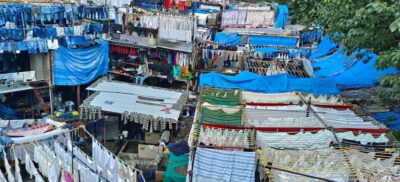
One scheduled stop you’ll likely pass through is Dhobi Ghat. After that, there’s a transfer segment of about 30 minutes before you begin the Dharavi walking portion. If you’re the type who likes to reduce variables, build in a little patience here: timing depends on where you’re picked up and how quickly the group moves.
You’ll also notice a couple of practical perks mentioned with this experience: bottled mineral water is included, and there’s a separate entrance so you skip the line. That doesn’t make the tour short or easy, but it helps you spend more time where it counts.
Other Dharavi walks led by people who live there



The Commercial Side of Dharavi: Recycling, Leather, and Clothing Work
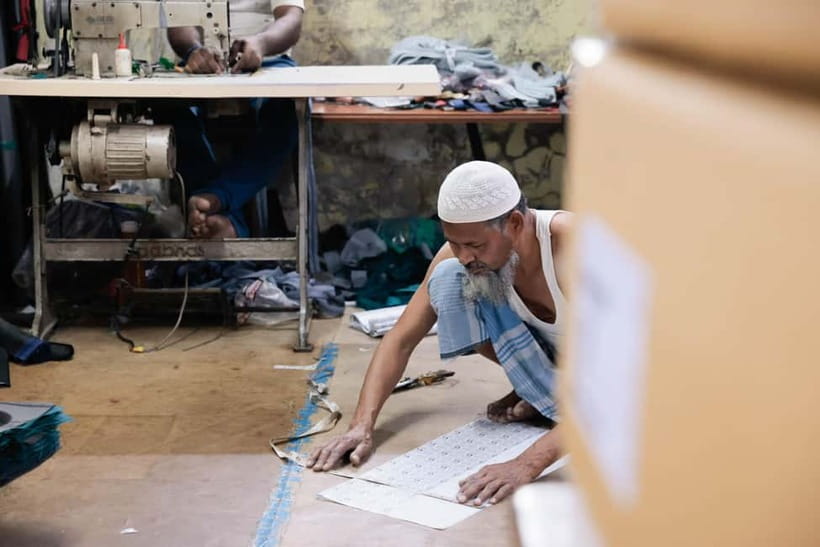
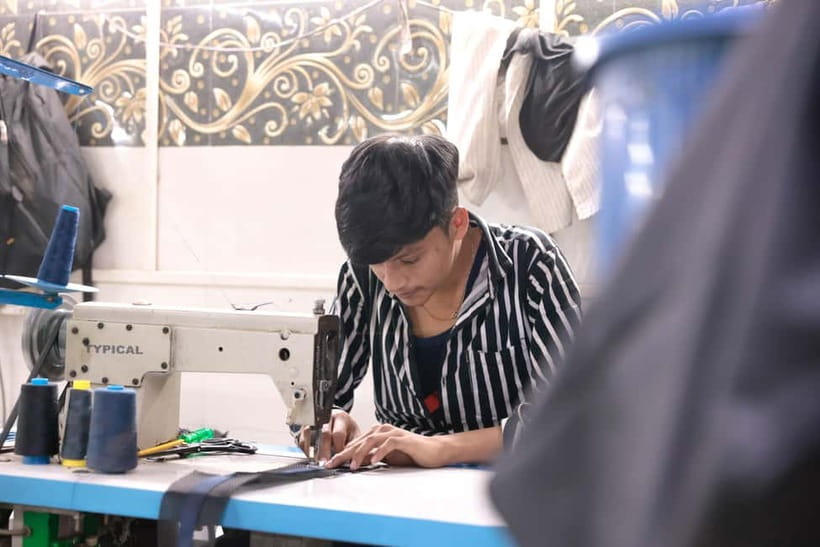
The walking portion is about 2 hours of guided time, and the route begins on the commercial side. This is where Dharavi stops being a single stereotype and starts becoming a busy network of small industries and skilled trades.
You’ll see factories involved in:
- plastic and paper recycling
- leather production
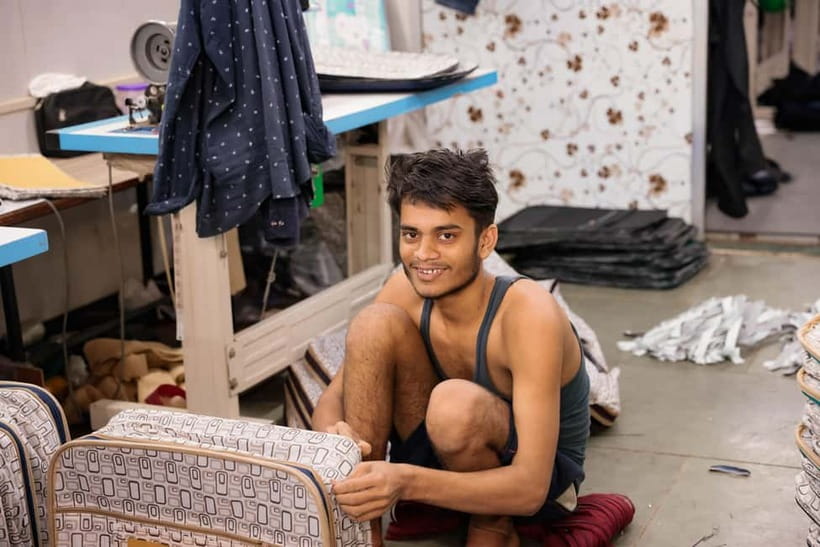
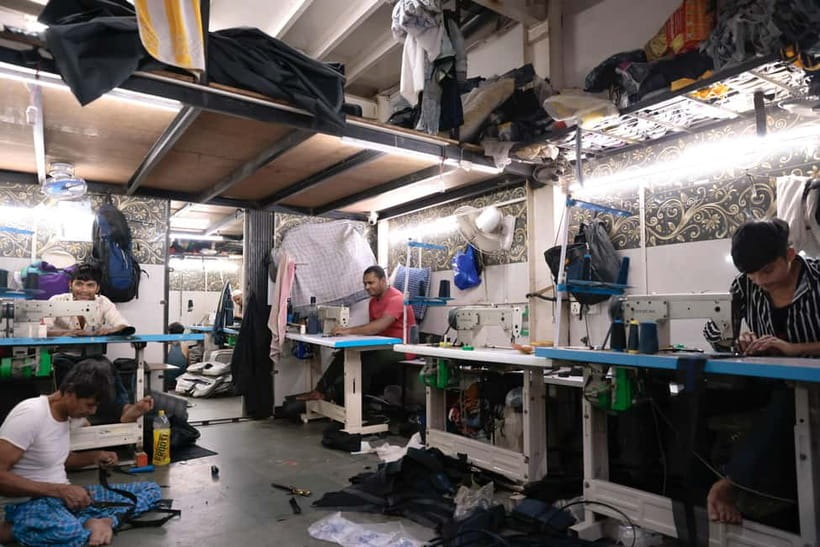
- clothing manufacturing
- and other commercial activities connected to everyday materials
What I like about covering this first is how it sets context. You start to understand that Dharavi is not only housing. It’s also labor, production, and entrepreneurship. People work close to home. That’s different from how many visitors imagine cities.
You might also find that this part of the tour trains your eye. Instead of looking at a neighborhood as one block, you begin noticing systems: how materials are handled, how work is organized, and how skills repeat across different small operations. Guides are often praised for explaining with honesty and sensitivity, and for answering the questions that come up fast once you’re standing near the work.
A possible drawback: this is not a quiet stroll. If you’re expecting a museum-like experience, you’ll feel the difference quickly. There can be busy, working spaces and narrow routes, so the tour asks for patience and respect.
Residential Dharavi: Homes, Community Rhythm, and Earthen Pot Craft
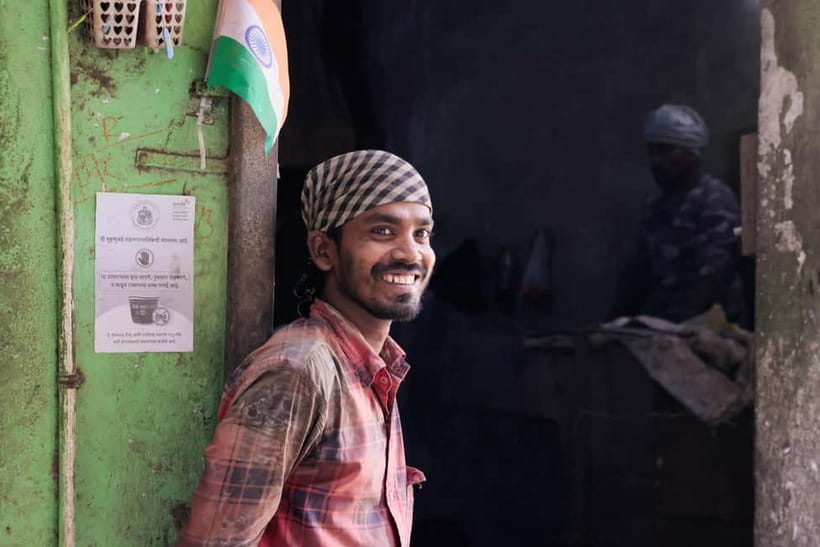
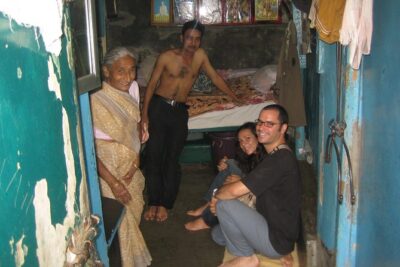
After the commercial stops, the tour moves into the residential area. This is where you shift from production to people’s routines—where families live, how daily life fits around work, and why community matters so much in a place like this.
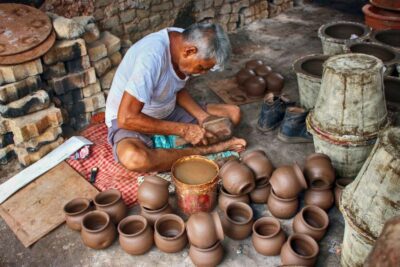
One especially interesting part: you’ll hear about the oldest community in Dharavi connected to crafting earthen pots and clay items. That matters for two reasons. First, it shows how long certain skills have existed here. Second, it connects past and present: Dharavi isn’t only about today’s industries; it also includes crafts rooted in older traditions.
This is also the part of the tour where your guide’s tone really matters. The best tours avoid turning homes into backdrops. The guides for this experience are repeatedly described as sensitive and respectful, and that’s exactly what you want when you’re walking through lived-in spaces.
Still, consider your mindset. You’re walking in someone’s neighborhood. Even if you’re just a visitor, you’ll be moving through real spaces used by real people. Dress and behavior matter. The tour rules include no smoking and no see-through clothing, and you should plan to follow those without debate.
Dhobi Ghat to Dharavi: Why the Transfer Matters
You might wonder why Dhobi Ghat shows up in a tour that is mostly about Dharavi. The practical answer is simple: it’s a route step, and the transfer time helps get everyone positioned for the walking portion.
But it’s also a reminder that you’re not just traveling within one “attraction.” You’re moving through Mumbai’s working geography. That’s useful context. Dharavi doesn’t exist in isolation; it sits inside a larger city system.
The transfer is about 30 minutes, so you get a small break before the main walking time begins. If you’re prone to fatigue, bring water and take that moment seriously. Once you start walking through narrow lanes, you’ll be glad you didn’t rush earlier.
More of Mumbai at walking pace
- Group Guided Walking Tour in Fort and Colaba
★ 5.0 · 1,073 reviews - Private Guided Walking Tour in Fort & Colaba
★ 5.0 · 895 reviews - Private Guided Walking Tour in Bandra Queen of Suburbs
★ 5.0 · 383 reviews - Private Guided Spiritual Walk in Banganga Hindu Temples
★ 5.0 · 271 reviews - Mumbai: Dharavi Slum Walking Tour by First Female Tour Guide
★ 4.9 · 192 reviews - Private Guided Non-Veg Street Food Walking Tour in Muslim Quarter
★ 5.0 · 140 reviews
Lunch at a Local Home: Simple Veg, Real Conversation
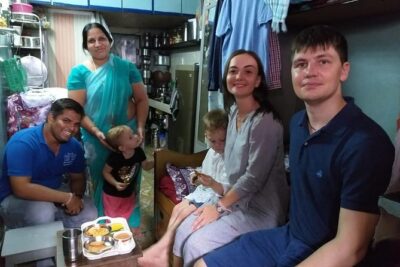
One of the standout highlights is the option to enjoy lunch at a local home. It’s described as simple and hygienic vegetarian food, with a chance to interact with the family and learn more about daily life.
This part can be the most memorable for you, but not because it’s fancy. It’s because it changes the relationship between visitor and subject. Instead of only looking at workspaces, you sit with a family. You hear stories in a more personal way. You also get a reminder that hospitality is part of how life continues, even with limited space and tight schedules.
Practical note: lunch is optional. If you’re the type who prefers to keep a tight timeline, you can skip it. But if you’re comfortable asking respectful questions, this is where the tour’s purpose becomes very clear.
You’ll also want to keep expectations realistic. This is a local meal, not a staged restaurant show. The value is in conversation and context.
What the Best Guides Do (and Why You’ll Feel It)
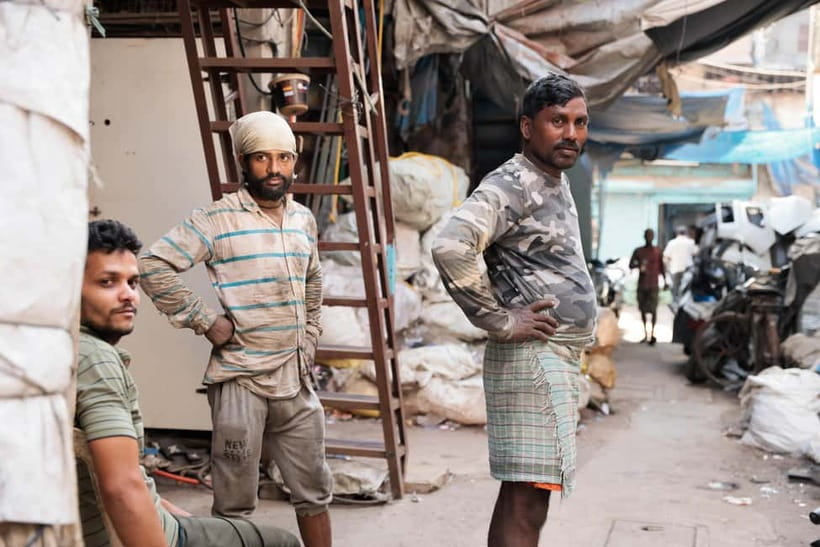
Across the feedback shared for this tour, a repeated theme shows up: the guides tend to be praised for kindness, clear English, and a willingness to answer questions. People also mention that guides manage the experience so it doesn’t feel uncomfortable.
For example, Sneha is described as impactful, with lots of information and answers to questions. Anu is praised for clarity and organization, with an emphasis on making sure nothing feels confusing. Pooja is highlighted for leading visitors through narrow alleys and speaking English in a way that’s easy to follow.
That matters because Dharavi can be emotionally intense for some visitors, mainly because it challenges common assumptions. If your guide is respectful and direct, you can keep a clearer head. You can ask better questions and learn more without feeling like you’re intruding.
If your guide’s style feels rushed or performative, you’d end up with a shallow tour. With this one, the guides described in feedback aim to do the opposite.
Practical Tips That Make This Tour Go Smoothly
To make the most of this experience, plan like it’s a working neighborhood walk, because it is.
Bring:
- comfortable walking shoes (you’ll be on foot for the main part)
- a camera (it’s specifically noted)
- a water-ready attitude (bottled mineral water is included)
Expect:
- a 2-hour guided walking portion, plus additional time for stops and transfer
- a live English guide
- a mix of commercial and residential areas
Follow the rules:
- no smoking
- no see-through clothing
- be respectful of the local community
Also consider the limits: the tour is not suitable for wheelchair users and it’s not recommended for people over 95.
If you’re deciding between options, you may see both meeting-point-only and optional hotel pickup in an air-conditioned car. Choose the one that reduces stress for you. In a tight neighborhood on foot, “stress” costs energy.
And yes, it’s budget-friendly. At $6 per person for a 2-hour guided experience that can include both commercial and residential access plus an optional home lunch, this is one of the rare Mumbai tours where the price matches the depth of what you’re trying to understand.
Price and Value: Why $6 Can Actually Mean Something
Let’s talk value without hype. At $6 per person, you’re not paying for luxury. You’re paying for guidance, time, and the access that comes from trust.
Here’s what you get for that cost, in practical terms:
- a 2-hour walking tour through commercial and residential areas
- a local female guide who is connected to the community
- bottled mineral water
- an option for a vegetarian lunch at a local home
On top of that, part of the tour’s purpose is supporting the education of female students from Dharavi. So even if you only think of value as a math equation, the booking supports more than the guide’s time.
Can you find similar tours for less? Maybe. But you’d have to compare what’s actually included. In this case, the mix of industries, residential context, and a possible home meal is a lot to pack into a short time.
So if you want an affordable way to understand a complicated neighborhood with real human guidance, this is strong value.
Who This Tour Fits Best
This is a good match if you:
- want more than surface photos
- ask questions and enjoy explanations in clear English
- want to see how commerce and home life overlap
- care about supporting education in a direct way
- prefer respectful, people-first tours
It may not be a fit if you:
- need wheelchair accessibility
- have limited mobility or stamina for a neighborhood walking route
- are uncomfortable around the reality of working communities
- want a purely recreational sightseeing day
Should You Book This Dharavi Walk with a Female Guide?
If you’re trying to understand Mumbai beyond the usual postcards, I’d say yes—book it. The core strength is the combination of commercial + residential context, guided by a local woman studying at university, with an option to share lunch in a home setting.
Just go with the right expectations. This isn’t a theme park or a storybook. It’s a real neighborhood walk where you’ll learn fast if you stay respectful, curious, and grounded.
If that sounds like your kind of travel, this $6 tour is one of the simplest decisions you’ll make in Mumbai.
FAQ
How long is the Dharavi walking tour?
The walking tour duration is listed as 2 to 4 hours.
How much does the tour cost?
The price is $6 per person.
What’s included in the tour?
Included features are a 2-hour walking tour, a local female guide, bottled mineral water, visits to commercial and residential areas, and an optional vegetarian lunch at a local home.
Is pickup and drop-off available?
Hotel pickup and drop-off is optional at an extra cost. If you choose pickup and don’t find the vehicle, the driver will be there at the pickup & drop-off point.
Is lunch included?
Lunch is an option. If you choose it, you’ll have a simple, hygienic vegetarian lunch at a local home.
Is the tour wheelchair accessible?
No. The tour is not suitable for wheelchair users. It’s also not suitable for people over 95 years.
Mumbai on Foot, Continued
- Group Guided Walking Tour in Fort and Colaba
★ 5.0 · 1,073 reviews - Private Guided Walking Tour in Fort & Colaba
★ 5.0 · 895 reviews - Private Guided Walking Tour in Bandra Queen of Suburbs
★ 5.0 · 383 reviews - Private Guided Spiritual Walk in Banganga Hindu Temples
★ 5.0 · 271 reviews
More Mumbai, Every Kind of Day
- Dharavi slum tour in Mumbai by Female tour guides of the slum
★ 5.0 · 1,976 reviews - Mumbai: Full-Day Sightseeing Tour of Mumbai
★ 4.9 · 1,822 reviews - Private Mumbai Sightseeing Tour (Traveller’s Choice Award Winner)
★ 5.0 · 1,565 reviews - Elephanta Caves & Island Guided Private Tour
★ 5.0 · 1,327 reviews
Dharavi, Told by Its Residents
- Dharavi slum tour in Mumbai by Female tour guides of the slum
★ 5.0 · 1,976 reviews - Mumbai: Dharavi Slum, DhobiGhat, and Dabbawallas Tour
★ 4.9 · 689 reviews - Dharavi Slum Tour
★ 5.0 · 625 reviews - Dharavi Slum tour in Mumbai by local resident
★ 5.0 · 572 reviews
New on the Mumbai shortlist




Dharavi Community Walks, compared.
 ★ 5.0Dharavi slum tour in Mumbai by Female tour guides of the slumFrom $91,976 reviews
 ★ 4.9Dharavi Slum, DhobiGhat, and Dabbawallas TourFrom $14689 reviews
 ★ 5.0Dharavi Slum TourFrom $20625 reviews
 ★ 5.0Dharavi Slum tour in Mumbai by local residentFrom $4572 reviews
 ★ 4.9Dharavi Slum Slumdog Millionaire Tour with a LocalFrom $10529 reviews
 ★ 5.0Mumbai Slum Tour – Visit Dharavi Slum with Local GuideFrom $5509 reviews
 ★ 5.0Dhobi Ghat Laundry and Dharavi Slum Tour with LocalFrom $4469 reviews
 ★ 5.02-Hour Guided Tour of DharaviFrom $22359 reviews
Browse the lists this tour appears in