
Review · DHARAVI COMMUNITY WALKS
Mumbai: Dharavi Slum 2-Hour Walking Tour
Dharavi surprises people fast. This 2-hour walk through Mumbai’s Dharavi focuses on how daily work and community systems function in one of the world’s most crowded neighborhoods, with stops tied to the Slumdog Millionaire filming locations and local trades. I especially like how the guide makes the place legible instead of just dramatic, and how Dinesh (in a purple footprint-logo shirt) keeps the tone human and practical.
The best part is seeing how communities work—recycling, making goods, and everyday services—without turning it into a sad-story show. One thing to consider: the tour has strict rules, including no cameras and modest dress, so it’s not a grab-photos-and-go experience.
If you come with the right mindset, this feels like an urban conversation you can walk through. Expect an English-speaking guide, a small group (up to 10), and a route through residential lanes plus industrial areas—finished conveniently near Mahim Junction.
In This Review
- Key highlights worth knowing before you go
- Meeting at Cafe Coffee Day near Mahim Station: Where your walk really begins
- Walking Dharavi for two hours: how to read the neighborhood without stereotypes
- Industrial lanes and recycling trades: the work that powers the economy
- Papadums, soap, and workshops: what “making things” looks like up close
- Slumdog Millionaire filming spots: pop culture meets real streets
- Community life you can see: schools, churches, and shared spaces
- What it feels like with your guide: questions, safety, and clear rules
- Ending at Mahim Junction: finishing where you can actually move on
- Price and logistics: is $65 for 2 hours good value?
- Who this tour suits best (and who should skip it)
- Should you book this Dharavi walk?
- FAQ
- Where do I meet for the Dharavi 2-hour walking tour?
- How long is the Dharavi walking tour?
- What is the group size and language?
- Are cameras allowed during the tour?
- What should I wear or bring?
- Where does the tour end?
- Is the tour wheelchair accessible?
Key highlights worth knowing before you go
- A guide who explains the systems behind daily life, not just the scenery
- Slumdog Millionaire filming stops inside the neighborhood
- Hands-on trade stops like recycling, dye production, leather work, pottery, papadum baking, and soap making
- Real community spaces you’ll pass, including schools and churches used by residents
- A small-group pace that keeps questions manageable (and you feeling safe)
Meeting at Cafe Coffee Day near Mahim Station: Where your walk really begins
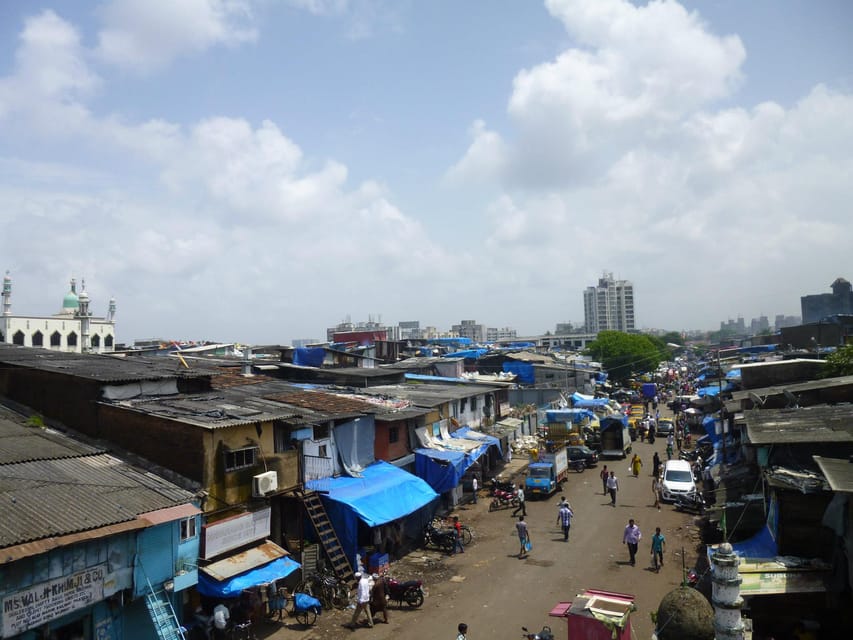
The tour starts at Café Coffee Day, right across from Mahim Railway Station on Tulsi Pipe Road. This is helpful because it’s a clear landmark in a city where directions can get messy. You’ll meet with the group and your English-speaking guide before you step into Dharavi’s tighter lanes.
What I like about this setup is that you’re not thrown immediately into confusion. You get a short orientation, then you’re off walking—proper shoes are key, because Dharavi’s streets are narrow and uneven in places.
One small detail worth planning around: your guide will be wearing a purple shirt with a footprint logo, so it’s usually easy to spot them quickly once you’re at the right Café Coffee Day entrance.
Walking Dharavi for two hours: how to read the neighborhood without stereotypes
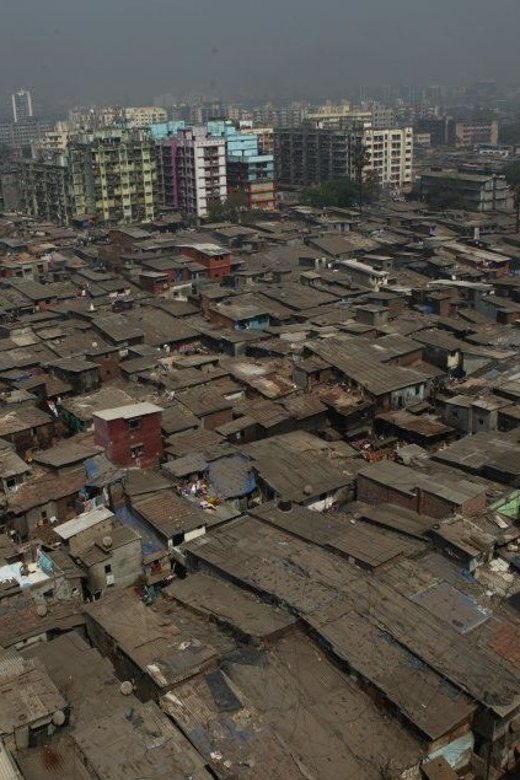
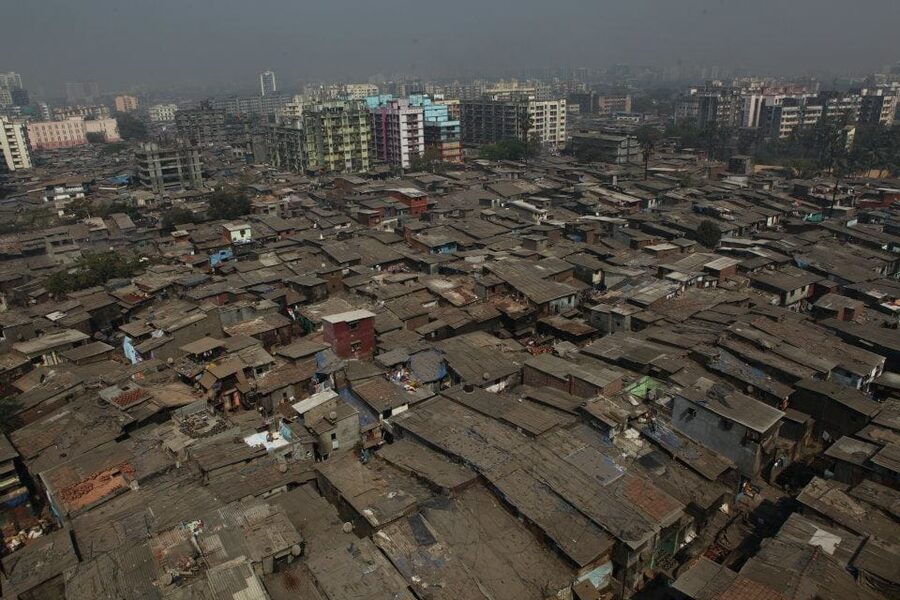
Dharavi is often described with big numbers—some estimates place the population between 700,000 and a million people. On a walking tour, those numbers turn into texture: people moving through narrow alleys, work happening in shared spaces, and a neighborhood that feels organized at street level.
Here’s the mindset that makes the walk click. Don’t come looking for a single image of poverty. You’ll see an active mini-city with trades, services, and community life side by side. The tour intentionally avoids the easy stereotype of only extreme hardship. That matters, because it helps you notice practical systems—how work gets done, how goods get made, and how neighbors rely on each other to keep things moving.
Your pace is also part of the value. Two hours isn’t long enough to “master” Mumbai, but it is enough to notice patterns: industrial zones where recycling drives the economy, residential zones where daily routines dominate, and community pockets where you’ll see schools and churches used by residents.
A practical note: this is not a wheelchair-friendly route. If mobility is limited, this kind of lane-and-crowd walking can be tough.
Other Dharavi walks led by people who live there



Industrial lanes and recycling trades: the work that powers the economy
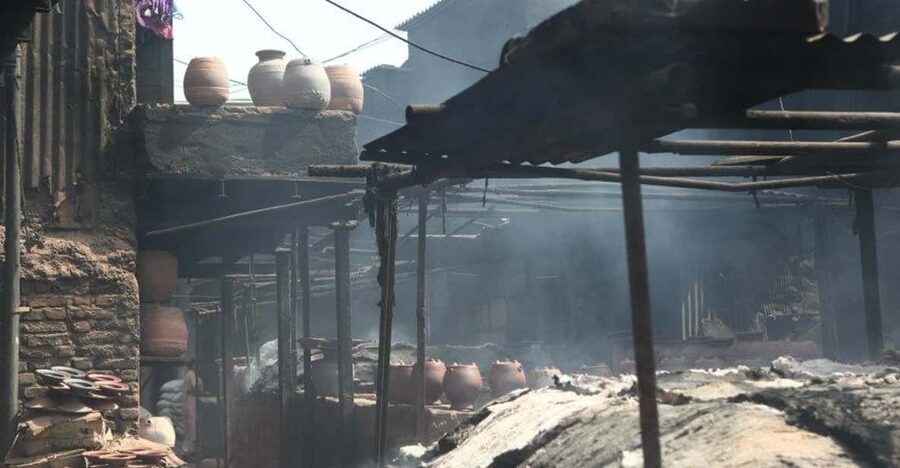
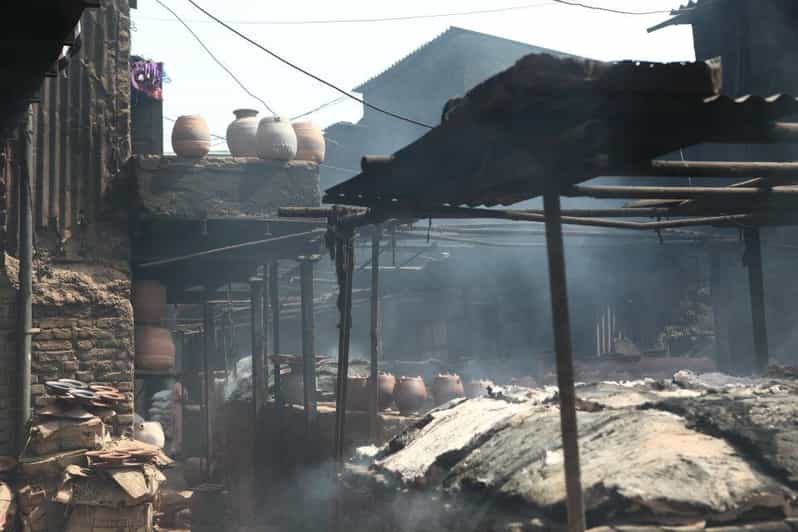
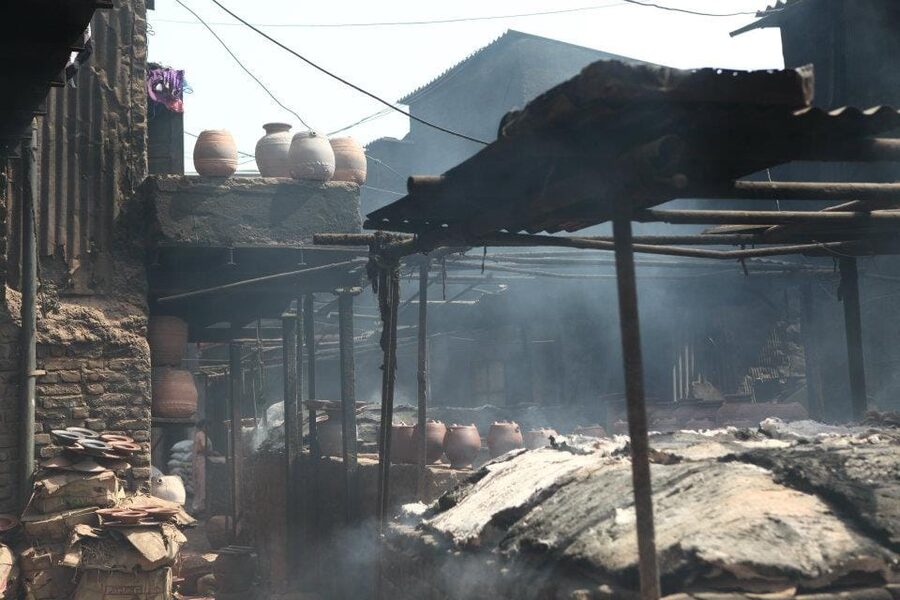
One of the most interesting parts of the walk is the industrial angle—especially the recycling and production work that runs through the area. You’ll get a guided tour of places connected to recycling of vegetable oil cans, dye production, and other manufacturing activities.
Why this matters: in Dharavi, many livelihoods are tied to turning waste or raw materials into products. When you see the steps of the process (not just the final item), you understand how a high-density neighborhood can run on skill, routine, and workflow—often with simple tools and smart organization.
On this walk, you may pass:
- recycling-related work areas
- leather works and pottery workshops
- dye production connections
- places where goods are processed rather than imported
The tour doesn’t try to be dramatic. It’s more like watching a local supply chain in action. I found that more convincing than any headline description.
Papadums, soap, and workshops: what “making things” looks like up close
Dharavi isn’t only recycling. You’ll also see smaller, food-and-household production businesses that keep the neighborhood stocked and employed. The tour route includes stops connected to where papadums are baked and where soap is made.
These stops can feel almost ordinary—until you notice the contrast. In many places around the world, you’d buy a jar of soap or a packet of papadums from a store shelf. Here, you’re seeing the behind-the-scenes making process in the same zone where people live and work.
You’ll also encounter other workshops such as:
- pottery-related activity
- leather-related work
- dye production connections
For me, the value is the “translation.” Your guide helps you connect what you’re seeing to why it exists. It’s not random activity; it’s part of a functioning local economy.
One more thing: the walk includes market street time. That’s useful because it helps you see how the neighborhood produces and consumes, not only produces.
Slumdog Millionaire filming spots: pop culture meets real streets
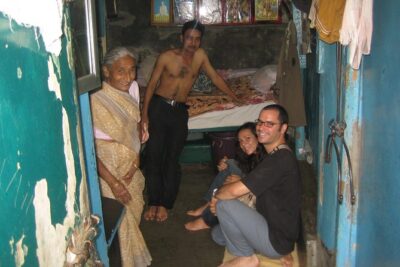
Dharavi became world-famous after the 2008 hit Slumdog Millionaire. On this tour, you’ll visit a location connected to a filming scene, including a slum dwelling where filming took place.
This connection changes how people look at the neighborhood. Instead of treating it like an abstract headline, you’re standing in a real street where a famous movie team once filmed. But the tour keeps it grounded. You’re not just chasing movie trivia; you’re using the filming reference to help you orient yourself in the physical space.
In one of the parts of the walk, you also pass through tiny corridor-like areas associated with a person named Shantaram. Even if you don’t know the reference, your guide explains what you’re looking at in plain terms, which is the difference between a cool photo stop and an actual understanding of the neighborhood’s layout.
This is one of the most asked-about parts, so go with patience. The best experience comes when you focus on how the streets work around the filming location, not just the fact that a camera was there.
More of Mumbai at walking pace
- Group Guided Walking Tour in Fort and Colaba
★ 5.0 · 1,073 reviews - Private Guided Walking Tour in Fort & Colaba
★ 5.0 · 895 reviews - Private Guided Walking Tour in Bandra Queen of Suburbs
★ 5.0 · 383 reviews - Private Guided Spiritual Walk in Banganga Hindu Temples
★ 5.0 · 271 reviews - Mumbai: Dharavi Slum Walking Tour by First Female Tour Guide
★ 4.9 · 192 reviews - Private Guided Non-Veg Street Food Walking Tour in Muslim Quarter
★ 5.0 · 140 reviews
Community life you can see: schools, churches, and shared spaces
The tour also includes stops that show community infrastructure inside Dharavi. You’ll see schools and churches used by local residents, which adds an important layer beyond work and production.
This is where the walk becomes less about “watching” and more about “recognizing.” When you pass a school or a church, you’re reminded that people here aren’t just surviving; they’re building routines, raising families, and using local institutions.
It’s also why I appreciate the guide’s approach. The walk doesn’t treat Dharavi like a museum. It treats it like a lived neighborhood, with real daily needs—education, faith, community support—right alongside the industrial activity.
The route may also take you through different community areas, including residential zones and a Muslim part of Dharavi. That variety is part of the point: Dharavi isn’t one single story. It’s many stories running at the same time.
What it feels like with your guide: questions, safety, and clear rules
This tour is built around your guide doing the heavy lifting: translation, context, and route flow. The guide is Dinesh (for the many departures that include him), and he’s known for explaining things in a way that makes you feel like you can ask questions. In fact, the walk is designed so you’re not lost in silence or overwhelmed by rapid information.
Safety is also addressed by the way the tour is run. You’ll be guided through narrow lanes and busy areas at a controlled pace, and you can ask questions when something doesn’t make sense. A manager may also be part of the support structure, including help getting you sorted at the end.
There are rules you need to respect:
- No cameras during the walk
- No short skirts (modest dress required)
- Bring a water bottle and a hat/cap
- Wear comfortable shoes
These restrictions are not there to be annoying. They help the guide manage the interaction level inside residential and working spaces. Think of it like visiting someone’s neighborhood: you act like a guest, not a tourist with a lens in your face.
Ending at Mahim Junction: finishing where you can actually move on
The walk ends near Mahim Junction. That matters because you’re not left somewhere random. You can get back into Mumbai’s transit flow without turning the last part of your day into another mini-quest.
After the walk, there’s also a stop connected to the tour operator. Your route may finish at the Mystical Mumbai office in a school building, which gives you a place to offer feedback. I like this because it makes the experience feel less one-sided. You’re not just dropped off; you’re able to reflect on what you saw and communicate with the people who organize the tours.
If you need help arranging transport back, the guide and manager can assist. This is especially handy when you want the simplest route back to your hotel rather than figuring out timing from scratch.
Price and logistics: is $65 for 2 hours good value?
$65 per person for a two-hour guided walking tour isn’t the cheapest option in Mumbai, but it can be good value if you care about guidance quality. You’re paying for:
- a live guide in English
- a small-group experience capped at 10
- a structured route through residential and industrial parts
- contextual explanation of trades and community spaces
- on-request help with getting around
In neighborhoods like Dharavi, the cost is partly about access and communication. The tour isn’t just “walking and looking.” It’s walking with explanations and rules designed to protect residents and keep the interaction respectful.
If you’re the type of traveler who likes documentaries but also wants to connect the dots in real space, the price makes more sense. If you’re only after a quick sightseeing hit with photos, the no camera rule may change your evaluation fast.
Who this tour suits best (and who should skip it)
This tour is a great fit if you:
- want a guided explanation of trades like recycling, dye production, leather work, pottery, papadums, and soap
- like small-group walks where you can ask questions
- are curious about how community institutions (schools and churches) exist inside a busy working neighborhood
- prefer thoughtful context over shock-value storytelling
It may be a poor fit if you:
- need a wheelchair-accessible route (it’s not suitable for wheelchair users)
- want to take lots of photos (the tour prohibits cameras)
- can’t follow modest dress requirements
If you’re deciding on the day, pick a moment when you can be patient. Dharavi isn’t a quiet scenic park. It’s active life, and your best experience comes when you move slowly and keep your expectations flexible.
Should you book this Dharavi walk?
I think you should book it if you want an informed, respectful look at how a dense neighborhood functions beyond stereotypes. The combination of guided trade explanations, community spaces like schools and churches, and a clear connection to Slumdog Millionaire gives you multiple lenses at once.
I’d skip it if you want photo-heavy tourism or if you’re uncomfortable with modest dress rules and the no-camera policy. And if mobility is limited, choose another activity in Mumbai where the route is more accessible.
If you go, show up ready to listen. Bring your water, wear comfortable shoes, and treat the lanes like you’re entering real workplaces and homes. Done right, this is the kind of tour that changes how you see cities back home too.
FAQ
Where do I meet for the Dharavi 2-hour walking tour?
Meet at Café Coffee Day opposite Mahim Railway Station on Tulsi Pipe Road, Mumbai.
How long is the Dharavi walking tour?
The tour lasts 2 hours.
What is the group size and language?
It’s a small group limited to 10 participants, and the live guide speaks English.
Are cameras allowed during the tour?
No. The taking of photos is strictly prohibited and cameras are not allowed.
What should I wear or bring?
Wear comfortable shoes and dress modestly. Bring a water bottle and a hat or cap. Short skirts are not allowed.
Where does the tour end?
The tour finishes at Mahim Junction.
Is the tour wheelchair accessible?
No, it is not suitable for wheelchair users.
Mumbai on Foot, Continued
- Group Guided Walking Tour in Fort and Colaba
★ 5.0 · 1,073 reviews - Private Guided Walking Tour in Fort & Colaba
★ 5.0 · 895 reviews - Private Guided Walking Tour in Bandra Queen of Suburbs
★ 5.0 · 383 reviews - Private Guided Spiritual Walk in Banganga Hindu Temples
★ 5.0 · 271 reviews
More Mumbai, Every Kind of Day
- Dharavi slum tour in Mumbai by Female tour guides of the slum
★ 5.0 · 1,976 reviews - Mumbai: Full-Day Sightseeing Tour of Mumbai
★ 4.9 · 1,822 reviews - Private Mumbai Sightseeing Tour (Traveller’s Choice Award Winner)
★ 5.0 · 1,565 reviews - Elephanta Caves & Island Guided Private Tour
★ 5.0 · 1,327 reviews
Dharavi, Told by Its Residents
- Dharavi slum tour in Mumbai by Female tour guides of the slum
★ 5.0 · 1,976 reviews - Mumbai: Dharavi Slum, DhobiGhat, and Dabbawallas Tour
★ 4.9 · 689 reviews - Dharavi Slum Tour
★ 5.0 · 625 reviews - Dharavi Slum tour in Mumbai by local resident
★ 5.0 · 572 reviews
New on the Mumbai shortlist


Dharavi Community Walks, compared.
 ★ 5.0Dharavi slum tour in Mumbai by Female tour guides of the slumFrom $91,976 reviews
 ★ 4.9Dharavi Slum, DhobiGhat, and Dabbawallas TourFrom $14689 reviews
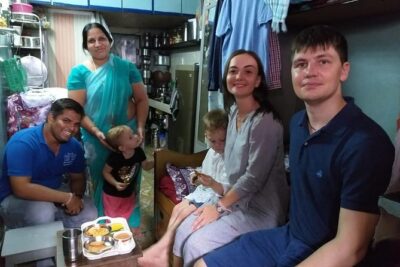 ★ 5.0Dharavi Slum TourFrom $20625 reviews
 ★ 5.0Dharavi Slum tour in Mumbai by local residentFrom $4572 reviews
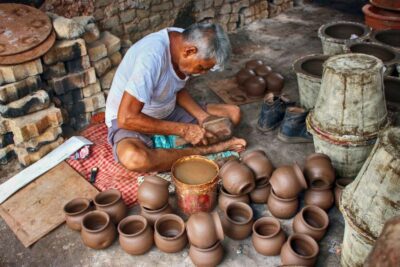 ★ 4.9Dharavi Slum Slumdog Millionaire Tour with a LocalFrom $10529 reviews
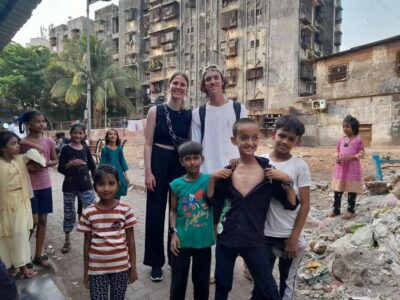 ★ 5.0Mumbai Slum Tour – Visit Dharavi Slum with Local GuideFrom $5509 reviews
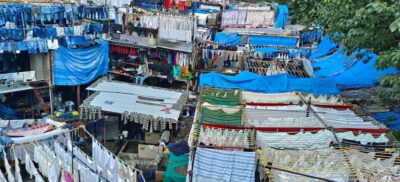 ★ 5.0Dhobi Ghat Laundry and Dharavi Slum Tour with LocalFrom $4469 reviews
 ★ 5.02-Hour Guided Tour of DharaviFrom $22359 reviews
Browse the lists this tour appears in