
Review · DHARAVI COMMUNITY WALKS
Group Tour of Dharavi Slum walk with local Guide
Two hours in Dharavi changes how you see cities. I love the local guide angle and how the walk shows both the work-and-home side of Dharavi. One thing to consider up front: this tour includes bottled water, but there’s no coffee, tea, or food, so plan your timing around a meal.
You’re in a small group (up to 15) for about 2 hours, with an admission ticket included. I also like that you get a mobile ticket, which keeps things simple when you’re trying to match up with a meeting point in Mumbai.
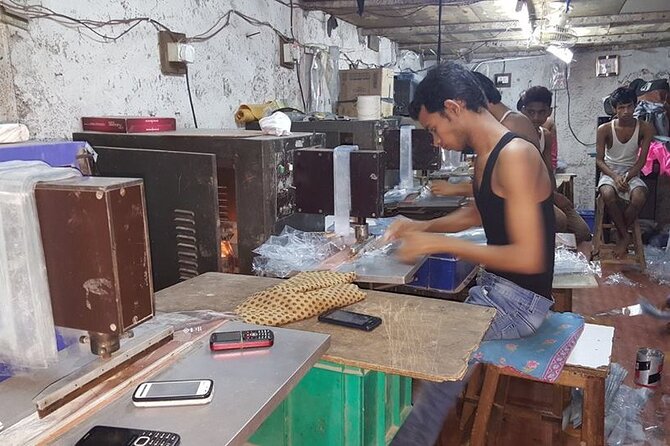
The route moves through real production and everyday life: leather work, pottery, soap making, a bakery, colour dye, small alleys, schools and hospitals, homes, plastic recycling, and even food-waste recycling like used veg oil. You’ll also pass cultural moments, including Muslim residents making a shrine for Hindus, plus a stop at a place tied to Slumdog Millionaire.
In This Review
- Key things to know before you go
- Starting at Third Wave Coffee and ending near Sion Hospital
- Why the guide really drives the value here
- Work areas: leather, pottery, soap, bakery, and colour dye
- Leather industries
- Pottery and small-scale production
- Making of soap
- Bakery
- Colour dye
- Small alley walks and community infrastructure stops
- Schools and hospitals
- Houses in slum: the work-and-home connection
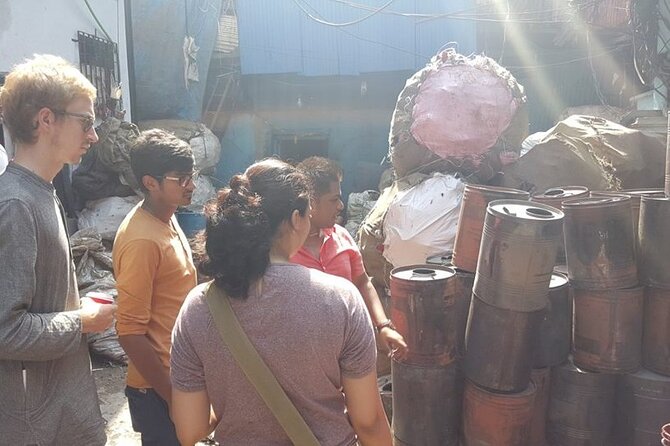
- Plastic recycling and recycling used veg oil
- Interfaith moment: shrine-making across communities
- Slum market: everyday trade at street level
- A film location stop: where Slumdog Millionaire was shot
- “Admission ticket included” and why 2 hours is actually enough
- Price and value: $12.26 for a guided local route
- What to bring and how to be a good guest
- Should you book this Dharavi Slum Walk with a local guide?
- FAQ
- FAQ
- How long is the Dharavi slum walk?
- What is the price per person?
- What’s included in the tour?
- Is coffee or tea included?
- Is any food included?
- How big is the group?
- Is there a mobile ticket?
- Where do I meet the guide?
- Where does the tour end?
- Can I cancel for a refund?
- Is confirmation received at booking time?
Key things to know before you go
- Small group size (max 15) makes questions feel possible, not annoying
- English-speaking guide keeps the story clear as you move through busy lanes
- Two-part feel: industry plus homes so you see how people work and live
- Hands-on production stops like leather, pottery, soap, bakery, and colour dye
- Recycling in action including plastic and used veg oil recycling
- Interfaith community moments such as a shrine built by Muslim residents for Hindus
Starting at Third Wave Coffee and ending near Sion Hospital
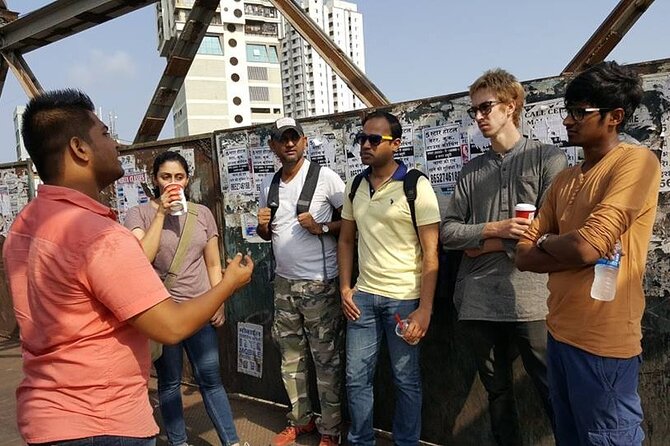
This tour has a very specific start and finish, which helps once you’re already in the area.
You meet at Third Wave Coffee, Tip Road (Unit no.58, Ground, Ram Mahal, Senapati Bapat Marg, Marinagar Colony, Station, Mahim). The end point is Sai Multispeciality Hospital & Research Centre on 90 Feet Rd, behind Sion Hospital, near Dharavi (Muslim Nagar, Kumbhar Wada). From there, getting a local taxi or Uber is straightforward.
Why I think the logistics matter: a walk like this is only 2 hours long. If you waste time wandering around trying to find the group, you lose the best part—your guide’s on-the-ground explanations in the places where they actually happen.
Why the guide really drives the value here
The standout feature isn’t just that it’s in Dharavi. It’s the fact that your guide is from the area.
The tour explicitly highlights that the guide lives in the slums, and that local connection shows up in the way questions get answered. In past walks, guides like Bharti, Abhishek, and Mahesh have been praised for being friendly and open to questions, with personal, day-to-day understanding of how life and work function.
That matters because Dharavi isn’t a single thing you can quickly summarize. It’s different workshops, different living situations, and different routines stacked close together. A local guide helps you sort what you’re seeing into something that makes sense—like how industries and household life overlap, and why certain recycling practices show up where they do.
Also: this tour is described as careful in its explanations. In practice, that usually means the guide doesn’t just point at a scene; they connect it to the daily reality behind it.
Other Dharavi walks led by people who live there


Work areas: leather, pottery, soap, bakery, and colour dye
You start moving through production spaces, and the itinerary is built around crafts and small industries. Expect to walk by, and often learn how people make and process things as part of their everyday work.
Leather industries
Leather work is one of the first big categories on the route. Even if you don’t know the process, you’ll get context on how materials flow through the neighborhood and why certain trades cluster together. The value here is the cause-and-effect story: you’re not just viewing a shop front, you’re watching how the neighborhood supports that kind of work.
A possible drawback: leather and production areas can feel busy and close. If you dislike tight spaces or prefer wide, airy sightseeing, keep that in mind. This isn’t a scenic viewpoint kind of tour.
Pottery and small-scale production
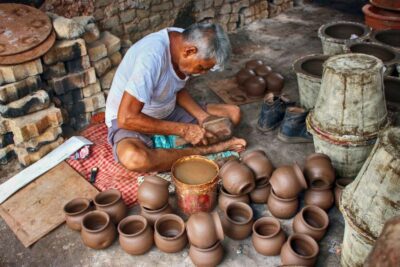
Pottery comes next, which helps balance out the more industrial feel of leather. You’ll get a sense of how tools, materials, and hands-on steps fit into workshop life. It’s a reminder that “industry” here isn’t factories with glossy branding. It’s practical making.
More of Mumbai at walking pace
- Group Guided Walking Tour in Fort and Colaba
★ 5.0 · 1,073 reviews - Private Guided Walking Tour in Fort & Colaba
★ 5.0 · 895 reviews - Private Guided Walking Tour in Bandra Queen of Suburbs
★ 5.0 · 383 reviews - Private Guided Spiritual Walk in Banganga Hindu Temples
★ 5.0 · 271 reviews - Mumbai: Dharavi Slum Walking Tour by First Female Tour Guide
★ 4.9 · 192 reviews - Private Guided Non-Veg Street Food Walking Tour in Muslim Quarter
★ 5.0 · 140 reviews
Making of soap
Soap making is another stop that tends to land well because it connects directly to everyday needs. You’ll likely learn how the craft ties to local work patterns and why products aren’t separated from the surrounding community.
Bakery
A bakery stop adds a human touch because food is easier to understand than many industrial processes. Even without food being included on the tour, seeing how a bakery fits into the same neighborhood routine helps you picture daily rhythms.
Colour dye
Colour dye is one of those areas that gives you instant visual clues: bright pigments, messy-looking stages, and careful work. The real learning is in what the guide explains about the practical process and where that work sits in the bigger Dharavi story.
Small alley walks and community infrastructure stops
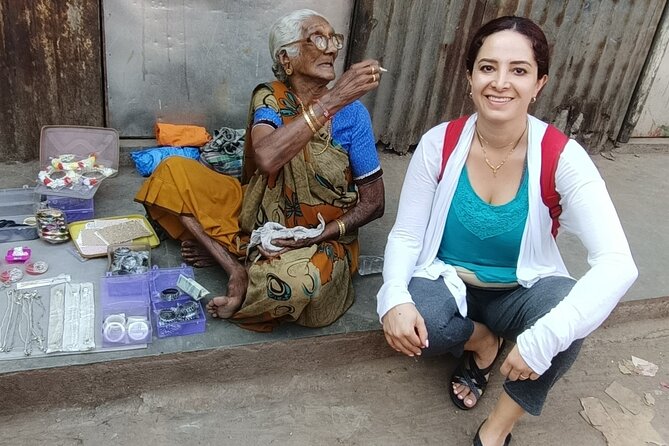
As the route shifts, the walk keeps you moving through narrow lanes and everyday spaces—then up to places like schools and hospitals.
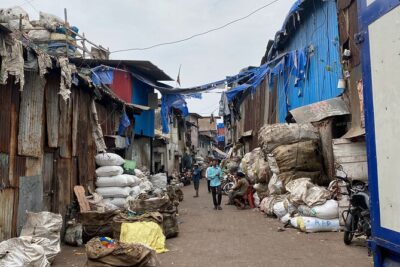
The alley segment is important because it shows you the “in-between” reality. In a typical tourist experience, you often skip the spaces that connect places. Here, you walk those connections, so you understand how people move between work, home, and community needs.
Schools and hospitals
The stops for schools and hospitals help you see that Dharavi isn’t only workshops and housing. There’s community infrastructure too. This is where the tour can challenge a common outsider assumption: that an area like this is defined only by shortages.
This part also makes the guide’s local perspective more useful. You’re not just asking, What is this building? You’re learning how it functions in daily life.
Houses in slum: the work-and-home connection
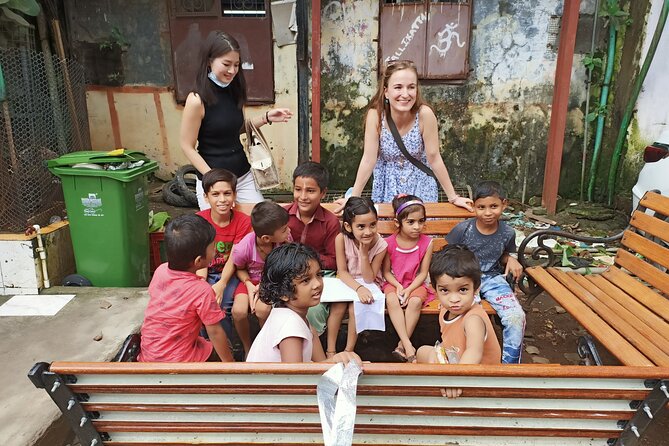
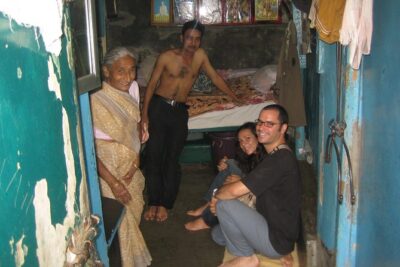
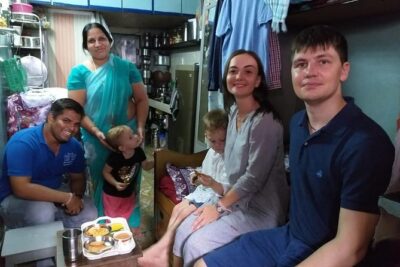
The tour doesn’t keep everything at the business level. It includes houses in the slum, which is the part many people find most striking.
This is where your visit becomes more than sightseeing. You see how life is organized alongside production. The guide’s lived experience helps translate what you see into something less overwhelming.
A heads-up for your expectations: this is not a “look from a distance” type of tour. It’s a walking experience through close quarters. So if you’re prone to judging from stereotypes or you get uncomfortable with real-world conditions, bring patience and a respectful mindset.
Plastic recycling and recycling used veg oil
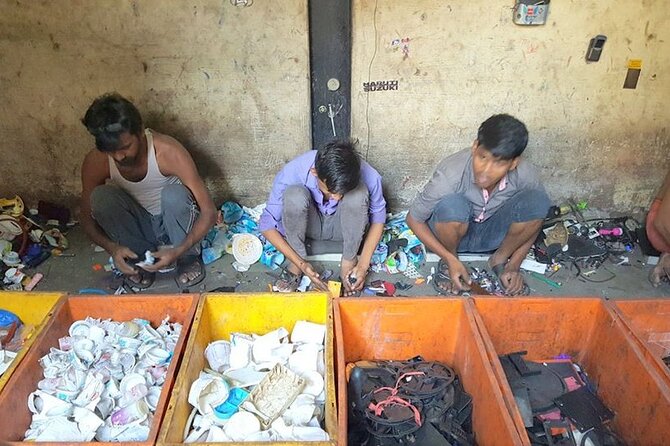
One of the most practical parts of the tour focuses on recycling—specifically plastic recycling and recycling of veg oil (the route notes recycling of veg oil can).
Even if you know the general idea of recycling, seeing it integrated into a neighborhood economy changes the way you think about waste. It’s not abstract. It’s a system of work that creates value from materials most people ignore.
Why this section is valuable for you:
- It connects “environment” to real livelihoods.
- It shows how informal processes can still follow a logic of collection, sorting, and reuse.
- It helps you understand that the neighborhood functions like a network, not random activity.
Interfaith moment: shrine-making across communities
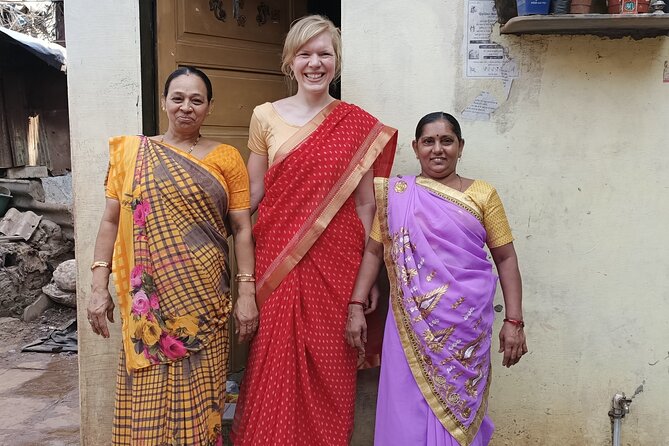
The itinerary includes a notable cultural stop: Muslim people making a shrine for Hindus.
This is the kind of detail that makes a guided walk feel honest. It’s not only about industry. It’s about everyday coexistence, shared space, and community rituals that cross lines people from outside often treat as barriers.
In a short tour, you won’t get a full religious studies course. But you will get one real example that invites better questions—and a local guide is exactly the right person to ask them.
Slum market: everyday trade at street level
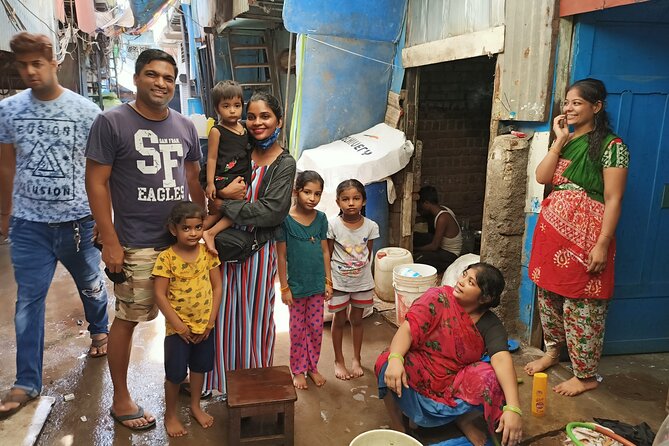
You also pass the slum market. This is where the neighborhood feels most like a living place you could theoretically come back to tomorrow.
Markets are where you see supply and demand in a very direct way. They also show what people need beyond the production steps: ingredients, supplies, small services, and goods moving between households and workshops.
Even though the tour doesn’t include food, the market stop can still shape how you understand the economy. You start seeing the neighborhood not as a single industry, but as many connected micro-economies.
A film location stop: where Slumdog Millionaire was shot
The walk includes a place where Slumdog Millionaire was shot.
This kind of stop can be tricky. Film locations sometimes feel like tourism wallpaper. But when it’s paired with the real neighborhood work and life around it, it becomes more useful. You’re not just watching an image from a movie—you’re comparing it to the actual daily world next to it.
If you’re a movie fan, this stop provides context. If you’re not, it still serves as a marker that helps you navigate the area and connect the story you’ve heard elsewhere to what you’re seeing on foot.
“Admission ticket included” and why 2 hours is actually enough
The tour includes an admission ticket, and it runs about 2 hours.
Two hours sounds short until you realize what’s packed into it: production trades, recycling, small alleys, community buildings, homes, and a market. A longer tour might cover more details, but it also risks turning into a checklist. Here, the time limit forces the guide to pick the most meaningful stops and explain what connects them.
This is also part of the value equation: you’re not paying for a long bus ride or a string of far-apart monuments. You’re paying for a guided, local walking route with bottled water and an English-speaking guide.
Price and value: $12.26 for a guided local route
At about $12.26 per person, this tour is priced like an affordable introduction rather than a premium “experience.” That’s not an insult. It’s actually a clue about how you should think about value.
You’re getting:
- English-speaking guide
- bottled water
- admission ticket included
- a route that balances work areas and home life
You’re not getting:
- any coffee/tea
- any included food
- tips covered (so budget a little extra if you feel the guide earned it)
For me, the best value signal is the guide connection. When someone lives in the area, they can answer questions in a way that canned commentary never will. That personal angle is one of the most praised aspects in similar walks, with guides like Bharti, Abhishek, and Mahesh highlighted for friendliness and professionalism.
What to bring and how to be a good guest
You can’t control the crowding of an active neighborhood. But you can control your readiness.
Here’s what I’d plan for:
- Wear comfortable walking shoes. You’ll be moving through small alleys and working areas.
- Bring a light layer if the day is windy or cool. Mumbai weather can shift.
- Have a plan for food. Since no food or drink besides bottled water is included, eat before you go.
- Bring curiosity and a respectful tone. This is daily life for the people you’ll be walking alongside.
Also, because the group is capped at 15, you’ll want to stay close to your guide. That keeps the walk moving and helps you avoid blocking people who are working.
Should you book this Dharavi Slum Walk with a local guide?
Book it if you want a short, focused walk that explains how people live and work, not just a photo stop. The mix of industrial trades, recycling, and community stops (schools, hospitals, homes, and the market) makes it a strong “first look” tour. And if you care about getting context from someone who grew up there—guides like Bharti, Abhishek, and Mahesh are repeatedly praised for exactly that—this format is a good match.
Skip or adjust your expectations if you’re looking for a relaxation-style sightseeing break. This is a close-up neighborhood experience. It’s also not built around included snacks or convenience food.
If you want a single, practical introduction to Dharavi in about two hours, with a local English-speaking guide and real neighborhood stops, this is one of the better ways to spend a morning or afternoon.
FAQ
FAQ
How long is the Dharavi slum walk?
It lasts about 2 hours.
What is the price per person?
The price is $12.26 per person.
What’s included in the tour?
Bottled water and an English-speaking guide are included, and an admission ticket is included as well.
Is coffee or tea included?
No. Coffee and/or tea are not included.
Is any food included?
No food is included.
How big is the group?
The tour has a maximum of 15 travelers.
Is there a mobile ticket?
Yes, you get a mobile ticket.
Where do I meet the guide?
You start at Third Wave Coffee, Tip Road, Unit no.58, Ground, Ram Mahal, Senapati Bapat Marg, Marinagar Colony, Station, Mahim, Mumbai, Maharashtra 400016.
Where does the tour end?
It ends at Sai Multispeciality Hospital & Research Centre, 90 Feet Rd, behind Sion Hospital, Muslim Nagar, Kumbhar Wada, Dharavi, Mumbai, Maharashtra 400017.
Can I cancel for a refund?
Yes. Free cancellation is available if you cancel up to 24 hours in advance for a full refund.
Is confirmation received at booking time?
Confirmation will be received at the time of booking.
Mumbai on Foot, Continued
- Group Guided Walking Tour in Fort and Colaba
★ 5.0 · 1,073 reviews - Private Guided Walking Tour in Fort & Colaba
★ 5.0 · 895 reviews - Private Guided Walking Tour in Bandra Queen of Suburbs
★ 5.0 · 383 reviews - Private Guided Spiritual Walk in Banganga Hindu Temples
★ 5.0 · 271 reviews
More Mumbai, Every Kind of Day
- Dharavi slum tour in Mumbai by Female tour guides of the slum
★ 5.0 · 1,976 reviews - Mumbai: Full-Day Sightseeing Tour of Mumbai
★ 4.9 · 1,822 reviews - Private Mumbai Sightseeing Tour (Traveller’s Choice Award Winner)
★ 5.0 · 1,565 reviews - Elephanta Caves & Island Guided Private Tour
★ 5.0 · 1,327 reviews
Dharavi, Told by Its Residents
- Dharavi slum tour in Mumbai by Female tour guides of the slum
★ 5.0 · 1,976 reviews - Mumbai: Dharavi Slum, DhobiGhat, and Dabbawallas Tour
★ 4.9 · 689 reviews - Dharavi Slum Tour
★ 5.0 · 625 reviews - Dharavi Slum tour in Mumbai by local resident
★ 5.0 · 572 reviews
New on the Mumbai shortlist


Dharavi Community Walks, compared.
 ★ 5.0Dharavi slum tour in Mumbai by Female tour guides of the slumFrom $91,976 reviews
 ★ 4.9Dharavi Slum, DhobiGhat, and Dabbawallas TourFrom $14689 reviews
 ★ 5.0Dharavi Slum TourFrom $20625 reviews
 ★ 5.0Dharavi Slum tour in Mumbai by local residentFrom $4572 reviews
 ★ 4.9Dharavi Slum Slumdog Millionaire Tour with a LocalFrom $10529 reviews
 ★ 5.0Mumbai Slum Tour – Visit Dharavi Slum with Local GuideFrom $5509 reviews
 ★ 5.0Dhobi Ghat Laundry and Dharavi Slum Tour with LocalFrom $4469 reviews
 ★ 5.02-Hour Guided Tour of DharaviFrom $22359 reviews
Browse the lists this tour appears in