

Review · DHOBI GHAT LAUNDRY VISITS
Dhobi Ghat Tour
Mumbai laundry has a pulse.
This short tour at Mahalaxmi Dhobi Ghat is interesting because it shows how a city keeps itself clean, using real people and mostly handwork. I love watching the manual laundry choreography up close—sorting by color and type, beating clothes in the trough, and getting them ready for drying—because it feels organized even when it looks chaotic. I also like that the tour is guided by workers who understand the routine, not just a scripted history talk.
A key consideration: no photography inside, so plan to focus on what you’re allowed to shoot and save the rest for close listening and careful looking. Timing also matters—morning (around 8:00 AM) is the sweet spot for catching active workflow in daylight.
In This Review
- Key Points I’d Put on Your Shortlist
- Mahalaxmi Dhobi Ghat: The Open-Air Factory You Can Actually Watch
- Finding the Right Spot: Dhobighat Entrance and the View Point Meeting Area
- The 30-Minute Walkthrough: Sorting, Beating, Drying, and Charcoal Ironing
- The People Behind the Work: Why Worker Stories Matter More Than Facts
- Guides can make or break it
- Photography Rules: How to Capture the Color Without Breaking the Limit
- Included Tea and Entry Tickets: What You Actually Get for $11
- Price and Logistics: A Short Tour That Works Best for the Right Mindset
- Who This Tour Suits (and Who Might Prefer Something Else)
- Practical Tips for a Smooth Morning at the Ghat
- Should You Book the Dhobi Ghat Tour?
- FAQ
- How long is the Dhobi Ghat Tour?
- Where do I meet the guide?
- What’s included in the price?
- Is photography allowed during the tour?
- What time should I start?
- What is the cancellation policy?
Key Points I’d Put on Your Shortlist

- Mahalaxmi Dhobi Ghat open-air work: a functioning laundry system, not a staged museum stop
- Hand-driven process: sorting, beating, drying, and ironing with big charcoal irons
- Hospital and infected-clothes sections: you’ll see how different loads are handled
- Worker-led storytelling: guides like Havat and Hardik Tank make the place feel human
- Color-forward sights: clotheslines and porters provide instant photo opportunities—within the rules
- Quick, focused visit: about 30 minutes, with entry tickets and tea included
Mahalaxmi Dhobi Ghat: The Open-Air Factory You Can Actually Watch

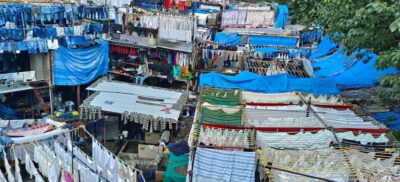
Mahalaxmi Dhobi Ghat isn’t a quiet viewpoint. It’s a working laundry area where rows of washers—dhobis—handle clothes for people across Mumbai. What makes it special is that you’re not just looking at an old building or an old photo. You’re watching a system that keeps running day after day, using skills passed through families.
This is also why the tour works for real schedules. The experience is built around the flow of daily labor: clothes arrive, get processed, and head out again—cleaner, pressed, and ready for pickup. Even in a short visit, you’ll understand that the ghat is basically a city-sized logistics operation, run with teamwork and routine.
The biggest takeaway I like to give visitors is this: the ghat feels chaotic at first glance, but it’s organized. You see people doing small jobs in the right sequence—one task complements the next. That’s what turns the place from a spectacle into something you can actually follow and appreciate.
Finding the Right Spot: Dhobighat Entrance and the View Point Meeting Area
The tour starts at Dhobighat Entrance (near 26-40, Anandilal P Marg, Dhobi Ghat, Shanti Nagar, mahalaxmi, Mumbai). Instead of meeting deep inside the facility, the guide meets you at a view point, where you can get your bearings fast and understand what’s going on before you move.
This matters because the ghat is an open-air working space. It’s easier to respect the pace of the workplace when you begin with an overview. You also get a chance to notice the layout: washing zones, drying lines, and different handling areas.
If you can, I’d aim to start in the morning (around 8:00 AM). The daylight helps you make sense of what’s happening. It also tends to line up better with a busy shift when you want to see the process in motion.
More visits to the open-air laundry at Mahalaxmi




The 30-Minute Walkthrough: Sorting, Beating, Drying, and Charcoal Ironing
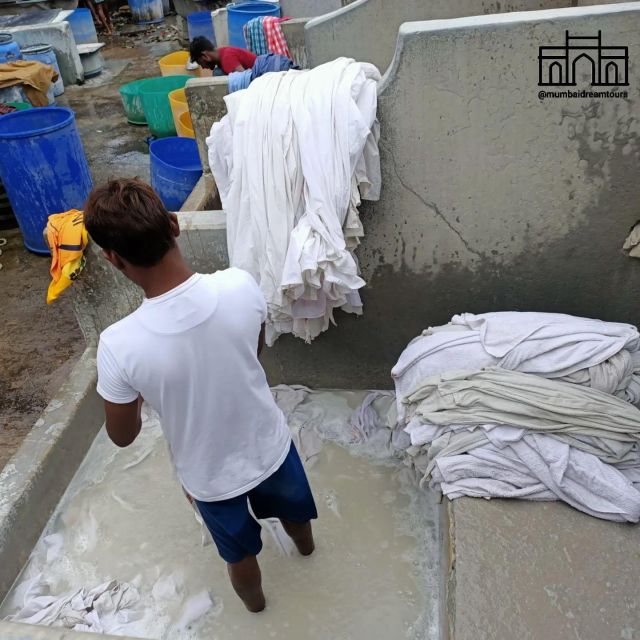
Your guided tour is short—about 30 minutes—so it moves quickly. That’s not automatically a bad thing. When an experience is focused like this, you get the main picture without losing the thread.
Here’s the workflow you’ll learn to spot as you walk:
1) Sorting and prep
You’ll see one dhobi sorting clothes by color and type. It may look like fast moving labor, but it’s a crucial step. Sorting helps prevent problems like color bleeding and makes it easier to manage different laundry needs.
2) Beating clothes in the washing trough
Another worker beats and works clothes in the trough area. This is where you see the effort in a very direct way. It’s not just rinsing. It’s stain removal using repetitive, physical technique.
3) Drying on clotheslines
Then you’ll notice the drying stage: clothes hung out to dry in long lines. People in a family structure often rotate tasks, and that division of work is part of what makes the ghat feel like a living system.
4) Ironing with bulky charcoal irons
The finishing stage is ironing, using bulky charcoal irons. This is one of those Mumbai details that feels instantly real. It also helps explain how dhobi labor is more than washing—finishing is part of the service.
And you don’t just see generic laundry either.
Hospital and infected-clothes sections
You’ll also learn that there are separate sections for boiling water and washing infected clothes from hospitals. That detail gives context. The ghat isn’t only for everyday clothing. It’s built for different kinds of loads and different levels of care.
The People Behind the Work: Why Worker Stories Matter More Than Facts
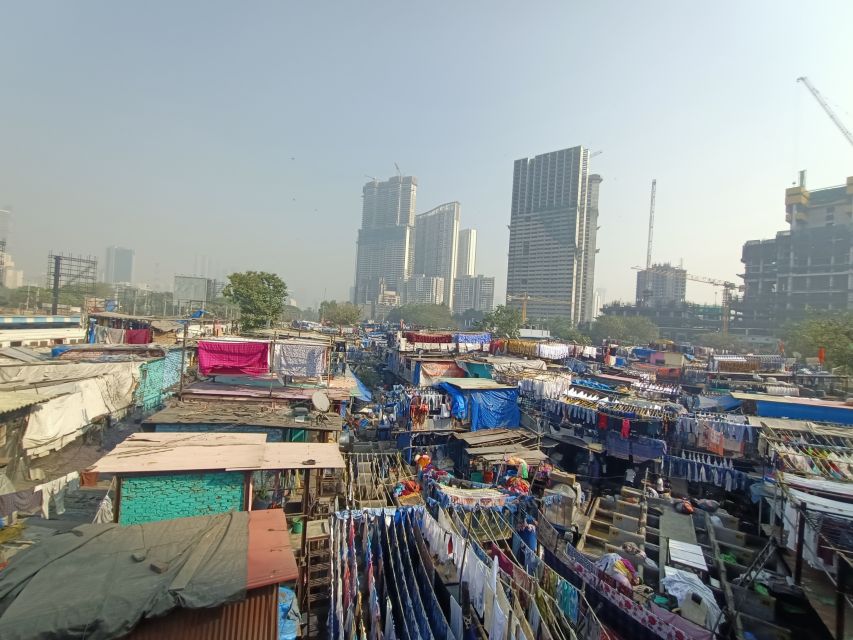
The tour’s heart is the people. Mahalaxmi Dhobi Ghat is managed by the workers themselves, and they’re generally more than eager to share what they do and how life feels inside the routine.
This is where the tour becomes more than sightseeing. You’ll hear about daily struggles at work, and you’ll get a human sense of why it matters to do the job well. One thing I really respect about this kind of visit is that it treats labor as craft, not as background scenery.
You may also notice family involvement in the process. The ghat runs on teamwork: one person beats and works the clothes, another hangs them, another sorts, and others handle finishing. Even when some families use machines, much of the work here is still done by hand, and that’s a big part of the show.
The experience is also social, in the small ways. In the tour spirit, you might even find a moment of interaction—like playing a game or two with children there. If you like community-based travel, this is the kind of stop that changes how you see daily work.
Guides can make or break it
This is a short tour, so guide energy matters. In the better experiences, the guide genuinely brings the ghat to life.
I saw examples of very strong guide rapport—one guide named Havat is described as humorous and full of character, with a life spent working there. Another guide, Hardik Tank, is described as gentle, helpful, and well prepared despite being young. Those details matter because they shape how much you take in during those 30 minutes.
Still, I’d keep one practical note in mind: if your guide seems rushed, the tour can feel even shorter. The place itself is fascinating, but delivery affects the experience.
- Dharavi slum tour in Mumbai by Female tour guides of the slum
★ 5.0 · 1,976 reviews - Mumbai: Full-Day Sightseeing Tour of Mumbai
★ 4.9 · 1,822 reviews - Private Mumbai Sightseeing Tour (Traveller’s Choice Award Winner)
★ 5.0 · 1,565 reviews - Group Guided Walking Tour in Fort and Colaba
★ 5.0 · 1,073 reviews - Highlights of Mumbai Sightseeing Tour: TRAVELLERS CHOICE AWARDED
★ 5.0 · 915 reviews - Private Guided Walking Tour in Fort & Colaba
★ 5.0 · 895 reviews
Photography Rules: How to Capture the Color Without Breaking the Limit

The highlights promise plenty of color—clotheslines, rows of drying laundry, porters moving loads, and faces behind the work. That visual energy is why this stop is popular with cameras.
But there’s a clear rule: no photography inside. So I’d treat the tour as a “watch first” experience. Use your camera when you’re in allowed areas, and when in doubt, follow your guide’s cues.
A good strategy is to focus on patterns and motion:
- clotheslines and drying rows
- close views of sorting and handling
- porters with piles of laundry
- the contrast between work and everyday life
If you like street photography, this place rewards patience. If you need uninterrupted shooting time, you may end up feeling limited by the rule about interior photography.
Included Tea and Entry Tickets: What You Actually Get for $11

At $11 per person, the value is mostly about what’s included. You’re not just paying for narration. Your ticket covers entry, you get an English-speaking guide, and you also receive tea.
For a 30-minute tour, that matters. Many short “photo stops” don’t include entry fees or a guide. Here, you’re buying a structured visit with someone to help you read what you’re seeing—especially important in a working facility where it can be hard to understand the process from the outside.
That included tea is also a practical nice touch. Even if your main goal is photography and learning, having a warm break can keep the experience comfortable, especially if you start in the morning.
Price and Logistics: A Short Tour That Works Best for the Right Mindset
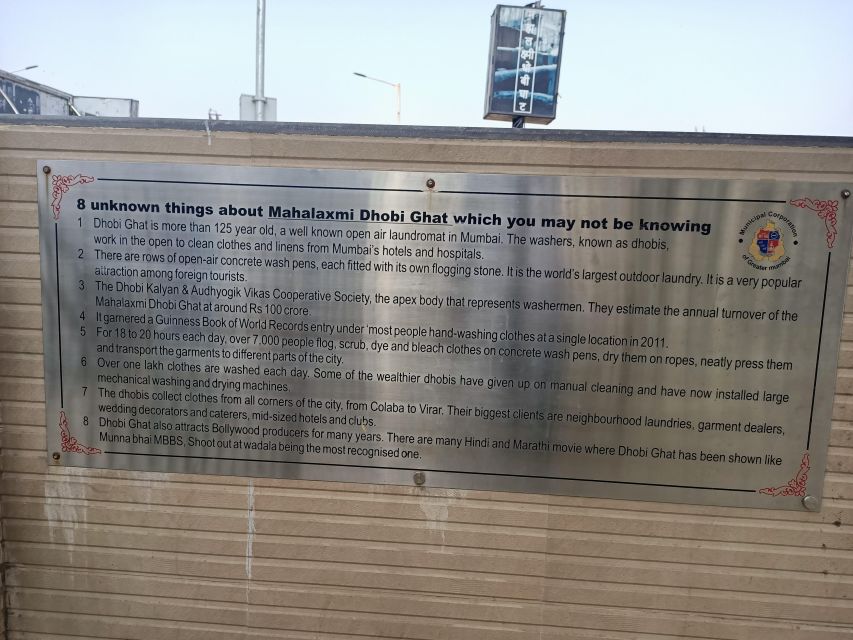
Let’s be honest: 30 minutes is fast. If you’re expecting a long, deeply structured documentary-style walkthrough, this won’t match that pace. But if you want a compact taste of the ghat’s working rhythm—and you don’t mind moving at a brisk but guided tempo—it’s a good fit.
Here’s how I’d weigh it for your decision:
- You’re paying for entry + guide + tea, which adds real value.
- You’re seeing a live workplace, which is more meaningful than a static attraction.
- The photography restriction inside can reduce what you capture, but it doesn’t block the core experience.
The main risk isn’t the price. It’s expectations. If your guide is less engaging or the visit runs very quickly, you might feel like you didn’t get enough time. On the other hand, when the guide is lively, you leave with clear visuals and a better understanding of how the ghat works.
Who This Tour Suits (and Who Might Prefer Something Else)

This Dhobi Ghat Tour is best for you if:
- you like cultural stops that feel real, not staged
- you enjoy watching processes—especially labor done with skill
- you’re curious about Mumbai’s daily life and history through how things are done
- you like photography but can follow rules (no interior shots)
It might be less ideal if:
- you need long explanation time or a slow pace
- you rely on constant photography and you dislike restrictions
- you want a full museum-style history session rather than a live workflow view
That said, the strength of this experience is that it’s a quick, tangible look at a working system. Even when it’s brief, you still get enough to connect the dots: laundry is a service network, and the ghat is one of its most visible centers.
Practical Tips for a Smooth Morning at the Ghat

You can’t control the pace of a working facility, but you can show up prepared.
I suggest you:
- start around 8:00 AM if you want clearer views of active work
- wear comfortable shoes since you’ll be walking around a working area
- bring a small patience buffer for a place that runs on labor timing, not tourist timing
- keep your phone/camera ready, but be ready to pause if you’re asked to avoid interior photography
- bring a curious attitude—this tour rewards attention to details like sorting, beating, and ironing steps
If you like small interactions, be open to the human side too. The ghat isn’t only about machines or steps. It’s about people and routines.
Should You Book the Dhobi Ghat Tour?
I’d book this tour if you want a quick, guided look at Mumbai’s Mahalaxmi Dhobi Ghat as a living open-air laundry. At $11, with entry tickets, an English-speaking guide, and tea, it’s good value for a compact experience. You’ll come away with a clearer sense of how the ghat works—sorting by color, beating stains, drying on lines, and finishing with charcoal ironing—plus you’ll learn about separate handling for hospital and infected loads.
I’d skip or reconsider if photography is your top priority and you hate any limits, since no photography inside is part of the rules. Also, if you want a long visit, 30 minutes may feel too short for your style.
If you’re flexible and curious, this is one of those Mumbai experiences that helps you see everyday life as something worth understanding.
FAQ
How long is the Dhobi Ghat Tour?
The tour is approximately 30 minutes.
Where do I meet the guide?
You meet the guide at the view point of Dhobi Ghat, near the Dhobighat Entrance address at 26-40, Anandilal P Marg, Dhobi Ghat, Shanti Nagar, mahalaxmi, Mumbai, Maharashtra 400020.
What’s included in the price?
The tour includes entry tickets, an English-speaking guide, and tea.
Is photography allowed during the tour?
Photography is not allowed inside. The experience highlights include photographing clotheslines, but you should follow the no interior photography rule.
What time should I start?
The best time to start is morning around 8:00 AM.
What is the cancellation policy?
You can cancel up to 24 hours in advance for a full refund.
More Mumbai, Every Kind of Day
- Dharavi slum tour in Mumbai by Female tour guides of the slum
★ 5.0 · 1,976 reviews - Mumbai: Full-Day Sightseeing Tour of Mumbai
★ 4.9 · 1,822 reviews - Private Mumbai Sightseeing Tour (Traveller’s Choice Award Winner)
★ 5.0 · 1,565 reviews - Elephanta Caves & Island Guided Private Tour
★ 5.0 · 1,327 reviews
Dhobi Ghat from a Few More Angles
- Mumbai: Dharavi Slum, DhobiGhat, and Dabbawallas Tour
★ 4.9 · 689 reviews - Mumbai: Dhobi Ghat Laundry and Dharavi Slum Tour with Local
★ 5.0 · 469 reviews - Mumbai: Dharavi Slum and Dhobi Ghat Laundry Tour
★ 5.0 · 317 reviews - Private Combo Tours Sightseeing + Dharavi Slum + Dhobi Ghat & Dabbawalas
★ 5.0 · 245 reviews
New on the Mumbai shortlist




Dhobi Ghat Laundry Visits, compared.
 ★ 4.9Dharavi Slum, DhobiGhat, and Dabbawallas TourFrom $14689 reviews
 ★ 5.0Dhobi Ghat Laundry and Dharavi Slum Tour with LocalFrom $4469 reviews
 ★ 5.0Dharavi Slum and Dhobi Ghat Laundry TourFrom $5317 reviews
 ★ 5.0Private Combo Tours Sightseeing + Dharavi Slum + Dhobi Ghat & DabbawalasFrom $79245 reviews
 ★ 5.0Dharavi, Dhobighat, and Mumbai DabbawallasFrom $20168 reviews
 ★ 5.0Dabbawala, Dhobi Ghat & Dharavi slum Tour with Local Train RideFrom $35102 reviews
 ★ 4.8Dharavi Slum Tour with Dhobi Ghat (Open-Air Laundry)From $462 reviews
 ★ 5.0Mumbai Dharavi Slum, Dhobi Ghat & Dabbawala Lunchbox TourFrom $1843 reviews
Browse the lists this tour appears in