
Review · DHARAVI COMMUNITY WALKS
Dharavi Slum Walking Tour: Mumbai’s Inspiring Small Industries
Tight alleys, big ideas in Dharavi. This Dharavi walk with a local guide maps daily life through small workplaces and homes, with a Kumbharwada pottery stop built in.
I love the way this tour focuses on small industries you can actually see at work—recycling, garment-making, leather workshops, and more. I also like the practical craft visit at Kumbharwada, where pottery isn’t a staged performance; it’s part of the neighborhood rhythm.
One heads-up: this is an up-close walk through very narrow lanes, so if you want lots of distance and wide views, it may feel a bit tight.
In This Review
- Key things to know before you go
- Value for money: a guided Dharavi walk for $9.51
- Where to meet: Third Wave Coffee near transit
- The tour flow: commercial first, then residential
- Commercial lanes: recycling, garments, and workshop life
- Residential side: homes, workshops, and lived-in context
- Kumbharwada pottery colony: craft inside Dharavi
- Tight alleys and practical comfort tips
- Guides matter: what Ruqaiyya and Sharon-style guiding feels like
- Transfers and optional city sightseeing
- Who should book this Dharavi tour (and who may want to skip)
- Should you book? My straight answer
- FAQ
- How long is the Dharavi Slum Walking Tour?
- What is the price per person?
- Where does the tour start?
- Do you visit Kumbharwada pottery colony?
- What does the tour cover?
- Is there an option for hotel pickup and drop-off?
- Is this tour private or shared?
- Is there an admission ticket fee?
- Where is the meeting point relative to transport?
- What’s the cancellation policy?
Key things to know before you go
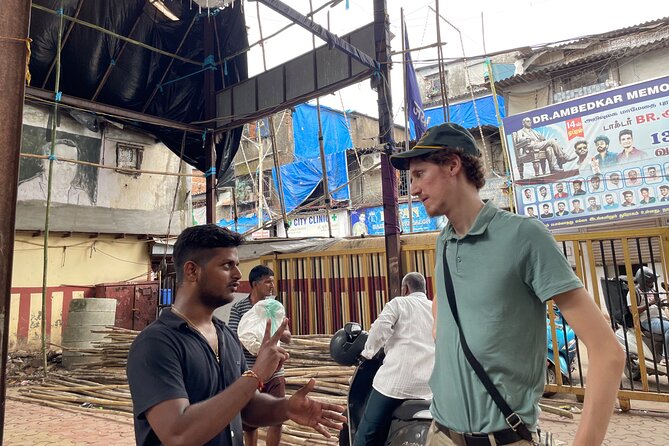
- Real work, up close: Watch recycling and making happen in day-to-day settings.
- Kumbharwada pottery stop: You’ll include a visit inside Dharavi to the pottery colony.
- Two sides of Dharavi: Start with the commercial area, then move into the residential blocks.
- Private for your group: Only your group joins this activity.
- Photo-friendly with a guide: You’ll be guided for safety while you capture images.
- Transfer option: Hotel pickup and drop-off can be added to reduce stress.
Value for money: a guided Dharavi walk for $9.51
At $9.51 per person for about two hours, this tour is priced like a quick city activity, not a premium experience. What you’re paying for is the guided walking route, local interpretation of daily life, and the included Kumbharwada pottery visit.
That’s a big deal in Mumbai, where good guide time usually costs more. Here, you’re getting enough structure to understand what you’re looking at—without pretending Dharavi is a theme park.
Also, the tour is often booked about 25 days in advance on average. If you’re traveling in a busy season or you have a tight plan, lock it in earlier.
Where to meet: Third Wave Coffee near transit
You’ll start and end at Third Wave Coffee on Tip Road, inside Ram Mahal, near Senapati Bapat Marg (Marinagar Colony, Mahim area). The good news: it’s described as near public transportation, so you’re not stuck planning an elaborate taxi shuffle just to begin.
Because the activity finishes back at the meeting point, you don’t need to think about how you’ll get back across the city at the end of your walk. That makes it easier to slot into a day when you also want to do other things in Mumbai.
If you’re using a mobile ticket, keep it ready on your phone. You’ll want it when you check in at the start.
Other Dharavi walks led by people who live there


The tour flow: commercial first, then residential
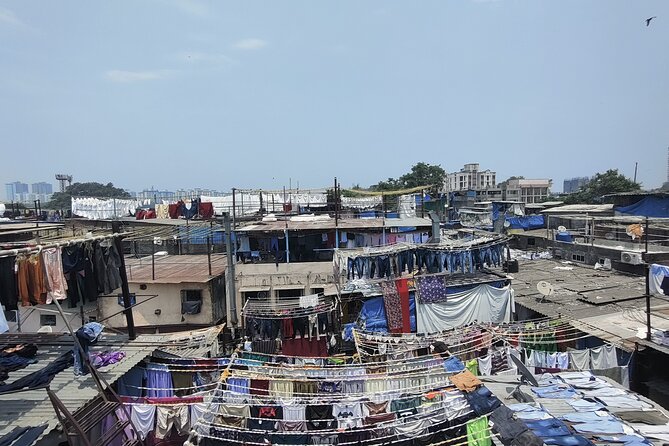
Your walk begins with a guided circuit through Dharavi’s commercial side—think workshops and production happening in compact spaces. You’ll see recycling and manufacturing in action, including work with plastic, cardboard, aluminum, and garment creation.
Then you shift from the commercial hub to the residential sector. This is where you notice the scale difference: smaller roofs, homes clustered close together, and the way government and private buildings share space with workrooms like leather workshops.
This order matters. Starting with production helps you understand why businesses and residences are intertwined here. Moving to homes afterward gives you a clearer sense of daily life beyond a workshop window.
Commercial lanes: recycling, garments, and workshop life
In the commercial section, you should expect to be surrounded by work—materials moving, items being processed, and small-scale production that keeps people working close to home. The tour’s focus isn’t on a single famous stop; it’s on the day-to-day engine of the area.
What’s especially valuable here is the explanation from your guide. They help connect what you’re seeing—plastic, cardboard, aluminum, and textiles—to the bigger idea of how Dharavi supports livelihoods through many small industries.
A practical note: because this is a real neighborhood with active work, you should keep your pace steady and follow your guide’s cues. This is not the kind of walk where you can wander off to explore at your own speed.
Residential side: homes, workshops, and lived-in context
After the commercial first phase, the tour transitions into the residential side where people live. This portion helps you see Dharavi as more than labor and recycling stations.
You’ll pass through an area where small-roofed houses sit close to other buildings, while workshops like leather work remain part of daily life. The guide also shares history and culture, which is key to making sense of how communities adapt and persist in tight spaces.
If your goal is to understand how people manage work and home together, this residential section is where the story starts to feel real and personal. It’s also the part that can be emotionally heavy if you’re not prepared—so take breaks when you need them and keep your questions respectful.
More of Mumbai at walking pace
- Group Guided Walking Tour in Fort and Colaba
★ 5.0 · 1,073 reviews - Private Guided Walking Tour in Fort & Colaba
★ 5.0 · 895 reviews - Private Guided Walking Tour in Bandra Queen of Suburbs
★ 5.0 · 383 reviews - Private Guided Spiritual Walk in Banganga Hindu Temples
★ 5.0 · 271 reviews - Mumbai: Dharavi Slum Walking Tour by First Female Tour Guide
★ 4.9 · 192 reviews - Private Guided Non-Veg Street Food Walking Tour in Muslim Quarter
★ 5.0 · 140 reviews
Kumbharwada pottery colony: craft inside Dharavi
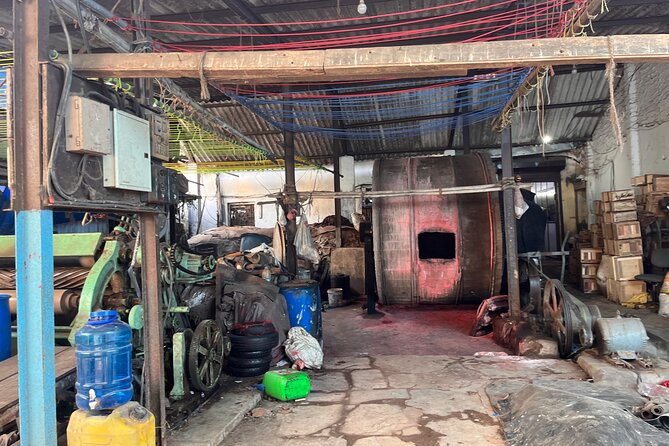
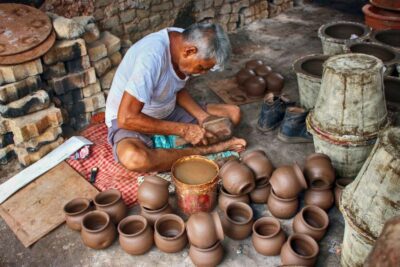
One standout inclusion is the visit to Kumbharwada pottery colony within Dharavi. This stop shifts you from “industry as a process” to “industry as craft.”
Pottery is the kind of activity that makes it easier to visualize skill and continuity. You’re not just watching products move through a supply chain; you’re seeing how a craft tradition fits into daily life in the neighborhood.
If you’re the type of traveler who likes hands-on understanding—how work is learned and sustained—this is the part that tends to land hardest. It’s also a nice contrast to the recycling and manufacturing scenes, giving your eyes a different kind of detail to focus on.
Tight alleys and practical comfort tips
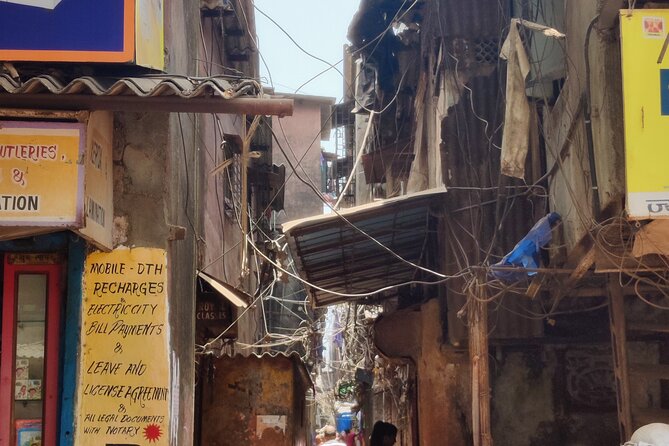
This tour is very much an up-close experience. One description of the walk highlights moving through extremely narrow alleys—sometimes on the scale of only a couple feet wide—while visiting people’s working areas.
So, plan comfort like it matters:
- Wear closed-toe shoes with grip.
- Be ready to walk slowly and keep your bag close.
- Expect crowds of the route (your group plus the neighborhood around you), even though the tour is private for your group.
Also, this type of walk is photo-friendly, with the guide helping with safety as you capture images. Still, keep your camera work calm and quick. In narrow spaces, stopping suddenly is a problem for everyone.
Guides matter: what Ruqaiyya and Sharon-style guiding feels like
A big reason this experience earns such high marks is the human factor: the guides don’t just point. They explain.
Some guides you may encounter are described as engaging and personable, with clear pride in Dharavi. For example, Sharon is mentioned as a guide who shares in-depth insights and a friendly approach, and Ruqaiyya is described as engaging, informative, and proud of where she lives.
What that means for you is simple: you’re more likely to leave with a coherent picture, not just a bunch of photos and unanswered questions.
A smart move before you start: ask your guide what they want you to notice first. You’ll get more out of the walk if you have one or two guiding questions in your head, like how recycling work is organized or how housing and small businesses fit together.
Transfers and optional city sightseeing
If you want less friction on the logistics side, there’s a transfer option that can include hotel pickup and drop-off. That’s a big help in Mumbai, where getting across town can turn into a time sink.
There’s also an option to include city sightseeing alongside this experience. If you’re trying to build a fuller day without overthinking travel time, this can make the schedule easier.
One thing to plan: your two-hour tour starts at Third Wave Coffee and ends back at the same meeting point. If you’re adding sightseeing, make sure your plan accounts for the time buffer needed to move from one area to another.
Who should book this Dharavi tour (and who may want to skip)
This tour is a great fit if you want:
- A guided walking route that explains what you’re seeing in real neighborhoods.
- An emphasis on small industries and residents’ daily lives.
- A focused length of time (about two hours) rather than an all-day commitment.
It may be less ideal if:
- You get uncomfortable in tight spaces and narrow lanes.
- You want a more distant, scenic style view rather than hands-on proximity to work areas.
If you’re sensitive to heavy realities, go with a calm mindset. The purpose here is understanding and witnessing how people create livelihoods in complex conditions, and that can land differently depending on the day you’re having.
Should you book? My straight answer
Yes, I’d book it if your main goal is understanding Dharavi through lived-in work and daily context, with a guide who can translate what you’re seeing. The price is low for the amount of guided time, and the Kumbharwada pottery stop gives the tour a craft anchor that’s easy to remember.
I would hold off only if you strongly prefer open viewpoints and wide paths, or if narrow-alley walking would put you on edge. For most people, the key is preparation: shoes that work, a patient pace, and respectful camera habits.
FAQ
How long is the Dharavi Slum Walking Tour?
It lasts about 2 hours.
What is the price per person?
The price is $9.51 per person.
Where does the tour start?
The meeting point is Third Wave Coffee, Tip Road, Unit no. 58, Ground, Ram Mahal, Senapati Bapat Marg, Marinagar Colony, Station, Mahim, Mumbai.
Do you visit Kumbharwada pottery colony?
Yes. The tour includes a visit to the Kumbharwada pottery colony within Dharavi.
What does the tour cover?
You’ll explore Dharavi with a local guide, including the commercial areas with small industries and the residential side where people live, plus history and culture shared by your guide.
Is there an option for hotel pickup and drop-off?
Yes. There is a transfer option that can include hotel pickup and drop-off.
Is this tour private or shared?
It’s private for your group only.
Is there an admission ticket fee?
Admission is free for this activity.
Where is the meeting point relative to transport?
The meeting point is near public transportation.
What’s the cancellation policy?
You can cancel for a full refund if you cancel up to 24 hours in advance of the start time, based on local time. If you cancel less than 24 hours before, you won’t get a refund.
If you tell me your travel month and where you’re staying, I can suggest how to pair this with other Mumbai stops without stressing your schedule.
Mumbai on Foot, Continued
- Group Guided Walking Tour in Fort and Colaba
★ 5.0 · 1,073 reviews - Private Guided Walking Tour in Fort & Colaba
★ 5.0 · 895 reviews - Private Guided Walking Tour in Bandra Queen of Suburbs
★ 5.0 · 383 reviews - Private Guided Spiritual Walk in Banganga Hindu Temples
★ 5.0 · 271 reviews
More Mumbai, Every Kind of Day
- Dharavi slum tour in Mumbai by Female tour guides of the slum
★ 5.0 · 1,976 reviews - Mumbai: Full-Day Sightseeing Tour of Mumbai
★ 4.9 · 1,822 reviews - Private Mumbai Sightseeing Tour (Traveller’s Choice Award Winner)
★ 5.0 · 1,565 reviews - Elephanta Caves & Island Guided Private Tour
★ 5.0 · 1,327 reviews
Dharavi, Told by Its Residents
- Dharavi slum tour in Mumbai by Female tour guides of the slum
★ 5.0 · 1,976 reviews - Mumbai: Dharavi Slum, DhobiGhat, and Dabbawallas Tour
★ 4.9 · 689 reviews - Dharavi Slum Tour
★ 5.0 · 625 reviews - Dharavi Slum tour in Mumbai by local resident
★ 5.0 · 572 reviews
New on the Mumbai shortlist



Dharavi Community Walks, compared.
 ★ 5.0Dharavi slum tour in Mumbai by Female tour guides of the slumFrom $91,976 reviews
 ★ 4.9Dharavi Slum, DhobiGhat, and Dabbawallas TourFrom $14689 reviews
 ★ 5.0Dharavi Slum TourFrom $20625 reviews
 ★ 5.0Dharavi Slum tour in Mumbai by local residentFrom $4572 reviews
 ★ 4.9Dharavi Slum Slumdog Millionaire Tour with a LocalFrom $10529 reviews
 ★ 5.0Mumbai Slum Tour – Visit Dharavi Slum with Local GuideFrom $5509 reviews
 ★ 5.0Dhobi Ghat Laundry and Dharavi Slum Tour with LocalFrom $4469 reviews
 ★ 5.02-Hour Guided Tour of DharaviFrom $22359 reviews
Browse the lists this tour appears in