

Review · DHARAVI COMMUNITY WALKS
Dharavi Slum Walking Tour: Daily Life in Asia’s Largest Slum
A walk that changes how you see Mumbai. This Dharavi route is interesting because it replaces stereotypes with everyday scenes—workshops, home lanes, and real neighborhood pride—guided by people like Sufiyan, fluent in Hindi and English. I like that the walk connects craft and industry to daily life, including a stop in historic Kumbharwada where potters shape clay with old know-how. The one thing to keep in mind is the pace: you’ll be on foot for about 2 to 2.5 hours and it calls for moderate physical fitness and good weather.
You start at Third Wave Coffee and end back inside Dharavi near Sunder Vilas, so you’re not just passing through one viewpoint. I also love the small group size—up to 15 travelers—which makes it easier to ask questions and keeps the whole experience respectful instead of rushed.
In This Review
- Key Highlights You’ll Actually Notice
- Entering Dharavi With a Real-World Lens
- The Start at Third Wave Coffee: Quick Orientation, Then Out the Door
- Watching Work Up Close: Recycling, Leather, Pottery, Textiles, Food
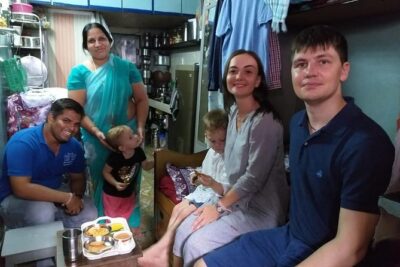
- The Residential Lanes: Kids, Cooking, and Community Pride
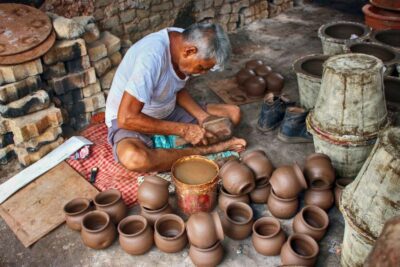
- Kumbharwada: Potters’ Colony and the Weight of Craft
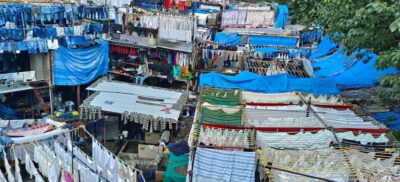
- Dhobi Ghat: Laundry Work as Daily Infrastructure
- Price and Value: Why $5.59 Feels Like a Deal (With a Realistic Lens)
- The Guide Factor: Clear English, Local Perspective, and Safety
- Timing, Walking Pace, and What You Should Bring
- Being a Good Visitor: Respect Is Part of the Experience
- Who This Tour Suits Best
- Should You Book This Tour?
- FAQ
- How long is the Dharavi slum walking tour?
- Where do I meet the guide?
- What languages does the guide speak?
- What’s the group size limit?
- Is it physically demanding?
- What happens if the weather is bad or I need to cancel?
Key Highlights You’ll Actually Notice
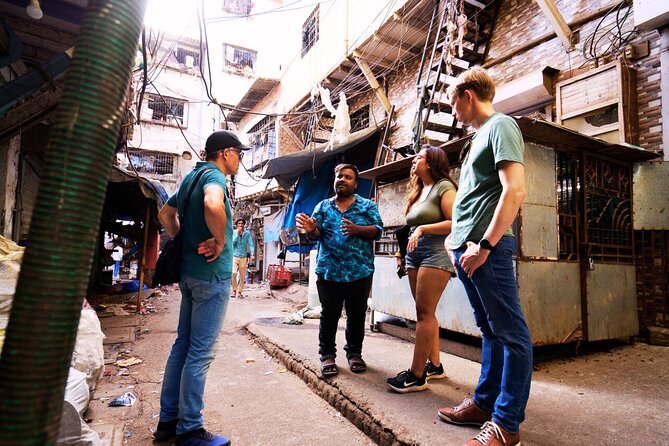
- A local guide who can switch between Hindi and English, and explains what you’re seeing in a clear, question-friendly way
- Both industry and residential life, from work sites tied to recycling and crafts to lanes where families cook and chat
- Kumbharwada potters’ colony, a focused look at clay work and generational tradition
- Dhobi Ghat, where you can see how daily laundry work fits into the neighborhood rhythm
- A small-group pace (max 15) that helps you move at walking speed, not tour-bus speed
- About 2 hours on foot, with a moderate fitness level needed and better results in good weather
Entering Dharavi With a Real-World Lens
Dharavi gets talked about a lot, usually with scary or simplified labels. This tour goes the other direction. Instead of treating the area as a single idea, you walk through the parts that make it function: small workplaces, homes, and community routines that run day after day.
I like that it’s built around what people do, not just where people live. You see the kinds of industries that keep many households going—recycling, leatherwork, pottery, food production, and textiles are all part of the picture. And you also see the quieter side: children playing, families cooking, and neighbors sharing conversation across doorsteps.
The Start at Third Wave Coffee: Quick Orientation, Then Out the Door

The meeting point is Third Wave Coffee on Tip Road in the Mahim area. It’s helpful that it’s near public transportation, because you’re less likely to lose time wrestling with Mumbai logistics before the tour even begins.
From the start, you’ll get the sense that the guide isn’t just reciting facts. Guides on this route (Sufiyan is one name that comes up strongly) are fluent and comfortable handling questions. That matters, because Dharavi can feel emotionally heavy if you don’t know what you’re looking at. A good guide helps you keep your footing—literal and mental.
You’ll also learn how the day is paced: walking for around two hours (sometimes a bit longer), with stops that connect industry to specific places like Kumbharwada and Dhobi Ghat.
Other Dharavi walks led by people who live there



Watching Work Up Close: Recycling, Leather, Pottery, Textiles, Food
One of the most valuable parts is that you don’t just hear about “small businesses.” You get a window into how they operate at neighborhood scale.
The tour highlights industries such as:
- Recycling, showing how materials move through the local economy
- Leatherwork, a craft-linked industry that takes skill and steady work
- Pottery, connecting to the later stop in Kumbharwada
- Food production, which reveals how everyday meals tie into local production
- Textiles, another pillar of work that supports household income
What you’ll take away is practical: Dharavi is not only a residential area. It’s also a working place with specialized trades that support both local needs and wider supply chains.
It also changes how you think about “poverty.” You can hold two truths at once. People here face real challenges, but they also build livelihoods and take pride in what they make.
The Residential Lanes: Kids, Cooking, and Community Pride

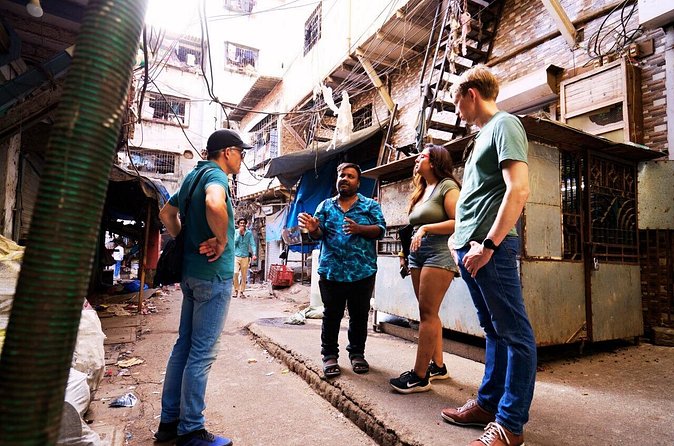
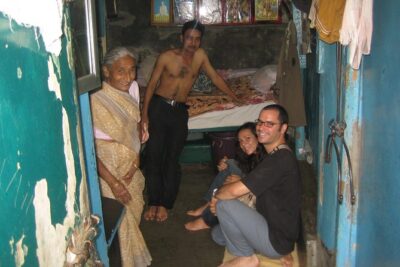
After the work scenes, you move into narrow residential lanes. This is where the tour becomes less like a sightseeing stop and more like a human-scale walk.
You’ll see:
- Children playing in the open spaces you wouldn’t expect to exist
- Families cooking, which gives you a sense of how daily life keeps rolling
- Neighbors chatting, including small moments that would be easy to miss without a local guide
This part is important because it counters the idea that Dharavi is only one thing. The same place can be work, home, and community all at once.
Kumbharwada: Potters’ Colony and the Weight of Craft

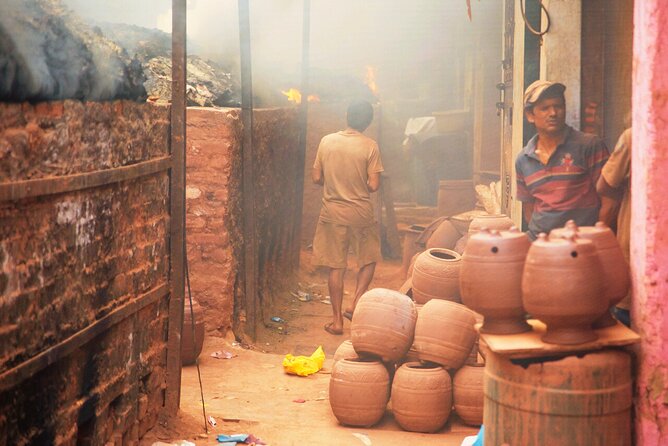
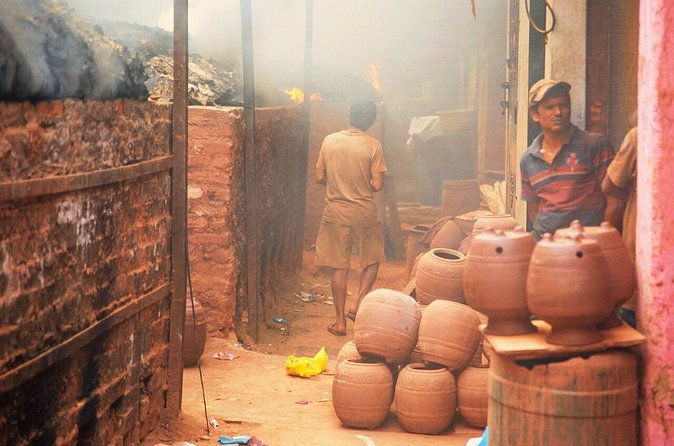
The walk ends at Kumbharwada, a historic potters’ colony. This stop matters because it brings the industry story into a specific, named place tied to generations of skill.
Pottery here isn’t presented as a novelty. It’s shown as craft work that continues because people know how to do it and because the work has a place in the neighborhood economy. If you’re the type who likes seeing how something is made, this is the portion that usually clicks fastest.
You’ll likely notice how the guide connects the dots—how what you saw earlier about pottery fits into why Kumbharwada is significant. Even if you don’t speak Hindi, the guide’s English explanations help you follow the chain from raw materials to finished clay goods.
More of Mumbai at walking pace
- Group Guided Walking Tour in Fort and Colaba
★ 5.0 · 1,073 reviews - Private Guided Walking Tour in Fort & Colaba
★ 5.0 · 895 reviews - Private Guided Walking Tour in Bandra Queen of Suburbs
★ 5.0 · 383 reviews - Private Guided Spiritual Walk in Banganga Hindu Temples
★ 5.0 · 271 reviews - Mumbai: Dharavi Slum Walking Tour by First Female Tour Guide
★ 4.9 · 192 reviews - Private Guided Non-Veg Street Food Walking Tour in Muslim Quarter
★ 5.0 · 140 reviews
Dhobi Ghat: Laundry Work as Daily Infrastructure
The tour also includes Dhobi Ghat. Even if you’re not an expert on Mumbai history, you can still understand what this place represents: it’s a working system tied to daily water use and routine labor.
Seeing laundry work in a real, functioning setting gives you a different view of the neighborhood. Instead of thinking only about housing conditions, you also think about services and work that support daily life—how clothes get washed, how tasks get managed, and how labor fits into the neighborhood clock.
For many visitors, this stop balances the tour emotionally. It’s still part of the real world, but it shows that Dharavi also runs on practical systems that people rely on every day.
Price and Value: Why $5.59 Feels Like a Deal (With a Realistic Lens)
At about $5.59 per person, this tour is priced low for a guided walk that covers multiple key areas and lasts around 2 hours. The value isn’t just the cost. It’s the guide quality and structure: a small group (up to 15), a route that includes recognized local stops like Kumbharwada and Dhobi Ghat, and a guide who can explain in Hindi and English.
That low price is also why it’s smart to go in with expectations that match the format. This isn’t a museum-style route with polished surfaces and set-piece storytelling. It’s a neighborhood walk, so you’ll want to stay flexible, keep your questions respectful, and expect a real working environment.
If you want a “hit list” tour with big sights every few minutes, this won’t be that. If you want to understand how a place actually functions, the price-to-time ratio is hard to beat.
The Guide Factor: Clear English, Local Perspective, and Safety
The best reviews don’t just praise friendliness. They focus on clarity and comfort. Sufiyan’s name comes up repeatedly for easy-to-follow English, thorough explanations, and the feeling that the tour is safe and well managed.
That’s not a small detail. In a neighborhood like Dharavi, a good guide isn’t only about facts. It’s about knowing where to stand, when to move, and how to keep the group comfortable without turning the experience into a show.
You may also encounter guide methods that connect numbers and bigger context to what you’re seeing on the ground. One name that shows up in connection with making information easier to grasp is Bala, and that kind of translation can help you leave with more understanding than you started with.
Timing, Walking Pace, and What You Should Bring
Plan for 2 to 2.5 hours of guided walking. The tour is listed for moderate physical fitness, so choose shoes that can handle a lot of time on foot. Also remember you’re in an active neighborhood—so you’ll do better if you travel light and stay aware of your footing and surroundings.
Weather matters here. The experience requires good weather, and if it gets canceled due to poor conditions, you’ll be offered a different date or a full refund. In Mumbai, that’s not just comfort—it affects whether streets and pathways are workable for walking.
And yes, it helps to bring a phone with a charged battery. The tour uses a mobile ticket, so you’ll want to have that ready.
Being a Good Visitor: Respect Is Part of the Experience
A slum walk can go wrong fast if you treat people like props. This tour works better when you match the guide’s tone: listen first, ask questions, and keep your pace quiet and respectful.
A few practical habits go a long way:
- Keep your voice low in residential areas
- Avoid intrusive photography behavior (ask if needed, follow the guide’s direction)
- Treat the craft and work spaces like work spaces, not attractions
- Stay open to hearing both challenges and pride
The reason this matters is simple. Dharavi isn’t only an outside label. It’s home to people with families, routines, and jobs. The tour’s story balance—challenges alongside pride—is exactly what makes the experience meaningful.
Who This Tour Suits Best
This tour is a good fit if you:
- Want a focused, on-foot look at how local industries and neighborhoods connect
- Prefer small groups (up to 15) and guides who can answer questions
- Like learning from people who speak Hindi and English and explain clearly
- Are okay with a route that feels more like street life than sightseeing
It may feel less ideal if you want a fully smooth, low-walking, high-comfort schedule. The experience is built for movement, not for sitting.
Should You Book This Tour?
Yes—if you want a grounded look at Dharavi that treats it as a living, working neighborhood. The low price helps, but the real win is the guide-led structure and the balance you get: industry scenes paired with residential life, plus named stops like Kumbharwada and Dhobi Ghat.
I’d skip it only if weather sensitivity or walking time is a deal-breaker for you. Otherwise, book with a respectful mindset, bring comfortable shoes, and let the guide do what they’re best at: turning a confusing headline into real street-level understanding.
FAQ
How long is the Dharavi slum walking tour?
It lasts about 2 hours, with the guided exploration running roughly 2 to 2.5 hours.
Where do I meet the guide?
You meet at Third Wave Coffee on Tip Road, Unit no. 58, Ground, Ram Mahal, Senapati Bapat Marg, Marinagar Colony, Station, Mahim, Mumbai, Maharashtra 400016.
What languages does the guide speak?
The guide is fluent in Hindi and English.
What’s the group size limit?
The tour has a maximum of 15 travelers.
Is it physically demanding?
The tour requires a moderate physical fitness level, since it is a walking experience.
What happens if the weather is bad or I need to cancel?
The experience requires good weather. If it’s canceled due to poor weather, you’ll be offered a different date or a full refund. You can cancel for free up to 24 hours before the start time for a full refund.
Mumbai on Foot, Continued
- Group Guided Walking Tour in Fort and Colaba
★ 5.0 · 1,073 reviews - Private Guided Walking Tour in Fort & Colaba
★ 5.0 · 895 reviews - Private Guided Walking Tour in Bandra Queen of Suburbs
★ 5.0 · 383 reviews - Private Guided Spiritual Walk in Banganga Hindu Temples
★ 5.0 · 271 reviews
More Mumbai, Every Kind of Day
- Dharavi slum tour in Mumbai by Female tour guides of the slum
★ 5.0 · 1,976 reviews - Mumbai: Full-Day Sightseeing Tour of Mumbai
★ 4.9 · 1,822 reviews - Private Mumbai Sightseeing Tour (Traveller’s Choice Award Winner)
★ 5.0 · 1,565 reviews - Elephanta Caves & Island Guided Private Tour
★ 5.0 · 1,327 reviews
Dharavi, Told by Its Residents
- Dharavi slum tour in Mumbai by Female tour guides of the slum
★ 5.0 · 1,976 reviews - Mumbai: Dharavi Slum, DhobiGhat, and Dabbawallas Tour
★ 4.9 · 689 reviews - Dharavi Slum Tour
★ 5.0 · 625 reviews - Dharavi Slum tour in Mumbai by local resident
★ 5.0 · 572 reviews
New on the Mumbai shortlist



Dharavi Community Walks, compared.
 ★ 5.0Dharavi slum tour in Mumbai by Female tour guides of the slumFrom $91,976 reviews
 ★ 4.9Dharavi Slum, DhobiGhat, and Dabbawallas TourFrom $14689 reviews
 ★ 5.0Dharavi Slum TourFrom $20625 reviews
 ★ 5.0Dharavi Slum tour in Mumbai by local residentFrom $4572 reviews
 ★ 4.9Dharavi Slum Slumdog Millionaire Tour with a LocalFrom $10529 reviews
 ★ 5.0Mumbai Slum Tour – Visit Dharavi Slum with Local GuideFrom $5509 reviews
 ★ 5.0Dhobi Ghat Laundry and Dharavi Slum Tour with LocalFrom $4469 reviews
 ★ 5.02-Hour Guided Tour of DharaviFrom $22359 reviews
Browse the lists this tour appears in