
Review · DHARAVI COMMUNITY WALKS
Dharavi: Daily Life inside Asia’s Largest Slum walking tour
Dharavi doesn’t act like a museum.
This 2-hour walk is a real look at how people make a living, solve problems, and keep community going in one of the world’s most misunderstood places. I like how the tour mixes hands-on industry with real daily scenes, so you understand Dharavi as a working part of Mumbai, not a one-note stereotype.
My other favorite part is the people-side storytelling, from the residential lanes to Kumbharwada’s potter community. You’ll also get a chance to see the practical side of life around work like hand laundry at Dhobi Ghat and recycling that turns waste into everyday items. The main drawback: it’s lots of walking on narrow, uneven lanes, and it isn’t a good fit for mobility issues or some health concerns.
In This Review
- Key things to know before you go
- Third Wave Coffee to Dharavi’s work streets
- Industrial Dharavi: recycling, snacks, leather, pottery, textiles
- Residential lanes: where community shows up daily
- How to handle the emotional side (without being a distraction)
- Kumbharwada potters: clay, kilns, and a community from Gujarat
- Dhobi Ghat: Mumbai’s open-air laundry by hand
- Guides make or break the experience: Segidi, Ravi, Abhishek, Bala
- What the 2-hour route feels like in real life
- Price and value: why $7 can be a smart deal
- Practical tips: shoes, scarf, photos, and street awareness
- Who this tour is best for
- Should you book this Dharavi daily-life walk?
- FAQ
- How long is the Dharavi walking tour?
- What does the tour cost?
- Where do I meet the guide?
- Is an English-speaking guide included?
- Is water included?
- Can I take photos?
- Is this tour suitable for people with mobility or health limitations?
- What should I wear or bring?
Key things to know before you go
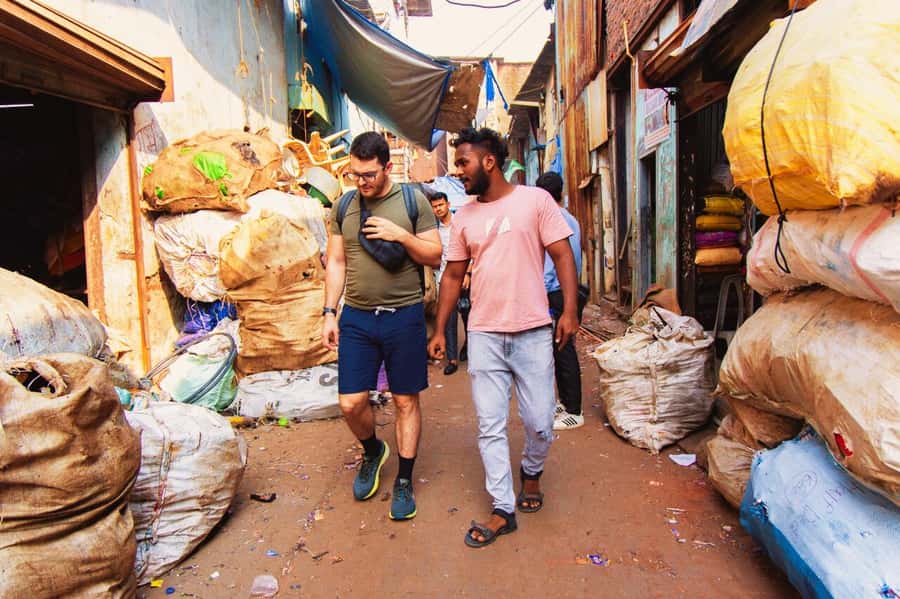
- Plastic recycling in action: watch waste get turned into useful products.
- Small workshops, big impact: family businesses running for generations.
- Residential lanes, real challenges: sanitation, education, healthcare, and housing come up.
- Khumbharwada / Kumbharwada potters: a potters’ colony with roots in Gujarat.
- Dhobi Ghat open-air laundry: clothes cleaned by hand in Mumbai’s working world.
- Small group, respectful pace: designed for learning, not photo stops.
Third Wave Coffee to Dharavi’s work streets
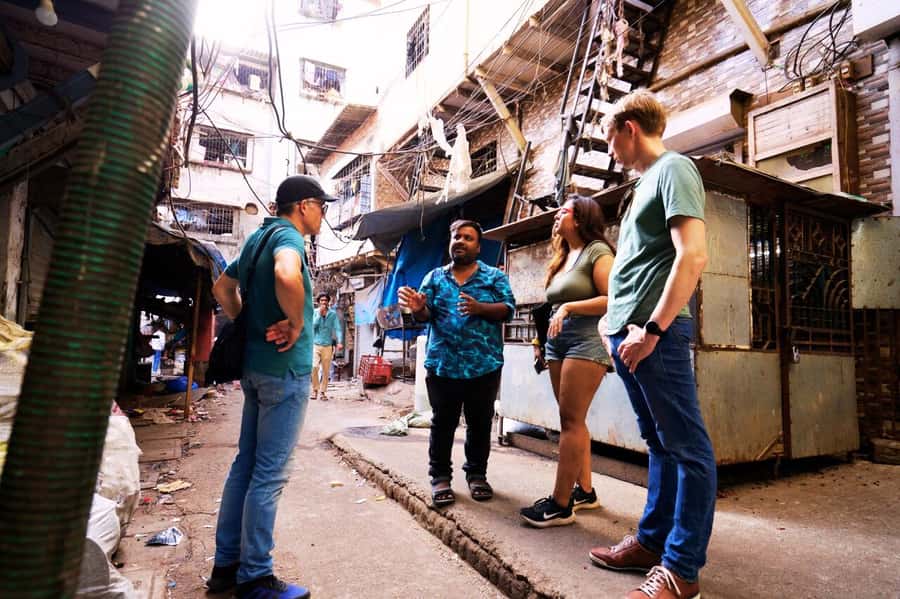
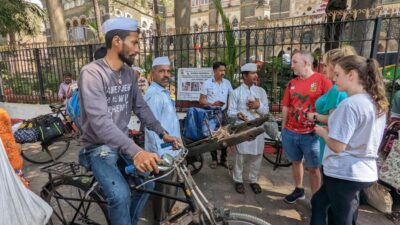
Your tour starts at Third Wave Coffee, with the guide meeting you there and giving a clear rundown of what to expect. It matters, because Dharavi can feel intense if you arrive cold. With the briefing, you know what you’re looking at and why.
Then you head toward Dharavi’s industrial district first. This is the part people often miss when they think Dharavi is only “housing.” Here, the energy is about production: recycling, crafting, baking, and making everyday goods in tight spaces.
If you’re the type who likes to understand a place by its routines, you’ll get a lot out of the opening. You don’t just see activities—you learn how they connect to Mumbai’s informal economy and how work keeps running despite limited room and resources.
Industrial Dharavi: recycling, snacks, leather, pottery, textiles
In the industrial zone, you’ll see people turning inputs into outputs. One of the tour’s standout themes is recycling, especially plastic and metal work. You get the sense of a system built from practicality: nothing valuable is automatically thrown away, because it can become something else.
Along the way, you may also spot other small, family-run industries, including leather goods, soap-making, textile work, baking snacks, and pottery-related craft. The important detail is scale: these aren’t big factories with space and machinery. They’re compact setups, run by people who know their tools and their customers.
Your guide explains the bigger picture—how Dharavi feeds into Mumbai’s informal economy with industries that generate major turnover even with constrained space. You start to see Dharavi as a place where innovation is not a slogan. It’s a daily survival skill.
Other Dharavi walks led by people who live there



Residential lanes: where community shows up daily
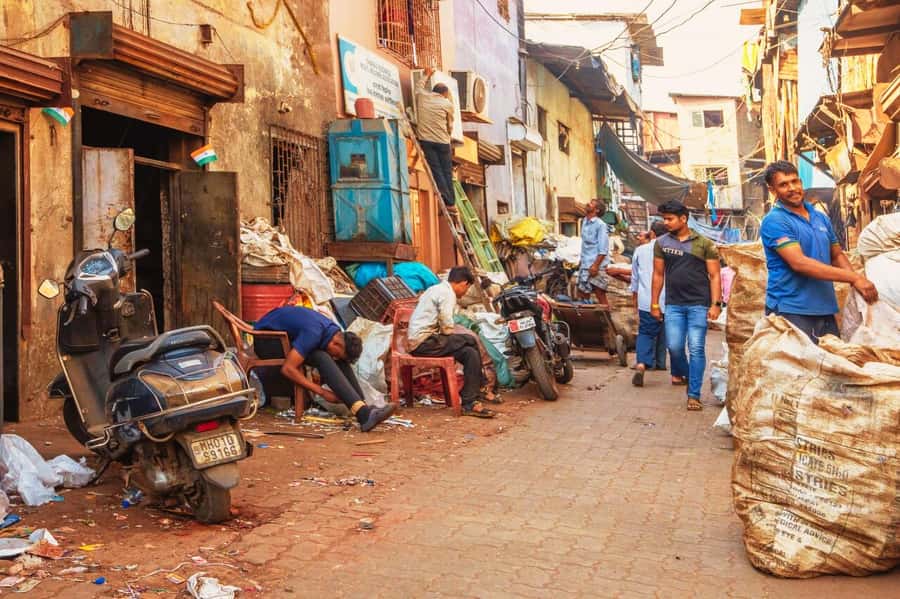
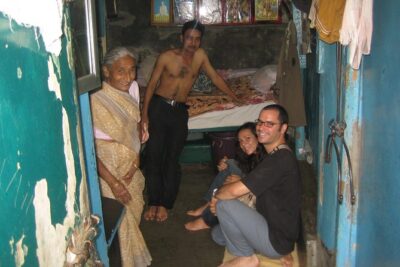
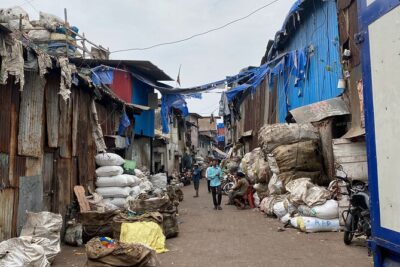
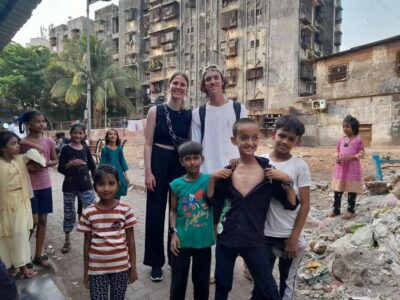
After the work district, the tour shifts into the residential area—narrow lanes, small homes, and the rhythm of everyday life. This is where the tour stops feeling like “a walk” and starts feeling like a conversation you’re allowed to witness.
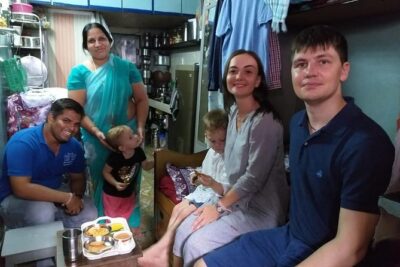
You’ll likely notice kids playing cricket in tight alleyways, women chatting from doorsteps, and food being prepared and shared. That sounds simple, but it’s the point: daily life is happening side by side with serious constraints.
The guide also talks through the hard parts—sanitation, education, healthcare, and housing—so you don’t leave with only the visuals. At the same time, you’ll hear about pride in homes and neighborhoods and identity. That balance matters because Dharavi isn’t only struggle. It’s also organization, mutual help, and strong social ties.
How to handle the emotional side (without being a distraction)
This portion isn’t about ticking off sights. The tour emphasizes respect and empathy, and that shows in how you move and how you look.
A good rule for yourself: ask more questions than you take photos. If you do photograph, ask permission first. People here deal with enough outsiders who assume they can record first and ask later.
Kumbharwada potters: clay, kilns, and a community from Gujarat
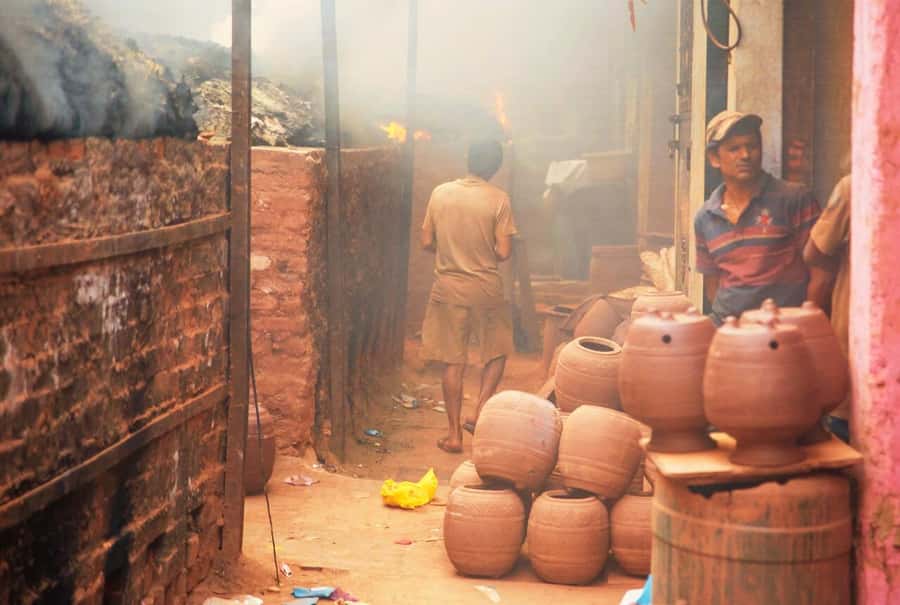
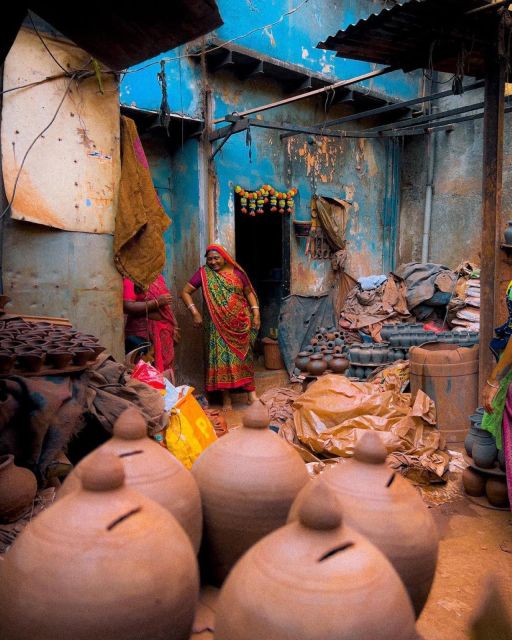
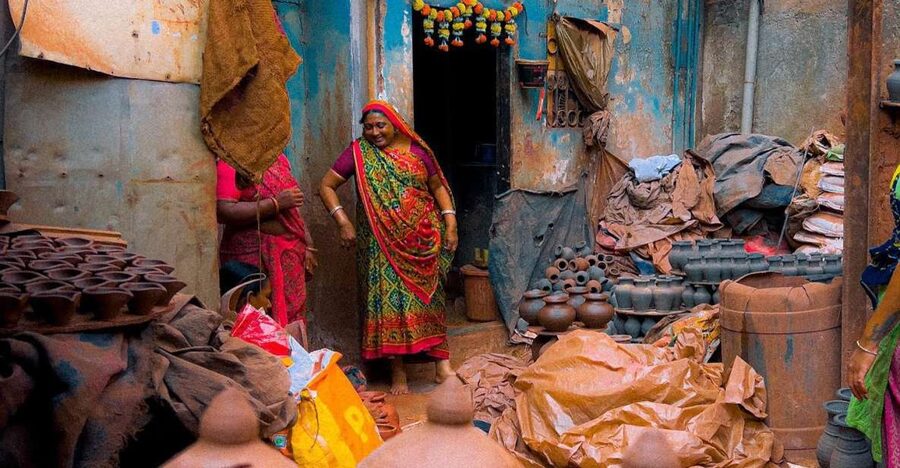
One of the most memorable stops is Kumbharwada (Khumbharwada), home to a potters’ colony originally from Gujarat. This area has a quieter, more reflective feeling compared with the industrial bustle.
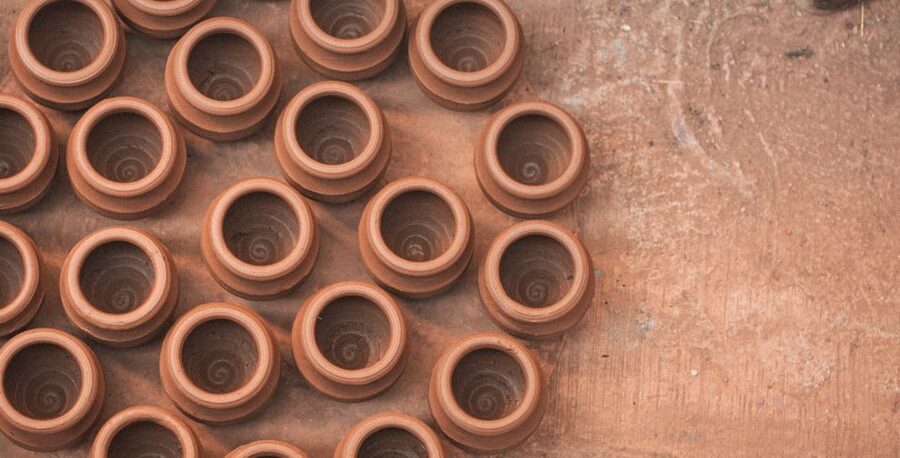
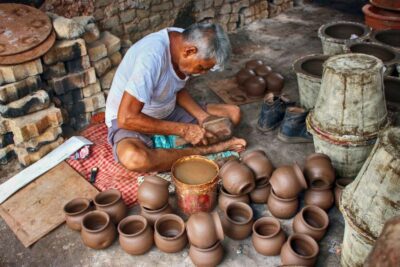
You’ll see potters working with skilled hands, along with rows of kilns and stacks of freshly molded pots drying in the sun. The craft isn’t treated as a relic. It’s presented as an active trade that still matters inside a rapidly changing city.
What I like about this stop is the way it adds depth. Dharavi isn’t just one kind of work or one kind of story. Kumbharwada shows how tradition, migration history, and daily production can coexist in the same urban space.
More of Mumbai at walking pace
- Group Guided Walking Tour in Fort and Colaba
★ 5.0 · 1,073 reviews - Private Guided Walking Tour in Fort & Colaba
★ 5.0 · 895 reviews - Private Guided Walking Tour in Bandra Queen of Suburbs
★ 5.0 · 383 reviews - Private Guided Spiritual Walk in Banganga Hindu Temples
★ 5.0 · 271 reviews - Mumbai: Dharavi Slum Walking Tour by First Female Tour Guide
★ 4.9 · 192 reviews - Private Guided Non-Veg Street Food Walking Tour in Muslim Quarter
★ 5.0 · 140 reviews
Dhobi Ghat: Mumbai’s open-air laundry by hand
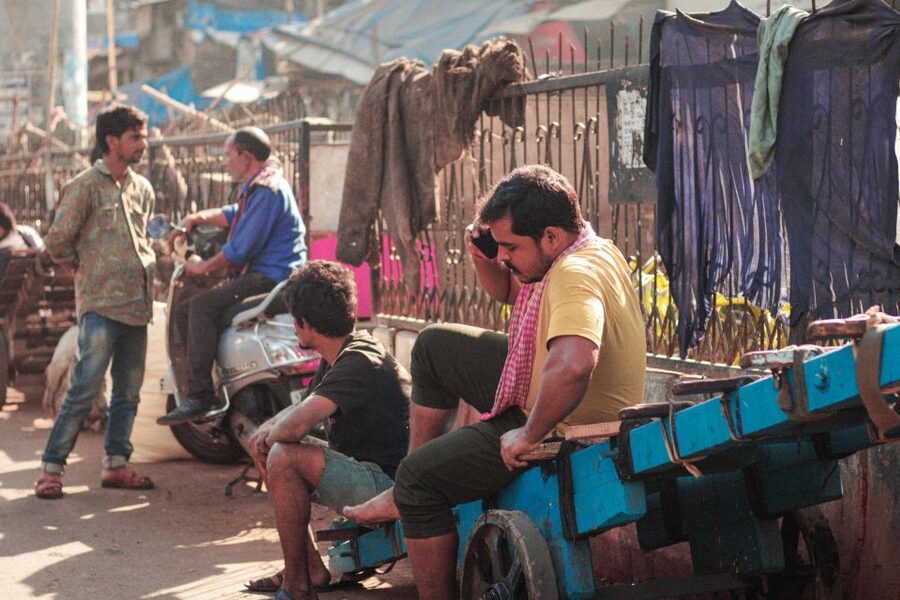
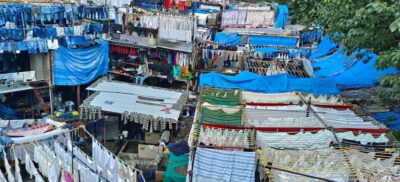
Another highlight is Dhobi Ghat, Mumbai’s open-air laundry where washerfolk clean clothes by hand. This stop gives you a different kind of labor to pay attention to—less about machines, more about repetition, technique, and community work routines.
Even if you’ve seen “open-air” scenes before, the value here is how the guide connects the laundry work to the wider logic of the city. It’s not just an unusual sight. It’s part of how Mumbai keeps clothes clean and the everyday system moving.
Watch how people handle clothing and work in the open air. It’s a reminder that large cities run on many kinds of work, not only the jobs tourists recognize.
Guides make or break the experience: Segidi, Ravi, Abhishek, Bala
The tour lives and dies by the guide. The good news: the experience has a strong track record of local guides who communicate clearly and take safety seriously.
You’ll hear names like Segidi and Ravi, with guides offering genuine local connection. You may also be guided by people such as Abhishek, who has been praised for solid communication, careful organization, and keeping the experience safe.
Another standout name is Bala, praised for very good English, detailed explanations, and practical support like making sure you can get home smoothly after the walk. That matters more than people think. When you’re in a dense area with street crossings, planning your next step counts as part of “sightseeing.”
A simple sign of a good guide: they keep things organized, encourage respectful behavior, and answer questions instead of rushing. That’s exactly what you want here.
What the 2-hour route feels like in real life
This is a 2-hour walking tour, built for staying close to what you’re learning. Expect transitions: industrial work zones to residential lanes, then toward distinctive community areas like Kumbharwada and the laundry stop.
Because it’s a walking tour through narrow, uneven lanes, your body will be part of the experience. That’s not a “tour problem.” It’s just reality on foot in a dense neighborhood.
The group is kept small to maintain an intimate atmosphere, which helps you ask questions and hear the guide without shouting over each other. You also get packaged water if needed, which is a small detail that becomes a big deal once you’ve been walking in Mumbai’s heat.
Price and value: why $7 can be a smart deal
At about $7 per person, this tour is priced for accessibility and learning, not premium perks. The “value” isn’t in luxury. It’s in what you gain: a local guide, an English-speaking explanation, and access to day-to-day scenes most visitors never see.
You’re paying for interpretation—how the work happens, how the community supports itself, what challenges mean in practice, and why certain places like Kumbharwada matter. In a city like Mumbai, where guided access can easily get expensive, this is a rare opportunity to understand Dharavi for a small sum.
The honest tradeoff: you don’t get comfort. You get education, walking, and a need for patience and respect.
Practical tips: shoes, scarf, photos, and street awareness
This tour gives you a short list for a reason. Here’s what to follow so you feel comfortable and respectful.
Bring:
- Comfortable shoes (closed-toe) for uneven ground
- Comfortable clothes
- A scarf (useful in sun or dust, and often practical in crowded areas)
- Water, plus sunscreen and a hat if you need them
Dress modestly. Even if you’re not religious, it helps you blend in and treat the neighborhood as someone’s home, not a stage.
Photography is allowed, but ask permission before photographing people. That one habit prevents awkward moments and shows you understand the boundaries.
Also, it’s important to know the limits. The tour isn’t suitable for wheelchair users, mobility impairments, people with respiratory issues, or those who are visually impaired.
Who this tour is best for
You’ll likely love this experience if you:
- Want a human-scale look at how a city works
- Prefer real-life explanations over big monuments
- Enjoy talking with guides and asking questions on the move
- Like learning about trades like recycling, pottery, and hand laundry
You might want to reconsider if you:
- Need full accessibility support for walking surfaces
- Get overwhelmed by crowded, close lanes
- Have health limitations that could be stressed by outdoor walking and air quality
Should you book this Dharavi daily-life walk?
Yes, if you go in with the right mindset. Book it when you want practical context and want to understand how work and community operate inside Dharavi—industrial recycling, family-run production, residential daily routines, and cultural craft like Kumbharwada potters.
Skip it if you’re looking for classic sightseeing stops or if you can’t handle the walking conditions. This tour is about connection and learning, not comfort or checklists.
If your goal is to understand Mumbai beyond postcards, this walk is one of the most direct ways to do it.
FAQ
How long is the Dharavi walking tour?
It’s a 2-hour walking tour inside Dharavi.
What does the tour cost?
The price is $7 per person.
Where do I meet the guide?
The tour starts outside Third Wave Coffee (the exact meeting point may vary depending on the option booked). It ends back at the meeting point.
Is an English-speaking guide included?
Yes. The tour includes an English-speaking guide, and the guides may also speak Hindi.
Is water included?
Yes, the tour includes packaged water if needed.
Can I take photos?
Photography is allowed, but you should ask permission before photographing people.
Is this tour suitable for people with mobility or health limitations?
No. It isn’t suitable for wheelchair users, people with mobility impairments, people with respiratory issues, or people who are visually impaired.
What should I wear or bring?
Wear comfortable, closed-toe shoes, dress modestly, and bring a scarf. Since it’s outdoors and involves walking in narrow lanes, bring water, sunscreen, and a hat if you need them.
Mumbai on Foot, Continued
- Group Guided Walking Tour in Fort and Colaba
★ 5.0 · 1,073 reviews - Private Guided Walking Tour in Fort & Colaba
★ 5.0 · 895 reviews - Private Guided Walking Tour in Bandra Queen of Suburbs
★ 5.0 · 383 reviews - Private Guided Spiritual Walk in Banganga Hindu Temples
★ 5.0 · 271 reviews
More Mumbai, Every Kind of Day
- Dharavi slum tour in Mumbai by Female tour guides of the slum
★ 5.0 · 1,976 reviews - Mumbai: Full-Day Sightseeing Tour of Mumbai
★ 4.9 · 1,822 reviews - Private Mumbai Sightseeing Tour (Traveller’s Choice Award Winner)
★ 5.0 · 1,565 reviews - Elephanta Caves & Island Guided Private Tour
★ 5.0 · 1,327 reviews
Dharavi, Told by Its Residents
- Dharavi slum tour in Mumbai by Female tour guides of the slum
★ 5.0 · 1,976 reviews - Mumbai: Dharavi Slum, DhobiGhat, and Dabbawallas Tour
★ 4.9 · 689 reviews - Dharavi Slum Tour
★ 5.0 · 625 reviews - Dharavi Slum tour in Mumbai by local resident
★ 5.0 · 572 reviews
New on the Mumbai shortlist



Dharavi Community Walks, compared.
 ★ 5.0Dharavi slum tour in Mumbai by Female tour guides of the slumFrom $91,976 reviews
 ★ 4.9Dharavi Slum, DhobiGhat, and Dabbawallas TourFrom $14689 reviews
 ★ 5.0Dharavi Slum TourFrom $20625 reviews
 ★ 5.0Dharavi Slum tour in Mumbai by local residentFrom $4572 reviews
 ★ 4.9Dharavi Slum Slumdog Millionaire Tour with a LocalFrom $10529 reviews
 ★ 5.0Mumbai Slum Tour – Visit Dharavi Slum with Local GuideFrom $5509 reviews
 ★ 5.0Dhobi Ghat Laundry and Dharavi Slum Tour with LocalFrom $4469 reviews
 ★ 5.02-Hour Guided Tour of DharaviFrom $22359 reviews
Browse the lists this tour appears in