
Review · TEMPLES & SACRED SITES
Mumbai: 2 Hours Markets And Temple Tour
One walk into Mumbai’s old lanes tells a whole story. I like the way this tour pairs Crawford Market with Hindu temple culture, and I also appreciate that the focus stays on seeing and learning, not pushing purchases. The one catch: narrow, crowded streets and a large-area meeting spot can make it a little tricky to find your group fast.
In practice, the tour is tight and efficient: you get a guided look at wholesale shopping and everyday religious life, plus a chai stop to cool down your brain. I also like that the tour is run in English, so you can actually follow the stories behind what you’re seeing. Still, in this compact time window, you’ll be moving at a steady pace, and explanations can feel quick if your guide is flying.
If you want a half-day taste of old Mumbai with real street-level texture, this hits the mark. You’ll see how vendors, shoppers, and devotees share the same spaces—and you’ll understand why people come back to these places again and again.
In This Review
- Key things I found most interesting
- Entering Crawford Market’s world of fruits, spices, and sweets
- Mangaldas textile market: where narrow lanes turn into a shopping skill
- The historic Hindu temple stop: small stories that make belief feel practical
- The cow shelter and feeding cows for good karma
- How the 2-hour format really works (and why it can be perfect)
- Price and value: $6 plus chai, water, and taxi help
- What to bring so you can enjoy the streets
- Who should book this Mumbai markets and temple tour?
- Book it or skip it: my practical call
- FAQ
- How long is the Mumbai markets and temple tour?
- How much does it cost?
- Where does the tour start and end?
- What’s included in the price?
- What is not included?
- Is the tour offered in English?
- What should I bring?
- How do I get to the markets during the tour?
- Is there any shopping pressure?
- What is the cancellation and payment policy?
- Should You Book This Mumbai Markets And Temple Tour?
Key things I found most interesting
- Crawford Market’s indoor wholesale rooms: a first glimpse of how food, spices, sweets, and daily goods flow in old Mumbai
- Mangaldas textile market scale and variety: big fabric variety and the kind of street energy that only happens when merchants pack close together
- An older Hindu temple visit with many small stories: gods and goddesses explained in everyday terms you can actually connect to
- A cow sanctuary stop where you can feed cows: a hands-on way to understand the theme of good karma and compassion
- Chai included, with bottled water provided: small comforts that matter when you’re walking in busy areas
- Guides like Shivam and Balajin: calm explanations, and in some cases a no-pressure feel around shopping
Entering Crawford Market’s world of fruits, spices, and sweets

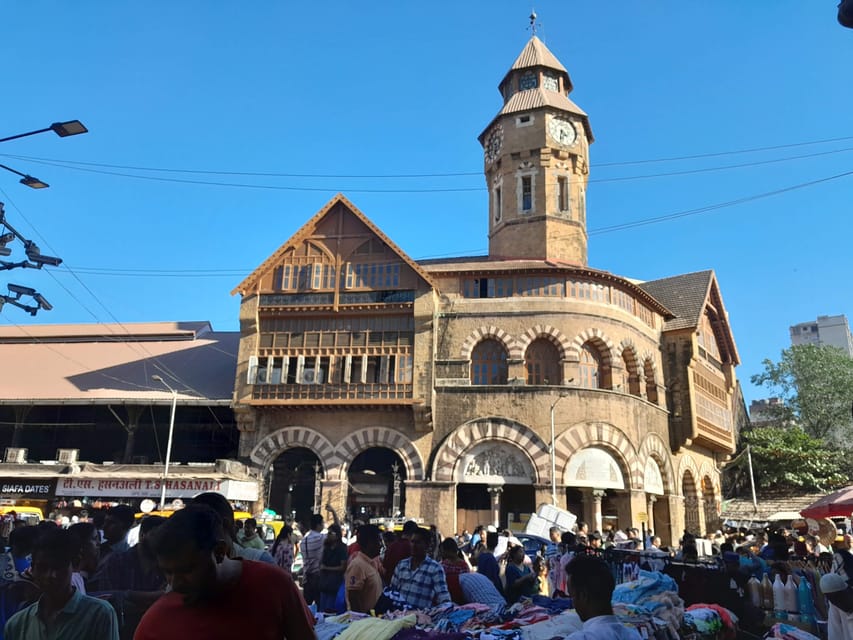
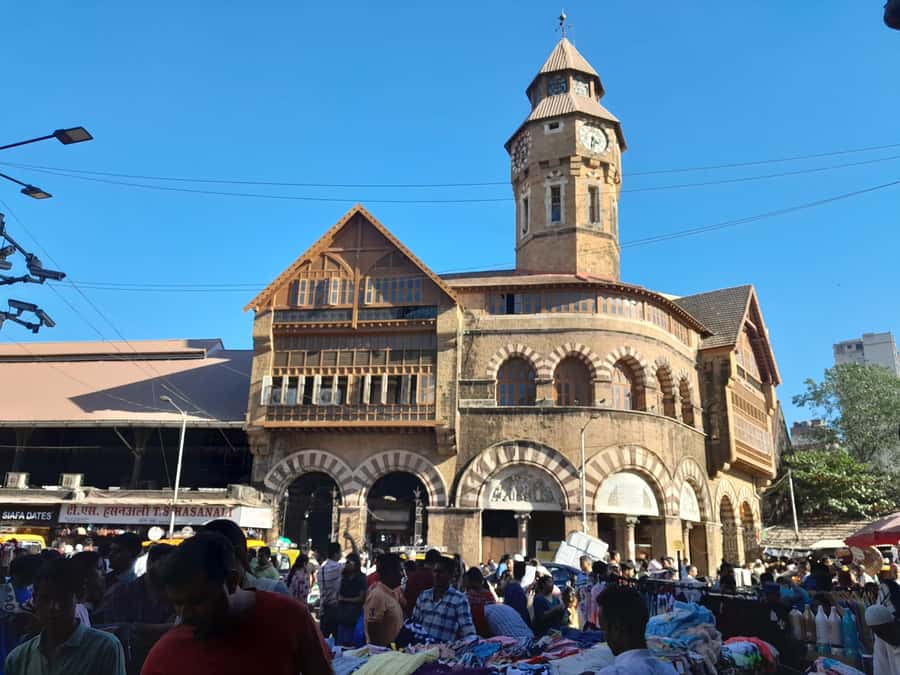
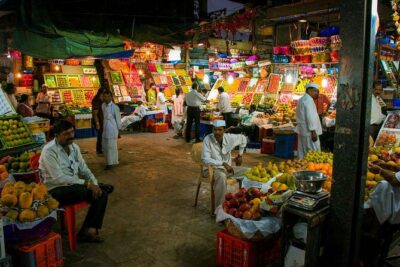
Crawford Market is the kind of place where you can learn Mumbai fast, because you see the supply chain of real life in one sweep. This is an indoor wholesale market, the first of its kind and still standing in the center of the crowded city. As you walk in, you’re not just looking at stalls—you’re watching a system.
Expect to hear about what the market sells and why it matters. The kinds of goods described here include fruits, chocolates, spices, and dry fruits. That mix tells you something important: the market isn’t only about one category of shopping. It’s about variety, bulk buying, and the daily rhythm of vendors who know customers by need.
What I like most is that the guide doesn’t treat it like a museum. You’re shown how the market supports the city’s food culture and everyday spending habits. If you enjoy street scenes where every corner has a job to do, this part will feel rewarding rather than overwhelming.
One thing to consider: Crawford Market is busy and packed with visual noise. If you’re someone who gets tired in crowded spaces, you’ll want to take short pauses and let your eyes rest between explanations. The good news is you have bottled water along the way.
Mangaldas textile market: where narrow lanes turn into a shopping skill
After the market core, you move into the textile side of old Mumbai through the city’s narrow lanes. Mangaldas is described as the city’s oldest and one of the largest indoor textile markets, known for vibrant fabric choices. Even without buying anything, it’s a masterclass in how people shop in India.
This is where you see how the market layout creates its own momentum. Narrow street lanes can feel like they’re running on their own logic: vendors call out, people squeeze through, and shoppers scan fabrics with quick, practiced eyes. The guide helps you understand what you’re seeing, including why these markets stay so busy.
You might notice fabrics and stalls clustered in a way that feels chaotic from a distance—but the guide’s job is to help you decode it. For me, the value here is learning how to look. Instead of staring at everything at once, you begin to spot patterns: where items are grouped, how people compare, and how shopfronts connect to temple foot traffic and daily routines.
Is there a risk here? Yes: textile markets can pull your attention toward buying fast, even when the tour is not trying to sell you anything. The good news from actual experiences is that the vibe stays no-pressure. You can enjoy the sensory overload without feeling cornered into purchases.
From Crawford Market to Chor Bazaar, more lanes to walk


The historic Hindu temple stop: small stories that make belief feel practical
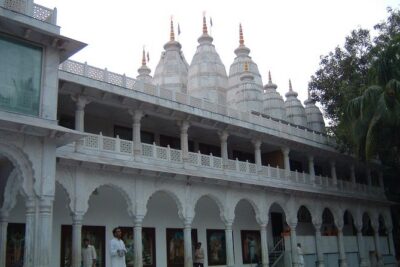
Then the tour pivots from commerce to belief. You visit an older Hindu temple where the setting helps you understand how religion shows up in public life. The tour description includes many little stories of gods and goddesses, along with Hindu devotees visiting with spiritual energy.
What this looks like on the ground depends on temple timing, but you can expect a guide-led explanation that helps you connect symbols to meaning. The point isn’t to turn the visit into a lecture. It’s to help you see why these places matter to locals even when you’re not from the same tradition.
You’ll also be walking around temple surroundings where people gather. That matters because it frames religion not as something remote, but as part of the street culture. You’ll probably notice how flowers, devotees, and small rituals show up alongside everyday life.
If you’ve visited temples elsewhere, you’ll recognize some similarities. But here the value is that the guide is guiding your attention, so you don’t miss the social side—how people move, how they show respect, and how the stories behind deities connect to what you see.
The cow shelter and feeding cows for good karma
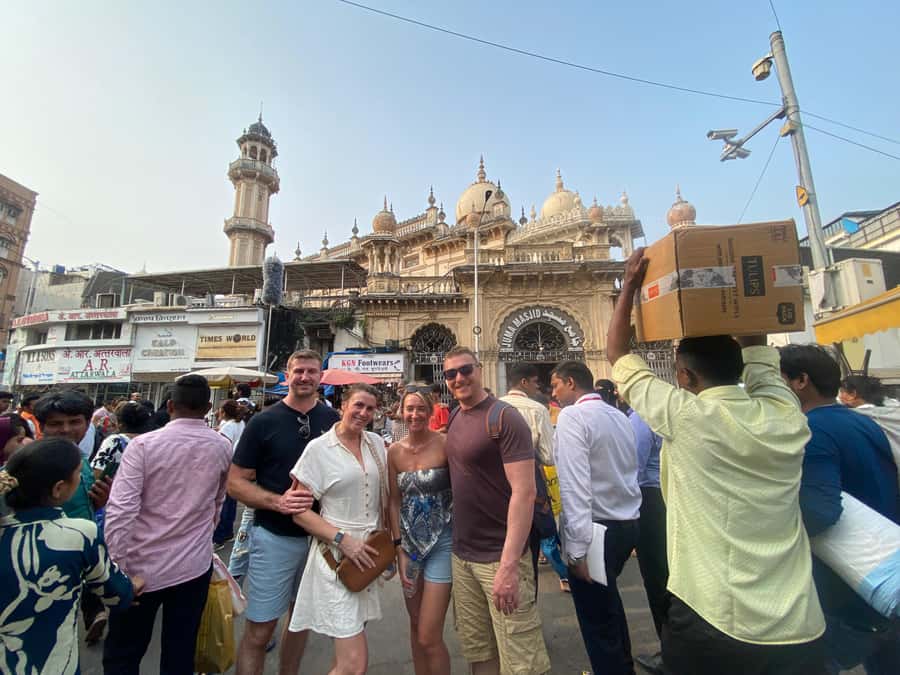
One of the most distinctive parts of this tour is the cow sanctuary stop, tied to the theme of good karma. After markets and temple visits, you get to participate in a simple, human action: feeding cows.
It’s a surprisingly powerful contrast. After being surrounded by stalls and stories, you end up in a calm, purpose-driven space. It changes the emotional tone of the tour, and it also gives you something tactile to remember. The highlight is specifically feeding the cows, and the tour frames it as a way to seek good karma.
In terms of what you should bring your expectations for: treat it as a respectful visit. You’re not there for a photo shoot; you’re there to follow the guide’s lead and participate in a local practice centered on compassion toward animals.
If you’re traveling with kids, this stop can be memorable for them too, because it’s active and concrete. If you’re squeamish around farms or close animals, you can still participate by watching carefully first—just check in with your guide so you understand what feeding will involve on the day.
How the 2-hour format really works (and why it can be perfect)
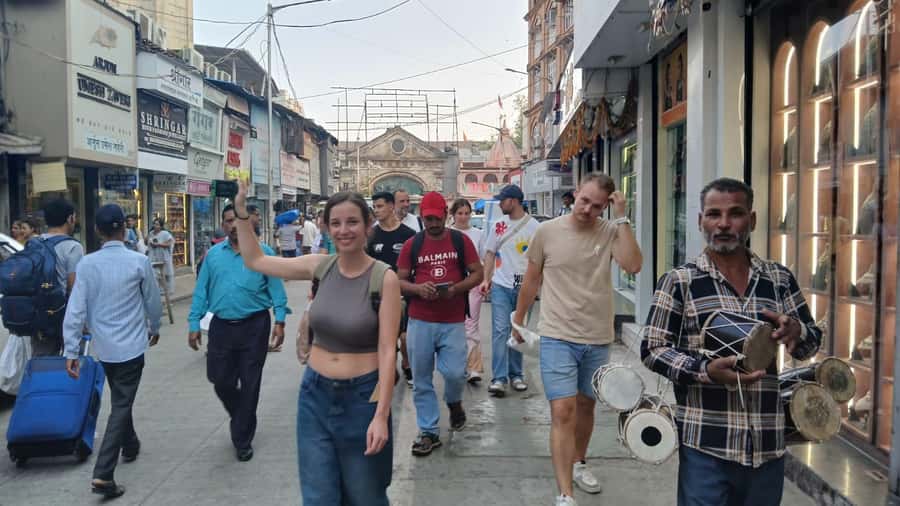
This is a short tour by design. At about two hours, it’s built for travelers who don’t want a full half day tied up in logistics, but still want depth beyond the main monuments.
A key practical note: pickup happens at a meeting point that can vary depending on what you book. One experience includes getting picked up on time and then taking a local public bus ride to Crawford Market. Another experience highlights that the meeting point can be hard to find because station areas can be large—so give yourself a little extra time and be ready to confirm where you’re meeting.
Once you start, the flow is straightforward:
- you move from Crawford Market’s indoor wholesale area,
- continue toward the textile market lanes and stalls,
- visit the older Hindu temple,
- and finish with the cow shelter feeding stop.
Because the tour is compact, the pace is steady. One experience noted that a guide sometimes spoke quickly and didn’t always linger as much as the group might like. That doesn’t mean the tour is rushed for the sake of rushing; it means the schedule is tight. If you like lots of time at each stop for questions, you may want to arrive with a few topics ready so you get the most out of the time.
From Banganga to Siddhivinayak, more sacred stops
- Private Guided Spiritual Walk in Banganga Hindu Temples
★ 5.0 · 271 reviews - Mumbai: Kanheri Caves and The Golden Pagoda Temple
★ 4.7 · 108 reviews - Sanjay Gandhi National Park(SGNP) + Kenheri Caves + Lion Safari + Jain Temple
★ 5.0 · 88 reviews - Mumbai Markets and Temples Tour
★ 5.0 · 59 reviews - Sanjay Gandhi National Park+ Kanheri Caves + Temple +Tigar Safari
★ 5.0 · 54 reviews - Mumbai: Buddhist Kanheri Caves with Golden Pagoda Temple
★ 4.8 · 47 reviews
Price and value: $6 plus chai, water, and taxi help
At around $6 per person, this is a low-cost way to cover a lot of central Mumbai ground with a guide. The included items matter for value:
- a tour guide
- taxi fare
- bottled water
- a stop for chai (tea)
A lot of budget tours cut corners on basics like water or local drinks. Here, you get bottled water and chai, which is practical in warm, crowded market areas. You’re also paying for a guide’s ability to connect what you see to why it matters, like market origins and the cultural meaning behind temple stories.
Not included are tips to the guide and personal purchases. That’s normal, but it also helps you understand your role in the experience. You’re not paying for every snack, and you shouldn’t expect the guide to keep your hands off spending if you want to browse.
The best value sign is what people said about pressure. In one set of experiences, a strong positive note was that there was never pressure to buy anything. That’s the difference between a guide who is treating you like a customer and a guide who is treating you like a guest. In markets like these, that matters.
What to bring so you can enjoy the streets

The tour gives you a simple packing list, and I agree with it. Bring:
- hat
- camera
- sunscreen
- water
Even with bottled water provided, sunscreen and a hat are your day-savers if you’re walking through sun and then ducking between crowded indoor spaces. If you’re sensitive to heat or glare, don’t skip the hat.
A camera is a must in Crawford Market and temple areas, where there’s plenty of visual story. Just be respectful around worship spaces.
Who should book this Mumbai markets and temple tour?

This tour works best if you want:
- a street-level taste of old Mumbai in a short window
- market culture that explains more than just what’s for sale
- a guided temple visit with clear context
- a meaningful add-on: feeding cows at a shelter
It’s also a good fit if you have half a day after major sights and you want something local. One guide experience credited Shivam specifically, with people calling out that the tour was enjoyable even during monsoon rain. That’s helpful if your schedule is tight and weather could change your plans.
If you dislike crowds or you prefer quiet, slow museum-style pacing, this may feel too active. But if you can handle busy streets for a couple hours, you’ll probably enjoy it a lot.
Book it or skip it: my practical call
I’d book this tour if you’re excited by markets, temple culture, and hands-on animal compassion. The low price plus chai and water makes it easier to say yes. And the no-pressure shopping vibe makes it feel more human than commercial.
I’d think twice if:
- you know you’ll struggle to find a meeting point in a large station area,
- you prefer long stays at each stop rather than a compact route,
- or you want minimal crowd exposure.
If you do book, help your future self by arriving early and staying flexible. This tour is at its best when you’re curious and ready to let the guide steer you through the chaos.
FAQ
How long is the Mumbai markets and temple tour?
It’s a 2-hour tour.
How much does it cost?
The price listed is $6 per person.
Where does the tour start and end?
The start meeting point can vary depending on the option booked, and the tour ends back at the meeting point.
What’s included in the price?
It includes a tour guide, taxi fare, bottled water, and a stop for chai (tea).
What is not included?
Tips to the guide and personal purchases are not included.
Is the tour offered in English?
Yes, the tour language is English.
What should I bring?
Bring a hat, camera, sunscreen, and water.
How do I get to the markets during the tour?
You may travel by taxi as part of the included taxi fare, and one experience included taking a public bus to Crawford Market.
Is there any shopping pressure?
Based on provided feedback, the tour was described as not pressuring people to buy.
What is the cancellation and payment policy?
You can reserve and pay later, and you can cancel up to 24 hours in advance for a full refund.
Should You Book This Mumbai Markets And Temple Tour?
Yes, if you want a compact, guided route through old Mumbai that mixes market culture, temple stories, and a cow sanctuary stop. The value is strong at $6 because you get the guide, transport support, and practical basics like water and chai. Just go in expecting crowds and a steady pace, and you’ll come away with a more local view of the city than you’d get by wandering alone.
More Mumbai, Every Kind of Day
- Dharavi slum tour in Mumbai by Female tour guides of the slum
★ 5.0 · 1,976 reviews - Mumbai: Full-Day Sightseeing Tour of Mumbai
★ 4.9 · 1,822 reviews - Private Mumbai Sightseeing Tour (Traveller’s Choice Award Winner)
★ 5.0 · 1,565 reviews - Elephanta Caves & Island Guided Private Tour
★ 5.0 · 1,327 reviews
Sacred Mumbai, Continued
- Private Guided Spiritual Walk in Banganga Hindu Temples
★ 5.0 · 271 reviews - Mumbai: Kanheri Caves and The Golden Pagoda Temple
★ 4.7 · 108 reviews - Sanjay Gandhi National Park(SGNP) + Kenheri Caves + Lion Safari + Jain Temple
★ 5.0 · 88 reviews - Mumbai Markets and Temples Tour
★ 5.0 · 59 reviews
Deeper into the Bazaars
- Mumbai: Street Food and Night Markets Tour
★ 4.9 · 719 reviews - Mumbai Morning Market Tour of Flowers, Fish, and More
★ 5.0 · 100 reviews - Mumbai Morning Market Tour of Flowers, Fish, and More
★ 5.0 · 82 reviews - Mumbai Street Food Tour with Evening Bazaar Walk
★ 4.9 · 79 reviews
New on the Mumbai shortlist



Temples & Sacred Sites, compared.
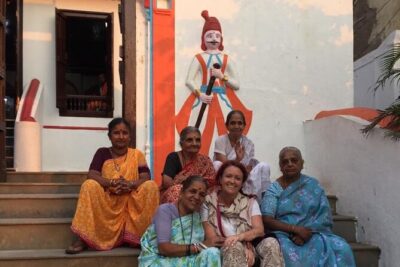 ★ 5.0Private Guided Spiritual Walk in Banganga Hindu TemplesFrom $36271 reviews
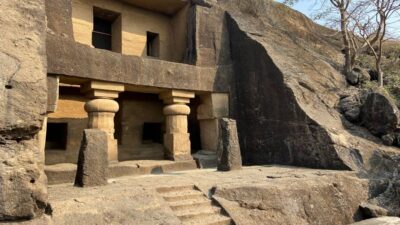 ★ 4.7Kanheri Caves and The Golden Pagoda TempleFrom $43108 reviews
 ★ 5.0Sanjay Gandhi National Park(SGNP) + Kenheri Caves + Lion Safari + Jain TempleFrom $6988 reviews
 ★ 5.0Mumbai Markets and Temples TourFrom $2759 reviews
 ★ 5.0Sanjay Gandhi National Park+ Kanheri Caves + Temple +Tigar SafariFrom $2754 reviews
 ★ 4.8Buddhist Kanheri Caves with Golden Pagoda TempleFrom $2847 reviews
 ★ 4.6Local Markets & Temples TourFrom $2745 reviews
 ★ 5.0Mumbai Temple Tour in Private VehicleFrom $9839 reviews
Browse the lists this tour appears in