
Review · DHARAVI COMMUNITY WALKS
Mumbai: Slum Tour Dharavi Small Group with a Local Guide
A slum tour that changes how you see Mumbai. Dharavi isn’t treated like a theme park here; it’s an education walk led by a local resident, focused on where people live, work, and raise families. One stop also connects the neighborhood to the Slumdog Millionaire story, giving you context beyond headlines.
I like two things most: the chance to ask real questions to a local guide with strong English and a good sense of humor, and the way the tour explains day-to-day life—homes, children playing, and the working routines that keep small industries going. In the reviews, Barthi stands out for being kind and making the tour feel thoughtful, not sensational.
The main thing to consider is the emotional weight: seeing everyday life in tight spaces can feel intense at first, even when the guide keeps it respectful and calm. Go in with open eyes and a steady pace.
In This Review
- Key things that make this Dharavi tour worth it
- Why Dharavi looks different with a resident guide
- Meeting Barthi near Mahim: easy start, no drama
- A walk through homes, jobs, and the rhythm of family life
- Plastic recycling, leather, garments, and metal work you can see up close
- The Slumdog Millionaire filming stop: movie context without the fantasy
- How the guide tackles stereotypes (and makes questions safe)
- Small group, English-speaking guide, and a more human pace
- Low price, real-world value: $4.85 and what it buys
- Who should book this Dharavi small-group education tour
- Should you book this Dharavi tour?
- FAQ
- What is the meeting point for the tour?
- Where does the tour end?
- How much does the tour cost?
- What language is the tour offered in?
- Is water included?
- What industries will I see during the Dharavi tour?
- Do I visit the place where Slumdog Millionaire was filmed?
- Is the tour scary or criminal?
- Can I pay later or reserve first?
- What is the cancellation window?
Key things that make this Dharavi tour worth it
- Local resident guide experience, including guides praised for clear English and humor
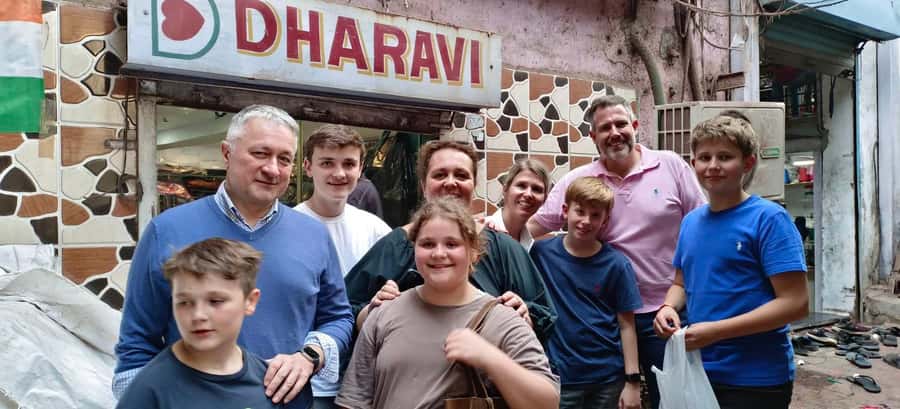
- Homes, work, and play in the same walking route, so you get the full picture
- Hands-on industry viewing: plastic recycling, leather work, garment/textile, and metal industries
- Slumdog Millionaire filming location stop inside Dharavi for movie context
- Stereotype-busting tone with an “education tour” approach, not fear-mongering
- Water included for a more comfortable walk in the heat
Why Dharavi looks different with a resident guide
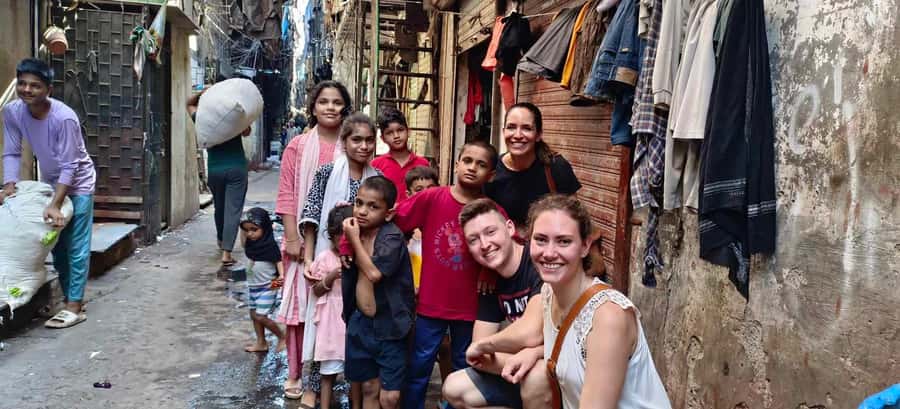
If you only know Dharavi from TV clips, you’ll probably picture the worst version. This tour is built to do something better: replace stereotypes with specifics you can actually see and ask about. Instead of talking about Dharavi from far away, the experience is framed around daily life—where people live, where they work, and what the neighborhood looks like when it’s not being reduced to a headline.
I also like that it’s described as an education tour, not just a “slum tour.” That matters because the focus stays on how the community functions: households, family life, and the practical businesses that keep money moving. You’ll come away with more than impressions—you’ll have concrete examples.
The vibe also helps. One review makes the point clearly: it does not feel scary or criminal. That lines up with what you want from a small-group visit—someone who knows the area, understands the sensitivities, and can keep things grounded.
Meeting Barthi near Mahim: easy start, no drama
The meeting point is straightforward. You meet at Third wave coffee in Mahim, directly opposite Mahim Railway Junction west. Stand outside or sit inside the café, and the guide will find you and introduce themselves after you arrive.
This kind of start is worth noting. In places like Mumbai, “find the group” can turn into a mini scavenger hunt. Here, the plan is simple: you go to a recognizable landmark, and the guide connects with you quickly. The tour also ends back at the same meeting point, which keeps your logistics calm.
The guide is operating in English, which makes a big difference on tours like this. You’ll want to ask follow-ups, and you’ll want answers that are more than vague. The reviews highlight guides with excellent English, including Barthi, which means you’re not just walking—you’re learning.
Other Dharavi walks led by people who live there


A walk through homes, jobs, and the rhythm of family life
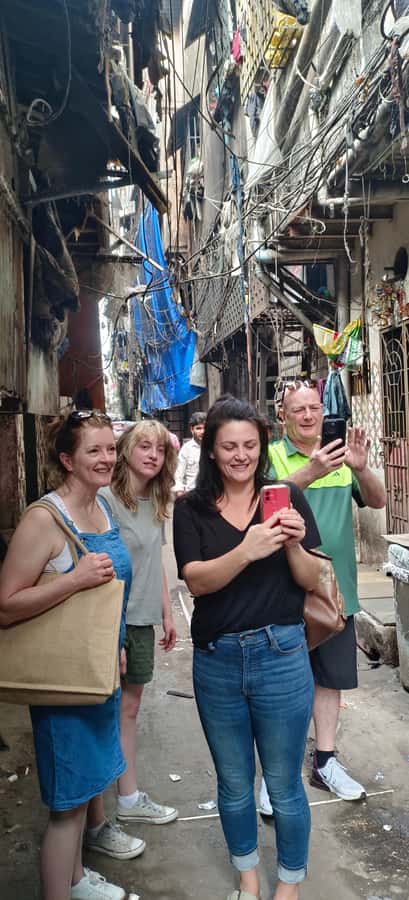
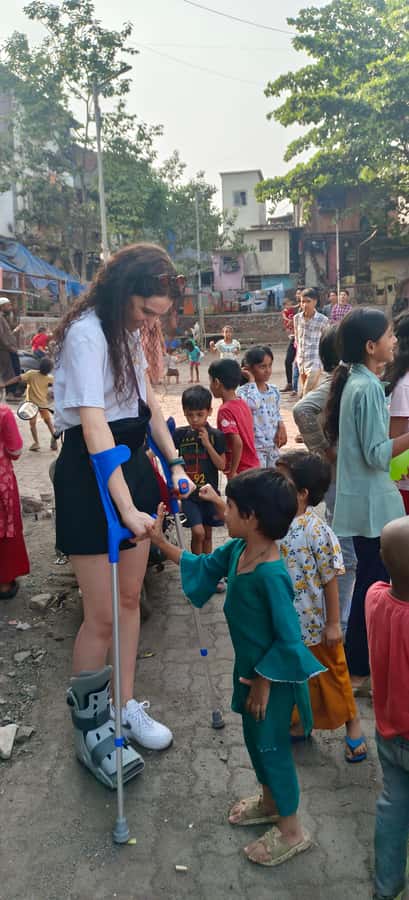
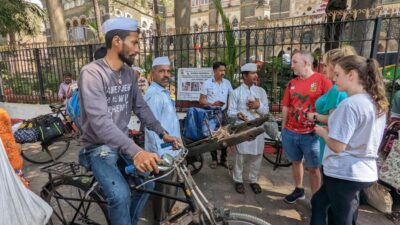
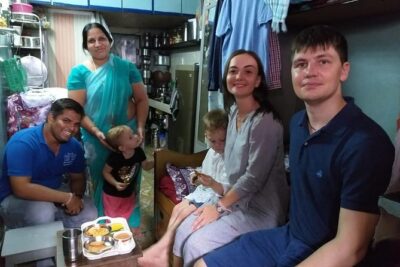
The heart of this tour is basic, and that’s why it works: you see where people live, work, and spend time together. You can expect to pass areas where families live and where daily routines happen around you. The tour description specifically calls out children playing and people relaxing, and that’s a key part of understanding a neighborhood. When you only focus on work spaces, you miss the “home” side of the equation.
Because it’s a small group, the guide can keep things orderly and adjust as questions come up. Small-group tours also help you avoid the feel of being herded. In a residential environment, that’s not just nicer—it’s more respectful and usually easier for everyone.
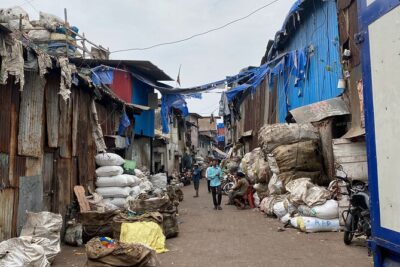
What you should prepare for: you’re not visiting a staged viewpoint. You’re walking through lived-in spaces. Even if you go in curious, it can take a minute to recalibrate your expectations. Think of it like learning a city neighborhood from the inside, not sightseeing from a distance.
Plastic recycling, leather, garments, and metal work you can see up close
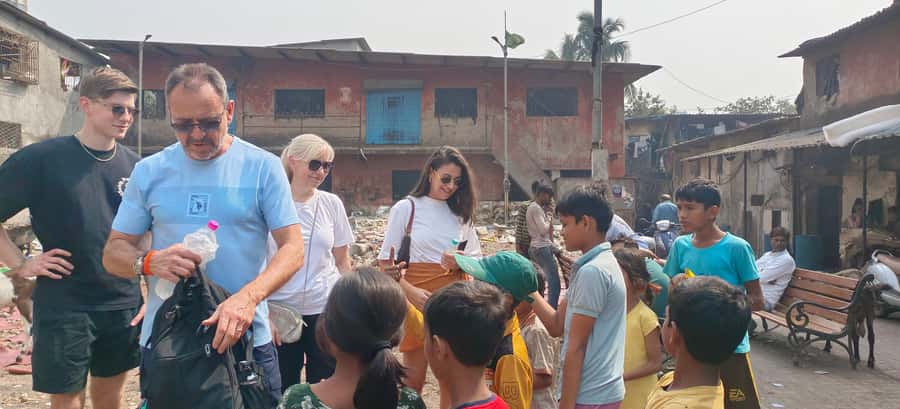
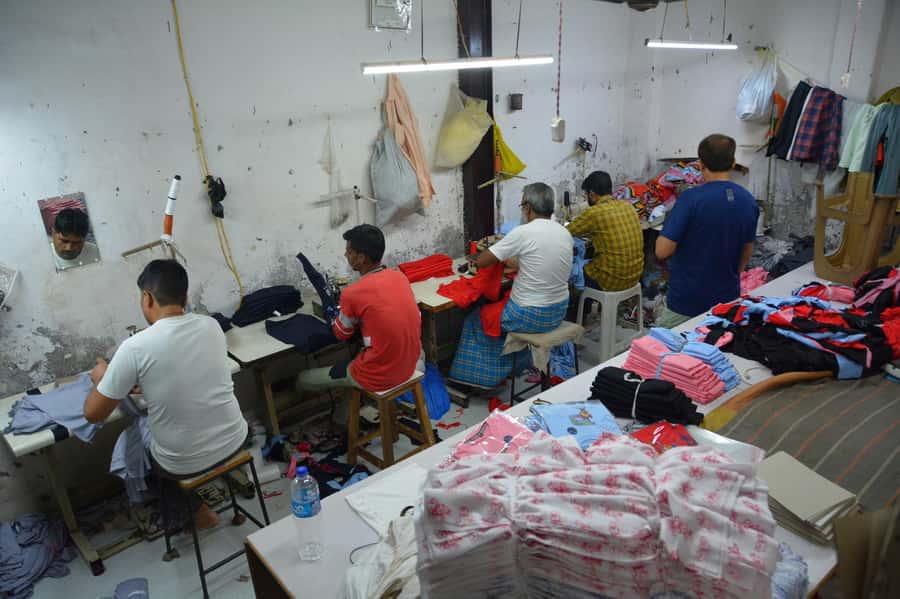
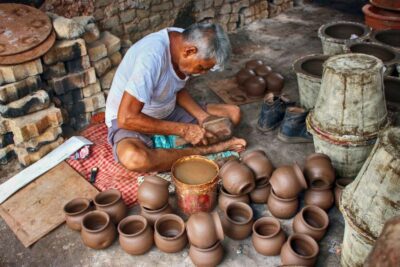
One of the strongest parts of the tour is the attention to labor and industry. The experience highlights multiple trades, including plastic recycling, leather industry, garment/textile, and metal industries.
Why this matters: Dharavi is often described in broad terms, but the real story is how people make a living. When you see the industries explained in context—what people do, where the work happens, and how the neighborhood supports it—you get a clearer idea of the local economy. It stops being an abstract idea and becomes practical and human.
It also changes how you think about “skills.” These industries rely on craft, repetition, knowledge of materials, and sorting systems that work at high speed. You might not understand every step, but you’ll likely understand the logic of work and the importance of these trades to everyday survival and stability.
A quick consideration: depending on the route and timing, you may pass through areas where hygiene, dust, or sensory conditions aren’t what you’re used to. That doesn’t mean you should avoid the tour—it means you should bring a sensible attitude. Wear comfortable walking shoes, expect real street conditions, and let the guide lead the pacing.
The Slumdog Millionaire filming stop: movie context without the fantasy
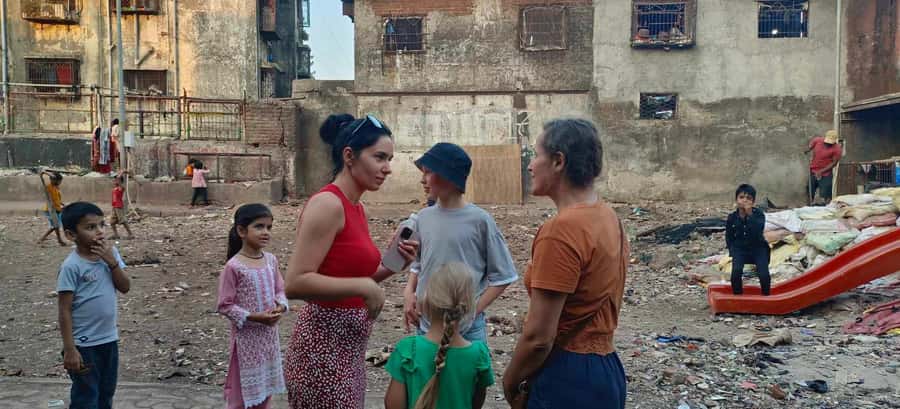
You’ll also visit the place in Dharavi where Slumdog Millionaire was filmed. This is one of the highlights because it ties a global pop-culture moment to an actual neighborhood. The tour doesn’t treat the filming location as a photo op; it’s presented as part of learning how the story relates to real life.
Here’s what’s valuable for you if you’ve seen the movie: you get a chance to connect scenes to place. And if you haven’t watched it, you still get the point—how a film’s setting can put one neighborhood into the world spotlight, for better and worse.
The most important advice: don’t expect a Hollywood set. You’re going to see a neighborhood. Even with a movie reference, it’s still a place where people live and work. That realism is exactly what makes the stop meaningful.
- Dharavi slum tour in Mumbai by Female tour guides of the slum
★ 5.0 · 1,976 reviews - Mumbai: Full-Day Sightseeing Tour of Mumbai
★ 4.9 · 1,822 reviews - Private Mumbai Sightseeing Tour (Traveller’s Choice Award Winner)
★ 5.0 · 1,565 reviews - Group Guided Walking Tour in Fort and Colaba
★ 5.0 · 1,073 reviews - Highlights of Mumbai Sightseeing Tour: TRAVELLERS CHOICE AWARDED
★ 5.0 · 915 reviews - Private Guided Walking Tour in Fort & Colaba
★ 5.0 · 895 reviews
How the guide tackles stereotypes (and makes questions safe)
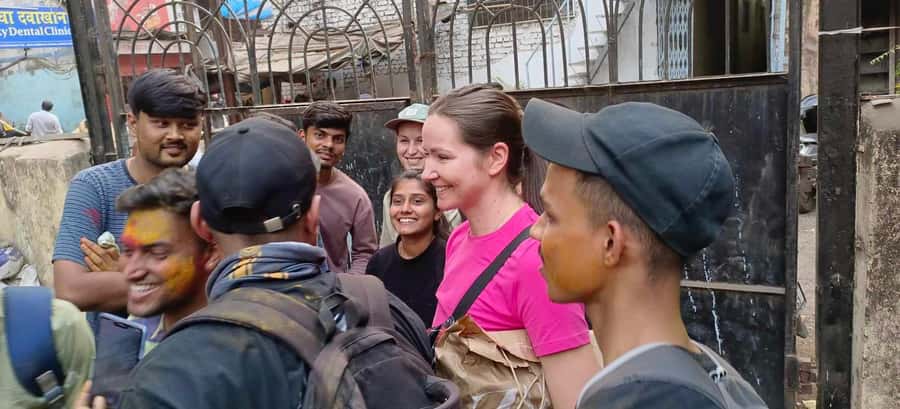
A good guide can make all the difference on a sensitive tour. The reviews strongly suggest this one is guided with care. Roman notes that nothing scary or criminal is happening and that you shouldn’t be afraid if you’re worried. Another review specifically praises the guide’s kindness, professionalism, and excellent English.
Barthi is mentioned by name in the standout feedback: she’s described as kind and sweet, and the tour feels deep and strong. That’s a useful clue about the tone you can expect. Instead of pushing dramatic stories, the guide seems to focus on explaining what you’re seeing and why it matters.
For you, that means the tour is less likely to feel like a one-way lecture. You should be able to ask basic questions—how people make a living, how family life works in a compact neighborhood, what certain industries involve—and get answers in plain language. When a guide has humor and confidence, it often helps people relax, which makes learning easier.
Small group, English-speaking guide, and a more human pace
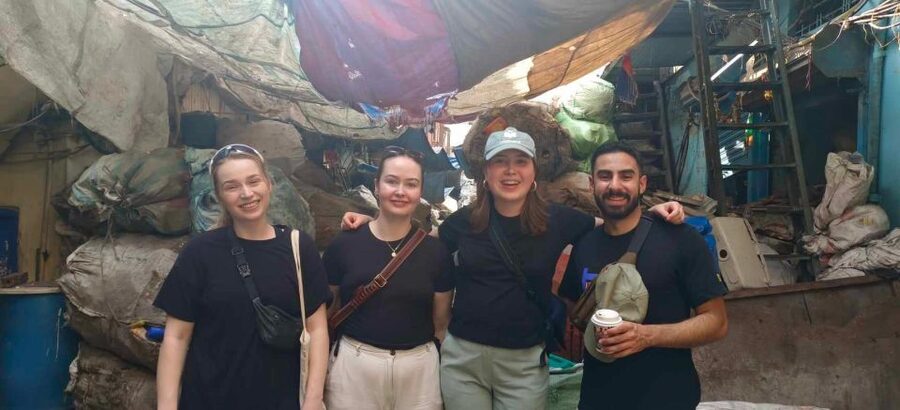
This is a small group tour, and that affects the experience in real ways. In tight neighborhoods, larger groups can cause bottlenecks and turn everything into a loud parade. A smaller format usually means:
- fewer interruptions for residents
- more time for questions
- a pacing that feels human, not rushed
The tour is offered in English, and multiple reviews call out excellent English. That matters because this isn’t a “just follow along” walk. The whole point is to understand daily life and the industries that power it. If you can’t communicate comfortably, you lose half the value.
Also, water is included, which is a small detail with a big impact. In Mumbai heat and street conditions, hydration is not optional. It keeps you focused on learning instead of searching for a bottle mid-walk.
Low price, real-world value: $4.85 and what it buys
At $4.85 per person, this tour is priced extremely low by international standards. That doesn’t automatically mean it’s low quality—it likely reflects how local these connections are and how direct the experience is. You’re paying for a local resident guide, entrance fees, and the time needed to show you real life in Dharavi, including the Slumdog filming location.
Here’s how I’d interpret the value: you’re not buying a fancy production. You’re buying access to context. The included water and entrance fees also help you avoid common tourist add-ons that can quietly double the real cost elsewhere.
One more angle: price affects how the tour might be experienced by different groups. A lower price can sometimes mean a wider mix of travelers, which makes the guide’s role even more important. The reviews suggest that’s handled well, especially with a guide like Barthi who keeps the tour respectful, organized, and not frightening.
Who should book this Dharavi small-group education tour
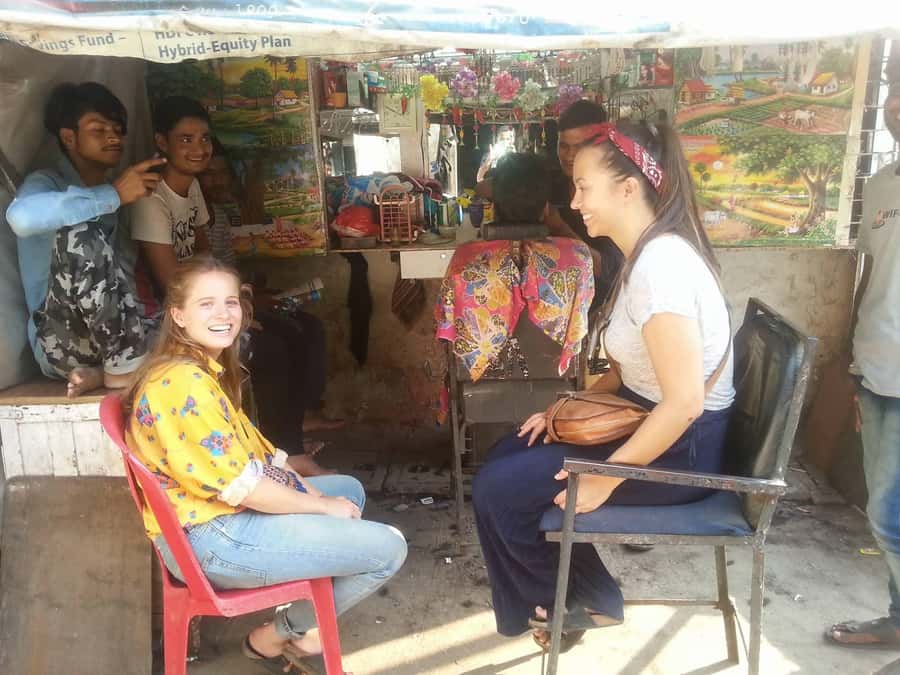
I think this tour is a strong fit if you:
- like real neighborhood experiences over museum-style stops
- want to understand how people make a living through industries like recycling and textiles
- enjoy learning from locals who can explain daily life in clear English
- have seen or heard about Slumdog Millionaire and want the place behind it
It may be less ideal if you:
- prefer tours that stay far from residential settings
- get overwhelmed quickly by close-up environments
- want only “safe-looking” attractions with minimal emotional intensity
The good news is that the tour tone is repeatedly described as not scary. Still, it’s a residential area, so your best mindset is curiosity plus respect.
Should you book this Dharavi tour?
If you’re curious and you want to trade vague impressions for real details, I’d book it. The standout strength is the combination of local guidance (including Barthi being praised by name), a focus on daily life and industries, and a clear connection to the Slumdog Millionaire filming location.
My final advice: go with realistic expectations. You’re not there for a fantasy version of Dharavi. You’re there to learn how a neighborhood functions—where work happens, where families live, and how residents live side-by-side with a world-famous story tied to their streets.
FAQ
What is the meeting point for the tour?
The meeting point is Third wave coffee Mahim, opposite Mahim Railway Junction west. The guide will find you there after you arrive.
Where does the tour end?
The tour ends back at the same meeting point.
How much does the tour cost?
The price is listed as $4.85 per person.
What language is the tour offered in?
The tour is offered in English.
Is water included?
Yes, water is included.
What industries will I see during the Dharavi tour?
The tour highlights plastic recycling, leather industry, garment/textile, and metal industries.
Do I visit the place where Slumdog Millionaire was filmed?
Yes, the tour includes a visit to the location in Dharavi where Slumdog Millionaire was filmed.
Is the tour scary or criminal?
One review notes that it is not scary or criminal, and that the guide helps people feel comfortable if they’re worried.
Can I pay later or reserve first?
Yes, it’s listed as Reserve & Pay Later, so you can book and pay nothing today.
What is the cancellation window?
You can cancel up to 24 hours in advance for a full refund.
More Mumbai, Every Kind of Day
- Dharavi slum tour in Mumbai by Female tour guides of the slum
★ 5.0 · 1,976 reviews - Mumbai: Full-Day Sightseeing Tour of Mumbai
★ 4.9 · 1,822 reviews - Private Mumbai Sightseeing Tour (Traveller’s Choice Award Winner)
★ 5.0 · 1,565 reviews - Elephanta Caves & Island Guided Private Tour
★ 5.0 · 1,327 reviews
Dharavi, Told by Its Residents
- Dharavi slum tour in Mumbai by Female tour guides of the slum
★ 5.0 · 1,976 reviews - Mumbai: Dharavi Slum, DhobiGhat, and Dabbawallas Tour
★ 4.9 · 689 reviews - Dharavi Slum Tour
★ 5.0 · 625 reviews - Dharavi Slum tour in Mumbai by local resident
★ 5.0 · 572 reviews
New on the Mumbai shortlist
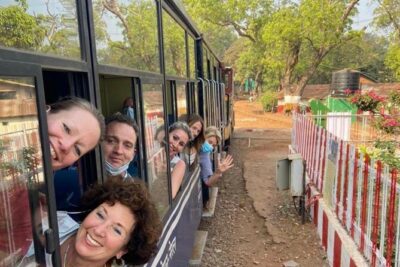


Dharavi Community Walks, compared.
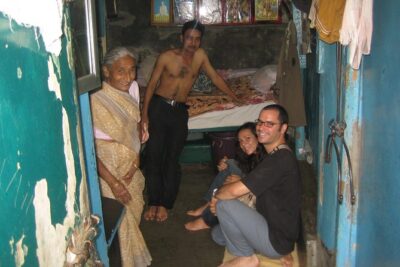 ★ 5.0Dharavi slum tour in Mumbai by Female tour guides of the slumFrom $91,976 reviews
 ★ 4.9Dharavi Slum, DhobiGhat, and Dabbawallas TourFrom $14689 reviews
 ★ 5.0Dharavi Slum TourFrom $20625 reviews
 ★ 5.0Dharavi Slum tour in Mumbai by local residentFrom $4572 reviews
 ★ 4.9Dharavi Slum Slumdog Millionaire Tour with a LocalFrom $10529 reviews
 ★ 5.0Mumbai Slum Tour – Visit Dharavi Slum with Local GuideFrom $5509 reviews
 ★ 5.0Dhobi Ghat Laundry and Dharavi Slum Tour with LocalFrom $4469 reviews
 ★ 5.02-Hour Guided Tour of DharaviFrom $22359 reviews
Browse the lists this tour appears in