
Review · DHARAVI COMMUNITY WALKS
Mumbai: Discover India’s Largest Slum -A Local’s Perspective
Dharavi explains Mumbai better than any postcard. This 2-hour walking tour in Maharashtra is guided by a resident of Dharavi, so you get the real story behind the headlines. The local perspective is the point, and it changes how you see what you’re standing on.
I also love the mix of hands-on work stops: you’ll move from active markets to craft workshops like pottery, leather, and embroidery units. You’re not just looking at buildings—you’re watching how products are made, then meeting the people who do it.
One thing to consider: this is close-up, on-the-ground walking in a dense area, so wear comfortable shoes and expect a steady pace with lots of small lanes and stops.
In This Review
- Key things to know before you go
- Starting at Third Wave Coffee in Mahim: your easy meetup point
- Walking Dharavi lanes with a resident guide (and why that changes everything)
- Local markets, everyday hustle, and what to look for
- The recycling district: seeing waste become materials
- Pottery workshops: watch hands at work, then try a bit
- Leather workshops and the craft logic behind quality
- Embroidery units: small details that take serious time
- A local bakery sampling and community projects that affect real life
- Slumdog Millionaire filming locations: how pop culture met local streets
- The rooftop view: the best way to understand what you walked through
- Price and value: $10 for craft, markets, and multiple work areas
- What to bring and how to set yourself up for a good experience
- Who this tour is best for (and who might want to choose differently)
- Should you book this Dharavi tour?
- FAQ
- How long is the Dharavi walking tour?
- Where do I meet the guide?
- What’s included in the $10 price?
- What languages are available for the tour guide?
- What should I bring?
- How do I get there from my hotel?
Key things to know before you go
- Resident guide in Dharavi: you’ll get context you can’t copy from a brochure
- Workshop visits: pottery, leather goods, and embroidery work you can actually watch
- Markets + everyday food: a local bakery sampling helps you taste daily life
- Recycling district lessons: see waste turned into value through real production
- Slumdog Millionaire filming locations: discover where a global story intersected with local streets
- Rooftop panorama: you finish with a view that helps everything “click” visually
Starting at Third Wave Coffee in Mahim: your easy meetup point
The tour meets outside Third Wave Coffee in Mahim (Senapati Bapat Marg area). That matters more than it sounds. When you’re headed into an unfamiliar neighborhood, a clear, recognizable meeting spot helps you start calm, not confused.
The meeting is simple: find your guide outside the café and you’ll set off on foot. The activity is listed as a 2-hour experience, and the pace is built around walking time plus short breaks and photo stops, so plan your day around it rather than treating it like a quick add-on.
Also, the tour runs with a small group / private group setup. That’s a big deal in a place like Dharavi, where questions come fast. A smaller group gives your guide room to answer with actual detail, not just generalities.
Walking Dharavi lanes with a resident guide (and why that changes everything)
This isn’t framed as a “look and leave” experience. It’s built around a guide who lives in Dharavi, so the tour’s tone stays personal and practical. You’ll hear commentary on Dharavi’s culture, daily life, and history, explained in a way that connects streets to work to community.
One of the best things about this format is how the stories are tied to specific places you visit. Instead of hearing facts from a distance, you walk to the market, then you understand what that market supports. You visit the recycling district, then you grasp how materials move through hands and trades. The guide isn’t just delivering information. They’re helping you read the neighborhood.
From the booking conversations and the guide experience described with past participants, a key theme is patience and helpfulness. People have been grateful that the guide stayed engaged even when someone was running late, which is a good sign for real-life timing. In short: you’re not just buying a route—you’re hiring a local translator for how Dharavi works.
Other Dharavi walks led by people who live there


Local markets, everyday hustle, and what to look for
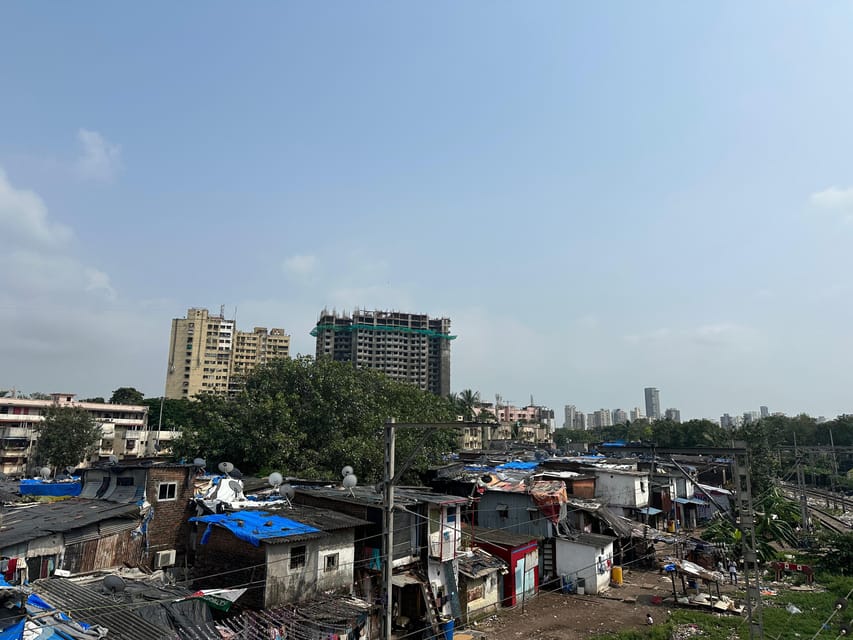
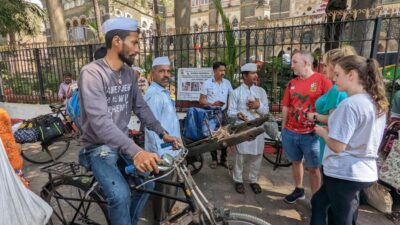
Expect a walk through local markets where you’ll see fresh produce and handcrafted goods. Markets can feel like chaos if you don’t know what you’re looking at. That’s why the guide’s context is part of the value. They’ll point out what’s being sold, who it’s for, and how the day-to-day rhythm keeps businesses moving.
This stop is also your first chance to adjust your expectations. Dharavi is not a museum set. People work. People talk. Products change hands. If you like travel that feels current—like you’re watching a city breathe—you’ll appreciate this part.
Practical note: you’ll be moving on foot. Bring water if you know you get thirsty quickly, and keep your phone handy for the short photo opportunities, but also remember the point is interaction and understanding, not performance shots.
The recycling district: seeing waste become materials
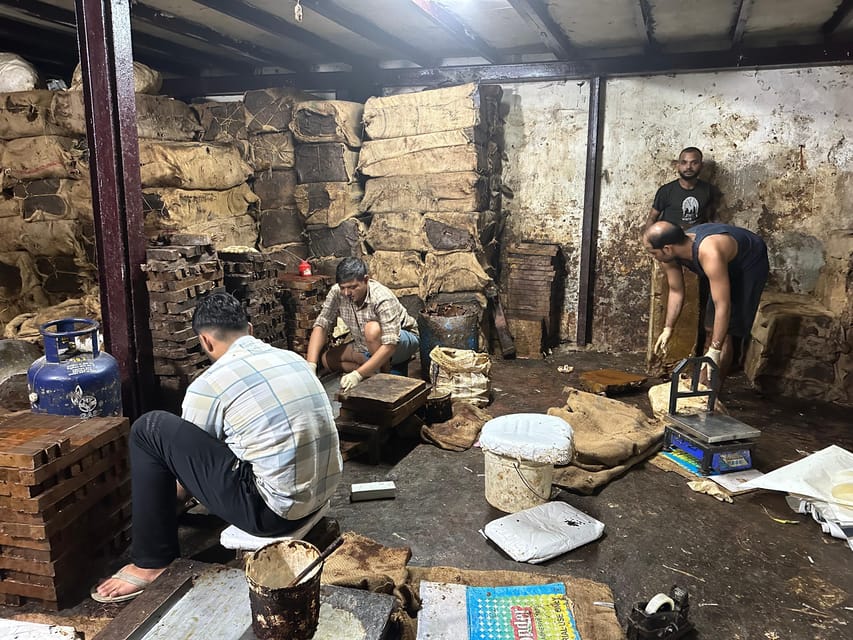
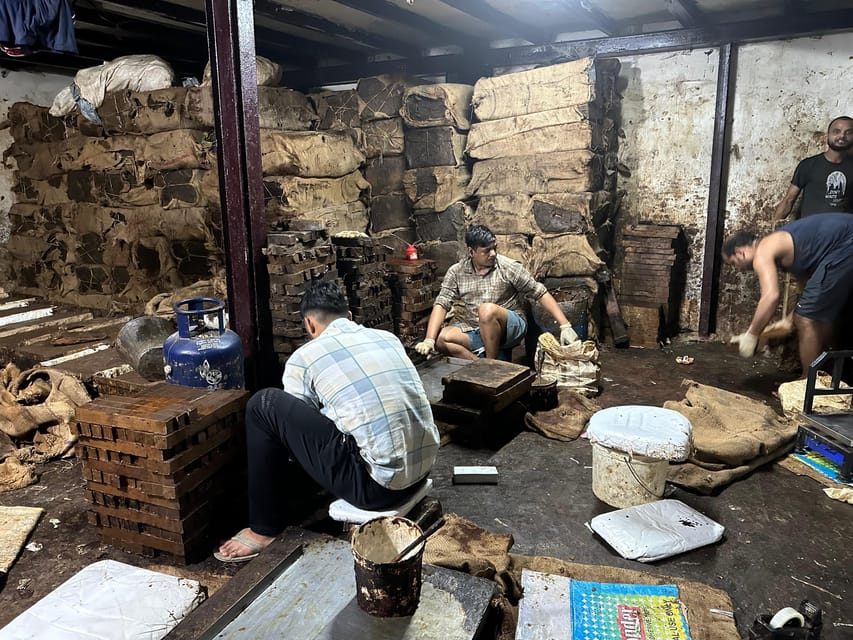
One of the strongest stops is the recycling district. You’ll witness how waste is transformed into products, explained as the kind of resourcefulness that Dharavi is known for. It’s not presented as a single dramatic moment; it’s shown as a process with multiple steps and practical outcomes.
Why this matters: recycling is often treated like an environmental theme in other cities. Here it’s framed as livelihoods and production. You start to understand how income connects to materials, how labor connects to demand, and how a whole local economy can form around turning one kind of “trash” into value.
When you watch this work up close, it reframes the stereotypes people bring with them. You’ll leave with a better sense of how the neighborhood adapts, produces, and survives through day-to-day problem solving.
Pottery workshops: watch hands at work, then try a bit
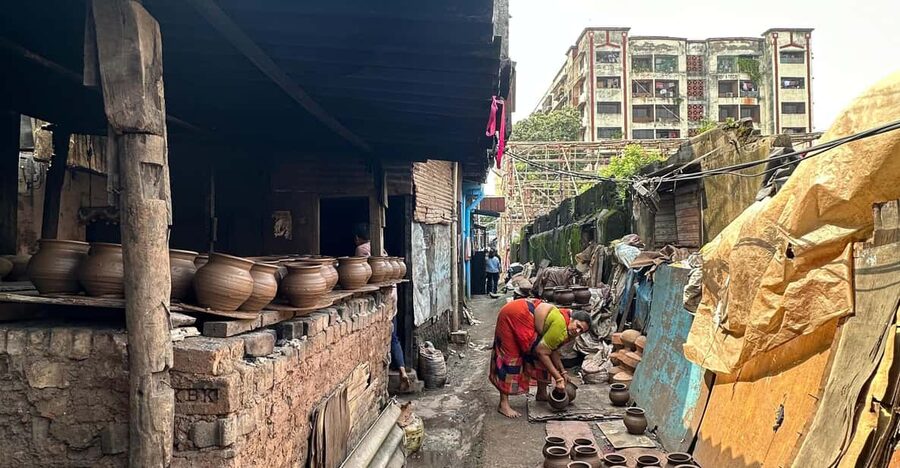
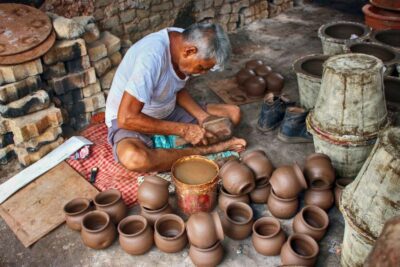
Next up: pottery workshops. You’ll see artisans working with clay and tools, and you may even get a chance to try making pottery yourself. That “watch then do” combo is smart. It helps you understand that craft isn’t just the finished product—it’s technique, timing, heat, and patience.
Even if you’ve never made pottery before, trying a small action gives you a new level of respect for the work. You’ll notice how much repetition and care goes into quality.
The downside? If you’re hoping for a mostly sightseeing tour with minimal participation, this stop leans more hands-on. But if you enjoy crafts and like learning by doing, it’s one of the most rewarding parts.
- Dharavi slum tour in Mumbai by Female tour guides of the slum
★ 5.0 · 1,976 reviews - Mumbai: Full-Day Sightseeing Tour of Mumbai
★ 4.9 · 1,822 reviews - Private Mumbai Sightseeing Tour (Traveller’s Choice Award Winner)
★ 5.0 · 1,565 reviews - Group Guided Walking Tour in Fort and Colaba
★ 5.0 · 1,073 reviews - Highlights of Mumbai Sightseeing Tour: TRAVELLERS CHOICE AWARDED
★ 5.0 · 915 reviews - Private Guided Walking Tour in Fort & Colaba
★ 5.0 · 895 reviews
Leather workshops and the craft logic behind quality
You’ll also visit leather workshops to see how high-quality leather goods are made and learn about the craftsmanship involved. This is a classic Dharavi strength: skilled labor working through processes that are hard to understand from a distance.
Watch how tasks are divided and how people specialize. That’s the real lesson here. It’s not one person doing everything. It’s a system of roles, steps, and know-how.
If you’re the type who reads labels for origin and process, you’ll enjoy this. And if you’ve ever wondered how certain materials become everyday items, this stop gives you a direct answer—through what you see and what your guide explains.
Embroidery units: small details that take serious time
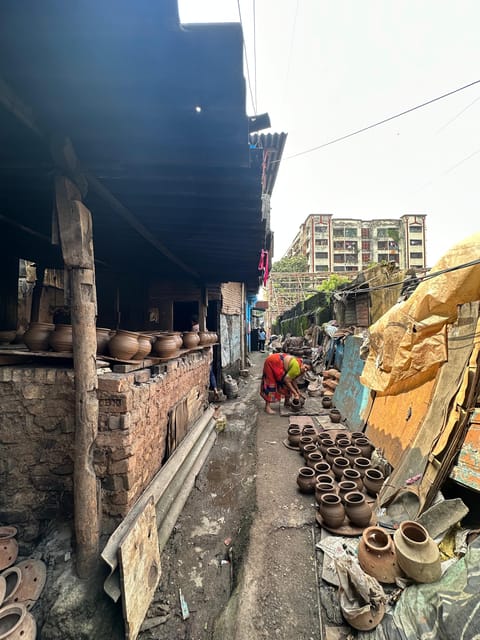
Then comes embroidery units, where intricate designs come to life on fabric. This is the opposite of fast fashion, and your guide’s explanation helps you see why. You’ll be able to watch fine work happening step by step.
This portion works well for two kinds of travelers:
- Those who love crafts and want to understand the “how”
- Those who feel uncomfortable in poverty-focused tours and want something that centers skill and pride
One caution: embroidery is detail-heavy. If you’re rushing because your schedule is tight, you might miss the point. Give this stop the attention it deserves.
A local bakery sampling and community projects that affect real life
A local bakery stop rounds out the tour with freshly baked goods. Sampling food is an easy way to shift from “watching” to “experiencing.” It also helps you get past the idea that Dharavi is only about work. There’s everyday life, routine, and shared tastes too.
After that, you’ll visit community projects, including schools and health centers. This is important because it keeps the story grounded in support systems, not just economics. You see how community infrastructure helps people continue their lives and plan for better outcomes.
If you’re worried the tour will focus only on hardship, this part helps balance the picture. You’ll still confront tough realities, but you’ll also understand what local efforts are trying to improve.
Slumdog Millionaire filming locations: how pop culture met local streets
The tour includes filming locations of Slumdog Millionaire and ties it to the English TV show Who Wants to Be a Millionaire?, which inspired the premise of the story. You’ll also learn how the movie brought international attention to Dharavi and why that attention matters in the narrative.
Here’s how to get value from this stop: treat it like a cultural lens, not a theme park moment. The goal isn’t to hunt for movie scenes. It’s to see how storytelling travels, how images affect perceptions, and how a neighborhood can be interpreted from the outside in very different ways.
If you’ve seen the film, you’ll likely connect memories to physical places. If you haven’t, you’ll still benefit, because your guide explains the connection in context.
The rooftop view: the best way to understand what you walked through
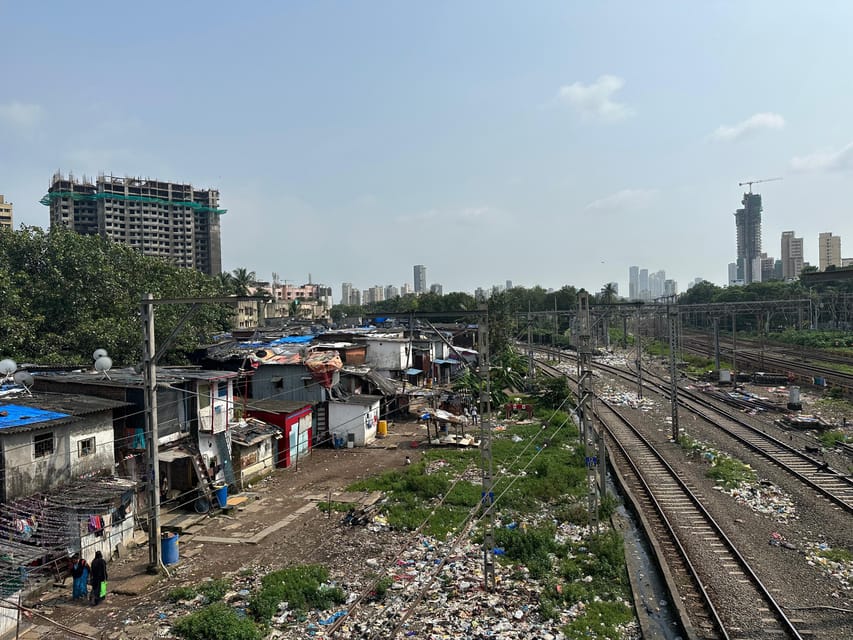
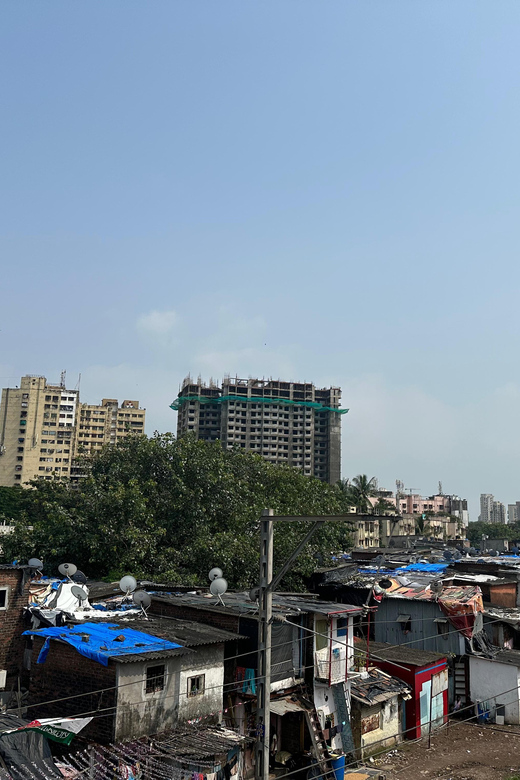
You’ll end with a rooftop panoramic view. This is more than a photo stop. It’s a chance to understand scale—how the lanes, buildings, and work areas relate to one another.
When you see Dharavi from above, a lot of what feels confusing at street level starts to make sense. You’ll get a clearer mental map of density and layout, and it helps your brain organize the stories you heard during the walk.
This is also a practical finish. You’ve been walking and learning for about two hours; the rooftop gives you a calmer moment to absorb everything.
Price and value: $10 for craft, markets, and multiple work areas
At $10 per person for a roughly 2-hour tour, the value is strong—if you want what’s included. This price covers guided visits to markets, the recycling district, pottery, leather, embroidery units, a local bakery sampling, and filming locations linked to Slumdog Millionaire. You also get the rooftop view and guide commentary tying it together.
Yes, transportation is not included, so you’ll need to get yourself to Third Wave Coffee in Mahim. But once you’re there, the tour feels packed. In places where guided tours cost much more, you often get just one workshop stop and a quick photo. Here, you get several.
Small group/private group format also supports value. It makes it easier to ask questions and move at a pace your guide can manage while keeping you comfortable and oriented.
What to bring and how to set yourself up for a good experience
The main item is simple: comfortable shoes. You’ll be walking and visiting work areas, so avoid anything that pinches or slows you down.
Language-wise, you can expect an English, Hindi, or Marathi guide experience. That flexibility is helpful if you’re more comfortable in one language than another.
Finally, bring the right mindset. This is not a “checklist of sights” style day. It’s a story-led neighborhood walk where your understanding comes from details: how work is done, how people interact, and how community projects show priorities beyond survival.
Who this tour is best for (and who might want to choose differently)
This Dharavi walk is a great fit if you:
- Like local guides who can connect street-level observations to real life
- Want to see production (craft and material work), not just scenery
- Appreciate cultural context, especially connections to global pop culture like Slumdog Millionaire
- Enjoy short, focused tours that leave room for the rest of your day in Mumbai
It may not be ideal if you:
- Need a slow, mostly seated experience
- Prefer tours that avoid emotional intensity or close-up realities
- Want a long deep academic lecture format (this is about a tight 2-hour walk with multiple stops)
Should you book this Dharavi tour?
If your goal is to understand Mumbai through the work, creativity, and community systems inside Dharavi, I’d say this is worth booking. The biggest reason is the guide setup: a resident of Dharavi leads you through places you’d otherwise pass without understanding. Add in the craft stops (pottery, leather, embroidery), the recycling district, a local bakery sampling, and filming locations tied to Slumdog Millionaire, and you get a tour that feels both human and practical.
Just go in prepared. Wear good shoes, plan your transport to Third Wave Coffee, Mahim, and give yourself the time to ask questions. If you want one of the most meaningful experiences Mumbai can offer for the money, this is a strong choice—and it’s the kind that sticks with you long after you leave the neighborhood.
FAQ
How long is the Dharavi walking tour?
The tour lasts about 2 hours, including walking time and stops.
Where do I meet the guide?
Meet your guide outside Third Wave Coffee, Mahim (Senapati Bapat Marg area). The Google Maps link is provided by the activity.
What’s included in the $10 price?
You get a guided exploration led by a resident guide, visits to markets, the recycling district, pottery, leather and embroidery units, entry to Slumdog Millionaire filming locations, a local bakery sampling, a panoramic rooftop view, and commentary on daily life and culture. It’s also described as a small group/private group experience.
What languages are available for the tour guide?
The tour is offered in English, Hindi, and Marathi.
What should I bring?
Wear comfortable shoes, since the tour is a walking experience with multiple stops.
How do I get there from my hotel?
Transportation to the start point isn’t included. You can use Uber or a tuk tuk to Third Wave Coffee, Mahim.
More Mumbai, Every Kind of Day
- Dharavi slum tour in Mumbai by Female tour guides of the slum
★ 5.0 · 1,976 reviews - Mumbai: Full-Day Sightseeing Tour of Mumbai
★ 4.9 · 1,822 reviews - Private Mumbai Sightseeing Tour (Traveller’s Choice Award Winner)
★ 5.0 · 1,565 reviews - Elephanta Caves & Island Guided Private Tour
★ 5.0 · 1,327 reviews
Dharavi, Told by Its Residents
- Dharavi slum tour in Mumbai by Female tour guides of the slum
★ 5.0 · 1,976 reviews - Mumbai: Dharavi Slum, DhobiGhat, and Dabbawallas Tour
★ 4.9 · 689 reviews - Dharavi Slum Tour
★ 5.0 · 625 reviews - Dharavi Slum tour in Mumbai by local resident
★ 5.0 · 572 reviews
New on the Mumbai shortlist



Dharavi Community Walks, compared.
 ★ 5.0Dharavi slum tour in Mumbai by Female tour guides of the slumFrom $91,976 reviews
 ★ 4.9Dharavi Slum, DhobiGhat, and Dabbawallas TourFrom $14689 reviews
 ★ 5.0Dharavi Slum TourFrom $20625 reviews
 ★ 5.0Dharavi Slum tour in Mumbai by local residentFrom $4572 reviews
 ★ 4.9Dharavi Slum Slumdog Millionaire Tour with a LocalFrom $10529 reviews
 ★ 5.0Mumbai Slum Tour – Visit Dharavi Slum with Local GuideFrom $5509 reviews
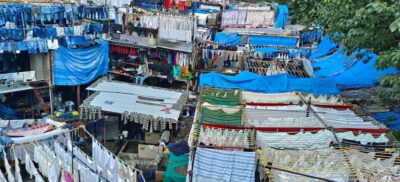 ★ 5.0Dhobi Ghat Laundry and Dharavi Slum Tour with LocalFrom $4469 reviews
 ★ 5.02-Hour Guided Tour of DharaviFrom $22359 reviews
Browse the lists this tour appears in