
Review · DHARAVI COMMUNITY WALKS
Mumbai: Dharavi Tour Including Car Transfer
A Mumbai you will feel in your shoes. This 4.5-hour trip pairs a car ride from Colaba to Dharavi with guided walking that makes you understand how daily work shapes the city. You also stop at Dhobi Ghat, the famous open-air laundry, so you’re not only looking at a neighborhood—you’re seeing systems at work.
Two things I really like are the focus on on-the-ground industries and the way the guide adds history and social context while you’re driving north. You’ll get a clearer picture of how Mumbai’s textile-mill era fed the city’s growth, then you’ll pass areas tied to ongoing social issues. It’s still a tour—just with more meaning than a typical photo stop.
One possible drawback: there’s a strict no-photography policy once you’re in the slum areas, and you’ll need to dress for respect and practicality (covered shoes, modest clothing). If you want lots of Instagram-style shots, this setup may feel limiting.
In This Review
- Key highlights to know before you go
- From Colaba to Dharavi: the car ride that gives you bearings
- Dhobi Ghat: watching laundry operations at full scale
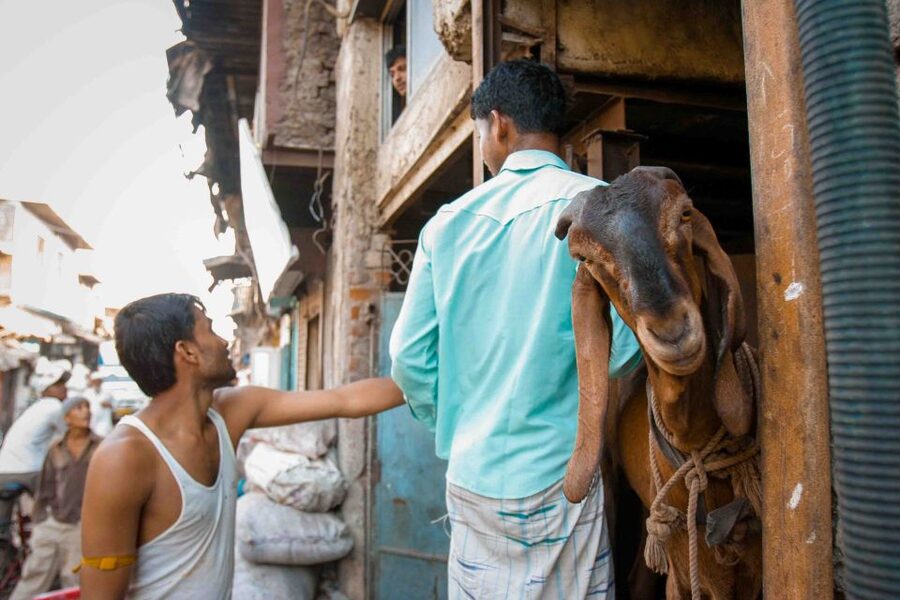
- Entering Dharavi’s workshops: narrow streets, big livelihoods
- Reality Gives-Mumbai: a short educational pause
- Kumbhar Wada’s 150-year pottery lane
- Respect rules: no photos, modest dress, and covered shoes
- How long it takes, and how the pacing feels in real life
- Price and value: what US$39 buys you
- Who should book this Dharavi tour (and who might rethink it)
- Should you book the Mumbai Dharavi tour with car transfer?
- FAQ
- How long is the Dharavi tour?
- Where do I meet the group?
- Is hotel pickup and drop-off included?
- Is the tour guide English-speaking?
- What’s included in the price?
- Is food included?
- Will I be allowed to take photos inside Dharavi?
- How much of the tour is walking?
- What should I wear?
- What stops are included besides Dharavi?
Key highlights to know before you go
- Colaba-to-Dharavi car transfer with context so you’re not arriving “cold.”
- Dhobi Ghat stop at the largest open-air laundry in the world.
- A 1-hour guided walk inside Dharavi through narrow alleys and workshop areas.
- Real business categories you can point out like recycling, pottery, embroidery, and leather tanning.
- Kumbhar Wada’s pottery neighborhood with a 150-year tradition of making things.
- Respect rules that shape your experience including no photography in slum areas.
From Colaba to Dharavi: the car ride that gives you bearings

Most people start at Leopold Cafe in Colaba. The meeting point is outside Leopold Cafe on the side street off Colaba Causeway (Nowroji Fardonji Road), and pickup can be arranged if you select the option through your hotel or residence.
Once you’re in the car, the tour moves north toward Dharavi and the guide sets the tone with quick, usable context. I like this approach because it reduces the shock of arrival. Instead of just entering narrow streets with no framework, you’re already learning how Mumbai became Mumbai.
As you pass the historical textile mill area, the guide explains how that once-crucial industry shaped the city’s growth. Then the route continues past parts of Kamathipura, including the red light area—information that helps you understand why Dharavi can’t be seen in isolation from the wider city. It’s not just “poverty tourism.” It’s a social geography lesson, delivered while you’re moving.
Dhobi Ghat: watching laundry operations at full scale
You’ll stop at Dhobi Ghat, known as the largest open-air laundry in the world. Even without getting too technical, the scale alone changes how you see everyday labor in a megacity.
Plan for an active stop where your senses get engaged right away. You’ll be there as a visitor, but you’re also passing through a working environment where people do real jobs every day. The best way to enjoy it is to let the guide do the talking, and focus on what’s happening around you instead of trying to “figure it out” alone.
Practical note: because the tour includes walking later, I’d treat Dhobi Ghat as your pacing checkpoint. If you’re wearing the wrong shoes, this is where you’ll feel it.
Other Dharavi walks led by people who live there



Entering Dharavi’s workshops: narrow streets, big livelihoods
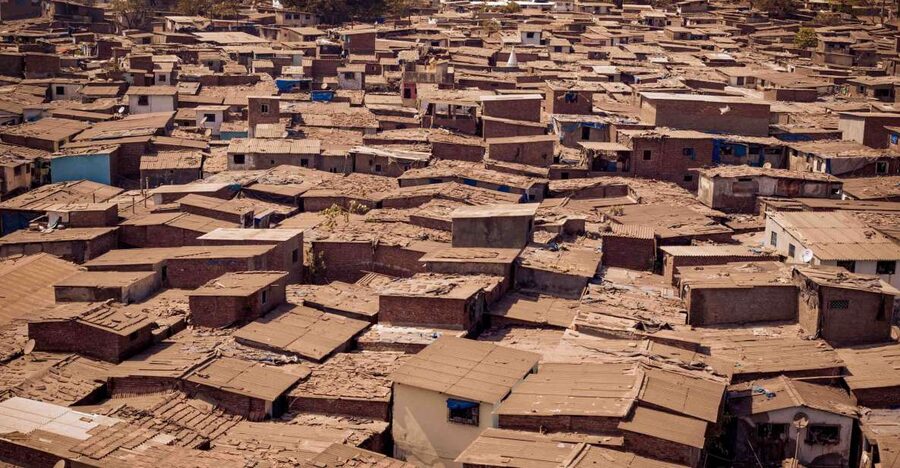
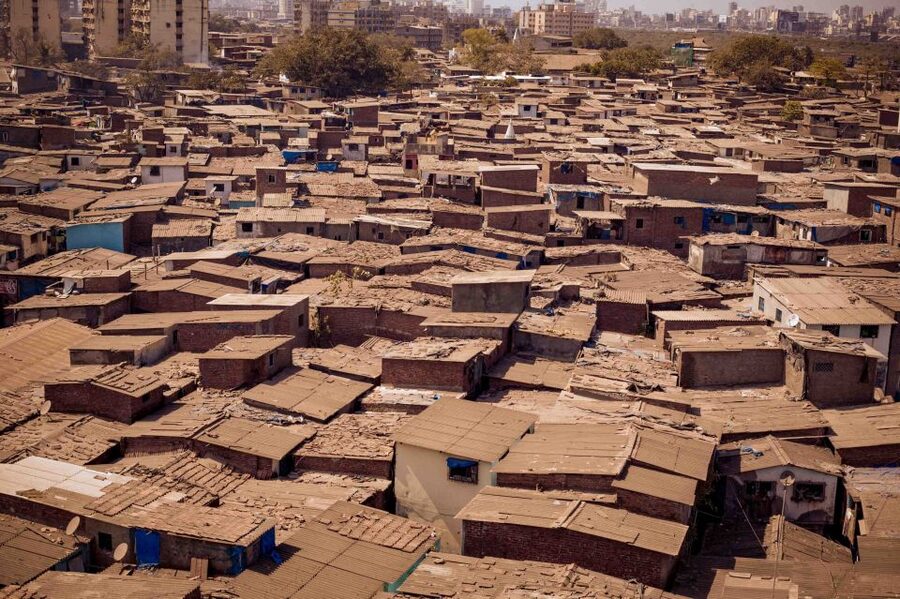
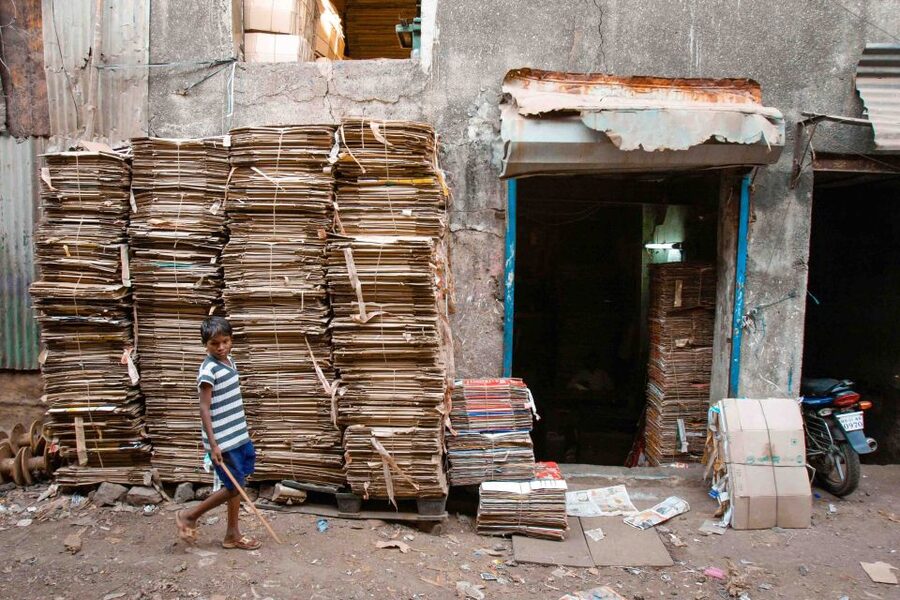
After the drive and Dhobi Ghat, the heart of the experience is a guided walk through Dharavi. You’ll spend about an hour moving through narrow streets and alleys, with the guide pointing out what’s going on around you.
Dharavi is often labeled as one of Asia’s largest slums, but this tour frames it differently: as Mumbai’s beating heart. It’s home to around one million residents, and its industries have an estimated annual turnover of about US$665 million. That number matters because it corrects a common assumption that the area has no economic engine of its own.
As you walk, you’ll learn about a wide range of business activities you may see in action or hear explained, including:
- recycling
- pottery-making
- embroidery
- bakery work
- soap production
- leather tanning
- poppadom-making
What I like here is that the guide doesn’t just name industries. You get a better sense of how many different kinds of work can fit into the same city blocks. That’s the value of a walking tour: you start noticing patterns—workspaces, supplies, and the flow of daily tasks—rather than seeing only one “scene.”
A key thing to remember: some areas can be dirty, so covered shoes aren’t optional comfort advice. And you’ll be under a strict no-photography policy in the slum areas, which also affects the pacing of your attention. You’ll end up watching more and capturing less, which I actually think makes the experience more respectful.
Reality Gives-Mumbai: a short educational pause
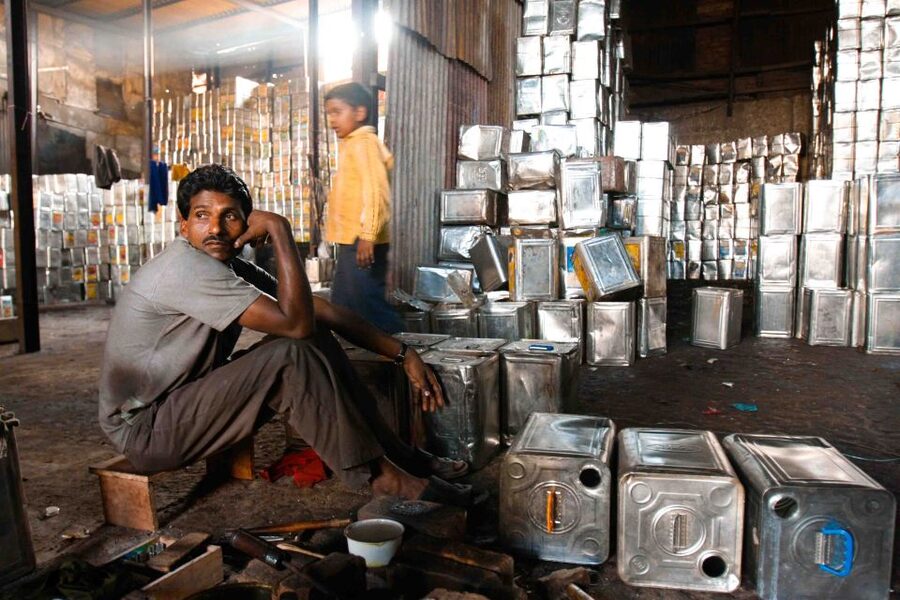
You’ll also make a brief stop at Reality Gives-Mumbai, with a short visit and guided walk of about 10 minutes. This isn’t a long sit-down; it’s more like a quick context break that keeps the tour from becoming purely observational.
Since the time is short, the goal is to connect what you’re seeing on the ground with a bigger picture of how local initiatives and community efforts fit into Dharavi’s story. If you tend to learn best with a “why this matters” moment, you’ll probably appreciate this mid-route stop.
Kumbhar Wada’s 150-year pottery lane
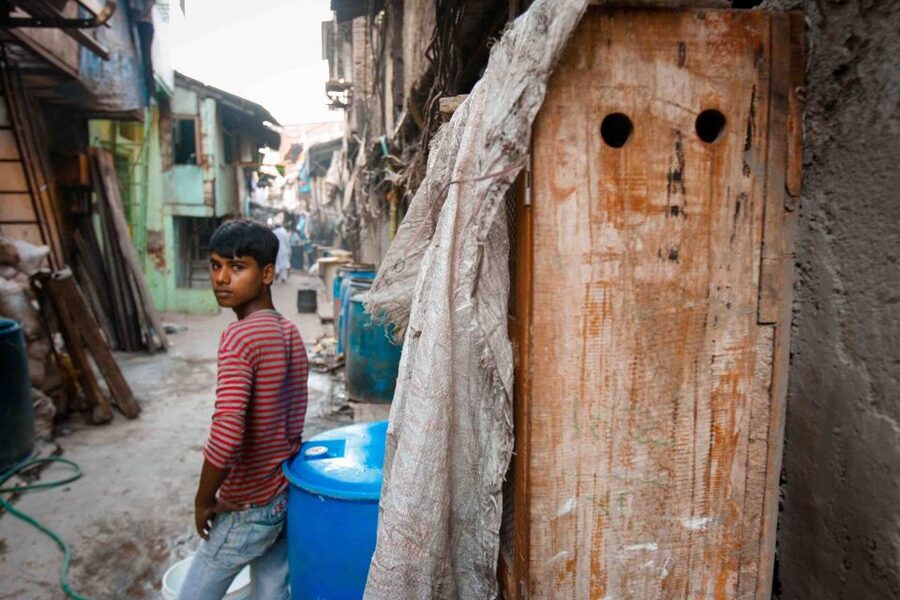
One of the most specific, fun-sounding parts of this tour is Kumbhar Wada, also written as Kumbhar Wada. You’ll spend around 15 minutes there in a guided visit, sightseeing, and a short walk through the neighborhood.
This is a pottery area with a 150-year tradition. Even if you don’t know much about pottery going in, the value here is simple: you get to connect craft to place. It’s one thing to hear that people make things; it’s another to walk through a neighborhood where the craft identity has lasted generations.
For me, the best way to enjoy this stop is to slow down during the walking segment. Look for the workspaces and learn what the guide points out. If you want to ask questions, this is the better moment than during the tightest parts of Dharavi, because you’ll have a little more space to breathe and pay attention.
More Mumbai cars with a driver who knows the shortcuts
- Mumbai City Sightseeing Tour With Expert Driver
★ 5.0 · 75 reviews - Mumbai Private Car Rental with Professional Driver
★ 5.0 · 72 reviews - Mumbai Airport Transfer
★ 4.0 · 49 reviews - Dharavi Slum Tour with Laundry And Hotel Transfer (South Mumbai)
★ 5.0 · 35 reviews - Mumbai Airport Transfer in Private Vehicle
★ 4.5 · 28 reviews - Dharavi Tour Including Car Transfer
★ 5.0 · 12 reviews
Respect rules: no photos, modest dress, and covered shoes
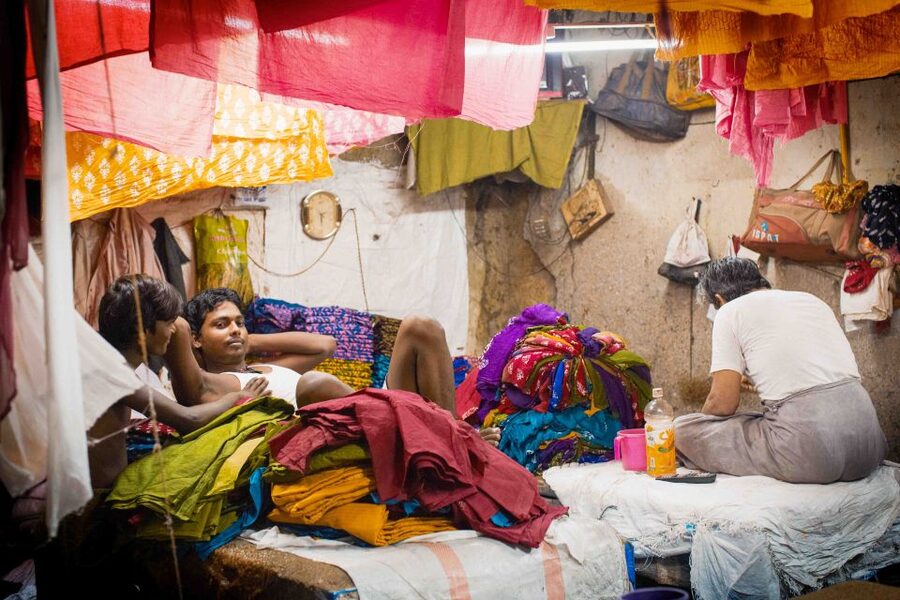
This tour has clear rules, and they’re there for a good reason: privacy and dignity for residents. You’re asked to dress modestly—shoulders and chest covered, clothing below the knee, and nothing too tight or revealing. The goal is simple: you’re not treating the area like an open-air showroom.
There’s also a strict no-photography policy while in the slum. That means plan on using your eyes, not your camera. If you rely on photos to remember places, switch your strategy: mentally note details the guide mentions and focus on your understanding, not your feed.
Finally, wear covered shoes. The tour notes that some areas can be dirty, and narrow alleys make it harder to step around mess. Comfortable clothes are a must because you’ll be on your feet for a good chunk of the 4.5 hours.
How long it takes, and how the pacing feels in real life
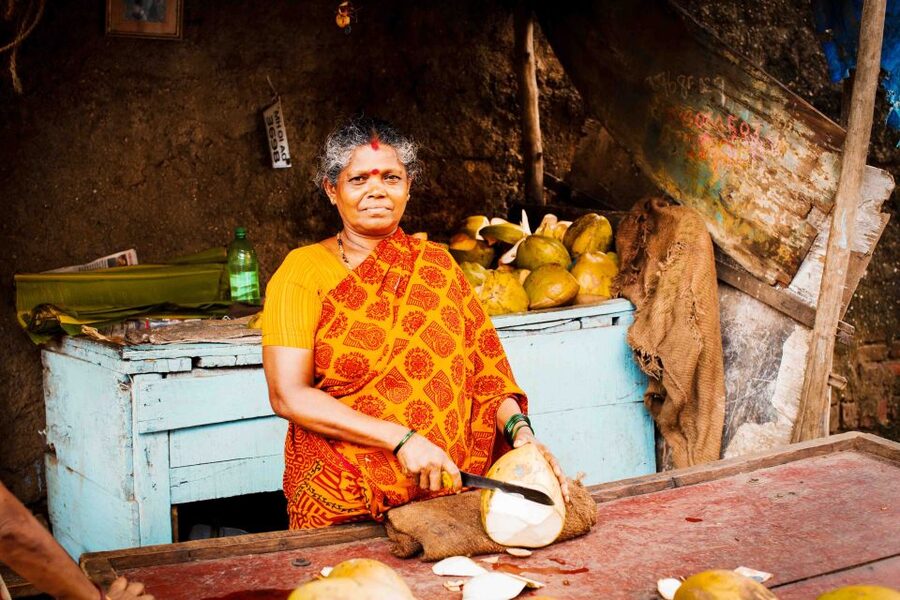
The total time is 4.5 hours, including the driving portion and multiple stops. That matters because it keeps expectations realistic: this isn’t an all-day deep immersion. It’s a focused sampler that aims to leave you with context.
You’ll have roughly:
- a car transfer from Colaba to Dharavi with history/social commentary
- a guided walk in Dharavi for about 1 hour
- short guided visits at Reality Gives-Mumbai (about 10 minutes) and Kumbhar Wada (about 15 minutes)
This pacing is actually a strength if you have limited time in Mumbai. You still get the key sights, but you’re not exhausted by the end. The tradeoff is that you won’t have the kind of time needed to wander independently or linger forever in one workshop.
Price and value: what US$39 buys you
At about US$39 per person for a 4.5-hour guided experience, the value comes from what’s included rather than just the price tag.
Included items are:
- a local English-speaking guide
- hotel pick up and drop off (for the option you choose)
- water or cold drinks
Also, the tour includes transportation via car for the Colaba-to-Dharavi transfer, which is a big part of why the schedule is efficient. You’re getting a guide’s explanations in motion, plus guided walking time inside Dharavi, plus two major context stops (Dhobi Ghat and Kumbhar Wada).
Not included: food. You’ll want to plan your day so you’re not hungry during the walk. If you eat after, you’ll enjoy the meal more because you’re not searching for something mid-tour.
Overall, this price feels most fair if you want structure and context. If you love solo wandering and you already know the history and social context, you might not need a guide. But for most visitors, a good guide is the whole point—and that’s what you’re paying for here.
Who should book this Dharavi tour (and who might rethink it)
I think this tour is a strong match if you want:
- a guided walk through Dharavi’s working areas rather than a lecture-only experience
- practical context about Mumbai’s textile-mill history and ongoing social issues you pass by
- a short craft stop in Kumbhar Wada with a 150-year pottery background
- a half-day plan that still covers Dhobi Ghat
It may be less ideal if:
- you strongly expect to take photos throughout the visit (the no-photography rule is strict in slum areas)
- you’d struggle with modest-dress requirements and covered shoes
- you prefer long, slow exploring over a structured 4.5-hour window
If you’re traveling with a group, the private group option can help you move at a comfortable pace with your guide’s attention. And one thing I appreciate about the operator is that they’ve shown the ability to support special needs when resources allow, including pairing with a deaf guide for a visitor who needed it.
Should you book the Mumbai Dharavi tour with car transfer?
Book it if you want a guided, respectful way to understand Dharavi as more than a headline. The combination of car context from Colaba, Dhobi Ghat’s working scale, and a focused workshop walk inside Dharavi is a smart use of half a day.
Just be ready for the rules: no photography in slum areas, modest clothing, and shoes that can handle uneven, possibly dirty streets. If you can accept that, you’ll come away with a clearer mental map of Mumbai’s industries and social reality—plus the chance to see craft history in Kumbhar Wada.
FAQ
How long is the Dharavi tour?
The tour lasts about 4.5 hours.
Where do I meet the group?
You meet outside Leopold Cafe on the side street off Colaba Causeway on Nowroji Fardonji Road.
Is hotel pickup and drop-off included?
Hotel/residence pickup and drop-off are included if you choose the pickup option.
Is the tour guide English-speaking?
Yes, the live tour guide speaks English.
What’s included in the price?
The price includes the local English-speaking guide, hotel pick up and drop off (with the selected option), and water or cold drinks.
Is food included?
No, food is not included.
Will I be allowed to take photos inside Dharavi?
There is a strict no-photography policy while in the slum to protect residents’ privacy.
How much of the tour is walking?
You’ll do a guided walk in Dharavi for about 1 hour, plus shorter guided walks at other stops.
What should I wear?
Wear comfortable clothes and dress modestly (shoulders and chest covered, clothing below the knee). Covered shoes are advised.
What stops are included besides Dharavi?
Besides Dharavi, you visit Dhobi Ghat and make short stops at Reality Gives-Mumbai and Kumbhar Wada.
More Cars and Drivers in Mumbai
- Mumbai City Sightseeing Tour With Expert Driver
★ 5.0 · 75 reviews - Mumbai Private Car Rental with Professional Driver
★ 5.0 · 72 reviews - Mumbai Airport Transfer
★ 4.0 · 49 reviews - Dharavi Slum Tour with Laundry And Hotel Transfer (South Mumbai)
★ 5.0 · 35 reviews
More Mumbai, Every Kind of Day
- Dharavi slum tour in Mumbai by Female tour guides of the slum
★ 5.0 · 1,976 reviews - Mumbai: Full-Day Sightseeing Tour of Mumbai
★ 4.9 · 1,822 reviews - Private Mumbai Sightseeing Tour (Traveller’s Choice Award Winner)
★ 5.0 · 1,565 reviews - Elephanta Caves & Island Guided Private Tour
★ 5.0 · 1,327 reviews
Dharavi, Told by Its Residents
- Dharavi slum tour in Mumbai by Female tour guides of the slum
★ 5.0 · 1,976 reviews - Mumbai: Dharavi Slum, DhobiGhat, and Dabbawallas Tour
★ 4.9 · 689 reviews - Dharavi Slum Tour
★ 5.0 · 625 reviews - Dharavi Slum tour in Mumbai by local resident
★ 5.0 · 572 reviews
New on the Mumbai shortlist



Dharavi Community Walks, compared.
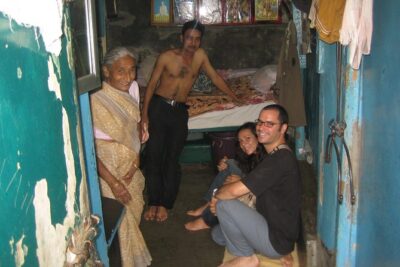 ★ 5.0Dharavi slum tour in Mumbai by Female tour guides of the slumFrom $91,976 reviews
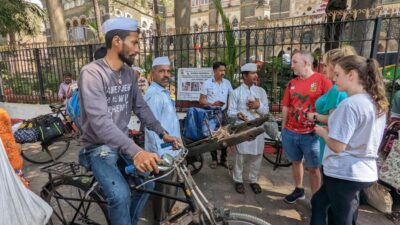 ★ 4.9Dharavi Slum, DhobiGhat, and Dabbawallas TourFrom $14689 reviews
 ★ 5.0Dharavi Slum TourFrom $20625 reviews
 ★ 5.0Dharavi Slum tour in Mumbai by local residentFrom $4572 reviews
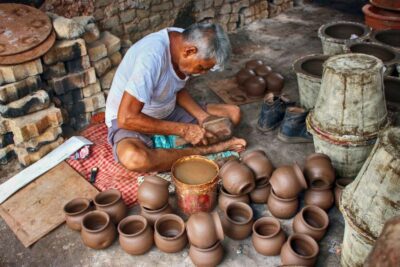 ★ 4.9Dharavi Slum Slumdog Millionaire Tour with a LocalFrom $10529 reviews
 ★ 5.0Mumbai Slum Tour – Visit Dharavi Slum with Local GuideFrom $5509 reviews
 ★ 5.0Dhobi Ghat Laundry and Dharavi Slum Tour with LocalFrom $4469 reviews
 ★ 5.02-Hour Guided Tour of DharaviFrom $22359 reviews
Browse the lists this tour appears in