
Review · DHARAVI COMMUNITY WALKS
Mumbai: Dharavi Slumdog Tour -See the real Slum with a Local
Dharavi hits differently when you go with locals. This guided walk through Dharavi (with a local resident guide) shows how people live, work, and make money every day, plus a stop at the Slumdog Millionaire filming location.
I like the way the tour frames Dharavi as a real working community, not a photo-op. I also love the practical look at the industries you actually see on the ground, from plastic recycling to garment/textile and leather work.
One thing to consider: you might encounter retail-style stops, and one visitor flagged concerns about possible accuracy and pricing at a leather shop. If you want strictly neutral viewing, keep a close eye on anything that feels like selling rather than explaining.
In This Review
- Key takeaways before you go
- Entering Dharavi with a resident guide instead of a script
- The meeting point in Mahim: easy to find, simple start
- What you’ll actually see: homes, jobs, and everyday community life
- The industries walk: plastics, textiles, leather, metal, and more
- Where the Slumdog Millionaire filming happened inside Dharavi
- Safety, respect, and privacy: what “safe to visit” means in practice
- The part that needs your attention: shop stops and mixed accuracy
- How the $4.99 price stacks up for what you get
- Transportation and movement: walking, plus possible local train time
- Who this tour is best for
- Should you book the Dharavi Slumdog Tour?
- FAQ
- Where is the meeting point for the tour?
- Is the tour guide English-speaking?
- What’s included with the Dharavi Slum tour?
- What will I see during the walk?
- Is it safe to visit Dharavi on this tour?
- Are pets allowed on the tour?
- How much does it cost and can I pay later?
Key takeaways before you go
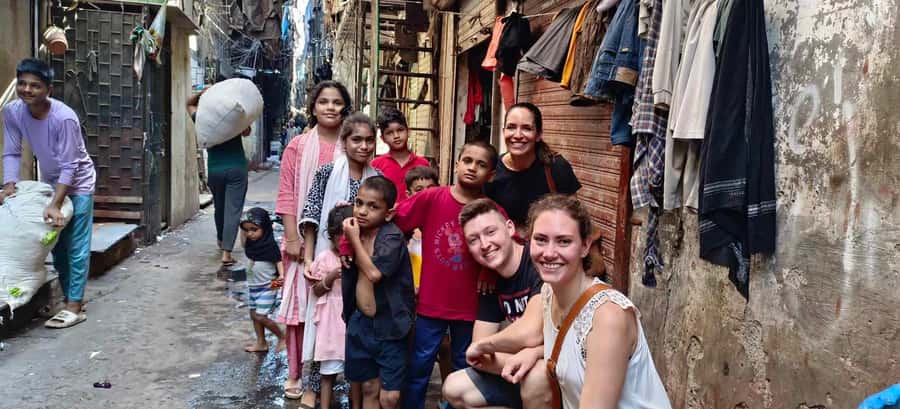
- You’ll walk with Dharavi residents, including guides such as Abishek, Zeeshan, Bharti, Mohammed, Faizan, and Rakesh.
- It’s built to break stereotypes, with an emphasis on how families live, children play, and businesses run.
- Industries are part of the route, including plastic recycling and work tied to garments/textiles, leather, metal, and more.
- You visit the Slumdog Millionaire filming spot inside Dharavi.
- Privacy and sensitivity matter, with guides in the group using a respectful approach.
- Expect real community interaction, including friendly greetings from kids.
Entering Dharavi with a resident guide instead of a script
Dharavi is one of those places people think they already understand. Then you hear how it actually works from someone who grew up there, and the whole picture changes.
This tour is led by a local slum resident guide, in English, who can explain what you’re seeing in plain terms. That matters, because Dharavi isn’t only about housing. It is also about everyday survival systems: where work happens, how materials move around, how families share space, and what children do when they are not at school.
Guides named in the experience include Abishek, Zeeshan, Bharti, Mohammed, Faizan, and Rakesh. You are not going to get a generic lecture here. You’re more likely to get storytelling, local context, and answers to questions that make sense to people living the reality, not to people writing travel captions.
The meeting point in Mahim: easy to find, simple start
You meet at Third Wave Coffee, Mahim, opposite Mahim railway junction (West). When you arrive, stand just outside the café (or sit inside). The guide should be easy to spot after you tell them your name and introduce yourself.
This matters more than it sounds. Dharavi tours can be stressful if the start is vague. Here, the starting point is concrete, and the plan is straightforward: you go out on the walk, then you return to the same meeting point at the end.
The tour includes water, so you do not have to worry about hydration as a separate task before you get going.
Other Dharavi walks led by people who live there



What you’ll actually see: homes, jobs, and everyday community life
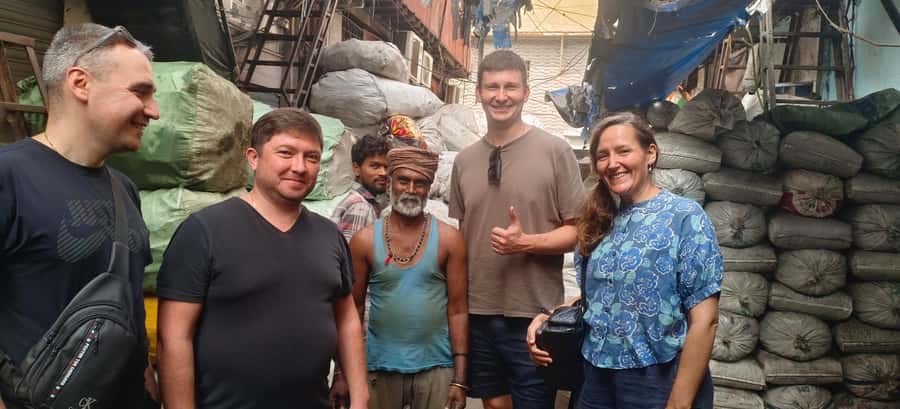
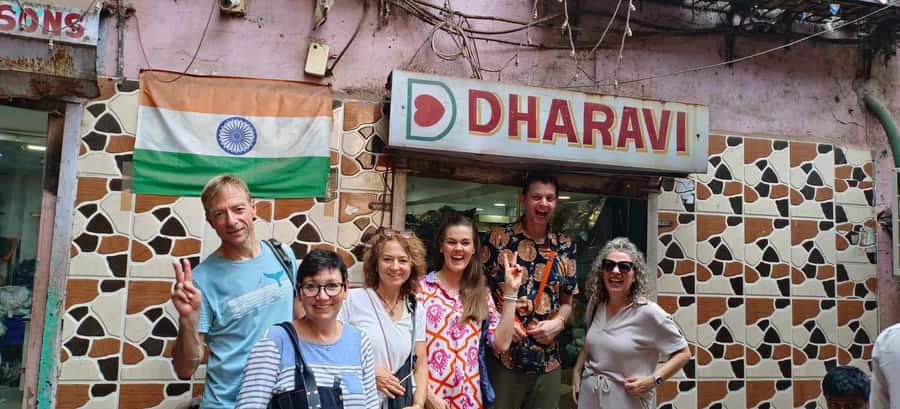
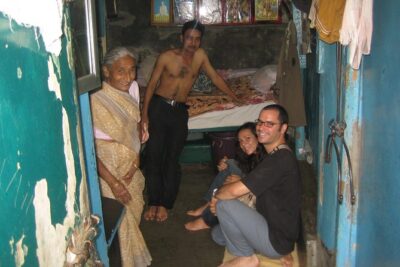
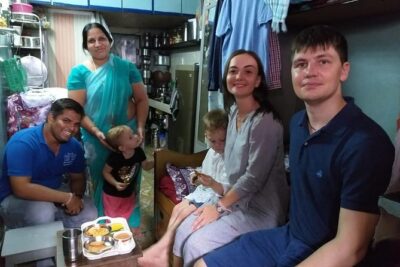
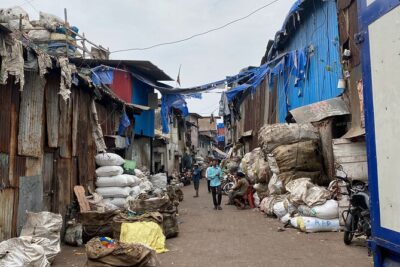
The core idea is to show Dharavi as lived-in space. You are guided through the kind of places you would not naturally wander into on your own, including areas where people live and where daily routines unfold.
From the way this tour is described, you should expect to see:
- where families stay,
- where family members spend time,
- where kids play and move through the community,
- and where work is happening at the same time.
That overlap—living and working right beside each other—is one of the reasons the tour feels eye-opening. It forces you to notice details you might otherwise skip: how people organize their day, how local businesses connect to raw materials, and how the community functions even without the support many outsiders assume exists.
You’ll also hear explanations that aim to dispel common misconceptions. This is not framed as a debate club. It’s more like getting a grounded walkthrough from someone who knows which stereotypes are unhelpful and which questions visitors genuinely have.
The industries walk: plastics, textiles, leather, metal, and more
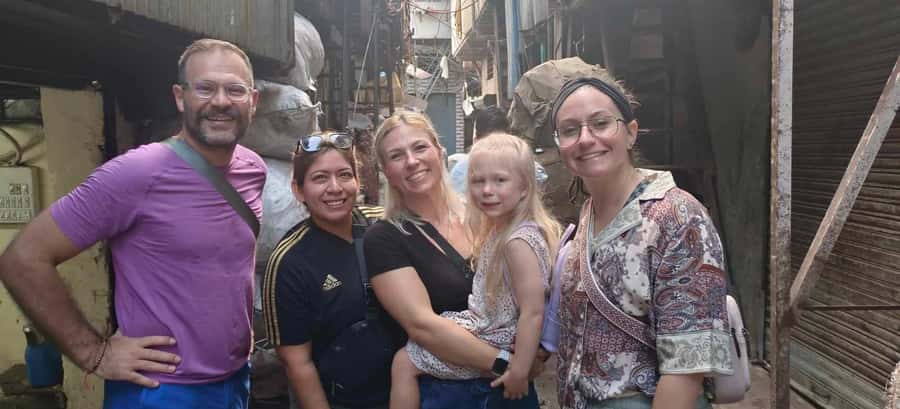
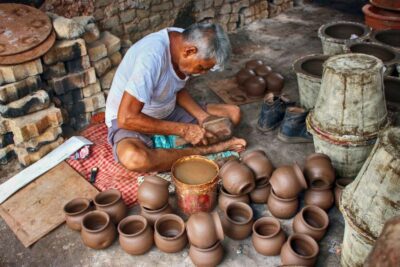
A big part of the value here is that the tour connects Dharavi to industry you can visibly trace. Instead of hearing broad claims, you see working areas tied to real production and processing.
You should expect to encounter several kinds of work such as:
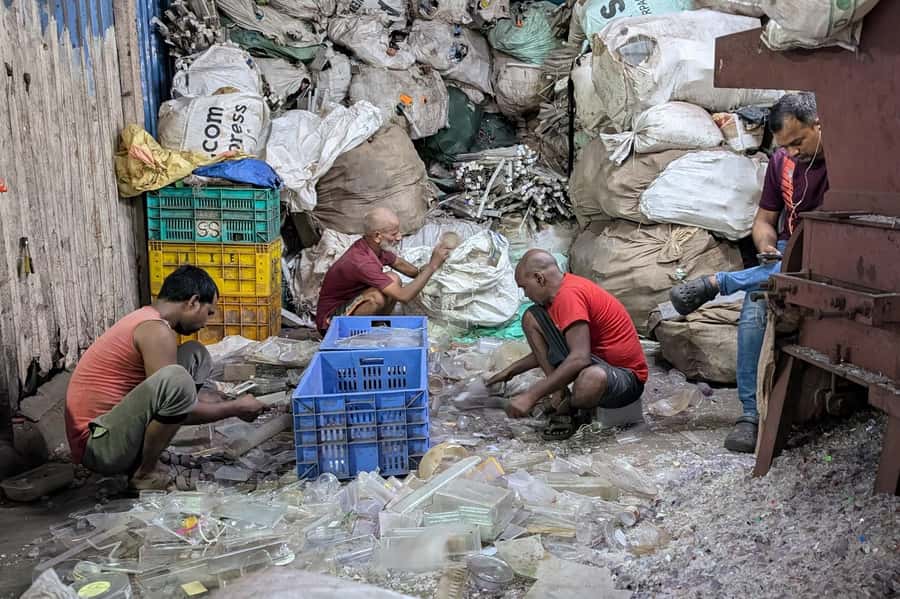
- plastic recycling (often highlighted as a major part of the area),
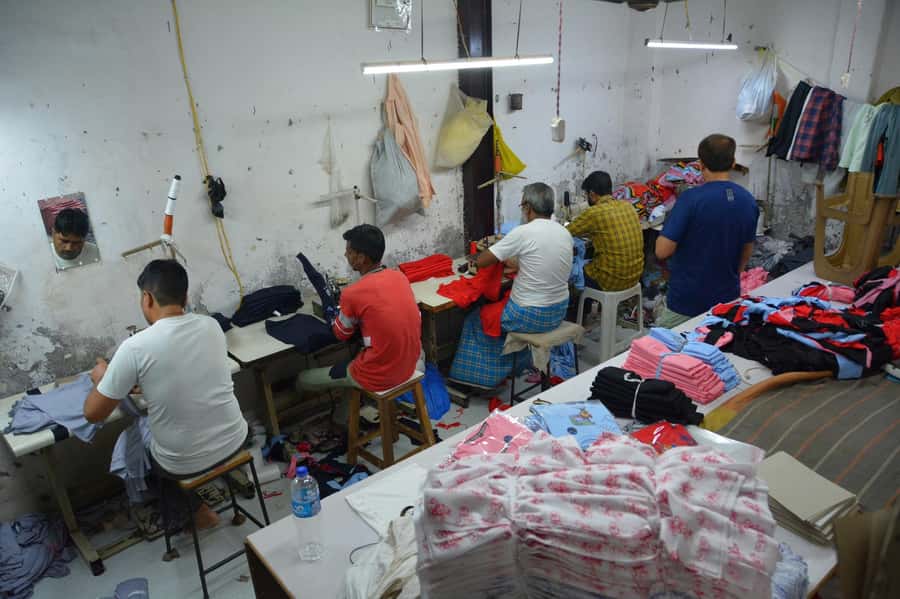
- garment/textile processing,
- leather work,
- and metal industry activity.
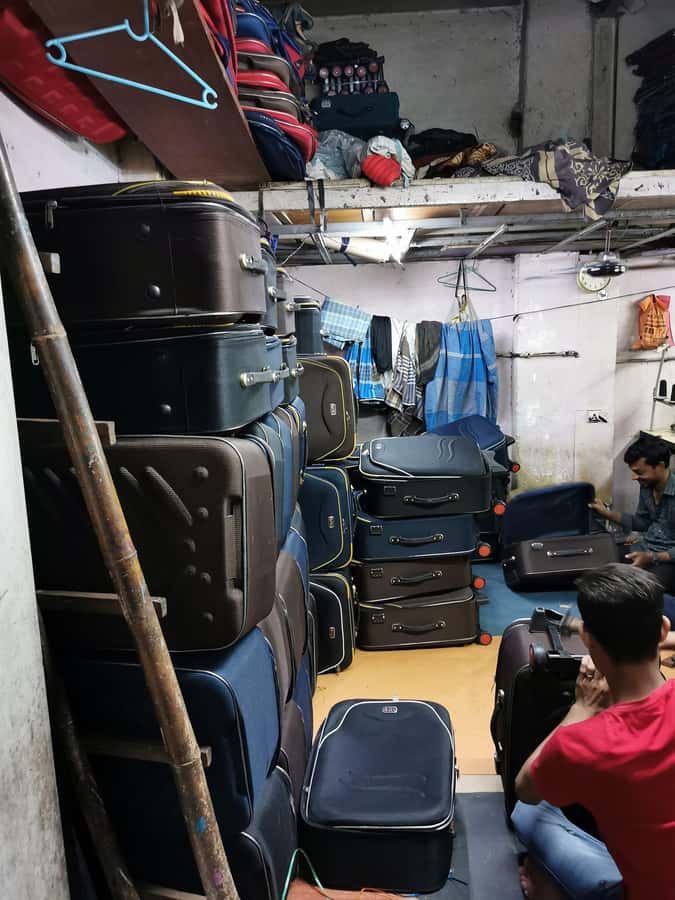
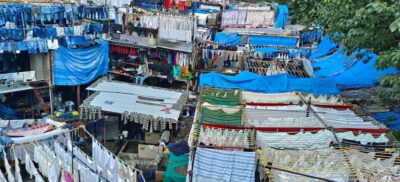
One visitor described the recycling as something people manage in a way that feels like recycling everything. Another mentioned a laundry area stop with detail about how items move from collection to processing to delivery. Even if your exact route differs depending on the guide, the point is consistent: this is a place where materials are turned into products, and that work is the engine of the community.
Why that matters for you: when you understand the industries, you stop seeing Dharavi as only a hardship story. You start seeing it as a real economic ecosystem—complex, imperfect, but functional.
Where the Slumdog Millionaire filming happened inside Dharavi
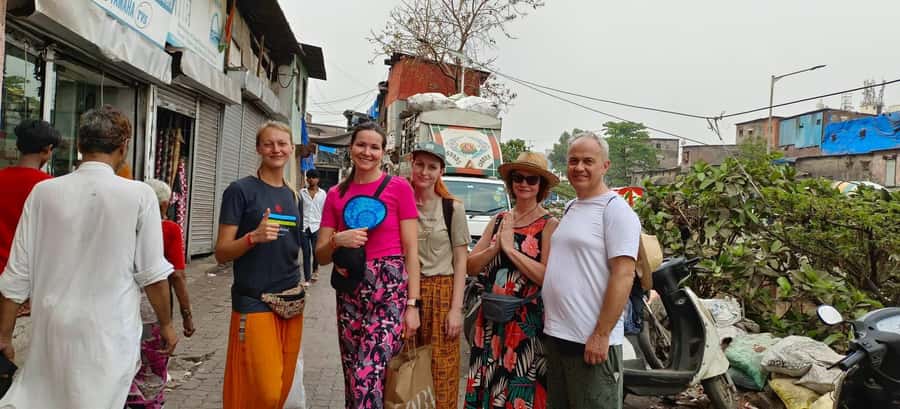
Another highlight is a visit to the area tied to the movie Slumdog Millionaire. This gives you something tangible to connect with the films you might have seen.
It also helps explain why outsiders often arrive with pre-loaded expectations. When you combine a movie reference with a walk through actual life, the gap between fiction and reality becomes easier to understand. Instead of judging from distance, you’re grounded in what is still there.
The tour positions this stop as more than trivia—think of it as a way to translate media images into lived context.
- Dharavi slum tour in Mumbai by Female tour guides of the slum
★ 5.0 · 1,976 reviews - Mumbai: Full-Day Sightseeing Tour of Mumbai
★ 4.9 · 1,822 reviews - Private Mumbai Sightseeing Tour (Traveller’s Choice Award Winner)
★ 5.0 · 1,565 reviews - Group Guided Walking Tour in Fort and Colaba
★ 5.0 · 1,073 reviews - Highlights of Mumbai Sightseeing Tour: TRAVELLERS CHOICE AWARDED
★ 5.0 · 915 reviews - Private Guided Walking Tour in Fort & Colaba
★ 5.0 · 895 reviews
Safety, respect, and privacy: what “safe to visit” means in practice
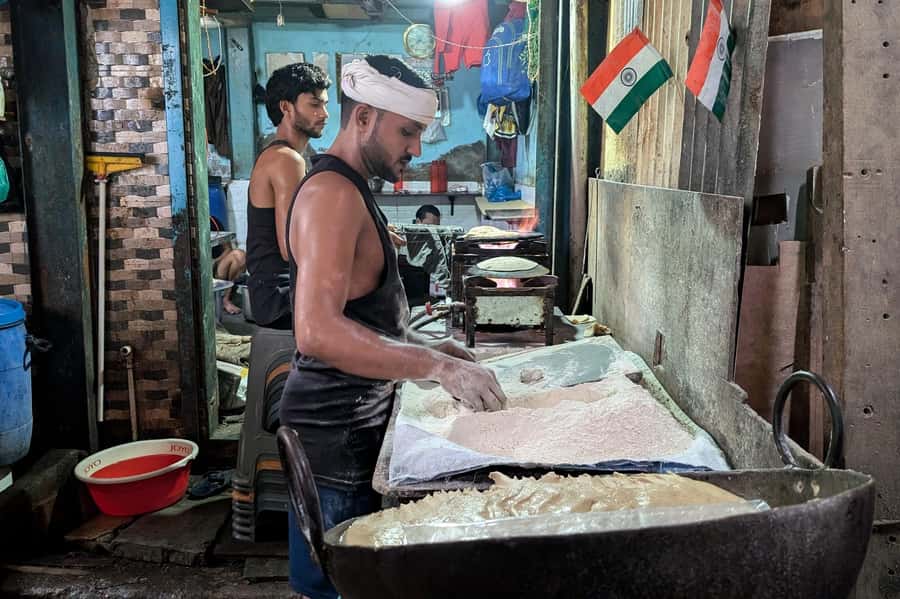
The tour information emphasizes that it is completely safe to visit inside and around Dharavi, and that visits are organized by residents. That local-led approach is the main safety factor: you’re not wandering in alone, and your guide knows how to handle interactions respectfully.
Sensitivity and privacy come up in the guide approach. One experience notes that the guide was careful about protecting people’s privacy while still sharing meaningful perspective. Another described the atmosphere as sober and thoughtful: not sensational, not staged, but honest.
For you, the practical takeaway is simple:
- treat the walk as a learning exchange, not a spectacle,
- keep your questions respectful,
- and follow your guide’s cues about what is and isn’t appropriate to photograph or discuss.
If you come in expecting a movie set, you’ll be disappointed. If you come in ready to be corrected and guided, you’ll likely get more out of it.
The part that needs your attention: shop stops and mixed accuracy
A balanced review has to mention the one real concern that shows up. One visitor said some information felt incorrect—specifically around claims that leather used in certain luxury handbags was produced in Dharavi, with that person believing it actually always comes from Italy.
That same visitor also did not like being left at a leather store at the end. They felt the pricing was high for similar street-level products and worried that workers were not getting a fair share of profits.
What does this mean for you? It doesn’t mean you should automatically avoid the tour. It means you should keep a small filter in your head:
- If something sounds too sweeping, ask a follow-up question.
- If a stop feels like a sales pitch, you can stay polite and disengage.
- If your goal is strictly learning about industry and community life, choose your priorities and do not feel obligated to buy anything.
This is the one area where the experience can vary by day and by guide.
How the $4.99 price stacks up for what you get
At $4.99 per person, this tour is priced like a budget entrance ticket rather than a premium sightseeing product. For that money, you should expect:
- a local slum resident English guide,
- entry tickets to visit inside Dharavi areas,
- and water.
Is it worth it? In this price range, the main value is the resident-led access. Dharavi is not a place you casually enter like a museum. Paying for entry and having a guide who can explain what you’re seeing changes the experience from browsing into understanding.
Also, the overall rating is very high: 4.9 out of 5 across 62 reviews. That doesn’t guarantee your day will match anyone else’s, but it strongly suggests the format usually works.
The main “cost” for you is mental, not financial: you have to accept that this is a real working community with real pressure, and your expectations should match that.
Transportation and movement: walking, plus possible local train time
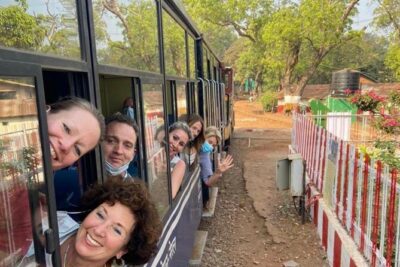
The tour is described as an insider walk through Dharavi, so expect to move around a lot on foot. One review specifically called out a train ride described as jammed with locals, which suggests that your route may sometimes include public transport segments.
This is normal for Mumbai. It also adds to the authenticity because you’re not insulated from the city’s flow. If you dislike crowded transit or you want a strictly controlled walking tour, you may want to mentally prepare for a more “real city” feeling.
Who this tour is best for
This is a good fit if:
- you want an explanation of daily life in Dharavi from people who live there,
- you care more about understanding systems than collecting photos,
- and you want the Slumdog Millionaire filming context placed into real-life geography.
It might not be the best fit if:
- you want a perfectly sanitized, museum-style experience,
- you feel uncomfortable with potential retail stops,
- or you need strict guarantees that every single factual detail will match your research standards.
If you can handle nuance, you will probably enjoy it a lot.
Should you book the Dharavi Slumdog Tour?
Book it if you want a resident-guided, industry-focused view of Dharavi and you like learning with local context. The inclusion of water, entry tickets, and the Slumdog Millionaire filming location makes the experience more than a quick street walk.
Skip it or ask more questions before you go if you have low tolerance for any retail stop feeling, or if you’re worried about misinformation. One visitor flagged concerns about accuracy and about ending at a leather shop, so it’s fair to approach with a curious, not gullible, mindset.
If you’re going to Mumbai anyway, this is one of the tours that tries hardest to replace stereotypes with real conversation.
FAQ
Where is the meeting point for the tour?
The tour meets at Third Wave Coffee, Mahim, opposite Mahim railway junction (West). You can stand outside or sit inside the café, then introduce yourself so the guide can find you.
Is the tour guide English-speaking?
Yes. The guide is listed as a local slum resident English guide.
What’s included with the Dharavi Slum tour?
The tour includes a local slum resident English guide, entry tickets to visit inside Dharavi slum areas, and water.
What will I see during the walk?
You’ll see where people live, work, and play. You should also expect to see industries such as plastic recycling, garment/textile work, leather, and metal industry work, along with a visit to the Slumdog Millionaire filming location in Dharavi.
Is it safe to visit Dharavi on this tour?
The tour information states it is completely safe to visit inside and around Dharavi, and that you will be visiting with locals as part of the experience.
Are pets allowed on the tour?
No, pets are not allowed.
How much does it cost and can I pay later?
The price is $4.99 per person, and the listing offers reserve and pay later, meaning you can book your spot without paying immediately.
More Mumbai, Every Kind of Day
- Dharavi slum tour in Mumbai by Female tour guides of the slum
★ 5.0 · 1,976 reviews - Mumbai: Full-Day Sightseeing Tour of Mumbai
★ 4.9 · 1,822 reviews - Private Mumbai Sightseeing Tour (Traveller’s Choice Award Winner)
★ 5.0 · 1,565 reviews - Elephanta Caves & Island Guided Private Tour
★ 5.0 · 1,327 reviews
Dharavi, Told by Its Residents
- Dharavi slum tour in Mumbai by Female tour guides of the slum
★ 5.0 · 1,976 reviews - Mumbai: Dharavi Slum, DhobiGhat, and Dabbawallas Tour
★ 4.9 · 689 reviews - Dharavi Slum Tour
★ 5.0 · 625 reviews - Dharavi Slum tour in Mumbai by local resident
★ 5.0 · 572 reviews
New on the Mumbai shortlist



Dharavi Community Walks, compared.
 ★ 5.0Dharavi slum tour in Mumbai by Female tour guides of the slumFrom $91,976 reviews
 ★ 4.9Dharavi Slum, DhobiGhat, and Dabbawallas TourFrom $14689 reviews
 ★ 5.0Dharavi Slum TourFrom $20625 reviews
 ★ 5.0Dharavi Slum tour in Mumbai by local residentFrom $4572 reviews
 ★ 4.9Dharavi Slum Slumdog Millionaire Tour with a LocalFrom $10529 reviews
 ★ 5.0Mumbai Slum Tour – Visit Dharavi Slum with Local GuideFrom $5509 reviews
 ★ 5.0Dhobi Ghat Laundry and Dharavi Slum Tour with LocalFrom $4469 reviews
 ★ 5.02-Hour Guided Tour of DharaviFrom $22359 reviews
Browse the lists this tour appears in