
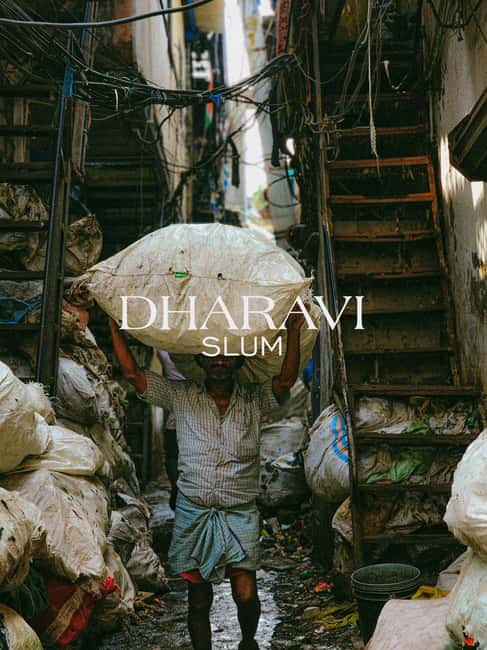
Review · DHARAVI COMMUNITY WALKS
“Mumbai Dharavi Slum Tour”
Dharavi isn’t what you expect. This guided walk turns headlines into street-level reality, with help from your guide so you can talk with local people. I really love the chance to speak with locals and the industrial-to-residential route that shows how work and daily life connect. One possible drawback: the alleys are tight and crowded, so you’ll want comfortable shoes and patience with a slower pace.
You start near Mahim train station (West) at a coffee shop, then cross a railway bridge into Dharavi. Your guide sets context on slums around the world, and then you move through places tied to recycling, manufacturing, schools, and pottery. Dress for the weather, and if you’re a woman, avoid overly short outfits.
In This Review
- Key things that make this tour worth your time
- Starting near Mahim: the Coffee Shop meet-up that keeps things simple
- Crossing the railway bridge and getting the real context first
- Industrial area: recycling and small-scale manufacturing up close
- Residential part and the largest sewer in Mumbai
- Narrow alleys: why the walk is the whole experience
- Speaking with locals the right way: your guide as the bridge
- Leather making and pottery: the craft side that changes your perspective
- Price and value: how $4.39 makes sense here
- Timing, duration, and how to plan your day
- What to wear and how to act: practical tips that matter
- Who should book this Dharavi slum tour
- Should you book it?
- FAQ
- Where does the tour meet?
- How long is the Mumbai Dharavi Slum Tour?
- What language will the guide use?
- What’s included in the price?
- Are meals included?
- What areas will the tour cover?
- Is this tour suitable for women regarding clothing?
Key things that make this tour worth your time
- English-speaking guidance plus English/Hindi support to help you understand what you’re seeing
- Industrial area focus on recycling plastics, wood, cardboard, and small manufacturing of bags and clothing
- Residential walk through narrow lanes, including the largest sewer in Mumbai
- Real daily-life stops like a fresh-produce market, schools, and the leather manufacturing process
- Kumbharwada pottery where you can watch traditional pot-making skills
- Low price for a structured 2 to 3.5 hour route with water and local context
Starting near Mahim: the Coffee Shop meet-up that keeps things simple
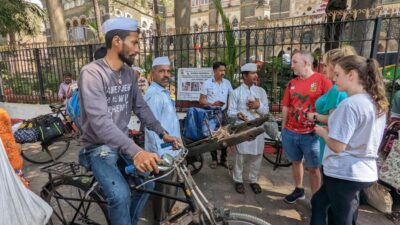
The tour kicks off at a coffee shop near Mahim train station (West). That’s a practical choice: you’re meeting near a transit hub, so it’s easier to get there without complicated back-and-forth. You also end back at the same coffee shop area near the station, which helps if you’re lining up the rest of your day.
I like that the meeting point is a real, public place. It reduces the usual “where do I wait?” stress and makes it easier to check in with your guide before you head into the neighborhood.
Crossing the railway bridge and getting the real context first
Before you’re walking the lanes, you cross a railway bridge that leads into Dharavi. It’s a small moment, but it matters: it gives you a physical transition from the city you know to the Dharavi you’re going to meet.
Then your guide talks about slums around the world and shares details about Dharavi. That framing helps you avoid the trap of only looking for poverty as a headline. Instead, you start seeing systems: work, housing, schools, infrastructure, and how people adapt to crowded conditions.
If you get a guide like Javed, Ruqaiyya, Ravi, or Kavita, pay attention to how they connect facts with daily life. The common theme in how these guides lead is clear English, energy, and stories with respect. Ravi is noted as famous on YouTube, and that kind of communication style can make tough topics easier to hold without turning them into a spectacle.
Other Dharavi walks led by people who live there



Industrial area: recycling and small-scale manufacturing up close
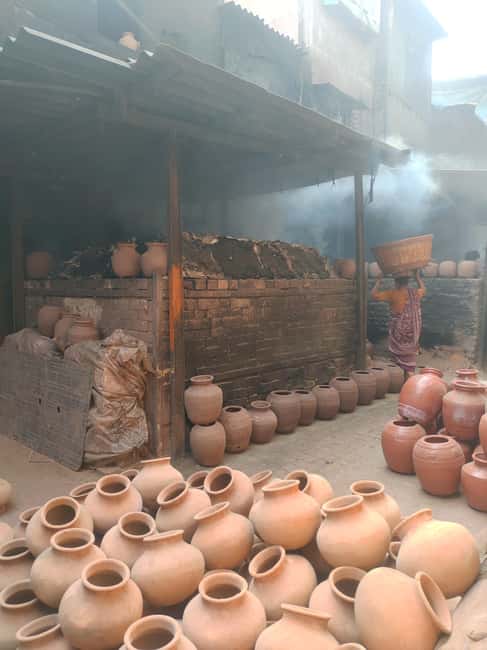
The first big chunk is the industrial area, and it’s one of the most interesting parts of the tour because you’re not just observing rooms—you’re seeing work processes tied to materials people handle every day.
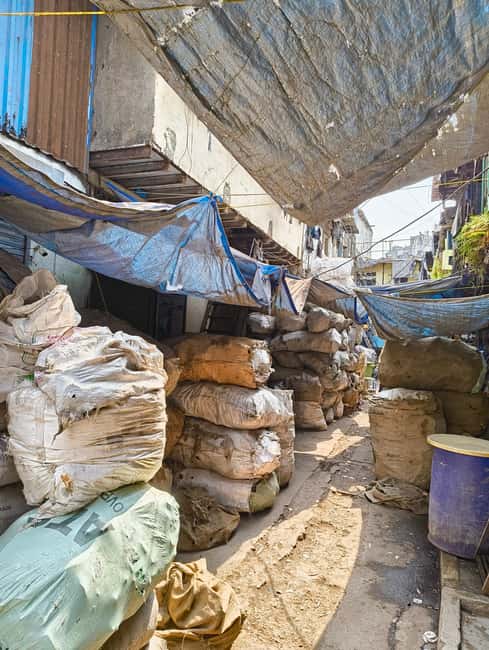
You’ll observe recycling activity involving plastics, wood, cardboard, and other items. The value here isn’t some abstract lesson. It’s that you can physically understand what “recycling” means on the ground: sorting, separating, preparing materials, and turning waste streams into usable inputs.
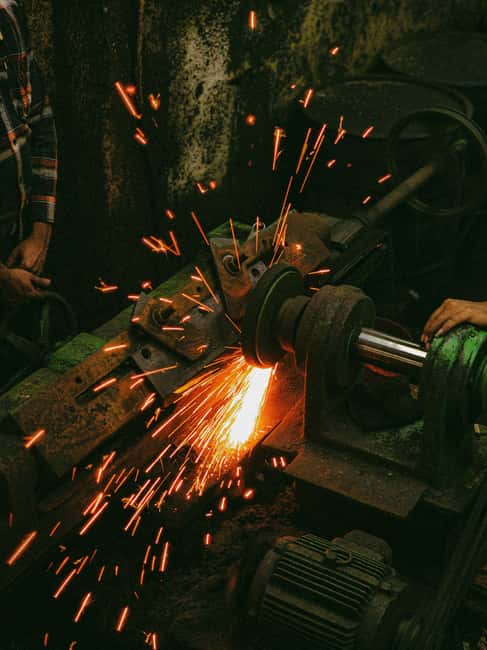
Next, you’ll visit manufacturing sites for clothing, backpacks, and luggage. Even without technical explanations, you’ll likely notice how many steps happen in small spaces. That’s the key takeaway: production here isn’t happening because there’s loads of space—it’s happening because people have built practical ways to work within constraints.
You’ll also learn about migrants in Dharavi and their living conditions. That portion helps you understand why the neighborhood works the way it does. It’s not only about factories and workshops. It’s also about who lives there, how people arrive, and how community and survival overlap.
What to watch for as you walk: look at workflow, not just objects. Where do materials move? Where does finished work go? If you have questions, this is a great moment to ask, because your guide can translate what you’re seeing into language you can carry after the tour.
Residential part and the largest sewer in Mumbai
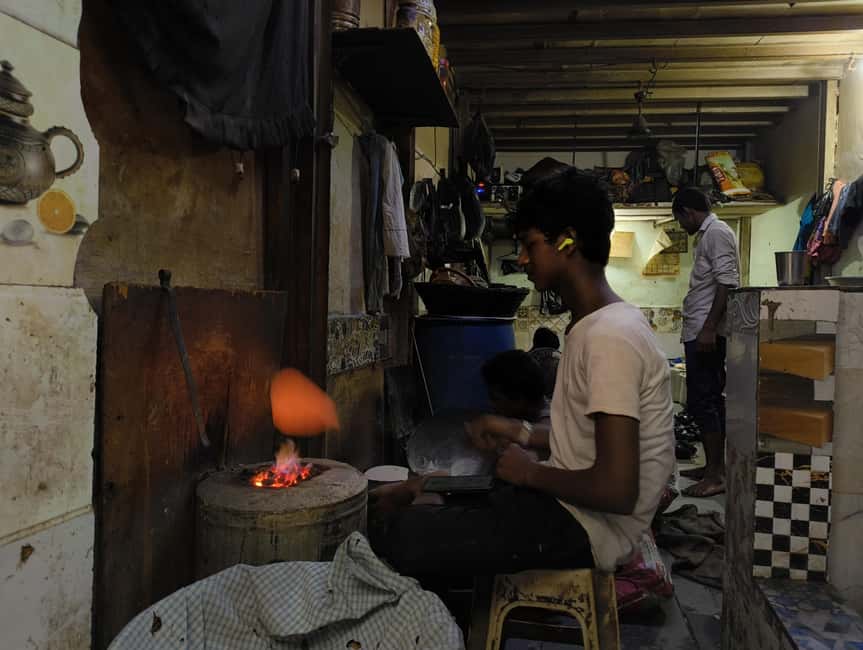
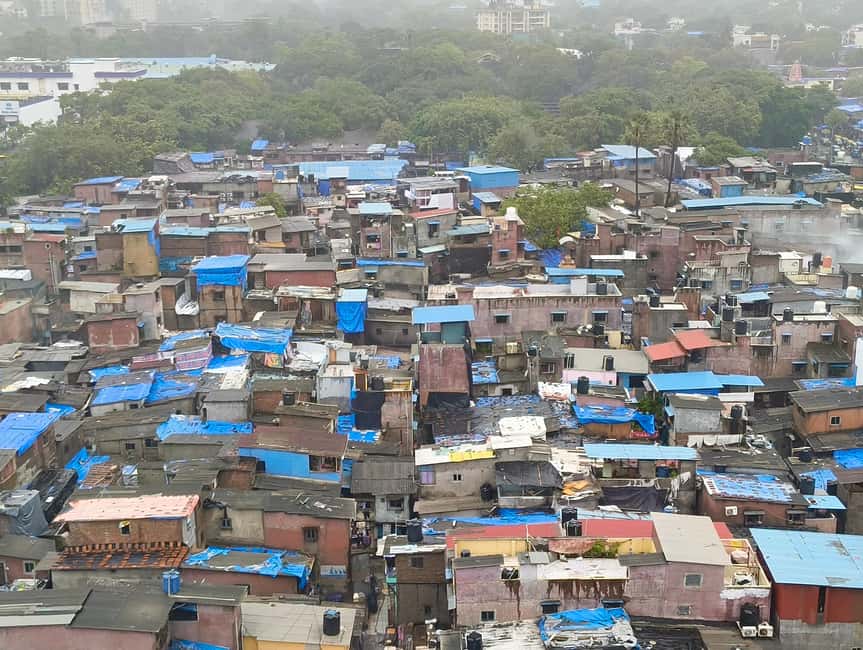
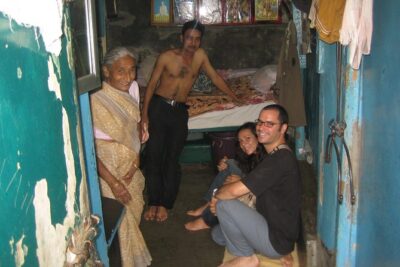
After the industrial area, you cross a street into the residential part. That shift is important. It changes the pace of what you’re seeing—from production and materials to housing, routines, and everyday movement.
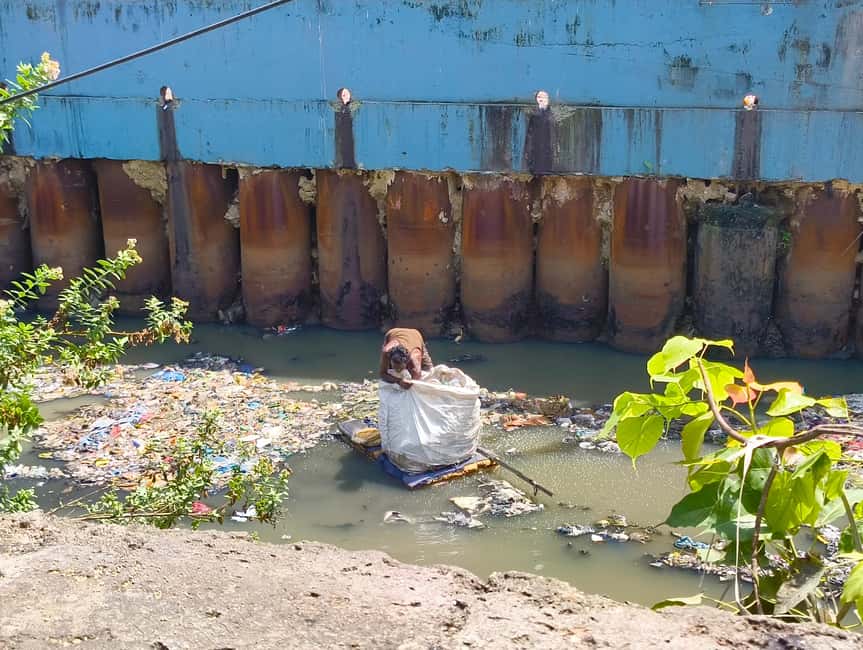
One of the standout stops is the largest sewer in Mumbai. It sounds like a single highlight, but it’s actually a window into infrastructure and how sanitation affects daily life. Seeing something this scale in a dense neighborhood helps you connect the dots between crowded living conditions and public systems that need to function reliably.
In the residential area, you’ll explore a local market with fresh produce. This is a grounding stop. It shifts the tone from “workshops” to “food and buying,” which is how neighborhoods stay human and ordinary even when the setting is hard.
You’ll also visit various schools and learn about educational practices. The point isn’t to rank schools. It’s to see what learning looks like in a place where space and resources may be limited, and where families still prioritize education.
Then you’ll discover the leather manufacturing process. This is another workplace section, but with a different angle than recycling. It’s a reminder that many livelihoods here aren’t one-size-fits-all; they’re specialized trades that keep going through demand and skill.
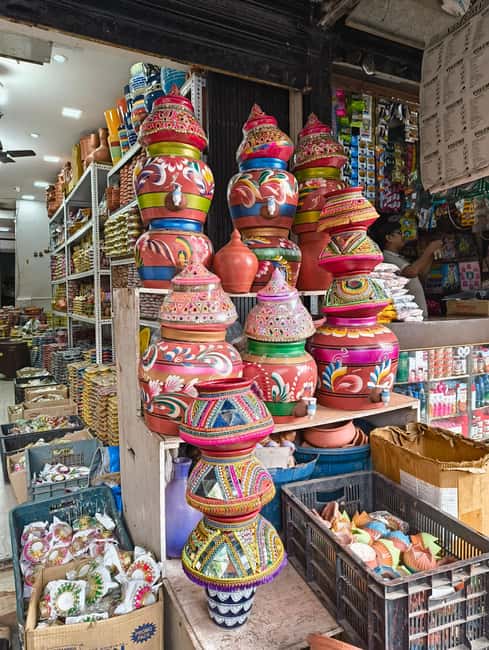
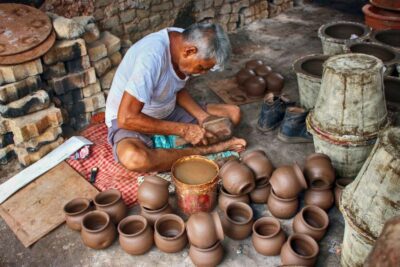
Finally, you’ll tour Kumbharwada, known for pottery. You can see traditional pot-making skills, which adds a creative craft layer to the story. Instead of thinking only in terms of survival industries, you start noticing how tradition and technique also shape what people produce.
Narrow alleys: why the walk is the whole experience
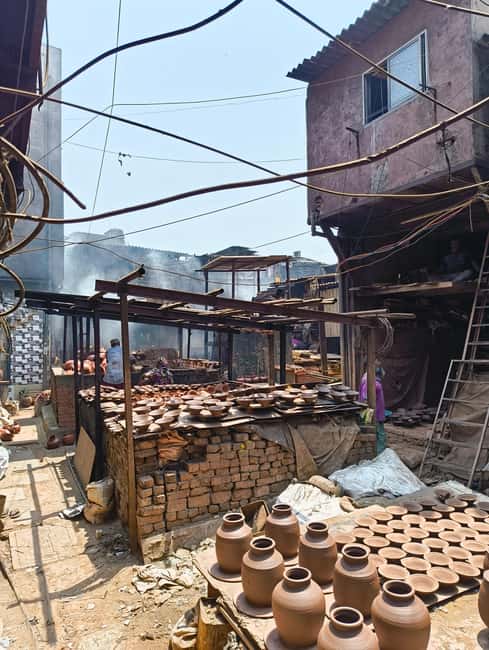
The tour is built around walking through confusing alleys you likely haven’t visited before. That sounds like a logistical detail, but it’s really the point. You don’t get this experience through one view point or a single dramatic stop. You get it because your guide moves you through the streets in a way that makes the neighborhood readable.
In these narrow lanes, it’s easier to pick up how people live side-by-side with work. You might see how a route changes when families pass, where sellers set up, or how daily routines flow around the busy parts of the neighborhood. It also makes conversations more natural, because you’re not treating the area like a museum. You’re passing through it like someone with a purpose.
One practical note: because you’re walking dense areas, go slow on purpose. If you rush, you’ll miss context and you’ll feel stressed. If you keep a steady pace, you’ll get a better sense of layout and daily rhythms.
- Dharavi slum tour in Mumbai by Female tour guides of the slum
★ 5.0 · 1,976 reviews - Mumbai: Full-Day Sightseeing Tour of Mumbai
★ 4.9 · 1,822 reviews - Private Mumbai Sightseeing Tour (Traveller’s Choice Award Winner)
★ 5.0 · 1,565 reviews - Group Guided Walking Tour in Fort and Colaba
★ 5.0 · 1,073 reviews - Highlights of Mumbai Sightseeing Tour: TRAVELLERS CHOICE AWARDED
★ 5.0 · 915 reviews - Private Guided Walking Tour in Fort & Colaba
★ 5.0 · 895 reviews
Speaking with locals the right way: your guide as the bridge
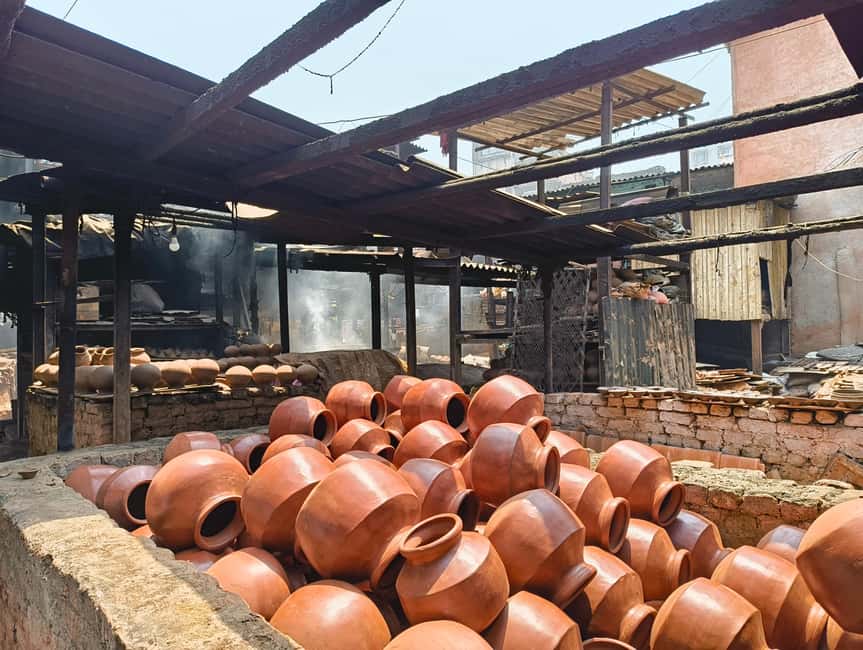
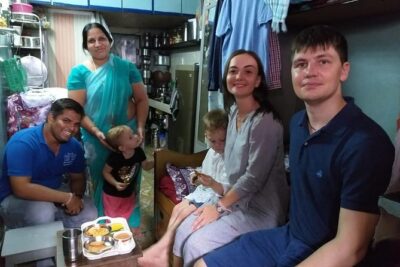
A huge part of the tour is the chance to speak with locals with your guide’s help. That changes the experience from watching to understanding.
This is also where a good guide can set the tone. Guides like Ruqaiyya and Kavita are praised for being friendly and for communicating in clear English. Ravi is described as bringing respect and humor, which can help keep the conversation humane even when the subject is difficult.
Here’s how to make the most of this part without turning it into awkward small talk:
- Ask about what you’re seeing right now, not just big general questions
- Listen for how your guide answers, then follow up with simpler questions
- Be ready for the conversation to move from work to family life to schooling
You’ll likely learn more from a few thoughtful questions than from trying to memorize every detail on the walk.
Leather making and pottery: the craft side that changes your perspective
If you only expect poverty-themed visuals, the inclusion of leather manufacturing and pottery will surprise you in the best way. These stops show specialized skill and ongoing tradition.
The leather manufacturing process is one of the tour’s clearer industrial highlights. It gives you a chance to understand that this neighborhood isn’t only consuming or recycling—it’s also producing finished goods. Then Kumbharwada pottery adds another dimension: hands-on craft that depends on technique, repetition, and cultural know-how.
Together, these moments can help you shift your mental picture. Instead of thinking Dharavi is just one thing, you start seeing a system that includes skilled labor and craft work alongside the challenges of density.
Price and value: how $4.39 makes sense here
At around $4.39 per person, this tour is priced like a budget walk, but it doesn’t feel like a bare-bones experience. You get:
- An English-speaking guide (English/Hindi support is available)
- Packaged bottled water
- A structured route covering industrial work, residential life, schools, market time, and craft stops
- A total walking window of about 2 to 3.5 hours
That combo is why the value feels unusually strong. You’re not paying for a long bus ride or extra attractions. You’re paying for guided navigation through a place most visitors would struggle to explore on their own, plus context that makes the walk meaningful.
One consideration: because the price is low, you should still treat it like a real tour. That means coming on time, wearing the right shoes, and staying engaged with the guide’s explanations.
Timing, duration, and how to plan your day
The tour runs for 2 to 3.5 hours. That’s long enough to get a real sense of the neighborhood’s mix of work and housing, but short enough that you can pair it with other Mumbai plans without losing half your day.
Since start times can vary based on availability, it helps to schedule this earlier rather than later. You’ll have the energy to walk tight alleys, and you’ll also be fresher for conversations and explanations.
Plan to keep your expectations steady, too. This is not a “fast photo sprint” experience. It’s a guided walk, and the best parts come from slow attention.
What to wear and how to act: practical tips that matter
You’re walking in weather and through crowded lanes, so dress for conditions. The guidance also includes a clear note: ladies should not wear overly short outfits.
Beyond clothing, here’s the practical stuff that will make your time smoother:
- Wear comfortable, closed-toe shoes with grip
- Bring a light layer if the weather turns
- Keep your phone/camera use respectful and brief while your guide is talking
And remember: the tour is set up for conversations with help from your guide. Your calm, polite behavior helps keep the whole experience respectful for everyone involved.
Who should book this Dharavi slum tour
This is a good fit if you:
- Want a guided, structured way to understand Dharavi beyond stereotypes
- Prefer walking and direct observation over sitting in one place
- Like asking questions and learning through conversation
- Are curious about how work industries connect to homes, schools, and daily routines
It’s also a solid choice for first-time visitors to Mumbai who want one deeply local experience that doesn’t require specialized travel skills.
If you’re someone who needs wide open spaces and minimal crowding, this may feel intense because of the narrow alleys and dense streets.
Should you book it?
I think this tour is worth booking if you want a real neighborhood walk with context and the chance to talk through what you’re seeing. The low price helps, but what makes it stand out is the structure: industrial work first, then residential life, then learning stops that include markets, schools, leather manufacturing, and Kumbharwada pottery.
Just go prepared to walk, dress appropriately, and keep a respectful mindset. If you do that, you’ll come away with a clearer, more human picture of Dharavi’s daily rhythm—one you can actually explain to friends back home.
FAQ
Where does the tour meet?
The tour meets at a coffee shop near Mahim train station (West).
How long is the Mumbai Dharavi Slum Tour?
It lasts 2 to 3.5 hours.
What language will the guide use?
The tour includes an English-speaking guide, and English and Hindi support are listed.
What’s included in the price?
It includes an English-speaking guide and packaged bottled water.
Are meals included?
No, meals are not included.
What areas will the tour cover?
You’ll walk through the industrial area and then the residential area, with stops that include recycling activities, manufacturing sites, a market, schools, the leather manufacturing process, Kumbharwada pottery, and narrow alleys.
Is this tour suitable for women regarding clothing?
You’re advised that ladies should not wear overly short outfits, and you should wear clothing appropriate for the weather.
More Mumbai, Every Kind of Day
- Dharavi slum tour in Mumbai by Female tour guides of the slum
★ 5.0 · 1,976 reviews - Mumbai: Full-Day Sightseeing Tour of Mumbai
★ 4.9 · 1,822 reviews - Private Mumbai Sightseeing Tour (Traveller’s Choice Award Winner)
★ 5.0 · 1,565 reviews - Elephanta Caves & Island Guided Private Tour
★ 5.0 · 1,327 reviews
Dharavi, Told by Its Residents
- Dharavi slum tour in Mumbai by Female tour guides of the slum
★ 5.0 · 1,976 reviews - Mumbai: Dharavi Slum, DhobiGhat, and Dabbawallas Tour
★ 4.9 · 689 reviews - Dharavi Slum Tour
★ 5.0 · 625 reviews - Dharavi Slum tour in Mumbai by local resident
★ 5.0 · 572 reviews
New on the Mumbai shortlist



Dharavi Community Walks, compared.
 ★ 5.0Dharavi slum tour in Mumbai by Female tour guides of the slumFrom $91,976 reviews
 ★ 4.9Dharavi Slum, DhobiGhat, and Dabbawallas TourFrom $14689 reviews
 ★ 5.0Dharavi Slum TourFrom $20625 reviews
 ★ 5.0Dharavi Slum tour in Mumbai by local residentFrom $4572 reviews
 ★ 4.9Dharavi Slum Slumdog Millionaire Tour with a LocalFrom $10529 reviews
 ★ 5.0Mumbai Slum Tour – Visit Dharavi Slum with Local GuideFrom $5509 reviews
 ★ 5.0Dhobi Ghat Laundry and Dharavi Slum Tour with LocalFrom $4469 reviews
 ★ 5.02-Hour Guided Tour of DharaviFrom $22359 reviews
Browse the lists this tour appears in