
Review · DHARAVI COMMUNITY WALKS
Mumbai Dharavi Slum Tour With Local English Guide
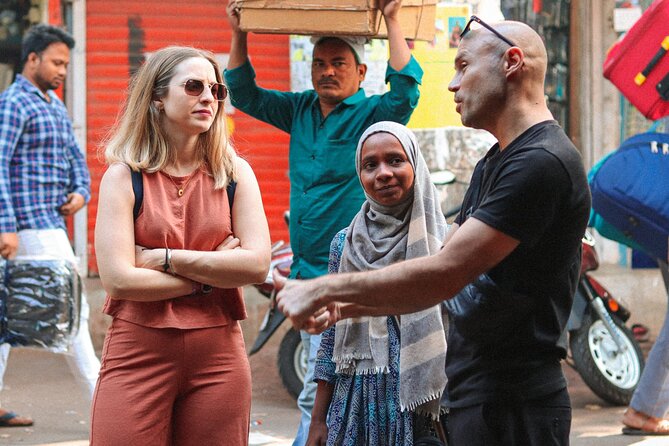
Two hours in Dharavi changes how you see Mumbai. This is a guided Dharavi slum tour built around real conversations, real workplaces, and an on-foot route through the lanes people actually use every day. I like that the experience is steered by local guides such as Ansh, Sharon, and Ruba, who explain what you’re seeing in plain English and connect it to day-to-day life.
I also like the focus on work: the tour routes you toward the small-scale industries that keep Dharavi running, from pottery and leather to recycling and family businesses. Guides like Jawwad (Jay) and Ruqaiyya are praised for keeping things respectful and for answering questions patiently, even when visitors ask a lot. The main drawback: it’s a walking tour in a dense, active area, and it can be noisy, so you’ll want comfortable clothes and a mindset ready to listen.
In This Review
- Key Things I’d Pay Attention To
- Why This Dharavi Tour Feels Different Than a Drive-By
- Getting There: Mahim and the Two Start Options
- The Two-Hour Route: What You’ll Actually Do
- Inside Dharavi’s Work: Pottery, Leather, Bakeries, Recycling
- Pottery and spinning wheels
- Leather artisans crafting real goods
- Tiny bakeries and everyday production
- Recycling units and the logic of reuse
- Family businesses and pride in doing honest work
- How the Best Guides Handle Respect, Noise, and Questions
- Value for $7: Where the Money (and Time) Go
- Who This Tour Fits Best (And Who Might Prefer Another Option)
- Should You Book This Dharavi Tour?
- FAQ
- How long is the Dharavi slum tour?
- Is the tour walking or does it include transportation?
- Do I need to pay for food during the tour?
- Are there different meeting points?
- Is the guide available in English?
- Are large bags or luggage allowed?
- Is hotel pickup included?
- Can I cancel and get a full refund?
- Is there a reserve now & pay later option?
- Is a private group available?
Key Things I’d Pay Attention To
- Local English guide with stories that tie daily life to the local economy
- Hands-on workshop stops like pottery with spinning wheels and leather-making craft
- An on-foot route that helps you understand what life looks like in real time
- Respect and privacy focus that guides you through sensitive moments thoughtfully
- Small-group feel can happen (one tour ended up just two people with Ansh)
- Good value at $7 for 2 hours in a part of Mumbai most visitors only see from a distance
Why This Dharavi Tour Feels Different Than a Drive-By
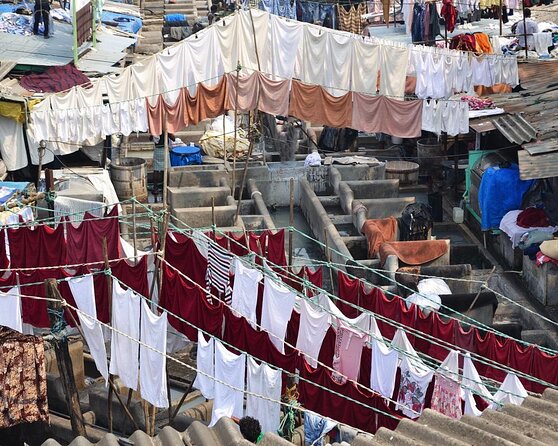
Dharavi isn’t a single thing. It’s an area made of families, trades, and small businesses that feed into Mumbai’s wider economy. On this 2-hour Dharavi walking tour, you’re not just staring at walls. You’re seeing the everyday systems people rely on, and you’re hearing how those systems work through a guide who can put names and context to what you notice.
That’s the big reason this tour is worth considering. A good guide turns random scenes into explanations you can actually use: what’s made, who works where, how skills move from person to person, and why certain industries cluster in the same places. You’ll also get a sense of the place as a living neighborhood, not a photo subject.
One more thing I appreciate: the guides are repeatedly praised for warmth and sensitivity. Sharon, for example, is described as especially careful about respect and privacy while still sharing history and economics. Ruqaiyya is praised for being professional and for explaining daily life with patience. That mix matters, because this is exactly the kind of area where tone can make or break the experience.
Getting There: Mahim and the Two Start Options
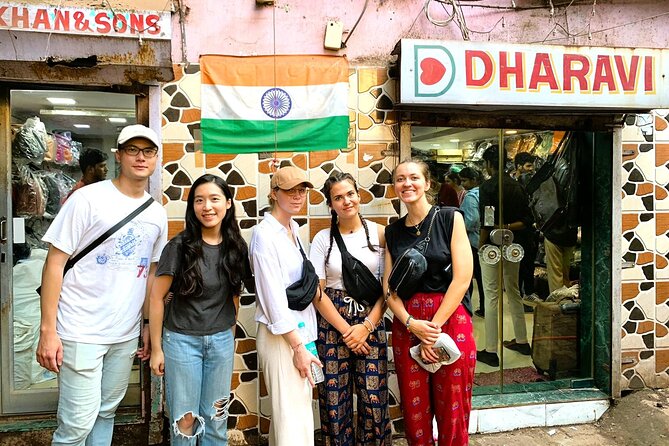
This tour is set up around a simple meet-and-go plan. You’ll start near Mahim Station, and your exact meeting location may vary. Two specific starting points listed are Third Wave Coffee and Ram Mahal, and you’ll also have matching drop-off options at Ram Mahal and Third Wave Coffee.
Why this matters: it helps you avoid stress. You can build the tour into a day in South/Central Mumbai without needing a complicated pickup. Also, because you’re meeting in familiar places, you’re less likely to waste time trying to find the first point in a tight neighborhood.
Before you go, pack light. The tour rules say no luggage or large bags, and you’re doing an on-foot walk. Bring comfortable clothes, and dress for Mumbai’s everyday pace. You may walk through crowded lanes where you’ll want freedom of movement more than extra storage.
Other Dharavi walks led by people who live there



The Two-Hour Route: What You’ll Actually Do
The itinerary is straightforward: meet at the start point, then spend the rest of your time on foot with a local English guide in Dharavi. The experience is listed as a visit plus guided walking, lasting about 2 hours.
Here’s what that typically looks like in practice, based on the industries and workshop types repeatedly mentioned:
- You’ll move through key areas on foot, with a guide pointing out what’s happening and why it’s set up that way.
- You’ll reach interactive workshop areas, where artisans explain their work and answer questions.
- The tour also includes an opportunity to see the area’s layout from higher ground. One reviewer specifically called out a rooftop view over dense rooftops with Mumbai’s skyline in the background, which can be a strong “okay, I get the big picture” moment.
A practical note: you might not see every single industry in every run, because routes can shift and workshops can vary. But the industries highlighted across guides give you a reliable idea of what to expect: pottery, leather work, small bakeries, recycling operations, and family-run businesses.
Also, don’t treat this like a checklist. The best tours leave room for real questions. Multiple guides mentioned in the reviews are praised for handling questions patiently and for explaining the human side of the neighborhood, not only the jobs.
Inside Dharavi’s Work: Pottery, Leather, Bakeries, Recycling
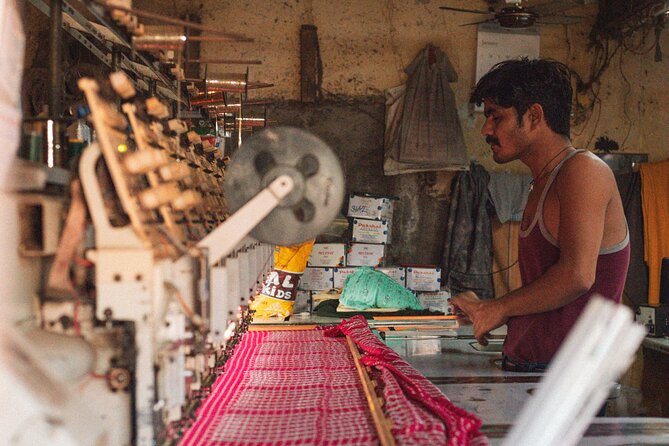
The standout feature here is the workshop element. Instead of only watching from the sidewalk, you’re steered toward small-scale industries where you can see how products are made and how skills are applied.
Pottery and spinning wheels
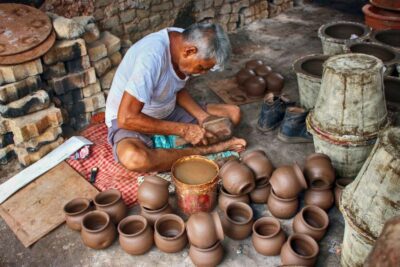
One reviewer highlights pottery workshops with spinning wheels. Even if you’ve seen pottery before, watching the process in a working neighborhood helps you understand the difference between craft as a hobby and craft as a livelihood.
- Dharavi slum tour in Mumbai by Female tour guides of the slum
★ 5.0 · 1,976 reviews - Mumbai: Full-Day Sightseeing Tour of Mumbai
★ 4.9 · 1,822 reviews - Private Mumbai Sightseeing Tour (Traveller’s Choice Award Winner)
★ 5.0 · 1,565 reviews - Group Guided Walking Tour in Fort and Colaba
★ 5.0 · 1,073 reviews - Highlights of Mumbai Sightseeing Tour: TRAVELLERS CHOICE AWARDED
★ 5.0 · 915 reviews - Private Guided Walking Tour in Fort & Colaba
★ 5.0 · 895 reviews
Leather artisans crafting real goods
Leather work is another frequently mentioned stop. People describe seeing leather artisans crafting world-class goods, with genuine pride. For you, this is where a guide can add value fast: you’ll learn what materials and steps matter, and you’ll hear how the industry survives and adapts.
Tiny bakeries and everyday production
A couple of accounts mention tiny bakeries—the kind of small food production that keeps daily life moving. This part is useful because it rounds out the picture. Dharavi isn’t only industrial output; it’s also daily needs made close to home.
Recycling units and the logic of reuse
Recycling is repeatedly called out, including recycling units. If you care about sustainability or systems thinking, this is one of the most interesting parts because it shows how value gets created from materials others discard. A good guide helps you connect what you see to how waste becomes input.
Family businesses and pride in doing honest work
Across multiple reviews, the tone is consistent: the work is described with pride and hustle, and guides are praised for emphasizing the people behind the output. That’s a key difference from “poverty tourism.” You’re not only asked to feel. You’re shown how the economy runs and how families make it work.
How the Best Guides Handle Respect, Noise, and Questions
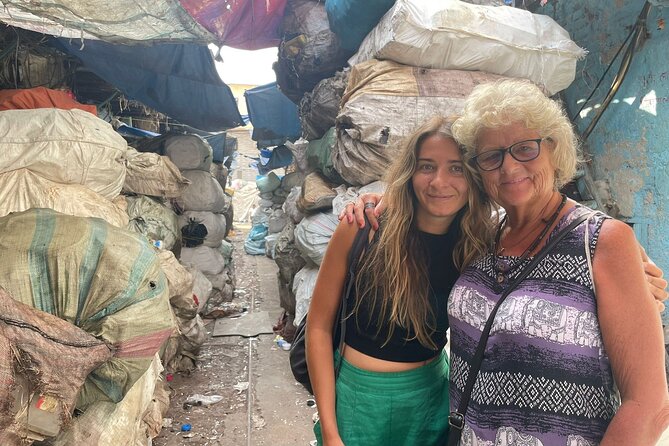
Dharavi tours can go wrong in two ways: they either feel extractive, or they turn into a “look at this” performance. This tour is designed around local interaction, and the guide quality is a big reason it gets strong ratings.
Look for guides who keep the tone human. Several reviews specifically credit guides with being sensitive to the community and careful about respect and privacy. Guides such as Sharon and Ruba are praised for handling explanations with care, prioritizing comfort, and keeping the conversation grounded.
Another reality check: this neighborhood is active and can be noisy, and one reviewer noted that it could be hard to hear explanations at times. That doesn’t mean it’s a bad tour. It means you should set expectations. Go in ready to listen through the sound, not demand perfect silence.
Finally, the question-handling is a clear strength. Guides like Jawwad (Jay) and Chirag are described as knowledgeable and communicative, answering questions in detail. If you like learning fast and asking follow-ups, you’ll probably enjoy this format.
Value for $7: Where the Money (and Time) Go
At $7 per person for a 2-hour guided walking tour, the pricing is hard to ignore. The best way to judge value isn’t only the sticker price. It’s what you actually get for that time: a local English guide, walking time in the neighborhoods that matter, and interactive workshop access rather than a quick drive-by glance.
This is also a format where time is part of the product. Two hours is long enough to see multiple trades and learn something real, but short enough that you can fit it into a packed Mumbai itinerary without feeling like you lost your whole day.
If you’re budgeting, this is one of the more accessible ways to experience Dharavi with structure and context. If you’re not budgeting, it still makes sense because the guide can sharpen what you see immediately—turning confusion into understanding while you’re still standing in the lane.
Who This Tour Fits Best (And Who Might Prefer Another Option)
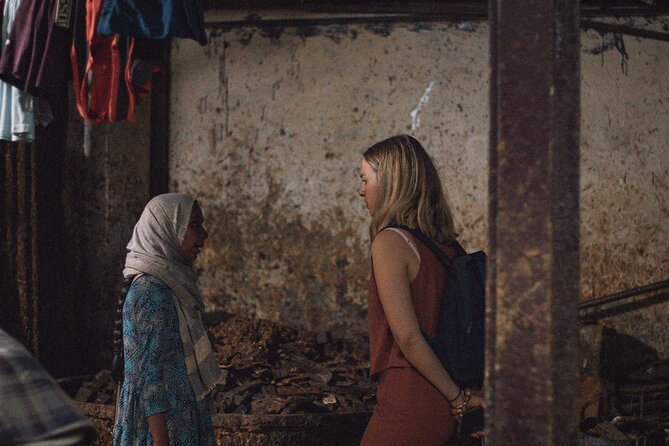
I think this tour fits best if you:
- want a guided introduction to Dharavi rather than a self-guided walk
- enjoy learning about work—craft, production, recycling, and how small industries survive
- feel comfortable in a busy, dense place and can handle noise as part of the experience
- care about respectful interaction and not treating people like scenery
It’s also a good fit for couples or friends. One review even describes a group that ended up as just two people with Ansh, which is a nice reminder that your group size can sometimes be smaller than you’d expect.
If you hate walking, need lots of downtime, or want a quiet museum-style experience, you might find this less comfortable. This is a neighborhood visit that uses your feet. Bring that mindset and it will feel rewarding.
Should You Book This Dharavi Tour?

Yes, if you want a structured, respectful way to understand Dharavi beyond headlines. I’d book it if you’re excited by real workplaces, practical explanations, and the chance to ask questions of guides like Sharon, Ruba, Jawwad (Jay), or Ruqaiyya—people praised for patience, clarity, and sensitivity to the community.
Skip it only if you’re looking for something passive or purely visual. This tour rewards curiosity. It’s not about collecting photos. It’s about understanding how Mumbai’s economy works at human scale.
Go with comfortable clothes, bring nothing bulky, and plan to stay present. If you do, you’ll leave with a different mental map of Mumbai—and a better sense of what “local work” means when it’s tied directly to daily life.
FAQ
How long is the Dharavi slum tour?
The tour duration is 2 hours.
Is the tour walking or does it include transportation?
It’s a walking exploration on foot through key areas.
Do I need to pay for food during the tour?
Food and beverages are not included, so you’ll need to purchase any snacks or drinks yourself.
Are there different meeting points?
Yes. The tour lists meeting options such as Mahim Station and two specific starting locations: Third Wave Coffee and Ram Mahal. Drop-off locations are also listed as Ram Mahal and Third Wave Coffee.
Is the guide available in English?
Yes, the tour includes a live English-speaking guide.
Are large bags or luggage allowed?
No. Luggage or large bags are not allowed.
Is hotel pickup included?
No, hotel pickup and drop-off are not included.
Can I cancel and get a full refund?
Yes. Free cancellation is available up to 24 hours in advance for a full refund.
Is there a reserve now & pay later option?
Yes. You can reserve now and pay later, keeping plans flexible.
Is a private group available?
Yes, private group availability is listed.
More Mumbai, Every Kind of Day
- Dharavi slum tour in Mumbai by Female tour guides of the slum
★ 5.0 · 1,976 reviews - Mumbai: Full-Day Sightseeing Tour of Mumbai
★ 4.9 · 1,822 reviews - Private Mumbai Sightseeing Tour (Traveller’s Choice Award Winner)
★ 5.0 · 1,565 reviews - Elephanta Caves & Island Guided Private Tour
★ 5.0 · 1,327 reviews
Dharavi, Told by Its Residents
- Dharavi slum tour in Mumbai by Female tour guides of the slum
★ 5.0 · 1,976 reviews - Mumbai: Dharavi Slum, DhobiGhat, and Dabbawallas Tour
★ 4.9 · 689 reviews - Dharavi Slum Tour
★ 5.0 · 625 reviews - Dharavi Slum tour in Mumbai by local resident
★ 5.0 · 572 reviews
New on the Mumbai shortlist



Dharavi Community Walks, compared.
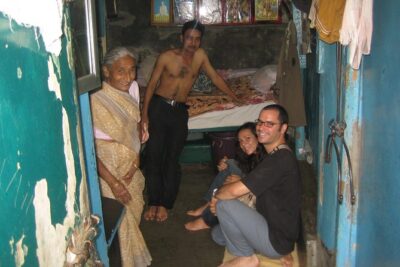 ★ 5.0Dharavi slum tour in Mumbai by Female tour guides of the slumFrom $91,976 reviews
 ★ 4.9Dharavi Slum, DhobiGhat, and Dabbawallas TourFrom $14689 reviews
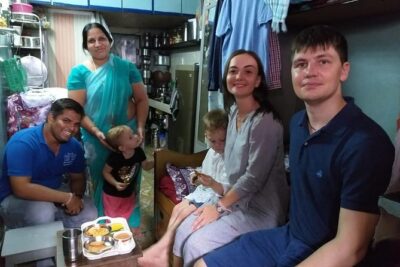 ★ 5.0Dharavi Slum TourFrom $20625 reviews
 ★ 5.0Dharavi Slum tour in Mumbai by local residentFrom $4572 reviews
 ★ 4.9Dharavi Slum Slumdog Millionaire Tour with a LocalFrom $10529 reviews
 ★ 5.0Mumbai Slum Tour – Visit Dharavi Slum with Local GuideFrom $5509 reviews
 ★ 5.0Dhobi Ghat Laundry and Dharavi Slum Tour with LocalFrom $4469 reviews
 ★ 5.02-Hour Guided Tour of DharaviFrom $22359 reviews
Browse the lists this tour appears in