
Review · DHARAVI COMMUNITY WALKS
Mumbai Dharavi Slum Community Tour
One sentence, less than 10 words, hooks you in: You’ll never look at Mumbai the same way. This 2 to 2.5 hour Dharavi community tour is a grounded look at how people live and work in the middle of the city, with an English-speaking guide leading the route through lanes, workshops, homes, and schools. I love that you’re not stuck at a viewpoint; you walk through the real flow of daily life, and it’s led by local guide Ruqaiyya, who’s known for explaining things with kindness and patience. I also like that the tour pays real attention to crossing roads safely and keeping the group comfortable as you move.
Here’s the second thing I like: the tour connects what you see (recycling and small manufacturing) to how families cope with limited space in the residential areas. The one possible drawback: it’s only a short tour window, so it’s an excellent snapshot rather than a complete survey of Dharavi’s whole complexity.
In This Review
- Key highlights to watch for
- Meeting at Third Wave Coffee, Then Getting Your Bearings Fast
- The Heart of Dharavi on Foot: Markets, Workshops, and Everyday Life
- Recycling and Small Manufacturing: The Industries You See Up Close
- Residential Streets: Rooftops, Apartments, and How Families Fit Life Into Space
- Pottery Workshops and Craft Culture: Skill That Makes Objects Meaningful
- Schools and Conversations: What Education Looks Like Inside the Community
- Price for About $9: What Makes This Such Strong Value
- Timing, Walking Comfort, and How to Prepare
- Who Should Book This Tour (and Who Might Reconsider)
- Should You Book the Mumbai Dharavi Slum Community Tour?
- FAQ
- How long is the Dharavi slum community tour?
- What language is the live guide available in?
- Where does the tour start and end?
- Is there an option for pickup and drop-off?
- How many hours of walking should I expect?
- What will we see during the tour?
- Is it a small group tour?
- Are entrance fees included?
- Is private group available?
- Can I get a refund if my plans change?
- Can I reserve without paying right away?
Key highlights to watch for
- Guides who answer questions with patience: Ruqaiyya’s calm, encouraging style comes through clearly.
- Safety while walking: the route includes help with road crossings and group care.
- Work you can actually see: from recycling plastics and metals to small garment and leather manufacturing.
- Homes and space in real use: rooftop houses alongside private apartment buildings.
- Hands-on culture stops: markets, pottery workshops, and a school visit with interaction.
- Value that adds up fast: small-group tour time plus entrance fees included for a low per-person price.
Meeting at Third Wave Coffee, Then Getting Your Bearings Fast
Most departures start at Third Wave Coffee, and the drop-off is back at Third Wave Coffee as well. If you choose the pickup/drop-off option, you’ll ride in a car and get complimentary water bottles, which is handy in a city where the air can feel thick and the streets can be busy.
The key thing here is the pacing. Even though you’re walking, the tour is short enough that you can keep your energy for the most interesting parts: the trades, the homes, and the school stop. For me, that matters because a long day can turn a meaningful tour into just exercise.
One practical tip: wear shoes you trust. You’ll be on foot through narrow pathways, and you’ll want your footing to feel solid the whole time.
The Heart of Dharavi on Foot: Markets, Workshops, and Everyday Life
The core experience is a guided walk through Dharavi’s streets and lanes, where daily life unfolds right in front of you. You’ll see how people move through markets, small workshops, and working areas where creativity is not a hobby—it’s part of survival and income.
You’ll also get context along the way. The guide isn’t just showing you sights; they’re explaining what you’re looking at—how work gets done, how different industries link up, and why certain places matter to community life. That contextual layer is what makes the walk feel like understanding, not tourism.
The markets and workshops segment is where the tour starts to challenge the usual stereotypes people arrive with. It’s not about shock value. It’s about looking closely at how ordinary needs—food, clothing, household items—get produced and sold right there.
Other Dharavi walks led by people who live there



Recycling and Small Manufacturing: The Industries You See Up Close
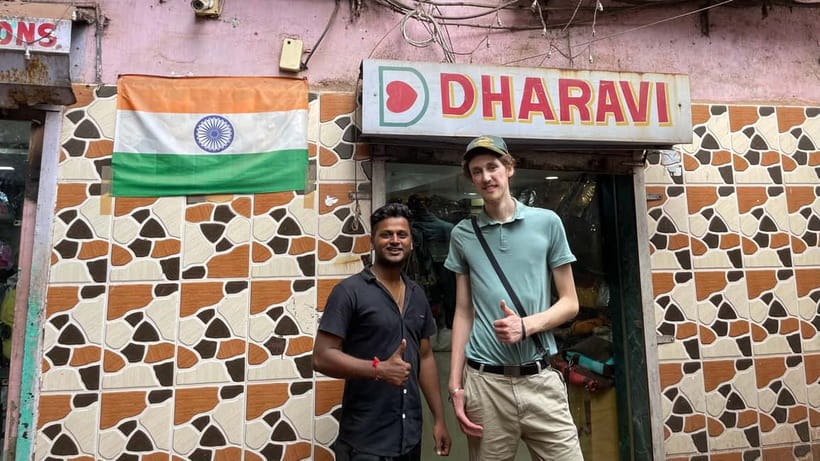
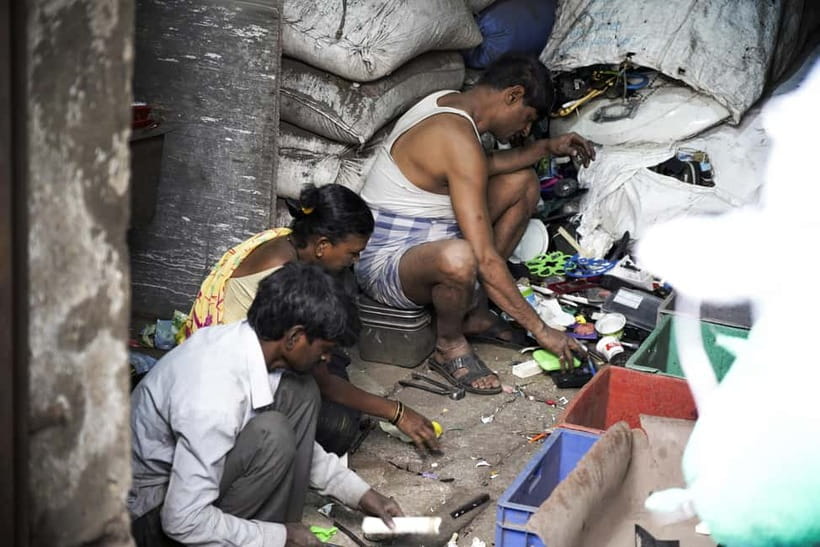
One of the most memorable parts is watching the economy of Dharavi at work. You’ll pass through areas connected to recycling—plastic, aluminum, and cardboard processing show up as real, active industries instead of abstract concepts. It’s the kind of work where attention to detail matters and where small margins add up.
You’ll also see small-scale garment and leather manufacturing units. This is where you can connect the dots between raw materials and finished goods. For you, that means the tour becomes more than a cultural experience; it becomes a practical lesson in production and entrepreneurship at street level.
Here’s why I think this part is so valuable: it flips the script. Instead of thinking of Dharavi as only a place of need, you’re forced to notice the systems people build—systems for recycling, repurposing, making, and selling. That observation stays with you long after the tour ends.
Residential Streets: Rooftops, Apartments, and How Families Fit Life Into Space
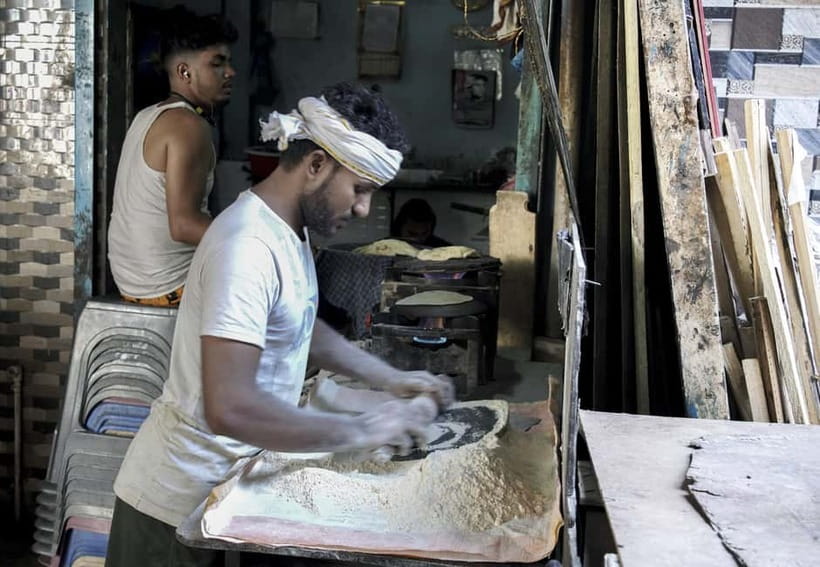
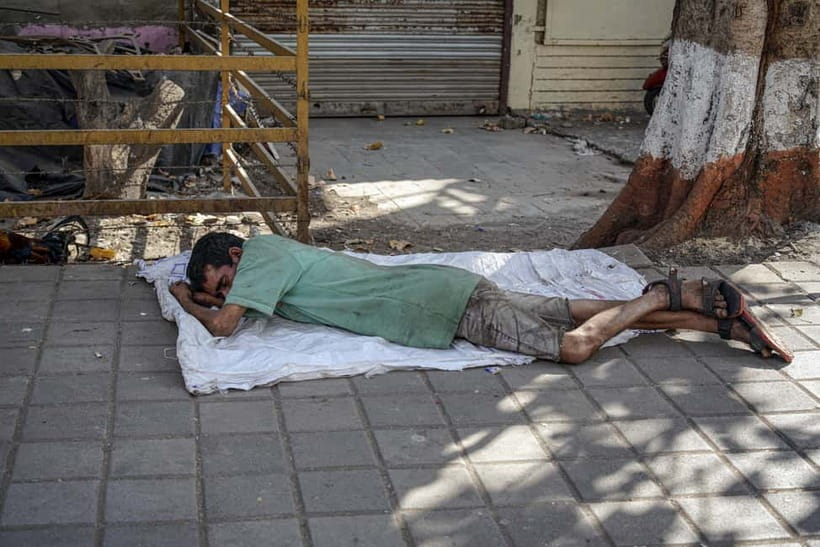
After the work areas, the tour moves into residential parts of Dharavi, where you’ll see a mix of small rooftop houses and private apartment buildings. You’re not touring as if it’s a museum. You’re observing how families arrange daily routines in limited space, and how homes function as both living space and social space.
This is also where the guide’s role becomes extra important. With a local guide, the visit doesn’t turn into gawking. You’re given enough context to understand what you’re seeing without turning real homes into a spectacle.
A consideration: this section can feel personal and emotionally heavy for some people. You don’t need to be unfeeling to enjoy the tour, but you do need respect. I’d treat the residential areas as a place to watch quietly and listen closely.
Pottery Workshops and Craft Culture: Skill That Makes Objects Meaningful
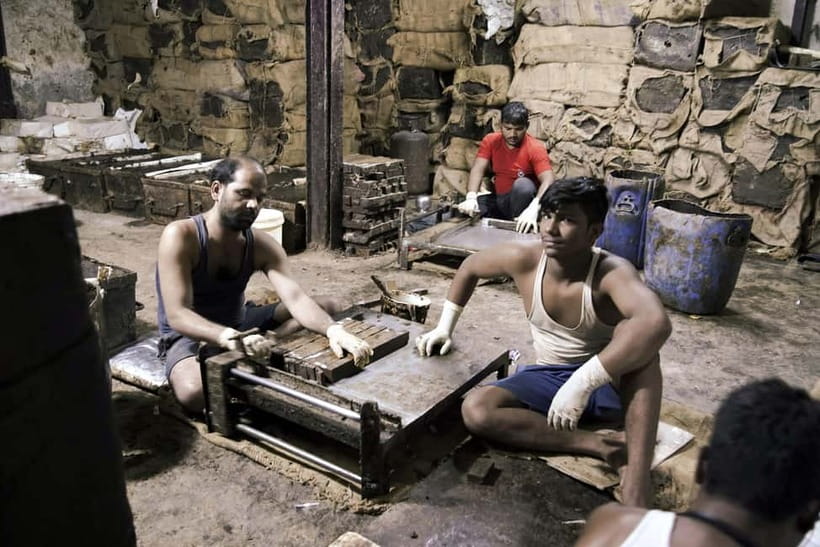
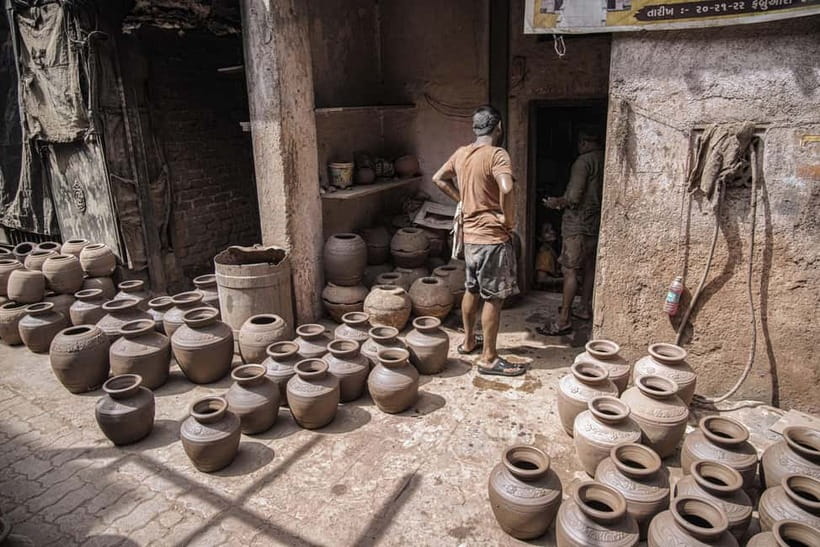
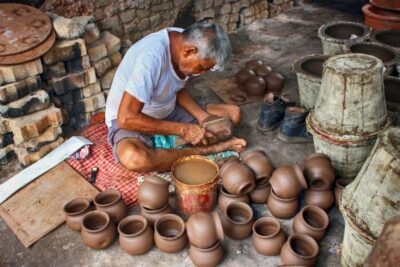
Markets are one side of the craft story, but workshops bring it home. You may visit pottery workshops where artisans create intricate designs. Seeing the process matters, because you understand the difference between a product and a craft.
Even if you don’t buy anything, this stop is useful because it shows how skill is passed along and refined. It’s also a reminder that creativity in Dharavi isn’t separate from work—it’s part of it, shaped by demand, material availability, and local experience.
For you, the sweet spot is to slow down here. Look at the tools, ask questions if your guide encourages it, and pay attention to what’s being made and why. That way, the workshop feels like learning rather than passing through.
- Dharavi slum tour in Mumbai by Female tour guides of the slum
★ 5.0 · 1,976 reviews - Mumbai: Full-Day Sightseeing Tour of Mumbai
★ 4.9 · 1,822 reviews - Private Mumbai Sightseeing Tour (Traveller’s Choice Award Winner)
★ 5.0 · 1,565 reviews - Group Guided Walking Tour in Fort and Colaba
★ 5.0 · 1,073 reviews - Highlights of Mumbai Sightseeing Tour: TRAVELLERS CHOICE AWARDED
★ 5.0 · 915 reviews - Private Guided Walking Tour in Fort & Colaba
★ 5.0 · 895 reviews
Schools and Conversations: What Education Looks Like Inside the Community
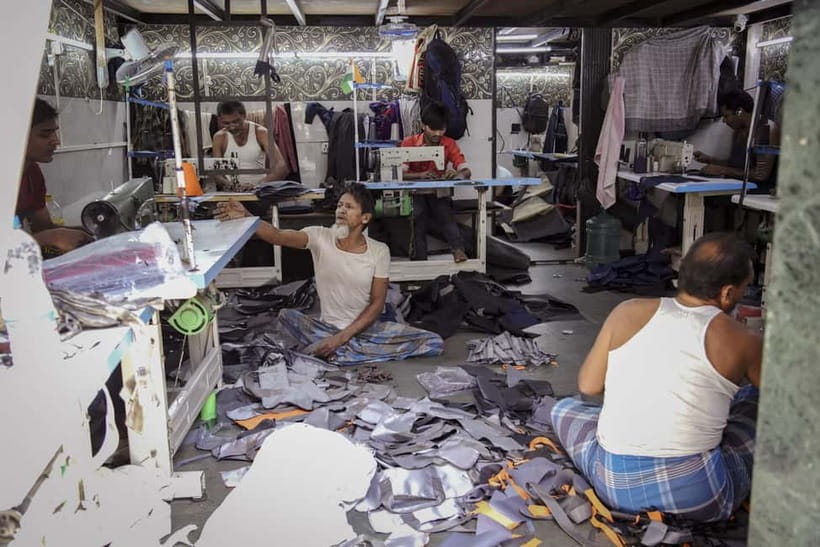
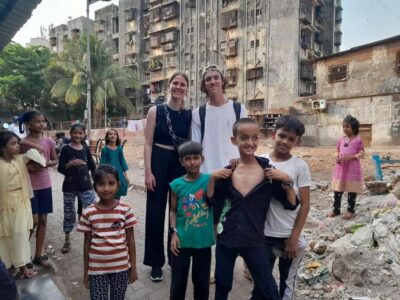
No Dharavi tour feels complete without a visit to local schools. During this part, you’ll have the opportunity to interact with students. It’s a powerful moment because it’s future-facing, not just present-day work and housing.
This isn’t about turning students into “a stop.” The value is in the conversation and in seeing education as something the community actively values and works toward. You’ll also get more context from your guide on why school matters in shaping outcomes beyond the neighborhood.
One thing I appreciate: the tour’s tone, especially with guides like Ruqaiyya, tends to stay respectful and careful. That matters when you’re in spaces connected to children.
Price for About $9: What Makes This Such Strong Value
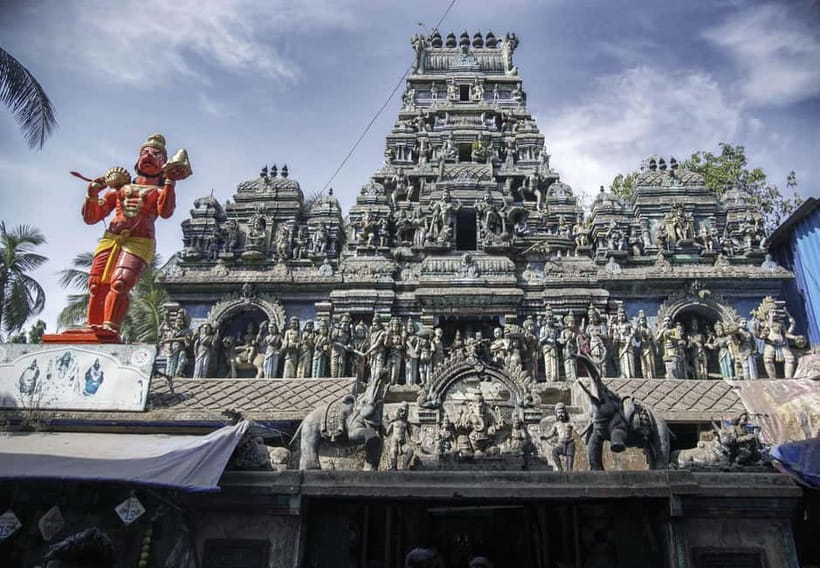
At around $9 per person, this tour is priced in a way that’s hard to ignore. The big reason it feels like value isn’t only the low cost. It’s what’s included: a guided exploration with expert local commentary, entrance fees included, plus water and a comfortable car ride if you select the pickup/drop-off option.
And since the experience is led by live guides in English, you’re not stuck piecing things together on your own while walking through a complex area. For many visitors, that turns into a better use of time than trying to manage everything independently.
The short duration (2 to 2.5 hours) also helps you feel the cost matches the experience. You’re paying for a focused route: markets, industries, homes, workshops, and a school visit—without turning your day into a long slog.
Timing, Walking Comfort, and How to Prepare
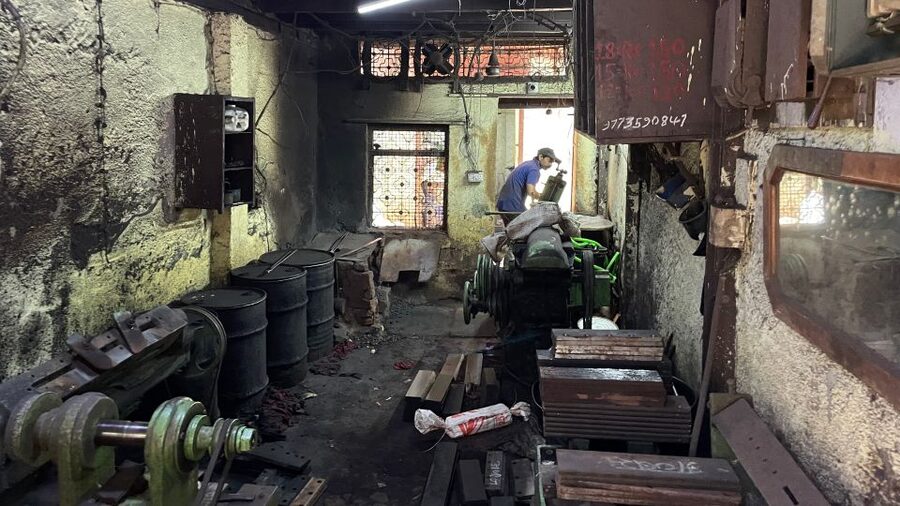
The tour runs about 2 to 2.5 hours, with roughly 2 hours built around the Dharavi walking and guided exploration. That means you’ll want to dress for movement and heat.
If you’re sensitive to crowds or tight spaces, plan your mindset accordingly. Narrow pathways can feel crowded depending on the time of day. A good guide helps you manage it, and the experience includes guidance for safety while you move—especially at road crossings.
Also bring curiosity. This isn’t a “checklist” tour. The guide actively supports questions, which makes your visit sharper. If something doesn’t make sense—how materials get processed, how trades connect, how space gets used—this is exactly the time to ask.
Who Should Book This Tour (and Who Might Reconsider)
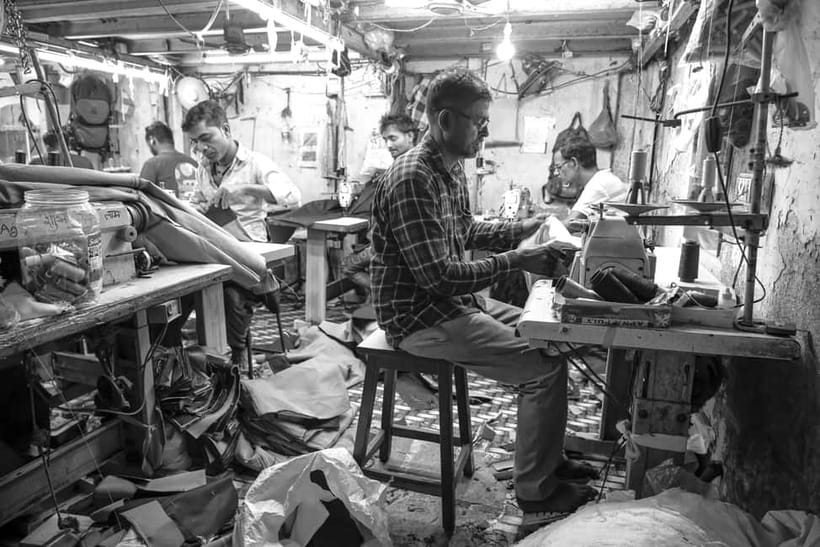
I’d say this tour is ideal if you want an honest, on-the-ground look at how people build livelihoods and community life under tough constraints. You’ll get the most from it if you like learning through walking and observing daily systems, not just watching a performance.
It’s also a good fit for first-time Mumbai visitors who want context fast. Dharavi can be misunderstood from far away. A guided route helps you see the connections: recycling, small manufacturing, residential life, markets, crafts, and education.
You might reconsider if you’re looking for a casual sightseeing stroll with no emotional or social weight. This experience touches real lives and real spaces. It’s respectful and educational, but it’s still a real community, not a staged attraction.
Should You Book the Mumbai Dharavi Slum Community Tour?
If you want value, a short time commitment, and a guided walk that focuses on work, homes, craft, and schools, I think this is a strong choice. The standout is the guide experience—Ruqaiyya’s approach is known for kindness, patience, encouragement to ask questions, and careful attention to safety while crossing roads.
Book it if you’re ready to look carefully and listen. Pass if you’re expecting a polished tourist show or long, detailed coverage of everything Dharavi has to offer.
FAQ
How long is the Dharavi slum community tour?
The tour lasts about 2 to 2.5 hours.
What language is the live guide available in?
The live tour guide speaks English.
Where does the tour start and end?
The meeting point may vary depending on the option booked, but one common starting option is Third Wave Coffee, with drop-off back at Third Wave Coffee.
Is there an option for pickup and drop-off?
Yes. If you choose the pickup and drop-off option, the service includes a comfortable car ride and complimentary water bottles.
How many hours of walking should I expect?
The guided walk is listed as part of the tour, with about 2 hours in Dharavi on foot.
What will we see during the tour?
You’ll explore Dharavi’s markets and workshops, industries such as recycling and small garment/leather manufacturing, residential areas, and a local school.
Is it a small group tour?
The tour is designed for small group sizes, aimed at a more personalized experience.
Are entrance fees included?
Yes, all entrance fees are included in the price.
Is private group available?
Yes, private group options are available.
Can I get a refund if my plans change?
Free cancellation is available up to 24 hours in advance for a full refund.
Can I reserve without paying right away?
Yes, you can reserve now and pay later.
More Mumbai, Every Kind of Day
- Dharavi slum tour in Mumbai by Female tour guides of the slum
★ 5.0 · 1,976 reviews - Mumbai: Full-Day Sightseeing Tour of Mumbai
★ 4.9 · 1,822 reviews - Private Mumbai Sightseeing Tour (Traveller’s Choice Award Winner)
★ 5.0 · 1,565 reviews - Elephanta Caves & Island Guided Private Tour
★ 5.0 · 1,327 reviews
Dharavi, Told by Its Residents
- Dharavi slum tour in Mumbai by Female tour guides of the slum
★ 5.0 · 1,976 reviews - Mumbai: Dharavi Slum, DhobiGhat, and Dabbawallas Tour
★ 4.9 · 689 reviews - Dharavi Slum Tour
★ 5.0 · 625 reviews - Dharavi Slum tour in Mumbai by local resident
★ 5.0 · 572 reviews
New on the Mumbai shortlist

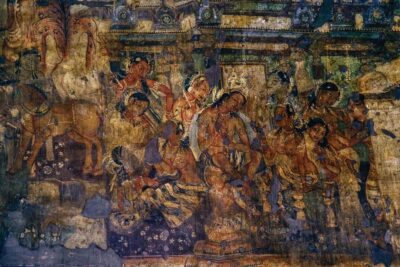


Dharavi Community Walks, compared.
 ★ 5.0Dharavi slum tour in Mumbai by Female tour guides of the slumFrom $91,976 reviews
 ★ 4.9Dharavi Slum, DhobiGhat, and Dabbawallas TourFrom $14689 reviews
 ★ 5.0Dharavi Slum TourFrom $20625 reviews
 ★ 5.0Dharavi Slum tour in Mumbai by local residentFrom $4572 reviews
 ★ 4.9Dharavi Slum Slumdog Millionaire Tour with a LocalFrom $10529 reviews
 ★ 5.0Mumbai Slum Tour – Visit Dharavi Slum with Local GuideFrom $5509 reviews
 ★ 5.0Dhobi Ghat Laundry and Dharavi Slum Tour with LocalFrom $4469 reviews
 ★ 5.02-Hour Guided Tour of DharaviFrom $22359 reviews
Browse the lists this tour appears in