
Review · DHARAVI COMMUNITY WALKS
Dharavi Slumdog Millionaire Tour
Dharavi changes when you walk it. This guided tour of Mumbai’s Dharavi—famous from Slumdog Millionaire—shows real local industries like plastic recycling and leather manufacturing, with a private guide who helps connect the sights to daily life. I like how the focus stays practical and human, not just movie trivia; I also like the personal attention from a guide who can explain what you’re seeing as you move through the lanes. One possible drawback: it’s a walking experience in tight alleys, and it’s not set up for maximum comfort.
You’ll cover about 3 to 4 hours total, with a big chunk spent in Dharavi itself. Pickup is available from select hotels, bottled water is included, and you’ll use a mobile ticket. The tour is private, meaning it’s just your group, and it’s designed for most people.
In This Review
- Key things I’d bet you’ll notice
- Dharavi and the Slumdog Millionaire tie-in
- Walking through industries: plastic, leather, dye, pottery
- Stop-by-stop: what you’ll see inside Dharavi
- Plastic recycling and can/cardboard recycling
- Leather manufacturing
- Colour dyeing
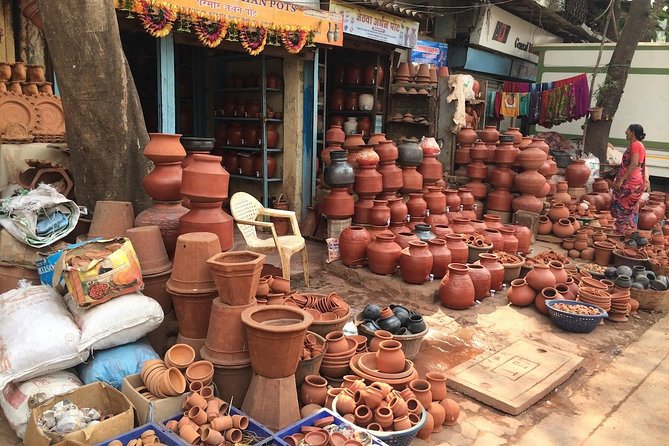
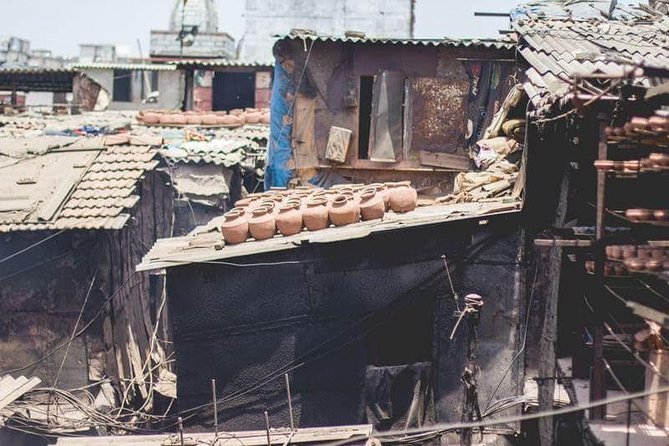
- Pottery
- Small alleys, houses, and schools
- A practical note on time
- Your guide matters: Nick and Dev’s kind, clear explanations
- Price and value: $39.63 for a private, guided walk
- Getting there smoothly: pickup from select hotels and the café meeting point
- What to expect on the ground (and what to plan for)
- Is it ethical to visit Dharavi? How to make it respectful
- Who should book this Dharavi Slumdog Millionaire tour
- Should you book? A quick decision checklist
- FAQ
- How long is the Dharavi Slum walking tour?
- Is hotel pickup available?
- Is this a private tour?
- What’s included in the price?
- Is there an air-conditioned vehicle?
- What is the cancellation policy?
Key things I’d bet you’ll notice
- Plastic recycling and can/cardboard sorting up close rather than just hearing about it
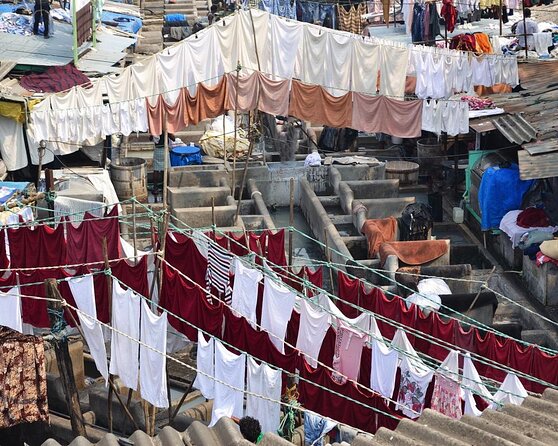
- Leather manufacturing and colour dye work as part of the same everyday economy
- A local private guide who can explain what you see as you walk
- Schools, small houses, and alleys that show life beyond workshops
- A respectful, safety-first pace that helps first-timers feel less unsure
- Hotel pickup from select locations plus easy access to the meeting point by public transit
Dharavi and the Slumdog Millionaire tie-in
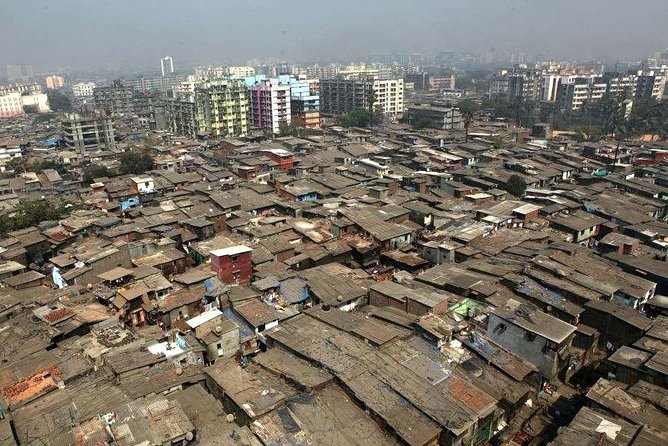
Dharavi is one of those places people think they already know—thanks to a famous movie. But the movie connection is really the doorway, not the whole story. On this tour, the point is to see how people turn raw materials into work, goods, and income, day after day, right in the middle of one of the world’s most talked-about urban areas.
What I like about this approach is that it doesn’t ask you to sit and imagine. You walk. You look. You learn how small-scale industries run in the same neighborhoods as homes and schools. That mix is what makes Dharavi feel less like a distant headline and more like a real place with real routines.
Walking through industries: plastic, leather, dye, pottery
The Dharavi section is built around industries you can actually watch in motion. You’ll move through an area where waste streams are treated like resources. The tour highlights plastic recycling, colour dye work, leather manufacturing, and recycling of items like cans and cardboard. You’ll also see pottery and hear how these trades fit into the local economy.
Here’s what makes these stops more than a checklist. Each craft tells you something different about how people solve problems with what’s available:
- Plastic and paper recycling show how sorting and processing create value from materials many people throw away.
- Leather manufacturing points to a second layer of production—work that needs careful handling and time.
- Colour dyeing makes the whole system visible: raw materials become finished products through process, repetition, and know-how.
- Pottery adds a slower, more maker-focused contrast to the recycling-heavy parts of the visit.
You may find the tour rhythm helps: the guide stays with you as you shift from one type of work to another, so you’re not left to guess what you’re seeing.
Other Dharavi walks led by people who live there



Stop-by-stop: what you’ll see inside Dharavi
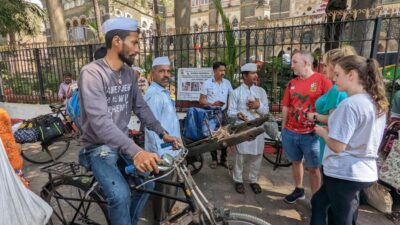
Your main time goes to a guided loop through Dharavi with multiple focus points. The tour keeps it walking-based, which means you’ll see both the work areas and the spaces between them—those narrow corridors that connect small businesses with homes.
Plastic recycling and can/cardboard recycling
This is usually where first impressions hit hardest. You’ll see how materials are handled and reworked—less like a factory tour and more like everyday production with many small steps. Even if you’re not an industrial-history person, you’ll likely get the logic fast: collect materials, sort them, process them, and turn them back into something usable.
Leather manufacturing
Leather manufacturing is another major theme. It helps you understand that Dharavi is not only about recycling; it’s also about making. You’ll see the work tied to leather production and how it sits inside the neighborhood life rather than being separated from it.
- Dharavi slum tour in Mumbai by Female tour guides of the slum
★ 5.0 · 1,976 reviews - Mumbai: Full-Day Sightseeing Tour of Mumbai
★ 4.9 · 1,822 reviews - Private Mumbai Sightseeing Tour (Traveller’s Choice Award Winner)
★ 5.0 · 1,565 reviews - Group Guided Walking Tour in Fort and Colaba
★ 5.0 · 1,073 reviews - Highlights of Mumbai Sightseeing Tour: TRAVELLERS CHOICE AWARDED
★ 5.0 · 915 reviews - Private Guided Walking Tour in Fort & Colaba
★ 5.0 · 895 reviews
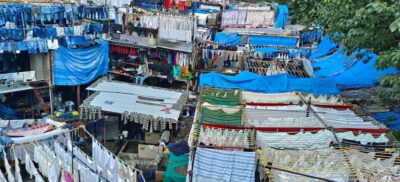
Colour dyeing
Colour dyeing adds a sensory element: colour becomes a language of production. The guide can connect the trade to the local economy so you’re not just seeing colour—you’re seeing a process that matters for making finished goods.
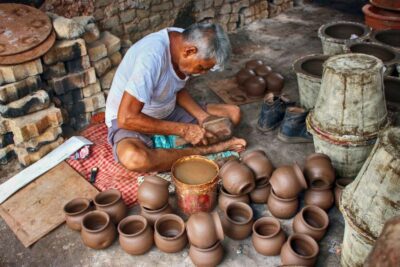
Pottery
Pottery gives the tour a different texture. It’s less about sorting and more about shaping and making. If you like craft work or you’re traveling with kids, this can be a nice change of pace within the same overall loop.
Small alleys, houses, and schools
This is the part that turns the experience from industrial viewing into neighborhood understanding. The tour includes small alleys and houses plus schools, so you’re not only looking at workplaces. You’re also seeing how daily life continues alongside production, and that makes the place feel more complete.
A practical note on time
The Dharavi portion runs about 2 hours as the core of the experience. You still have time around that for introductions and walking the routes between viewpoints, so the full tour lands at about 3 to 4 hours.
Your guide matters: Nick and Dev’s kind, clear explanations
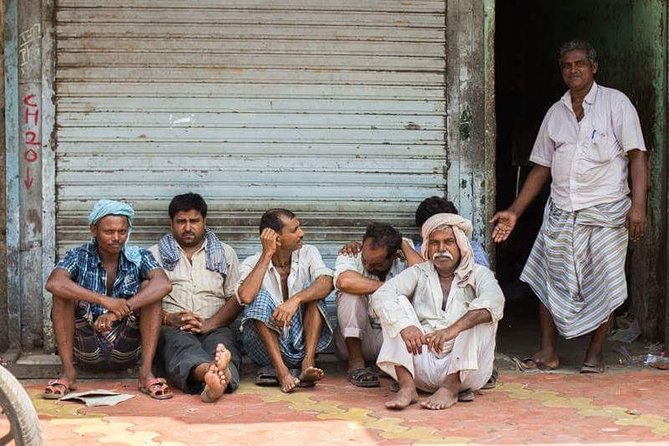
A big reason this tour works is the guide style. In the real world, Dharavi tours can go one of two ways: either they feel like spectatorship, or they feel like a guided understanding. This one leans toward the second.
From past experiences with this tour, guides like Nick/Nikesh have been praised for clear English and for growing up locally, which shows up in how they explain what you’re seeing. Another name that comes up is Dev, part of a team that’s often described as gracious, friendly, and professional.
What that means for you: you’re more likely to get context that helps you interpret details on the spot. You’re not just walking through scenes—you’re learning how the pieces connect.
And yes, there’s also the human side. Multiple people have said they felt safe, welcomed, and reassured even if they started out apprehensive.
Price and value: $39.63 for a private, guided walk
At about $39.63 per person for roughly 3 to 4 hours, the math is pretty straightforward when you break down what’s included.
You get:
- A private tour for just your group
- A walking format that keeps you close to what you’re learning
- A personal guide
- Bottled water included
- A mobile ticket
- A free admission ticket for the activity
What you don’t get is also part of the value equation. There’s no air-conditioned vehicle, so the cost stays lower. You’re paying for the guide time and the on-foot experience, not for transport comfort.
If you’re traveling with family, this price can be easier to justify because one guide can handle the pace and questions for a group rather than you hiring separate help.
Getting there smoothly: pickup from select hotels and the café meeting point
This tour is designed to be logistically simple in Mumbai. You might be picked up from select hotels, which saves you time if you’re staying near common pickup zones. Even if you’re not getting pickup, the experience starts at a public, easy-to-find spot: Café Coffee Day, Unit No. 58, Ground Floor, Ram Mahal Building, Senapati Bapat Marg, T.P. Road, Mahim, Mumbai, Maharashtra 400016.
It’s also noted as being near public transportation, which matters in Mumbai where traffic can change your schedule quickly. The tour ends back at the meeting point, so you’re not left figuring out your return plans.
One small planning tip: wear shoes you’re happy to walk in. This is a walking tour through tight spaces.
What to expect on the ground (and what to plan for)
This is not a tour that uses a big bus and a slow shuffle. It’s a guided walking experience through an active neighborhood with work happening close by. That means:
- You’ll spend real time on your feet.
- You’ll be moving through narrow alleys and around workplaces.
- The experience can feel intense at first, especially if you’re new to slum tourism.
The upside is you’re not watching from behind glass. You’re seeing how industries work in the same place where people live.
Also, remember that bottled water is included, which helps. But since there’s no mention of an air-conditioned vehicle, plan your own comfort: sun protection when appropriate, and a calm mindset if you find the visuals overwhelming.
Is it ethical to visit Dharavi? How to make it respectful
Dharavi is the kind of place where people often feel conflicted before they go. That doesn’t have to be a deal-breaker. The key is your approach.
Here are practical ways to keep it respectful without turning it into an awkward performance:
- Let the guide set the tone and follow the route as explained.
- Treat the tour as learning about work and community life, not collecting shock-value photos or reactions.
- Ask your guide for context when something feels confusing.
- Keep your curiosity focused on people’s livelihoods and everyday routines.
If you’re starting with apprehension, this tour’s guided structure can help. The consistent theme in feedback is that visitors tend to feel safe and welcomed once the tour starts, especially with a guide like Nick/Nikesh who can explain things clearly.
Who should book this Dharavi Slumdog Millionaire tour
This tour fits best if you:
- Want a guided walking look at Dharavi’s industries rather than just a photo stop
- Like learning through real-world context, including how recycling turns into employment
- Appreciate private, personalized attention instead of a huge group
- Travel with family and want something that can work for a range of ages (feedback includes enjoyment from a family group with children)
It might not be ideal if you:
- Strongly dislike walking or narrow alleys
- Need a highly air-conditioned, low-contact, comfort-first experience
Should you book? A quick decision checklist
Book this tour if you want a close-up, guide-led understanding of how Dharavi’s economy works—especially the mix of recycling, leather, colour dyeing, pottery, and neighborhood life—and you like the idea of a private group with bottled water and hotel pickup from select places.
Skip or rethink if you’re looking for a fully comfortable ride with minimal walking, or if you know you’ll struggle with the emotional weight that can come with visiting a working neighborhood like this.
FAQ
How long is the Dharavi Slum walking tour?
The tour lasts about 3 to 4 hours in total. The Dharavi portion is listed as 2 hours.
Is hotel pickup available?
Pickup is available from select hotels.
Is this a private tour?
Yes. It’s a private tour/activity, so only your group will participate.
What’s included in the price?
Bottled water is included. A mobile ticket is used, and the admission ticket for the activity is free.
Is there an air-conditioned vehicle?
No. An air-conditioned vehicle is not included.
What is the cancellation policy?
Free cancellation is available. You can cancel up to 24 hours in advance for a full refund. If you cancel less than 24 hours before the start time, you won’t receive a refund.
More Mumbai, Every Kind of Day
- Dharavi slum tour in Mumbai by Female tour guides of the slum
★ 5.0 · 1,976 reviews - Mumbai: Full-Day Sightseeing Tour of Mumbai
★ 4.9 · 1,822 reviews - Private Mumbai Sightseeing Tour (Traveller’s Choice Award Winner)
★ 5.0 · 1,565 reviews - Elephanta Caves & Island Guided Private Tour
★ 5.0 · 1,327 reviews
Dharavi, Told by Its Residents
- Dharavi slum tour in Mumbai by Female tour guides of the slum
★ 5.0 · 1,976 reviews - Mumbai: Dharavi Slum, DhobiGhat, and Dabbawallas Tour
★ 4.9 · 689 reviews - Dharavi Slum Tour
★ 5.0 · 625 reviews - Dharavi Slum tour in Mumbai by local resident
★ 5.0 · 572 reviews
New on the Mumbai shortlist




Dharavi Community Walks, compared.
 ★ 5.0Dharavi slum tour in Mumbai by Female tour guides of the slumFrom $91,976 reviews
 ★ 4.9Dharavi Slum, DhobiGhat, and Dabbawallas TourFrom $14689 reviews
 ★ 5.0Dharavi Slum TourFrom $20625 reviews
 ★ 5.0Dharavi Slum tour in Mumbai by local residentFrom $4572 reviews
 ★ 4.9Dharavi Slum Slumdog Millionaire Tour with a LocalFrom $10529 reviews
 ★ 5.0Mumbai Slum Tour – Visit Dharavi Slum with Local GuideFrom $5509 reviews
 ★ 5.0Dhobi Ghat Laundry and Dharavi Slum Tour with LocalFrom $4469 reviews
 ★ 5.02-Hour Guided Tour of DharaviFrom $22359 reviews
Browse the lists this tour appears in