
Review · DHARAVI COMMUNITY WALKS
Dharavi Slum Tour – See the real Slum with a Local Guide
A real-world neighborhood lesson starts here. This Dharavi Slum Tour lets you see daily life and work through the eyes of someone who lives there, not a script. What makes it especially interesting is the focus on what people do for a living, where families live and rest, and how the area’s informal economy functions.
I really like that the tour is led by an English-speaking guide who lives in Dharavi. That matters because you get practical explanations while you walk, and it helps correct the usual one-note story people bring with them. I also like the scale of the visit: it’s only about 2 hours, and the group is capped at 15 travelers, so it doesn’t feel like you’re just being marched through.
One possible drawback: this tour depends on good weather, and it’s a walk, so plan for pavement time and a lot of close, real-life observation. If you need a low-stimulus day or hate dense urban scenes, you may want to think twice.
In This Review
- Key things to know before you go
- Why a resident-led Dharavi walk feels different than a drive-by
- The 2-hour route: what you’ll see in Dharavi
- Follow the work: recycling, leather, textiles, and metal
- Price and value: why about $7.93 can make sense
- Where it starts: meeting point, walking comfort, and group size
- Being a good guest in a real working neighborhood
- Who should book this Dharavi experience
- Should you book the Dharavi Slum Tour?
- FAQ
- How long is the Dharavi Slum Tour?
- What’s the price per person?
- Does the tour include an English-speaking guide?
- What does the tour include and not include?
- Where do I meet for the tour?
- Is the tour a group activity?
- Is it near public transportation?
- What happens if weather is bad?
- What’s the cancellation policy?
Key things to know before you go
- Resident-led clarity: Your guide lives in Dharavi, so the explanations come from everyday experience.
- More than stereotypes: The tour aims to challenge the idea that Dharavi is only misery.
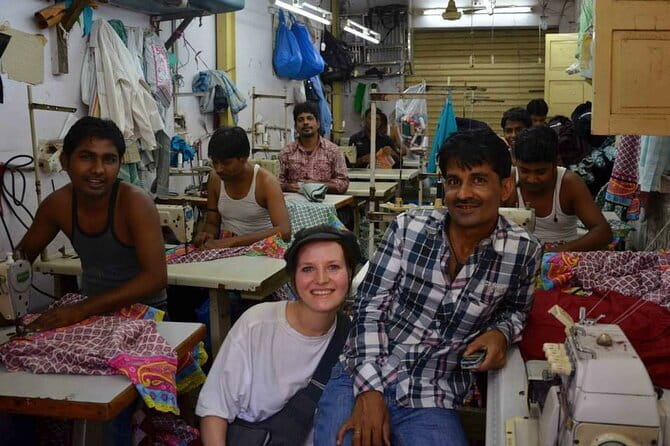
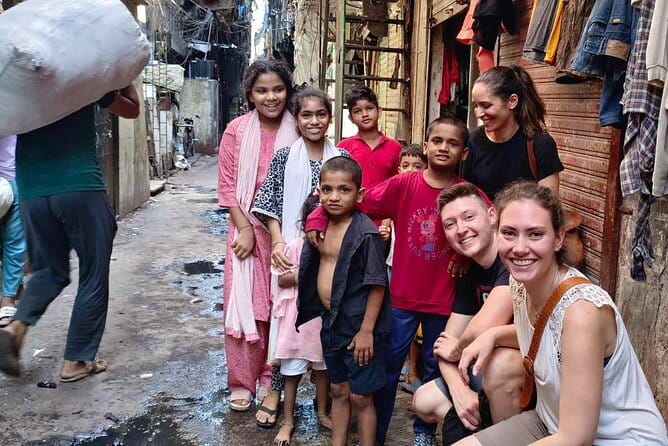
- Work and home in one route: You’ll see where people live, play, relax, and run small businesses.
- Industry snapshots: Plastic recycling, leather work, garment/textile, and metal industries are part of the story.
- A film-location moment: You’ll visit the area where the Slumdog Millionaire movie was filmed.
- Small group pace: Up to 15 people, which usually means fewer crowds and more back-and-forth.
Why a resident-led Dharavi walk feels different than a drive-by
Most tourists see Dharavi from a distance, through movie clips, headlines, or quick photos. This experience aims to do the opposite. You’re guided by someone who lives in the area, so you’re not only looking at buildings—you’re getting the reasoning behind everyday routines.
I love that the tour is built around real details, like where family life happens and how people carve out time for children to play. It’s also not shy about work. You’ll get an eye-opening look at the small industries that keep the place moving, from plastic recycling to leather and textile-related work, plus metal work. That kind of on-the-ground explanation is hard to get from a viewpoint alone.
You’ll also hear the bigger economic picture. The tour states that yearly income is about 1 billion US dollars. Even if that number doesn’t land emotionally, it still gives you a helpful frame: this isn’t only a housing story. It’s also a working community with production, trade, and jobs.
The 2-hour route: what you’ll see in Dharavi
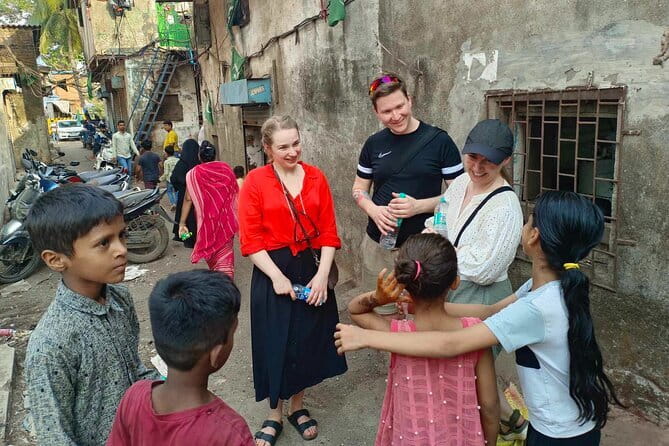
The tour is straightforward. You’re spending about 2 hours in Dharavi with one main walking stop, led by your resident guide. The best way to think of the time is as a sequence: first the work areas, then the everyday neighborhood, then a film-location connection.
Here’s what that usually looks like in practice:
- You start by getting oriented to the area, with your guide showing you where the small factories and business pockets are located.
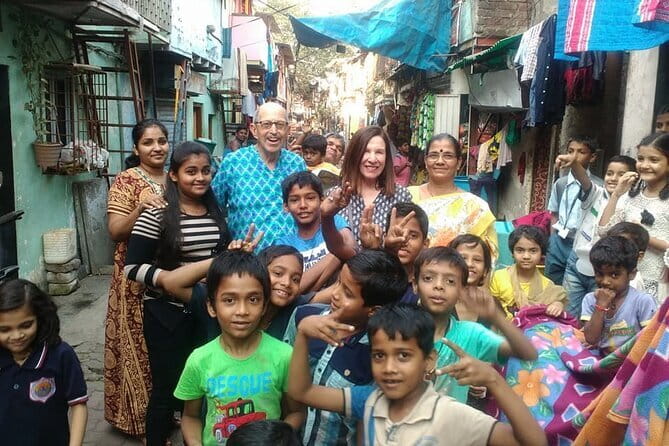
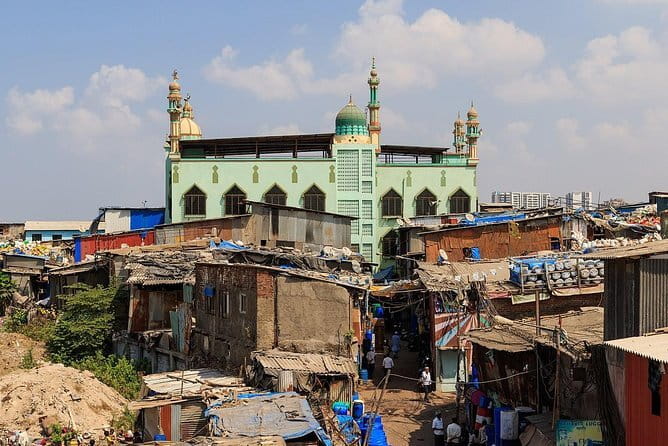
- Then you move through areas tied to daily life—people’s living spaces and common zones where children play and adults pause to relax.
- The tour also highlights the key industries that shape local livelihoods: plastic recycling, leather industry, garment/textile, and metal industry.
- Finally, there’s a “surprise” stop connected to where the Slumdog Millionaire movie was filmed inside Dharavi.
There’s real value in that flow. You get to see the same places from two angles: the production side (how items are made, processed, or handled) and the life side (how families use space, where kids gather, and how people unwind). If you’ve ever wondered how neighborhoods work when you’re not seeing them from an official brochure, this is the kind of tour that answers that.
Other Dharavi walks led by people who live there



Follow the work: recycling, leather, textiles, and metal
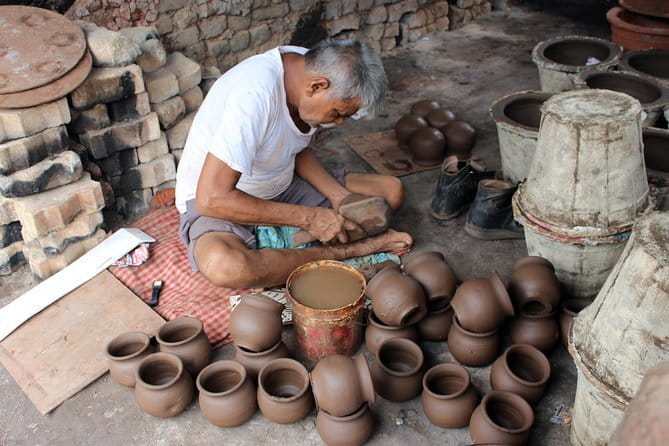
The most praised part of this experience is how well the guide explains the small factory world. In the reviews, people specifically mention getting strong insights into the small factories and the guide being very familiar with the area—showing the factory locations first, then walking through what daily life looks like around that work.
That approach matters. If you jump straight into homes without understanding the nearby work, the whole place can feel chaotic. But starting with where the businesses cluster helps you connect what you see to how the community survives and earns.
You’ll focus on several industries:
- Plastic recycling: You’ll be shown how materials are processed within the local economy.
- Leather industry: The tour includes this as a major livelihood category.
- Garment/textile: You’ll learn how textile and clothing-related work fits into the picture.
- Metal industry: This rounds out the set of trades you’ll be guided through.
The tour also frames Dharavi as a place with momentum and economic output—again, with the yearly income figure of about 1 billion US dollars stated in the experience description. For me, that kind of detail helps shift your brain from “poverty viewing” to “systems viewing.” You start noticing workflows, business logic, and how small spaces support production.
Price and value: why about $7.93 can make sense
At around $7.93 per person for about 2 hours, this is one of the more budget-friendly ways to get a structured visit. But the real value isn’t just the price—it’s what’s included.
Here’s what you do get:
- An English-speaking guide who lives in Dharavi
- Entrance fees (so you’re not scrambling mid-tour)
- A group format (with maximum 15 travelers)
- A mobile ticket
- Group discounts are mentioned as a feature
What you don’t get:
- Food and drinks
So, my practical advice is simple: treat this like a walking lesson, not a meal plan. If you’re going right after another activity, bring a small snack you can eat before you go, or plan to grab something after. If you’re sensitive to long stretches of walking, plan your hydration too, because refreshments aren’t included.
Also, the experience is designed as education. If you’re expecting a theme-park style attraction with lots of polished infrastructure, you’ll likely feel underwhelmed. If you want a grounded, human-scale view of how work and daily life overlap, the price-to-time ratio looks fair.
Where it starts: meeting point, walking comfort, and group size
The tour meets at Third Wave Coffee, Tip Road, Unit no.58, Ground, Ram Mahal, Senapati Bapat Marg, Marinagar Colony, Station, Mahim, Mumbai, Maharashtra 400016, India. It also notes that it’s near public transportation, which is useful in a city where time can disappear quickly.
A few logistics details that actually affect your day:
- You should wear comfortable walking shoes. This is a walking tour.
- The group size is capped at 15 travelers, which usually helps the pace stay manageable and keeps your questions from getting drowned out.
- It requires good weather, so if Mumbai’s conditions aren’t cooperating, you may be offered a different date or a refund.
One more thing I appreciate: the end point is back at the meeting point. That makes planning easier. You don’t need to figure out a new drop-off location afterward.
- Dharavi slum tour in Mumbai by Female tour guides of the slum
★ 5.0 · 1,976 reviews - Mumbai: Full-Day Sightseeing Tour of Mumbai
★ 4.9 · 1,822 reviews - Private Mumbai Sightseeing Tour (Traveller’s Choice Award Winner)
★ 5.0 · 1,565 reviews - Group Guided Walking Tour in Fort and Colaba
★ 5.0 · 1,073 reviews - Highlights of Mumbai Sightseeing Tour: TRAVELLERS CHOICE AWARDED
★ 5.0 · 915 reviews - Private Guided Walking Tour in Fort & Colaba
★ 5.0 · 895 reviews
Being a good guest in a real working neighborhood
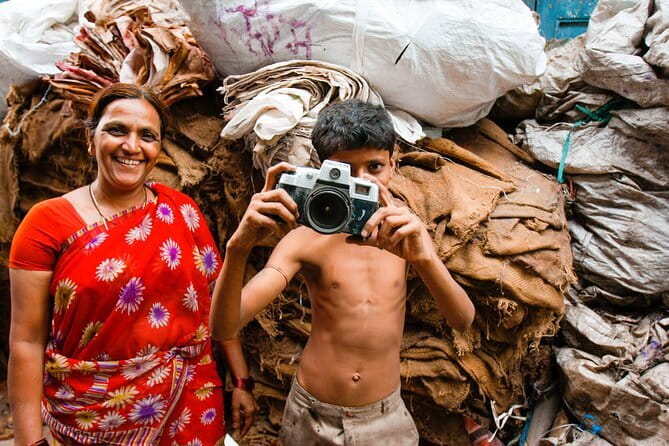
This kind of tour works best when you treat it like a learning visit, not a spectacle. Because you’ll see where people live, work, and relax, you’ll want to be mentally ready for close-up reality.
You can make the experience smoother with a few common-sense habits:
- Go in curious, not judgmental. The tour’s goal is to dispel notions that Dharavi is only misery.
- Keep your questions focused on how life works: routines, local industries, and what spaces are used for.
- Expect a lot of people moving through daily patterns. Even if your goal is sightseeing, remember this is a community in motion.
The film-location connection adds another layer. Seeing where Slumdog Millionaire was filmed can be surprising—especially if you’re used to seeing the movie world in a clean, cinematic frame. Here, you’ll be connecting the story you’ve seen to the real neighborhood where those moments were made.
Who should book this Dharavi experience
This tour is a strong fit if you:
- Want an educational, resident-led look at daily life and work
- Like learning about how informal industries operate in real space
- Prefer a small group over large bus tours
- Are comfortable with walking and being close to everyday activity
You might want to skip it (or be extra cautious in your expectations) if you:
- Want a lightweight, low-intensity sightseeing day
- Feel strongly uncomfortable with dense residential and working areas
- Are unable to do a 2-hour walking-style visit
Should you book the Dharavi Slum Tour?
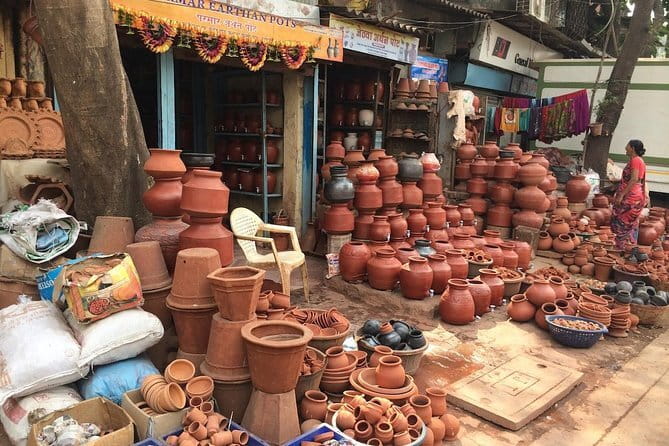
If your goal is to understand Dharavi as a living neighborhood with work, routines, and families—not only an image—you’ll likely feel satisfied. I see the strongest reasons to book as the combination of a resident guide plus the way the tour connects industry (recycling, leather, textiles, metal) to day-to-day life.
If you’re the kind of traveler who loves facts that have texture—who doesn’t just want to look, but wants to understand—this is a great choice. If your idea of travel is polished comfort first, you may find the setting intense. But if you come with respect and curiosity, this is exactly the kind of experience that turns stereotypes into something more human and real.
FAQ
How long is the Dharavi Slum Tour?
The tour lasts about 2 hours.
What’s the price per person?
The price is $7.93 per person.
Does the tour include an English-speaking guide?
Yes. The tour includes an English speaking guide who lives in Dharavi.
What does the tour include and not include?
It includes an admission ticket and entrance fees, and it does not include food and drinks.
Where do I meet for the tour?
The meeting point is Third Wave Coffee, Tip Road, Unit no.58, Ground, Ram Mahal, Senapati Bapat Marg, Marinagar Colony, Station, Mahim, Mumbai, Maharashtra 400016, India.
Is the tour a group activity?
Yes. It has a maximum of 15 travelers.
Is it near public transportation?
Yes. The meeting point is noted as being near public transportation.
What happens if weather is bad?
The tour requires good weather. If it’s canceled due to poor weather, you’ll be offered a different date or a full refund.
What’s the cancellation policy?
You can cancel up to 24 hours in advance for a full refund. If you cancel less than 24 hours before the start time, the amount paid is not refunded.
More Mumbai, Every Kind of Day
- Dharavi slum tour in Mumbai by Female tour guides of the slum
★ 5.0 · 1,976 reviews - Mumbai: Full-Day Sightseeing Tour of Mumbai
★ 4.9 · 1,822 reviews - Private Mumbai Sightseeing Tour (Traveller’s Choice Award Winner)
★ 5.0 · 1,565 reviews - Elephanta Caves & Island Guided Private Tour
★ 5.0 · 1,327 reviews
Dharavi, Told by Its Residents
- Dharavi slum tour in Mumbai by Female tour guides of the slum
★ 5.0 · 1,976 reviews - Mumbai: Dharavi Slum, DhobiGhat, and Dabbawallas Tour
★ 4.9 · 689 reviews - Dharavi Slum Tour
★ 5.0 · 625 reviews - Dharavi Slum tour in Mumbai by local resident
★ 5.0 · 572 reviews
New on the Mumbai shortlist




Dharavi Community Walks, compared.
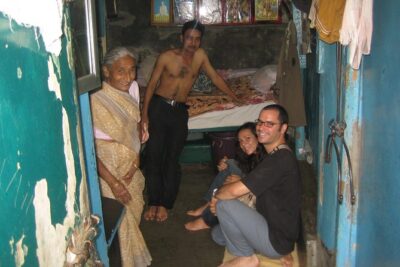 ★ 5.0Dharavi slum tour in Mumbai by Female tour guides of the slumFrom $91,976 reviews
 ★ 4.9Dharavi Slum, DhobiGhat, and Dabbawallas TourFrom $14689 reviews
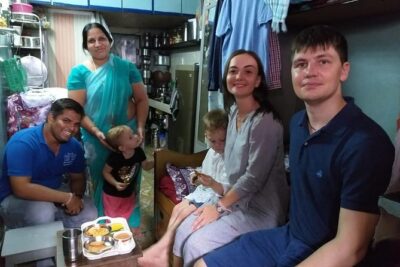 ★ 5.0Dharavi Slum TourFrom $20625 reviews
 ★ 5.0Dharavi Slum tour in Mumbai by local residentFrom $4572 reviews
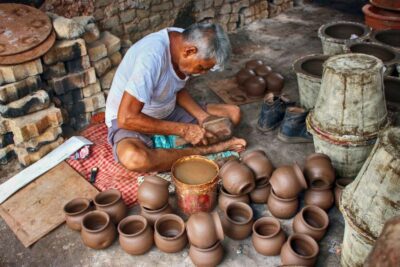 ★ 4.9Dharavi Slum Slumdog Millionaire Tour with a LocalFrom $10529 reviews
 ★ 5.0Mumbai Slum Tour – Visit Dharavi Slum with Local GuideFrom $5509 reviews
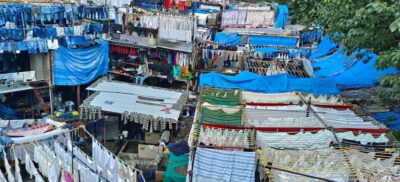 ★ 5.0Dhobi Ghat Laundry and Dharavi Slum Tour with LocalFrom $4469 reviews
 ★ 5.02-Hour Guided Tour of DharaviFrom $22359 reviews
Browse the lists this tour appears in