
Review · DHARAVI COMMUNITY WALKS
Dharavi Slum Tour in Mumbai
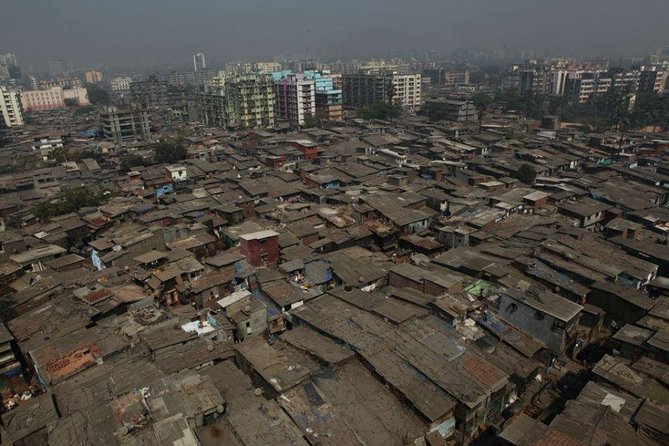
A Mumbai neighborhood most people skip. This tour is about working life in Dharavi, explained by people who actually live there, and it moves fast enough to fit into a tight itinerary. I like the way you travel with a Dharavi college student guide and get grounded, realistic commentary, with examples from guides like Rajesh and Samir. I also like the first stop on industry—plastic recycling and metal work—because it answers the question of how people make a living. The only real drawback: you’re walking through an active neighborhood with lots of small paths and workshops, so wear good shoes and dress modestly (shoulders and knees covered).
For the price of $70 per person and about 2 hours on the move, you’re getting a small-group experience (up to 2 travelers) with a local perspective. Pickup can be arranged if you want, but you start from Mahim Railway Station for the core meeting point, so plan for an easy transit connection. If you want a “sit-and-learn” museum vibe, this isn’t that kind of tour.
In This Review
- Key things to know before you go
- Entering Dharavi from Mahim Railway Station
- The first stop: 13th Compound recycling yards and plastic work
- Walking the commercial and residential alleys in a real neighborhood
- Industries you might spot: from soap and pottery to cardboard and leather
- Schools and churches: the community side that balances the industry
- Guide-led conversation, photos, and keeping it respectful
- Price and logistics: does $70 make sense for Dharavi?
- How long it really takes (and why shoes matter)
- What you get best from this tour (and what to expect less from)
- Who should book this Dharavi Slum Tour
- Tips to make the most of your 2-hour walk
- Should you book this tour?
- FAQ
- How long is the Dharavi Slum Tour?
- Where does the Dharavi Slum Tour start?
- Is lunch included?
- Do I need to arrange my own pickup?
- What should I wear?
- How many people are on the tour?
- Is there free cancellation?
Key things to know before you go
- Resident college guides who live in Dharavi and help their own community through education support
- Small group size (maximum 2 travelers), which makes questions easier and the pace more comfortable
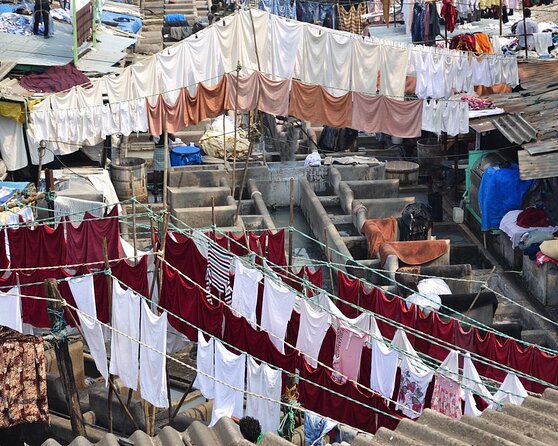
- Hands-on industry viewing at places like plastic and metal recycling yards
- Community stops that include local schools and churches, adding context beyond work
- Bring respectful photo habits—your guide will guide when and where photos make sense
- Dress conservatively to stay comfortable and respectful in a conservative setting
Entering Dharavi from Mahim Railway Station

The tour starts at Mahim Railway Station, which is handy because Mumbai is all about rail connections. From there, your guide leads you into Dharavi with an orientation that helps you understand what you’re seeing right away, not 30 minutes later.
One of the big quality signals here is the guide setup: you travel with a college student who lives in Dharavi, and that matters. You’re not hearing a script from someone who just visited once. You’re getting the kind of commentary that has details, nuance, and context—plus the ability to answer real questions instead of stopping at broad explanations.
The first stop: 13th Compound recycling yards and plastic work
Your walk begins with a focused look at work: head to the Plastic and Metal Recycling yard of 13th Compound. This is the part that gives you traction on the big “how does the neighborhood function” question, because you’ll see small-scale manufacturing in motion—melting and moulding plastic and turning it into useful items.
You’ll also see how the recycling economy connects to consumer goods. The tour description specifically mentions plastic toys and the manufacturing of buttons for popular Barbie Dolls of India, which is a great example of how raw material becomes branded products. It’s not just trash turned into something else; it’s organized labor with tools, processes, and a real supply chain.
Practical note: this first stop sets expectations for the rest of the tour. Workshops and production spaces can be tight, and surfaces may be uneven, so good walking shoes aren’t optional here.
Other Dharavi walks led by people who live there



Walking the commercial and residential alleys in a real neighborhood
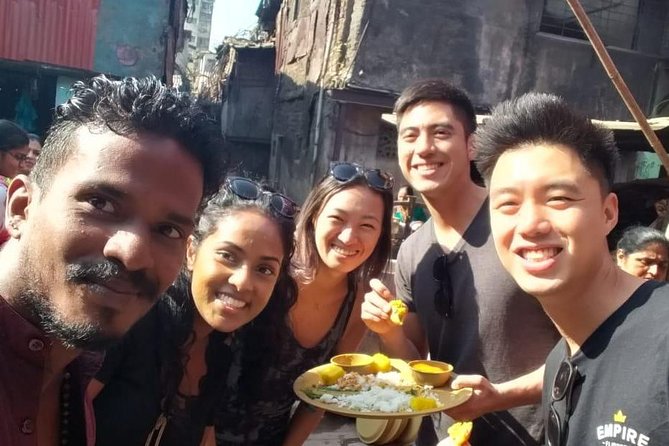
After the recycling area, the tour shifts into a walking route through Dharavi’s working and living spaces. The overall flow is a true walking tour—moving from business activity into residential areas—so you build a mental map fast.
This is also where the Slumdog Millionaire association becomes more than a movie trivia point. You’ll see why the neighborhood’s look and energy got noticed in 2008, but more importantly, you’ll see how daily life continues beyond any film reference.
Expect stops to be active and community-centered rather than “checklist landmarks.” Your guide’s job is to help you understand what you’re looking at while keeping the tour respectful and grounded, which is why feedback from guests tends to emphasize comfort and ease during the walk.
Industries you might spot: from soap and pottery to cardboard and leather
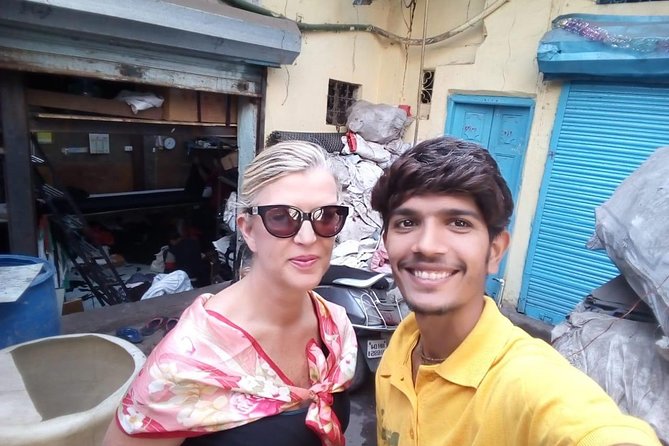
Dharavi’s story isn’t one single trade. It’s a patchwork of small businesses and production steps stacked close together, and that’s exactly what this tour is designed to show you.
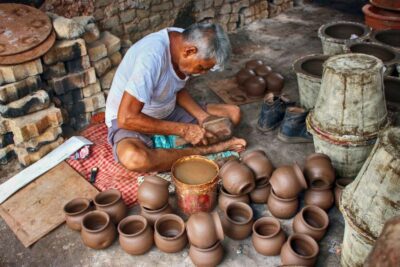
The tour overview points to industries like plastic recycling, soap production, and pottery, plus other methods residents use to make goods. Reviews also mention what guests actually got to see in practice: pottery, paint cans, cardboard, and leather work. If you’re the curious type, this is where the neighborhood starts to feel like a system rather than a headline.
Here’s why this matters for you: once you understand that multiple industries overlap, it’s much easier to avoid oversimplified ideas. You’re not looking at a single “kind” of poverty. You’re seeing a place where labor, entrepreneurship, and trade skills exist at street level.
Also, if you like a tour that answers questions instead of just narrating, this format fits. You can ask about how goods move, how recycling becomes production, and what day-to-day routines look like.
Schools and churches: the community side that balances the industry

A big strength of this tour is that it doesn’t stay inside workshops. Along the way, you’ll stop at local schools and churches to get a sense of the community—how people learn, worship, and build support networks.
Even in a compact 2-hour format, this kind of stop changes your understanding. Industry explains the economy; schools and churches explain the social fabric. The tour is built for that balance, which is why guests often come away feeling they learned more than just visuals.
There’s also a charitable angle described in the tour feedback: part of the tour proceeds support local school children in Dharavi. I like that the connection to education isn’t just a talking point. It’s a tangible outcome guests can feel better about when they’re visiting.
- Dharavi slum tour in Mumbai by Female tour guides of the slum
★ 5.0 · 1,976 reviews - Mumbai: Full-Day Sightseeing Tour of Mumbai
★ 4.9 · 1,822 reviews - Private Mumbai Sightseeing Tour (Traveller’s Choice Award Winner)
★ 5.0 · 1,565 reviews - Group Guided Walking Tour in Fort and Colaba
★ 5.0 · 1,073 reviews - Highlights of Mumbai Sightseeing Tour: TRAVELLERS CHOICE AWARDED
★ 5.0 · 915 reviews - Private Guided Walking Tour in Fort & Colaba
★ 5.0 · 895 reviews
Guide-led conversation, photos, and keeping it respectful
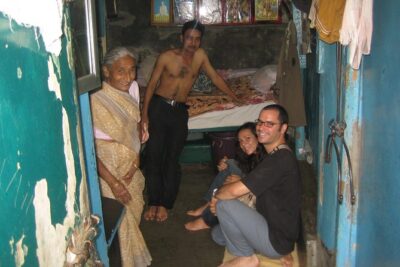
Because you’re walking through a lived-in place, the guide’s approach is everything. This tour is led by Dharavi residents who are also college students, and the tone is meant to be sensitive—helping you understand challenges without turning residents into a spectacle.
You’ll likely be encouraged to ask questions. In the reviews, guests describe guides who made them feel comfortable and answered questions clearly, including guides like Anton and Anthony. That kind of interaction tends to create a more natural experience: you’re learning, not hovering.
Photo etiquette is part of the vibe here. You should assume you’re walking through homes and workplaces, so keep your camera use polite and follow your guide’s cues. The best tours are the ones where you’re aware you’re being invited to learn, not “entitled” to record.
Price and logistics: does $70 make sense for Dharavi?
At $70 per person, this tour sits in the mid-range for a Mumbai guided experience. The value comes from a few specific things: a local resident guide (college student living in Dharavi), a small group size (up to 2 travelers), and a structured route that includes both work and community stops.
You also get practical inclusions that matter more than they sound. A ticket is listed as free for the activity portion, and lunch is only included if you select the tour option with lunch. Food and drinks aren’t included, so budget for water and a snack if you need it.
Pickup is a bit of a mixed story in the details you’re given. The summary mentions pickup offered, but the fine print says hotel pickup and drop-off aren’t included unless arranged. My advice: if you want pickup, ask ahead so there’s no last-minute confusion, and so you know where you’ll start exactly.
How long it really takes (and why shoes matter)
The duration is listed as about 2 hours. In practice, walking tours like this can run closer to 2–3 hours depending on pace and the amount of question time you add.
A moderate fitness level is requested, and that’s fair. You’re walking through areas that may be uneven, and you’ll be moving between workshop and community spaces. Solid walking shoes will keep you comfortable, and wearing conservative clothes will keep you respectful and less distracted.
If you’re sensitive to crowds, note the tour limits help here: maximum 2 travelers means less jostling and fewer bottlenecks on narrow paths.
What you get best from this tour (and what to expect less from)
This tour shines if you want to understand the neighborhood as a living place where people work, learn, and support one another. The strongest takeaways tend to be the practical look at industry—recycling, production, and skilled labor—plus the community context from schools and churches.
What it’s not trying to be: it’s not a theme-park version of Dharavi. It’s not designed to be a hands-off photo safari. If you’re looking for that, you might feel impatient. If you like asking questions, observing details, and accepting that it’s a working environment, this fits well.
Who should book this Dharavi Slum Tour
Book it if:
- You want a resident-led perspective from a Dharavi college student guide
- You like tours that show how people make a living, not just where people live
- You’re okay walking and wearing conservative clothing
- You want a small group experience with time for questions
Consider skipping or changing plans if:
- You hate walking in active neighborhoods and prefer only comfortable, wide streets
- You’re likely to feel stressed by seeing complex realities up close
- You need a fully “guided vehicle” style tour with minimal walking
Tips to make the most of your 2-hour walk
Come prepared with a few basics so you can focus on learning:
- Wear good walking shoes and plan for uneven surfaces
- Dress modestly (cover shoulders and knees) so you feel comfortable and respectful
- Bring cash only if you want snacks or water, since food and drinks aren’t included
- Keep your photo habits polite and ask before shooting when unsure
- Bring curiosity. This tour works best when you treat it like a conversation
Also, the fact that confirmation happens at booking is useful for planning, and the mention of a mobile ticket means you’ll likely have a simple check-in process. If you want pickup, confirm it clearly so your start time is smooth.
Should you book this tour?
I think this is a strong choice if you want one of your Mumbai experiences to be about real life—industry and community together—guided by someone who lives it. The small-group setup (max 2 travelers) plus the resident college student format makes it feel personal without being intrusive, and the inclusion of schools and churches helps you understand Dharavi beyond its headline image.
If your goal is only famous sights and effortless comfort, look elsewhere. But if you want a guided walk that trades stereotypes for specifics, this is the kind of tour that stays with you.
FAQ
How long is the Dharavi Slum Tour?
The tour runs for about 2 hours.
Where does the Dharavi Slum Tour start?
It begins at Mahim Railway Station.
Is lunch included?
Lunch is included only if you select the tour option that includes lunch. Food and drinks are not included otherwise.
Do I need to arrange my own pickup?
Hotel pickup and drop-off aren’t included as a default, though pickup can be arranged if you want it. The tour does have a pickup option in the general description, so confirm your preference.
What should I wear?
India is described as having conservative dress expectations, so modest, respectful clothing that covers shoulders and knees is recommended.
How many people are on the tour?
The tour is limited to a maximum of 2 travelers.
Is there free cancellation?
Yes. Free cancellation is available if you cancel up to 24 hours in advance for a full refund. If you cancel less than 24 hours before, the amount paid won’t be refunded.
More Mumbai, Every Kind of Day
- Dharavi slum tour in Mumbai by Female tour guides of the slum
★ 5.0 · 1,976 reviews - Mumbai: Full-Day Sightseeing Tour of Mumbai
★ 4.9 · 1,822 reviews - Private Mumbai Sightseeing Tour (Traveller’s Choice Award Winner)
★ 5.0 · 1,565 reviews - Elephanta Caves & Island Guided Private Tour
★ 5.0 · 1,327 reviews
Dharavi, Told by Its Residents
- Dharavi slum tour in Mumbai by Female tour guides of the slum
★ 5.0 · 1,976 reviews - Mumbai: Dharavi Slum, DhobiGhat, and Dabbawallas Tour
★ 4.9 · 689 reviews - Dharavi Slum Tour
★ 5.0 · 625 reviews - Dharavi Slum tour in Mumbai by local resident
★ 5.0 · 572 reviews
New on the Mumbai shortlist




Dharavi Community Walks, compared.
 ★ 5.0Dharavi slum tour in Mumbai by Female tour guides of the slumFrom $91,976 reviews
 ★ 4.9Dharavi Slum, DhobiGhat, and Dabbawallas TourFrom $14689 reviews
 ★ 5.0Dharavi Slum TourFrom $20625 reviews
 ★ 5.0Dharavi Slum tour in Mumbai by local residentFrom $4572 reviews
 ★ 4.9Dharavi Slum Slumdog Millionaire Tour with a LocalFrom $10529 reviews
 ★ 5.0Mumbai Slum Tour – Visit Dharavi Slum with Local GuideFrom $5509 reviews
 ★ 5.0Dhobi Ghat Laundry and Dharavi Slum Tour with LocalFrom $4469 reviews
 ★ 5.02-Hour Guided Tour of DharaviFrom $22359 reviews
Browse the lists this tour appears in