
Review · DHARAVI COMMUNITY WALKS
Dharavi Slum Tour
Two hours in Dharavi can change your assumptions fast. This Dharavi slum tour in Mumbai spotlights how real jobs run through the recycling economy, and it’s made extra memorable when your guide is someone like Ruqaiyya, praised for clear explanations and strong local insight. You’ll also see how everyday products get made in tight spaces, from plastic work to other small industries.
One possible drawback: you need the right headspace. The walk takes you through active, close-quarters workshops, so plan for crowds, work sounds, and use comfortable shoes.
In This Review
- Key things I’d circle before you go
- Why this Dharavi walk is worth your time (and your money)
- Getting there: Mahim Railway Station and timed pickup options
- Entering the 2-hour guided walk in Dharavi
- The 13th compound recycling yard: what you’ll likely notice first
- Beyond recycling: why the tour talks about other small industries
- The guides: Ruqaiyya, Neha, and Rihanna’s impact
- Where the tour ends: drop-offs near Third Wave Coffee and Dhobi Ghat
- Price and value: $8 with entry fees, guide, and transport
- What to bring (and what not to bring)
- How long is long enough? Choosing between 2 and 7 hours
- Who this tour is for (and who should skip it)
- Should you book the Dharavi Slum Tour with Linda Tour Mumbai?
- FAQ
- How long is the Dharavi Slum Tour?
- How much does the Dharavi Slum Tour cost?
- Where does the tour start and where do you end?
- What’s included in the tour price?
- Are meals or drinks included?
- What rules should I follow during the tour?
Key things I’d circle before you go
- Guides with real Dharavi roots like Ruqaiyya, Neha, and Rihanna (as named in guides), with English that gets high marks
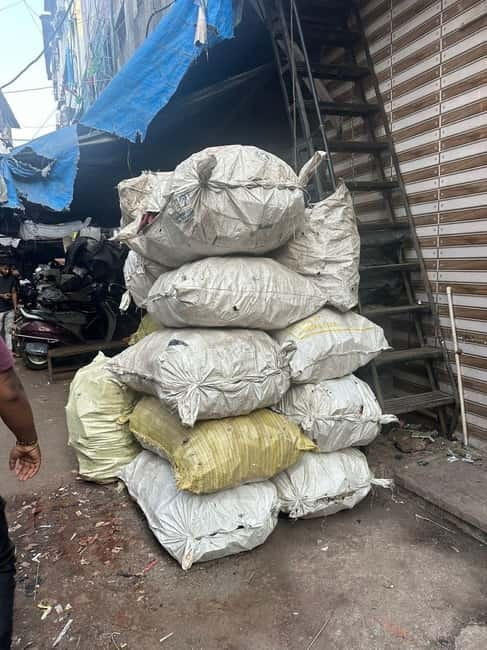
- The 13th compound recycling yard focused on plastic and metal work
- A concrete look at the process including melting and molding plastic toys and making buttons for brands like Barbie Dolls in India
- A 2-hour guided walk inside a wider 2–7 hour tour window depending on your option
- Transport that reduces stress with an air-conditioned vehicle and bottled water included
Why this Dharavi walk is worth your time (and your money)
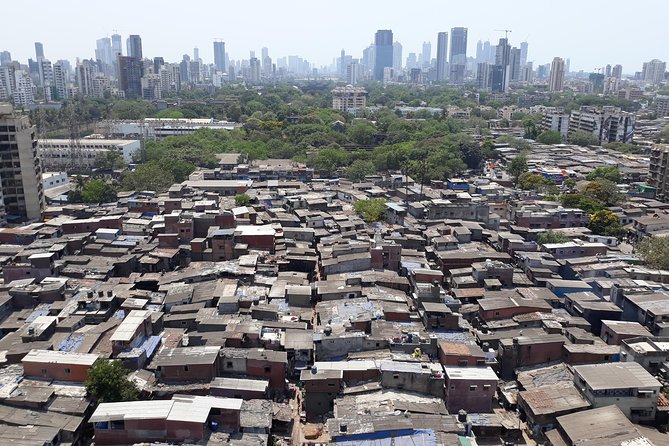
Dharavi gets talked about like it’s one thing: poverty. This tour pushes back on that shortcut. It frames Dharavi as a working community where people earn through industry—especially recycling—and where many different kinds of small businesses operate side by side. That matters, because stereotypes flatten real lives into a single emotion. On this tour, you’re meant to see the work.
I like that the experience is anchored in what people do every day. You’re not just shown a few photos or told a slideshow story. You’re guided through the kinds of production that connect Dharavi to markets far beyond the neighborhood—like plastic items remade into new products, and small components linked to well-known brands.
Also, it’s hard to argue with value. The price is listed at $8 per person, while the tour includes entry fees, a local English-speaking guide, bottled water, and private transportation (plus hotel/port pickup and drop-off, depending on your selected option). For Mumbai, that’s a lot of support baked in for a low ticket price.
The tradeoff is simple: this is a real neighborhood. You can expect active streets, working spaces, and a close view of daily life. If you prefer polished, quiet sightseeing only, this might feel too real.
Getting there: Mahim Railway Station and timed pickup options
The tour begins at Mahim Railway Station. That’s helpful because it gives you a real anchor point in Mumbai, instead of a vague “meet somewhere nearby.” If you select an option with pickup, you’ll be transported by air-conditioned vehicle, and you’ll want to be ready in the hotel lobby about 10 minutes before your scheduled start.
Meeting points can vary by option, so your best move is to double-check the exact instructions tied to your booking. The good news: you’re not left entirely to guesswork, since the tour operator provides clear guidance on when and where you should show up.
Plan for the basics. You’ll be doing a guided walk, so comfortable footwear is not optional.
Other Dharavi walks led by people who live there



Entering the 2-hour guided walk in Dharavi
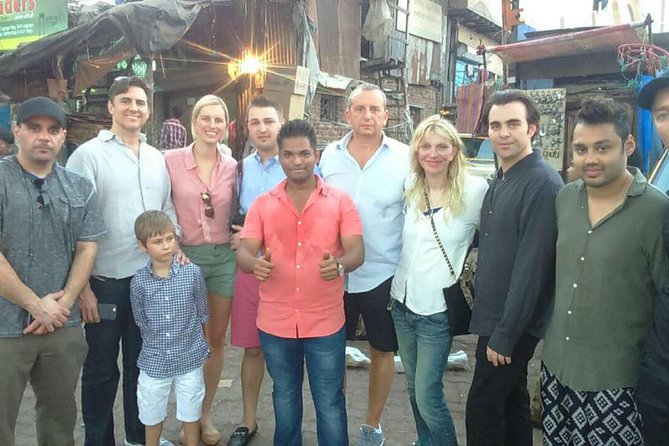
The core of the itinerary is a guided walk through Dharavi for about 2 hours. That’s a useful time frame: long enough to see different working areas and get meaningful explanations, but short enough that you don’t lose the thread if Mumbai traffic or timing runs a bit unpredictable.
Your guide’s job is to translate what you’re seeing into a bigger picture. The tour focuses on the idea that Dharavi is a city within a city, where people from different backgrounds coexist while supporting the neighborhood’s economy. The guide also helps challenge the “slum equals nothing but need” storyline by pointing out the skills, processes, and effort behind the industries you pass.
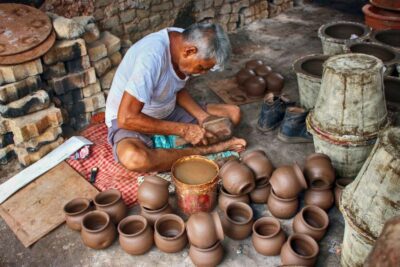
You’ll also hear the range of work the tour is designed to highlight: plastic recycling, metal-related work, and other small industries such as leather goods, ceramics, and embroidered garments. Not every stop in a short walk will show everything in equal detail, but the tour’s intent is to give you a broad view of how many trades operate in compact spaces.
The 13th compound recycling yard: what you’ll likely notice first

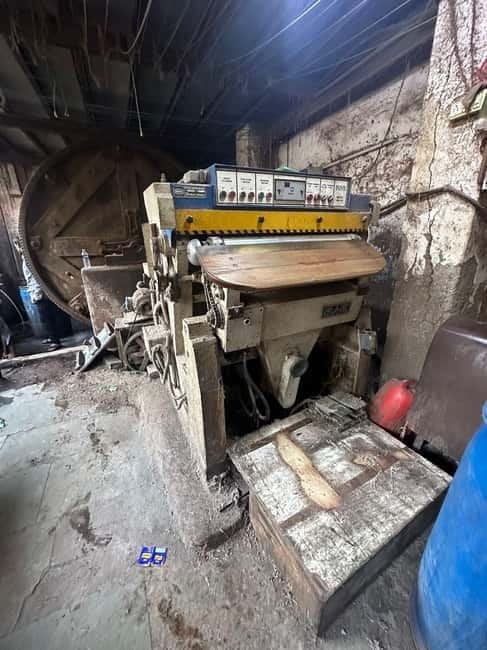
One of the most specific parts of the description is the plastic and metal recycling yard of the thirteenth compound. This is where the tour turns from concept into craft.
Here’s what you’re set up to witness:
- The steps around melting plastic
- How plastic gets molded into new items
- How small parts like buttons get produced
- A connection to global brands, including buttons made for Barbie Dolls in India
That Barbie link isn’t just a fun fact. It’s the kind of detail that helps you understand why recycling in Dharavi is economic—not random. You’re seeing how an informal labor ecosystem feeds real demand.
The practical takeaway: expect to be close to working activity. Even if you’re only observing, you’ll be inside a production flow. Keep your pace steady, listen to your guide’s explanations, and follow their cues about where to stand and how to move through tight lanes.
Beyond recycling: why the tour talks about other small industries
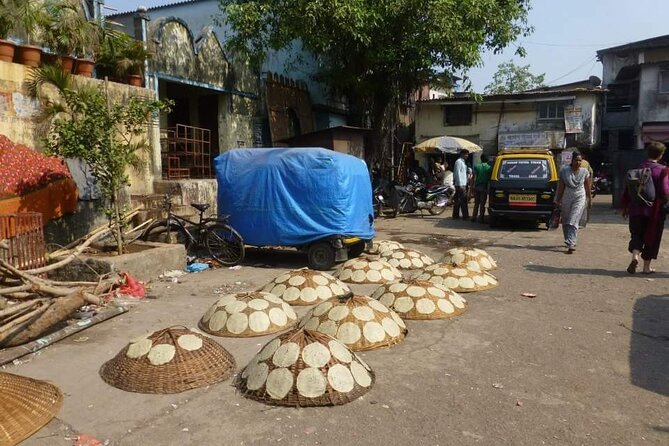
The tour doesn’t treat Dharavi as a single-industry zone. It describes Dharavi as a place where multiple trades operate and where creative production happens in cramped conditions. That includes industries such as high-quality leather goods, ceramics, and embroidered garments.
Even when you don’t see the full process of every trade during a 2-hour walk, this matters because it changes how you interpret what you see. Instead of thinking: one workshop, one product, one story—you start looking for patterns. You notice how different businesses complement each other, and how the neighborhood’s economy depends on many kinds of skills working together.
This is also where a strong guide makes a big difference. In the reviews, guides such as Ruqaiyya and Neha are praised for showing “many interesting places” and explaining daily life clearly. You want someone who can help you read the neighborhood without turning it into a click-through attraction.
- Dharavi slum tour in Mumbai by Female tour guides of the slum
★ 5.0 · 1,976 reviews - Mumbai: Full-Day Sightseeing Tour of Mumbai
★ 4.9 · 1,822 reviews - Private Mumbai Sightseeing Tour (Traveller’s Choice Award Winner)
★ 5.0 · 1,565 reviews - Group Guided Walking Tour in Fort and Colaba
★ 5.0 · 1,073 reviews - Highlights of Mumbai Sightseeing Tour: TRAVELLERS CHOICE AWARDED
★ 5.0 · 915 reviews - Private Guided Walking Tour in Fort & Colaba
★ 5.0 · 895 reviews
The guides: Ruqaiyya, Neha, and Rihanna’s impact
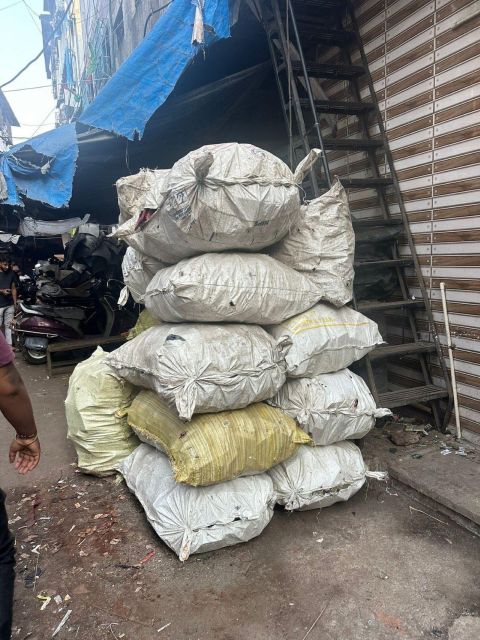
The standout theme in the ratings is guide quality. Multiple bookings highlight how much the tour depends on the person leading it—and specifically how well they explain what you’re seeing.
Here are the guide names that come up clearly in the feedback:
- Ruqaiyya: repeatedly praised for depth of knowledge, clarity, charm, and strong English
- Neha: praised for being kind and helpful, and for showing daily life effectively
- Rihanna: mentioned as a very good guide with thanks from a guest
What this tells you as a potential buyer: pick your option based on guide and communication. Since the tour lists English as available (along with Hindi and Marathi), you should expect explanations that aren’t just in broad strokes. And if you’re hoping to ask questions, this type of tour works best when your guide encourages them.
Also, because guides on this route are often local to Dharavi, they bring context that you can’t easily spot by yourself—like what’s happening in a workspace right now and how it connects to the broader economy.
Where the tour ends: drop-offs near Third Wave Coffee and Dhobi Ghat
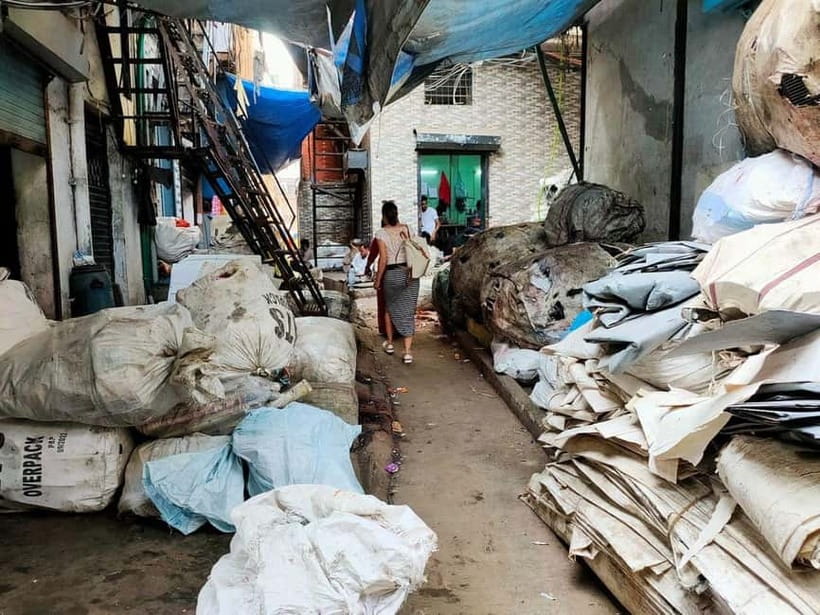
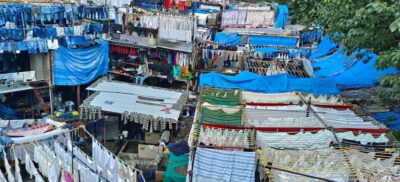
After the walking portion, the tour includes drop-off locations. The listed options include Third Wave Coffee, Mumbai, and Dhobi Ghat (with a third drop-off location referenced as well). In practice, that means your ending point may depend on which option you book.
This is useful for planning your rest of the day. Instead of being stranded back in the far end of your morning route, you’re handed back to recognizable areas where it’s easier to continue sightseeing or grab a meal afterward.
One detail to keep in mind: meals and drinks are not included. You’ll get bottled water, but if you want food later, plan your timing.
Price and value: $8 with entry fees, guide, and transport
At $8 per person, this is priced like a bargain. The question isn’t just whether the cost is low—it’s whether what’s included is meaningful.
Here’s what’s included:
- All place entry fees
- An English language local guide
- Hotel/port pickup and drop-off (if your option includes it)
- Bottled water
- An air-conditioned vehicle
- Private transportation
For me, the big value pieces are the guide and the logistics support. In a neighborhood like Dharavi, the difference between walking on your own and following a local guide isn’t just convenience—it’s access to context. You also avoid the time sink of figuring out transport in a big city.
The main “not included” items are meals and drinks. So treat the tour as a structured walk and explanation, then plan your food stop right after.
What to bring (and what not to bring)
This tour is straightforward in terms of rules. Bring:
- Comfortable shoes
Not allowed:
- Alcohol and drugs
- Nudity
That rules list is short, which is good. Still, it signals the vibe: this is a working community experience, not a party event.
If you’re sensitive to being in close quarters, remember you’ll be moving through active lanes and work areas. You can make it easier on yourself by traveling light (so you’re not bumping into others) and by keeping your attention on your guide’s cues.
How long is long enough? Choosing between 2 and 7 hours
The duration shows up as 2–7 hours, but the walking portion is specifically about 2 hours. That means the total time likely includes pickup, transit, and potentially the structure of your specific option.
If you’re short on time, the 2-hour walk is the heart of the experience. If you want more breathing room, pick an option with a longer total duration so you don’t feel rushed between your start and end points.
Either way, check availability for your preferred time. The tour’s timing options matter in Mumbai, where heat and traffic can turn a tight schedule into a stressful one fast.
Who this tour is for (and who should skip it)
This tour fits best if you:
- Want a real-world look at how work runs inside a dense neighborhood
- Like guided context that helps you read what you’re seeing
- Are curious about recycling, production, and how local industries connect outward
It might not fit if you:
- Want a purely scenic, hands-off sightseeing day
- Are looking for a sit-down museum-style experience
- Get uncomfortable in close, active work areas
Done right, this tour doesn’t ask you to treat Dharavi as a spectacle. It asks you to notice the economy of everyday effort—and how people build livelihoods through craft and recycling.
Should you book the Dharavi Slum Tour with Linda Tour Mumbai?
If you’re weighing this tour against the usual Mumbai highlights, I’d say book it when you want something more grounded than landmarks. The structure is practical: a 2-hour guided walk, local English support, transport help, and a clear focus on recycling and small-scale industries.
Also, the guide quality seems consistently strong. Names like Ruqaiyya and Neha come up in the feedback with praise for clarity and helpfulness, which is exactly what you want for a place that can otherwise feel confusing.
Just go with the right expectations: this isn’t staged. It’s a real neighborhood with real work. If you can handle that, you’ll get a tour that’s actually memorable for the reasons that matter.
FAQ
How long is the Dharavi Slum Tour?
The tour duration is listed as 2 to 7 hours, depending on the option you book. The guided walking portion is about 2 hours.
How much does the Dharavi Slum Tour cost?
The price is listed as $8 per person.
Where does the tour start and where do you end?
The tour starts at Mahim Railway Station. The drop-off locations include Third Wave Coffee, Mumbai and Dhobi Ghat, and the meeting point can vary depending on the selected option.
What’s included in the tour price?
Included items are all place entry fees, an English language local guide, hotel/port pickup and drop-off (if your option includes it), bottled water, and air-conditioned private transportation.
Are meals or drinks included?
No. Meals and drinks are not included.
What rules should I follow during the tour?
You should bring comfortable shoes. Alcohol and drugs are not allowed, and nudity is not allowed.
More Mumbai, Every Kind of Day
- Dharavi slum tour in Mumbai by Female tour guides of the slum
★ 5.0 · 1,976 reviews - Mumbai: Full-Day Sightseeing Tour of Mumbai
★ 4.9 · 1,822 reviews - Private Mumbai Sightseeing Tour (Traveller’s Choice Award Winner)
★ 5.0 · 1,565 reviews - Elephanta Caves & Island Guided Private Tour
★ 5.0 · 1,327 reviews
Dharavi, Told by Its Residents
- Dharavi slum tour in Mumbai by Female tour guides of the slum
★ 5.0 · 1,976 reviews - Mumbai: Dharavi Slum, DhobiGhat, and Dabbawallas Tour
★ 4.9 · 689 reviews - Dharavi Slum Tour
★ 5.0 · 625 reviews - Dharavi Slum tour in Mumbai by local resident
★ 5.0 · 572 reviews
New on the Mumbai shortlist




Dharavi Community Walks, compared.
 ★ 5.0Dharavi slum tour in Mumbai by Female tour guides of the slumFrom $91,976 reviews
 ★ 4.9Dharavi Slum, DhobiGhat, and Dabbawallas TourFrom $14689 reviews
 ★ 5.0Dharavi Slum TourFrom $20625 reviews
 ★ 5.0Dharavi Slum tour in Mumbai by local residentFrom $4572 reviews
 ★ 4.9Dharavi Slum Slumdog Millionaire Tour with a LocalFrom $10529 reviews
 ★ 5.0Mumbai Slum Tour – Visit Dharavi Slum with Local GuideFrom $5509 reviews
 ★ 5.0Dhobi Ghat Laundry and Dharavi Slum Tour with LocalFrom $4469 reviews
 ★ 5.02-Hour Guided Tour of DharaviFrom $22359 reviews
Browse the lists this tour appears in